Can Emotion Balance Support Help Manage Stress and Brain Fog in Long COVID and ME/CFS?
March 6, 2026
Emotion Balance SupportLong COVIDME/CFS
Share:
Disclaimer: The information provided here is for educational purposes only and is not intended as medical advice. It should not be used to diagnose, treat, cure, or prevent any medical condition. Instead, use it as a starting point for discussion with your healthcare provider. Always consult with a qualified healthcare provider before starting any new medication, supplement, device, or making changes to your health regimen.
Months or even years after recovering from an initial viral infection, many people find themselves fighting a daily battle against debilitating symptoms. The profound exhaustion, unpredictable mood fluctuations, and dense brain fog are not simply signs of being "tired" or "stressed." For individuals living with Long COVID, myalgic encephalomyelitis/chronic fatigue syndrome (ME/CFS), and dysautonomia, these symptoms represent a profound biochemical disruption. The nervous system becomes trapped in a state of sympathetic overdrive, while the body's natural reserves of neurotransmitters and stress-modulating hormones are systematically depleted by chronic inflammation.
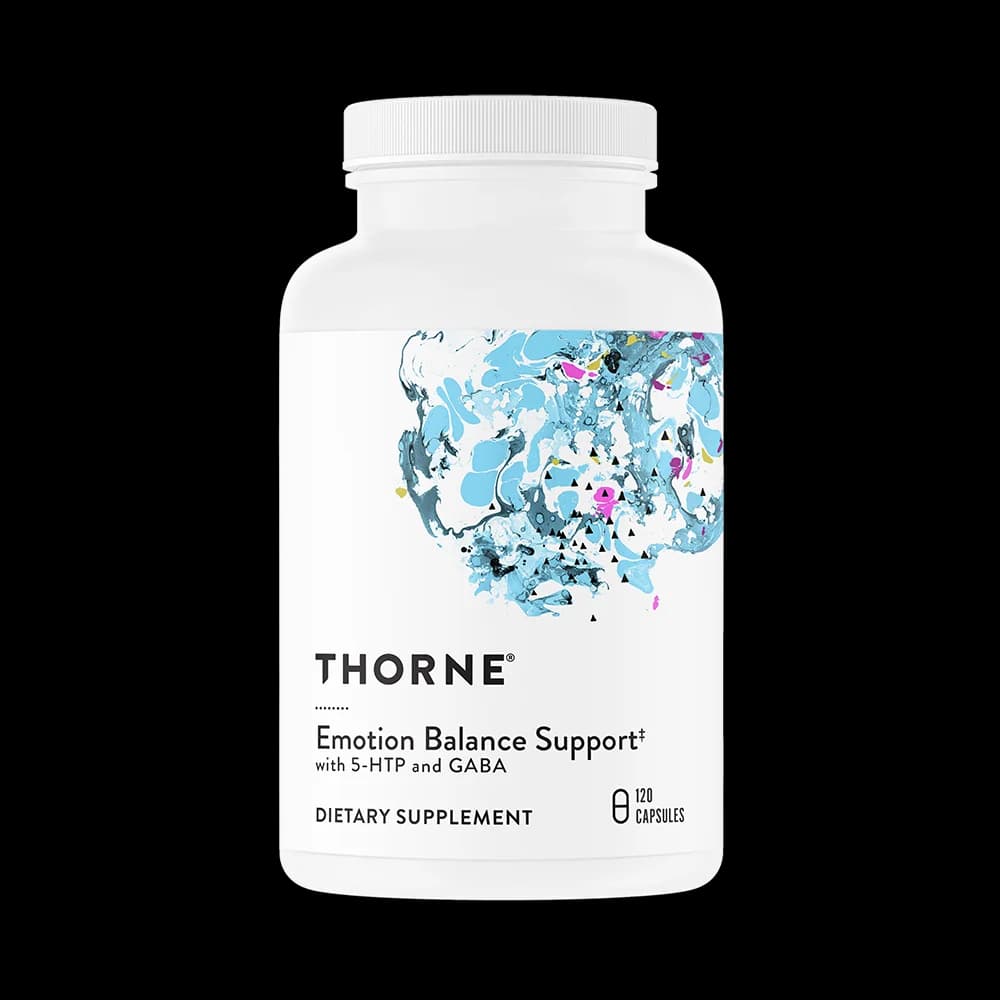
When standard medical tests come back "normal," it can be incredibly frustrating to articulate just how overwhelming these invisible symptoms are. However, emerging research is finally validating what patients have known all along: post-viral syndromes cause measurable, physiological damage to the gut-brain axis, the immune system, and the hypothalamic-pituitary-adrenal (HPA) axis. By understanding the specific molecular pathways that are disrupted—such as serotonin synthesis and cortisol regulation—we can begin to target them therapeutically. Thorne's Emotion Balance Support is a comprehensive formulation designed to address these exact pathways, combining neurotransmitter precursors, active B-vitamins, and powerful botanical adaptogens to promote healthy neurological function and emotional resilience.
TL;DR
Chronic illness can disrupt neurotransmitter synthesis and the HPA axis, leading to fatigue and brain fog.
Emotion Balance Support provides targeted amino acids like 5-HTP and L-Tyrosine to support neurotransmitter production.
Adaptogens and active B-vitamins in the formula may help modulate stress responses and support the methylation cycle.
Always consult a healthcare provider before starting new supplements, especially if taking psychiatric medications.
What is Emotion Balance Support?
The Foundation of Neurotransmitter Synthesis
To understand how Emotion Balance Support functions, we must first look at how a healthy body produces the chemical messengers that regulate mood, energy, and cognitive focus. Neurotransmitters are not created out of thin air; they are synthesized from specific amino acids obtained through our diet. This supplement provides a concentrated dose of these foundational building blocks, specifically L-Tyrosine and 5-Hydroxytryptophan (5-HTP). L-Tyrosine is a non-essential amino acid that serves as the direct precursor to the catecholamines: dopamine, norepinephrine, and epinephrine. In a healthy nervous system, the enzyme tyrosine hydroxylase converts L-Tyrosine into L-DOPA, which is then transformed into dopamine to drive executive function, motivation, and physical energy.
Similarly, 5-HTP is the immediate precursor to serotonin, the primary neurotransmitter responsible for mood stabilization, pain modulation, and the regulation of the sleep-wake cycle. Unlike raw dietary tryptophan, which must undergo a complex and easily disrupted conversion process, 5-HTP is one step further along the metabolic chain. It can freely cross the blood-brain barrier, where it is rapidly converted into central nervous system serotonin. By providing both L-Tyrosine and 5-HTP, Emotion Balance Support supplies the raw materials needed to maintain both the stimulating (dopamine/norepinephrine) and calming (serotonin) sides of the neurochemical spectrum.
In addition to these precursors, the formula includes Gamma-Aminobutyric Acid (GABA) in the form of patented PharmaGABA®. GABA is the brain's primary inhibitory neurotransmitter. While dopamine and norepinephrine act as the "gas pedal" for the nervous system, GABA acts as the "brakes." It binds to specific receptors in the nervous system to reduce neuronal excitability, effectively calming a hyperactive brain and promoting a state of relaxed alertness. Together, this triad of L-Tyrosine, 5-HTP, and GABA creates a balanced foundation for overall neurotransmitter health.
Adaptogenic Botanicals for Stress Resilience
Beyond amino acids, Emotion Balance Support incorporates two of the most thoroughly researched botanical adaptogens: Rhodiola rosea (Golden Root) and Eleutherococcus senticosus (Siberian Ginseng). Adaptogens are unique natural substances that help the body adapt to physiological and psychological stressors by modulating the hypothalamic-pituitary-adrenal (HPA) axis. The HPA axis is the central command center for the body's stress response, controlling the release of cortisol and adrenaline from the adrenal glands. When a healthy person encounters a stressor, the HPA axis triggers a temporary spike in cortisol to deal with the threat, followed by a rapid return to baseline.
Rhodiola and Eleuthero act as stress-mimetics, interacting directly with glucocorticoid receptors to normalize this cortisol response. Studies suggest Rhodiola rosea can improve symptoms of stress by helping to avoid the depletion of adrenal hormones during periods of chronic physiological strain. At the cellular level, these botanicals also stimulate the biosynthesis of adenosine triphosphate (ATP) in the mitochondria, directly combating physical lethargy. Furthermore, Rhodiola is known to mildly inhibit monoamine oxidases (MAO-A and MAO-B), the enzymes responsible for breaking down serotonin and dopamine, thereby extending the active lifespan of these crucial neurotransmitters in the synaptic cleft.
The Methylation Engine and Essential Cofactors
Amino acids and adaptogens cannot perform their functions in a vacuum; they require specific vitamin cofactors to drive the enzymatic reactions. Emotion Balance Support includes the biologically active forms of Vitamin B9 (5-MTHF or L-5-Methyltetrahydrofolate) and Vitamin B12 (Methylcobalamin). These two nutrients are the foundational drivers of the methylation cycle, a biochemical process that occurs billions of times per second in every cell. They work synergistically with the enzyme methionine synthase to convert the potentially toxic amino acid homocysteine into methionine, which is then used to produce S-adenosylmethionine (SAMe).
SAMe is the body's universal methyl donor, and it is absolutely critical for the synthesis of neurotransmitters, the repair of DNA, and the maintenance of the myelin sheath that protects nerve cells. Because up to 40% of the population carries an MTHFR gene mutation that impairs the conversion of standard folic acid into its active form, providing pre-methylated 5-MTHF ensures that the methylation cycle can proceed without interruption. The formula also includes Vitamin C, Vitamin B6 (as active P5P), Pantothenic Acid (B5), and Iodine, all of which serve as indispensable cofactors for adrenal health and the conversion of 5-HTP and L-Tyrosine into their final neurotransmitter forms.
How Chronic Illness Impacts the Nervous System and HPA Axis
Viral Reservoirs and the Kynurenine Shunt
In complex chronic conditions like Long COVID, the intricate pathways of neurotransmitter synthesis are severely disrupted. Recent scientific breakthroughs have fundamentally shifted our understanding of these illnesses, framing them as neuro-immune disorders driven by persistent viral reservoirs and chronic inflammation. When remnants of the SARS-CoV-2 virus persist in the gut, they trigger a continuous immune response and the release of inflammatory cytokines like interferons. This chronic inflammation downregulates ACE2 receptors in the intestines, which are responsible for absorbing dietary amino acids, notably tryptophan.
This malabsorption is only the first part of the problem. Under states of chronic inflammation, an enzyme called IDO1 (indoleamine 2,3-dioxygenase) is highly activated. According to a 2025 study published in Frontiers in Neurology, this activated IDO1 enzyme "steals" whatever tryptophan is absorbed and shunts it down the kynurenine pathway rather than the serotonin pathway. This biochemical hijacking not only starves the body of serotonin but also creates neurotoxic kynurenine metabolites that mimic dementia-like brain fog. The resulting profound systemic serotonin depletion impairs the vagus nerve, severing healthy communication between the gut and the brain, leading directly to cognitive impairment and poor sleep.
HPA Axis Burnout and Adrenal Dysregulation
While serotonin depletion drives brain fog and mood changes, the physical exhaustion and orthostatic intolerance seen in ME/CFS and dysautonomia are heavily linked to the depletion of dopamine and norepinephrine, combined with HPA axis burnout. Research indicates that chronic systemic or neuroinflammation may lead to HPA axis dysfunction and hypocortisolism. When the body is subjected to the relentless stress of a chronic infection, the adrenal glands are forced to pump out cortisol continuously. Over time, the glucocorticoid receptors become desensitized, and the HPA axis downregulates itself to survive, resulting in a state often referred to as adrenal fatigue.
Patients with this HPA axis dysfunction experience a blunted morning cortisol awakening response, making it incredibly difficult to wake up and function. Furthermore, the chronic oxidative stress depletes a vital co-factor called tetrahydrobiopterin (BH4). Without adequate BH4, the brain cannot convert L-Tyrosine into dopamine. Recent neurobiological hypotheses also suggest that due to mitochondrial dysfunction (low cellular ATP) in these conditions, the brain struggles to package dopamine into vesicles to be converted into norepinephrine. This leaves the autonomic nervous system starved of the neurotransmitters it needs to regulate blood pressure and heart rate upon standing, exacerbating the symptoms of dysautonomia and POTS.
The Methylation Bottleneck in Chronic Illness
The physiological burden of chronic illness is further compounded by impaired methylation. When the body is fighting a persistent pathogen or managing severe oxidative stress, the demand for methyl donors (like SAMe) skyrockets. If a patient also has an underlying MTHFR mutation or a deficiency in active B12, a biochemical bottleneck occurs. Homocysteine levels rise, causing endothelial dysfunction and further neuroinflammation.
This disrupted methylation cycle means the body cannot efficiently produce the neurotransmitters needed to counteract the kynurenine shunt or support the HPA axis. The nervous system becomes trapped in a vicious cycle: inflammation depletes neurotransmitters, and the lack of neurotransmitters (particularly serotonin and GABA) hinders the nervous system from calming down to heal the inflammation. Breaking this cycle requires targeted, bioavailable nutritional intervention that bypasses these broken metabolic pathways.
Emotion Balance Support: Restoring Neurotransmitters and Adrenal Function
Bypassing the Blockade with 5-HTP and L-Tyrosine
Emotion Balance Support is specifically formulated to intervene in the dysfunctional pathways characteristic of post-viral syndromes. By providing 5-HTP, the formula elegantly bypasses the inflammatory blockade that hinders tryptophan absorption. Because 5-HTP is already one step past the IDO1 enzyme in the metabolic pathway, it cannot be stolen and shunted into the toxic kynurenine pathway. Instead, it crosses the blood-brain barrier and is converted directly into serotonin. Research indicates that addressing serotonin and kynurenine pathway disruptions may help support cognitive function and sleep.
Simultaneously, the inclusion of L-Tyrosine provides the raw substrate necessary to rebuild depleted stores of dopamine and norepinephrine. By flooding the system with free-form L-Tyrosine, the formula ensures that the tyrosine hydroxylase enzyme has ample material to work with, even in the presence of oxidative stress. Replenishing these catecholamines is crucial for combating the profound daytime fatigue and executive dysfunction seen in ME/CFS. Furthermore, restoring norepinephrine helps regulate the autonomic nervous system, potentially easing the dizziness and rapid heart rate associated with orthostatic intolerance.
Calming Sympathetic Overdrive with PharmaGABA
Patients with Long COVID and dysautonomia frequently describe feeling "wired and tired"—a state where the body is physically exhausted, yet the nervous system is locked in a hyper-vigilant, sympathetic "fight or flight" response. PharmaGABA® addresses this directly. As a natural-source GABA, it interacts with the enteric nervous system in the gut, sending immediate calming signals up the vagus nerve to the brain.
Clinical trials have demonstrated that PharmaGABA supplementation significantly increases the generation of alpha brain waves (associated with relaxed alertness) while decreasing stress-inducing beta waves within just 60 minutes of ingestion. By acting as an inhibitory neurotransmitter, PharmaGABA counterbalances the effects of stress and anxiety, allowing the autonomic nervous system to shift back into a restorative parasympathetic state. This is essential for patients who struggle with sleep changes and disturbances, as lowering beta wave activity is a prerequisite for entering deep, non-REM sleep.
Modulating the HPA Axis with Adaptogens
To repair the burnout of the HPA axis, Emotion Balance Support relies on the adaptogenic power of Rhodiola and Eleuthero. These botanicals do not simply stimulate the body like caffeine; rather, they act as bidirectional modulators. If cortisol levels are too high due to acute stress, adaptogens help lower them. If cortisol levels are blunted due to chronic adrenal fatigue (as seen in ME/CFS), adaptogens help restore a healthy morning cortisol awakening response.
Managing chronic conditions often involves comprehensive strategies to support the recovering nervous system, addressing both physiological and psychological factors.
Fueling the Methylation Cycle with Active B-Vitamins
Finally, the formula ensures that the entire biochemical engine has the spark plugs it needs to run. By providing 5-MTHF and Methylcobalamin, Emotion Balance Support bypasses any potential genetic bottlenecks (like MTHFR mutations) and directly fuels the methylation cycle. This guarantees a steady production of SAMe, which is required to methylate the newly synthesized neurotransmitters and protect the myelin sheath of the nerves.
The inclusion of Vitamin C (250 mg) and Vitamin B6 (as active P5P) is equally deliberate. Vitamin C is highly concentrated in the adrenal glands and is rapidly depleted during times of stress; it is also a required cofactor for the conversion of dopamine to norepinephrine. Vitamin B6 is the essential cofactor for the enzyme aromatic L-amino acid decarboxylase, which is responsible for the final conversion of 5-HTP into serotonin and L-DOPA into dopamine. Together, these nutrients create a complete, synergistic ecosystem for neurological recovery.

Symptoms Emotion Balance Support May Help Manage
Cognitive and Neurological Symptoms
Emotion Balance Support targets the root neurochemical imbalances that drive many of the most frustrating invisible symptoms of chronic illness. By restoring serotonin, dopamine, and alpha brain wave activity, patients may experience relief in several cognitive areas:
Brain Fog and Cognitive Dysfunction: By bypassing the kynurenine shunt with 5-HTP and providing L-Tyrosine for dopamine synthesis, the formula supports executive function, memory retrieval, and mental clarity.
Mood Fluctuations and Depression: 5-MTHF and 5-HTP work synergistically to boost central nervous system serotonin, which is critical for stabilizing mood and combating the depressive symptoms often associated with chronic illness.
Sleep Disturbances and Insomnia: PharmaGABA helps reduce the hyperactive beta brain waves that hinder relaxation, while 5-HTP provides the necessary precursor for melatonin production, supporting deeper, more restorative sleep cycles.
Sensory Overload: By increasing inhibitory GABAergic signaling, the nervous system becomes less reactive to bright lights, loud noises, and other sensory stimuli that frequently trigger crashes in ME/CFS patients.
Autonomic and Stress Responses
The adaptogenic and catecholamine-supporting ingredients in this formula are specifically chosen to stabilize the HPA axis and the autonomic nervous system, addressing profound physical exhaustion:
Profound Physical Fatigue (PEM): Rhodiola and Eleuthero stimulate cellular ATP biosynthesis and support adrenal function, helping to raise the baseline of physical energy and resilience against post-exertional malaise.
"Wired and Tired" Sensation: PharmaGABA acts rapidly to calm the sympathetic "fight or flight" overdrive, allowing the body to rest even when physically exhausted.
Orthostatic Intolerance (Dizziness upon standing): L-Tyrosine provides the substrate for norepinephrine, a crucial neurotransmitter needed by the autonomic nervous system to constrict blood vessels and maintain blood pressure when transitioning to an upright position.
Poor Stress Tolerance: By normalizing the cortisol response and helping to avoid the depletion of adrenal hormones, the adaptogens in this formula help the body handle daily emotional and physical stressors without triggering a massive symptom flare.
Practical Considerations: Forms, Dosing, and Absorption
The Bioavailability of PharmaGABA vs. Synthetic GABA
When considering neurotransmitter supplementation, bioavailability is paramount. A frequent debate in neuroscience is whether oral GABA can effectively cross the blood-brain barrier. While evidence for synthetic GABA (often chemically synthesized from pyrrolidinone, an industrial solvent) is highly mixed, PharmaGABA® utilizes a completely different mechanism. PharmaGABA is naturally manufactured through a fermentation process utilizing Lactobacillus hilgardii—the same beneficial bacteria used to ferment traditional Korean kimchi.
Clinical trials indicate that GABA administration significantly increases alpha waves and decreases beta waves compared to water or L-theanine. Rather than forcing its way across the blood-brain barrier, PharmaGABA binds directly to GABA receptors in the enteric nervous system (the gut). This interaction sends immediate, relaxing parasympathetic signals up the vagus nerve to the brain, altering brain wave patterns and reducing salivary cortisol within 60 minutes. This gut-brain axis mechanism makes the natural form vastly superior for clinical stress management.
Active Methylated Vitamins and Absorption Synergy
The B-vitamins in Emotion Balance Support are provided in their bio-identical, active forms: 5-MTHF (folate) and Methylcobalamin (B12). Standard supplements often use synthetic folic acid and cyanocobalamin, which require multiple enzymatic conversions in the liver before the body can use them. For the estimated 40% of the population with MTHFR genetic variants, these synthetic forms can actually build up in the blood and block cellular receptors. By providing pre-methylated forms, this supplement ensures optimal absorption and immediate utilization in the methylation cycle, regardless of a patient's genetic status.
Furthermore, the formula is designed with absorption synergy in mind. The conversion of 5-HTP to serotonin and L-Tyrosine to dopamine requires Vitamin B6 and Vitamin C. By packaging the amino acid precursors together with their exact enzymatic cofactors (including 5 mg of active P5P Vitamin B6 and 250 mg of Ascorbic Acid), Thorne ensures that the biochemical pathways have everything they need to function efficiently without creating metabolic bottlenecks.
Safety, Contraindications, and CYP3A4 Compatibility
While Emotion Balance Support is safe and non-habit forming, its powerful effects on neurotransmitter levels require careful consideration of potential drug interactions. Notably, this formula contains no Hypericum (St. John's wort). St. John's wort is notorious for inducing the CYP3A4 enzyme in the liver, which rapidly metabolizes and clears many prescription medications from the bloodstream. Because this formula is free of St. John's wort, it is suitable for individuals taking medications metabolized by the CYP3A4 pathway.
However, there are strict contraindications to be aware of. Because the formula contains L-Tyrosine and 5-HTP, it is contraindicated in individuals taking MAO inhibitor (MAOI) antidepressants, and should be used with extreme caution in those taking SSRIs or other psychiatric medications due to the risk of Serotonin Syndrome. Additionally, while 5-MTHF is safe for those taking methotrexate for rheumatoid arthritis, it is not recommended concurrent with methotrexate cancer therapy. Finally, the 250 mg of Vitamin C can occasionally cause mild gastrointestinal upset or diarrhea in sensitive individuals, and the 68 mcg of Iodine may cause reactions in those with a specific iodine allergy. Always consult your healthcare provider before combining amino acid therapy with prescription medications.

Follow the Science: Clinical Trials and Research
Serotonin Depletion in Long COVID
The scientific understanding of post-viral neurotransmitter dysfunction has accelerated rapidly. A 2025 study published in Frontiers in Neurology provided critical validation for exploring serotonin and kynurenine pathway metabolism. The researchers discussed how viral reservoirs in the gut trigger chronic inflammation, which downregulates the intestinal absorption of tryptophan and activates the IDO1 enzyme. This enzyme shunts tryptophan away from serotonin production, leading to profound systemic serotonin depletion.
The review highlighted how disruptions in these pathways serve as key biomarkers for post-COVID conditions and discussed potential treatments targeting serotonin and kynurenine metabolism to address cognitive impairments. This provides a strong mechanistic rationale for supporting these pathways in patients suffering from post-viral cognitive issues.
Adaptogens for Post-Viral Fatigue
The adaptogenic components of Emotion Balance Support also boast a growing body of research interest, particularly for post-viral exhaustion, as the broader scientific community continues to examine chronic disease management from both physiological and psychological perspectives.
The results highlighted the complex behavioral aspects of managing long-term health conditions, emphasizing that successful management of chronic illness requires addressing both physiological and psychological factors.
PharmaGABA and Brain Wave Modulation
The efficacy of PharmaGABA in modulating the nervous system's stress response has been demonstrated in multiple electroencephalogram (EEG) studies. A widely cited clinical trial published in BioFactors (Abdou et al., 2006) administered GABA to healthy human subjects and measured their brain waves. Within 60 minutes, the subjects experienced a significant increase in the generation of alpha waves (associated with calm focus) and a decrease in beta waves (associated with stress and anxiety).
In the second phase of the same study, researchers tested the physical effects of PharmaGABA under extreme stress by having subjects with acrophobia cross a suspended bridge. The group that took a placebo experienced a sharp drop in salivary Immunoglobulin A (IgA), an immune antibody that typically plummets during intense stress. In contrast, the group that took PharmaGABA maintained significantly higher IgA levels, proving that the supplement not only alters brain waves but provides tangible, physical protection to the immune system during periods of acute stress.
The Path Forward
Validating the Biochemical Reality of Your Symptoms
Living with a complex chronic condition often means facing skepticism from a medical system that relies heavily on standard blood panels. When those panels come back normal, it is easy to feel dismissed or to question your own experience. But the profound fatigue, the dense brain fog, and the sudden surges of anxiety or dizziness are not in your head—they are in your biochemistry. The depletion of vital neurotransmitters like serotonin and dopamine, driven by chronic inflammation and HPA axis dysfunction, is a measurable, physiological reality. Understanding this is the first step toward reclaiming your health.
A Comprehensive Approach to Healing
While targeted nutritional support is a powerful tool, it is important to remember that there is no single miracle cure for conditions like Long COVID or ME/CFS. Healing requires a comprehensive, multi-disciplinary approach. Emotion Balance Support is designed to be one piece of a broader management strategy that includes aggressive rest, symptom tracking and pacing, nervous system regulation techniques, and ongoing medical care. By providing the raw materials your brain and adrenal glands need to function, this supplement helps raise your baseline resilience, making your other management strategies more effective.
Next Steps and Medical Guidance
If you are struggling with unpredictable moods, cognitive dysfunction, or the exhaustion of being constantly "wired and tired," supporting your neurotransmitter and adrenal pathways may offer significant relief. Because this formula contains potent amino acid precursors, it is vital to discuss it with a healthcare provider who understands post-viral syndromes, especially if you are currently taking any psychiatric medications. With the right guidance and targeted support, you can begin to calm the sympathetic overdrive and give your nervous system the foundation it needs to heal.