Can ElectroPure Hydration™ Watermelon Support Energy and Blood Volume in Long COVID and POTS?
March 5, 2026
ElectroPure HydrationLong COVIDDysautonomia
Share:
Disclaimer: The information provided here is for educational purposes only and is not intended as medical advice. It should not be used to diagnose, treat, cure, or prevent any medical condition. Instead, use it as a starting point for discussion with your healthcare provider. Always consult with a qualified healthcare provider before starting any new medication, supplement, device, or making changes to your health regimen.
Months or even years after a viral infection, many individuals find themselves battling a dizzying array of symptoms—literally. If you live with Postural Orthostatic Tachycardia Syndrome (POTS), Long COVID, or myalgic encephalomyelitis/chronic fatigue syndrome (ME/CFS), you know that simply standing up can send your heart racing, while basic daily tasks leave you with crushing, unexplainable fatigue. These conditions are incredibly complex, often leaving patients frustrated by a medical system that struggles to provide clear answers. However, emerging research continues to validate that these symptoms are not in your head; they are profound physiological disruptions involving low blood volume, autonomic nervous system dysfunction, and severe cellular energy failure.
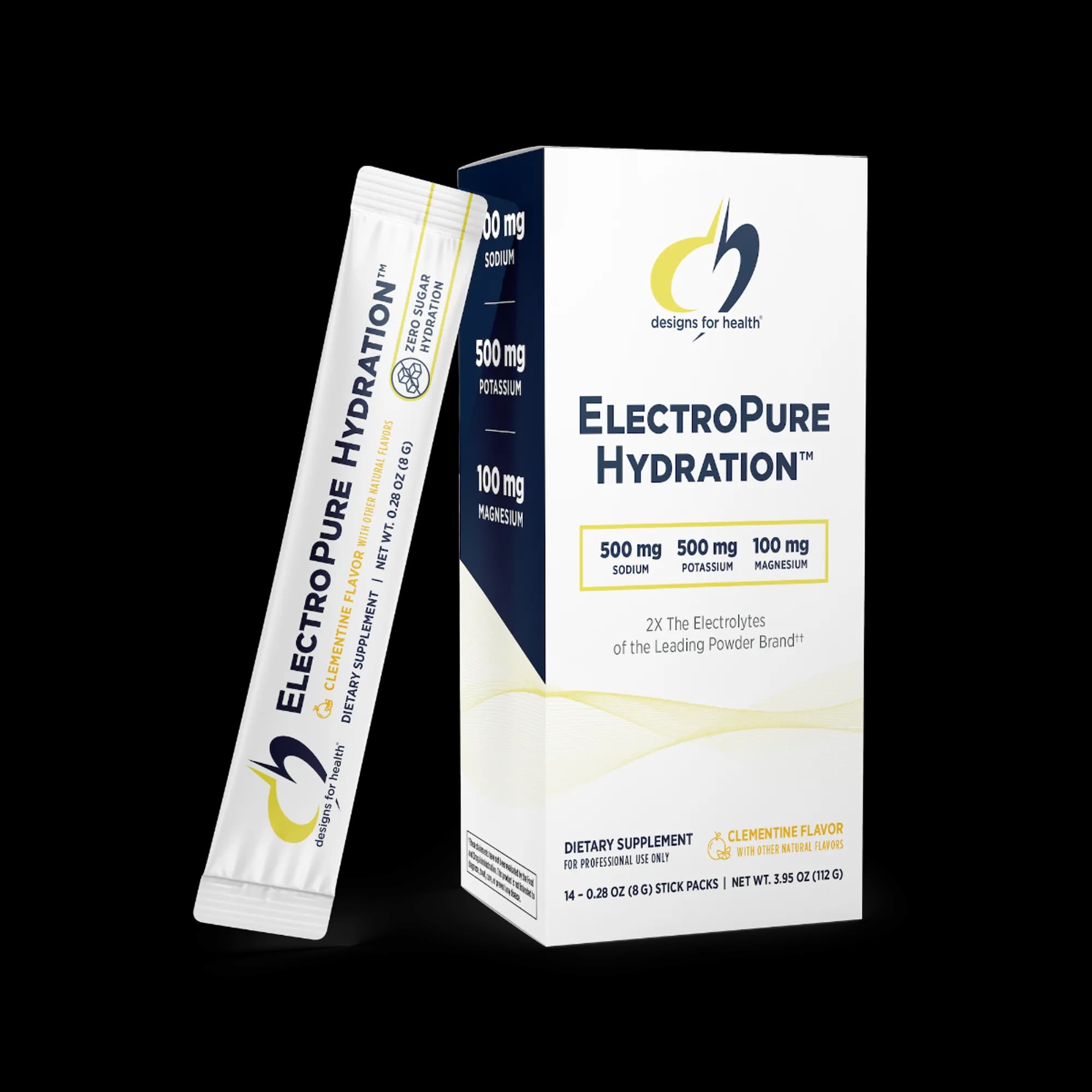
Managing these interconnected conditions requires far more than just drinking a few extra glasses of plain water. It requires a highly strategic approach to hemodynamics (blood flow) and cellular bioenergetics (how your cells make energy). This is where targeted nutritional support becomes a critical tool in your management arsenal. ElectroPure Hydration™ Watermelon is a specialized formula designed to address these exact physiological bottlenecks. By combining a precise 1:1 ratio of sodium to potassium with cellular energy substrates like D-ribose and highly bioavailable magnesium bisglycinate, it offers comprehensive support for blood volume expansion, mitochondrial function, and autonomic nervous system regulation.
TL;DR
Targeted hydration with a 1:1 sodium-to-potassium ratio supports blood volume and manages POTS symptoms.
D-ribose bypasses cellular bottlenecks to support ATP production and improve energy in ME/CFS.
Magnesium bisglycinate, Vitamin C, and Zinc provide essential antioxidant and nervous system support.
Always consult a healthcare provider to tailor electrolyte and supplement dosing to your specific needs.
What is ElectroPure Hydration™ Watermelon?
The Advanced Hydration Matrix
At its core, ElectroPure Hydration™ is engineered to optimize fluid balance within the human body, a process dictated entirely by electrolytes. Electrolytes are essential minerals that carry an electric charge when dissolved in bodily fluids like blood and intracellular water. They are the fundamental communicators of the nervous system, responsible for conducting electrical impulses that trigger muscle contractions, regulate heart rhythms, and maintain the delicate osmotic pressure that keeps your cells properly hydrated. In a healthy body, the kidneys tightly regulate these minerals, but in individuals with complex chronic illnesses, this regulation often becomes severely dysfunctional, necessitating aggressive, targeted supplementation to maintain basic physiological stability.
The foundation of this hydration matrix relies on a robust dose of Sodium (500 mg) and Chloride (770 mg), delivered as sodium chloride. Sodium is the primary extracellular cation (positively charged ion) in the body, meaning it dominates the fluid outside of your cells, including your blood plasma. Because water passively follows sodium through a process called osmosis, consuming high amounts of sodium is the most direct physiological method for pulling water into the bloodstream and expanding overall blood volume. This is paired with an equal 500 mg dose of Potassium, the primary intracellular cation, ensuring that as blood volume expands, the cells themselves do not become dehydrated—a critical balance that many standard hydration drinks fail to achieve.
Cellular Energy Components
Beyond basic fluid balance, this formula incorporates D-Ribose (1 g), a naturally occurring five-carbon sugar that plays a foundational role in cellular bioenergetics. Unlike standard sugars (like glucose or fructose) that the body burns for quick fuel, D-ribose is a structural component. It forms the essential carbohydrate backbone of adenosine triphosphate (ATP), the primary energy currency of every cell in the human body. It is also a vital structural element of ribonucleic acid (RNA) and crucial metabolic coenzymes like NADH and FADH, which are required to shuttle electrons through the mitochondrial electron transport chain. By providing direct supplemental D-ribose, you bypass the body's slow, rate-limiting natural synthesis pathways, directly feeding the cellular machinery required to rebuild depleted energy stores.
The formula also includes 100 mg of Magnesium, delivered as highly bioavailable TRAACS® Magnesium Bisglycinate Chelate. Magnesium is an indispensable cofactor in over 600 enzymatic reactions throughout the body, including the very first step of glycolysis and the stabilization of the ATP molecule itself (ATP must bind to a magnesium ion to become biologically active). The "bisglycinate" form means the magnesium is chemically bound to two molecules of the amino acid glycine. This specific chelation protects the magnesium from being destroyed by stomach acid and allows it to be absorbed efficiently through dipeptide channels in the intestines, bypassing the standard active transport mechanisms that often lead to poor absorption and gastrointestinal distress with cheaper forms like magnesium oxide.
Antioxidant Defense
To round out its physiological support, ElectroPure Hydration™ includes targeted doses of Vitamin C (400 mg) and Zinc (5 mg as Zinc Bisglycinate Chelate). Vitamin C, or ascorbic acid, is a potent water-soluble antioxidant that circulates through the bloodstream, actively scavenging and neutralizing highly reactive free radicals (reactive oxygen species) before they can damage cellular membranes or delicate endothelial tissues (the lining of your blood vessels). It also plays a mandatory role in the synthesis of collagen, which is vital for maintaining the structural integrity of the vascular system, a key consideration for those dealing with blood pooling and connective tissue hypermobility.
Zinc acts as a powerful synergistic partner to Vitamin C in the fight against systemic oxidative stress. It is a foundational structural component of Superoxide Dismutase (SOD), one of the body's most critical endogenous antioxidant enzymes, which specifically protects the mitochondria from being destroyed by the toxic byproducts of their own energy production. Furthermore, zinc is essential for proper immune system modulation, particularly in regulating the function of T-cells and preventing the hyper-inflammatory immune cascades frequently observed in post-viral conditions like Long COVID. Together, these ingredients create a comprehensive defense system against the cellular damage that drives chronic fatigue and autonomic dysfunction.
How Dysautonomia and Long COVID Impact Fluid and Energy Balance
The Hypovolemia Paradox in POTS
To understand why targeted hydration is so critical, we must examine how conditions like dysautonomia and POTS fundamentally alter the body's fluid dynamics. In a healthy individual, standing up causes gravity to pull blood toward the lower extremities. The autonomic nervous system instantly detects this drop in blood pressure and triggers the blood vessels in the legs to constrict, forcing blood back up to the heart and brain. However, up to 70% of POTS patients suffer from absolute hypovolemia, meaning they have a chronic, measurable deficit in their total blood plasma volume. When they stand, there simply isn't enough blood to circulate effectively, leading to severe cerebral hypoperfusion (lack of blood to the brain), which triggers dizziness, pre-syncope, and severe brain fog.
This hypovolemia is often driven by a paradoxical dysfunction in the renin-angiotensin-aldosterone system (RAAS), the hormonal pathway responsible for fluid retention. When blood volume drops, the kidneys should release renin, eventually triggering the production of aldosterone, a hormone that tells the body to hold onto sodium and water. Clinical research on POTS patients has demonstrated that many individuals have abnormally low levels of renin and aldosterone despite being chronically hypovolemic. Because their bodies fail to naturally retain sodium, they constantly excrete water through their urine, making it impossible to maintain adequate blood volume through normal dietary intake alone. This forces the sympathetic nervous system into overdrive, dumping norepinephrine (adrenaline) into the bloodstream to make the heart beat rapidly (tachycardia) in a desperate attempt to maintain blood pressure.
Mitochondrial Dysfunction and the ATP Deficit
While POTS heavily impacts blood flow, conditions like ME/CFS and Long COVID are deeply rooted in cellular energy failure. The mitochondria, often called the powerhouses of the cell, are responsible for generating ATP through a complex process called oxidative phosphorylation. In post-viral conditions, research indicates that the viral spike protein or chronic systemic inflammation can directly damage the mitochondrial membranes and disrupt the electron transport chain. This causes the mitochondria to become highly inefficient, producing massive amounts of toxic reactive oxygen species (ROS) while failing to generate adequate amounts of ATP. This severe energy deficit is the physiological driver behind the crushing, paralyzing fatigue patients experience on a daily basis.
This energy crisis is compounded by a metabolic bottleneck in the body's ability to rebuild its ATP reserves. When a healthy person exercises, their ATP is broken down into ADP and AMP, but the body quickly recycles these molecules to restore energy. In ME/CFS, the recycling process is broken, and the foundational molecules are flushed out of the cells entirely. To rebuild new ATP from scratch, the body must synthesize D-ribose through the Pentose Phosphate Pathway (PPP). However, medical literature confirms that the enzymes required for this pathway are severely lacking in cardiac and skeletal muscle tissue. For a patient with ME/CFS, this means that once they exhaust their cellular energy, their body physically cannot synthesize D-ribose fast enough to recover, leading to the devastating, prolonged crashes known as post-exertional malaise (PEM).
The Oxidative Stress Burden
The final piece of this complex physiological puzzle is the overwhelming burden of oxidative stress. When the immune system battles a severe viral infection like SARS-CoV-2, it deploys free radicals as chemical weapons to destroy the invading pathogen. However, in Long COVID, the immune system often fails to stand down, leading to a chronic state of hyper-inflammation. This sustained oxidative stress ravages the body, damaging the delicate endothelial cells that line the blood vessels. Endothelial dysfunction impairs the blood vessels' ability to dilate and constrict properly, further exacerbating the blood pooling and orthostatic intolerance seen in dysautonomia.
Furthermore, this systemic oxidative damage directly attacks the central nervous system, leading to neuroinflammation. Recent transcriptomic profiling of Long COVID patients has shown an upregulation of genes involved in ROS generation and impaired mitophagy (the clearing out of dead mitochondria). This neuroinflammatory state disrupts neurotransmitter balance, heavily contributing to the cognitive impairment (brain fog), severe sleep disturbances, and heightened pain sensitivity (fibromyalgia-like symptoms) that plague so many individuals living with these invisible illnesses. Without aggressive antioxidant intervention to quench these free radicals, the body remains trapped in a vicious cycle of cellular damage and energy depletion.
ElectroPure Hydration™: Supporting Blood Volume and Cellular Energy
Expanding Plasma Volume with Sodium and Potassium
To counteract the debilitating effects of hypovolemia, ElectroPure Hydration™ utilizes a high-dose, balanced electrolyte profile to artificially force blood volume expansion. When you consume the 500 mg of sodium provided in this formula, it is rapidly absorbed through the intestinal wall and enters the bloodstream. Because of the principles of osmotic pressure, water actively follows the sodium, pulling fluid directly into the vascular space. This artificially expands the blood plasma volume, providing the heart with more blood to pump per beat (increased stroke volume). As stroke volume increases, the sympathetic nervous system no longer has to dump massive amounts of adrenaline into the body, which effectively lowers the orthostatic tachycardia and calms the severe "fight or flight" anxiety sensations common in hyperadrenergic POTS.
Crucially, this formula pairs its sodium with an equal 500 mg of potassium, maintaining a precise 1:1 ratio. This is vital because of the sodium-potassium pump, an enzyme located in the membrane of every cell that constantly works to pump sodium out of the cell and pull potassium in. If a POTS patient consumes massive amounts of sodium without adequate potassium, it creates a dangerous osmotic gradient that forces potassium out of the intracellular space. This leads to severe cellular dehydration, which can paradoxically reduce overall blood volume and trigger intense muscle cramping and cardiac arrhythmias. By providing a 1:1 ratio, this supplement ensures that as the blood plasma expands, the cells themselves remain perfectly hydrated and electrically stable.
The ATP Salvage Pathway via D-Ribose
To address the profound cellular energy deficits seen in ME/CFS and Long COVID, ElectroPure Hydration™ delivers 1 gram of pure D-ribose. The mechanism of action here is elegantly simple but profoundly impactful: D-ribose directly bypasses the metabolic bottleneck of the Pentose Phosphate Pathway. When you consume supplemental D-ribose, it is rapidly absorbed into the bloodstream and taken up by the cells, where it feeds directly into the "purine salvage pathway." This provides the exact structural substrate the mitochondria need to instantly begin synthesizing new molecules of ATP, completely bypassing the slow, rate-limiting enzymes that normally delay recovery.
By rapidly replenishing the cellular ATP pools, D-ribose helps restore the functional capacity of skeletal and cardiac muscle tissues. For a patient living with chronic fatigue, this means that the cellular machinery has the raw materials it needs to recover from exertion much faster. While it is not a cure for post-exertional malaise (PEM), clinical studies on D-ribose suggest that it can significantly improve energy levels and overall well-being, allowing patients to engage in their daily activities with a slightly wider "energy envelope" before triggering severe symptom exacerbation.
Calming the Nervous System with Magnesium Bisglycinate
The inclusion of magnesium bisglycinate offers a dual-action mechanism that supports both cellular energy and autonomic regulation. At the molecular level, magnesium is required to bind to ATP to create Mg-ATP, the only biologically active form of energy that the body can actually use. Without adequate magnesium, even if the mitochondria produce ATP, the cells cannot utilize it. Furthermore, magnesium acts as a natural calcium channel blocker and an antagonist to the NMDA receptor in the brain. The NMDA receptor is heavily involved in the central sensitization of pain and the hyper-excitability of the nervous system. By blocking this receptor, magnesium helps quiet the neurological static that causes widespread pain and sensory overload.
The "bisglycinate" chelation adds an entirely separate layer of therapeutic benefit. Glycine is an inhibitory neurotransmitter in the central nervous system, meaning it actively works to slow down hyperactive nerve signaling. When the magnesium bisglycinate molecule is broken down in the body, the released glycine crosses the blood-brain barrier, where it helps lower core body temperature and promotes deep, restorative Non-Rapid Eye Movement (NREM) sleep. For patients with dysautonomia who are stuck in a state of sympathetic overdrive ("tired and wired"), this combination of elemental magnesium and inhibitory glycine provides a powerful, non-pharmacological way to downregulate the nervous system and promote true physiological rest.

Symptoms ElectroPure Hydration™ May Help Manage
Cardiovascular and Autonomic Symptoms
Orthostatic Tachycardia: By utilizing sodium to expand blood plasma volume, the heart does not have to beat as rapidly to maintain blood pressure when standing, directly reducing the severe heart rate spikes characteristic of POTS.
Dizziness and Pre-Syncope: Increased blood volume ensures better cerebral perfusion (blood flow to the brain), significantly reducing the lightheadedness, tunnel vision, and fainting sensations experienced upon standing.
Blood Pooling (Acrocyanosis): Adequate hydration and blood volume support the vascular system's ability to maintain pressure, reducing the painful, purple pooling of blood in the legs and feet.
Palpitations and Arrhythmias: The precise 1:1 ratio of sodium to potassium, combined with magnesium, ensures that the electrical conduction system of the heart remains stable, reducing the frequency of ectopic beats and palpitations.
Energy and Cognitive Symptoms
Post-Exertional Malaise (PEM): D-ribose feeds directly into the ATP salvage pathway, providing the raw materials needed to rebuild cellular energy stores faster, potentially shortening the duration and severity of post-exertional crashes.
Chronic, Unrelenting Fatigue: By supporting mitochondrial ATP production and reducing systemic oxidative stress with Vitamin C and Zinc, the body's overall bioenergetic baseline is elevated, helping to combat daily exhaustion.
Brain Fog and Cognitive Impairment: Improved cerebral blood flow from sodium-induced volume expansion, combined with the neuroprotective antioxidant effects of Vitamin C, helps clear the neurological static and improve focus and memory recall.
Musculoskeletal and Systemic Symptoms
Muscle Cramping and Spasms: Magnesium bisglycinate and balanced potassium levels ensure proper muscle fiber relaxation and prevent the severe, painful cramping often caused by electrolyte imbalances and cellular dehydration.
Poor Sleep Architecture: The inhibitory neurotransmitter action of glycine (from the magnesium chelate) helps calm the sympathetic nervous system, reducing the "tired and wired" sensation and promoting deeper, more restorative sleep cycles.
Exercise Intolerance: By pre-loading with a comprehensive electrolyte and D-ribose matrix, the muscles are better equipped to handle the metabolic demands of physical activity, reducing the immediate physiological stress of movement.
Practical Considerations: Forms, Dosing, and Absorption
The Importance of the 1:1 Ratio
When utilizing electrolytes for chronic illness management, the ratios of the minerals are just as important as the absolute dosages. Many commercial sports drinks are heavily skewed, offering high sodium with almost negligible amounts of potassium. While this might be sufficient for a healthy athlete sweating out pure salt, it is highly problematic for a POTS patient consuming massive amounts of sodium daily. Medical guidelines for dysautonomia emphasize that pushing pure sodium without potassium forces the sodium-potassium pumps to work overtime, eventually leading to intracellular potassium depletion. This depletion can cause severe fatigue, muscle weakness, and dangerous cardiac arrhythmias.
ElectroPure Hydration™ mitigates this risk by utilizing a strict 1:1 ratio (500 mg of sodium to 500 mg of potassium). This perfectly balanced approach ensures that as you aggressively expand your extracellular blood volume with sodium, you are simultaneously providing the exact amount of potassium needed to keep the inside of your cells hydrated and electrically stable. This makes it an exceptionally safe and effective option for long-term, daily use in patients who require constant hemodynamic support without putting undue stress on their renal (kidney) function.
Maximizing Bioavailability
The effectiveness of any supplement is entirely dependent on its bioavailability—how much of the active ingredient actually makes it into your systemic circulation. This formula excels by utilizing TRAACS® Magnesium Bisglycinate Chelate. Recent gastrointestinal simulation models have demonstrated that magnesium bisglycinate achieves an absorption bioavailability of up to 67%, vastly outperforming cheaper inorganic forms like magnesium oxide, which absorbs at a dismal rate of roughly 4%. Because the magnesium is bound to glycine, it does not break down in the stomach and does not draw water into the colon, completely eliminating the risk of the severe osmotic diarrhea that plagues many patients trying to increase their magnesium intake.
Similarly, the D-ribose in this formula is highly bioavailable, absorbing rapidly through the mucosal lining of the gastrointestinal tract. However, because D-ribose is a simple five-carbon sugar, it can stimulate a mild insulin response in the body. Interestingly, because it does not actually raise blood glucose levels, this insulin spike can occasionally cause a transient drop in blood sugar (hypoglycemia). For patients who are sensitive to blood sugar fluctuations or who suffer from reactive hypoglycemia, it is highly recommended to consume this hydration mix alongside a small meal or a snack containing complex carbohydrates and protein to stabilize glucose levels.
Timing and Daily Usage
For patients managing dysautonomia and Long COVID, the timing of electrolyte intake can dramatically influence symptom severity. Because blood volume is naturally at its lowest in the morning (due to fluid processing overnight), many specialists recommend "front-loading" your hydration. Mixing a serving of ElectroPure Hydration™ into 16 ounces of water and drinking it before even getting out of bed can provide a crucial preemptive expansion of blood volume, significantly reducing the morning tachycardia and dizziness that make starting the day so difficult.
Additionally, this formula is highly effective when used as a pre-loading strategy before known symptom triggers. If you know you have to take a hot shower (which causes vasodilation and blood pooling), engage in physical therapy, or stand for a prolonged period, consuming a serving 30 minutes prior can equip your vascular system and mitochondria with the necessary substrates to handle the orthostatic and metabolic stress. Always consult with your healthcare provider to determine your optimal total daily sodium target, as individual needs can vary wildly from 3,000 mg to upwards of 10,000 mg depending on the severity of your hypovolemia.

Follow the Science
Clinical Evidence for High-Sodium Intake
The use of high-dose sodium to manage dysautonomia is heavily supported by clinical literature. A landmark 2021 study published in the Journal of the American College of Cardiology by Garland et al. rigorously investigated the effects of dietary sodium on POTS patients. The researchers placed patients on a high-sodium diet (6,900 mg/day) versus a low-sodium diet (2,300 mg/day) for six days. The results were striking: the high-sodium diet successfully expanded plasma blood volume, significantly decreased upright heart rate (orthostatic tachycardia), and dramatically lowered standing plasma norepinephrine levels. This proved that by artificially expanding blood volume, the sympathetic nervous system was relieved of its burden, directly validating the aggressive hydration protocols recommended by dysautonomia specialists.
Further research into the renin-aldosterone paradox has confirmed why this intervention is necessary. Studies examining adrenal responsiveness in POTS patients have shown that while their adrenal glands function normally when stimulated, their baseline RAAS signaling is fundamentally blunted. This chronic inability to retain sodium naturally means that continuous, high-dose electrolyte supplementation is not just a temporary fix, but a required daily management strategy to maintain hemodynamic stability and prevent chronic hypovolemic crises.
D-Ribose in ME/CFS Trials
The clinical application of D-ribose for profound fatigue syndromes was heavily pioneered by Dr. Jacob Teitelbaum. In a pivotal 2006 pilot study published in the Journal of Alternative and Complementary Medicine, 41 patients diagnosed with ME/CFS and/or Fibromyalgia were given 15 grams of D-ribose daily. The results showed that 66% of the patients experienced significant clinical improvement, reporting an average 45% increase in energy levels and a 30% improvement in overall well-being. Statistically significant improvements were observed across all tested categories, including sleep quality, mental clarity, and pain intensity.
These findings were later validated in a 2012 multicenter trial. The follow-up study led to similar results, showing significant improvements in clinical symptoms. While these studies were open-label and require further double-blind, placebo-controlled replication, the consistent, highly significant improvements in patient-reported outcomes strongly support the biochemical theory that bypassing the Pentose Phosphate Pathway with supplemental D-ribose provides critical bioenergetic relief for patients suffering from severe mitochondrial dysfunction.
Antioxidants in Post-Viral Recovery
The inclusion of Vitamin C and Zinc is backed by robust data regarding post-viral oxidative stress. A recent narrative review highlights the critical role of mitochondrial reactive oxygen species as a unifying mechanism in Long COVID and spike protein-associated injury. This emphasizes the critical role of antioxidants like Vitamin C in repairing endothelial damage and scavenging the reactive oxygen species that drive post-viral fatigue.
Similarly, research into ME/CFS has consistently shown that these patients exhibit significantly lower serum zinc levels compared to healthy controls, and that this deficiency correlates directly with the severity of their fatigue and immune dysregulation. By supplementing with highly bioavailable zinc bisglycinate, patients can support the function of Superoxide Dismutase (SOD), protecting their vulnerable mitochondria from further oxidative destruction and helping to modulate the chronic neuroinflammation that sustains their symptoms.
The Path Forward
A Comprehensive Approach
Living with complex chronic illnesses like Long COVID, POTS, and ME/CFS is an exhausting, unpredictable journey. It is entirely valid to feel overwhelmed by the sheer volume of symptoms you have to manage on a daily basis. While no single supplement is a magic cure for these profound physiological disruptions, targeted nutritional interventions like ElectroPure Hydration™ Watermelon can serve as a foundational pillar in your overall management strategy. By directly addressing the root mechanisms of hypovolemia and mitochondrial energy failure, you provide your body with the exact physiological substrates it needs to stabilize and begin the slow process of recovery.
However, supplements are most effective when integrated into a comprehensive, holistic care plan. Aggressive hydration and ATP support must be paired with strict pacing strategies to prevent post-exertional malaise. Utilizing wearable technology to track your heart rate, monitoring your symptom triggers, and working closely with a dysautonomia-literate healthcare provider are all essential components of reclaiming your quality of life. ElectroPure Hydration™ is designed to widen your energy envelope, giving you the physiological buffer needed to engage in these other critical management techniques.
Listening to Your Body
Because every patient's biochemistry and symptom presentation is unique, it is crucial to listen to your body and adjust your protocols accordingly. Some individuals may find profound relief from a single daily serving, while others with severe hyperadrenergic POTS may need to incorporate multiple servings alongside other high-sodium interventions to achieve optimal blood volume expansion. Always pay attention to how your body responds, particularly regarding your gastrointestinal tolerance and blood sugar stability, and never hesitate to modify your dosing schedule to fit your specific needs.
If you are ready to support your blood volume, enhance your cellular energy production, and combat systemic oxidative stress, Explore ElectroPure Hydration™. As always, please consult with your primary care physician or dysautonomia specialist before adding any new supplement to your regimen, especially if you have underlying kidney issues, pre-existing high blood pressure, or are taking medications that affect your heart rate or fluid balance.