Can the Electrolyte/Energy Formula Support Hydration and Focus in Long COVID and ME/CFS?
March 5, 2026
Electrolyte/Energy FormulaLong COVIDME/CFS
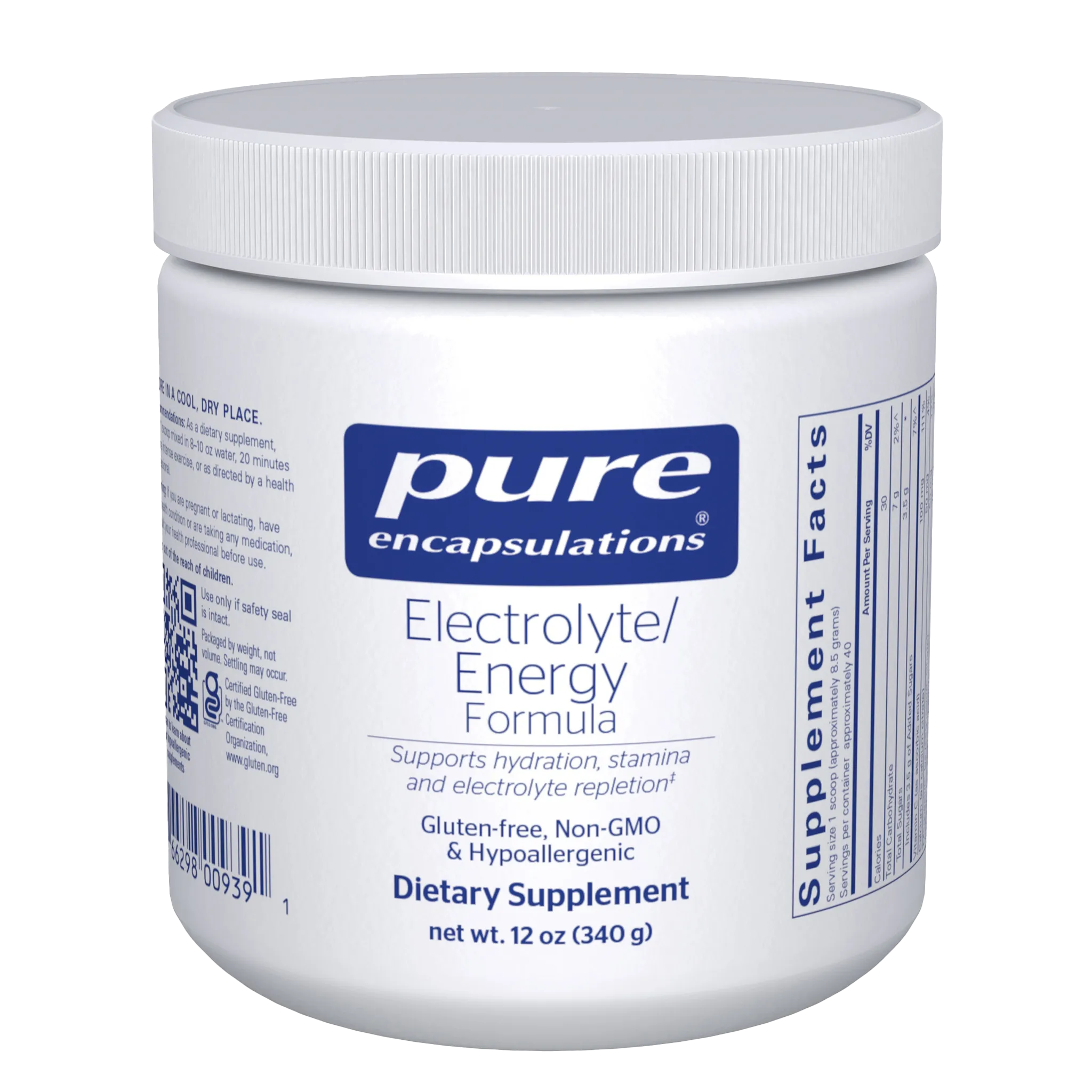
Share:
Disclaimer: The information provided here is for educational purposes only and is not intended as medical advice. It should not be used to diagnose, treat, cure, or prevent any medical condition. Instead, use it as a starting point for discussion with your healthcare provider. Always consult with a qualified healthcare provider before starting any new medication, supplement, device, or making changes to your health regimen.
Months or even years after a mild viral infection, millions of people find themselves trapped in a body that no longer functions the way it used to. For individuals living with Long COVID, Myalgic Encephalomyelitis/Chronic Fatigue Syndrome (ME/CFS), and dysautonomia, the simple act of standing up, taking a shower, or walking to the mailbox can trigger a cascade of debilitating symptoms. The profound exhaustion, racing heart rate, and thick cognitive "brain fog" are not signs of deconditioning or anxiety; they are the clinical manifestations of a body whose fundamental energy production and fluid regulation systems have been hijacked.
When the autonomic nervous system is dysregulated and the cellular mitochondria cannot efficiently produce energy, patients are left relying on inefficient backup systems that rapidly deplete the body's resources. This is why pushing through the fatigue often leads to severe crashes, known as post-exertional malaise (PEM). Managing these complex, interconnected conditions requires a highly strategic approach to cellular support. By targeting the exact biochemical bottlenecks—replenishing lost blood volume, bypassing broken metabolic pathways, and supplying the brain with neurotransmitter precursors—patients can begin to stabilize their daily energy envelopes. This comprehensive guide explores the science behind the Electrolyte/Energy Formula, detailing how its precise blend of electrolytes, Krebs cycle intermediates, and amino acids can support hydration, cognitive focus, and mitochondrial function in chronic illness.
TL;DR
Electrolytes like sodium and potassium help expand blood volume, supporting dysautonomia and POTS management.
Krebs cycle intermediates may bypass cellular energy bottlenecks, helping to delay post-exertional fatigue.
L-tyrosine and vitamin C provide neurotransmitter support to help manage stress-induced brain fog.
Always pair targeted nutritional support with strict activity pacing and medical supervision.
What is the Electrolyte/Energy Formula?
The Foundation of Cellular Hydration and Action Potentials
To understand how the Electrolyte/Energy Formula functions, we must first examine the biological roles of its foundational ingredients in a healthy body. At the most basic physiological level, human life is driven by electricity and water. Electrolytes—specifically sodium, potassium, chloride, calcium, and magnesium—are minerals that carry an electric charge when dissolved in bodily fluids. These charged ions are responsible for maintaining the delicate balance of fluid inside and outside of every cell, a process governed by osmotic pressure. Sodium and chloride primarily manage the extracellular fluid (the blood plasma and interstitial fluid), while potassium is the dominant intracellular ion. Together, they operate the sodium-potassium pump, a critical cellular mechanism that consumes a massive portion of the body's daily energy just to maintain the electrochemical gradients necessary for survival.
Beyond simple hydration, these electrochemical gradients are what allow the nervous system to communicate and muscles to contract. When a nerve sends a signal to the heart to beat or to a leg muscle to move, it does so by rapidly opening ion channels, allowing sodium to rush into the cell and potassium to rush out. This sudden shift in charge creates an "action potential," an electrical spark that travels down the nerve fiber. Calcium then enters the muscle cells to initiate the physical contraction, while magnesium acts as the crucial "relaxing" mineral, binding to receptors to stop the contraction and prevent spasms. Without a precise and constant supply of these electrolytes, the autonomic nervous system cannot effectively regulate involuntary functions like heart rate, blood pressure, and digestion.
The Krebs Cycle and Cellular Energy Production
While electrolytes manage the electrical signaling, the actual physical energy required to power these pumps and muscle contractions comes from the mitochondria, the microscopic powerhouses inside our cells. In a healthy metabolism, the body converts the food we eat into adenosine triphosphate (ATP), the universal currency of cellular energy. The most efficient way the body produces ATP is through a process called aerobic respiration, which relies heavily on a continuous biochemical loop known as the Citric Acid Cycle, or the Krebs cycle. This cycle takes place deep within the mitochondrial matrix and requires a constant supply of oxygen and specific organic acids to keep turning.
The Electrolyte/Energy Formula contains two highly specific Krebs cycle intermediates: alpha-ketoglutarate (AKG) and malic acid. Alpha-ketoglutarate is an early-stage intermediate that acts as a crucial nitrogen transporter and helps feed electrons into the electron transport chain. Malic acid, or malate, is a late-stage intermediate that plays a vital role in the breakdown of glucose within muscle tissues. When healthy individuals engage in strenuous physical activity, the demand for ATP skyrockets. By supplying the body with these exact metabolic intermediates alongside fast-acting carbohydrates like glucose and maltodextrin, the formula ensures that the mitochondria have the raw materials needed to sustain aerobic energy production, thereby delaying the onset of muscle fatigue and sparing the body's stored glycogen reserves.
Neurotransmitter Synthesis and Cognitive Resilience
The final piece of this complex biological puzzle involves the central nervous system's response to stress and exertion. The brain requires a constant supply of specific neurotransmitters to maintain executive function, working memory, and focus. The formula includes L-tyrosine, a non-essential amino acid that serves as the direct biochemical precursor to the catecholamine neurotransmitters: dopamine, norepinephrine, and epinephrine (adrenaline). In a healthy brain, these neurotransmitters are synthesized in a tightly regulated pathway. L-tyrosine is converted into L-DOPA by the enzyme tyrosine hydroxylase, which is then synthesized into dopamine.
During periods of acute physical or psychological stress, the brain's neurons fire at an accelerated rate, rapidly depleting its stored reserves of dopamine and norepinephrine. This depletion is the primary biological reason why humans experience cognitive decline, poor decision-making, and "brain fog" under severe stress. By providing a highly bioavailable source of free-form L-tyrosine, the body is given the exact building blocks required to buffer this neurotransmitter depletion. When combined with vitamin C, which acts as both a mandatory enzymatic cofactor for this synthesis and a potent antioxidant to neutralize exercise-induced free radicals, the formula provides comprehensive support for maintaining cognitive clarity and neurological endurance during demanding physiological states.
How Long COVID and ME/CFS Impact Cellular Energy and Hydration
Dysautonomia, POTS, and the Crisis of Blood Volume
For individuals living with Long COVID and Myalgic Encephalomyelitis/Chronic Fatigue Syndrome (ME/CFS), the physiological processes that govern hydration and energy are fundamentally disrupted. One of the most common and debilitating overlaps in these patient populations is the development of dysautonomia, a malfunction of the autonomic nervous system. Following a SARS-CoV-2 infection, dysautonomia frequently develops in Long COVID patients, most frequently manifesting as Postural Orthostatic Tachycardia Syndrome (POTS). In a healthy body, standing up causes gravity to pull blood into the lower extremities; the autonomic nervous system instantly responds by constricting blood vessels and slightly increasing the heart rate to push that blood back up to the brain.
In POTS, this vital reflex is broken. The blood vessels fail to constrict properly, leading to severe venous pooling in the legs and abdomen. To compensate for the sudden drop in blood returning to the heart and brain, the sympathetic nervous system goes into overdrive, releasing massive amounts of adrenaline. This causes tachycardia, an abnormally fast heart rate, accompanied by dizziness, shortness of breath, and severe anxiety. Furthermore, research indicates that viral infections can disrupt the renin-angiotensin-aldosterone system (RAAS) and impair epithelial sodium channels (ENaC), leading to inappropriate kidney excretion of water and potassium. This leaves patients in a state of chronic hypovolemia (low blood volume), making every attempt to stand or move a monumental cardiovascular strain.
The Broken Aerobic Engine and the Warburg Effect
The profound, crushing fatigue experienced in these conditions is not merely a symptom of poor sleep; it is the result of a catastrophic failure at the cellular level. Emerging metabolomic research has shown that the mitochondria in patients with ME/CFS and Long COVID lose their ability to efficiently utilize the Krebs cycle. Instead of relying on oxygen-rich aerobic respiration, the cells are forced into a state of premature anaerobic glycolysis—an emergency backup system that ferments glucose in the cell cytoplasm. This phenomenon, sometimes compared to the "Warburg effect" seen in cellular metabolism, produces only a tiny fraction of the necessary ATP while generating massive amounts of toxic lactic acid and intracellular acidity.
Because this anaerobic backup system is so inefficient, the body burns through its circulating glucose and stored muscle glycogen at an astonishing rate. In a healthy athlete, glycogen depletion causes them to "hit the wall" after running a marathon. In a patient with Long COVID fatigue, this severe glycogen depletion can occur from simply walking up a flight of stairs or taking a shower. When the glycogen runs out and the lactic acid builds up, the patient experiences a severe metabolic crash, clinically known as post-exertional malaise (PEM). The muscles burn, the limbs feel like lead, and the body is forced into a state of forced shutdown to prevent further cellular damage.
Neuroinflammation and the Dopamine Blockade
The impact of these chronic illnesses extends deep into the central nervous system, profoundly altering cognitive function. The persistent "brain fog" that plagues patients is driven by a combination of cerebral hypoperfusion (lack of blood flow to the brain due to dysautonomia) and chronic neuroinflammation. When the immune system remains locked in a hyperactive state after a viral infection, it produces high levels of pro-inflammatory cytokines. These cytokines cross the blood-brain barrier and activate microglia, the brain's resident immune cells, creating a highly toxic, oxidative environment.
Crucially, this neuroinflammation directly interferes with neurotransmitter synthesis. Research hypotheses suggest that inflammatory cytokines restrict the availability of tetrahydrobiopterin (BH4), an essential enzyme cofactor required to convert L-tyrosine into dopamine. This creates a systemic biochemical blockade, leading to severely lowered dopamine levels in the brain. Without adequate dopamine and norepinephrine, the brain cannot sustain working memory, process complex information, or maintain focus. The patient is left feeling dissociated, confused, and cognitively exhausted, struggling to find the words to communicate their experience to caregivers and medical providers.
Electrolyte/Energy Formula: Supporting Mitochondria, Brain, and Blood Volume
Expanding Plasma Volume with Targeted Electrolytes
The Electrolyte/Energy Formula provides a multi-pronged approach to supporting the physiological deficits seen in complex chronic illnesses. For patients battling dysautonomia and POTS, the primary conservative management strategy is plasma volume expansion. By consuming high amounts of sodium (provided here as sodium chloride) alongside water, patients can force their kidneys to retain fluid, thereby expanding their total blood volume. This increased blood volume ensures that even when blood pools in the lower extremities upon standing, there is still enough fluid in circulation to adequately perfuse the brain and heart. This directly lowers the compensatory sympathetic nervous system activation, reducing the severity of orthostatic tachycardia and the accompanying adrenaline surges.
However, pushing high amounts of sodium without proportional counterbalancing can strain the cardiovascular system and worsen cellular dysfunction. This formula strategically includes potassium, magnesium, and calcium to maintain the delicate intracellular and extracellular gradients. Because SARS-CoV-2 can induce hypokalemia (low potassium) through kidney tubule disruption, replenishing potassium is vital for preventing the heart palpitations and severe muscle weakness often reported by Long COVID patients. Magnesium further acts as a natural calcium channel blocker, helping to relax the hyperactive blood vessels and soothe the overstimulated nervous system, providing a stabilizing effect on both muscle tissue and neurological firing.
Bypassing the Metabolic Bottleneck with Krebs Intermediates
To address the profound mitochondrial dysfunction and the crippling effects of premature anaerobic glycolysis, the formula utilizes targeted metabolic bypass strategies. Because the mitochondria in ME/CFS and Long COVID patients struggle to initiate the Krebs cycle efficiently, supplementing with downstream intermediates can help "force" the cycle to turn. Alpha-ketoglutarate (AKG) enters the mitochondria and feeds directly into the energy-producing pathways, bypassing earlier enzymatic roadblocks. Furthermore, AKG acts as a potent ammonia scavenger. Excess cellular ammonia—a byproduct of inefficient protein breakdown during metabolic distress—is highly toxic to the brain and is a major contributor to neurological brain fog. By clearing this ammonia, AKG supports both energy production and cognitive clarity.
Simultaneously, the inclusion of malic acid directly targets the severe muscle pain and lactic acidosis associated with post-exertional malaise. Malic acid is essential for the proper breakdown of glucose in muscle tissues. By providing an abundance of malate, the formula helps the muscles process glucose more efficiently, reducing the rapid buildup of lactic acid that causes the burning, heavy sensation in the limbs. When combined with the formula's fast-acting carbohydrates (glucose and maltodextrin), these Krebs intermediates help to temporarily spare the body's precious glycogen stores. While this does not cure the underlying mitochondrial defect, it provides a crucial buffer that can delay fatigue and help patients safely navigate necessary physical exertion without immediately triggering a severe crash.
Restoring Cognitive Function with L-Tyrosine and Vitamin C
To combat the neuroinflammatory dopamine blockade, the formula delivers a clinical dose of L-tyrosine in its highly bioavailable free-form state. By flooding the system with the direct precursor to catecholamines, L-tyrosine helps to overcome the enzymatic bottlenecks caused by chronic inflammation. This provides the brain with the raw materials necessary to synthesize dopamine and norepinephrine, effectively buffering the rapid neurotransmitter depletion that occurs during physical or cognitive stress. For patients struggling with dissociation and severe cognitive impairment, this targeted amino acid support can help lift the veil of brain fog, improving focus, working memory, and the ability to process sensory information.
The efficacy of L-tyrosine is significantly enhanced by the inclusion of vitamin C (ascorbic acid). Vitamin C is not only a mandatory cofactor for the enzyme dopamine beta-hydroxylase (which converts dopamine into norepinephrine), but it is also one of the body's most powerful water-soluble antioxidants. In the context of mitochondrial dysfunction, the inefficient production of ATP generates massive amounts of reactive oxygen species (free radicals) that damage cellular membranes and exacerbate inflammation. Vitamin C actively neutralizes these free radicals, protecting the delicate muscle tissues and brain cells from oxidative stress, thereby enhancing tissue recovery and supporting the overall resilience of the central nervous system.

Symptoms This Formula May Help Manage
Targeted Symptom Relief for Complex Conditions
While no single supplement can cure complex post-viral conditions or autonomic nervous system disorders, the specific biochemical pathways supported by the Electrolyte/Energy Formula may help manage several of the most debilitating daily symptoms. By addressing hydration, mitochondrial bottlenecks, and neurotransmitter depletion simultaneously, patients may experience relief in the following areas:
Orthostatic Intolerance and Dizziness: By providing a clinical dose of sodium and chloride, the formula helps expand blood plasma volume. This increased volume ensures better blood flow to the brain upon standing, reducing the dizziness, lightheadedness, and pre-syncope (near fainting) associated with POTS and dysautonomia.
Postural Tachycardia (Racing Heart): Expanded blood volume reduces the need for the sympathetic nervous system to overcompensate with adrenaline surges. This, combined with the stabilizing effects of potassium and magnesium, can help lower the abnormally high heart rates experienced when transitioning from sitting to standing.
Severe Muscle Fatigue and Heaviness: The inclusion of malic acid and alpha-ketoglutarate helps bypass broken metabolic pathways in the mitochondria. By improving the efficiency of the Krebs cycle and reducing lactic acid buildup, these intermediates can alleviate the burning, "lead-like" heaviness in the limbs that occurs during minimal exertion.
Cognitive "Brain Fog" and Dissociation: L-tyrosine provides the direct raw materials needed to synthesize dopamine and norepinephrine, buffering the brain against stress-induced neurotransmitter depletion. This can improve working memory, focus, and the ability to process information, while AKG helps clear brain-fog-inducing ammonia from the blood.
Muscle Cramping and Spasms: The precise balance of intracellular and extracellular electrolytes—particularly magnesium, calcium, and potassium—ensures proper nerve signaling and muscle relaxation. This can significantly reduce the painful muscle spasms and nocturnal leg cramps frequently reported in ME/CFS and Long COVID.
Rapid Exhaustion During Necessary Tasks: By supplying fast-acting carbohydrates (glucose and maltodextrin) alongside metabolic cofactors, the formula provides readily available energy. This helps spare the body's limited glycogen stores, allowing patients to complete necessary daily tasks (like showering or grocery shopping) while delaying the onset of a metabolic crash.
Post-Exertional Oxidative Stress: The addition of vitamin C provides potent antioxidant defense. Because inefficient cellular metabolism generates high levels of damaging free radicals, neutralizing these compounds helps protect muscle tissues from oxidative damage and accelerates recovery times after physical or cognitive exertion.
Practical Considerations: Forms, Dosing, and Absorption
Bioavailability and Osmolarity Considerations
When utilizing an electrolyte and energy formula for complex chronic illnesses, understanding absorption and osmolarity is critical. The gastrointestinal tract in patients with dysautonomia and Mast Cell Activation Syndrome (MCAS) is often highly sensitive, prone to delayed gastric emptying (gastroparesis) and malabsorption. The Electrolyte/Energy Formula is designed as a powder to be mixed with water, allowing for rapid gastric emptying and immediate absorption into the bloodstream. The specific combination of sodium and glucose in the formula takes advantage of the sodium-glucose cotransporter 1 (SGLT1) in the intestinal lining. This biological mechanism actively pulls water into the bloodstream alongside the sodium and glucose molecules, significantly enhancing hydration efficiency compared to drinking plain water alone.
To maximize this effect, it is important to mix the formula with the correct amount of water (typically 8-10 ounces per scoop) to achieve the proper osmolarity. If an electrolyte solution is too concentrated (hypertonic), it can actually pull water out of the bloodstream and into the gut, causing diarrhea and worsening dehydration. If it is too diluted (hypotonic), it will not provide the necessary plasma volume expansion. Following the suggested mixing ratios ensures an isotonic or slightly hypotonic solution that rapidly hydrates the cells without causing gastrointestinal distress.
Strategic Timing and Activity Pacing
For patients managing ME/CFS and Long COVID, this formula should be viewed as a strategic tool to be used in conjunction with strict activity pacing, not as a means to push through fatigue. The manufacturer suggests taking the formula 20 minutes before strenuous activity. In the context of chronic illness, "strenuous activity" may simply mean taking a shower, attending a doctor's appointment, or engaging in a short physical therapy session. Consuming the formula prior to these necessary exertions floods the bloodstream with readily available glucose, Krebs cycle intermediates, and L-tyrosine, providing a temporary metabolic buffer that spares glycogen stores and protects neurotransmitter levels during the activity.
It is highly recommended to use this formula alongside a heart rate monitor to practice strict pacing. By calculating your anaerobic threshold (often estimated at 55-60% of your maximum heart rate) and keeping your exertion below that number, you can prevent the body from shifting into the damaging lactic-acid-producing state. The formula provides the raw materials to support aerobic metabolism, but pacing ensures that the body actually stays in that aerobic zone, thereby preventing the severe crashes associated with post-exertional malaise.
Potential Interactions and Contraindications
While the ingredients in the Electrolyte/Energy Formula are generally well-tolerated, patients with complex medical histories must exercise caution and consult their healthcare provider. Because the formula is designed to expand blood volume, individuals with pre-existing hypertension (high blood pressure), kidney disease, or heart failure must strictly monitor their sodium intake, as excess fluid retention can exacerbate these conditions. The potassium content must also be carefully managed by those taking potassium-sparing diuretics (like spironolactone) or ACE inhibitors, as hyperkalemia (too much potassium) can cause dangerous cardiac arrhythmias.
Furthermore, the inclusion of L-tyrosine requires specific consideration. Because L-tyrosine is a direct precursor to thyroid hormones, individuals with hyperthyroidism (overactive thyroid) or those taking prescription thyroid replacement medications (like levothyroxine) should consult their endocrinologist before use. Additionally, L-tyrosine can interact with certain psychiatric medications, particularly Monoamine Oxidase Inhibitors (MAOIs) and stimulant medications used for ADHD, potentially leading to an overaccumulation of catecholamines and resulting in anxiety, jitteriness, or dangerous spikes in blood pressure. Always discuss new supplements with your medical team to ensure they fit safely into your comprehensive treatment plan.

Follow the Science
Clinical Evidence for Electrolytes in Dysautonomia
The scientific literature strongly supports the aggressive use of electrolytes and fluid loading for the management of autonomic dysfunction. A 2024 retrospective case series from Qilu Hospital of Shandong University analyzed Long COVID patients presenting with severe autonomic dysfunction. Blood panels revealed profound hyponatremia (low sodium) in 100% of the cases and hypokalemia (low potassium) in 71.4% of the cases. By utilizing aggressive sodium and potassium replacement therapies, the patients' autonomic symptoms and core temperatures normalized within a median of just three days. Furthermore, clinical guidelines for POTS universally recommend high sodium intake (often 4,000 to 4,700 mg daily) combined with 2-3 liters of fluid to achieve the necessary plasma volume expansion required to lower upright heart rates and improve cerebral perfusion.
Researchers are actively investigating the immediate neurological benefits of this plasma expansion. For example, a clinical trial at the University of Calgary is currently testing the efficacy of large-volume intravenous (IV) saline on cognitive function in Long COVID and POTS patients. The study aims to test if rapid, high-volume blood expansion can improve cognitive function by restoring adequate blood flow to the brain, highlighting the critical importance of maintaining strict hydration protocols.
Krebs Intermediates and Post-Viral Fatigue
The use of Krebs cycle intermediates like malic acid and alpha-ketoglutarate to combat mitochondrial dysfunction is a rapidly expanding area of post-viral research. A prospective clinical study in Romania evaluated 505 patients suffering from post-COVID-19 fatigue. The patients were treated with a supplement containing 1500 mg of malic acid and L-arginine. After three months of targeted treatment, the patients demonstrated a massive reduction in both physical and mental fatigue, with 68.7% reporting "no fatigue" at the end of the trial, compared to only 27.7% at baseline. This strongly supports the hypothesis that supplying the mitochondria with specific metabolic acids can help bypass the functional blocks causing post-viral exhaustion.
Similarly, research into related Krebs intermediates has shown profound efficacy in ME/CFS populations. The 2024 RESTORE ME clinical trial demonstrated that high doses of oxaloacetate (which malic acid naturally converts into within the Krebs cycle) significantly reduced physical fatigue and cognitive dysfunction in ME/CFS patients. Over 40% of the participants were classified as "enhanced responders," showing an average fatigue reduction of 63%. These findings validate the metabolic approach to treating chronic fatigue, proving that cellular energy failure is a physiological reality that can be supported through targeted nutritional interventions.
L-Tyrosine and Stress-Induced Cognitive Decline
The cognitive benefits of L-tyrosine have been extensively documented in high-stress environments. Foundational studies conducted by the U.S. military and aerospace researchers have consistently shown that supplementing with L-tyrosine prior to acute physical or psychological stress prevents the depletion of catecholamines. In trials involving severe cold exposure, sleep deprivation, and extreme noise stress, subjects given L-tyrosine maintained significantly better short-term memory, working memory, and executive function compared to placebo groups. While these studies focus on acute stress, they provide the mechanistic proof that L-tyrosine successfully crosses the blood-brain barrier and actively buffers the neurotransmitter depletion that drives the severe brain fog seen in chronic neuroinflammatory conditions.
The Path Forward
Validating Your Experience and Building a Strategy
Living with invisible, complex chronic illnesses like Long COVID, ME/CFS, and dysautonomia is an exhausting daily battle. When your body's fundamental systems for producing energy and regulating blood flow are compromised, the frustration of trying to explain your symptoms to a world that doesn't understand can be overwhelming. It is vital to recognize that your profound fatigue, racing heart, and cognitive fog are not psychological—they are deeply rooted in cellular biology, mitochondrial dysfunction, and autonomic dysregulation. Validating the physical reality of these conditions is the first and most important step toward reclaiming your quality of life and communicating effectively with your caregivers and medical team.
While there is currently no single cure for these complex syndromes, a strategic, multi-layered approach to symptom management can yield significant improvements. The Electrolyte/Energy Formula represents one piece of this comprehensive puzzle. By actively expanding your blood volume to combat POTS, supplying your mitochondria with the exact Krebs cycle intermediates needed to bypass metabolic roadblocks, and buffering your brain's neurotransmitter reserves with L-tyrosine, you can begin to stabilize your daily energy envelope. However, these supplements must be paired with strict lifestyle management, particularly the use of heart rate monitoring and activity pacing, to prevent the devastating cycles of post-exertional malaise.
Taking the Next Step in Your Care
As research into post-viral syndromes continues to accelerate, we are gaining a clearer understanding of the biochemical tools needed to support cellular recovery. If you are struggling with orthostatic intolerance, severe muscle fatigue, or debilitating brain fog, targeted nutritional support may help you manage your symptoms and improve your daily functioning. Always remember to consult with your primary care physician or a specialist familiar with dysautonomia and ME/CFS before introducing new supplements, especially to ensure they align safely with your current medications and cardiovascular health.
Sources
A clinical case study of seven patients of autonomic dysfunction in post COVID-19 conditions
Dietary recommendations for POTS/Long COVID - Practice-based Evidence in Nutrition
MDPI: Observational Case-Control Pilot Study on Nutritional Supplements for COVID-19 Survivors
Patient-Led Research Collaborative: Hypotheses on Long COVID Mechanisms
NIH: L-Tyrosine Supplementation and Cognitive Function Under Stress