Can Electrolyte Synergy™ Help Manage Fatigue and Dysautonomia in Long COVID?
March 5, 2026
Electrolyte SynergyLong COVIDPOTS
Share:
Disclaimer: The information provided here is for educational purposes only and is not intended as medical advice. It should not be used to diagnose, treat, cure, or prevent any medical condition. Instead, use it as a starting point for discussion with your healthcare provider. Always consult with a qualified healthcare provider before starting any new medication, supplement, device, or making changes to your health regimen.
Months or even years after recovering from an initial SARS-CoV-2 infection, millions of people continue to fight a daily battle against debilitating symptoms. This complex, multi-systemic condition, known as Long COVID, often brings with it a cascade of overlapping disorders, including postural orthostatic tachycardia syndrome (POTS), myalgic encephalomyelitis/chronic fatigue syndrome (ME/CFS), and mast cell activation syndrome (MCAS). Patients frequently describe a profound, unyielding exhaustion that sleep cannot cure, accompanied by dizzying heart rate spikes upon simply standing up. When your autonomic nervous system is locked in a state of dysfunction and your cellular energy reserves are depleted, standard advice to "drink more water and get some rest" falls devastatingly short.
Navigating these invisible illnesses requires a comprehensive, biologically grounded approach to cellular repair. One critical piece of this puzzle is the aggressive restoration of fluid volume, electrolyte balance, and mitochondrial function. Electrolyte Synergy™ by Designs for Health has emerged as a powerful tool in practitioner-guided management protocols. By combining highly bioavailable macro-minerals with targeted metabolic cofactors like D-Ribose and Taurine, alongside potent mast cell stabilizers like Vitamin C and Quercetin, this formulation helps address the root physiological disruptions driving chronic fatigue and dysautonomia. In this article, we will explore the intricate biochemistry behind Electrolyte Synergy™ and examine the clinical evidence supporting its use for complex chronic conditions.
TL;DR
Electrolyte Synergy™ supports hydration and cellular energy for patients with Long COVID, POTS, and ME/CFS.
D-Ribose and Taurine help optimize mitochondrial function, supporting ATP production and reducing fatigue.
Vitamin C and Quercetin provide antioxidant support, helping to stabilize mast cells and manage inflammation.
Aggressive sodium and fluid intake is a foundational, evidence-based strategy for managing dysautonomia symptoms.
What is Electrolyte Synergy™?
A Comprehensive Approach to Cellular Hydration
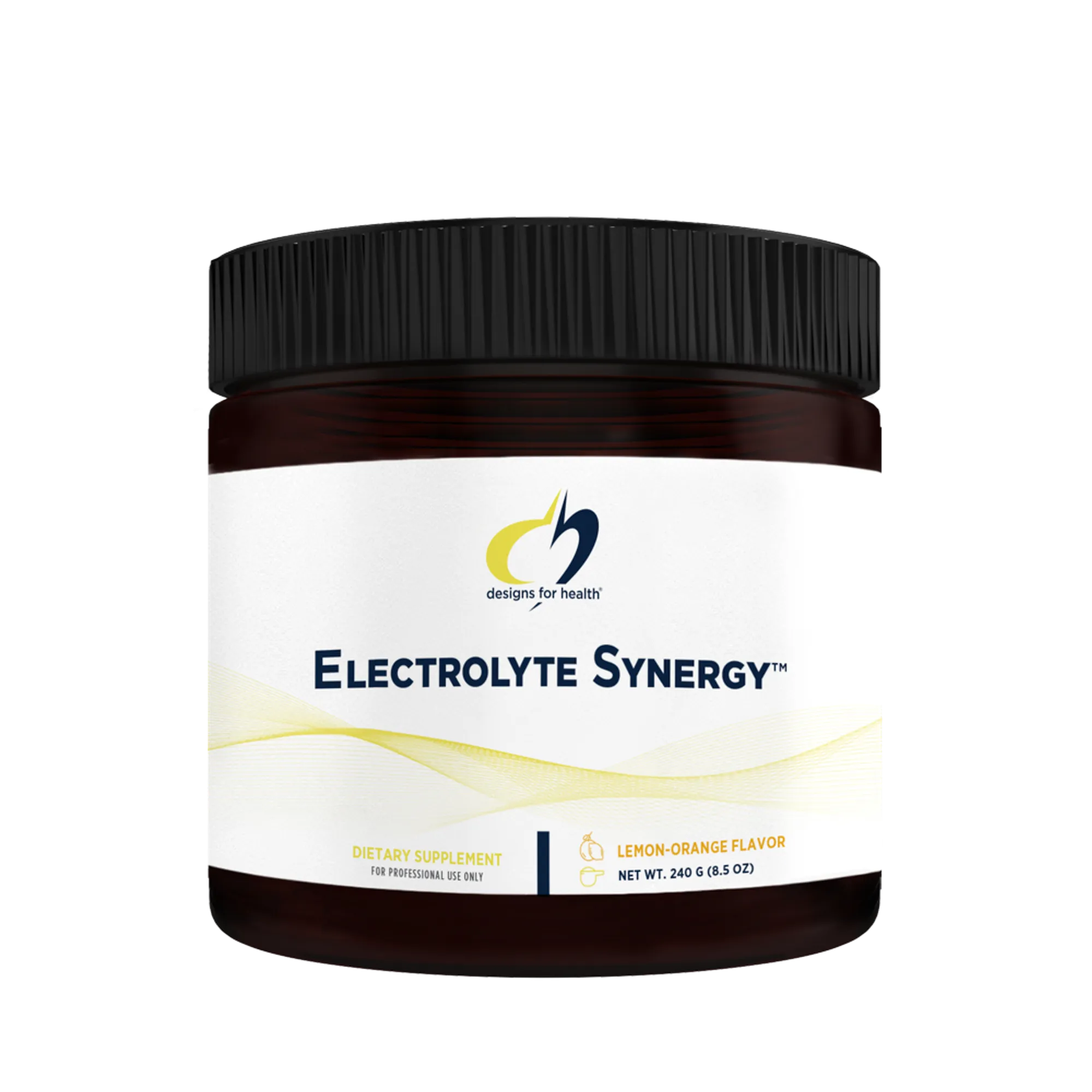
Electrolyte Synergy™ by Designs for Health is not your standard sports drink; it is a meticulously formulated, practitioner-grade supplement designed to address the complex physiological demands of chronic illness, intense physical exertion, and severe dehydration. At its core, this formula provides a robust matrix of essential macro-minerals—sodium, potassium, chloride, and magnesium—that serve as the fundamental electrochemical building blocks of the human body. These charged ions are absolutely critical for maintaining the delicate osmotic balance across cellular membranes, ensuring that water is properly distributed between the intracellular and extracellular compartments. Without this precise gradient, cells cannot perform basic metabolic functions, leading to systemic fatigue, muscular weakness, and profound neurological impairment.
Beyond simple fluid balance, these electrolytes are the driving force behind the body's electrical signaling systems. The sodium-potassium pump (Na+/K+-ATPase), an enzyme located in the plasma membrane of virtually every human cell, constantly consumes adenosine triphosphate (ATP) to push sodium out of the cell and pull potassium in. This continuous active transport creates the resting membrane potential required for the firing of action potentials in the nervous system and the excitation-contraction coupling in skeletal and cardiac muscle. By providing highly bioavailable forms of these minerals, Electrolyte Synergy™ ensures that the nervous system has the raw materials necessary to transmit signals efficiently, which is particularly vital for patients experiencing autonomic nervous system dysfunction.
What elevates Electrolyte Synergy™ above basic hydration powders is its inclusion of targeted metabolic cofactors and potent antioxidants. Rather than just replacing what is lost in sweat or through chronic illness, this formula actively supports the cellular machinery responsible for energy production and immune regulation. It bridges the gap between simple rehydration and comprehensive cellular repair, making it an invaluable tool for individuals navigating the debilitating symptoms of complex chronic conditions.
The Role of Metabolic Cofactors: D-Ribose and Taurine
The inclusion of D-Ribose transforms this supplement from a simple hydration aid into a potent metabolic optimizer. D-Ribose is a naturally occurring five-carbon pentose sugar that acts as the structural backbone for ATP, the universal energy currency of the cell. It is also a fundamental component of other critical cellular compounds, including ribonucleic acid (RNA), nicotinamide adenine dinucleotide (NADH), and flavin adenine dinucleotide (FADH2). In a healthy body, D-Ribose is synthesized through the pentose phosphate pathway, but this process is notoriously slow and easily overwhelmed during times of intense physiological stress or chronic illness.
Complementing D-Ribose is Taurine, a sulfur-containing amino acid that is highly concentrated in excitable tissues such as the brain, heart, and skeletal muscles. Unlike other amino acids, taurine is not used to build structural proteins; instead, it remains free in the intracellular fluid, acting as a master regulator of cellular homeostasis. Taurine plays a critical role in osmoregulation, helping cells maintain their structural integrity by balancing the flow of water and electrolytes across the membrane. Furthermore, it is deeply involved in regulating intracellular calcium levels, a process that is essential for proper muscle contraction and mitochondrial health.
Together, D-Ribose and Taurine form a synergistic bioenergetic bridge. While D-Ribose provides the structural raw materials needed to rebuild depleted ATP pools, Taurine ensures that the cellular environment remains stable and optimized for energy production. This combination is particularly relevant for individuals suffering from post-viral fatigue, as it directly targets the mitochondrial dysfunction that drives exercise intolerance and post-exertional malaise.
Antioxidant Defense: Vitamin C and Bioflavonoids
To help manage the severe oxidative stress associated with chronic illness and physical exertion, Electrolyte Synergy™ incorporates a massive, therapeutic dose of Vitamin C (1,734 mg per serving). Vitamin C, or ascorbic acid, is a potent water-soluble antioxidant that rapidly neutralizes reactive oxygen species (ROS) by donating electrons. Beyond its antioxidant capacity, Vitamin C is an essential cofactor in the synthesis of collagen, the primary structural protein that maintains the integrity of blood vessels, skin, and connective tissues. This vascular support is crucial for maintaining proper blood pressure and mitigating the fluid leakage often seen in systemic inflammation.
The formula enhances the efficacy of Vitamin C by pairing it with a specialized Bioflavonoid Complex, including Quercetin, Rutin, and citrus bioflavonoids. These naturally occurring plant polyphenols act in perfect synergy with ascorbic acid, protecting it from premature oxidation and extending its half-life within the body. Quercetin and Rutin are renowned in the medical literature for their profound immunomodulatory effects, specifically their ability to stabilize cell membranes and interrupt inflammatory signaling cascades.
This antioxidant matrix does more than just scavenge free radicals; it actively alters how the immune system responds to triggers. By incorporating these specific flavonoids, Electrolyte Synergy™ provides a targeted defense against the hyper-reactive immune states that frequently accompany post-viral syndromes, offering a multi-layered approach to systemic recovery.
How Long COVID and Dysautonomia Impact Fluid Balance and Energy
Hypovolemia and the Autonomic Nervous System
To understand why electrolyte supplementation is so critical, we must first examine how chronic conditions like Long COVID and dysautonomia disrupt the body's fluid balance. Dysautonomia is an umbrella term for disorders of the autonomic nervous system, which controls involuntary functions like heart rate, blood pressure, and digestion. Clinical data suggests that up to 67% of Long COVID patients develop moderate to severe dysautonomia, most commonly presenting as postural orthostatic tachycardia syndrome (POTS). When a patient with POTS stands up, their body fails to properly constrict blood vessels in the lower extremities, causing blood to pool in the legs and abdomen.
This blood pooling is severely exacerbated by hypovolemia, or abnormally low blood volume, which is a hallmark feature of POTS. Because there is less total blood circulating in the system, venous return to the heart drops significantly upon standing. This triggers a state of cerebral hypoperfusion—a lack of adequate blood flow to the brain—which causes the debilitating dizziness and "brain fog" patients experience. If you are wondering How Does a Doctor Diagnose Long COVID?, autonomic testing like a tilt-table test is often used to measure these exact cardiovascular anomalies.
In a desperate attempt to maintain blood pressure and keep the brain oxygenated, the sympathetic nervous system goes into overdrive. It dumps massive amounts of norepinephrine into the bloodstream, causing the heart to beat rapidly and forcefully. This compensatory tachycardia is exhausting, leaving patients trapped in a vicious cycle of sympathetic hyperarousal and profound physical fatigue. Without targeted fluid and sodium support, this autonomic loop can be difficult to break.
Mitochondrial Hijacking and Energy Depletion
The fatigue experienced in Long COVID and ME/CFS is not merely a symptom of being "tired"; it is a profound, cellular-level energy crisis driven by mitochondrial dysfunction. Research indicates that the SARS-CoV-2 virus can physically hijack host mitochondria, altering the electron transport chain and diminishing the cell's ability to produce ATP. This viral interference forces the body to shift away from efficient oxidative phosphorylation and rely on inefficient glycolysis, a metabolic state that rapidly depletes cellular energy reserves and generates toxic metabolic byproducts. If you are curious about the origins of these cellular changes, exploring What Causes Long COVID? reveals the deep viral impact on mitochondrial networks.
This metabolic shift is the primary driver of post-exertional malaise (PEM), a defining characteristic of both ME/CFS and Long COVID. When a patient with compromised mitochondria attempts even mild physical or cognitive exertion, their cells cannot generate enough ATP to meet the demand. The resulting energy deficit triggers a systemic "crash," where symptoms worsen dramatically for days or weeks. As discussed in our article on how Early Overexertion Can Prolong and Worsen Long COVID Symptoms, pushing through this type of fatigue only deepens the mitochondrial damage.
Furthermore, chronic viral infections often lead to blood hyperviscosity—thick, slow-moving blood that struggles to navigate the microcapillaries. This hyperviscosity underperfuses tissues, depriving the already struggling mitochondria of the oxygen and metabolic substrates they desperately need to function. The combination of viral hijacking, inefficient metabolism, and poor tissue perfusion creates a perfect storm of cellular exhaustion.
The Mast Cell Activation Loop
Complicating the landscape of Long COVID and dysautonomia is the frequent co-occurrence of mast cell activation syndrome (MCAS). Mast cells are innate immune sentinels located at the body's environmental interfaces, such as the respiratory tract, gastrointestinal lining, and blood vessels. In a healthy body, they release inflammatory mediators to fight off pathogens. However, recent studies demonstrate that SARS-CoV-2 viral fragments and the resulting oxidative stress can bind directly to mast cell receptors, triggering them into a state of chronic, inappropriate degranulation.
When these hyper-reactive mast cells degranulate, they flood the bloodstream with over 200 inflammatory mediators, including histamine, tryptase, and pro-inflammatory cytokines like IL-6 and TNF-alpha. This massive chemical release has devastating systemic effects. Histamine, in particular, is a potent vasodilator. It causes blood vessels to widen and become highly permeable, or "leaky." This vascular leakage allows fluid to escape from the bloodstream into the surrounding tissues, directly worsening the hypovolemia that drives POTS and dysautonomia.
Moreover, this mast cell-driven inflammation directly impacts the central nervous system. The inflammatory cytokines can compromise the integrity of the blood-brain barrier, allowing systemic inflammation to reach the brain. This neuroinflammation activates microglial cells, providing a direct mechanistic explanation for the severe neurocognitive impairment and brain fog that plague Long COVID patients. Breaking this inflammatory loop requires targeted interventions that can stabilize the mast cell membrane and neutralize the circulating histamine.
Electrolyte Synergy™: Supporting Hydration, Energy, and Immune Function
Expanding Blood Volume to Calm the Nervous System
The primary mechanism by which Electrolyte Synergy™ supports patients with POTS and dysautonomia is through aggressive blood volume expansion. Because there are currently no FDA-approved medications specifically for POTS, first-line clinical management relies heavily on dietary interventions, specifically the massive intake of sodium and fluids. The 110 mg of sodium and 190 mg of chloride in each scoop of Electrolyte Synergy™ act as osmotic agents. When consumed with adequate water, these electrolytes pull fluid into the extracellular space and hold it within the vascular system, effectively increasing total plasma volume.
This increase in circulating blood volume is a mechanical support for an autonomic problem. By filling the "pipes" (blood vessels) with more fluid, venous return to the heart is significantly improved, even when standing. This increased preload allows the heart to pump more blood per beat (stroke volume), directly enhancing cerebral perfusion. When the brain senses that it is receiving adequate blood flow, it signals the sympathetic nervous system to stand down, dramatically blunting the compensatory heart rate spikes and alleviating the dizziness associated with orthostatic intolerance.
Furthermore, the inclusion of potassium and magnesium ensures that this volume expansion does not come at the cost of intracellular dehydration. While sodium holds water outside the cells, potassium works to maintain hydration inside the cells. This delicate balance helps avoid the cellular stress that can trigger further autonomic dysfunction, creating a stable, well-hydrated physiological environment.
D-Ribose and the ATP Rescue Pathway
To address the profound mitochondrial exhaustion seen in Long COVID and ME/CFS, Electrolyte Synergy™ utilizes D-Ribose to bypass the body's sluggish metabolic pathways. Under normal conditions, cells produce D-Ribose through the pentose phosphate pathway, a slow process that requires the enzyme glucose-6-phosphate dehydrogenase. However, during chronic illness, this pathway is often impaired, leaving cells unable to replace the ATP that is rapidly consumed during daily activities.
Supplementing with exogenous D-Ribose provides a direct biochemical shortcut. It supplies the cell with 5-phosphoribosyl-1-pyrophosphate (PRPP), the essential rate-limiting compound required for the "purine salvage pathway." Instead of building new ATP molecules from scratch—a highly energy-intensive process—the cell can use PRPP to recycle degraded ATP metabolites (like AMP and ADP) back into fully functional ATP. This rapid recycling mechanism helps restore depleted cellular energy pools much faster than the body could achieve on its own.
By supporting the recovery of ATP levels, D-Ribose helps manage post-exertional malaise. It provides the struggling mitochondria with the exact structural substrates they need to keep the energy flowing, reducing the severity and duration of the "crashes" that define these complex chronic conditions. For patients wondering Can Long COVID Trigger ME/CFS? Unraveling the Connection, understanding this shared mitochondrial pathology highlights why D-Ribose is a staple in fatigue management protocols.
Taurine’s Role in Mitochondrial Protein Synthesis
While D-Ribose provides the building blocks for ATP, Taurine works at a structural level to ensure the mitochondria can actually produce it. Modern research has revealed that taurine is not just an osmoregulator; it is absolutely essential for mitochondrial protein synthesis. Inside the mitochondria, taurine physically conjugates with uridine on mitochondrial transfer RNA (tRNA) to form a specialized molecule called 5-taurinomethyluridine.
This specific tRNA modification is required for the mitochondria to properly decode messenger RNA and synthesize critical proteins, most notably the ND6 subunit of Respiratory Chain Complex I. Complex I is the first and largest enzyme in the electron transport chain. If it is not assembled correctly due to a lack of taurine, the entire energy production process stalls. Electrons "leak" from the chain, reacting with oxygen to form highly toxic superoxide free radicals, which cause massive oxidative damage to the cell.
By ensuring the proper assembly of Complex I, taurine maintains the efficiency of the electron transport chain, maximizing ATP output and mitigating oxidative stress at its source. Additionally, taurine stabilizes the sarcoplasmic reticulum in muscle cells, enhancing calcium release and reuptake. This dual action—optimizing mitochondrial respiration and improving calcium handling—makes taurine a powerful agent for reducing the severe muscle fatigue and weakness experienced by Long COVID patients.
Quercetin, Rutin, and Vitamin C as Mast Cell Stabilizers
To break the inflammatory loop driven by MCAS, Electrolyte Synergy™ deploys a powerful trio of natural mast cell stabilizers: Quercetin, Rutin, and Vitamin C. Quercetin and Rutin work at the molecular level to help support the stabilization of mast cells by interfering with intracellular signaling pathways. Specifically, these flavonoids help block the influx of calcium ions into the mast cell. Because a sudden spike in intracellular calcium is the biological trigger that causes the cell membrane to rupture and release its contents, helping to block this influx supports the stabilization of the mast cell, which may help inhibit the release of histamine and pro-inflammatory cytokines.
Vitamin C acts synergistically with these flavonoids to manage the histamine that has already been released into the bloodstream. Ascorbic acid supports the degradation of systemic histamine by supporting the Diamine Oxidase (DAO) enzyme pathway, which clears histamine from the gut and blood. Furthermore, Vitamin C is thought to help downregulate the activity of histidine decarboxylase, the enzyme responsible for converting the amino acid histidine into active histamine, thereby helping to reduce the overall formation of new inflammatory mediators.
Together, this antioxidant and flavonoid matrix provides a comprehensive defense against hyper-reactive immune states. By stabilizing the mast cell membrane, neutralizing circulating histamine, and scavenging the reactive oxygen species that trigger inflammation, this formulation helps restore vascular integrity. This reduction in vascular permeability directly supports the blood volume expansion efforts of the electrolytes, creating a cohesive, multi-targeted approach to managing Long COVID and dysautonomia.

Symptoms Electrolyte Synergy™ May Help Manage
Cardiovascular and Autonomic Symptoms
Tachycardia and Heart Palpitations: By expanding blood volume through sodium and chloride supplementation, Electrolyte Synergy™ improves venous return to the heart, which can help suppress the sympathetic nervous system overdrive that causes rapid heart rates upon standing.
Orthostatic Intolerance and Dizziness: The increased plasma volume enhances cerebral perfusion, ensuring the brain receives adequate oxygen and blood flow when transitioning from a supine to an upright position, thereby reducing lightheadedness and pre-syncope.
Blood Pressure Fluctuations: The comprehensive mineral matrix, including magnesium and potassium, supports vascular tone and endothelial health, helping to stabilize erratic blood pressure readings common in dysautonomia.
Energy and Cognitive Challenges
Severe Fatigue and Post-Exertional Malaise (PEM): D-Ribose provides the direct biochemical precursors needed to rapidly rebuild depleted cellular ATP pools via the purine salvage pathway, helping to shorten the duration and severity of energy "crashes."
Brain Fog and Neurocognitive Impairment: By stabilizing mast cells with Quercetin and Vitamin C, the formula helps reduce the systemic release of inflammatory cytokines that can cross the blood-brain barrier and trigger neuroinflammation.
Exercise Intolerance: Taurine optimizes mitochondrial protein synthesis and stabilizes calcium handling in muscle tissue, allowing for more efficient energy production and delayed onset of muscular exhaustion during physical activity.
Muscular and Immune Symptoms
Muscle Cramping and Spasms: Highly bioavailable Di-Magnesium Malate directly supports the relaxation phase of muscle contraction, helping to alleviate the painful cramps and twitches frequently associated with intracellular magnesium depletion.
Histamine-Driven Inflammation: The synergistic combination of Vitamin C, Quercetin, and Rutin acts as a natural antihistamine complex, blocking mast cell degranulation and accelerating the breakdown of circulating histamine, which can alleviate hives, flushing, and gastrointestinal distress.
Slow Recovery from Illness: The massive therapeutic dose of Vitamin C provides a robust antioxidant reserve, helping to neutralize the reactive oxygen species generated by chronic viral infections and supporting overall immune system resilience.
Practical Considerations: Forms, Dosing, and Absorption
Maximizing Bioavailability with Chelated Minerals
The clinical efficacy of any supplement is entirely dependent on its bioavailability—the proportion of the nutrient that actually enters the systemic circulation and reaches the target tissues. Designs for Health formulates Electrolyte Synergy™ with a strict adherence to advanced nutrient delivery systems, specifically utilizing chelated and buffered minerals to maximize intestinal absorption and minimize gastrointestinal distress. For example, rather than using cheap, poorly absorbed forms like magnesium oxide, this formula utilizes Di-Magnesium Malate and Magnesium Ascorbate.
The binding of magnesium to malic acid (malate) is particularly strategic for chronic fatigue patients. Malic acid is a critical intermediate compound in the Krebs cycle (citric acid cycle). By utilizing this chelated form, the supplement not only ensures that the magnesium is efficiently transported across the intestinal wall, but it also delivers a compound that directly feeds into the mitochondrial energy production pathways. Similarly, the potassium in the formula is bound to aspartic acid (forming Potassium Aspartate), an amino acid that facilitates superior intracellular transport compared to standard potassium salts.
Furthermore, the massive 1,734 mg dose of Vitamin C is provided in a "buffered" form, utilizing calcium ascorbate and magnesium ascorbate alongside pure ascorbic acid. Pure ascorbic acid is highly acidic and can cause severe gastric irritation and osmotic diarrhea when taken in large doses. By buffering the vitamin with alkaline minerals, the overall pH of the supplement is neutralized, making it highly absorbable and exceptionally gentle on the stomach lining, even for patients with severe gastrointestinal sensitivities.
Optimal Dosing Strategies and Timing
To achieve the best clinical outcomes, proper dosing and timing are essential. The standard suggested use is to mix 8 grams (approximately one scoop) of the naturally flavored powder into 10 to 12 ounces of water. However, because the body's ability to absorb Vitamin C decreases as the dose increases, taking the entire scoop at once may overwhelm the intestinal transporters, leading to unabsorbed Vitamin C drawing water into the colon (causing loose stools).
For optimal absorption, practitioners often recommend splitting the daily dose. Mixing half a scoop in the morning and half a scoop in the early afternoon ensures a steady, sustained release of electrolytes, antioxidants, and ATP precursors into the bloodstream. Sipping the mixture slowly over the course of an hour, rather than chugging it rapidly, further enhances cellular uptake and minimizes sudden osmotic shifts in the gut. Taking the supplement alongside a light meal or snack can also improve the absorption of the bioflavonoid complex.
Potential Interactions and Contraindications
While Electrolyte Synergy™ is generally safe and well-tolerated, its potent, therapeutic-grade formulation warrants careful consideration of potential medical interactions. Because the formula contains 170 mg of potassium per serving, individuals taking certain antihypertensive medications—specifically ACE inhibitors (like Lisinopril), Angiotensin Receptor Blockers (ARBs), or potassium-sparing diuretics—must consult their healthcare provider before use. These medications cause the kidneys to retain potassium, and supplementing extra potassium can risk hyperkalemia, a dangerous condition characterized by abnormally high blood potassium levels.
Additionally, the manufacturer explicitly notes a caution for individuals following a medically supervised low-sodium diet. While 110 mg of sodium is relatively low compared to commercial sports drinks, it still contributes to daily intake and must be accounted for in patients with severe heart failure or advanced kidney disease. Furthermore, because D-Ribose is a simple carbohydrate that can cause mild, transient hypoglycemia (low blood sugar) in large doses, individuals with diabetes or those taking insulin-lowering medications should monitor their blood glucose levels closely when initiating supplementation.

Follow the Science
Clinical Evidence for Sodium Loading in POTS
The recommendation to aggressively increase sodium and fluid intake for dysautonomia is not merely anecdotal; it is backed by robust clinical data. A pivotal 2021 randomized crossover study by Raj et al. provided the quantitative evidence required to establish sodium loading as a primary management strategy for POTS. The trial placed patients on a strictly controlled six-day low-sodium diet (10 mEq/day) followed by a high-sodium diet (230 mEq/day). The results were definitive: the high-sodium diet helped expand plasma and total blood volume, significantly reducing upright heart rates and the total increase in heart rate from a supine to a standing position compared to the low-sodium diet.
This physiological improvement translates directly to patient quality of life. A recent July 2025 study published in the Proceedings of the National Academy of Sciences (PNAS) assessed patient-reported management outcomes for Long COVID and ME/CFS. The researchers found that the use of fluids and electrolytes was the most frequently cited intervention for managing POTS symptoms, with an impressive 71.7% of patients reporting significant, measurable symptom relief. This data underscores the critical importance of foundational hydration strategies before moving to complex pharmaceutical interventions.
D-Ribose Trials in ME/CFS
The clinical research on D-Ribose for chronic fatigue has been largely pioneered by Dr. Jacob Teitelbaum, who hypothesized that supplying the direct precursors to ATP could rescue sluggish mitochondria. In a landmark 2006 open-label pilot study, 41 patients diagnosed with ME/CFS and/or Fibromyalgia were given 5 grams of D-Ribose three times daily. The results were striking: approximately 66% of the patients experienced significant clinical improvements, reporting an average 45% increase in energy and a 30% improvement in overall well-being.
To validate these findings, a much larger multicenter trial was conducted in 2012, enrolling over 250 patients across 53 US clinics. Using the same dosing protocol, the trial resulted in highly significant statistical improvements (p < 0.0001) across multiple symptom categories. Patients reported a 61.3% increase in energy levels, a 30% improvement in mental clarity (brain fog), and a 29.3% improvement in sleep quality. Because Long COVID shares an identical presentation of post-infectious fatigue, Nature Reviews Microbiology has officially highlighted D-Ribose as a potential targeted support option for Long COVID fatigue based directly on this robust ME/CFS literature.
Emerging Data on Taurine and Flavonoids in Long COVID
Recent metabolomic profiling has shed light on why amino acids like taurine are so vital for post-viral recovery. A landmark 2024 study published in PLOS One analyzed the blood plasma of COVID-19 patients and discovered that individuals who developed Long COVID had chronically depressed taurine levels compared to healthy controls. Conversely, patients whose taurine levels naturally rebounded during the convalescent phase had a dramatically lower risk of adverse clinical outcomes, providing a strong biological rationale for taurine supplementation to correct this metabolic deficit.
Similarly, research continues to explore the immunomodulatory power of flavonoids like Quercetin and Vitamin C. These synergistic antioxidant complexes are often utilized to help modulate the immune response and support the body's natural clearance mechanisms.
The Path Forward
Validating the Invisible Struggle
Living with Long COVID, ME/CFS, dysautonomia, or MCAS is a profoundly exhausting experience. The symptoms are largely invisible to the outside world, yet they dictate every aspect of your daily life. The frustration of dealing with a medical system that often lacks answers, combined with the unpredictable nature of post-exertional malaise and sudden heart rate spikes, can leave you feeling isolated and overwhelmed. It is crucial to hear that your symptoms are real, they are rooted in documented physiological and biochemical disruptions, and you are not alone in this fight. If you are struggling to navigate this new reality, exploring How Can You Live with Long-Term COVID can provide validating insights and coping strategies.
Building a Comprehensive Management Strategy
While the science behind Electrolyte Synergy™ is compelling, it is important to remember that no single supplement is a standalone fix for complex chronic illness. True symptom management requires a comprehensive, multi-disciplinary approach. Supplements must be paired with aggressive pacing strategies, diligent symptom tracking, dietary modifications, and, when necessary, targeted pharmaceutical interventions. By addressing the root causes of cellular dysfunction—whether it be hypovolemia, mitochondrial exhaustion, or mast cell hyperactivity—you can slowly begin to rebuild your physiological resilience and improve your quality of life.
Next Steps
If you are ready to support your hydration, energy production, and immune health with a science-backed, practitioner-grade formulation, consider adding this powerful tool to your daily regimen. Always consult with your healthcare provider before starting any new supplement, especially if you are taking prescription medications or managing a complex chronic condition.
Sources
Dysautonomia: a common comorbidity of systemic disease (PubMed)
Dietary Recommendations for POTS/Long COVID (Practice-based Evidence in Nutrition)
Patient-reported treatment outcomes in ME/CFS and long COVID (PNAS)
The Use of D-Ribose in Chronic Fatigue Syndrome and Fibromyalgia: A Pilot Study (PubMed)
Long COVID & Mitochondrial Guidelines (Nature Reviews Microbiology)
Metabolomic profiling of Long COVID (PLOS One)