Can EFA Essentials Support Joint, Skin, and Eye Health in Long COVID and ME/CFS?
March 5, 2026
EFA EssentialsLong COVIDME/CFS
Share:
Disclaimer: The information provided here is for educational purposes only and is not intended as medical advice. It should not be used to diagnose, treat, cure, or prevent any medical condition. Instead, use it as a starting point for discussion with your healthcare provider. Always consult with a qualified healthcare provider before starting any new medication, supplement, device, or making changes to your health regimen.
Living with a complex chronic illness often feels like navigating a maze of unpredictable and debilitating symptoms. Whether you are dealing with the lingering, systemic effects of Long COVID, the profound energy crashes of myalgic encephalomyelitis/chronic fatigue syndrome (ME/CFS), the erratic autonomic responses of dysautonomia, or the hyper-reactivity of mast cell activation syndrome (MCAS), the daily reality can be exhausting. Many patients find themselves battling severe joint pain, persistently dry and irritated eyes, and unexplained skin rashes or dryness, all while searching for answers that traditional blood tests often fail to provide. These symptoms are not isolated incidents; they are deeply interconnected manifestations of a body locked in a state of chronic inflammation and cellular stress.
At the core of this systemic dysfunction is the health of your cells themselves—specifically, the lipid membranes that encase every cell in your body. When chronic illness depletes your body's natural stores of essential fatty acids, the resulting imbalance can trigger a cascade of inflammatory responses that affect your joints, skin, eyes, and nervous system. EFA Essentials by Pure Encapsulations is a targeted supplement designed to address this exact foundational imbalance. By combining specific, highly researched ratios of Omega-3 and Omega-6 fatty acids—namely EPA, DHA, and GLA—this formulation aims to restore cellular membrane integrity, modulate the immune response, and support the healing of tissues that bear the brunt of chronic inflammation. In this comprehensive guide, we will explore the intricate biochemistry of these essential fatty acids, how chronic conditions disrupt their natural balance, and how targeted supplementation may help you reclaim your quality of life.
TL;DR
EFA Essentials combines EPA, DHA, and GLA to support cellular membrane health and manage systemic inflammation.
Chronic illnesses like Long COVID and ME/CFS can disrupt lipid metabolism, depleting essential fatty acids.
Supplementation may help support joint comfort, skin hydration, ocular health, and cognitive function.
Always consult your healthcare provider before starting new supplements, especially if taking blood thinners.
What are Essential Fatty Acids (EPA, DHA, and GLA)?
To truly understand how EFA Essentials works, we must first look at the microscopic architecture of the human body. Every single cell—from the chondrocytes cushioning your joints to the neurons in your brain—is enclosed in a protective shell known as the phospholipid bilayer. This cell membrane is entirely composed of dietary fats, and its structural integrity dictates how well the cell functions. When the membrane is fluid and flexible, nutrients can easily enter the cell, waste products can be efficiently expelled, and cellular receptors can accurately receive signals from hormones and neurotransmitters. However, when the body lacks the right types of fats, these membranes become rigid, dysfunctional, and prone to triggering inflammatory cascades.
The fats that make up these membranes are categorized into saturated, monounsaturated, and polyunsaturated fatty acids (PUFAs). The human body can synthesize many types of fats on its own, but there are certain PUFAs that we lack the enzymes to create from scratch. These are known as "essential" fatty acids, meaning they must be obtained entirely through diet or supplementation. The two primary families of essential fatty acids are Omega-3s and Omega-6s. In a perfectly healthy body, these two families exist in a delicate, synergistic balance, constantly regulating the immune system's "on" and "off" switches for inflammation. Unfortunately, modern diets and the metabolic stress of chronic viral infections often severely disrupt this equilibrium.
When the balance tips heavily toward pro-inflammatory fats, the cell membranes become loaded with a highly reactive Omega-6 fat called arachidonic acid (AA). When an immune trigger occurs—such as a viral fragment or an allergen—enzymes known as cyclooxygenase (COX) and lipoxygenase (LOX) cleave this arachidonic acid from the cell membrane and convert it into potent, pro-inflammatory signaling molecules called eicosanoids. These eicosanoids, specifically prostaglandins like PGE2 and leukotrienes like LTB4, are the primary drivers of systemic pain, swelling, and tissue degradation. To stop this runaway inflammatory train, the body requires a steady supply of specific, anti-inflammatory essential fatty acids to physically replace the arachidonic acid in the cell membranes.
The most thoroughly researched anti-inflammatory fats are the marine-derived Omega-3s: eicosapentaenoic acid (EPA) and docosahexaenoic acid (DHA). While plant sources like flaxseed contain an Omega-3 called alpha-linolenic acid (ALA), the human body is notoriously inefficient at converting ALA into the active, usable forms of EPA and DHA, with conversion rates often falling below 5%. Therefore, direct intake of EPA and DHA from fish oil or microalgae is crucial for therapeutic benefits. These two fatty acids are structural powerhouses that incorporate directly into the phospholipid bilayer of immune cells, actively displacing the inflammatory arachidonic acid.
EPA and DHA do not merely act as passive structural components; they are highly active biochemical modulators. According to research published by the National Institutes of Health, EPA aggressively competes with arachidonic acid for the attention of the COX and LOX enzymes. When these enzymes metabolize EPA instead of arachidonic acid, they produce 3-series prostaglandins (like PGE3) and 5-series leukotrienes (like LTB5). These EPA-derived eicosanoids possess only a fraction of the inflammatory potential of their arachidonic acid counterparts, effectively dampening the body's inflammatory response. Furthermore, EPA and DHA act at the genetic level by binding to G-protein coupled receptors, such as GPR120, which inhibits the NF-κB pathway—the master genetic switch that controls the release of inflammatory cytokines.
Beyond blocking inflammation, EPA and DHA are the direct precursors to a newly discovered class of molecules known as Specialized Pro-resolving Mediators (SPMs), which include resolvins, protectins, and maresins. Unlike traditional anti-inflammatory drugs that simply suppress the immune response, SPMs actively signal the immune system to resolve the inflammation. They instruct immune cells called macrophages to clean up cellular debris, halt the infiltration of tissue-damaging neutrophils, and initiate the repair of damaged tissues. This active resolution phase is critical for patients whose immune systems are stuck in a chronic, hyper-reactive loop.
While the Omega-3s receive most of the spotlight, gamma-linolenic acid (GLA) is a uniquely powerful Omega-6 fatty acid that plays a critical role in cellular health. Found in the seeds of the borage plant, evening primrose, and black currant, GLA defies the general rule that Omega-6 fats are pro-inflammatory. When you consume GLA, it is rapidly metabolized by the body into a substance called dihomo-gamma-linolenic acid (DGLA). As detailed in studies on eicosanoid synthesis, DGLA is a direct precursor to 1-series prostaglandins, specifically PGE1.
PGE1 is a profoundly beneficial, anti-inflammatory signaling molecule. It acts as a potent vasodilator, meaning it helps relax and widen blood vessels, promoting healthy peripheral blood flow to tissues like the skin and eyes. PGE1 also inhibits the aggregation of blood platelets and suppresses the release of inflammatory cytokines from immune cells. In a healthy body, the production of PGE1 is essential for maintaining skin hydration, regulating autonomic nerve function, and keeping systemic inflammation in check. However, the body's ability to naturally produce GLA from dietary sources is highly fragile and easily disrupted.
The synergy between EPA, DHA, and GLA is what makes formulations like EFA Essentials so therapeutically potent. There is a biochemical risk when taking GLA alone: the body can use an enzyme called delta-5-desaturase (D5D) to convert the beneficial DGLA into the highly inflammatory arachidonic acid. However, clinical research indicates that EPA is a natural inhibitor of the D5D enzyme. By combining EPA with GLA, the EPA effectively blocks the D5D enzyme, preventing the GLA from converting into inflammatory compounds and forcing it entirely down the beneficial PGE1 pathway. This elegant biochemical synergy maximizes the anti-inflammatory potential of both fatty acid families.
How Long COVID and ME/CFS Impact Lipid Metabolism
The onset of complex chronic illnesses like Long COVID and ME/CFS is rarely a simple matter of fatigue; it is a profound disruption of the body's foundational metabolic pathways. One of the most critical disruptions occurs in the lipid metabolism cycle. To maintain healthy cell membranes, the body relies on a series of enzymes, primarily delta-6-desaturase (D6D) and delta-5-desaturase (D5D), to convert dietary fats into usable EPA, DHA, and GLA. However, these delicate enzymatic pathways are highly susceptible to damage from viral infections, chronic stress, and systemic inflammation.
In the context of ME/CFS, a long-standing hypothesis—supported by decades of clinical observation—suggests that persistent, low-grade viral infections actively block the function of the delta-6-desaturase enzyme. When this enzyme is inhibited, the body completely loses its ability to synthesize crucial fatty acids, leading to a rapid depletion of EPA and GLA. This forces the cell membranes to become rigid and heavily populated with pro-inflammatory arachidonic acid. Similarly, researchers investigating how a doctor diagnoses Long COVID have noted that the SARS-CoV-2 virus directly hijacks host lipid metabolism to build its viral envelope, severely depleting the body's endogenous stores of essential fatty acids during the acute infection phase.
This viral hijacking leaves patients in a state of severe fatty acid deficiency long after the initial infection has cleared. A recent pilot study analyzing the blood profiles of COVID-19 patients found that early depletion of EPA and GLA was highly predictive of the development of Long COVID. Without these essential fats, the body cannot produce the Specialized Pro-resolving Mediators (SPMs) required to turn off the immune response, leaving the patient trapped in a vicious cycle of chronic, unrelenting inflammation that damages tissues and drains cellular energy.
When the body is depleted of EPA, DHA, and GLA, the cellular membranes undergo a structural shift that heavily favors the arachidonic acid cascade. In conditions like mast cell activation syndrome (MCAS), this lipid imbalance is particularly devastating. Mast cells are the immune system's first responders, packed with granules containing histamine, cytokines, and inflammatory prostaglandins. The stability of the mast cell membrane is entirely dependent on its lipid composition. When the membrane is deficient in Omega-3s and rich in arachidonic acid, the mast cell becomes hyper-reactive, degranulating inappropriately in response to minor triggers like temperature changes, stress, or benign foods.
This hyper-reactivity leads to a massive, systemic release of inflammatory mediators. The arachidonic acid in the mast cell membrane is rapidly converted by COX enzymes into PGE2 and PGD2, which cause severe vasodilation, tissue swelling, and pain. This systemic inflammatory storm is a hallmark of the overlapping conditions often seen in chronic illness. The constant release of these mediators forces the immune system into a state of chronic vigilance, exhausting the body's resources and contributing to the profound post-exertional malaise (PEM) experienced by patients with ME/CFS and Long COVID.
Furthermore, this systemic inflammation heavily impacts the endothelial cells that line the blood vessels. In dysautonomia and Postural Orthostatic Tachycardia Syndrome (POTS), endothelial dysfunction and vascular inflammation are primary drivers of erratic blood pressure and rapid heart rate spikes. When the endothelial membranes lack the anti-inflammatory protection of EPA and the vasodilatory support of GLA-derived PGE1, the blood vessels struggle to constrict and dilate properly in response to positional changes, exacerbating the debilitating dizziness and tachycardia that POTS patients experience upon standing.
Perhaps the most debilitating symptom of Long COVID and ME/CFS is the profound cognitive dysfunction commonly referred to as "brain fog." This is not merely a psychological symptom; it is a direct result of physical neuroinflammation. The brain is composed of nearly 60% fat, with DHA making up a massive percentage of the structural lipids in neuronal membranes. When systemic inflammation depletes DHA levels, the structural integrity of the brain's neurons is compromised, leading to impaired neurotransmitter signaling and slowed cognitive processing.
In a healthy brain, immune cells called microglia act as the central nervous system's maintenance crew, clearing away debris and protecting against pathogens. However, in the absence of the resolving signals provided by EPA and DHA, these microglia become chronically activated. They begin releasing a steady stream of neurotoxic cytokines, such as TNF-α and IL-1β, directly into the brain tissue. This persistent microglial activation is heavily implicated in the memory loss, difficulty concentrating, and severe neurological fatigue that define living with long-term COVID.
This neuroinflammatory state is further compounded by the gut-brain axis. Chronic viral infections often lead to severe gut dysbiosis, disrupting the microbiome's ability to produce neurotransmitters like serotonin. EPA and DHA play a crucial role in maintaining the integrity of the intestinal lining and reducing gut inflammation. When these fatty acids are deficient, the resulting "leaky gut" allows endotoxins to enter the bloodstream, triggering systemic immune responses that travel via the vagus nerve directly to the brain, further fueling the fire of neuroinflammation and autonomic nervous system dysfunction.
EFA Essentials: Supporting Joints, Skin, and Eyes
The primary mechanism by which EFA Essentials supports patients with complex chronic illnesses is through the aggressive rebalancing of eicosanoid production. By providing a high-dose, highly bioavailable source of EPA, DHA, and GLA, this supplement forcefully alters the lipid composition of cellular membranes throughout the body. As these essential fatty acids incorporate into the phospholipid bilayers of immune cells, they physically displace the pro-inflammatory arachidonic acid, fundamentally changing the cell's inflammatory potential.
This displacement has a profound downstream effect on the immune system. When the COX and LOX enzymes interact with the newly incorporated EPA and GLA, they are forced to produce anti-inflammatory eicosanoids—specifically the 3-series prostaglandins from EPA and the 1-series prostaglandins (PGE1) from GLA. This dual-pathway modulation effectively turns down the volume on systemic inflammation. As noted in massive blood sample analyses, higher levels of circulating Omega-3s are directly associated with a lower Neutrophil-to-Lymphocyte Ratio (NLR), a major biomarker for systemic immune dysregulation.
Furthermore, the influx of EPA and DHA provides the raw materials necessary for the body to synthesize Specialized Pro-resolving Mediators (SPMs). These resolvins and protectins actively signal the chronically activated microglia in the brain to stand down, halting the release of neurotoxic cytokines and mitigating the severe brain fog associated with neuroinflammation. Simultaneously, the EPA acts as a cellular guardian, blocking the delta-5-desaturase enzyme to ensure that the GLA is utilized entirely for the production of beneficial, vasodilatory PGE1, rather than being shunted into inflammatory pathways.
Severe, migrating joint pain is a frequent and debilitating complaint among patients with Long COVID, ME/CFS, and autoimmune comorbidities. This pain is largely driven by the inflammatory degradation of joint cartilage. Within the joints, specialized cells called chondrocytes are responsible for maintaining the cartilage matrix. However, when systemic inflammation is high, these chondrocytes are bombarded by inflammatory cytokines like IL-1β and TNF-α, which instruct the cells to produce destructive enzymes known as matrix metalloproteinases (MMPs).
These MMP enzymes literally chew up the collagen and structural proteins that cushion the joints, leading to pain, stiffness, and loss of mobility. EFA Essentials directly targets this destructive process. The combination of EPA, DHA, and GLA helps to maintain healthy cytokine activity within the synovial fluid of the joints. By suppressing the NF-κB genetic pathway, EPA and DHA effectively silence the genes responsible for producing these destructive MMP enzymes.
The addition of GLA provides a secondary mechanism for joint support. The PGE1 produced from GLA acts as a powerful anti-inflammatory agent within the joint capsule, reducing the swelling and synovial thickening that cause physical discomfort. By addressing joint health from both the Omega-3 (MMP suppression) and Omega-6 (PGE1 production) pathways, EFA Essentials provides comprehensive support for maintaining joint comfort and flexibility, allowing patients to engage more comfortably in necessary physical therapy and pacing strategies.
Dry eye syndrome is an incredibly common, yet often overlooked, symptom of dysautonomia and systemic inflammation. The surface of the eye relies on a complex, multi-layered tear film to remain hydrated, clear, and comfortable. The outermost layer of this tear film is a lipid (fat) layer produced by the meibomian glands located in the eyelids. When systemic inflammation alters the body's lipid metabolism, these glands produce thick, dysfunctional oils that fail to spread evenly across the eye, leading to rapid tear evaporation, severe dryness, and a gritty, burning sensation.
EFA Essentials supports ocular surface health by directly improving the quality and composition of these meibomian gland secretions. The EPA and DHA in the formulation support ocular hydration by promoting healthy tear production and maintaining proper tear film osmolarity. By reducing the localized inflammation within the lacrimal glands (which produce the watery layer of tears) and the meibomian glands, these Omega-3s help restore the natural balance of the tear film. Systematic reviews of clinical trials have shown that Omega-3 supplementation significantly improves the Tear Film Breakup Time (TBUT), an objective measure of how long tears remain stable on the eye.
GLA provides crucial additional support for the eyes by maintaining mucin production. Mucins are specialized proteins that anchor the tear film to the epithelial cells of the cornea. Without adequate mucin, tears simply roll off the eye, regardless of how much water or oil is present. The anti-inflammatory PGE1 derived from GLA helps protect the delicate goblet cells in the conjunctiva that produce these mucins, ensuring that the tear film remains stable, cohesive, and deeply hydrating for the ocular surface.
The skin is the body's largest organ and serves as the primary barrier against environmental pathogens and oxidative stress. Patients with MCAS and chronic inflammatory conditions frequently suffer from severe skin dryness, unpredictable rashes, and compromised barrier function. The outermost layer of the skin, the stratum corneum, relies heavily on a complex matrix of lipids—including ceramides and essential fatty acids—to trap moisture and prevent transepidermal water loss (TEWL). When the body is deficient in GLA, this lipid barrier breaks down, resulting in dry, flaky, and highly reactive skin.
GLA is arguably the most critical fatty acid for dermatological health. By supplying a direct source of pre-formed GLA from cold-pressed borage oil, EFA Essentials bypasses the often-dysfunctional delta-6-desaturase enzyme, delivering the necessary lipids directly to the keratinocytes (skin cells). This promotes profound skin hydration from the inside out. Clinical studies on severe skin dryness have demonstrated that GLA supplementation actively preserves skin hydration, reduces erythema (redness), and reinforces the skin's structural integrity.
Furthermore, the PGE1 produced by GLA acts as a potent vasodilator, promoting healthy peripheral blood flow to the microscopic capillaries that feed the skin. This enhanced microcirculation ensures that vital nutrients, oxygen, and immune-modulating compounds are efficiently delivered to the dermal layers, supporting skin elasticity and accelerating the healing of inflammatory rashes. Meanwhile, the EPA and DHA in the formula protect the skin from systemic oxidative stress, suppressing the inflammatory cytokines that trigger eczema, hives, and mast cell-mediated skin reactions.
Symptoms EFA Essentials May Help Manage
Severe Joint Pain and Morning Stiffness: By suppressing the genetic expression of matrix metalloproteinases (MMPs) and reducing the production of inflammatory PGE2, the EPA and DHA in EFA Essentials help protect joint cartilage from degradation, while GLA reduces synovial swelling.
Gritty, Burning, or Dry Eyes: The combination of EPA, DHA, and GLA improves the lipid secretions of the meibomian glands and supports mucin production, significantly increasing tear film stability and reducing the rapid evaporation of tears that causes ocular discomfort.
Brain Fog and Cognitive Fatigue: EPA and DHA readily cross the blood-brain barrier, where they inhibit the activation of microglial cells and suppress the release of neurotoxic cytokines (like TNF-α and IL-1β), helping to clear the neuroinflammation that drives cognitive dysfunction.
Skin Dryness, Rashes, and Poor Elasticity: GLA is a critical structural component of the skin's lipid barrier. By bypassing faulty enzymatic pathways, direct GLA supplementation prevents transepidermal water loss (TEWL) and promotes peripheral blood flow, restoring hydration and elasticity to compromised skin.
Mast Cell Hyper-Reactivity (MCAS Symptoms): EPA and DHA act as potent mast cell stabilizers. By integrating into the mast cell membrane, they disrupt the lipid rafts that house inflammatory receptors, physically making it more difficult for the mast cells to inappropriately degranulate and release histamine.
Autonomic Dysfunction and Tachycardia Spikes: The vasodilatory effects of GLA-derived PGE1, combined with the endothelial-protecting properties of EPA, help improve vascular tone and reduce the systemic vascular inflammation that exacerbates the erratic heart rate spikes seen in POTS and dysautonomia.
Post-Exertional Malaise (PEM) and Cellular Fatigue: By replacing inflammatory arachidonic acid with resolving Omega-3s, EFA Essentials helps lower the overall systemic inflammatory burden, freeing up cellular energy (ATP) that the immune system was previously wasting on a chronic, hyper-vigilant defense response.
Practical Considerations: Forms, Dosing, and Absorption
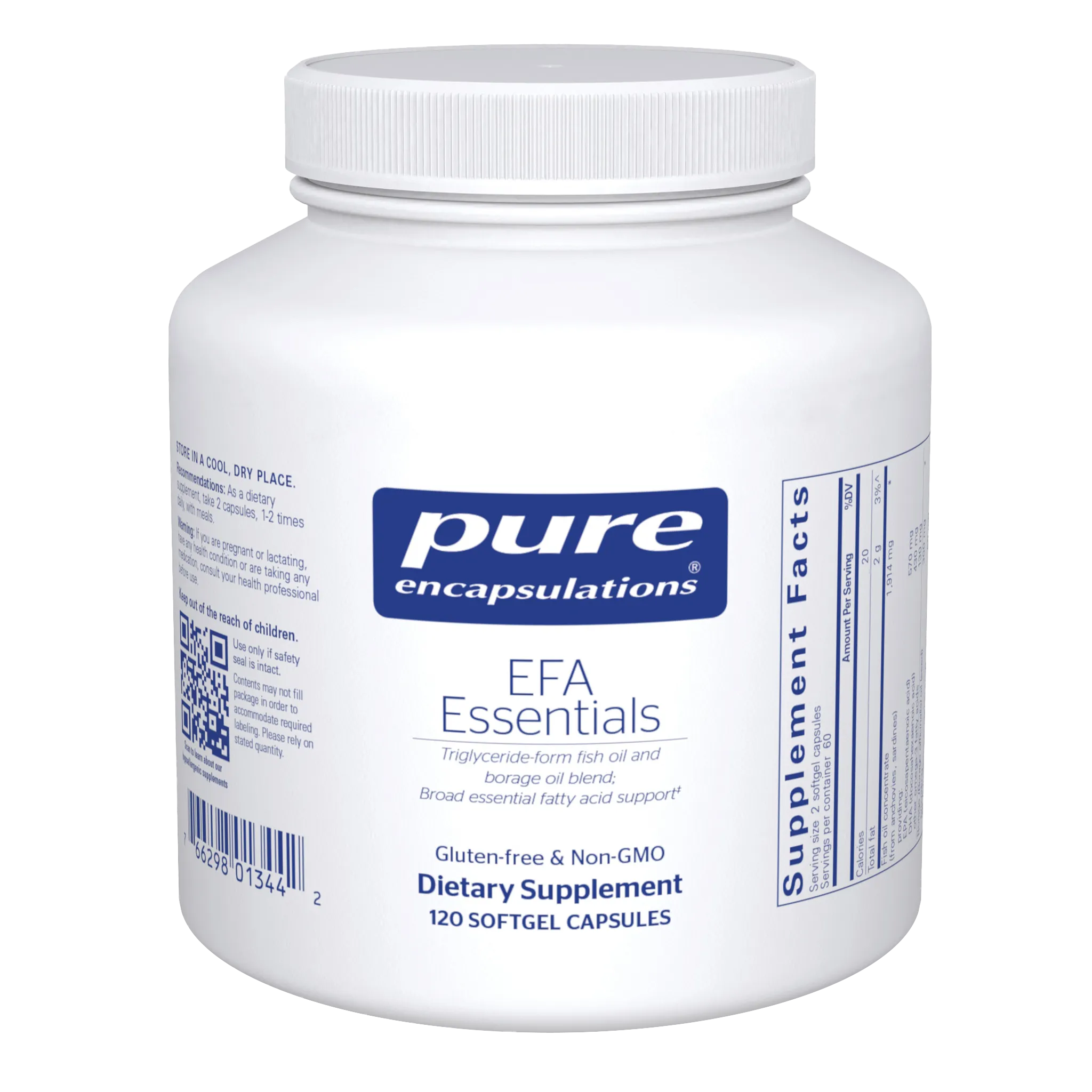
When evaluating a fatty acid supplement, the specific ratios and sourcing of the ingredients are paramount. EFA Essentials provides a highly concentrated, non-GMO certified blend designed for maximum therapeutic impact. Each serving (2 softgels) delivers 1,914 mg of fish oil concentrate sourced from small, cold-water fish (anchovies and sardines), yielding 570 mg of EPA and 430 mg of DHA. Sourcing from small fish is critical, as they are lower on the food chain and naturally accumulate far fewer heavy metals and environmental toxins than larger predatory fish.
In addition to the marine lipids, the formula includes 300 mg of cold-pressed borage seed oil, providing 50 mg of active GLA. Borage oil is widely considered the premier botanical source of GLA, boasting a much higher concentration (typically around 20-24%) compared to evening primrose oil (which contains only 8-10%). The specific ratio of high EPA to moderate GLA in this formulation is intentional; as discussed earlier, the high levels of EPA ensure the inhibition of the delta-5-desaturase enzyme, guaranteeing that the GLA is safely converted into beneficial PGE1 rather than inflammatory arachidonic acid.
The fish oil in EFA Essentials is processed using advanced molecular distillation, a purification method that removes lipid peroxides, heavy metals, and environmental contaminants while preserving the delicate structure of the polyunsaturated fats. This ensures a clean, highly stable product that minimizes the risk of lipid oxidation—a common problem in lower-quality fish oils that can actually introduce free radicals into the body rather than neutralizing them.
Essential fatty acids are complex lipids that require specific digestive processes to be properly absorbed by the body. To maximize the bioavailability of EFA Essentials, it is crucial to take the softgels with a meal that contains a moderate amount of healthy dietary fat (such as avocado, olive oil, or nuts). Consuming the supplement alongside dietary fat triggers the gallbladder to release bile salts into the small intestine. These bile salts act as emulsifiers, breaking down the large lipid molecules into microscopic droplets called micelles, which can then be easily absorbed across the intestinal wall.
Taking fatty acid supplements on an empty stomach drastically reduces their absorption rate and is the primary cause of the unpleasant "fishy burps" or mild gastrointestinal upset that some individuals experience. By ensuring the digestive system is actively processing fats when the supplement is introduced, you can optimize the delivery of EPA, DHA, and GLA directly into the bloodstream, where they can begin incorporating into the cellular membranes.
For patients dealing with severe gut dysbiosis or malabsorption issues—common complications of Long COVID and ME/CFS—consistent, daily dosing is key. It takes time for the body to physically turn over its cellular membranes and replace the accumulated arachidonic acid with the newly introduced Omega-3s and Omega-6s. While some patients may notice improvements in skin hydration or joint comfort within a few weeks, it typically requires 3 to 4 months of consistent supplementation to achieve a therapeutic saturation of these fatty acids in the tissues and to observe significant shifts in systemic inflammatory markers.
While EFA Essentials is generally well-tolerated and derived from natural sources, there are important safety considerations to keep in mind. Because EPA and DHA naturally inhibit platelet aggregation (blood clotting) as part of their anti-inflammatory mechanism, high doses of Omega-3s can have a mild blood-thinning effect. Patients who are actively taking prescription anticoagulant medications (such as warfarin or Eliquis), or those with bleeding disorders, must consult their healthcare provider before initiating supplementation to ensure their clotting times (PT/INR) remain within a safe therapeutic window.
Additionally, this product contains fish (anchovies and sardines). Individuals with a known, severe allergy to fish or marine products should avoid this supplement and discuss plant-based or algal-derived alternatives with their medical team. It is also recommended to discontinue the use of high-dose fish oil supplements at least one to two weeks prior to any scheduled surgical procedures to minimize the risk of excessive perioperative bleeding.
The suggested use is 2 softgel capsules, 1-2 times daily with meals, or as directed by your health professional. Because chronic illnesses like Long COVID and MCAS are highly individualized, your provider may recommend starting with a lower dose to assess your body's tolerance before gradually titrating up to the full therapeutic dose. Tracking your symptoms—particularly joint stiffness, eye irritation, and cognitive fatigue—in a daily journal can help you and your provider gauge the efficacy of the supplement over the crucial 3-to-4-month saturation period.

Follow the Science
The therapeutic use of combined essential fatty acids for post-viral syndromes has a robust history in clinical literature. One of the foundational studies in this area, the landmark Behan trial published in 1990, investigated the effects of a specific ratio of GLA, EPA, and DHA on patients suffering from severe post-viral fatigue syndrome (now recognized under the ME/CFS umbrella). In this double-blind, placebo-controlled study, 63 patients were given the fatty acid combination or a placebo for three months. The results were striking: 85% of the treated patients reported highly significant clinical improvements across both physical fatigue and psychiatric symptoms, compared to minimal changes in the placebo group.
Modern research has continued to validate these early findings, particularly in the context of Long COVID. A recent pilot study analyzing the plasma lipid profiles of COVID-19 patients revealed that early, severe depletion of EPA and GLA was a primary predictive biomarker for the development of Post-Acute Sequelae of SARS-CoV-2 (PASC). Researchers hypothesize that the virus actively disrupts the desaturase enzymes required to synthesize these fats, trapping the patient in a state of rigid cellular membranes and chronic neuroinflammation. Supplementing with pre-formed EPA, DHA, and GLA bypasses these broken enzymatic pathways, directly supplying the brain and immune system with the raw materials needed to resolve the post-viral inflammatory loop.
Furthermore, studies examining the Omega-3 Index—a measure of the amount of EPA and DHA incorporated into red blood cell membranes—have shown a direct correlation between higher Omega-3 levels and reduced systemic inflammation. A massive 2022 analysis of 29,000 blood samples demonstrated that an Omega-3 Index greater than 6.6% is strongly associated with a balanced, quiescent innate-adaptive immune system, which is exactly the state that patients with hyper-reactive chronic illnesses are striving to achieve.
The specific combination of EPA, DHA, and GLA found in EFA Essentials has been rigorously tested for its efficacy in supporting ocular surface health. The Sheppard Combination Study, a randomized, double-blind trial published in the journal Cornea, specifically evaluated a formula containing EPA, DHA, and GLA on postmenopausal women suffering from severe dry eye syndrome. After just three months, the treatment group exhibited a statistically significant reduction in ocular irritation and a smoother, healthier corneal surface compared to the placebo group. The researchers concluded that the combination successfully halted the progression of localized ocular inflammation.
These findings are supported by broader systematic reviews published in MDPI, which analyzed multiple clinical trials and confirmed that Omega-3 supplementation, particularly when combined with GLA, significantly improves the Tear Film Breakup Time (TBUT) and Schirmer’s test scores. By reducing the inflammation of the meibomian glands and supporting the mucin-producing goblet cells, this fatty acid combination addresses the root structural causes of dry eye disease rather than merely providing temporary symptomatic relief.
Emerging research is shedding light on how essential fatty acids interact with mast cells and the autonomic nervous system, offering hope for patients with MCAS and POTS. At the cellular level, EPA and DHA have been shown to act as potent mast cell stabilizers. In vitro studies on human mast cell lines demonstrate that these long-chain Omega-3s physically disrupt the lipid rafts on the mast cell membrane. By altering the membrane's fluidity, they inhibit the FcεRI receptors from triggering the massive degranulation events that release histamine and inflammatory cytokines into the bloodstream.
This systemic stabilization has profound implications for the autonomic nervous system. In dysautonomia, erratic nerve signaling and vascular inflammation lead to severe blood pressure fluctuations and tachycardia. High-dose EPA and DHA supplementation has been shown to lower sympathetic nervous system overdrive and improve vagal tone. By reducing the oxidative stress on the endothelial cells that line the blood vessels, these fatty acids help restore proper vascular constriction and dilation, directly combating the cardiovascular instability that characterizes POTS.
Furthermore, the GLA component plays a vital role in mitigating the severe skin reactions often associated with mast cell activation. Clinical trials evaluating GLA supplementation have proven its ability to preserve skin hydration, reduce systemic erythema (redness), and reinforce the dermal lipid barrier against environmental triggers. By combining the mast cell-stabilizing properties of EPA/DHA with the barrier-reinforcing and vasodilatory effects of GLA, EFA Essentials provides a multi-targeted approach to managing the complex, overlapping symptoms of these chronic conditions.
The Path Forward
Navigating the daily realities of Long COVID, ME/CFS, dysautonomia, and MCAS requires immense resilience. When your body is locked in a state of chronic inflammation, it can feel as though every system—from your joints and skin to your eyes and brain—is simultaneously under attack. It is crucial to validate that these symptoms are not in your head; they are the tangible results of profound biochemical disruptions at the cellular level. Viral persistence, immune hyper-reactivity, and metabolic stress physically alter the lipid membranes of your cells, driving the systemic inflammation that fuels your symptoms.
Addressing this foundational imbalance is a critical step in the healing process. EFA Essentials is not a miracle cure, but it is a powerful, science-backed tool designed to restore the structural integrity of your cells. By providing a highly concentrated, synergistic blend of EPA, DHA, and GLA, this supplement helps to physically displace inflammatory arachidonic acid, balance eicosanoid production, and provide the raw materials necessary for your immune system to finally transition from a state of chronic attack to a state of active resolution and repair.
While restoring your essential fatty acid balance is a vital component of recovery, it is just one piece of a comprehensive management strategy. True healing requires a multi-faceted approach that includes aggressive pacing to prevent post-exertional malaise, targeted nervous system regulation, and ongoing medical supervision. We encourage you to track your symptoms carefully, noting any gradual improvements in joint comfort, skin hydration, eye moisture, and cognitive clarity over the course of several months of consistent supplementation.
As always, please consult with your healthcare provider before introducing any new supplement into your regimen, especially if you are taking anticoagulant medications or have a history of bleeding disorders. Your medical team can help you determine the optimal dosage and ensure that EFA Essentials fits safely within your broader treatment plan. If you are ready to support your cellular health and combat systemic inflammation,
today and take a foundational step toward reclaiming your quality of life.
Sources
Beneficial Outcomes of Omega-6 and Omega-3 Polyunsaturated Fatty Acids on Human Health (MDPI)
Eicosanoid mediator synthesis from Omega-6 and Omega-3 fatty acids (ResearchGate)
Systematic Review of Omega-3 Fatty Acids and Dry Eye Disease (MDPI)
Polyunsaturated fatty acids (PUFA) for dry eye syndrome (Cochrane Library)