Can DopaPlus Clear Brain Fog and Support Cognitive Function in Long COVID and ME/CFS?
March 5, 2026
DopaPlusLong COVIDME/CFS
Share:
Disclaimer: The information provided here is for educational purposes only and is not intended as medical advice. It should not be used to diagnose, treat, cure, or prevent any medical condition. Instead, use it as a starting point for discussion with your healthcare provider. Always consult with a qualified healthcare provider before starting any new medication, supplement, device, or making changes to your health regimen.
Months or even years after a viral infection, many individuals find themselves battling a profound, unrelenting cognitive impairment commonly known as "brain fog." For those living with Long COVID, myalgic encephalomyelitis/chronic fatigue syndrome (ME/CFS), and dysautonomia, this is not merely a feeling of being a little tired or distracted. It is a debilitating neurological symptom that strips away the ability to concentrate, recall words, process information, and sustain mental effort. Patients often describe feeling as though their brain is wading through wet concrete, making simple daily tasks feel like monumental hurdles. When standard medical evaluations return "normal" results, it can be incredibly frustrating and isolating, leaving patients searching for validating answers and actionable solutions.
Emerging research is painting a clearer picture of what drives this cognitive dysfunction, pointing heavily toward neuroinflammation and the disruption of key neurotransmitters, particularly dopamine. Dopamine is the brain's primary chemical messenger for motivation, executive function, working memory, and mental endurance. When viral-induced inflammation disrupts the delicate biochemical pathways that synthesize and regulate dopamine, the resulting deficit manifests as profound mental fatigue and cognitive slowing. DopaPlus by Pure Encapsulations is a targeted nutritional supplement designed to address this exact mechanism. By providing the direct precursors, essential enzymatic cofactors, and neuroprotective antioxidants required for healthy dopamine production, DopaPlus aims to support cognitive function, mental sharpness, and positive mood in those navigating complex chronic illnesses.
TL;DR
DopaPlus supports dopamine synthesis to help manage brain fog and cognitive fatigue in chronic conditions.
It provides L-tyrosine and L-DOPA to help replenish depleted neurotransmitter stores safely.
Essential cofactors like B6, folate, and zinc help optimize dopamine conversion and protect neural pathways.
Always consult a healthcare provider before starting, especially if taking psychiatric medications.
What is DopaPlus?
The Building Blocks of Dopamine Synthesis
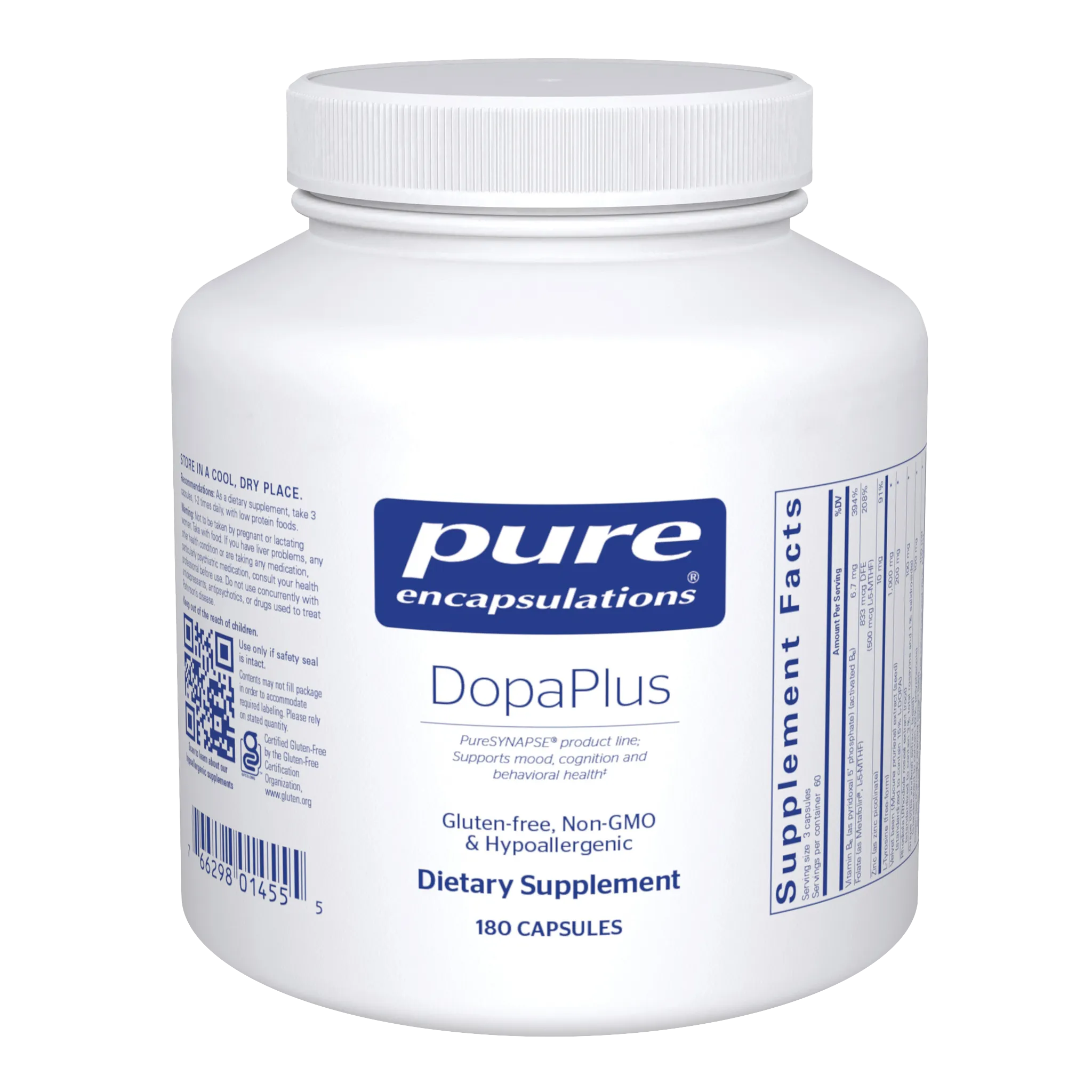
DopaPlus is a comprehensive, multi-ingredient formula specifically engineered to support the natural production, conversion, and stabilization of dopamine in the brain. At the core of this formula are the direct biochemical precursors required to synthesize catecholamine neurotransmitters. The first is L-tyrosine (1000 mg), a large neutral amino acid that serves as the foundational raw material for dopamine. Under normal conditions, the brain extracts circulating L-tyrosine from the bloodstream to fuel its neurotransmitter factories. However, during periods of prolonged physiological stress, neuroinflammation, or severe mental fatigue, the brain's demand for dopamine skyrockets, rapidly depleting its natural tyrosine stores. By providing a substantial dose of free-form L-tyrosine, DopaPlus ensures the brain has an ample supply of this critical building block to meet increased metabolic demands.
The second, and perhaps most potent, precursor in DopaPlus is Mucuna pruriens extract (200 mg), commonly known as velvet bean. While L-tyrosine must undergo a rate-limiting enzymatic conversion to become useful, Mucuna pruriens naturally contains high concentrations of L-DOPA (Levodopa). L-DOPA is the direct, immediate precursor to dopamine. Unlike dopamine itself, which cannot cross the highly selective blood-brain barrier, L-DOPA easily crosses into the central nervous system. Once inside the brain, it is rapidly converted into active dopamine. This dual-precursor approach ensures that the brain receives both the slow-release foundational material (L-tyrosine) and the immediate, bioavailable precursor (L-DOPA) necessary to restore depleted neurotransmitter levels.
The Essential Enzymatic Cofactors
Providing the brain with raw materials is only half the battle; the body must also possess the specific enzymatic machinery to convert those materials into active neurotransmitters. DopaPlus includes a precise trio of micronutrients—vitamin B6, folate, and zinc—that act as obligate cofactors in the dopamine synthesis pathway. Vitamin B6 is included in its metabolically active form, pyridoxal 5'-phosphate (P5P). P5P is a direct cofactor for the enzyme DOPA decarboxylase, which is responsible for the final transformation of L-DOPA into dopamine. Without adequate P5P, the conversion process physically halts, creating a biochemical bottleneck that leaves the brain starved of dopamine despite having ample precursors.
Folate is provided as Metafolin® L-5-MTHF (833 mcg), the biologically active, methylated form of vitamin B9. Active folate is strictly required to drive the "salvage pathway" that recycles tetrahydrobiopterin (BH4). BH4 is a master regulator and essential cofactor for tyrosine hydroxylase, the enzyme that initiates the entire dopamine production cascade. Finally, zinc picolinate (10 mg) acts as an allosteric modulator and pathway stabilizer. Zinc structurally regulates tyrosine hydroxylase by antagonizing iron, ensuring that dopamine is produced at a steady, healthy rate rather than flooding the system and causing neurotoxicity. Together, these three cofactors ensure the enzymatic assembly line runs smoothly and efficiently.
Neuroprotection and Dopamine Stability
The final pillar of the DopaPlus formula focuses on protecting the delicate dopamine-producing neurons and maintaining the stability of the neurotransmitter once it is released. The inclusion of Rhodiola rosea extract (100 mg), a renowned adaptogenic herb, helps modulate the body's stress response. Rhodiola influences the activity of key neurotransmitters and blunts the release of stress hormones like cortisol, which can otherwise degrade cognitive function and accelerate mental fatigue. By supporting healthy dopamine reuptake, Rhodiola ensures that the dopamine produced remains in the synaptic cleft longer, providing sustained cognitive endurance and mental sharpness.
To combat the oxidative stress that frequently damages dopaminergic networks in chronic illness, DopaPlus incorporates potent plant polyphenols from grape seed extract (100 mg) and green tea extract (100 mg). These extracts are rich in proanthocyanidins and epigallocatechin-3-gallate (EGCG), respectively. These compounds cross the blood-brain barrier to act as powerful scavengers of reactive oxygen species, neutralizing the free radicals that cause neuroinflammation and lipid peroxidation. By shielding neurons from oxidative damage, these antioxidants protect the structural integrity of the brain's dopamine pathways, promoting long-term neurological health and resilience.
How Long COVID and ME/CFS Impact Dopamine and Cognitive Function
Neuroinflammation and the Blood-Brain Barrier
To understand why a supplement like DopaPlus may be beneficial, it is crucial to examine how conditions like Long COVID and ME/CFS alter the brain's biochemical landscape. Both conditions are increasingly recognized as post-viral syndromes characterized by sustained, systemic immune activation. Even after the acute viral infection has cleared, the immune system remains locked in a defensive posture, continuously churning out pro-inflammatory cytokines such as IL-6, IL-1β, and TNF-α. These inflammatory molecules can compromise the integrity of the blood-brain barrier, allowing systemic inflammation to spill over into the central nervous system. Once inside, they activate microglia, the brain's resident immune cells, triggering a state of chronic neuroinflammation that profoundly disrupts normal neurological function.
This chronic neuroinflammation directly interferes with the synthesis and regulation of catecholamines, including dopamine and norepinephrine. Inflammatory cytokines force the body to alter its amino acid metabolism, often shunting resources away from neurotransmitter production and toward inflammatory pathways. Furthermore, high levels of cytokines decrease the expression of the vesicular monoamine transporter 2 (VMAT2), which is responsible for packaging dopamine into protective vesicles. Simultaneously, inflammation increases the activity of the dopamine transporter (DAT), which rapidly clears dopamine away from the synapse. This dual assault effectively starves the brain's neural networks of the dopamine required to maintain attention, process information, and initiate mental effort.
Basal Ganglia Hypometabolism and Dopamine Depletion
The consequences of this dopamine depletion are heavily concentrated in the basal ganglia, a deep brain structure intricately involved in motivation, reward processing, and the initiation of both physical movement and cognitive tasks. The basal ganglia relies almost entirely on robust striatal dopamine circuitry to function. In both Long COVID and ME/CFS, advanced neuroimaging studies, including resting-state fMRI and PET scans, consistently reveal altered functional connectivity and severe hypometabolism within the basal ganglia. When this region is inflamed and deprived of dopamine, it fails to accurately calculate the "effort versus reward" equation, leading to a profound, crushing sense of exhaustion that patients experience as psychomotor slowing and anhedonia.
Furthermore, the SARS-CoV-2 virus itself has a unique mechanism that directly impairs dopamine production. The virus binds to and downregulates ACE2 receptors throughout the body. Because ACE2 interacts intimately with DOPA decarboxylase—the exact enzyme required to convert L-DOPA into active dopamine—this viral mechanism directly limits the brain's manufacturing capabilities. This virus-induced enzymatic suppression, combined with ongoing microglial activation, creates a perfect storm of central dopamine deficiency. Patients are left with measurable signs of catecholamine depletion in their cerebrospinal fluid, directly correlating with the severity of their neurological symptoms.
The Reality of Brain Fog and Post-Exertional Malaise
This intricate pathophysiology is what manifests clinically as "brain fog." Because dopamine is heavily depleted and the basal ganglia is hypometabolic, patients experience specific, measurable cognitive deficits rather than generalized sleepiness. A 2022 literature review highlighted that Long COVID and ME/CFS patients share similar central nervous system abnormalities, leading to struggles with working memory, sustained attention, word retrieval, and executive functioning. The brain simply lacks the chemical fuel required to sustain neural firing across complex cognitive networks, making multitasking or prolonged concentration nearly impossible.
Crucially, this dopamine dysfunction is deeply intertwined with post-exertional malaise (PEM), a hallmark symptom of ME/CFS and many Long COVID cases. When a patient attempts to push through the fatigue and exert themselves physically or mentally, it triggers an active spike in circulating inflammatory cytokines. This sudden inflammatory surge violently shuts down the already fragile dopamine pathways, resulting in a severe "crash" that can leave the patient bedbound and cognitively impaired for days or weeks. Understanding this mechanism is vital; it validates that brain fog is a tangible, biochemical deficit, not a psychological lack of willpower, and highlights why supporting the dopamine pathway is a logical therapeutic target. You can learn more about the intricacies of these cognitive symptoms in our detailed guide, What Is “Brain Fog” and Cognitive Dysfunction in Long COVID?.
DopaPlus: Supporting Dopamine Production and Brain Health
Fueling the Pathway with L-Tyrosine and L-DOPA
DopaPlus addresses the complex pathophysiology of chronic cognitive dysfunction by intervening at multiple stages of the dopamine synthesis and regulation pathways. The primary mechanism of action begins with restoring the depleted raw materials required for neurotransmitter production. By supplying a high dose of L-tyrosine, the formula provides the foundational amino acid that the brain desperately needs during periods of high cognitive demand and stress. Clinical trials have repeatedly demonstrated that L-tyrosine supplementation effectively reverses stress-induced impairments in working memory and executive function. It acts as a biochemical buffer, ensuring that when inflamed, overtaxed neurons fire rapidly and deplete their dopamine stores, there is a steady supply of tyrosine available to synthesize new neurotransmitters and prevent cognitive failure.
However, because the conversion of L-tyrosine to L-DOPA by the enzyme tyrosine hydroxylase is the rate-limiting step—and often impaired by viral-induced inflammation—DopaPlus bypasses this bottleneck entirely by including Mucuna pruriens. The natural L-DOPA found in this velvet bean extract crosses the blood-brain barrier directly and requires only one enzymatic step to become active dopamine. A landmark double-blind clinical trial demonstrated that Mucuna pruriens supplementation rapidly and significantly promoted L-DOPA plasma concentrations, leading to a faster onset of cognitive and motor relief compared to synthetic alternatives. This direct infusion of L-DOPA effectively bypasses the inflammatory roadblocks, delivering the exact precursor the basal ganglia needs to restore metabolic activity and alleviate the crushing weight of mental fatigue.
Optimizing Enzymatic Conversion with B6, Folate, and Zinc
Supplying L-DOPA is highly effective, but it is entirely useless if the brain lacks the enzymatic machinery to convert it into dopamine. This is where the precise inclusion of vitamin B6 (P5P), Metafolin® (folate), and zinc becomes critical. In the inflamed brains of Long COVID and ME/CFS patients, metabolic shunting often depletes these vital micronutrients. By providing P5P, DopaPlus directly activates DOPA decarboxylase, the enzyme that strips the carboxyl group from L-DOPA to yield pure dopamine. Active B6 physically docks with this enzyme to initiate the conversion process, ensuring that the L-DOPA provided by the Mucuna extract is efficiently utilized rather than wasted.
Simultaneously, the active folate (L-5-MTHF) works upstream to salvage and recycle tetrahydrobiopterin (BH4). Because folate deficiency is heavily correlated with deficits in central monoamine neurotransmitters, supplying the methylated form ensures the tyrosine hydroxylase enzyme remains active, allowing the L-tyrosine in the formula to be continuously converted into additional L-DOPA. Zinc acts as the crucial regulatory mechanism in this triad. By acting as an allosteric modulator that antagonizes iron binding, zinc ensures that the tyrosine hydroxylase enzyme does not overproduce dopamine, which could lead to oxidative stress and neurotoxicity. This synergistic triad of cofactors ensures a balanced, sustained, and safe production of dopamine.
Modulating Stress and Fatigue with Rhodiola Rosea
Beyond synthesis, DopaPlus supports the functional longevity of dopamine in the synapse through the inclusion of Rhodiola rosea. Chronic illness places the body in a state of perpetual physiological stress, leading to dysregulated cortisol levels and rapid neurotransmitter degradation. Rhodiola is a potent adaptogen that actively modulates the hypothalamic-pituitary-adrenal (HPA) axis. In a randomized, double-blind clinical trial involving subjects under severe stress, Rhodiola extract significantly reduced mental fatigue and improved physical fitness and general well-being.
At a molecular level, Rhodiola influences the activity of enzymes like monoamine oxidase (MAO), which are responsible for breaking down dopamine in the synaptic cleft. By gently inhibiting this breakdown, Rhodiola promotes the stability of dopamine and maintains healthy dopamine reuptake. This means that the dopamine produced by the L-tyrosine and Mucuna pruriens remains active and available to the neurons for a longer duration. This sustained dopaminergic activity is what translates clinically to improved mental endurance, allowing patients to engage in cognitive tasks for longer periods before experiencing the debilitating onset of brain fog.
Shielding Neurons with Green Tea and Grape Seed Antioxidants
The final mechanism of action addresses the root cause of much of the neurological dysfunction in Long COVID and ME/CFS: oxidative stress. The continuous immune activation in these conditions generates massive amounts of reactive oxygen species (ROS) that damage the delicate lipid membranes of dopamine-producing neurons. DopaPlus provides robust neuroprotection through green tea extract and grape seed extract. The epigallocatechin-3-gallate (EGCG) in green tea acts as a natural iron chelator and potent antioxidant, neutralizing excess iron in the brain that would otherwise catalyze oxidative damage.
Similarly, the oligomeric proanthocyanidins (OPCs) in grape seed extract cross the blood-brain barrier to reduce lipid peroxidation and suppress microglial activation. Preclinical models have demonstrated that grape seed extract successfully protects dopamine neurons from toxicity by reducing apoptosis (cell death) and lowering localized neuroinflammation. By combining these two powerful plant polyphenols, DopaPlus not only helps rebuild the brain's dopamine supply but actively shields the neural infrastructure from the ongoing inflammatory assault characteristic of complex chronic illnesses. For more insights into how antioxidants protect the brain, consider reading our article, Can Açai and Pomegranate Extracts Combat Oxidative Stress in Long COVID and ME/CFS?.
Symptoms DopaPlus May Help Manage
Cognitive and Executive Function Challenges
By targeting the biochemical pathways responsible for dopamine synthesis and neuroprotection, DopaPlus may help alleviate a range of debilitating neurological symptoms associated with Long COVID, ME/CFS, and dysautonomia. The synergistic blend of precursors, cofactors, and antioxidants is specifically designed to address the central nervous system deficits that drive these daily challenges.
Severe Brain Fog and Mental Cloudiness: By supplying L-DOPA and L-tyrosine, DopaPlus provides the direct fuel needed to restore dopamine levels in the basal ganglia, helping to lift the heavy, concrete-like sensation of cognitive impairment and improve overall mental clarity.
Impaired Working Memory: Dopamine is essential for the prefrontal cortex to hold and manipulate information in real-time. The targeted support of dopamine synthesis helps improve short-term memory recall, making it easier to remember instructions, follow conversations, and complete multi-step tasks.
Word-Finding Difficulties (Aphasia): The neuroprotective antioxidants (green tea and grape seed extracts) help reduce localized neuroinflammation in the brain's language centers, while optimized dopamine levels facilitate faster neural transmission, reducing the frustrating "tip of the tongue" phenomenon.
Poor Concentration and Attention Lapses: Rhodiola rosea helps maintain healthy dopamine reuptake and blunts the physiological stress response, allowing for sustained attention and a reduced frequency of focus-breaking mental lapses during cognitively demanding tasks.
Executive Dysfunction: By providing the obligate cofactors (B6, folate, zinc) necessary for efficient neurotransmitter conversion, DopaPlus supports the complex executive functions required for planning, organizing, decision-making, and shifting between tasks without becoming overwhelmed.
Energy, Motivation, and Mood Disturbances
Beyond pure cognitive processing, dopamine is the primary driver of motivation, reward, and mental endurance. When the basal ganglia is hypometabolic and dopamine is depleted, patients experience profound shifts in their energy levels and emotional well-being. DopaPlus addresses these interconnected symptoms by restoring the neurochemical balance required for a positive, engaged outlook.
Mental Fatigue and Exhaustion: Rhodiola rosea acts as a potent adaptogen, shown in a clinical trial to reduce stress-induced mental fatigue. Combined with the energy-restoring properties of L-tyrosine, this helps extend the duration a patient can engage in mental effort before experiencing exhaustion.
Anhedonia (Loss of Pleasure): Dopamine is the core neurotransmitter of the brain's reward circuitry. By replenishing L-DOPA via Mucuna pruriens, DopaPlus helps restore the ability to feel pleasure, motivation, and interest in daily activities and hobbies that chronic illness often strips away.
Apathy and Lack of Motivation: The basal ganglia requires dopamine to calculate "effort versus reward" and initiate action. Restoring these pathways helps overcome the profound apathy and physical heaviness that makes initiating even simple tasks feel impossible.
Low Mood and Depressive Symptoms: Chronic neuroinflammation often shunts resources away from mood-regulating neurotransmitters. By supplying Metafolin® (active folate) and zinc, DopaPlus supports the broader methylation cycle and monoamine synthesis, promoting a more stable, positive mood and emotional resilience.
Cognitive Post-Exertional Malaise (PEM): While pacing is the primary management tool for PEM, the neuroprotective polyphenols and dopamine precursors in DopaPlus act as a biochemical buffer, potentially reducing the severity of the cognitive crashes that occur when the brain's neurotransmitter stores are rapidly depleted by exertion.
Practical Considerations: Forms, Dosing, and Absorption
Bioavailability and Optimal Timing
To maximize the therapeutic benefits of DopaPlus, it is essential to understand how its ingredients are absorbed and metabolized by the body. The suggested use is to take 3 capsules, 1-2 times daily, between meals. Taking the supplement on an empty stomach (at least 30 minutes before or two hours after a meal) is highly recommended. This is because L-tyrosine is a large neutral amino acid (LNAA) that competes with other amino acids from dietary protein for transport across the intestinal wall and the blood-brain barrier. If taken with a protein-heavy meal, the L-tyrosine in DopaPlus may be outcompeted by other amino acids, significantly reducing its absorption and subsequent conversion into dopamine.
The timing of your dosage can also be tailored to your specific symptom patterns. Because DopaPlus promotes dopamine production and mental alertness, it is generally best taken in the morning or early afternoon. Taking it late in the evening may cause overstimulation and interfere with your natural circadian rhythm and sleep onset. For patients dealing with Long COVID or ME/CFS who experience a predictable mid-afternoon "crash" in cognitive energy, a divided dose—taking one serving upon waking and a second serving in the early afternoon—may help provide a sustained biochemical buffer against mental fatigue throughout the most demanding parts of the day.
Understanding the Activated Nutrient Forms
One of the key advantages of the DopaPlus formulation is its use of highly bioavailable, activated nutrient forms. Many standard supplements use cheap, inactive forms of vitamins that the body must expend metabolic energy to convert. In patients with chronic illness, these conversion pathways are often impaired by genetic polymorphisms (such as the MTHFR mutation) or systemic inflammation. DopaPlus utilizes Metafolin® L-5-MTHF, the naturally occurring, universally metabolized form of folate that bypasses the MTHFR enzyme entirely, ensuring immediate absorption and utilization in the BH4 recycling pathway.
Similarly, the inclusion of pyridoxal 5'-phosphate (P5P) instead of standard pyridoxine hydrochloride ensures that the vitamin B6 is immediately ready to act as a cofactor for DOPA decarboxylase. Research indicates that P5P physically docks with the enzyme to initiate dopamine conversion, making this activated form crucial for efficacy. The zinc in the formula is provided as zinc picolinate, a highly absorbable chelated form that survives the acidic environment of the stomach better than standard zinc oxide or sulfate, ensuring optimal serum levels are reached to stabilize the tyrosine hydroxylase enzyme.
Safety, Contraindications, and Medication Interactions
While DopaPlus is formulated with natural precursors and vitamins, its profound effect on neurotransmitter levels necessitates careful consideration of safety and potential drug interactions. Because it directly increases dopamine synthesis, DopaPlus carries specific warnings. It is not to be taken by pregnant or lactating women. More importantly, if you have any health condition or are taking any medication—particularly psychiatric medication—you must consult your healthcare professional before use. This is a critical safety step to prevent adverse neurochemical reactions.
Specifically, DopaPlus must not be used concurrently with antidepressants, antipsychotics, or drugs used to treat Parkinson's disease. Combining the natural L-DOPA from Mucuna pruriens and L-tyrosine with pharmaceutical MAOIs, SSRIs, or synthetic Levodopa/Carbidopa can lead to excessively high dopamine or serotonin levels, potentially triggering dangerous conditions like serotonin syndrome or dopamine toxicity. Furthermore, because dopamine influences heart rate and blood pressure, patients with severe, unmanaged dysautonomia or POTS should introduce the supplement slowly under medical supervision to ensure it does not exacerbate cardiovascular symptoms. Always work collaboratively with your care team to integrate supplements safely into your broader management plan.
Follow the Science
Clinical Evidence for Mucuna Pruriens and L-Tyrosine
The individual ingredients in DopaPlus have been the subject of extensive clinical research, particularly regarding their ability to support dopamine synthesis and cognitive function under stress. Mucuna pruriens, the natural source of L-DOPA in the formula, has been rigorously evaluated in human clinical trials. A landmark randomized, double-blind crossover trial published in the Journal of Neurology, Neurosurgery & Psychiatry compared Mucuna pruriens preparations against standard synthetic Levodopa. The researchers found that the Mucuna extract resulted in a significantly faster onset of cognitive and motor relief, a longer duration of therapeutic effect, and a massive 110% higher peak in L-DOPA plasma concentrations. Crucially, this increased bioavailability did not cause the severe adverse dyskinesias often associated with synthetic drugs, highlighting its superior tolerability profile.
L-tyrosine has similarly robust backing as a cognitive enhancer during periods of acute physiological stress. Systematic reviews of clinical trials demonstrate that L-tyrosine effectively reverses stress-induced impairments in working memory, cognitive flexibility, and information processing. In double-blind, randomized controlled trials involving sleep-deprived military personnel, L-tyrosine supplementation significantly reduced the probability of attention lapses on vigilance tasks and ameliorated the usual decline in psychomotor performance. These studies confirm that while L-tyrosine may not boost baseline cognition in perfectly rested individuals, it acts as a vital biochemical buffer that preserves executive function when the brain's dopamine stores are rapidly depleted by stress or inflammation.
Rhodiola Rosea in Stress and Mental Fatigue Trials
The adaptogenic properties of Rhodiola rosea have been validated through numerous high-quality clinical trials focusing on mental fatigue and burnout. A Phase III randomized, double-blind, placebo-controlled study evaluated Rhodiola extract in patients diagnosed with clinical fatigue syndrome. Over 28 days, the treatment group showed a strong anti-fatigue effect that notably increased mental performance, with significant improvements in sustained attention and response inhibition. Furthermore, the Rhodiola group experienced a significantly decreased salivary cortisol response to awakening stress, proving its ability to physically blunt the body's physiological stress response.
Another double-blind, placebo-controlled pilot study involving students enduring intense examination stress found that those receiving Rhodiola demonstrated significant improvements in neuro-motoric functions and general well-being. The treatment group specifically reported reduced mental fatigue and improved physical fitness compared to the placebo group. These clinical findings strongly support the inclusion of Rhodiola in DopaPlus as a mechanism to modulate the HPA axis, maintain healthy dopamine reuptake, and extend cognitive endurance in patients battling chronic, illness-induced exhaustion.
The Neuroprotective Power of Plant Polyphenols
The neuroprotective antioxidants in DopaPlus—green tea extract and grape seed extract—are supported by a wealth of preclinical and epidemiological data regarding their ability to defend dopaminergic neurons from oxidative stress. The epigallocatechin-3-gallate (EGCG) found in green tea has been shown in vitro and in animal models to act as a natural iron chelator, binding to excess iron in the brain and neutralizing its ability to cause oxidative damage. In models of Parkinson's disease, EGCG pre-treatment successfully prevented the depletion of striatal dopamine and upregulated essential antioxidant enzymes like superoxide dismutase (SOD).
Similarly, the oligomeric proanthocyanidins (OPCs) in grape seed extract have demonstrated profound neuroprotective capabilities. A 2019 study published in Nutritional Neuroscience evaluated Vitis vinifera (grape seed extract) in a neurotoxic mouse model. The researchers found that the extract successfully protected dopamine neurons from toxicity by significantly reducing cellular apoptosis, reactive oxygen species levels, and localized neuroinflammation. While large-scale human clinical trials specifically evaluating these extracts for post-viral cognitive dysfunction are still needed, the current scientific consensus strongly supports their use as potent, blood-brain barrier-permeable antioxidants that address the root inflammatory mechanisms driving chronic brain fog.
The Path Forward
A Comprehensive Approach to Cognitive Recovery
Living with the profound cognitive impairment and mental fatigue of Long COVID, ME/CFS, or dysautonomia is an incredibly challenging and often isolating experience. When your brain simply refuses to process information or sustain attention, it can feel as though you have lost a fundamental part of yourself. It is vital to remember that these symptoms are not a reflection of your willpower or psychological state; they are the direct result of measurable, biochemical disruptions in your central nervous system. The chronic neuroinflammation and dopamine depletion driving your brain fog are real, physiological mechanisms that require targeted, compassionate management.
While DopaPlus offers a scientifically grounded, comprehensive formula to support dopamine synthesis and protect neuronal health, it is important to view supplements as one piece of a much larger puzzle. True cognitive recovery in complex chronic illness requires a multifaceted approach. This includes meticulous symptom tracking, strict adherence to pacing to prevent post-exertional malaise (PEM), prioritizing restorative sleep, and working with knowledgeable healthcare providers to address underlying viral persistence or immune dysregulation. Supplements provide the biochemical raw materials, but pacing provides the environment necessary for your brain to heal. You can explore other targeted cognitive strategies in our article, Lifting Brain Fog with Guanfacine.
Next Steps in Your Management Strategy
If you are struggling with debilitating brain fog, mental fatigue, and a loss of motivation, supporting your brain's dopamine pathways may be a valuable addition to your management toolkit. DopaPlus by Pure Encapsulations provides a precise blend of precursors, essential cofactors, and potent antioxidants designed to optimize dopamine production, maintain healthy reuptake, and shield your delicate neural networks from oxidative stress. By addressing the root biochemical deficits, it aims to help you regain mental sharpness and a more positive, engaged outlook on life.
Always remember to consult with your healthcare provider before introducing any new supplement, especially one that influences neurotransmitter levels, to ensure it is safe and appropriate for your specific medical history and current medications. With the right comprehensive strategy, patience, and targeted nutritional support, it is possible to navigate the complexities of chronic illness and improve your daily cognitive function.
Sources
Mucuna pruriens in Parkinson's disease: a double blind clinical and pharmacological study
The Neuropsychiatry of Long COVID and Post-Acute COVID-19 Syndrome
Decoding Post-Viral Fatigue: The Basal Ganglia's Complex Role in Long-COVID
Elucidating the Interaction between Pyridoxine 5′-Phosphate Oxidase and Dopa Decarboxylase
Tetrahydrobiopterin (BH4) Pathway: From Metabolism to Neuropsychiatry
Zinc antagonizes iron-regulation of tyrosine hydroxylase activity and dopamine production
Grape Seed Extract Protects Dopaminergic Neurons from Oxidative Stress and Apoptosis