Can DopaBoost™ Support Dopamine Production and Brain Fog in Long COVID and ME/CFS?
March 5, 2026
DopaBoostMucuna pruriensDopamine
Share:
Disclaimer: The information provided here is for educational purposes only and is not intended as medical advice. It should not be used to diagnose, treat, cure, or prevent any medical condition. Instead, use it as a starting point for discussion with your healthcare provider. Always consult with a qualified healthcare provider before starting any new medication, supplement, device, or making changes to your health regimen.
You used to be someone who could effortlessly juggle a demanding job, social commitments, and a daily workout routine. Now, simply deciding what to make for dinner or finding the motivation to answer an email feels like wading through wet concrete. For individuals living with Long COVID, myalgic encephalomyelitis/chronic fatigue syndrome (ME/CFS), and dysautonomia, this profound lack of physical and cognitive drive is often misunderstood by the outside world as mere "tiredness" or even depression. In reality, it is a complex physiological crisis, often rooted in the severe depletion and dysregulation of a critical neurotransmitter: dopamine.
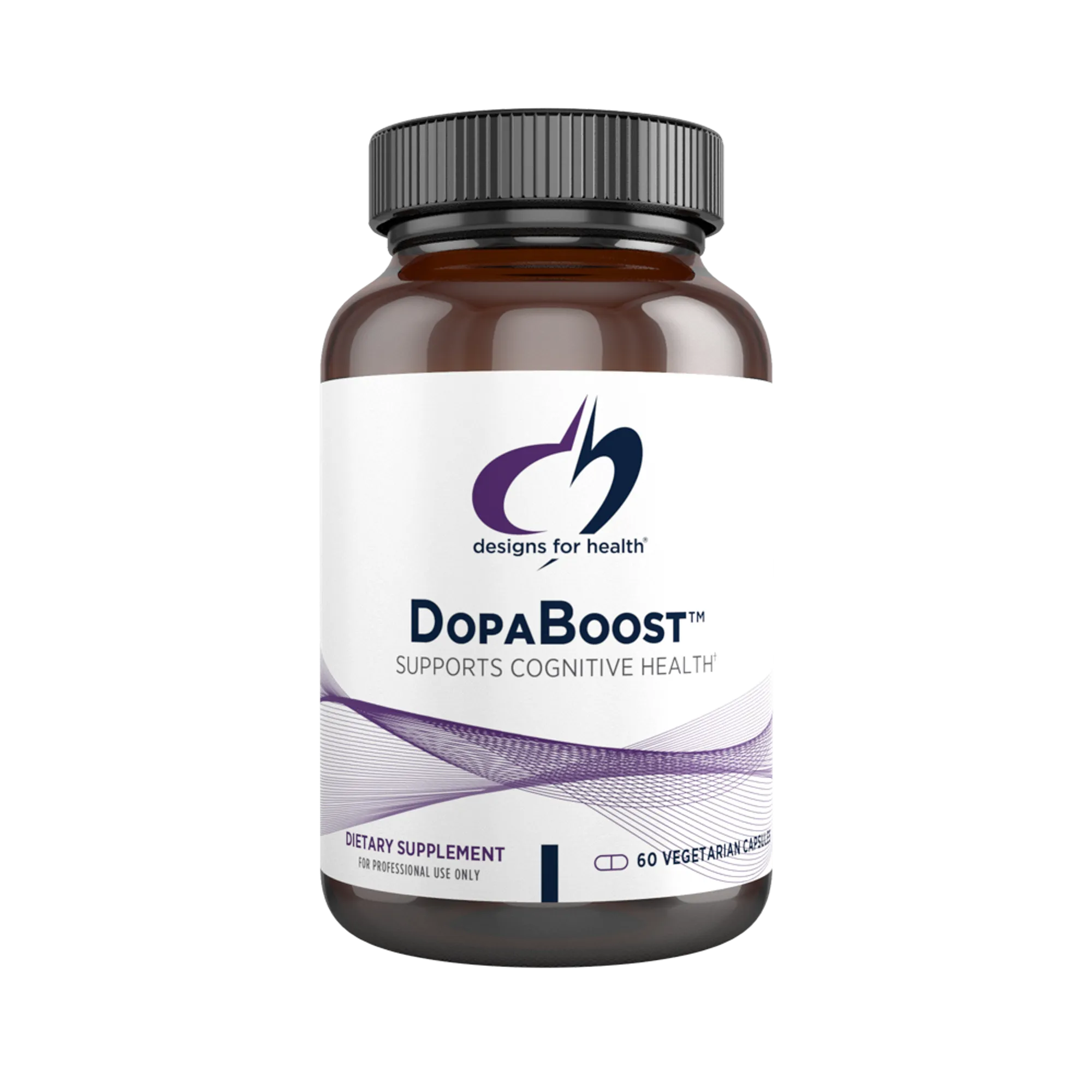
When post-viral inflammation alters the brain's delicate chemical balance, the circuitry that governs motivation, sustained attention, and physical energy begins to misfire. This is where targeted nutritional support becomes a vital piece of the management puzzle. DopaBoost™ by Designs for Health is a comprehensive supplement formulated to support the body's natural production of dopamine. By combining direct precursors like Mucuna pruriens with synergistic cofactors and metabolic regulators, it aims to restore the neurological pathways disrupted by chronic illness. In this article, we will explore the deep biochemistry of dopamine synthesis, how complex chronic conditions hijack this system, and how the specific ingredients in DopaBoost™ may help you reclaim your cognitive clarity and physical drive.
TL;DR
Chronic conditions like Long COVID and ME/CFS can disrupt dopamine pathways, causing severe fatigue and brain fog.
DopaBoost™ provides targeted nutritional support, including Mucuna pruriens and L-Tyrosine, to aid natural dopamine production.
Ingredients like EGCg and Quercetin may help prevent the premature breakdown of newly synthesized dopamine.
Always consult your healthcare provider before starting new supplements, especially if taking other medications.
What is DopaBoost™ and How Does It Support Dopamine?
The Role of Dopamine in the Healthy Brain
To understand how DopaBoost™ works, we first need to understand the profound role dopamine plays in a healthy central nervous system. Dopamine is a primary catecholamine—a type of monoamine neurotransmitter that acts as a chemical messenger between neurons. While pop culture often reduces dopamine to the "pleasure chemical," its biological functions are far more expansive and critical to daily survival. It is the master regulator of the brain's basal ganglia, a group of deep subcortical structures responsible for motor control, executive function, and the "reward-effort" valuation system.
When you contemplate a task—whether it is running a marathon or simply getting out of bed—your brain calculates the required effort against the anticipated reward. Dopamine is the molecule that signals to your body that the effort is "worth it," initiating the physical drive to execute the action. Furthermore, dopamine is essential for sustained attention, working memory, and cognitive flexibility in the prefrontal cortex. Without adequate dopamine, the brain cannot maintain the focus required to process complex information, leading to severe cognitive sluggishness.
The Biochemical Pathway of Dopamine Synthesis
The human body cannot simply absorb intact dopamine from food or supplements because the dopamine molecule is highly polar and cannot cross the blood-brain barrier (BBB). Instead, the brain must manufacture dopamine locally through a precise, multi-step biochemical pathway. This process begins with the amino acid L-Tyrosine, which is acquired through dietary protein or synthesized from L-phenylalanine.
In the first and rate-limiting step of this pathway, the enzyme tyrosine hydroxylase converts L-Tyrosine into L-DOPA (L-3,4-dihydroxyphenylalanine). Next, L-DOPA—which can cross the blood-brain barrier—is converted into active dopamine by the enzyme aromatic L-amino acid decarboxylase (AADC), also known as DOPA decarboxylase. Once synthesized, dopamine can be utilized by neurons or further converted into other vital catecholamines, such as norepinephrine and epinephrine, which regulate the autonomic nervous system's fight-or-flight response.
Enter DopaBoost™: A Synergistic Approach
When chronic illness disrupts this delicate manufacturing line, simply providing one building block is rarely enough to restore balance. This is the clinical rationale behind DopaBoost™. Rather than relying on a single ingredient, the formula provides a synergistic stack designed to address multiple points of failure in the dopamine pathway.
The formula features Mucuna pruriens extract, a natural botanical source of L-DOPA that bypasses the rate-limiting step of tyrosine hydroxylase. It pairs this with N-Acetyl-L-Tyrosine to provide a sustained precursor pool. Crucially, it includes Vitamin B6 (as Pyridoxal-5-Phosphate), the absolute biological requirement for the AADC enzyme to function. Finally, it incorporates Green Tea Extract (EGCg) and Quercetin, which act as metabolic regulators to prevent the premature breakdown of newly synthesized dopamine. Together, these ingredients form a comprehensive strategy for supporting neurological health.
How Long COVID and ME/CFS Impact Dopamine Pathways
Viral-Induced Neuroinflammation and Microglial Activation
For individuals navigating the aftermath of a viral infection, the connection between understanding if Long COVID triggers ME/CFS and experiencing profound cognitive dysfunction often comes down to neuroinflammation. Viruses like SARS-CoV-2 and Epstein-Barr Virus (which is frequently reactivated in ME/CFS) can trigger lasting changes in the brain's immune landscape. Following an infection, the brain’s resident immune cells, known as microglia, can become trapped in a chronically activated, pro-inflammatory state.
This ongoing localized inflammation alters gene expression and fundamentally disrupts the synthesis, release, and transport of neurotransmitters. Recent studies comparing COVID-19 to the influenza virus have demonstrated that while both viruses cause acute illness, only COVID-19 leaves a persistent inflammatory footprint in the brain that specifically downregulates serotonin and dopamine pathways. This neuroinflammatory blockade prevents the brain from efficiently converting precursor amino acids into active neurotransmitters, starving the neural networks of the fuel they need to function.
Basal Ganglia Dysfunction and the "Reward-Effort" Collapse
The basal ganglia are highly vulnerable to this post-viral inflammatory assault. Because these structures are heavily dependent on robust dopamine signaling to integrate motivation with physical action, any drop in dopamine levels has catastrophic effects on a patient's functional capacity. When dopamine signaling is blunted by neuroinflammation, the brain's "reward-effort" valuation system collapses.
To the dopamine-depleted brain, typical daily activities—like taking a shower or preparing a meal—are perceived as requiring an overwhelming, insurmountable amount of effort. This is not a psychological lack of willpower; it is a profound neurological deficit. This basal ganglia hypometabolism directly correlates with the severe exertion intolerance and post-exertional malaise (PEM) that define ME/CFS and Long COVID. The brain simply cannot initiate the biochemical drive required to sustain physical or mental activity.
The ACE2 Receptor and DOPA Decarboxylase Connection
Another fascinating mechanism linking Long COVID to dopamine dysregulation involves the ACE2 receptor. SARS-CoV-2 famously binds to the ACE2 receptor to gain entry into human cells. In the central nervous system, ACE2 is heavily co-expressed with DOPA decarboxylase (DDC)—the exact enzyme responsible for converting L-DOPA into active dopamine.
When the virus binds to and downregulates ACE2 receptors throughout the body, it may inadvertently cause a parallel dysfunction in DDC activity. This creates a bottleneck in the dopamine synthesis pathway. Even if a patient consumes adequate dietary protein, their brain struggles to finalize the conversion of L-DOPA into dopamine. This viral interference highlights exactly why managing mental health with Long COVID requires addressing the physiological root causes of neurotransmitter depletion, rather than treating the symptoms as purely psychological.
DopaBoost™: Supporting Dopamine Synthesis and Cognitive Function
Mucuna pruriens: The Natural L-Dopa Trojan Horse
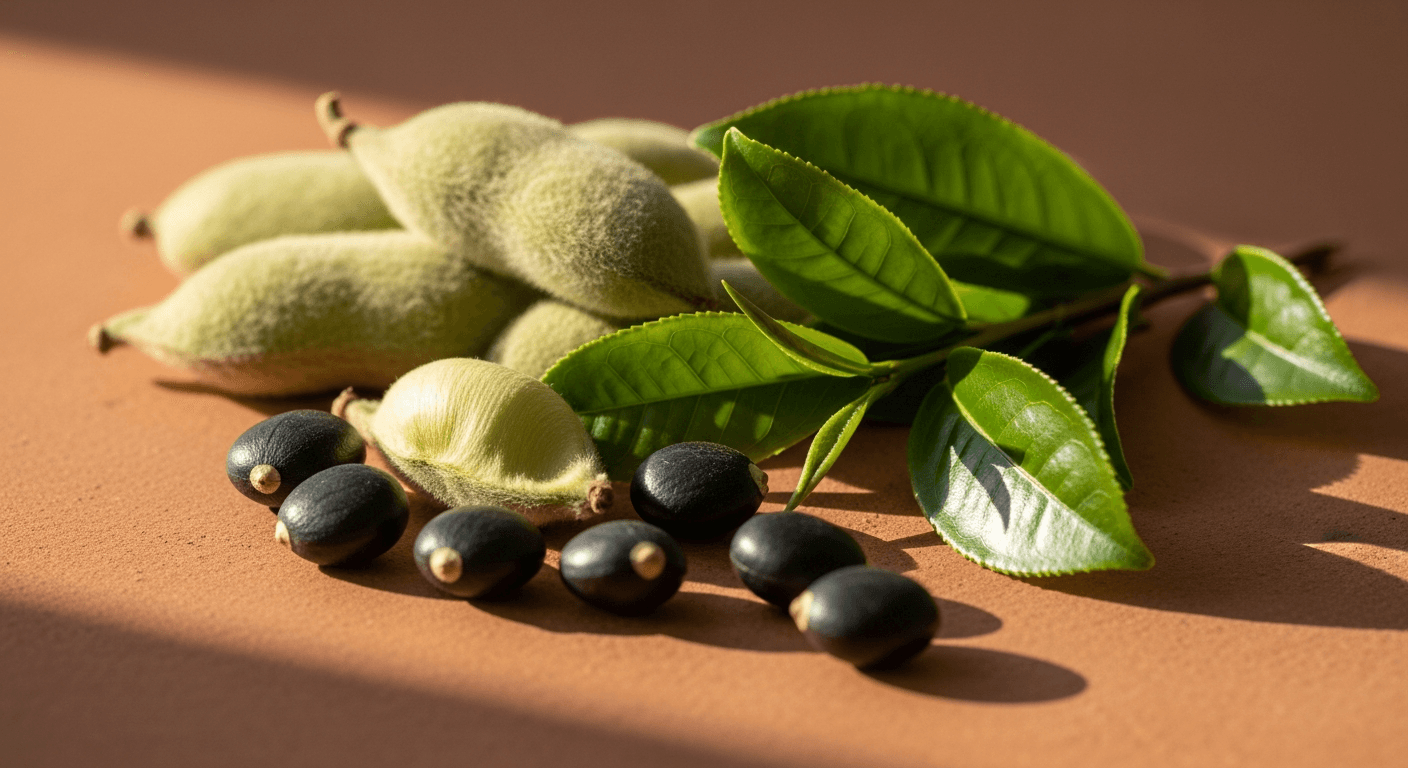
The cornerstone of DopaBoost™ is Mucuna pruriens, a tropical legume utilized for centuries in Ayurvedic medicine. The seeds of this plant contain highly concentrated, naturally occurring L-DOPA. From a mechanistic standpoint, L-DOPA acts as a biological Trojan horse. Because dopamine itself cannot cross the blood-brain barrier, L-DOPA utilizes specialized amino acid transport systems to actively cross from the bloodstream into the central nervous system.
Once inside the brain, this natural L-DOPA bypasses the often-sluggish tyrosine hydroxylase enzyme (the rate-limiting step of dopamine synthesis). It is immediately available to be converted into dopamine by the AADC enzyme. Molecular research has revealed that the Mucuna plant synthesizes its L-DOPA using a unique enzyme called polyphenol oxidase (PPO). By providing a direct, BBB-permeable precursor, Mucuna pruriens effectively force-feeds the dopamine synthesis pathway, helping to overcome the bottlenecks created by viral neuroinflammation.
N-Acetyl-L-Tyrosine (NALT): The Stress Buffer
While Mucuna pruriens provides a direct injection of L-DOPA, N-Acetyl-L-Tyrosine (NALT) serves as a foundational reserve. Tyrosine is the upstream amino acid precursor to all catecholamines. Under normal, resting conditions, catecholamine levels are relatively stable. However, under acute physical, environmental, or psychological stress—such as the massive physiological stress of living with dysautonomia or ME/CFS—the turnover rate of dopamine and norepinephrine is drastically accelerated.
This rapid turnover leads to localized depletion of neurotransmitters in the prefrontal cortex, precipitating cognitive crashes and brain fog. By supplementing with NALT, you provide the brain with an expanded pool of raw material. When the nervous system demands more dopamine to cope with a stressor, it can pull from this supplemental pool, effectively buffering the brain against stress-induced cognitive decline.
EGCG and Quercetin: Natural COMT Inhibitors
Synthesizing dopamine is only half the battle; preventing its premature breakdown is equally critical. This is where Green Tea Extract (standardized to EGCg) and Quercetin come into play. In the human body, an enzyme called Catechol-O-methyltransferase (COMT) is responsible for degrading dopamine by adding a methyl group to it, thereby neutralizing its activity.
Preclinical research has identified both EGCg and Quercetin as potent, naturally occurring COMT inhibitors. By binding to and partially inhibiting the COMT enzyme, these polyphenols slow down the metabolic breakdown of dopamine. This allows the newly synthesized dopamine to remain active in the synaptic cleft for longer periods, amplifying its signaling power and prolonging its beneficial effects on mood, focus, and energy. Furthermore, EGCg provides robust neuroprotective antioxidant effects, helping to shield delicate dopaminergic neurons from oxidative stress.
Vitamin B6 (P5P): The Essential Enzymatic Cofactor
Perhaps the most biochemically fascinating ingredient in DopaBoost™ is Vitamin B6, provided in its biologically active form, Pyridoxal-5-Phosphate (PLP). PLP is not just a helpful addition; it is an absolute, non-negotiable requirement for dopamine synthesis. The AADC enzyme, which converts L-DOPA into dopamine, is completely inactive without PLP.
At the molecular level, PLP binds to a specific lysine residue within the AADC enzyme, forming a covalent Schiff base linkage known as the internal aldimine. When L-DOPA enters the enzyme, it displaces this linkage, binding directly to the PLP cofactor. The PLP ring acts as a powerful "electron sink," pulling electrons away from L-DOPA and severely weakening its carbon-carbon bond. This allows the carboxyl group to break off and release as carbon dioxide, successfully transforming the molecule into active dopamine. By including 5 mg of active P5P, DopaBoost™ ensures that the enzymatic machinery has the exact chemical cofactor required to process the provided L-DOPA and Tyrosine efficiently.
Symptoms DopaBoost™ May Help Manage
Because dopamine is deeply integrated into so many neurological processes, supporting its production can have wide-ranging benefits for patients with complex chronic illnesses. Here are the specific symptoms DopaBoost™ may help manage:
Severe Brain Fog and Cognitive Sluggishness: By increasing dopamine availability in the prefrontal cortex, DopaBoost™ supports working memory, sustained attention, and the ability to process complex information, helping to lift the heavy veil of post-viral brain fog.
Profound Fatigue and Lack of Motivation: Dopamine is the primary driver of the basal ganglia's reward-effort system. Restoring dopamine levels can help signal to the brain that physical and mental tasks are achievable, reducing the overwhelming sense of lethargy and apathy.
Post-Exertional Malaise (PEM) Vulnerability: While pacing remains the primary tool for PEM, supporting the catecholamine pool with Tyrosine acts as a "stress buffer," potentially increasing the brain's resilience to cognitive and physical exertion before a crash occurs.
Mood Instability and Anhedonia: Dopamine depletion frequently leads to anhedonia—the inability to feel pleasure or joy. By supporting natural dopamine synthesis, the formula promotes a healthy, balanced mood and emotional regulation.
Autonomic Nervous System Dysregulation: Dopamine is the direct precursor to norepinephrine and epinephrine, the neurotransmitters that control blood vessel constriction and heart rate. Supporting this pathway provides the raw materials necessary for the autonomic nervous system to attempt to stabilize itself in conditions like dysautonomia and POTS.
Practical Considerations: Forms, Dosing, and Absorption
Understanding Bioavailability and Absorption
When utilizing amino acid precursors and botanical extracts, absorption is everything. Because amino acids compete with one another for transport across the intestinal lining and the blood-brain barrier, it is highly recommended to take DopaBoost™ on an empty stomach, or at least away from high-protein meals. If you consume a large amount of dietary protein alongside the supplement, the various amino acids in the food will crowd out the L-DOPA and Tyrosine, significantly reducing their ability to reach the brain.
The inclusion of N-Acetyl-L-Tyrosine (NALT) in this formula provides a highly water-soluble form of Tyrosine. While some debate exists regarding NALT's conversion rate compared to free-form L-Tyrosine, its inclusion alongside the highly potent Mucuna pruriens extract ensures a multi-tiered approach to precursor availability. The active Pyridoxal-5-Phosphate (P5P) form of Vitamin B6 is also crucial, as it bypasses the need for the liver to convert standard pyridoxine into its active enzymatic cofactor state, ensuring immediate biological utility.
Optimal Timing and Dosing Strategies
The suggested use for DopaBoost™ is 2 capsules per day, or as directed by your healthcare practitioner. Because dopamine and catecholamines are inherently stimulating and involved in the sleep-wake cycle, timing is critical. It is generally best to take this supplement in the morning or early afternoon. Taking it too late in the evening may lead to an overactive mind and interfere with your ability to fall asleep, exacerbating the unrefreshing sleep already common in ME/CFS and Long COVID.
When figuring out how doctors diagnose Long COVID and tailor treatments, practitioners often recommend starting with a lower dose (e.g., 1 capsule) to assess your individual neurological tolerance before moving to the full dose. This "start low and go slow" approach is especially important for patients with sensitive, hyper-reactive nervous systems.
Genetic Considerations: The COMT Gene Factor
Patients should be aware of their genetic predispositions, particularly regarding the COMT gene (Val158Met polymorphism). Individuals with a "fast COMT" variant break down dopamine very quickly, often struggling with baseline focus and energy; these individuals typically respond exceptionally well to the COMT-inhibiting effects of the EGCg and Quercetin in DopaBoost™.
Conversely, individuals with a "slow COMT" variant naturally retain dopamine and stress hormones for longer periods. For these patients, aggressively inhibiting the COMT enzyme further can sometimes lead to an over-accumulation of catecholamines, resulting in feelings of overstimulation, irritability, or anxiety. If you know you have a slow COMT mutation, work closely with your provider to monitor your response to this supplement.
Potential Interactions and Contraindications
Because DopaBoost™ directly influences neurotransmitter levels, it has significant interaction potential with certain medications. It should generally be avoided by individuals taking Monoamine Oxidase Inhibitors (MAOIs) or pharmaceutical COMT inhibitors, as the combination could lead to dangerously high catecholamine levels. Additionally, patients taking prescription Levodopa/Carbidopa for Parkinson's disease or other movement disorders must consult their neurologist before adding Mucuna pruriens, as it can unpredictably alter their pharmaceutical dosing schedule. Always consult your healthcare provider before introducing a powerful neurological support supplement into your regimen.
Follow the Science: Clinical Evidence for Dopamine Support
Clinical Trials on Mucuna pruriens and Motor Function
The scientific community has extensively validated the efficacy of Mucuna pruriens as a potent dopamine precursor, particularly in the context of neurological movement disorders. A landmark double-blind clinical trial published in the Journal of Neurology, Neurosurgery & Psychiatry compared natural Mucuna extract against standard pharmaceutical Levodopa/Carbidopa therapies. The researchers found that the Mucuna preparation led to a significantly faster onset of therapeutic action (34.6 minutes versus 68.5 minutes for the synthetic drug).
Furthermore, the study demonstrated that peak L-DOPA plasma concentrations were 110% higher, and the overall bioavailability (Area Under the Curve) was 165.3% larger with the natural botanical extract. A subsequent 2017 trial published in Neurology confirmed these findings, showing that high-dose Mucuna induced a qualitatively better motor response and prolonged the duration of symptom relief by 25% compared to synthetic baselines, notably without increasing involuntary movements (dyskinesias).
Tyrosine's Role in Stress Resilience and Cognitive Load
The cognitive benefits of Tyrosine supplementation have been rigorously tested in environments designed to induce severe acute stress. A well-known randomized controlled trial subjected military cadets to a highly demanding, one-week combat training course. Participants given Tyrosine performed significantly better on memory and tracking tasks compared to the placebo group.
The researchers concluded that while Tyrosine does not act as a general stimulant in unstressed individuals, it acts as a powerful cognitive preserver when the brain is under duress. By providing a surplus pool of catecholamine precursors, Tyrosine prevents the localized depletion of dopamine and norepinephrine that typically causes executive function to crash during periods of intense physical or psychological strain.
Emerging Data on Dopamine Modulators in ME/CFS
The relevance of dopamine to complex chronic illness is rapidly gaining traction in modern research. A recent retrospective study out of Stanford Medicine reviewed the records of 101 ME/CFS patients prescribed a low, off-label dose of Aripiprazole, a dopamine D2 receptor modulator. The researchers found that 74% of the patients experienced measurable improvements in fatigue, brain fog, unrefreshing sleep, and post-exertional malaise.
While DopaBoost™ is a nutritional supplement and not a pharmaceutical modulator like Aripiprazole, these clinical findings powerfully validate the underlying premise: dopamine circuitry is fundamentally dysregulated in ME/CFS and Long COVID. By providing the nutritional building blocks and enzymatic cofactors required to synthesize and protect dopamine, targeted supplementation aligns closely with the latest scientific understanding of post-viral neurological recovery. Exploring what drugs are used for COVID long haulers often reveals a growing focus on neuromodulation and neurotransmitter support.
The Path Forward
Validating the Reality of Dopamine Depletion
Living with a condition that drains your motivation, blunts your cognition, and exhausts your physical body is an incredibly isolating experience. It is vital to understand that the brain fog and profound fatigue you are experiencing are not character flaws or signs of giving up; they are the direct result of measurable physiological disruptions in your brain's neurochemistry. The post-viral inflammation that damages dopamine pathways is real, and acknowledging this biological reality is the first step toward effective management.
A Comprehensive Management Strategy
While DopaBoost™ offers a scientifically grounded approach to supporting dopamine synthesis and cognitive function, it is not a standalone cure. Rebuilding a depleted nervous system requires a comprehensive, multi-layered strategy. This includes strict adherence to pacing to prevent PEM, prioritizing restorative sleep, managing autonomic triggers, and working closely with a medical team who understands the complexities of living with Long-Term COVID. Supplements are powerful tools, but they work best when integrated into a holistic care plan.
Exploring Your Options
If you are struggling with relentless brain fog, heavy fatigue, and a loss of cognitive drive, supporting your catecholamine pathways may provide the neurological leverage you need to improve your daily quality of life. Always consult with your healthcare provider to ensure this formulation aligns with your specific medical history, current medications, and genetic profile.
Sources
Crosby, L. D., et al. (2021). "Off label use of aripiprazole shows promise as a treatment for Myalgic encephalomyelitis/chronic fatigue syndrome (ME/CFS): a retrospective study of 101 patients." Journal of Translational Medicine.