Can DL-Phenylalanine Lift Brain Fog and Ease Muscle Aches in Long COVID and ME/CFS?
March 6, 2026
DL-PhenylalanineLong COVIDME/CFS
Share:
Disclaimer: The information provided here is for educational purposes only and is not intended as medical advice. It should not be used to diagnose, treat, cure, or prevent any medical condition. Instead, use it as a starting point for discussion with your healthcare provider. Always consult with a qualified healthcare provider before starting any new medication, supplement, device, or making changes to your health regimen.
Months or even years after recovering from an initial viral infection, many individuals find themselves battling a complex web of debilitating symptoms that modern medicine often struggles to explain. For those living with Long COVID, myalgic encephalomyelitis/chronic fatigue syndrome (ME/CFS), and dysautonomia, the daily reality is frequently defined by crushing fatigue, unpredictable muscle aches, and a profound cognitive impairment commonly referred to as brain fog. When your body feels like it is constantly running on empty and your mind struggles to find the right words or maintain focus, the search for validating, science-backed solutions becomes a full-time job. You are not simply dealing with standard tiredness; you are navigating a profound metabolic and neurological disruption that alters how your brain and body communicate.
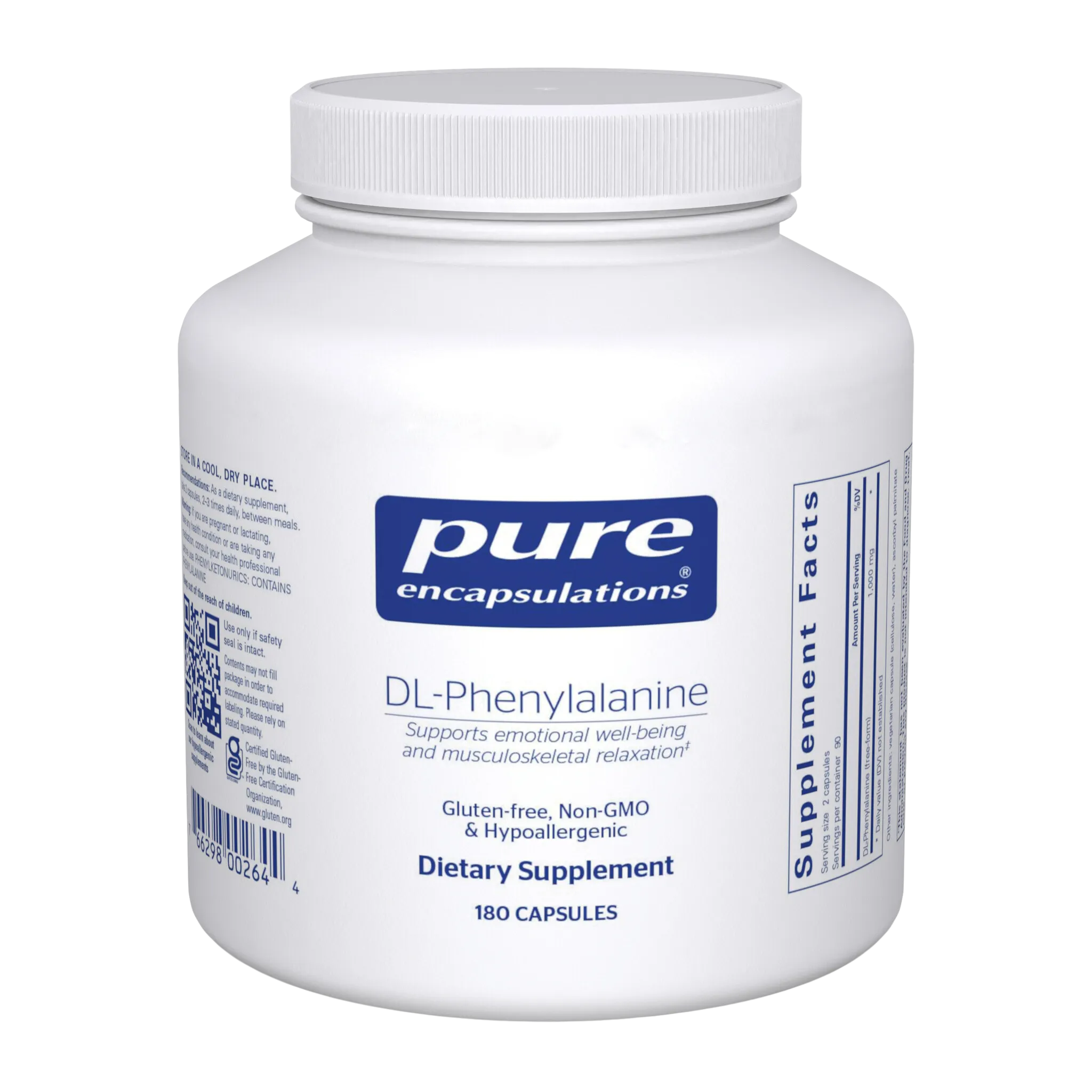
In the quest to manage these complex, interconnected symptoms, nutritional science has increasingly focused on the building blocks of our neurochemistry: amino acids. One particularly compelling compound is DL-Phenylalanine (DLPA), a unique nutritional supplement that offers a dual-action approach to supporting both the mind and the body. By combining two distinct forms of a single essential amino acid, DLPA targets the biochemical pathways responsible for producing our primary "motivation" neurotransmitters while simultaneously safeguarding the body's natural pain-relieving endorphins. Understanding how this specialized supplement works at the cellular level provides a fascinating window into the pathophysiology of chronic illness and offers a potential strategy for reclaiming cognitive clarity and physical comfort.
TL;DR
DL-Phenylalanine (DLPA) combines two amino acid forms to support neurotransmitter production and natural pain relief.
The L-form provides building blocks for dopamine, which may help manage brain fog and low motivation.
The D-form helps protect the body's natural endorphins, supporting muscle and joint comfort.
Take DLPA on an empty stomach. It is contraindicated for those with PKU or taking MAOIs.
What is DL-Phenylalanine?
The Dual Nature of a Unique Amino Acid
To understand the profound impact of DL-Phenylalanine, we must first look at its unique chemical structure. DL-Phenylalanine, often abbreviated as DLPA, is not a single naturally occurring compound found in food. Rather, it is a specialized nutritional supplement created by combining equal parts (a 50/50 racemic mixture) of two distinct stereoisomers of the essential amino acid phenylalanine. In biochemistry, stereoisomers are molecules that share the exact same chemical formula but are mirror images of one another, much like your left and right hands. Because they are shaped differently in three-dimensional space, they interact with the body's enzymes and receptors in entirely different ways. This structural difference allows DLPA to exert a powerful, dual-action effect on the central nervous system, simultaneously influencing both our neurotransmitter production and our natural pain-management pathways.
The "L" side of this mixture, L-phenylalanine, is the naturally occurring form of the amino acid found abundantly in protein-rich foods like meat, fish, eggs, and dairy products. Because the human body cannot synthesize L-phenylalanine on its own, it is classified as an essential amino acid that must be obtained through diet or supplementation. The "D" side of the mixture, D-phenylalanine, is the synthetic mirror image created in laboratory settings. While it shares the same basic atomic components as the L-form, its reversed physical structure means that it is not utilized by the body to build proteins or synthesize neurotransmitters. Instead, D-phenylalanine acts as a highly specialized enzyme inhibitor, interacting with the nervous system in a way that naturally occurring amino acids cannot.
By combining these two forms into a single supplement, DLPA provides a comprehensive therapeutic approach. It delivers the raw nutritional building blocks required to fuel the brain's cognitive and emotional centers while simultaneously deploying a biochemical shield to protect the body's endogenous (internal) pain-relief mechanisms. This dual functionality makes it a subject of intense interest for integrative medicine practitioners managing complex chronic conditions where both mood and physical comfort are severely compromised.
The L-Form and the Dopamine Pathway
The primary biological role of L-phenylalanine is to serve as the foundational precursor for a critical class of neurotransmitters known as catecholamines. When you ingest L-phenylalanine, it is absorbed through the intestines and transported across the highly selective blood-brain barrier. Once inside the central nervous system, it encounters an enzyme called phenylalanine hydroxylase, which converts the L-phenylalanine into another amino acid called L-tyrosine. This conversion is the crucial first step in a complex biochemical cascade that dictates our ability to focus, feel motivated, and regulate our autonomic nervous system.
After the conversion to L-tyrosine, the molecule undergoes a second enzymatic transformation, facilitated by tyrosine hydroxylase, to become L-DOPA. L-DOPA is then rapidly decarboxylated into dopamine, the brain's primary neurotransmitter for reward, pleasure, executive function, and motor control. Dopamine is the chemical messenger that allows us to initiate tasks, sustain attention, and experience a sense of accomplishment. Without adequate dopamine synthesis, individuals often experience profound apathy, anhedonia (the inability to feel pleasure), and the severe cognitive sluggishness characteristic of brain fog.
The cascade does not stop at dopamine. Any unused dopamine in the nervous system is further metabolized by the enzyme dopamine-beta-hydroxylase into norepinephrine (noradrenaline), and subsequently into epinephrine (adrenaline). These two neurotransmitters are essential for alertness, energy mobilization, and the regulation of heart rate and blood pressure by the autonomic nervous system. By providing the initial raw material for this entire pathway, L-phenylalanine ensures that the brain has the necessary fuel to maintain optimal levels of these vital catecholamines, supporting both emotional well-being and cognitive sharpness.
The D-Form and the Endorphin Shield
While the L-form of phenylalanine is busy building neurotransmitters, the D-form takes on an entirely different, yet equally vital, role. D-phenylalanine is recognized in clinical pharmacology for its ability to manipulate the body's Endogenous Analgesia System (EAS). When the body experiences physical trauma, chronic stress, or severe pain, it naturally releases opiate-like peptides called endorphins and enkephalins. These endogenous opioids bind to specific receptors in the brain and spinal cord, effectively blocking the transmission of pain signals and inducing a sense of physical comfort and emotional resilience. Molecule for molecule, these natural painkillers are thousands of times more potent than synthetic morphine.
However, the pain-relieving effects of endorphins and enkephalins are notoriously short-lived. To prevent the nervous system from becoming dangerously overstimulated, the body deploys specific degrading enzymes—most notably enkephalinase and carboxypeptidase A (often referred to as endorphinase)—to rapidly break down and destroy these natural opioids within minutes of their release. This rapid degradation is why natural pain relief often fades quickly, leaving individuals vulnerable to chronic, persistent discomfort.
This is where D-phenylalanine exerts its unique mechanism of action. D-phenylalanine acts as a targeted inhibitor of both enkephalinase and carboxypeptidase A. By chemically binding to these degrading enzymes and blocking their activity, D-phenylalanine prevents the rapid destruction of the body's natural painkillers. This enzymatic blockade allows endorphins and enkephalins to accumulate and remain active in the synaptic cleft for significantly longer periods. By extending the lifespan of these endogenous opioids, D-phenylalanine theoretically raises the body's overall pain threshold, providing a natural, non-addictive method for easing stressed muscles and supporting joint comfort.
How Chronic Illness Impacts Amino Acid Metabolism
Viral Hijacking and Cellular Starvation
To understand why a supplement like DL-Phenylalanine might be beneficial, we must first examine how complex chronic illnesses like Long COVID, ME/CFS, and dysautonomia fundamentally disrupt the body's amino acid metabolism. These conditions are not simply the result of being "tired"; they are characterized by profound, systemic metabolic dysfunction driven by chronic immune activation. When a viral infection like SARS-CoV-2 enters the body, it aggressively hijacks the host's cellular machinery to replicate. This viral hijacking drains the body's systemic pools of essential amino acids, utilizing them to build viral proteins and leaving the host's own cells starved of the raw materials needed for daily maintenance and neurotransmitter synthesis.
Even after the acute viral infection has cleared, the metabolic disruption often persists. In Long COVID and ME/CFS, the immune system remains locked in a state of chronic, low-grade inflammation. To repair damaged tissues and sustain this ongoing immune response, the body burns through its remaining amino acid reserves at an accelerated rate. Furthermore, the autonomic nervous system dysfunction (dysautonomia) commonly seen in these conditions frequently compromises gastrointestinal function. Reduced stomach acid and impaired intestinal blood flow create a "digestive bottleneck," meaning that even if a patient consumes a protein-rich diet, their body struggles to break down complex dietary proteins into usable, free-form amino acids. This combination of accelerated consumption and impaired absorption leads to severe, systemic amino acid depletion, particularly of essential precursors like phenylalanine.
The BH4 Bottleneck and Dopamine Depletion
The depletion of phenylalanine is further exacerbated by the specific biochemical consequences of chronic neuroinflammation. When the immune system is constantly activated, it overproduces pro-inflammatory cytokines, such as Interleukin-6 (IL-6) and Tumor Necrosis Factor-alpha (TNF-α). These inflammatory signaling molecules trigger a cascade of oxidative stress that fundamentally rewires how the brain processes amino acids. One of the most devastating consequences of this inflammatory rewiring is the activation of the kynurenine pathway. This pathway aggressively shunts amino acids away from their normal neurotransmitter-producing routes and converts them into neurotoxic metabolites that further inflame the brain.
Crucially, the overactivation of the kynurenine pathway severely depletes a vital molecular cofactor known as Tetrahydrobiopterin (BH4). BH4 is an absolute, non-negotiable requirement for the enzyme phenylalanine hydroxylase to function. Without adequate BH4, the brain cannot convert L-phenylalanine into L-tyrosine, and the entire dopamine synthesis cascade grinds to a halt. This creates a severe "BH4 bottleneck." Even if some phenylalanine manages to cross the blood-brain barrier, the inflammatory blockade prevents it from being utilized. This profound starvation of the dopaminergic system is a primary physiological driver of the severe executive dysfunction, lack of motivation, and cognitive sluggishness that patients experience as brain fog.
The "Bad Tryp" Syndrome and Post-Exertional Malaise
Recent metabolomic profiling—which analyzes the chemical fingerprints left behind by cellular processes—has provided objective, quantifiable evidence of these amino acid disruptions. Landmark research by Dr. Robert Naviaux published in PNAS identified a distinct hypometabolic signature in ME/CFS patients, likening it to the "dauer" survival state seen in certain organisms facing extreme environmental stress. This research highlighted significant abnormalities in the microbiome metabolites of phenylalanine, demonstrating that the baseline concentrations of these crucial building blocks are notably lower in ME/CFS patients compared to healthy controls.
This metabolic starvation plays a direct role in the devastating symptom of post-exertional malaise (PEM), often referred to as a "crash." In a healthy body, competing branched-chain amino acids (BCAAs) limit the amount of tryptophan that can cross the blood-brain barrier. However, in ME/CFS and Long COVID, starving muscles consume peripheral BCAAs for emergency fuel during even mild exertion. With competitors like BCAAs and phenylalanine severely depleted, free tryptophan floods the central nervous system unchecked. This rapid influx of tryptophan—sometimes referred to in emerging research as the "Bad Tryp" syndrome—leads to an overwhelming surge of serotonin and neurotoxic metabolites, resulting in the profound, crushing neurological exhaustion that leaves patients bedbound after minimal physical or cognitive effort.
DL-Phenylalanine: Supporting Neurotransmitters and Comfort
Bypassing the Digestive Bottleneck
When the body is trapped in the vicious cycle of chronic inflammation, amino acid depletion, and digestive dysfunction, simply eating more protein is rarely enough to correct the underlying deficits. This is where targeted supplementation with free-form amino acids like DL-Phenylalanine becomes a highly valuable clinical tool. Because the amino acids in DLPA are "free-form"—meaning they are not bound together in complex protein structures that require extensive enzymatic breakdown—they effectively bypass the compromised digestive bottleneck. They are rapidly absorbed through the intestinal lining and delivered directly into the bloodstream, ensuring that these vital molecular building blocks are readily available to cross the blood-brain barrier and reach the central nervous system where they are desperately needed. Patients looking for comprehensive cognitive support often combine these amino acids with specialized blends; you can learn more by exploring Can Brain Vitale™ Clear the Brain Fog of Long COVID and ME/CFS?.
Restoring the Dopaminergic Pathway
By providing a concentrated, highly bioavailable source of L-phenylalanine, DLPA directly supports the restoration of the disrupted dopaminergic pathway. Supplying the brain with an abundance of this precursor amino acid helps to overcome the metabolic starvation caused by viral hijacking and chronic immune activation. Even in the presence of the inflammatory "BH4 bottleneck," saturating the pathway with adequate precursor material can help push the enzymatic conversion forward, ensuring that at least some L-tyrosine is synthesized. This L-tyrosine is then rapidly converted into L-DOPA and subsequently into dopamine, replenishing the brain's depleted stores of this critical neurotransmitter.
The restoration of dopamine levels is essential for alleviating the cognitive and emotional symptoms of Long COVID and ME/CFS. As dopamine levels normalize, patients often experience a gradual lifting of the heavy, oppressive brain fog. Executive function—the ability to plan, organize, and execute tasks—begins to improve, and the profound sense of apathy and anhedonia is replaced by a renewed capacity for motivation and emotional resilience. Furthermore, because dopamine is further metabolized into norepinephrine and epinephrine, supplementing with DLPA also supports the autonomic nervous system, helping to stabilize energy levels, improve alertness, and regulate the erratic heart rates often seen in dysautonomia.
Up-Regulating the Endogenous Analgesia System
Simultaneously, the D-phenylalanine component of DLPA goes to work on the body's pain management networks. Chronic illness is frequently accompanied by widespread, unpredictable muscle aches, joint pain, and a generalized hypersensitivity to physical discomfort. This occurs because the constant stress of the illness depletes the body's natural reserves of endorphins and enkephalins, leaving the nervous system vulnerable to amplified pain signals. By acting as a potent inhibitor of enkephalinase and carboxypeptidase A, D-phenylalanine effectively up-regulates the Endogenous Analgesia System.
As the degrading enzymes are blocked, the body's natural opioids are allowed to accumulate in the synaptic clefts of the brain and spinal cord. This prolonged endorphin activity raises the overall pain threshold, providing a natural, internal buffer against the constant barrage of pain signals associated with chronic inflammation. Over time, this enzymatic blockade can lead to significant improvements in muscle and joint comfort, reducing the severity of fibromyalgia-like aches and allowing patients to engage more comfortably in gentle, restorative pacing activities. This dual approach—fueling the mind with L-phenylalanine while soothing the body with D-phenylalanine—makes DLPA a uniquely comprehensive tool for managing the multifaceted symptoms of complex chronic conditions.
Synergistic Support for Mood and Focus
Beyond the primary dopamine and endorphin pathways, DL-Phenylalanine also supports the synthesis of a lesser-known but highly impactful neuromodulator called phenylethylamine (PEA). PEA is a natural trace amine produced in the brain from L-phenylalanine. It acts as a powerful neuromodulator, amplifying the effects of dopamine and norepinephrine at their receptor sites. PEA is often referred to as the "molecule of love" or the "runner's high" molecule because of its profound ability to elevate mood, increase mental stamina, and promote a sense of positive well-being. By providing the raw material for PEA synthesis, DLPA offers an additional layer of neurochemical support, helping to manage the deep, structural depression and emotional exhaustion that so frequently accompany long-term chronic illness. This complementary approach can be particularly beneficial when explored alongside other targeted therapies, such as Lifting Brain Fog with Guanfacine.
Symptoms DL-Phenylalanine May Help Manage
Cognitive and Emotional Symptoms
Because of its dual-action mechanism targeting both catecholamine production and endorphin preservation, DL-Phenylalanine may help manage a wide array of interconnected symptoms. Here are the primary cognitive and emotional symptoms it targets:
Brain Fog and Cognitive Dysfunction: By providing the precursor for dopamine and norepinephrine, DLPA helps restore the neurochemical balance required for clear thinking, improved memory recall, and sustained focus, directly helping manage the cognitive sluggishness of Long COVID.
Apathy and Anhedonia: The replenishment of dopamine—the brain's primary reward neurotransmitter—helps manage the profound lack of motivation and inability to feel pleasure that often accompanies chronic metabolic starvation.
Depression and Mood Instability: By supporting the synthesis of mood-elevating neuromodulators like phenylethylamine (PEA) and ensuring adequate catecholamine levels, DLPA promotes emotional resilience and a more positive daily outlook.
Executive Dysfunction: Increased dopamine availability in the prefrontal cortex improves the brain's ability to plan, organize, and initiate complex tasks, which is frequently impaired in ME/CFS and dysautonomia.
Physical and Pain Symptoms
In addition to its cognitive benefits, the endorphin-protecting properties of the D-phenylalanine component make it highly relevant for managing physical discomfort. Here are the primary physical symptoms it targets:
Chronic Muscle and Joint Aches: By inhibiting the enzymes that destroy natural painkillers, D-phenylalanine allows endorphins to accumulate, raising the body's pain threshold and easing the widespread, fibromyalgia-like aches common in Long COVID.
Fatigue and Lethargy: The downstream conversion of L-phenylalanine into norepinephrine and epinephrine helps support the autonomic nervous system, promoting healthy energy mobilization and helping manage profound physical exhaustion.
Hypersensitivity to Discomfort: Up-regulating the Endogenous Analgesia System helps calm an overactive, sensitized nervous system, reducing the amplified perception of pain that occurs when the body is locked in a state of chronic neuroinflammation.
Practical Considerations: Forms, Dosing, and Absorption
Maximizing Bioavailability and Absorption
When incorporating DL-Phenylalanine (DLPA) into a chronic illness management plan, understanding how to maximize its absorption is critical for achieving therapeutic results. Amino acids are highly competitive molecules. When you consume protein, various amino acids—particularly branched-chain amino acids (BCAAs) like leucine, isoleucine, and valine—compete with phenylalanine for the same transport proteins required to cross both the intestinal lining and the highly selective blood-brain barrier. If DLPA is taken alongside a heavy meal or a protein shake, it will likely lose this competition, and very little of the active compound will actually reach the central nervous system.
To ensure maximum bioavailability, DLPA must be taken on an empty stomach. Clinical best practices dictate taking the supplement at least 30 to 45 minutes before a meal, or two hours after eating. Taking it with a small amount of carbohydrate (like a sip of juice) can sometimes facilitate an insulin response that drives competing BCAAs into muscle tissue, clearing the pathway for phenylalanine to cross the blood-brain barrier more efficiently. Additionally, because the conversion of L-phenylalanine into dopamine requires specific nutritional cofactors, ensuring adequate levels of Vitamin B6 (pyridoxine), Vitamin C, and iron in your overall diet or supplement regimen can help optimize the enzymatic pathways.
Standard Dosing Protocols
Because DLPA is a nutritional supplement and not a regulated pharmaceutical, there is no single, universally approved dosage. However, decades of clinical research and integrative medical practice have established effective dosing ranges. For general mood support and mild cognitive enhancement, studies have shown positive responses with doses as low as 150 mg to 500 mg per day. However, for managing the severe neurochemical depletion and chronic pain associated with conditions like Long COVID and ME/CFS, practitioners typically recommend a higher therapeutic range.
Standard clinical protocols for complex chronic conditions generally suggest a daily dosage of 1,000 mg to 2,500 mg. Because the body rapidly metabolizes amino acids, taking a massive single dose is often counterproductive and can lead to jitteriness. Instead, the total daily amount should be divided into smaller doses taken two to three times throughout the day (e.g., one 1,000 mg capsule in the morning and another in the early afternoon). It is generally advised to avoid taking DLPA late in the evening, as its stimulatory effects on dopamine and norepinephrine production can interfere with sleep architecture and exacerbate the insomnia frequently seen in dysautonomia. If sleep is a primary concern, you might consider alternative neurochemical support, such as exploring Can 5-HTP Lift the Brain Fog and Sleep Disturbances of Long COVID?. Furthermore, because the pain-relieving effects of D-phenylalanine rely on the gradual accumulation of endorphins, it may take several days to a week of continuous, consistent use before significant improvements in muscle comfort are noticed.
Crucial Safety Warnings and Contraindications
While DL-Phenylalanine is generally recognized as safe and well-tolerated by most healthy adults, its profound impact on neurochemistry and blood pressure means it is not suitable for everyone. There are several strict contraindications and potential drug interactions that must be carefully considered. The most absolute contraindication is for individuals with Phenylketonuria (PKU), a rare genetic metabolic disorder. People with PKU completely lack the phenylalanine hydroxylase enzyme required to break down the amino acid. For these individuals, consuming DLPA will lead to a toxic, life-threatening buildup of phenylalanine in the brain, causing irreversible neurological damage.
Additionally, DLPA must never be combined with Monoamine Oxidase Inhibitors (MAOIs), a class of older psychiatric medications used to treat severe depression. MAOIs prevent the breakdown of tyramine (a byproduct of phenylalanine metabolism). Combining DLPA with an MAOI can trigger a sudden, massive release of norepinephrine, leading to a life-threatening spike in blood pressure known as a hypertensive crisis. Patients taking Levodopa for Parkinson's disease should also avoid DLPA, as the amino acid will compete with the medication for transport across the blood-brain barrier, effectively blocking the drug and worsening motor symptoms. Finally, because DLPA can increase adrenaline and noradrenaline, it should be used with extreme caution—or avoided entirely—by individuals with severe, uncontrolled high blood pressure, hyperthyroidism (Graves' disease), or a history of malignant melanoma (as L-DOPA is a precursor to melanin). Always consult with a knowledgeable healthcare provider before introducing DLPA to your regimen, especially if you are managing a complex chronic illness or taking prescription medications.
Follow the Science
Clinical Trials on Mood and Depression
The clinical efficacy of DL-Phenylalanine has been the subject of dedicated scientific inquiry since the late 1970s, with researchers particularly interested in its potential as a rapid-acting, non-addictive intervention for mood disorders and chronic pain. In the realm of emotional well-being, early clinical trials yielded highly promising results.
While modern, large-scale, placebo-controlled trials on DLPA for depression are sparse, the biochemical rationale suggests L-phenylalanine may help restore depleted dopaminergic pathways and help alleviate severe emotional lethargy.
Research on Endorphin Preservation and Pain
The D-phenylalanine component of DLPA has an equally fascinating clinical history, heavily championed in the 1980s by Dr. Seymour Ehrenpreis, a pharmacology professor at the Chicago Medical School. Dr. Ehrenpreis conducted pioneering research demonstrating that D-phenylalanine effectively blocked the enkephalinase enzyme, thereby preserving the body's natural endorphins. In clinical applications for arthritis and joint pain, his research indicated that administering average doses of 375 mg daily provided "good to complete relief" for over 75% of chronic pain patients within a period of one week to one month. His work suggested that D-phenylalanine could effectively support those with "endorphin deficiency diseases," a concept highly relevant to the widespread muscle aches seen in Long COVID and ME/CFS.
More recently, clinical analyses have focused on DLPA's ability to act as a powerful adjunct therapy. A comprehensive 2000 review published in Medical Hypotheses by Russell and McCarty evaluated DLPA's role in managing chronic non-malignant pain. The researchers concluded that by up-regulating the endogenous analgesia system, DLPA markedly potentiates (amplifies) the pain-relieving effects of opiate medications. This potentiation allows patients to achieve equivalent pain control using significantly lower doses of prescription opioids, thereby minimizing the risks of opiate tolerance and severe side effects. The broader clinical consensus supports DLPA's efficacy as a synergistic tool that enhances the body's natural pain-management networks and amplifies the benefits of other therapeutic interventions, including acupuncture and pacing strategies.
The Path Forward
A Comprehensive Approach to Recovery
Living with the unpredictable, cascading symptoms of Long COVID, ME/CFS, and dysautonomia is an exhausting daily battle. When your neurochemistry is fundamentally disrupted by chronic inflammation and metabolic starvation, pushing through the brain fog and muscle aches is not just difficult—it is physiologically impossible. Validating the biological reality of these symptoms is the first crucial step toward effective management. The profound cognitive sluggishness, anhedonia, and widespread pain you experience are not psychological failings; they are the direct result of depleted amino acid pools, blocked enzymatic pathways, and a nervous system struggling to maintain its natural endorphin shields. It is vital to understand the intricate connection between Long COVID and mental health when addressing these multifaceted challenges.
While there is no single miracle cure for these complex conditions, targeted nutritional interventions like DL-Phenylalanine offer a science-backed strategy for addressing the root neurochemical deficits. By providing the essential L-form building blocks to restart dopamine production and deploying the D-form to protect your natural pain-relieving endorphins, DLPA serves as a powerful, dual-action tool. However, it is vital to remember that supplements are most effective when utilized as one piece of a comprehensive, holistic management strategy. Replenishing your neurotransmitters with DLPA must be paired with aggressive rest, strict energy pacing to avoid post-exertional crashes, and meticulous symptom tracking to understand your unique metabolic triggers.
Next Steps
As you navigate the complexities of chronic illness recovery, exploring targeted amino acid therapy may provide the neurochemical support necessary to improve your daily quality of life. If you are struggling with persistent brain fog, emotional lethargy, and unexplained muscle aches, DL-Phenylalanine may be a valuable addition to your protocol. Always consult with your primary healthcare provider or a specialist in complex chronic conditions before introducing new supplements, especially to ensure they do not interact with your current medications and are safe for your specific metabolic profile. By combining clinical guidance, science-backed supplementation, and compassionate self-care, you can begin to rebuild your neurochemical foundation and reclaim a sense of cognitive clarity and physical comfort.