Can Digestive Enzymes and Betaine HCl Help Manage GI Symptoms in Long COVID?
March 5, 2026
DigestzymesLong COVIDDysautonomia
Share:
Disclaimer: The information provided here is for educational purposes only and is not intended as medical advice. It should not be used to diagnose, treat, cure, or prevent any medical condition. Instead, use it as a starting point for discussion with your healthcare provider. Always consult with a qualified healthcare provider before starting any new medication, supplement, device, or making changes to your health regimen.
You sit down to a carefully prepared, seemingly safe meal, hoping to nourish your body and replenish your energy. But within twenty minutes, your stomach swells painfully, your heart begins to race, and a familiar, heavy brain fog descends, making it impossible to focus. For individuals living with complex chronic conditions like Long COVID, myalgic encephalomyelitis/chronic fatigue syndrome (ME/CFS), dysautonomia, and mast cell activation syndrome (MCAS), eating often feels like navigating a minefield. The gastrointestinal distress experienced in these conditions is rarely just a simple "stomach ache"; it is a profound manifestation of systemic autonomic and immunological dysfunction that can severely impact your quality of life.
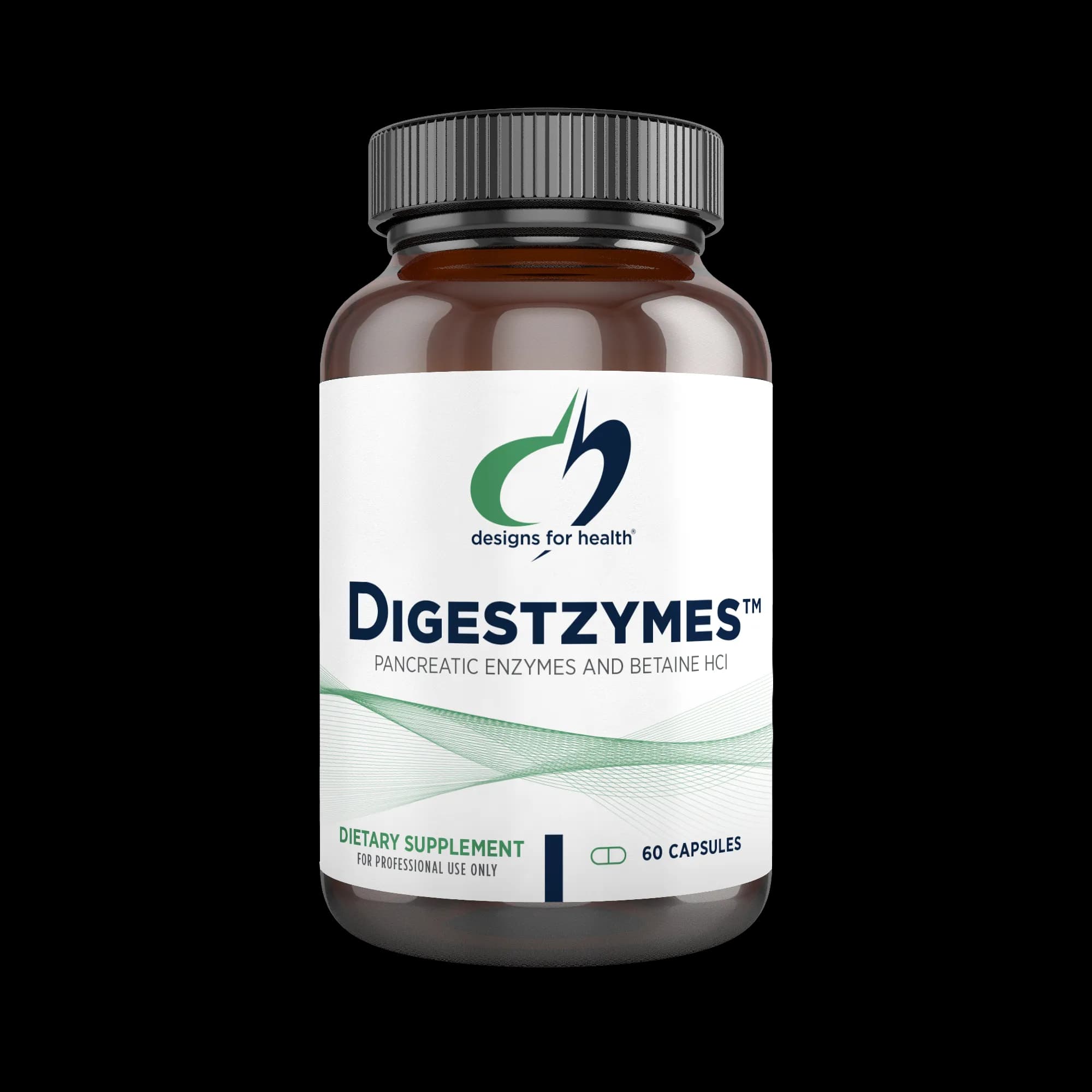
When the body is trapped in a chronic state of neuroinflammation and autonomic nervous system dysregulation, the fundamental mechanisms of digestion—stomach acid production, enzyme secretion, and gut motility—frequently grind to a halt. This leads to malabsorption, bacterial overgrowth, and a vicious cycle of symptom exacerbation. Addressing these foundational digestive deficits is a critical component of managing post-viral syndromes. Digestzymes™ by Designs for Health is a comprehensive digestive support supplement formulated to tackle these exact physiological bottlenecks. By combining Betaine Hydrochloride (HCl), broad-spectrum pancreatic enzymes, specialized DPPIV, and ox bile extract, Digestzymes™ aims to restore the digestive barrier, enhance nutrient absorption, and alleviate the debilitating gastrointestinal symptoms associated with complex chronic illness.
TL;DR
Chronic illnesses can disrupt the autonomic nervous system, leading to low stomach acid and poor digestion.
Digestzymes™ provides Betaine HCl, digestive enzymes, and ox bile to support nutrient absorption and gut health.
Specialized enzymes like DPPIV may help break down difficult, proline-rich proteins like gluten and casein.
Always consult your healthcare provider before starting, especially if you have a history of stomach ulcers.
What is Digestzymes™?
The Anatomy of Complete Digestion
Digestion is an incredibly complex, energy-intensive physiological process that requires precise, sequential orchestration between the nervous system, the endocrine system, and the gastrointestinal tract. In a healthy, functioning body, digestion actually begins in the brain during the cephalic phase. The mere sight, smell, or anticipation of food triggers the vagus nerve to send parasympathetic signals to the stomach, preparing it for incoming nutrients. Once food is swallowed and enters the stomach, the gastric phase initiates, relying heavily on the robust secretion of hydrochloric acid (HCl) and pepsinogen from the specialized parietal and chief cells lining the stomach wall. This highly acidic environment is absolutely non-negotiable for proper digestion; it serves to denature the complex, tightly folded three-dimensional structures of dietary proteins, unraveling them so that enzymatic cleavage can successfully occur.
Following the gastric phase, the highly acidic, partially digested food mixture—known as chyme—empties into the duodenum of the small intestine, triggering the intestinal phase. Here, the pancreas releases a flood of broad-spectrum digestive enzymes, while the gallbladder contracts to release bile, a biological surfactant essential for the emulsification of dietary fats. The intestinal brush border also produces its own specialized enzymes to finalize the breakdown of disaccharides and peptides into absorbable single molecules. When any single step in this intricate, cascading process is disrupted—as is frequently documented in post-viral syndromes and dysautonomia—the entire digestive assembly line falters. Undigested food moves through the tract, fermenting and putrefying, leading to profound systemic symptoms, malnutrition, and microbiome dysbiosis.
The Role of Betaine HCl and Pepsin
Digestzymes™ is meticulously formulated to address these digestive disruptions from the top down, beginning with the inclusion of 200 mg of Betaine Hydrochloride (HCl). Betaine HCl serves as a potent exogenous source of gastric acid, designed to artificially lower the stomach's pH to the optimal, highly acidic range of 1.5 to 3.0. At the molecular level, this profound acidity is required to activate pepsin, the primary proteolytic (protein-digesting) enzyme in the stomach. Pepsin is naturally secreted by the body as an inactive zymogen called pepsinogen; it is only when the environmental pH drops below 3.0 that a specific 44-amino acid prosegment is cleaved off, exposing the enzyme's active catalytic site. Once activated, pepsin aggressively begins severing the peptide bonds of large dietary proteins, breaking them down into smaller, manageable polypeptides.
Furthermore, this highly acidic gastric barrier acts as the immune system's critical first line of defense against ingested pathogens. Think of stomach acid as the strict bouncer at the door of an exclusive club; it checks IDs by denaturing proteins and turns away troublemakers by neutralizing harmful microbes. By maintaining a fiercely low pH, Betaine HCl helps sterilize the stomach contents, helping to keep opportunistic bacteria, parasites, and yeast from surviving the journey into the delicate, nutrient-rich ecosystem of the small intestine. This acid barrier is essential for reducing the risk of conditions like Small Intestinal Bacterial Overgrowth (SIBO), which is highly prevalent in the chronic illness community.
Broad-Spectrum Enzymes and Ox Bile Extract
Moving beyond the stomach, Digestzymes™ incorporates the GastroENZ™ Proprietary Blend, which provides a comprehensive suite of enzymes to support the intestinal phase of digestion. This robust blend includes amylases and glucoamylase for the rapid breakdown of complex carbohydrates and starches, lipases for the hydrolysis of triglycerides into absorbable fatty acids, and lactase and invertase to dismantle specific, often problematic sugars like lactose and sucrose. By ensuring that these macronutrients are fully broken down into their smallest components (monosaccharides, amino acids, and fatty acids), these enzymes help keep large food molecules from exerting an osmotic pull in the intestines, thereby reducing the sudden shifts in fluid that can trigger severe bloating and diarrhea.
Crucially, this proprietary blend also features Ox Bile Extract. Bile acids are not digestive enzymes; rather, they are unique amphipathic molecules, meaning they possess both a hydrophilic (water-loving) face and a hydrophobic (fat-loving) face. When dietary fats enter the watery environment of the small intestine, they naturally clump together into large, insoluble globules that enzymes cannot penetrate. The primary bile acids found in ox bile extract—such as cholic acid and chenodeoxycholic acid—bind to these fat globules, acting exactly like biological dish soap to emulsify them into thousands of microscopic droplets. This massive increase in surface area allows pancreatic lipase to efficiently access and digest the lipids. Subsequently, the bile acids encapsulate the resulting fatty acids and fat-soluble vitamins (A, D, E, and K) into tiny transport vehicles called micelles, ferrying them safely to the intestinal brush border for absorption into the bloodstream.
The Specialized Function of DPPIV
One of the most specialized and clinically relevant components of Digestzymes™ is the inclusion of Dipeptidyl peptidase IV (DPPIV), a highly unique serine exopeptidase enzyme. DPPIV is specifically designed to target and cleave proline-rich peptides, which are notoriously difficult for standard human digestive enzymes to break down. Dietary proteins like gluten (found in wheat, barley, and rye) and casein (found in mammalian dairy) contain exceptionally high concentrations of the amino acid proline. Because normal human proteases like pepsin and trypsin lack the specific structural conformation required to sever the molecular bonds adjacent to internal proline residues, the digestion of these foods often leaves behind abnormally large, tough, and highly immunogenic peptide fragments.
DPPIV addresses this biochemical bottleneck by sequentially snipping off dipeptides (groups of two amino acids) from the N-terminal end of these stubborn peptide chains, specifically targeting bonds where proline is the penultimate amino acid. Imagine a pearl necklace where the string is made of titanium; standard scissors can't cut it, but DPPIV acts as a specialized pair of titanium-cutting shears, snipping off two pearls at a time from the ends. By facilitating the breakdown of these proline-rich structures, DPPIV helps dismantle the toxic fragments of hidden gluten and casein before they can trigger systemic inflammation, offering targeted, mechanistic support for individuals with food sensitivities and compromised gut integrity.
How Complex Chronic Illness Impacts the Gut
Dysautonomia, POTS, and the Vagus Nerve
To understand why digestive enzymes are so critical for this patient population, we must first examine how complex chronic illnesses disrupt the gut. The autonomic nervous system (ANS) controls all of our unconscious bodily functions, including heart rate, blood pressure, and digestion. It is divided into the sympathetic ("fight or flight") and parasympathetic ("rest and digest") branches. The vagus nerve, also known as Cranial Nerve X, provides approximately 75% of all parasympathetic input to the body, heavily innervating the entire gastrointestinal tract. In a healthy state, vagal signaling releases the neurotransmitter acetylcholine, which binds to M3 receptors on the stomach's parietal cells, stimulating the robust secretion of stomach acid and prompting the pancreas to release digestive enzymes.
However, in conditions like Postural Orthostatic Tachycardia Syndrome (POTS) and ME/CFS, patients frequently suffer from severe dysautonomia, characterized by chronic sympathetic overdrive and blunted vagal tone. Because the body is perpetually stuck in a state of perceived physiological threat, blood flow is shunted away from the digestive organs and toward the skeletal muscles and heart. This neurological impairment halts gastric acid secretion—a condition known as hypochlorhydria—and drastically slows intestinal motility, leading to gastroparesis. Without the initial trigger of stomach acid, the downstream release of pancreatic enzymes and gallbladder bile is severely compromised, leaving the gastrointestinal tract completely unequipped to process incoming meals.
Viral Persistence and Intestinal Inflammation
The pathophysiology of post-viral gut dysfunction extends beyond neurological impairment. When exploring What Causes Long COVID?, researchers have consistently identified the gastrointestinal tract as a primary reservoir for viral persistence. The SARS-CoV-2 virus gains entry into human cells by binding to ACE2 receptors, which are expressed in exceptionally high concentrations along the brush border of the small intestine. Studies indicate that viral RNA and spike proteins can persist in the gut mucosa for months or even years after the acute respiratory infection has resolved, driving a state of chronic, localized inflammation.
This persistent mucosal inflammation wreaks havoc on the delicate architecture of the gut. It blunts the intestinal microvilli, drastically reducing the body's endogenous production of crucial brush-border enzymes like natural DPPIV and lactase. Furthermore, the inflammatory cytokines trigger the release of zonulin, a protein that breaks apart the tight junctions holding the intestinal epithelial cells together. This results in increased intestinal permeability, commonly known as "leaky gut." When the gut barrier is compromised, partially digested food particles, bacterial endotoxins (LPS), and immunogenic peptides can leak directly into the bloodstream, triggering systemic immune responses and profound neuroinflammation.
The MCAS and Histamine Connection
The combination of low stomach acid, poor enzyme output, and leaky gut creates a perfect storm for Mast Cell Activation Syndrome (MCAS), a condition frequently comorbid with Long COVID and dysautonomia. When food is not properly broken down in the stomach and upper intestine, it travels downstream in large, undigested chunks. These macromolecules become a feast for opportunistic bacteria residing in the gut. As these bacteria ferment the undigested carbohydrates and putrefy the proteins, they produce massive amounts of gas, toxins, and, crucially, exogenous histamine.
Mast cells are highly concentrated in the mucosal lining of the gastrointestinal tract, acting as sentinels for the immune system. When they are constantly bombarded by the histamine produced by fermenting food and dysbiotic bacteria, they become hyper-reactive and degranulate, releasing their own massive payload of inflammatory mediators into the surrounding tissue and bloodstream. This massive histamine dump triggers a cascade of debilitating Gastrointestinal Symptoms Seen with Long COVID, including severe abdominal cramping, explosive diarrhea, flushing, and rapid heart rate. The body becomes trapped in a vicious cycle where poor digestion feeds bacterial overgrowth, which triggers mast cells, which further inflames the gut and suppresses digestive function.
Digestzymes™: Supporting Digestion and Symptom Relief
Restoring the Acid Barrier with Betaine HCl
Digestzymes™ intervenes directly in this vicious cycle by artificially restoring the physiological conditions required for healthy digestion. By supplementing with Betaine HCl, patients can bypass their blunted vagus nerve and manually lower their gastric pH. This profound acidification is the crucial first domino that must fall for digestion to proceed correctly. Not only does the low pH activate pepsin to begin cleaving proteins, but it also optimizes the absorption of critical micronutrients. Essential minerals like iron, zinc, and calcium, as well as Vitamin B12, require a highly acidic environment to dissociate from their dietary carrier proteins. By restoring stomach acid, Betaine HCl helps combat the profound fatigue and cellular energy deficits caused by these common malabsorption-related nutrient deficiencies.
Furthermore, restoring the acid barrier is one of the most effective ways to manage secondary MCAS and histamine intolerance. By ensuring that proteins are fully denatured and sterilized in the stomach, Betaine HCl helps reduce the downstream fermentation and putrefaction that feeds histamine-producing bacteria. When the bacterial production of histamine is halted, the mast cells in the gut lining are no longer constantly triggered, allowing the localized mucosal inflammation to subside and the tight junctions of the intestinal barrier to begin healing.
Tackling Gluten and Casein with DPPIV
For patients dealing with leaky gut and neuroinflammation, the inclusion of DPPIV in Digestzymes™ offers a highly targeted mechanism of action. According to the "Opioid-Excess Theory," when proline-rich dairy (casein) and wheat (gluten) are incompletely digested due to low endogenous enzyme output, they leave behind specific, biologically active peptide fragments known as beta-casomorphin-7 (BCM-7) and gliadomorphin. These fragments are structurally similar to opioids. In a patient with increased intestinal permeability, these opioid-like peptides can cross the gut barrier, enter the systemic circulation, and eventually cross the blood-brain barrier.
Once in the brain, these peptides can bind to opioid receptors, triggering a cascade of neuroinflammation that manifests clinically as severe brain fog, cognitive impairment, dissociation, and profound fatigue. By providing exogenous DPPIV, Digestzymes™ actively targets and dismantles these specific proline-rich fragments in the digestive tract before they have the opportunity to cross the compromised gut barrier. While DPPIV is not a cure for Celiac disease and should not be used as an excuse to consume large amounts of gluten, it acts as a critical safety net against trace cross-contamination and helps neutralize the neurotoxic potential of hidden dairy and wheat proteins.
Fat Emulsification and Microbiome Support via Ox Bile
The ox bile extract in Digestzymes™ provides multifaceted support that extends far beyond simple fat digestion. While its primary mechanical role is to emulsify dietary lipids and ensure the absorption of fat-soluble vitamins (which are critical for immune modulation and nerve health), bile acids also act as powerful systemic signaling molecules. Once modified by the gut microbiome, secondary bile acids bind to specific cellular receptors throughout the body, most notably the Farnesoid X Receptor (FXR) and TGR5.
Activation of these receptors sends critical signals to the liver to regulate lipid metabolism, glucose homeostasis, and systemic inflammation. Furthermore, recent 2025 research highlights that biochemical crosstalk between cells and gut microbes helps regulate fat in the liver, demonstrating the complex relationship between our microbiome and digestive processes.
Comprehensive Macronutrient Breakdown
Finally, the broad-spectrum amylases, lipases, and lactase in the GastroENZ™ blend ensure that all macronutrients are thoroughly dismantled. For patients with dysautonomia, this is incredibly important for cardiovascular stability. When large amounts of undigested carbohydrates and fats enter the lower intestine, they create a massive osmotic load, pulling fluid from the bloodstream into the gut lumen. This sudden shift in blood volume can exacerbate splanchnic blood pooling (blood pooling in the abdomen), severely dropping blood pressure and triggering a compensatory spike in heart rate—a classic post-prandial POTS flare. By ensuring efficient, complete digestion upstream, Digestzymes™ helps stabilize fluid dynamics and reduce the cardiovascular burden of eating.
Symptoms Digestzymes™ May Help Manage
Targeted Symptom Relief
Severe Post-Prandial Bloating and Distension: By providing broad-spectrum amylases and lactase, Digestzymes™ helps reduce the downstream fermentation of complex carbohydrates and dairy sugars, drastically reducing the production of painful intestinal gas.
Post-Meal Tachycardia and POTS Flares: Complete enzymatic breakdown of macronutrients helps reduce sudden osmotic fluid shifts into the gut, reducing splanchnic blood pooling and helping to stabilize heart rate and blood pressure after eating.
Brain Fog and Neurocognitive Fatigue: The specialized DPPIV enzyme targets and dismantles proline-rich peptides from hidden gluten and casein, helping to keep these opioid-like fragments from crossing the leaky gut barrier and triggering neuroinflammation.
Chronic Fatigue and Nutrient Deficiencies: Betaine HCl lowers gastric pH to the optimal level required to cleave Vitamin B12, iron, and zinc from their carrier proteins, addressing the cellular malnutrition that drives post-exertional malaise.
Acid Reflux and GERD Symptoms: Counterintuitively, acid reflux is often caused by low stomach acid, which fails to trigger the lower esophageal sphincter to close tightly. Betaine HCl increases gastric acidity, signaling the sphincter to shut and helping to reduce upward acid splashing.
Steatorrhea (Fatty, Floating Stools): The inclusion of ox bile extract and pancreatic lipase ensures that dietary fats are properly emulsified and absorbed, helping to reduce fat malabsorption and ensuring the uptake of critical fat-soluble vitamins (A, D, E, and K).
Practical Considerations: Forms, Dosing, and Absorption
Timing and The Step-Up Dosing Protocol
To maximize the efficacy of Digestzymes™, timing is critical. Because the supplement contains Betaine HCl and active enzymes designed to break down food, it should be taken immediately before or during a meal. Taking it on an empty stomach without food can cause significant discomfort, as the acid and proteases will irritate the unprotected gastric mucosa. For patients with severe hypochlorhydria, functional medicine practitioners often recommend a "step-up" dosing protocol to find the individualized optimal dose of Betaine HCl.
This protocol involves starting with one capsule of Digestzymes™ at the beginning of a protein-containing meal. If no mild warming or burning sensation is felt in the stomach, the dose is increased to two capsules at the next similar-sized meal, and so on, until a very mild, warm sensation is experienced. Once this threshold is reached, the patient drops the dose back down by one capsule; this becomes their customized maintenance dose. Because Long COVID symptoms come and go and autonomic function can fluctuate daily, patients may need to adjust their enzyme dosage based on the size of the meal, the fat and protein content, and their current level of symptom flare.
Contraindications and Safety Warnings
While Digestzymes™ is incredibly beneficial for many, the inclusion of Betaine HCl means it is not suitable for everyone and carries specific, strict contraindications. Betaine HCl must never be used by individuals who have a history of active peptic ulcers, severe gastritis, or a known overproduction of stomach acid (Zollinger-Ellison syndrome). Introducing exogenous acid to an already ulcerated or severely inflamed mucosal lining can cause significant pain and further tissue damage.
Additionally, Digestzymes™ should not be taken concurrently with medications that damage the stomach lining or alter prostaglandin production. This includes all non-steroidal anti-inflammatory drugs (NSAIDs) such as ibuprofen, naproxen, and aspirin, as well as systemic corticosteroids like prednisone. Taking Betaine HCl alongside these medications significantly increases the risk of developing gastric ulcers and gastrointestinal bleeding. Always consult with a knowledgeable healthcare provider before initiating HCl therapy, especially if you are on prescription medications.
Synergistic Approaches for Gut Healing
Supplements are most effective when utilized as part of a broader, comprehensive management strategy. To support the work of Digestzymes™, patients should focus on optimizing their autonomic nervous system before eating. Because digestion requires a parasympathetic state, practicing vagus nerve stimulation techniques—such as deep, diaphragmatic breathing, humming, or cold exposure to the face—for five minutes before a meal can help manually shift the body out of "fight or flight" mode and prime the gut for digestion.
Furthermore, pairing Digestzymes™ with a tailored dietary approach can yield profound results. For those with MCAS, adopting a low-histamine diet reduces the overall inflammatory burden on the gut, allowing the mucosal lining to heal. Chewing food thoroughly (aiming for 20-30 chews per bite) mechanically breaks down food and mixes it with salivary amylase, significantly reducing the workload on the stomach and pancreas. By combining targeted enzymatic support with nervous system regulation and mindful eating practices, patients can create an environment conducive to deep, systemic healing.
Follow the Science
Clinical Evidence on Post-Viral Gut Dysfunction
The scientific community is increasingly recognizing the profound impact of post-viral syndromes on gastrointestinal function. A landmark Mayo Clinic research study published in 2022 investigated the prevalence of Disorders of Gut-Brain Interaction (DGBIs) following COVID-19 infection. The researchers found that approximately 16% of Long COVID patients developed new, persistent DGBIs—such as functional dyspepsia and irritable bowel syndrome—around 100 days post-infection, highlighting the long-term disruption of the gut-brain axis and the widespread prevalence of post-viral gastroparesis and hypochlorhydria.
Further supporting this, clinical data from the Baylor College of Medicine Post COVID Care Clinic indicates that about one-third of COVID-19 survivors exhibit significant non-respiratory symptoms, with severe gastrointestinal complaints—including nausea, acid reflux, diarrhea, and severe bloating—being incredibly common. These clinical findings validate the use of targeted acid and enzyme replacement therapies to artificially support the digestive process while the underlying autonomic neuropathy and viral persistence are addressed.
Research on Bile Acids and the Microbiome
The therapeutic potential of ox bile extract is supported by emerging research into the complex crosstalk between bile acids and the gut microbiome. A recent 2025 article highlighted that biochemical crosstalk between cells and gut microbes helps regulate fat in the liver. This finding demonstrates how gut bacteria are involved in systems that help regulate liver fat, which may aid fatty liver disease research and our understanding of systemic metabolism.
Additionally, extensive studies on microbiome alterations in ME/CFS and Long COVID have consistently shown a marked reduction in beneficial, anti-inflammatory bacteria like Faecalibacterium prausnitzii, alongside an overgrowth of pathogenic strains. Because adequate bile flow is required to exert antimicrobial pressure on these opportunistic pathogens, supplementing with exogenous ox bile provides a critical mechanism for restoring microbial homeostasis and combating post-viral dysbiosis.
The Nuances of DPPIV and Gluten Degradation
While DPPIV is a powerful tool, it is important to understand its clinical limitations, particularly regarding Celiac disease. Clinical studies on DPPIV, including a pivotal 2017 analysis of commercially available "glutenase" supplements, have clarified its mechanism of action. Because DPPIV is an exopeptidase—meaning it only chips away at the ends of a protein molecule rather than cutting it down the middle—it works relatively slowly and is not highly active in the extreme acidity of the stomach.
The researchers concluded that while DPPIV is highly effective at breaking down the opioid-like peptides of casein and assisting in general protein digestion, it cannot neutralize the toxic, immunogenic epitopes of gluten fast enough to help mitigate an immune reaction in individuals with true Celiac disease. Therefore, science supports the use of DPPIV as a valuable digestive aid for mitigating the effects of trace cross-contamination and supporting neurological health in those with non-celiac sensitivities, but it must never be used as a replacement for a strict gluten-free diet in diagnosed Celiac patients.
The Path Forward
A Comprehensive Approach to Healing
Living with the unpredictable and debilitating gastrointestinal symptoms of complex chronic illness can feel incredibly isolating and frustrating. When every meal brings the potential for a severe symptom flare, your relationship with food and your own body can become deeply strained. It is important to validate that these symptoms are not in your head; they are the direct result of measurable, physiological disruptions in your autonomic nervous system, gut microbiome, and enzymatic pathways. When exploring How Does a Doctor Diagnose Long COVID?, functional gastrointestinal testing often reveals the exact deficits that supplements like Digestzymes™ are designed to address.
While there is no single miracle cure for post-viral syndromes, healing is possible through a comprehensive, multi-layered approach. By artificially restoring your stomach acid, providing broad-spectrum enzymes, and supporting fat emulsification with ox bile, you can remove a massive burden from your compromised digestive system. This allows your body to stop expending precious energy on fighting fermenting food and start absorbing the vital nutrients required for cellular repair. As you navigate How Can You Live with Long-Term COVID, remember that targeted supplementation, combined with nervous system regulation, pacing, and compassionate medical care, can help you regain control over your gut health and improve your overall quality of life. Always consult with your healthcare provider before starting any new supplement regimen to ensure it is safe and appropriate for your specific medical history.
Sources
Mayo Clinic research on DGBIs and Post-COVID Gut Dysfunction
Baylor College of Medicine: Gastrointestinal Symptoms in COVID-19 Survivors
Recent 2025 Research in Nature: Bile Acids, BA-MYCs, and FXR Activation
Clinical Studies on DPPIV and Gluten/Casein Degradation Mechanisms
Microbiome Alterations and Dysbiosis in ME/CFS and Long COVID