Can Digestive Enzymes Ultra Relieve Gastrointestinal Symptoms in Long COVID and ME/CFS?
March 5, 2026
Digestive EnzymesLong COVIDME/CFS
Share:
Disclaimer: The information provided here is for educational purposes only and is not intended as medical advice. It should not be used to diagnose, treat, cure, or prevent any medical condition. Instead, use it as a starting point for discussion with your healthcare provider. Always consult with a qualified healthcare provider before starting any new medication, supplement, device, or making changes to your health regimen.
Months or even years after recovering from an initial SARS-CoV-2 infection, many individuals find themselves battling a new, unpredictable reality. Among the most persistent and debilitating features of Long COVID, myalgic encephalomyelitis/chronic fatigue syndrome (ME/CFS), and dysautonomia are severe gastrointestinal (GI) symptoms. Patients often describe sudden, painful bloating, chronic nausea, unpredictable bowel habits, and new-onset food intolerances that make eating feel like a daily minefield. For those already struggling with profound fatigue and post-exertional malaise (PEM), the added burden of digestive distress can severely impact their overall quality of life and nutritional status.
But why does a respiratory virus cause such profound dysfunction in the gut? Emerging research points to a complex web of viral persistence, endothelial damage, gut microbiome dysbiosis, and compromised pancreatic function. When the body's natural digestive machinery falters, complex macronutrients are left unbroken in the digestive tract. These undigested food particles feed fermentative bacteria, triggering systemic inflammation and vicious cycles of gas and bloating. This is where targeted supplementation with a comprehensive enzyme blend, such as Digestive Enzymes Ultra, can become a crucial tool in managing symptoms, supporting optimal digestion, and restoring vital nutrient absorption for patients navigating complex chronic illnesses.
TL;DR
Long COVID and ME/CFS can cause severe GI issues like bloating and malabsorption due to enzymatic dysfunction.
Digestive Enzymes Ultra provides a broad-spectrum, vegetarian blend to support macronutrient breakdown.
Targeted enzymes like alpha-galactosidase and lipase may help reduce gas, bloating, and nutrient deficiencies.
Taking enzymes 10-30 minutes before meals supports optimal digestion and symptom management.
What is Digestive Enzymes Ultra?
To understand the value of Digestive Enzymes Ultra, we must first explore the natural function of digestive enzymes within a healthy human body. Enzymes are highly specialized protein molecules that act as biological catalysts. Their primary role is to accelerate chemical reactions that would otherwise occur too slowly to sustain life. In the context of the gastrointestinal system, digestive enzymes are responsible for the catabolism—or breakdown—of complex dietary macronutrients into smaller, highly absorbable molecules. Without these microscopic catalysts, the food we eat would simply pass through our system unabsorbed, leading to severe malnutrition and starvation regardless of caloric intake.
The journey of digestion begins in the mouth, where salivary glands secrete enzymes like ptyalin (salivary amylase) to initiate the breakdown of starches. As food travels down into the highly acidic environment of the stomach, gastric juices introduce pepsin to begin dismantling proteins. However, the vast majority of enzymatic digestion occurs in the small intestine. Here, the pancreas acts as the body's primary enzyme factory, secreting a potent cocktail of proteases, lipases, and amylases into the duodenum. These enzymes mix with bile from the liver to systematically dismantle proteins into amino acids, fats into free fatty acids, and complex carbohydrates into simple sugars.
In a perfectly functioning system, this highly coordinated enzymatic cascade ensures that nutrients are broken down to a microscopic size, allowing them to cross the intestinal epithelial barrier and enter the bloodstream. However, this system requires immense cellular energy and precise physiological timing. When chronic illness, viral infection, or chronic inflammation disrupts the autonomic nervous system or damages pancreatic tissue, the production and secretion of these vital enzymes can plummet, leading to a cascade of debilitating downstream gastrointestinal symptoms.
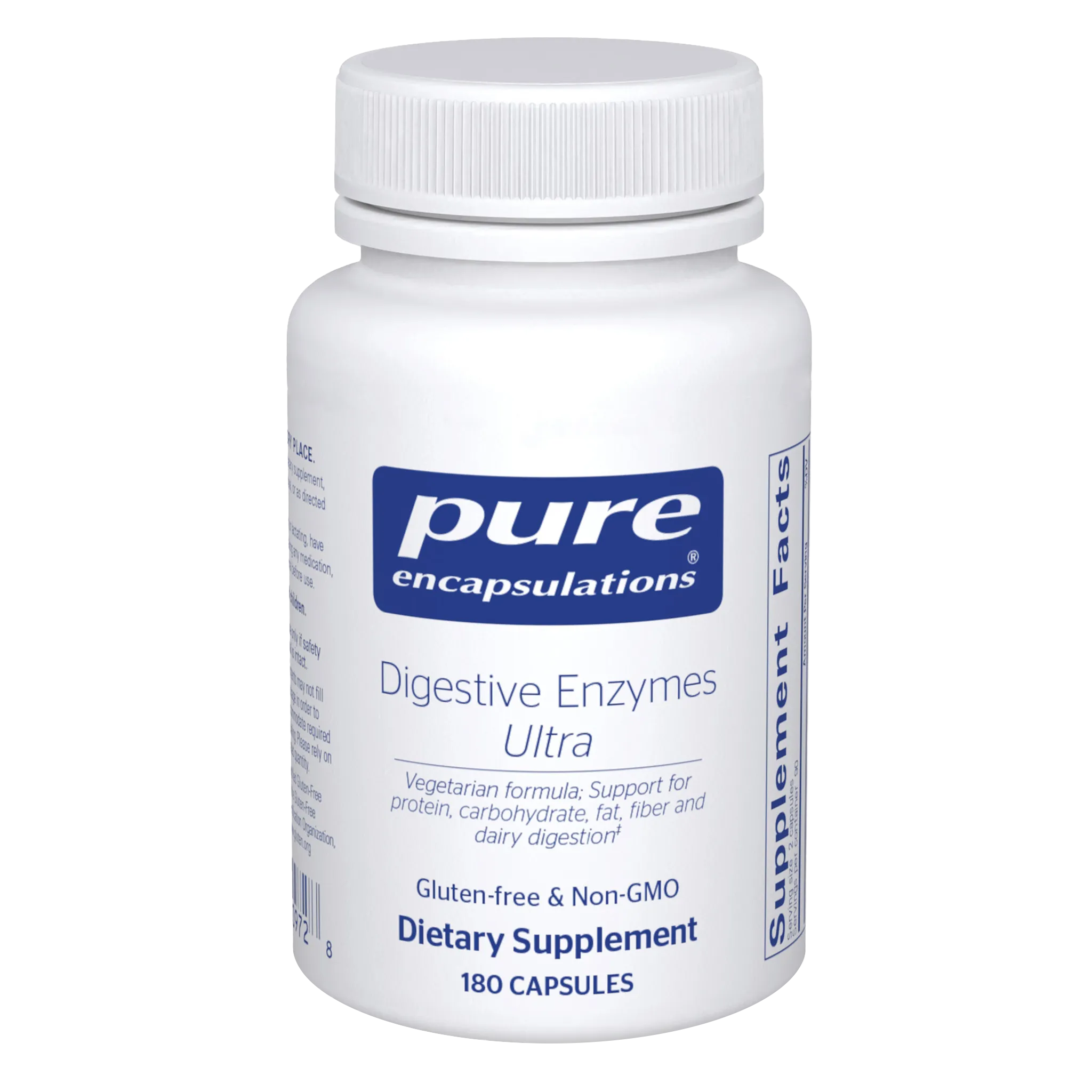
Digestive Enzymes Ultra by Pure Encapsulations is meticulously formulated to provide an extensive profile of vegetarian digestive enzymes. Unlike many over-the-counter digestive aids that target only one specific macronutrient, this proprietary blend (providing 391 mg of active enzymes per serving) is designed to mimic and support the full spectrum of the body's natural digestive capabilities. It contains multiple strains of proteases (including Protease 6.0 and Protease 3.0) that are specifically engineered to provide optimal proteolytic activity across a wide pH range, ensuring they remain active in both the acidic stomach and the alkaline small intestine.
Beyond protein breakdown, the formula includes a robust dose of Lipase (3000 FIP) to promote lipid breakdown, alongside Amylase (24000 DU) and Glucoamylase (30 AGU) to stimulate the polysaccharide breakdown of starches and glycogen. Furthermore, it addresses common dietary intolerances by including Invertase and Lactase (1600 ALU). Lactase is particularly crucial for individuals who have developed secondary lactose intolerance post-infection, as it specifically hydrolyzes the disaccharide lactose found in dairy products into absorbable glucose and galactose, helping to reduce the painful bloating associated with dairy consumption.
Perhaps the most distinguishing feature of this comprehensive blend is its inclusion of Alpha-galactosidase (120 GalU). This highly specialized enzyme promotes the breakdown of certain complex carbohydrates, such as raffinose and stachyose, which are abundantly found in cruciferous vegetables, grains, and legumes. Because humans naturally lack the endogenous enzymes required to break down these specific galacto-oligosaccharides, they frequently cause occasional bloating or gas even in healthy individuals. By providing exogenous Alpha-galactosidase, this supplement helps neutralize these gas-producing compounds before they can cause severe lower intestinal distress.
For patients with ME/CFS and Long COVID, maximizing the nutritional value of every meal is paramount for cellular energy production. However, many healthy, fiber-rich foods contain structural components that lock away vital nutrients. To address this, Digestive Enzymes Ultra offers numerous specialized enzymes to support fiber breakdown, including Cellulase (800 CU), Hemicellulase (200 HCU), Beta-glucanase (20 BGU), and Phytase (10 FTU). These specific enzymes are not naturally produced by the human body, making their supplementation uniquely beneficial.
Cellulase and hemicellulase act directly to break down the rigid cell wall components of plant matter. By degrading these tough fibrous matrices, the enzymes expose the nutrient-dense interior of the plant cells to the rest of the digestive tract. This process significantly promotes the nutrient bioavailability of fiber-containing foods, ensuring that vitamins and antioxidants are successfully absorbed rather than excreted.
Furthermore, the inclusion of phytase is a critical biochemical advantage. Phytic acid is a naturally occurring compound found in plant seeds, nuts, and grains that acts as an "anti-nutrient." It aggressively binds to essential dietary minerals—specifically calcium, magnesium, iron, and zinc—forming insoluble complexes that the human gut cannot absorb. Phytase enzymatically cleaves these bonds, liberating the trapped minerals. For patients battling dysautonomia and chronic fatigue, ensuring adequate absorption of electrolytes like magnesium and immune-supporting minerals like zinc is absolutely essential for daily symptom management.
How Long COVID and ME/CFS Impact Gastrointestinal Function
To comprehend why digestive enzymes are so frequently recommended for patients with complex chronic illnesses, we must examine how conditions like Long COVID directly damage the gastrointestinal system. The SARS-CoV-2 virus gains entry into human cells by binding to ACE2 receptors. These receptors are not only found in the lungs but are highly expressed throughout the intestinal epithelium and the glandular tissue of the pancreas. Clinical research indicates that direct viral infection of the pancreas can cause acute cellular injury and chronic inflammation, disrupting the organ's ability to synthesize and secrete digestive juices.
This viral-induced damage can precipitate a condition known as Exocrine Pancreatic Insufficiency (EPI). In EPI, the pancreas fails to produce sufficient quantities of endogenous digestive enzymes—specifically lipase, protease, and amylase. When this occurs, patients experience severe malabsorption. Fats pass through the digestive tract undigested, leading to steatorrhea (foul-smelling, greasy, and floating stools), rapid weight loss, and severe deficiencies in fat-soluble vitamins (Vitamins A, D, E, and K). For a patient already struggling with the profound exhaustion of ME/CFS, the sudden inability to extract caloric energy and essential vitamins from food exacerbates cellular starvation and worsens post-exertional malaise.
Even in the absence of full-blown EPI, the autonomic nervous system dysfunction seen in dysautonomia and POTS can severely impair digestion. The parasympathetic nervous system (the "rest and digest" branch) is responsible for signaling the pancreas to release enzymes and the stomach to churn food. When patients are stuck in a state of chronic sympathetic overdrive (fight-or-flight), blood flow is diverted away from the gut, and enzymatic secretions are drastically down-regulated, leading to gastroparesis (delayed stomach emptying) and functional dyspepsia.
Another hallmark of Long COVID and ME/CFS is profound gut microbiome dysbiosis. Recent studies show that acute viral infections cause endothelial dysfunction and senescence in the gastrointestinal tract, leading to a pro-inflammatory state and dysregulated tissue repair. Alongside this endothelial damage, patients often experience a dramatic decrease in beneficial, Short-Chain Fatty Acid (SCFA)-producing bacteria (such as Faecalibacterium prausnitzii). Simultaneously, there is an overgrowth of opportunistic, pro-inflammatory bacterial strains. This microbial imbalance compromises the integrity of the intestinal mucosal barrier, contributing to "leaky gut" and systemic immune activation.
When pancreatic enzyme production is low, large, undigested macromolecules of carbohydrates and proteins bypass the small intestine and enter the colon intact. Here, they become an abundant fuel source for the overgrown, opportunistic bacteria. These bacteria rapidly ferment the undigested food, producing massive quantities of hydrogen, methane, and carbon dioxide gases. This bacterial fermentation is the primary driver of the severe, painful abdominal distension and chronic flatulence that Long COVID patients frequently report. By failing to break down food upstream, the body inadvertently feeds the very bacterial overgrowth that is driving systemic inflammation downstream.
The gastrointestinal impact of Long COVID is further complicated by its frequent overlap with mast cell activation syndrome (MCAS). Mast cells are immune cells that reside in high concentrations along the mucosal lining of the gut. In MCAS, these cells become hyper-reactive, inappropriately degranulating and releasing floods of inflammatory mediators, including histamine, into the surrounding tissue. This localized histamine release causes severe intestinal cramping, rapid motility (diarrhea), and visceral hypersensitivity.
This creates a frustrating dietary paradox for patients. Standard nutritional advice for gut dysbiosis often involves consuming fermented foods (like kefir, kimchi, and sauerkraut) to rebuild healthy bacteria. However, fermented foods are incredibly high in dietary histamine. For a Long COVID patient with underlying MCAS or a deficiency in Diamine Oxidase (DAO, the enzyme that degrades histamine), eating these "healthy" fermented foods can trigger a massive symptom flare-up. Consequently, patients are often forced onto highly restrictive diets. In this context, utilizing a broad-spectrum supplement like Digestive Enzymes Ultra becomes vital to ensure the patient can extract maximum nutrition from their limited, safe food choices without triggering further mast cell degranulation.
Digestive Enzymes Ultra: Supporting Digestion and Symptom Relief
To truly appreciate how Digestive Enzymes Ultra alleviates gastrointestinal distress, we must examine its mechanisms of action at the molecular level. The proteases included in this formula are responsible for the proteolysis—or breakdown—of dietary proteins. At the biochemical level, proteases operate using a highly conserved catalytic triad within their active site, typically consisting of the amino acids Serine, Histidine, and Aspartate. When a dietary protein enters the active site, the Histidine residue extracts a proton from the Serine, turning the Serine into a highly reactive nucleophile.
This activated Serine attacks the tough peptide bonds linking the amino acids of the ingested protein. This creates an unstable intermediate state that quickly collapses, cleaving the protein chain in half. A water molecule then enters the active site to break the temporary bond between the enzyme and the protein fragment, releasing the newly formed di-peptides and tri-peptides and freeing the enzyme to attack the next bond. By facilitating the normal breakdown of proteins, these proteases ensure that the body receives the individual amino acids necessary for repairing viral-damaged tissues, synthesizing neurotransmitters, and rebuilding atrophied muscle fibers.
The digestion of dietary fats presents a unique biochemical challenge because lipids are inherently hydrophobic (water-repelling), while the environment of the gastrointestinal tract is entirely aqueous. The Lipase included in Digestive Enzymes Ultra overcomes this barrier by employing chymotrypsin-like hydrolysis, utilizing a catalytic triad of a histidine base, a serine nucleophile, and aspartic acid to break down triglycerides. Unlike other enzymes that work in solution, lipase is designed to function exclusively at the oil-water interface of a fat droplet.
When dietary fats enter the small intestine, bile salts emulsify them into smaller droplets known as micelles, drastically increasing their surface area. The lipase enzyme anchors itself to the surface of these micelles and systematically hydrolyzes the ester bonds of triglycerides. This precise chemical cleavage breaks the large triglyceride molecules down into free fatty acids and monoglycerides. These smaller lipid molecules are then easily absorbed by the enterocytes lining the intestinal wall. For patients experiencing post-viral malabsorption, exogenous lipase is critical for helping to manage steatorrhea and supporting the absorption of essential omega-3 fatty acids, which are vital for reducing neuroinflammation.
Carbohydrate digestion is heavily reliant on amylase and glucoamylase. Amylase specifically targets and cleaves alpha-1,4-glycosidic bonds found in the linear chains of complex starches and glycogen. By breaking these long polysaccharide chains into simple monosaccharides (like glucose), amylase ensures that the body has a rapid, accessible source of cellular ATP energy—a crucial factor for patients battling the profound exhaustion of ME/CFS.
Perhaps the most targeted mechanism in this formula comes from Alpha-galactosidase. Many healthy foods, such as broccoli, cabbage, and lentils, contain galacto-oligosaccharides. Because the human body does not naturally produce the enzyme required to break the specific chemical bonds in these carbohydrates, they often pass intact into the large intestine, leading to a condition known as Complex Carbohydrate Intolerance (CCI). Alpha-galactosidase acts as a molecular scissor, hydrolyzing these complex sugars in the small intestine before they can reach the colon. By dismantling these molecules early in the digestive tract, the enzyme effectively starves the colonic bacteria of their fermentation fuel, thereby helping to reduce the production of the hydrogen and methane gases that cause severe bloating.

Symptoms Digestive Enzymes Ultra May Help Manage
By addressing digestion at the molecular level, broad-spectrum supplementation with Digestive Enzymes Ultra can help alleviate a wide array of uncomfortable and debilitating symptoms associated with chronic illness.
Severe Bloating and Abdominal Distension: By utilizing alpha-galactosidase and amylase to break down complex carbohydrates in the upper GI tract, the supplement helps reduce the fermentation of these sugars in the colon, drastically reducing the production of trapped intestinal gas.
Steatorrhea (Fatty Stools) and Malabsorption: The inclusion of high-potency lipase ensures that dietary fats are properly emulsified and broken down into free fatty acids, helping to reduce greasy, foul-smelling stools and supporting the absorption of fat-soluble vitamins.
Post-Prandial Fatigue (Food Coma): Digestion requires an immense amount of autonomic energy. By providing exogenous enzymes to do the heavy lifting of chemical breakdown, the body expends less energy on digestion, potentially reducing the severity of fatigue and brain fog experienced after heavy meals.
Excessive Gas and Flatulence: Enzymes like cellulase and hemicellulase break down the tough, fibrous cell walls of plant matter, minimizing the amount of undigested roughage that reaches the lower intestine to be fermented by overgrown bacteria.
Gastric Heaviness and Delayed Emptying: For patients with dysautonomia-driven gastroparesis, proteases that are active across a wide pH range help initiate protein breakdown immediately in the stomach, reducing the sensation of food "sitting like a brick" in the upper abdomen.
Nutrient Deficiencies: By breaking down phytic acid with the phytase enzyme, the supplement liberates trapped essential minerals like zinc, magnesium, and calcium, ensuring they are bioavailable for cellular repair and immune function.
Practical Considerations: Forms, Dosing, and Absorption
When selecting a digestive enzyme supplement, the source of the enzymes dictates their bioavailability and survival in the gastrointestinal tract. Many prescription and over-the-counter enzymes are animal-derived (such as pancreatin sourced from porcine pancreas). While effective, animal-derived enzymes are highly susceptible to destruction by stomach acid. To survive, they must be encased in thick enteric coatings or taken alongside proton pump inhibitors (PPIs) to artificially lower gastric acidity until they reach the alkaline small intestine.
In contrast, Digestive Enzymes Ultra utilizes a comprehensive blend of vegetarian enzymes, primarily derived from controlled fungal fermentation (such as Aspergillus oryzae and Aspergillus niger). Clinical research demonstrates that these plant and fungal-derived enzymes possess superior acid stability. They do not require enteric coatings and can survive the highly acidic environment of the stomach (pH 1.0 to 3.0). This is a distinct clinical advantage, as it allows the proteases and amylases to begin the chemical breakdown of food immediately upon entering the stomach, providing faster relief from gastric heaviness and optimizing the digestive process long before the food reaches the intestines.
The efficacy of digestive enzymes is entirely dependent on proper timing. Because these enzymes are designed to act directly on dietary macronutrients, they must be physically present in the stomach at the exact moment the food arrives. The suggested use is to take 2 capsules with each meal, or as directed by your health professional. For optimal results, the capsules should be taken 10 to 30 minutes before eating, or immediately with the first few bites of your meal.
If you take the enzymes on an empty stomach hours away from a meal, they will have no food substrate to act upon and will not aid in digestion. Conversely, if you take them after you have already finished eating, the bulk of your meal may have already passed into the lower digestive tract, rendering the enzymes largely ineffective for managing bloating. Additionally, it is crucial to avoid taking enzyme supplements with excessively hot beverages (like hot tea or boiling soup), as high temperatures can denature the delicate protein structures of the enzymes, destroying their catalytic active sites.
While vegetarian digestive enzymes are generally recognized as safe and well-tolerated, there are important clinical interactions to consider. Patients managing blood sugar dysregulation with alpha-glucosidase inhibitors (such as Acarbose or Miglitol) should consult their physician before use. These specific diabetes medications work by intentionally blocking the enzymes that break down carbohydrates to prevent blood sugar spikes; taking an exogenous enzyme supplement can directly counteract the medication's mechanism of action.
Furthermore, while enzymes are highly synergistic with multivitamins and probiotics, they can interact with high-dose mineral supplements. Taking massive doses of calcium or magnesium supplements simultaneously with enzymes can sometimes cause the minerals to bind to the enzymes in the GI tract, hindering their catalytic efficiency. It is generally recommended to separate the administration of heavy mineral supplements from your enzyme-assisted meals. Always discuss new supplements with your healthcare provider, especially if you are navigating the complex medication regimens often required for managing Long COVID and dysautonomia.

Follow the Science
The scientific literature provides robust validation for the use of targeted digestive enzymes in managing gastrointestinal distress. One of the most thoroughly researched components of Digestive Enzymes Ultra is Alpha-galactosidase. A pivotal randomized, double-blind, placebo-controlled clinical trial, often referred to as the "Bean Challenge" study (Di Stefano et al., 2007), evaluated the efficacy of this enzyme on intestinal gas production. In this study, healthy volunteers were fed a massive test meal containing 420 grams of cooked beans and given either a placebo or Alpha-galactosidase at varying dosages.
The researchers utilized breath hydrogen excretion as a direct biological marker of colonic bacterial fermentation. The findings were definitive: the administration of 1200 GalU of Alpha-galactosidase induced a significant reduction in both breath hydrogen excretion and the severity of flatulence, with both 300 and 1200 GalU dosages significantly reducing the total symptom score. The study conclusively proved that by providing the exogenous enzyme required to hydrolyze galacto-oligosaccharides, the supplement effectively starved the gas-producing bacteria in the colon, offering profound symptomatic relief. Similar pediatric clinical trials (Di Nardo et al., 2013) have mirrored these results, showing significant reductions in global GI distress and moderate-to-severe bloating in children using the enzyme.
Beyond isolated enzymes, research strongly supports the use of comprehensive, multi-enzyme blends for broader digestive disorders. A recent 2024 crossover clinical trial evaluated the effects of a multi-digestive enzyme supplement on healthy adults consuming high-macronutrient meals. The researchers utilized precise physical measurements to track symptom severity. The data revealed a statistically significant 58% reduction in abdominal distension at 30 minutes post-meal (0.93 cm vs 1.50 cm) and a remarkable 68% reduction at 90 minutes compared to the placebo group. Overall, 80% of the participants experienced measurable relief from post-prandial distension.
Furthermore, randomized, double-blind, placebo-controlled trials involving patients with functional dyspepsia have demonstrated that multi-layer enzyme supplements (containing Aspergillus oryzae-derived amylase, protease, and cellulase) lead to significant clinical improvements in belching, epigastric pain, and gastric heaviness after just two weeks of use. These studies highlight the rapid, measurable impact that exogenous enzymes can have on the mechanical and chemical processes of digestion.
In the context of complex chronic illness, emerging medical literature is beginning to draw direct connections between viral infections and enzymatic deficiencies. Recent case series published in gastroenterology journals have documented patients presenting with chronic, debilitating diarrhea months after an acute COVID-19 infection. Upon clinical investigation via fecal elastase stool testing, these patients were diagnosed with new-onset Exocrine Pancreatic Insufficiency (EPI).
The studies note that upon the initiation of pancreatic enzyme replacement therapy—providing the exact lipases, proteases, and amylases found in comprehensive supplements—the patients' chronic diarrhea and malabsorption symptoms rapidly resolved. While more large-scale cohort studies are needed to fully map the prevalence of EPI in the Long COVID population, these clinical observations strongly support the therapeutic rationale for utilizing broad-spectrum digestive enzymes to bridge the gap when post-viral autonomic or glandular dysfunction compromises the body's natural digestive capabilities.
The Path Forward
Living with Long COVID, ME/CFS, or dysautonomia is an incredibly complex journey, and the addition of severe gastrointestinal symptoms can make daily life feel overwhelming. It is entirely valid to feel frustrated when eating—an act that should provide nourishment and comfort—instead triggers unpredictable pain, severe bloating, and profound fatigue. Your symptoms are not in your head; they are the result of measurable, physiological disruptions to your autonomic nervous system, gut microbiome, and enzymatic pathways. Acknowledging the biological reality of these disruptions is the first step toward finding effective, targeted management strategies.
While there is no single miracle cure for the systemic impacts of chronic illness, restoring optimal digestion is a powerful lever for improving your overall quality of life. By providing your body with the biological catalysts it needs to break down proteins, fats, and complex carbohydrates, Digestive Enzymes Ultra can help reduce the energetic burden of digestion, minimize painful bacterial fermentation, and ensure you are actually absorbing the vital nutrients required for cellular healing.
Remember that enzyme supplementation is most effective when integrated into a comprehensive management plan. This may include pacing your physical exertion to manage PEM, identifying and avoiding your specific high-histamine or trigger foods, and working closely with a medical professional to investigate underlying issues like dysbiosis or Exocrine Pancreatic Insufficiency. Always consult your healthcare provider before introducing new supplements to ensure they align with your unique clinical picture and medication regimen.
Sources
National Center for Biotechnology Information. (2023). Biochemistry, Lipase. StatPearls Publishing.
GoldBio. (2021). Introduction into Proteinase K and Protease Mechanisms.
King's College London. Molecular mechanisms of a-amylase action on retrograded starch.
Study.com. Salivary Amylase: Definition, Structure & Function.
Prime Scholars. (2022). A Closer Look at Lipase, Amylase, and Protease: Pancreatic Enzymes.
Nutritional Outlook. (2018). Digestive Enzymes: Fungal vs. Animal Sources.