Can Digestion GB Support Gallbladder Health and Fat Digestion in Long COVID?
March 5, 2026
Digestion GBLong COVIDGastrointestinal Health
Share:
Disclaimer: The information provided here is for educational purposes only and is not intended as medical advice. It should not be used to diagnose, treat, cure, or prevent any medical condition. Instead, use it as a starting point for discussion with your healthcare provider. Always consult with a qualified healthcare provider before starting any new medication, supplement, device, or making changes to your health regimen.
Months or even years after recovering from the initial acute phase of a SARS-CoV-2 infection, countless individuals continue to fight a daily battle against debilitating, invisible symptoms. While respiratory distress and profound neurological brain fog often dominate the clinical conversation surrounding Long COVID, a massive subset of patients suffers in silence with severe, unpredictable gastrointestinal distress. For many living with complex chronic conditions like Long COVID, myalgic encephalomyelitis/chronic fatigue syndrome (ME/CFS), and dysautonomia, simply eating a meal can trigger a cascade of painful bloating, profound nausea, and urgent bowel dysfunction. This systemic digestive failure often leaves patients malnourished, exhausted, and deeply frustrated by a medical system that frequently dismisses their gut symptoms as mere anxiety or post-infectious irritable bowel syndrome.
However, emerging clinical research paints a much more complex and physiological picture of post-viral digestive failure. We now understand that the virus can directly invade and damage the intricate network of the hepatobiliary system—the interconnected triad of the liver, gallbladder, and bile ducts. When this system is compromised, the body loses its ability to produce, store, and secrete the vital bile acids and digestive enzymes required to break down dietary fats and absorb essential nutrients. Addressing this foundational breakdown is critical for systemic recovery. In this comprehensive guide, we will explore the intricate biochemistry of fat digestion, examine how chronic illness disrupts the biliary tree, and detail how targeted nutritional support with Digestion GB can help restore healthy gallbladder function and optimize nutrient utilization.
TL;DR
Long COVID and chronic illnesses can severely disrupt your liver and gallbladder, causing painful digestive symptoms.
Digestion GB provides targeted ox bile, enzymes, and botanicals to support healthy fat digestion.
Take Digestion GB with fat-containing meals to help manage bloating, nausea, and nutrient malabsorption.
What is Digestion GB?
A Comprehensive Formula for Biliary Support
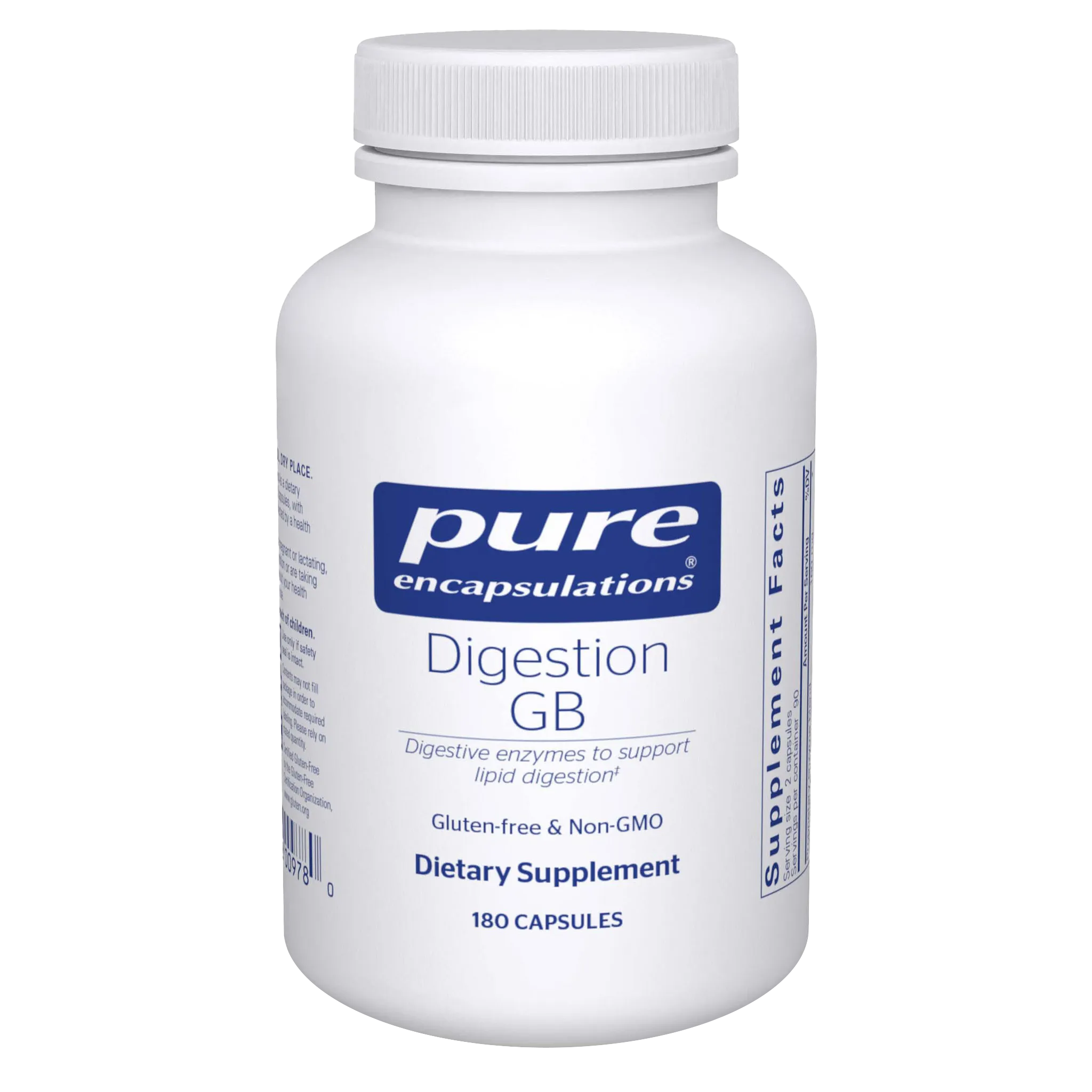
Digestion GB by Pure Encapsulations is not a standard, run-of-the-mill digestive enzyme supplement; it is a highly specialized, comprehensive formula meticulously designed to support the mechanical and chemical functions of the hepatobiliary system. For individuals navigating the complexities of chronic illness, digestion often becomes a sluggish, inefficient, and painful process. The body requires a highly synchronized effort between multiple organs to properly break down food, and when chronic inflammation or viral damage disrupts this communication, systemic malnutrition and severe gastrointestinal distress quickly follow. Digestion GB addresses this breakdown by combining exogenous ox bile powder, free-form taurine, targeted botanical extracts including milk thistle and turmeric, and a robust proprietary blend of digestive enzymes. This multi-faceted approach ensures that the entire digestive cascade—from the initial stimulation of bile flow to the final enzymatic cleavage of macronutrients—is thoroughly supported.
The formulation specifically targets the complex and often problematic process of fat digestion and utilization. When we consume dietary fats, such as those found in avocados, olive oil, or animal proteins, they present a unique physiological challenge: fats are inherently hydrophobic (water-fearing), while the environment of our gastrointestinal tract is entirely hydrophilic (water-loving). Because oil and water do not mix, dietary fats naturally clump together into large, stubborn, insoluble globules as they travel through the stomach and enter the small intestine. If these massive fat globules are not properly dismantled, the body's digestive enzymes cannot access the lipid molecules hidden inside them. Digestion GB provides both the biological detergents necessary to physically break these globules apart and the enzymatic shears required to chemically digest them, ensuring that essential fatty acids and fat-soluble vitamins can successfully cross the intestinal barrier and enter the systemic circulation.
The Crucial Role of Bile Acids and Enzymes
At the absolute core of healthy fat digestion are bile acids, which act as the body's primary biological detergents. The synthesis of these vital molecules begins deep within the liver, where hepatocytes (liver cells) utilize the rate-limiting enzyme CYP7A1 to convert systemic cholesterol into primary bile acids, such as cholic acid and chenodeoxycholic acid. Once synthesized, these bile acids are actively transported out of the liver and routed into the gallbladder, a small, pear-shaped muscular sac nestled beneath the liver. The gallbladder serves as a specialized storage reservoir, slowly dehydrating and concentrating the bile until it is highly potent. When you consume a meal containing fat, the presence of lipids in the duodenum (the first section of the small intestine) triggers the release of a hormone called cholecystokinin (CCK). CCK signals the gallbladder to forcefully contract, ejecting a concentrated bolus of bile acids down the common bile duct and into the digestive tract exactly when the food arrives.
Once released into the watery environment of the small intestine, these highly concentrated bile acids perform a mechanical miracle known as emulsification. Because bile acids are amphipathic—meaning they possess both a water-loving surface and a fat-loving surface—they rapidly embed themselves into the large dietary fat globules. Through a vigorous mixing action driven by intestinal peristalsis, the bile acids pull the large fat masses apart, suspending the lipids into millions of microscopic droplets known as micelles. This dramatic and sudden increase in surface area is absolutely critical for the next stage of digestion. Without emulsification, the body's primary fat-digesting enzyme, pancreatic lipase, would only be able to slowly nibble at the outer edges of the large fat globules. By creating microscopic micelles, bile acids provide pancreatic lipase with virtually unlimited access to the lipid molecules, allowing the enzyme to rapidly hydrolyze complex triglycerides into easily absorbable free fatty acids and monoglycerides.
When the liver fails to produce adequate bile, or when a sluggish gallbladder fails to release it on time, the entire digestive cascade collapses, resulting in a debilitating condition known as fat malabsorption. Without sufficient bile acids to create micelles, dietary fats remain trapped in large, undigestible globules that travel intact through the small intestine. This not only deprives the chronically ill patient of critical, energy-dense macronutrients and essential fat-soluble vitamins (Vitamins A, D, E, and K), but it also creates a toxic environment in the lower bowel. When undigested fats reach the colon, they are aggressively fermented by the resident gut microbiota, producing massive amounts of gas, severe bloating, and painful cramping. Furthermore, the unabsorbed lipids draw excess water into the colon, resulting in steatorrhea—pale, foul-smelling, greasy, and buoyant diarrhea that is a hallmark of biliary failure. By supplying exogenous bile salts and the botanical building blocks required for endogenous bile synthesis, Digestion GB effectively bridges the gap when the body's natural biliary function is compromised by chronic illness.
How Long COVID Impacts the Liver and Gallbladder
Viral Invasion and the Biliary System
While the mainstream medical narrative surrounding Long COVID heavily emphasizes persistent respiratory distress, cardiovascular abnormalities, and profound neurological deficits, the devastating impact of the virus on the gastrointestinal and hepatobiliary systems is equally profound and increasingly recognized by leading researchers. To understand why patients experience such severe gastrointestinal symptoms seen with Long COVID, we must look at the specific cellular mechanisms of viral entry. The SARS-CoV-2 virus gains access to human cells by binding its spike protein to the Angiotensin-Converting Enzyme 2 (ACE2) receptor. While these receptors are present in the lungs, they are expressed in massively high concentrations along the epithelial lining of the intestinal tract, within the hepatocytes of the liver, and most notably, on the surface of cholangiocytes—the specialized epithelial cells that line the delicate bile ducts. This heavy concentration of viral entry points makes the entire digestive and biliary system highly vulnerable to direct viral invasion, replication, and subsequent destruction.
Clinical data reveals that many patients recovering from acute COVID-19 experience persistent, low-grade hepatic inflammation that silently disrupts their digestive capabilities. Large-scale population studies utilizing data from the U.S. Department of Veterans Affairs have demonstrated that COVID-19 survivors face a significantly increased hazard ratio for developing new-onset liver conditions in the year following their initial infection. This ongoing liver stress often manifests as chronically elevated liver enzymes, specifically alanine aminotransferase (ALT) and aspartate aminotransferase (AST), which can persist for months after the acute respiratory symptoms have resolved. When the liver is locked in a state of chronic inflammation and oxidative stress, its cellular machinery becomes heavily compromised. The hepatocytes struggle to efficiently synthesize primary bile acids from cholesterol, leading to a diminished and diluted bile acid pool. This fundamental hepatic impairment sets the stage for the widespread digestive dysfunction, nutrient malabsorption, and profound fatigue that characterize the daily reality of those asking how can you live with long-term COVID.
Post-COVID Cholangiopathy and Gallbladder Disease
In more severe manifestations of the disease, the biliary system can suffer catastrophic and irreversible damage. The medical literature has recently documented a rare but incredibly serious complication known as Post-COVID-19 Cholangiopathy (PCC). Because the cholangiocytes lining the bile ducts are heavily laden with ACE2 receptors, they are subject to intense viral bombardment and localized immune-mediated destruction. This aggressive inflammation leads to severe vacuolization, progressive scarring, and the formation of massive strictures (narrowing) within the bile ducts. As the ducts narrow, the flow of bile becomes severely restricted, leading to the formation of hardened "biliary casts"—sludge and stones that physically block the ducts. While PCC is most commonly seen in patients who survived critical ICU hospitalizations, it highlights the profound affinity the virus has for destroying biliary architecture. Even in milder cases of Long COVID, patients frequently report new-onset gallbladder issues, including biliary dyskinesia (a sluggish, poorly contracting gallbladder) and a statistically significant increased risk of developing cholecystitis (gallbladder inflammation) and gallstones in the months following their infection.
When the gallbladder fails to contract with sufficient force, or when the bile ducts become inflamed and narrowed, the timely and adequate release of bile into the small intestine is severely compromised. This condition, known as biliary stasis, is a primary driver of the severe gastrointestinal distress experienced by Long COVID and ME/CFS patients. Without a robust surge of bile to meet the arrival of dietary fats, patients experience intense right-sided abdominal pain, profound post-prandial nausea, and the rapid onset of fat malabsorption. The fats sit undigested in the upper intestine, triggering a feeling of heavy, uncomfortable fullness that can last for hours. This mechanical failure of the biliary system is a critical piece of the puzzle when researchers investigate what causes Long COVID symptoms to persist and fluctuate so unpredictably.
The Gut Microbiome and Bile Acid Dysbiosis
The consequences of biliary failure extend far beyond the mechanical digestion of fats; they directly impact the delicate ecosystem of the gut microbiome. Bile acids are not merely detergents; they are powerful antimicrobial agents that actively regulate the bacterial populations residing within the small and large intestines. A steady, healthy flow of bile acids helps manage the overgrowth of pathogenic bacteria and fungi in the upper GI tract. When Long COVID or dysautonomia impairs bile secretion, this critical antimicrobial defense is lost, allowing opportunistic bacteria to migrate upward from the colon and colonize the small intestine, leading to Small Intestinal Bacterial Overgrowth (SIBO). This bacterial overgrowth further exacerbates bloating, gas, and systemic inflammation, creating a vicious, self-perpetuating cycle of gut dysbiosis.
Furthermore, the complex bidirectional communication between the gut and the brain—mediated largely by the vagus nerve—is heavily disrupted by this dysbiosis. The vagus nerve is responsible for signaling the gallbladder to contract and regulating the peristaltic motility of the entire digestive tract. In conditions like dysautonomia and Long COVID, vagal tone is often severely blunted, leading to gastroparesis (delayed stomach emptying) and profoundly sluggish intestinal transit. When the nervous system fails to coordinate the timing of bile release with the arrival of food, even a structurally healthy gallbladder becomes functionally useless. This intricate web of viral tissue damage, autonomic nervous system dysfunction, and microbiome collapse underscores exactly why targeted, multi-mechanistic biliary support is so crucial for patients asking how does a doctor diagnose Long COVID and manage its complex, overlapping gastrointestinal manifestations.
Digestion GB: Supporting Fat Digestion and Liver Function
Ox Bile and Taurine: Restoring the Bile Acid Pool
To effectively combat the downstream consequences of biliary stasis and hepatic inflammation, Digestion GB utilizes a highly targeted combination of ox bile powder and free-form taurine to directly restore and support the body's depleted bile acid pool. Ox bile is a biological mimic of human bile, derived from bovines, and is exceptionally rich in primary bile acids such as cholic acid and chenodeoxycholic acid. When taken orally alongside a meal, this exogenous ox bile acts as an immediate, mechanical replacement for the bile that a sluggish gallbladder fails to secrete. It bypasses the compromised hepatic synthesis pathways and goes straight to work in the small intestine, forcefully emulsifying dietary fats into microscopic micelles before they can trigger lower intestinal distress. This direct replacement strategy is a cornerstone of clinical gastroenterology, heavily utilized to help manage malnutrition and steatorrhea in patients who suffer from severe fat malabsorption, short bowel syndrome, or who have undergone a surgical cholecystectomy (gallbladder removal).
While ox bile provides the raw emulsifying power, the inclusion of the amino acid taurine is biochemically essential for the activation and efficacy of these bile acids. Within the liver, newly synthesized primary bile acids are inherently hydrophobic and highly toxic to cellular structures; they must undergo a critical modification known as conjugation before they can be safely secreted. The hepatic enzyme Bile Acid-CoA:Amino Acid N-Acyltransferase (BAAT) utilizes ATP to chemically bind a molecule of taurine to the bile acid structure. This crucial amidation process drastically alters the physical chemistry of the molecule, lowering its pKa from approximately 5.0 down to an incredibly acidic 2.0. This dramatic shift ensures that the resulting "bile salt" remains fully ionized, water-soluble, and highly active in the acidic environment of the upper duodenum. By supplying 250 mg of free-form taurine, Digestion GB ensures the liver has the exact biochemical substrates required to continuously conjugate and recycle bile acids through the enterohepatic circulation loop, maximizing their fat-emulsifying capabilities and protecting the liver from bile acid cytotoxicity.
Curcumin: Stimulating Gallbladder Contraction
While ox bile and taurine provide the essential chemical materials for fat digestion, the turmeric extract (standardized for its active compound, curcumin) in Digestion GB acts as a powerful mechanical catalyst for the entire biliary system. Extensive pharmacological research has classified curcumin as a potent cholekinetic agent, meaning it actively and forcefully stimulates the smooth muscle tissue of the gallbladder to contract. For patients suffering from post-viral biliary dyskinesia—where the gallbladder becomes sluggish, enlarged, and fails to empty properly—curcumin provides the necessary physiological push. Clinical ultrasound studies have vividly demonstrated that even relatively low doses of curcumin can significantly reduce gallbladder volume, forcing the organ to aggressively eject its stored, concentrated bile into the common bile duct exactly when it is needed to process a heavy, fat-rich meal.
Beyond its mechanical cholekinetic properties, curcumin also functions as a highly effective choleretic agent, meaning it actively stimulates the liver to synthesize and secrete entirely new volumes of bile. Research indicates that curcumin can increase overall hepatic bile production by up to 62%, ensuring a continuous, healthy flow through the biliary tree. Furthermore, curcumin profoundly alters the chemical composition of the bile itself. By upregulating the expression of the hepatic enzyme CYP7A1, curcumin enhances the excretion of cholesterol and bile salts, which significantly lowers the Bile Cholesterol Saturation Index (CSI). This reduction in cholesterol saturation is absolutely vital for maintaining the liquid solubility of bile, helping to keep it from crystallizing into thick, stagnant biliary sludge or hardening into painful gallstones—a common and severe complication for patients experiencing chronic, post-viral biliary stasis.
Milk Thistle: Protecting and Regenerating Liver Tissue
To directly address the chronic hepatic inflammation and cellular stress frequently observed in Long COVID, ME/CFS, and systemic mast cell activation syndrome (MCAS), the Digestion GB formula incorporates a potent extract of milk thistle seed (Silybum marianum). The therapeutic power of milk thistle lies in its high concentration of silymarin, a complex of active flavonolignans (primarily silybin) that serves as one of nature's most thoroughly documented hepatoprotectants. Silymarin exerts its protective effects through a sophisticated, multi-targeted mechanism of action. First, it physically alters and stabilizes the outer lipid bilayer of hepatocyte (liver cell) membranes, effectively sealing the cells and helping to keep inflammatory cytokines, environmental toxins, and viral proteins from binding to surface receptors and penetrating the cellular interior. Second, silymarin acts as a profound intracellular antioxidant, aggressively scavenging free radicals and significantly upregulating the liver's endogenous production of protective enzymes like glutathione and superoxide dismutase, which are rapidly depleted during chronic viral infections.
Remarkably, silymarin's therapeutic benefits extend far beyond passive cellular protection; it actively drives the physical regeneration of damaged liver tissue. At a molecular level, silymarin enters the nucleus of the hepatocyte and directly stimulates the activity of the enzyme RNA polymerase I. This stimulation drastically accelerates the transcription of ribosomal RNA, which in turn ramps up the cellular synthesis of essential structural proteins and enzymes. This accelerated protein synthesis allows the liver to rapidly repair damaged tissue, replace destroyed hepatocytes, and restore its foundational metabolic functions. Clinical trials have consistently demonstrated that silymarin supplementation leads to statistically significant, dose-dependent reductions in elevated liver enzymes (ALT, AST, and ALP), making it an invaluable, evidence-based tool for supporting the liver's critical role in systemic detoxification, bile synthesis, and overall digestive health.
Digestive Enzymes: Broad-Spectrum Macronutrient Breakdown
Finally, Digestion GB rounds out its comprehensive biliary support with a robust, proprietary blend of broad-spectrum digestive enzymes—specifically protease, lipase, and amylase—designed to complement and enhance the body's natural pancreatic output. While bile acids are essential for the physical emulsification of fats into microscopic micelles, they do not actually digest the fat molecules. It is the lipase enzyme that performs the critical chemical work, binding to the surface of the micelle and hydrolyzing the complex triglyceride molecules into easily absorbable free fatty acids and monoglycerides. Because chronic illness, systemic inflammation, and autonomic nervous system dysfunction can severely blunt the exocrine function of the pancreas, supplying these exogenous enzymes is crucial for complete digestion.
The inclusion of protease (for breaking down dense, complex proteins into amino acids) and amylase (for cleaving complex carbohydrates and starches into simple sugars) ensures that all three major macronutrient groups are thoroughly and efficiently hydrolyzed across a broad pH range. When proteins and carbohydrates are completely digested high up in the small intestine, they are rapidly absorbed into the bloodstream, helping to keep them from traveling down into the colon. This is a critical factor in managing post-infectious gastrointestinal disorders, as undigested macronutrients that reach the lower bowel serve as a massive food source for fermenting bacteria, triggering the severe bloating, excessive gas, and painful cramping associated with dysbiosis. By ensuring complete, top-to-bottom macronutrient breakdown, the enzyme blend in Digestion GB helps starve pathogenic gut bacteria and restores a calm, functional digestive environment.
Symptoms Digestion GB May Help Manage
Targeted Relief for Gastrointestinal Distress
Steatorrhea and Chronic Diarrhea: By supplying exogenous ox bile and taurine, the formula directly addresses the root cause of fat malabsorption, helping to properly emulsify dietary lipids. This helps keep undigested fats from drawing excess water into the colon, significantly reducing the occurrence of pale, greasy, floating, and foul-smelling stools.
Post-Prandial Bloating and Excessive Gas: The comprehensive blend of protease, amylase, and lipase ensures that macronutrients are thoroughly broken down and absorbed in the upper small intestine. This helps keep undigested food from reaching the colon, effectively starving the fermenting gut bacteria that produce painful gas and severe abdominal distension after meals.
Nausea After High-Fat Meals: Sluggish bile flow often leaves dietary fats sitting stagnant in the stomach and upper intestine, triggering profound nausea and a feeling of heavy, uncomfortable fullness. By utilizing curcumin to stimulate forceful gallbladder contraction, the formula ensures bile is released promptly, accelerating gastric emptying and relieving post-meal nausea.
Right Upper Quadrant (RUQ) Discomfort: Chronic biliary stasis and a poorly contracting gallbladder can cause a dull, aching pain just beneath the right rib cage. The choleretic properties of milk thistle and curcumin promote a steady, healthy flow of thin, soluble bile, reducing biliary pressure and alleviating the discomfort associated with a congested biliary tree.
Fat-Soluble Vitamin Deficiencies: Chronic fat malabsorption inherently prevents the body from absorbing Vitamins A, D, E, and K, leading to severe downstream health consequences including immune dysfunction and bone density loss. By restoring proper micelle formation and fat hydrolysis, Digestion GB ensures these critical, fat-soluble micronutrients can successfully cross the intestinal barrier into the bloodstream.
Systemic Benefits of Improved Digestion
Brain Fog and Profound Fatigue: The digestive system requires an immense amount of cellular energy to function. When digestion is inefficient, the body expends massive amounts of energy attempting to break down food, often leading to post-meal exhaustion. By providing exogenous enzymes and bile salts, the formula reduces the metabolic burden of digestion, freeing up systemic energy and improving the absorption of the nutrients required for cognitive clarity and physical stamina.
Histamine and MCAS Flares: Undigested proteins that ferment in the gut can trigger localized immune responses and stimulate the release of histamine by intestinal mast cells, exacerbating systemic Mast Cell Activation Syndrome (MCAS). By ensuring proteins are completely cleaved into harmless amino acids early in the digestive process, the formula helps maintain a calm, non-reactive intestinal mucosal lining, reducing the frequency and severity of histamine-driven symptom flares.
Practical Considerations: Forms, Dosing, and Absorption
Optimal Timing and Dietary Fat Intake
Because Digestion GB is fundamentally designed to directly assist in the mechanical and chemical breakdown of food, the timing of its administration is absolutely critical to its clinical efficacy and safety. The supplement must be taken immediately before or during a meal that contains a meaningful amount of dietary fat. Taking exogenous bile salts and highly active digestive enzymes on an empty stomach will not only fail to provide any digestive benefits, but it can also cause severe, painful gastric irritation. Without a buffer of food and dietary lipids to act upon, the concentrated bile acids and proteolytic enzymes can directly irritate and degrade the delicate mucosal lining of the stomach and upper intestines, potentially triggering nausea, heartburn, and acute abdominal cramping.
Furthermore, the dosage of Digestion GB should be dynamically scaled according to the specific macronutrient composition of the meal you are consuming. A light, low-fat snack—such as a piece of fruit or a handful of pretzels—likely does not require biliary supplementation, and taking the formula in this context may result in excess bile spilling into the colon. Conversely, a heavy, fat-rich dinner—such as a meal containing fatty cuts of meat, heavy oils, avocados, or dairy—will necessitate the full suggested dose of two capsules to ensure adequate emulsification. Patients actively managing severe fat malabsorption or recovering from a cholecystectomy should work closely with their healthcare provider to find their optimal "sweet spot" of dosing. The goal is to provide just enough exogenous bile to perfectly emulsify the ingested fats; too little will leave fats undigested, while too much can act as an osmotic laxative, causing bile acid-induced diarrhea.
Enhancing Botanical Bioavailability
The targeted botanical extracts in Digestion GB—specifically the curcumin from turmeric and the silymarin from milk thistle—are notoriously difficult for the human body to absorb in their isolated states. Both of these powerful phytochemicals are highly lipophilic (fat-loving) and exhibit exceptionally poor aqueous solubility, meaning they struggle to dissolve in the watery environment of the digestive tract and cross the intestinal epithelial barrier. When taken without dietary fats, a significant percentage of these beneficial compounds is simply excreted in the feces without ever reaching systemic circulation or the liver.
However, the formulation of Digestion GB inherently solves this bioavailability challenge through its synergistic design. By instructing patients to take the supplement alongside a fat-containing meal, and by simultaneously providing the ox bile required to emulsify those fats into microscopic micelles, the formula creates the perfect biochemical environment for botanical absorption. The curcumin and silymarin molecules are readily incorporated into the lipid cores of the newly formed bile acid micelles. These micelles act as highly efficient biological delivery vehicles, ferrying the lipophilic botanical extracts directly to the surface of the intestinal enterocytes, dramatically enhancing their absorption into the portal vein where they can be transported directly to the liver to exert their hepatoprotective and choleretic effects.
Contraindications and Safety Precautions
While Digestion GB is highly beneficial for patients suffering from sluggish biliary function and fat malabsorption, its powerful physiological mechanisms make it strictly contraindicated for certain patient populations. Because the curcumin in the formula acts as a potent cholekinetic agent that actively forces the gallbladder to contract, individuals who currently have diagnosed gallstones (cholelithiasis), a history of acute biliary colic, or known bile duct obstructions must absolutely avoid this supplement. Forcing a gallbladder to forcefully contract against a duct that is blocked by a stone can trigger a severe, excruciatingly painful medical emergency that may require immediate surgical intervention. Always confirm the structural patency of your biliary tree with a physician before initiating therapy with choleretic or cholekinetic agents.
Additionally, patients suffering from Bile Acid Malabsorption (BAM) or Bile Acid Diarrhea (BAD)—a condition where the body already fails to reabsorb bile in the ileum, allowing massive amounts of native bile to spill into and irritate the colon—should never take exogenous ox bile, as it will significantly exacerbate their chronic diarrhea. Finally, the silymarin component of milk thistle is known to modulate the activity of several Cytochrome P-450 enzymes and UDP-glucuronosyltransferase (UGT) enzymes in the liver. This means it can potentially alter the hepatic metabolism and clearance rates of certain prescription medications, including specific anticoagulants (like warfarin), anti-anxiety medications (like diazepam), and statins. Patients taking narrow-therapeutic-index drugs must consult their prescribing physician or pharmacist to monitor for potential herb-drug interactions before beginning supplementation.

Follow the Science
Clinical Evidence for Ox Bile and Taurine
The clinical application of exogenous bile acids to support patients with severe fat malabsorption is deeply rooted in decades of gastroenterological research and validated by modern clinical guidelines. Medical literature consistently highlights the profound efficacy of ox bile supplementation for patients suffering from a depleted bile acid pool, particularly those navigating the severe steatorrhea associated with short bowel syndrome (SBS) or post-cholecystectomy complications. Historical and contemporary clinical case studies have demonstrated that administering targeted doses of desiccated ox bile can yield up to a staggering 50% increase in total fat digestion in highly deficient patients. By physically replacing the missing biological detergents, ox bile drastically improves the intestinal absorption of essential fatty acids and fat-soluble vitamins, effectively halting the progressive nutritional decline and severe weight loss that often accompanies chronic biliary failure.
The biochemical necessity of taurine in this digestive process is similarly well-documented through rigorous pharmacokinetic studies. Research investigating the hepatic enzymes responsible for bile conjugation—specifically the BAAT enzyme—reveals that the liver relies heavily on a continuous supply of available taurine to lower the pKa of primary bile acids, successfully converting them into highly soluble, active bile salts. Advanced studies utilizing humanized mouse models have shown that pharmacologically upregulating these taurine-conjugation pathways not only enhances the emulsification of dietary lipids but also critically protects the liver parenchyma from the severe cytotoxicity caused by the accumulation of unconjugated, hydrophobic bile acids. This dual functionality underscores taurine's indispensable role in both mechanical digestion and foundational hepatoprotection.
Research on Botanical Hepatoprotectants
The targeted botanical ingredients in Digestion GB boast an exceptionally robust portfolio of peer-reviewed clinical trials supporting their use in liver and gallbladder disorders. A comprehensive systematic review and meta-analysis of 29 randomized controlled trials, encompassing over 3,800 human participants, meticulously analyzed the impact of silymarin (milk thistle) supplementation on hepatic function. The researchers found that an impressive 65.5% of the included studies reported a statistically significant reduction in elevated liver enzymes, specifically ALT and AST, following silymarin therapy. Furthermore, long-term clinical trials have repeatedly demonstrated silymarin's ability to significantly reduce systemic markers of oxidative stress (such as malondialdehyde) and improve overall lipid parameters in patients battling non-alcoholic fatty liver disease (NAFLD), confirming its status as a premier, evidence-based hepatoprotectant.
Curcumin's mechanical effects on the gallbladder have been precisely quantified through advanced, real-time medical imaging techniques. A landmark randomized, double-blind ultrasound study conducted on healthy volunteers demonstrated that a remarkably low dose of just 20 mg of curcumin was capable of significantly contracting the gallbladder, reducing its total volume by nearly 30% within two hours of administration. Subsequent dose-response studies by the same research group confirmed that a 40 mg dose achieved a profound 50% contraction of the organ. These mechanical findings have been further corroborated by independent serial Magnetic Resonance Imaging (MRI) studies, which consistently rank curcumin as one of the most potent natural cholekinetic agents available. Beyond contraction, recent animal models have shown that curcumin supplementation can successfully reverse diet-induced cholesterol supersaturation, significantly lowering the Bile Cholesterol Saturation Index and promoting a healthy, continuous flow of highly soluble bile.
The Path Forward
Integrating Digestive Support into Your Care Plan
Navigating the complex, overlapping, and often unpredictable gastrointestinal symptoms of Long COVID, ME/CFS, and dysautonomia can be an exhausting, isolating, and deeply frustrating journey. When your body struggles to perform a function as fundamental and necessary as digesting a simple meal, it can feel as though your entire physiological foundation is crumbling. Validating these physical realities is the absolute first and most important step toward reclaiming your quality of life; your severe bloating, post-prandial nausea, and unpredictable bowel habits are not manifestations of anxiety, but rather documented, physiological consequences of post-viral systemic dysfunction and biliary collapse. Acknowledging the mechanical breakdown of your digestive system allows you to step away from self-blame and move toward targeted, evidence-based management strategies.
Targeted nutritional supplements like Digestion GB offer a highly mechanistic, practical approach to supporting your body's natural digestive processes. By providing the exact biological tools—exogenous bile salts, conjugating amino acids, hepatoprotective botanicals, and broad-spectrum enzymes—that your liver and gallbladder desperately need to process fats and absorb nutrients, you can begin to significantly ease the daily burden on your gastrointestinal tract. However, it is crucial to remember that supplements are just one piece of a much larger, comprehensive management strategy. True systemic recovery requires a multi-disciplinary approach that includes meticulous symptom tracking, dietary pacing, nervous system regulation, and ongoing medical supervision to ensure that your highly specific, individualized needs are being met safely and effectively.
If you are continually struggling with the debilitating effects of post-prandial bloating, severe fat malabsorption, sluggish digestion, or right-sided abdominal discomfort, targeted biliary support may be a highly valuable addition to your daily protocol. However, because these ingredients actively alter gallbladder mechanics and liver enzyme function, you must always consult your primary healthcare provider before introducing new supplements, especially if you have a known history of gallstones or are currently taking prescription medications. Explore Digestion GB to learn more about how this comprehensive, science-backed formula can help support your gallbladder health, optimize your fat utilization, and restore your digestive foundation.
Sources
Bile Acid Malabsorption: Symptoms, Causes & Treatment (Cleveland Clinic)
Emerging targets for therapy in ALD: Lessons from NASH (PMC)
Therapeutic potential of curcumin in digestive diseases (PMC)
Silymarin as Supportive Treatment in Liver Diseases: A Narrative Review (PMC)
Effect of different curcumin dosages on human gall bladder (Semantic Scholar)