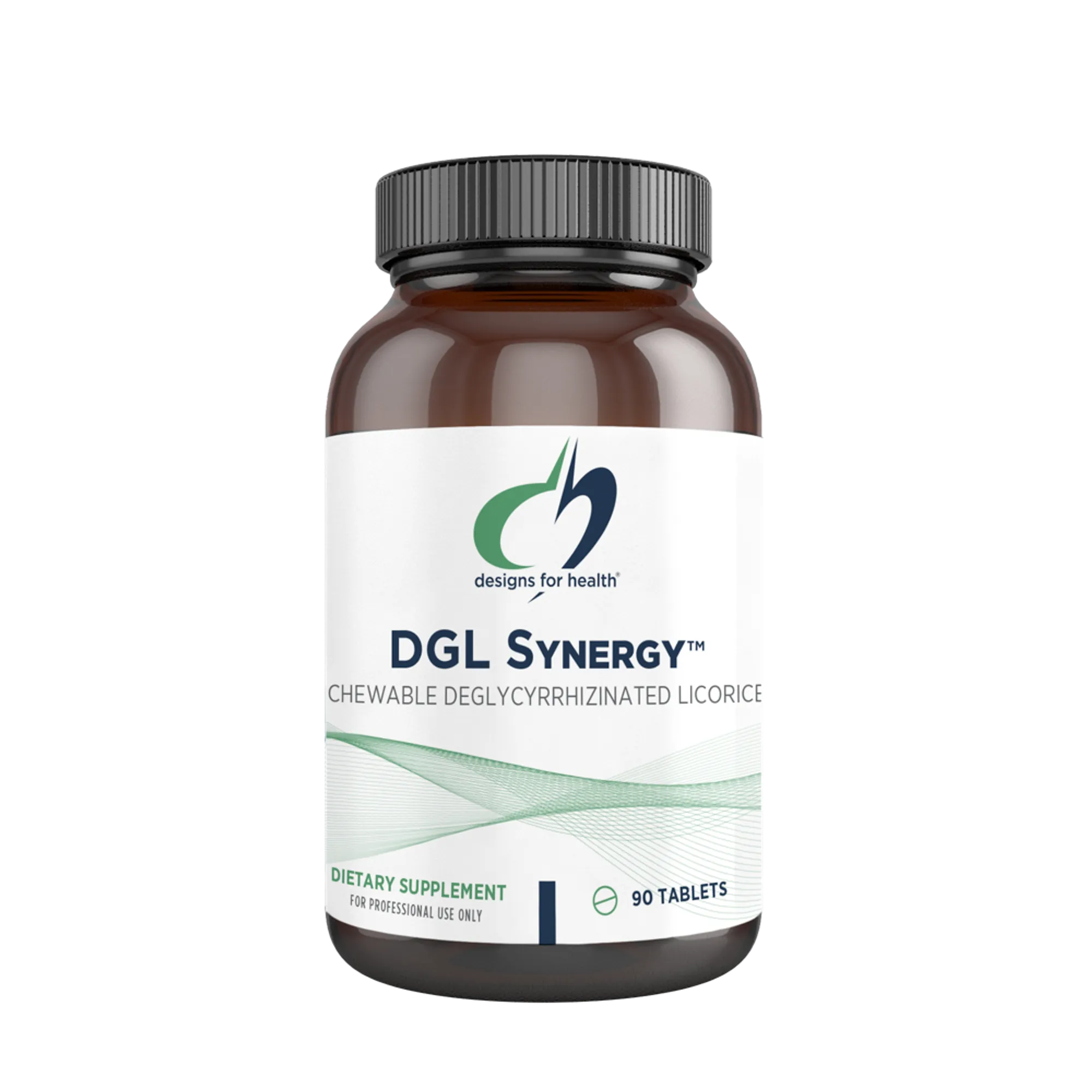
Can DGL Synergy™ Support Gut Healing in Long COVID and MCAS?
March 5, 2026
DGL SynergyLong COVIDMCAS
Share:
Disclaimer: The information provided here is for educational purposes only and is not intended as medical advice. It should not be used to diagnose, treat, cure, or prevent any medical condition. Instead, use it as a starting point for discussion with your healthcare provider. Always consult with a qualified healthcare provider before starting any new medication, supplement, device, or making changes to your health regimen.
For many individuals navigating the complex landscape of chronic illness, the gastrointestinal tract becomes a central battleground. Whether you are dealing with the lingering, unpredictable symptoms of Long COVID, the hyper-reactive immune responses of mast cell activation syndrome (MCAS), or the systemic disruptions of dysautonomia, digestive distress is often a daily reality. Patients frequently report debilitating symptoms ranging from severe acid reflux and visceral pain to sudden food intolerances and profound nausea. These are not merely "upset stomachs"; they are the result of profound biochemical disruptions, viral persistence, and chronic inflammation damaging the delicate lining of the gut.
Finding relief for these complex gastrointestinal symptoms requires more than just suppressing stomach acid with standard over-the-counter medications. It requires a targeted approach that actively heals the mucosal barrier, calms hyperactive immune cells, and restores the gut's natural defenses. This is where specialized therapeutic formulations come into play. DGL Synergy™ by Designs for Health is a targeted supplement designed to support and repair the gastric mucosa. By combining deglycyrrhizinated licorice (DGL) with the cytoprotective amino acid glycine and the buffering agent calcium glycerophosphate, it offers a multifaceted approach to gut healing. In this comprehensive guide, we will explore the intricate science behind DGL Synergy™, how chronic illnesses dismantle gut health, and how this unique formulation can help you reclaim gastrointestinal comfort.
TL;DR
DGL Synergy™ may help support the gastric mucosa and manage GI symptoms in chronic conditions.
The formula combines DGL, glycine, and calcium glycerophosphate to support gut healing and comfort.
It targets root causes like mucosal damage and hyperactive immune responses seen in Long COVID and MCAS.
Chewable delivery ensures active compounds mix with saliva for optimal gastrointestinal support and absorption.
What is DGL Synergy™?
The Anatomy of a Targeted Gastrointestinal Formula
DGL Synergy™ is not a standard antacid; it is a meticulously formulated therapeutic supplement designed to actively support, soothe, and repair the mucosal lining of the stomach and intestines. To understand how it works, we must first examine its three foundational ingredients: deglycyrrhizinated licorice (DGL), glycine, and calcium glycerophosphate. In a healthy body, the gastrointestinal tract is protected by a robust, continuously regenerating layer of mucus. This mucosal barrier acts as a physical shield against the highly acidic environment required for digestion, while also housing a complex network of immune cells that defend against pathogens. When this barrier is compromised, the underlying epithelial cells are exposed to acid, enzymes, and toxins, leading to severe inflammation and tissue damage.
The ingredients in DGL Synergy™ are specifically chosen to intervene at multiple points in this inflammatory cascade. Rather than simply shutting down the stomach's natural proton pumps—which are essential for breaking down proteins and absorbing vital nutrients—this formula provides the biochemical building blocks necessary for the gut to heal itself. It is delivered in a convenient, sugar-free chewable tablet, sweetened with xylitol, mannitol, and monk fruit, ensuring that the active compounds are released and activated in the mouth before traveling down the digestive tract.
Deglycyrrhizinated Licorice (DGL): Healing Without the Risks
Licorice root (Glycyrrhiza glabra) has been utilized for centuries in traditional medicine to soothe digestive distress. However, whole licorice contains a potent compound known as glycyrrhizin (or glycyrrhizic acid). While glycyrrhizin has its own medicinal properties, it strongly inhibits the enzyme 11β-HSD2 in the kidneys. This inhibition leads to an excess of mineralocorticoid activity, which causes the body to retain sodium and excrete potassium. For patients taking whole licorice long-term, this can result in dangerous spikes in blood pressure, edema, and hypokalemia. For individuals with dysautonomia or postural orthostatic tachycardia syndrome (POTS), who already struggle with blood volume and autonomic regulation, these cardiovascular side effects are highly contraindicated.
To harness the healing power of licorice without these risks, the extract undergoes a specific extraction process to remove the glycyrrhizin, resulting in Deglycyrrhizinated Licorice (DGL). What remains is a concentrated matrix of over 300 active flavonoids, including liquiritigenin and licorice chalcone A. These flavonoids are powerful therapeutic agents that stimulate the body's natural defense mechanisms. They accelerate the secretion of protective mucin, promote the rapid replication of healthy epithelial cells, and enhance local microcirculation to deliver oxygen to damaged tissues. By using the deglycyrrhizinated form, patients can safely utilize high doses of these healing flavonoids to support their gastric mucosa without compromising their cardiovascular stability.
Glycine: The Cytoprotective Amino Acid
The second key component of DGL Synergy™ is glycine, a simple, non-essential amino acid that plays a surprisingly profound role in gastrointestinal defense. In the medical literature, glycine is recognized as a potent "cytoprotective" agent. Cytoprotection refers to a compound's ability to shield cells from lethal damage caused by noxious agents, oxidative stress, or oxygen deprivation (ischemia). In the gut, the epithelial cells are constantly under siege from digestive acids, dietary toxins, and inflammatory cytokines. Glycine acts as a fundamental safeguard for these vulnerable cells.
At a molecular level, glycine is heavily utilized by the intestines as a metabolic fuel and as a critical precursor for the synthesis of glutathione, the body's master antioxidant. By providing an abundant supply of exogenous glycine, the gut can continuously replenish its glutathione stores, neutralizing the reactive oxygen species (ROS) that cause lipid peroxidation and cellular damage.
Calcium Glycerophosphate: The Proactive Acid Buffer
The final active ingredient is calcium glycerophosphate (CGP), a unique compound composed of calcium and glycerophosphoric acid. While traditional antacids like calcium carbonate require existing stomach acid to break them down—neutralizing acid only after it has already caused discomfort—CGP operates through a different chemical mechanism. The calcium in CGP is loosely ionically bound, allowing it to dissociate instantly in water, saliva, or the stomach, regardless of the baseline pH.
This unique structure allows CGP to act as a proactive, ex-vivo dietary acid buffer. Instead of suppressing the stomach's natural acid production, calcium glycerophosphate raises the pH of the dietary triggers before they can irritate the lower esophageal sphincter or the gastric lining, preventing the initial chemical insult that leads to heartburn and systemic inflammation. Additionally, the glycerophosphate moiety acts as a phosphate donor, supporting cellular energy production (ATP) and helping to maintain the integrity of the cellular junctions in the gut lining.
How Long COVID and MCAS Impact the Gut
Viral Persistence and the Zonulin Pathway
To understand why supplements like DGL Synergy™ are necessary, we must examine how complex chronic illnesses dismantle the gastrointestinal system. In the context of Long COVID, the gut has emerged as a central reservoir for persistent viral activity. The epithelial cells lining the intestines (enterocytes) heavily express the ACE2 receptor, the exact doorway that SARS-CoV-2 uses to invade host cells. Long after the acute respiratory infection clears, remnants of the virus—specifically viral RNA and the Spike protein—can lodge deep within the gut tissue, hiding inside mucosal macrophages and T-cells.
This viral persistence triggers a chronic, low-grade immune response. The localized inflammation forces the intestinal cells to release a protein called zonulin. Zonulin acts as the master regulator of the "tight junctions," the microscopic gates that hold the gut lining together. When zonulin levels remain chronically elevated, these tight junctions are forced apart, creating structural gaps in the intestinal barrier. This phenomenon, clinically known as increased intestinal permeability or "leaky gut," allows undigested food particles, bacterial endotoxins (like lipopolysaccharide, or LPS), and viral fragments to leak from the digestive tract directly into the bloodstream. A 2025 study on Long COVID survivors confirmed that elevated zonulin and gut permeability are directly linked to systemic inflammation and worsened cardiovascular outcomes, particularly in female patients.
Mast Cell Activation Syndrome (MCAS) in the Digestive Tract
For individuals with mast cell activation syndrome (MCAS), the gastrointestinal tract is often the site of the most severe symptoms. Mast cells are a critical component of the immune system, densely populated throughout the mucosal lining of the stomach and intestines to guard against pathogens. In MCAS, these cells become hyper-responsive, degranulating inappropriately in response to benign triggers such as specific foods, stress, or even temperature changes. When mast cells degranulate in the gut, they release a massive payload of highly inflammatory chemical mediators.
One of the primary mediators released is histamine. When histamine binds to H2 receptors in the stomach lining, it triggers a massive hypersecretion of gastric acid, leading to severe heartburn, acid reflux, and erosive gastritis. Simultaneously, mast cells release pro-inflammatory cytokines (like TNF-α) and neuropeptides (like Substance P) that directly irritate the enteric nervous system. This causes "neurogenic inflammation," resulting in the visceral hypersensitivity, severe abdominal cramping, and unpredictable bowel motility that MCAS patients know all too well. The constant flood of these mediators further degrades the mucosal barrier, creating a vicious cycle where a leaky gut triggers more mast cell degranulation.
The Gut-Brain Axis and Dysautonomia
The structural breakdown of the gut lining and the chronic localized inflammation do not stay confined to the digestive tract; they have profound systemic consequences via the gut-brain axis. The vagus nerve serves as a bidirectional superhighway connecting the enteric nervous system of the gut directly to the brainstem. When the gut is inflamed, immune cells and mast cells send continuous distress signals up the vagus nerve to the central nervous system.
This chronic vagal signaling contributes heavily to autonomic nervous system dysfunction, commonly seen as dysautonomia or POTS. The brain, overwhelmed by inflammatory signals from the gut, struggles to regulate heart rate, blood pressure, and digestion appropriately. Furthermore, the gut is responsible for producing the vast majority of the body's serotonin. Viral disruption and chronic dysbiosis alter the function of the gut's enterochromaffin cells, disrupting serotonin signaling. Because serotonin is vital for both bowel motility and cognitive function, this depletion directly fuels the chronic constipation, gastroparesis, and debilitating brain fog experienced by many patients. You can learn more about how these interconnected systems are evaluated in our guide on How Does a Doctor Diagnose Long COVID?.
DGL Synergy™: Supporting the Gastric Mucosa
DGL's Role in Mucin Production and Mast Cell Stabilization
DGL Synergy™ intervenes in this destructive cycle through several precise biochemical mechanisms. First and foremost, the deglycyrrhizinated licorice (DGL) acts as a powerful stimulant for mucosal defense. Unlike proton pump inhibitors (PPIs) that simply turn off stomach acid, DGL increases both the number of mucus-producing cells in the stomach's fundus glands and the volume of mucus each cell produces. This thicker mucosal layer creates a robust physical barrier that shields the underlying tissue from acid and inflammatory cytokines, allowing the damaged epithelium to regenerate.
Beyond physical protection, DGL possesses profound mast-cell stabilizing properties, making it highly relevant for MCAS patients. For a mast cell to degranulate and release histamine, there must be a rapid influx of extracellular calcium into the cell. The specific flavonoids retained in DGL, particularly liquiritigenin, act as potent calcium channel blockers on the mast cell membrane. By preventing this calcium influx, DGL effectively halts the degranulation process. By silencing the MRGPRX2 receptor, DGL quiets the exact pathways that drive MCAS-related gastric inflammation.
Glycine's Breakthrough Defense Against Cellular Rupture
The inclusion of glycine in DGL Synergy™ provides a secondary, highly advanced layer of cellular protection. For decades, scientists knew that glycine protected gastrointestinal cells from dying during severe stress, but the exact mechanism was a mystery. During severe inflammation or viral infection, cells often undergo a highly inflammatory form of programmed cell death called pyroptosis. NINJ1 is the "executioner" protein that clusters in the cell membrane, causing the cell to physically rupture and spill its toxic contents into the surrounding gut tissue, driving massive inflammation.
Glycine acts as a direct inhibitor of this process. By targeting NINJ1, glycine prevents the protein from clustering, thereby preserving the integrity of the cellular membrane and halting necrotic cell rupture. Additionally, glycine acts on specific Glycine-Gated Chloride Channels (GlyR) located on inflammatory immune cells in the gut. When glycine binds to these receptors, chloride rushes into the cell, hyperpolarizing the membrane. This prevents the activation of the NF-κB transcription factor, effectively shutting down the production of highly inflammatory cytokines like TNF-α and IL-6. This dual action makes glycine a master regulator of gut inflammation.
Calcium Glycerophosphate and Tight Junction Preservation
The third pillar of DGL Synergy's mechanism is calcium glycerophosphate (CGP). While its primary role is to act as an ex-vivo buffer—neutralizing up to 95% of dietary acids before they can trigger heartburn or mast cell reactions—its benefits extend to the cellular architecture of the gut. The glycerophosphate moiety in CGP has been shown in in vitro models to preserve Transepithelial Electrical Resistance (TEER). TEER is a direct measurement of the integrity of the tight junctions between intestinal cells.
By protecting these tight junctions, CGP helps preserve the structural integrity of the gut barrier. This means that while DGL is stimulating new mucus production and glycine is preventing cellular rupture, CGP is actively helping to keep the structural gates of the gut closed, preventing the leakage of endotoxins into the bloodstream. Together, these three ingredients offer a comprehensive, synergistic approach to repairing the leaky gut and calming the neurogenic inflammation seen in Long COVID and MCAS.

Symptoms DGL Synergy™ May Help Manage
Targeting the Root of Gastrointestinal Distress
Because DGL Synergy™ addresses the structural integrity of the gut lining, stabilizes hyperactive immune cells, and neutralizes dietary acid triggers, it can be an effective tool for managing a wide array of complex digestive symptoms. Patients dealing with the gastrointestinal fallout of chronic illness may find relief from the following:
Severe Acid Reflux and GERD: By accelerating the production of protective mucin and proactively buffering dietary acids with calcium glycerophosphate, the formula shields the esophagus and stomach from acid-induced erosion.
Visceral Pain and Abdominal Cramping: The flavonoids in DGL inhibit the NF-κB inflammatory pathway, reducing the neurogenic inflammation and cytokine storms that irritate the enteric nervous system and cause severe pain.
Food Sensitivities and Histamine Reactions: DGL's ability to antagonize the MRGPRX2 receptor and block calcium influx stabilizes mast cells, reducing the inappropriate release of histamine in response to dietary triggers.
Nausea and Functional Dyspepsia: By soothing the mucosal lining and reducing localized oxidative stress via glycine's support of glutathione synthesis, the formula helps calm the upper GI tract, alleviating chronic nausea and early satiety.
Systemic Symptoms of Leaky Gut: By preserving tight junctions (TEER) and preventing NINJ1-mediated cellular rupture, the formula helps seal the gut barrier, reducing the systemic endotoxemia that drives brain fog, fatigue, and joint pain.
It is important to note that while DGL Synergy™ provides robust support for these symptoms, it is most effective when used as part of a broader management strategy that includes identifying dietary triggers and addressing underlying autonomic dysfunction. You can explore more about the systemic nature of these symptoms in our article on Gastrointestinal Symptoms Seen with Long COVID.
Practical Considerations: Forms, Dosing, and Absorption
The Critical Importance of the Chewable Format
When utilizing DGL for gastric healing, the delivery method is not just a matter of convenience; it is a critical pharmacological requirement. DGL Synergy™ is formulated as a chewable tablet for a very specific physiological reason. In order for the deglycyrrhizinated licorice to activate its full healing mechanisms, it must physically mix with salivary enzymes in the mouth before entering the stomach.
Clinical research has demonstrated that DGL promotes the release of specific salivary compounds, including Epidermal Growth Factor (EGF). EGF is a powerful polypeptide that stimulates the proliferation, differentiation, and survival of epithelial cells throughout the digestive tract. When DGL is swallowed whole in a standard capsule, it bypasses this crucial salivary activation step, rendering it largely ineffective for upper gastrointestinal healing. By chewing the tablet thoroughly, you ensure that the DGL is fully activated and can immediately begin coating and soothing the esophagus and stomach lining upon swallowing.
Optimal Timing for Acid Buffering and Mucosal Coating
The timing of your dosage is equally important for maximizing the benefits of DGL Synergy™. The suggested use is to chew two tablets before a meal. This timing serves a dual purpose. First, it allows the activated DGL to coat the vulnerable gastric mucosa, creating a protective physical barrier before the stomach begins churning and secreting highly acidic digestive juices in response to the incoming food.
Second, taking the supplement immediately before eating allows the calcium glycerophosphate to mix with the food as it enters the stomach. Because CGP acts as an ex-vivo buffer, it needs to be present alongside the dietary triggers to instantly neutralize the titratable acids in the food. Taking the supplement long after a meal has been consumed significantly reduces its ability to buffer dietary acids and protect the mucosal lining from post-prandial inflammation.
Safety, Tolerability, and the Absence of Glycyrrhizin
One of the primary advantages of DGL Synergy™ is its exceptional safety profile, particularly for patients with complex chronic illnesses. Because the glycyrrhizin has been meticulously removed, patients can safely take the therapeutic doses required for mucosal healing without the risk of inducing hypokalemia, fluid retention, or dangerous spikes in blood pressure. This makes it a safe option for individuals managing dysautonomia, POTS, or those who are sensitive to cardiovascular fluctuations.
Furthermore, the formula is designed with sensitive digestive systems in mind. It contains zero grams of sugar and is completely free of fructose, a common trigger for patients with IBS or small intestinal bacterial overgrowth (SIBO). Instead, it is sweetened with xylitol, mannitol, and monk fruit extract, providing a palatable licorice flavor without feeding pathogenic gut bacteria. As always, while DGL is generally well-tolerated, it is crucial to consult with your healthcare provider before adding any new supplement to your regimen, especially if you are taking prescription medications for severe gastrointestinal disorders.

Follow the Science
Clinical Efficacy of DGL in Mucosal Healing
The therapeutic efficacy of DGL is supported by decades of clinical research, often demonstrating results that rival standard pharmaceutical interventions.
In larger-scale applications, a study involving 874 patients compared the effects of DGL against the pharmaceutical H2-blocker cimetidine (Tagamet). The clinical results confirmed that DGL was equally, if not more, effective in relieving severe gastrointestinal discomfort and promoting the maintenance therapy of peptic ulcers, notably without the systemic side effects associated with long-term acid suppression. More recently, human trials utilizing standardized DGL extracts have shown that over 56% of subjects experienced a marked improvement in symptoms of functional dyspepsia and occasional acid indigestion compared to placebo groups.
The Discovery of Glycine's NINJ1 Target
The scientific understanding of glycine's role in gut health took a massive leap forward recently. For 35 years, researchers knew that glycine protected cells from dying during ischemic or inflammatory stress, but the exact molecular target was unknown. While glycine is known to prevent plasma membrane rupture during pyroptosis, the precise mechanistic explanation for how glycine preserves the integrity of the gut lining is still an active area of research.
Emerging Data on Long COVID and Gut Permeability
Modern research is also rapidly validating the connection between Long COVID and structural gut damage. A comprehensive 2025 study published in Nature Scientific Reports evaluated markers of inflammation and gut integrity in Long COVID survivors. The researchers found that elevated levels of zonulin—the master regulator that breaks apart intestinal tight junctions—were independently associated with higher systemic inflammation and worsened arterial stiffness. Notably, female patients with Long COVID exhibited the most severe gut permeability and cardiovascular risk. This data underscores the critical importance of utilizing targeted therapies like DGL Synergy™ to repair the gut barrier, as healing the localized gastrointestinal damage is essential for mitigating the systemic, body-wide consequences of Long COVID.
The Path Forward
Validating the Gastrointestinal Struggle
Living with the gastrointestinal manifestations of Long COVID, MCAS, or dysautonomia can be an incredibly isolating and exhausting experience. When every meal feels like a gamble and unpredictable symptoms dictate your daily life, it is easy to feel overwhelmed. Your symptoms are not just "in your head" or the result of simple stress; they are the downstream effects of complex, measurable physiological disruptions—from persistent viral fragments and rogue mast cells to the structural breakdown of your intestinal barrier. Validating this reality is the first step toward reclaiming your health.
A Comprehensive Approach to Gut Healing
While there is no single miracle cure for these complex conditions, targeted nutritional support can make a profound difference in your quality of life. DGL Synergy™ offers a scientifically grounded, multifaceted approach to gut healing. By stimulating protective mucin production, stabilizing hyperactive mast cells, preventing cellular rupture, and proactively buffering dietary acids, it provides your gastrointestinal tract with the specific tools it needs to repair itself. However, supplements are most effective when integrated into a comprehensive management strategy that includes pacing, identifying dietary triggers, and working closely with a knowledgeable medical team.
If you are struggling with chronic digestive distress, Explore DGL Synergy™ to see if this targeted formulation could be a valuable addition to your healing protocol. As always, please consult your healthcare provider before starting any new supplement to ensure it aligns with your specific medical needs and current treatments. By addressing the root causes of mucosal damage, you can take a proactive step toward restoring your gastrointestinal comfort and overall well-being.