Can Deep Sleep Complex Support Restorative Rest for Long COVID and ME/CFS?
March 6, 2026
Deep Sleep ComplexLong COVIDME/CFS
Share:
Disclaimer: The information provided here is for educational purposes only and is not intended as medical advice. It should not be used to diagnose, treat, cure, or prevent any medical condition. Instead, use it as a starting point for discussion with your healthcare provider. Always consult with a qualified healthcare provider before starting any new medication, supplement, device, or making changes to your health regimen.
"I haven't had a truly refreshing night of sleep since my infection." This is one of the most common and devastating sentiments shared by patients living with Long COVID, myalgic encephalomyelitis/chronic fatigue syndrome (ME/CFS), and dysautonomia. When your body is locked in a state of chronic illness, sleep transforms from a restorative sanctuary into a nightly battleground. You might lie awake for hours, your mind racing with a wired-but-tired energy, or you might sleep for twelve hours only to wake up feeling as though you ran a marathon overnight. This profound lack of restorative rest is not merely a frustrating inconvenience; it is a core driver of post-exertional malaise (PEM), cognitive dysfunction, and autonomic instability.
For patients navigating these complex, invisible illnesses, traditional sleep aids often fall short or introduce a host of new problems. High-dose synthetic melatonin can leave you feeling groggy and disconnected the next day, while prescription sedatives may disrupt the delicate architecture of your sleep cycles. This is where targeted, botanical interventions like Thorne's Deep Sleep Complex come into play. By combining scientifically validated, standardized extracts—Maizinol® (corn leaf extract), L-theanine, and chamomile—this melatonin-free formula aims to address the root neurochemical imbalances that keep your nervous system on high alert. In this comprehensive guide, we will explore the intricate biochemistry of these botanical compounds, how chronic illness hijacks your sleep pathways, and how supporting your body's endogenous sleep mechanisms can help you reclaim restorative rest.
TL;DR
Deep Sleep Complex uses botanical extracts to support restorative sleep without relying on synthetic melatonin.
Ingredients like Maizinol and L-theanine help modulate cortisol and promote calming alpha brain waves.
Designed to address sleep disturbances common in Long COVID, ME/CFS, and dysautonomia.
May help reduce sleep latency, nighttime awakenings, and the "wired and tired" feeling.
What is Deep Sleep Complex?
The Anatomy of Restorative Sleep and Botanical Support
To understand how a supplement like Deep Sleep Complex functions, we must first examine the natural architecture of sleep in a healthy body. Sleep is not a passive state of unconsciousness; it is a highly active, biochemically complex process orchestrated by the brain and the endocrine system. Throughout the night, your brain cycles through distinct phases: light sleep, deep slow-wave sleep (non-REM), and rapid eye movement (REM) sleep. Deep sleep is particularly crucial for physical restoration, immune system regulation, and the clearance of metabolic waste from the brain via the glymphatic system. This intricate dance is governed by a delicate balance of neurotransmitters and hormones, primarily melatonin, serotonin, gamma-aminobutyric acid (GABA), and cortisol. When this balance is disrupted, the quality and architecture of sleep degrade rapidly.
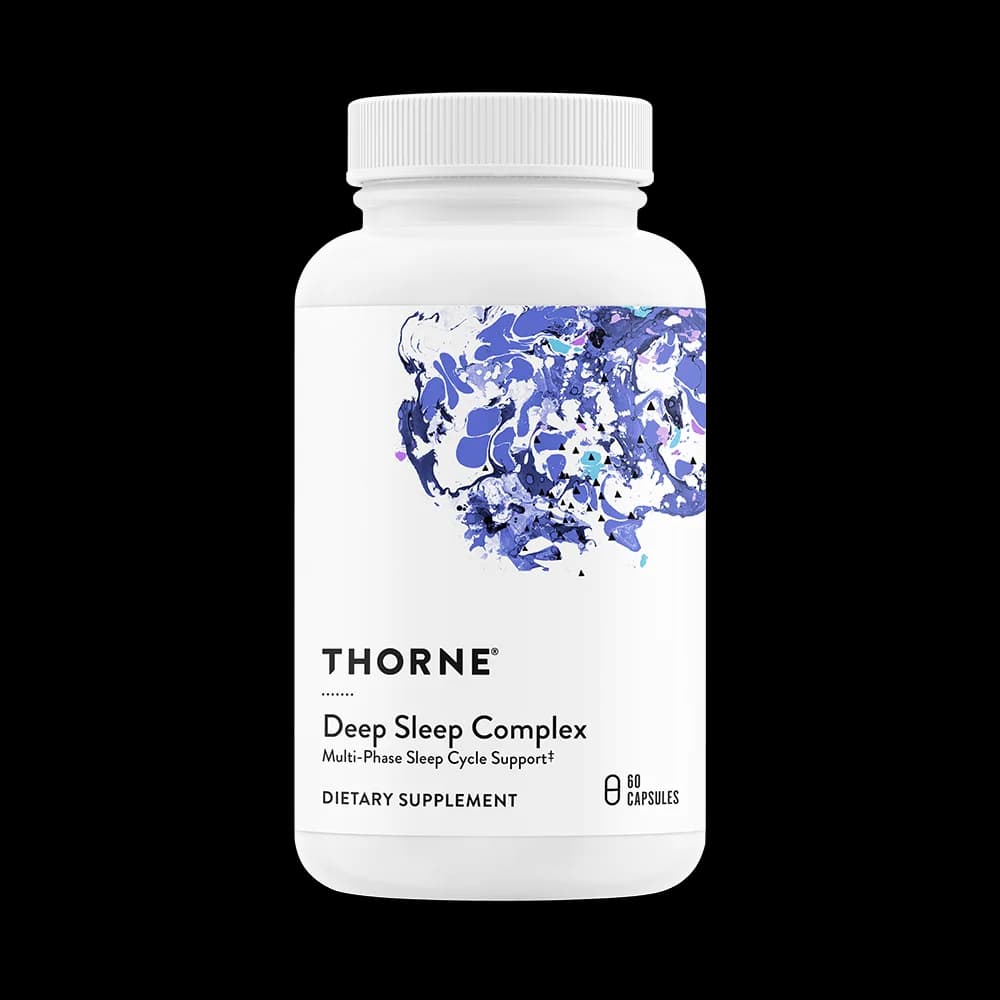
Deep Sleep Complex is a synergistic blend of three botanical extracts designed to support these natural sleep pathways without relying on exogenous (external) hormones. The cornerstone of the formula is Maizinol®, a patented, standardized extract derived from the immature leaves of the corn plant (Zea mays). This extract is standardized to contain 0.2% 6-methoxybenzoxazolinone (6-MBOA), a naturally occurring compound that has garnered significant attention in clinical research for its structural similarity to melatonin. Unlike synthetic melatonin, which can sometimes suppress the body's natural production, 6-MBOA acts as a "melatonin enabler," interacting with the body's receptors to promote endogenous sleep hormone synthesis.
The Role of 6-MBOA in the Sleep Cycle
At the molecular level, the 6-MBOA found in Maizinol functions as a weak β-adrenergic agonist that binds directly to the body's melatonin receptors. Research indicates that 6-MBOA exhibits a four-fold higher affinity for the MT2 receptor, which is primarily responsible for regulating deep, non-REM sleep, while also interacting with the MT1 receptor that governs sleep latency (how quickly you fall asleep). By engaging these receptors, 6-MBOA signals the brain that it is time to initiate the sleep cascade. Furthermore, clinical studies on Maizinol suggest that it stimulates rate-limiting enzymes, such as tryptophan hydroxylase, which actively promote the body's natural synthesis of serotonin and its subsequent conversion into melatonin.
Another critical mechanism of 6-MBOA is its ability to modulate the body's stress response by inhibiting an enzyme called tryptophan dioxygenase (TDO). Under conditions of high stress and elevated cortisol, TDO is upregulated and can destroy up to 95% of dietary tryptophan before it can be converted into sleep-promoting neurotransmitters. By helping to lower salivary cortisol levels, the 6-MBOA in Maizinol inhibits TDO activity, thereby preserving circulating tryptophan. This ensures that the brain has an adequate supply of the raw materials needed to produce serotonin and melatonin naturally, facilitating a smoother transition into restorative sleep phases.
L-Theanine and Alpha Brain Waves
The second key ingredient in Deep Sleep Complex is L-theanine, a non-protein amino acid found almost exclusively in the leaves of the tea plant (Camellia sinensis). L-theanine is renowned for its unique ability to promote a state of "wakeful relaxation" without causing sedation or drowsiness. It achieves this by crossing the blood-brain barrier and modulating several interconnected neurochemical pathways. Primarily, L-theanine acts as a glutamate receptor antagonist. Glutamate is the central nervous system's primary excitatory neurotransmitter; by binding to glutamate receptors (such as the NMDA receptor), L-theanine effectively blocks glutamate's excitatory signals, dampening brain overactivity and racing thoughts.
Simultaneously, L-theanine elevates the levels of GABA, the brain's primary inhibitory neurotransmitter. This dual action—decreasing excitatory signals while increasing inhibitory signals—profoundly shifts the brain's electrical activity. Electroencephalogram (EEG) studies have consistently demonstrated that L-theanine supplementation stimulates the production of alpha brain waves (8–13 Hz). Alpha waves are associated with the calm, focused mental state achieved during deep meditation or right before falling asleep. By shifting the brain out of high-frequency beta waves (associated with active stress and anxiety) and into alpha waves, L-theanine helps quiet a busy mind and eases nightly tension.
Chamomile and the GABAergic System
The final component of the complex is chamomile extract (Matricaria recutita), a botanical that has been used for centuries to promote relaxation and soothe the nervous system. Modern science has traced many of chamomile's sedative properties to a bioactive flavonoid called apigenin. In Deep Sleep Complex, the chamomile extract is standardized to contain no less than 1.2% apigenin, ensuring a potent and consistent dose of this crucial compound. Apigenin exerts its calming effects by interacting directly with the GABAergic system, the same neural network targeted by many prescription sleep aids and anti-anxiety medications, but in a much gentler, non-habit-forming manner.
At the cellular level, apigenin binds specifically to the benzodiazepine sites on GABA-A receptors in the brain. When apigenin attaches to these receptors, it increases the receptor's affinity for endogenous GABA. This interaction triggers an influx of negatively charged chloride ions into the neurons, leading to a state known as membrane hyperpolarization. Hyperpolarization reduces overall neuronal excitability, effectively acting as a natural brake on the central nervous system. By slowing down neural firing, apigenin produces mild calming and muscle-relaxing effects, which research suggests can significantly facilitate sleep onset and reduce nighttime awakenings.
How Long COVID and ME/CFS Impact Sleep and the HPA Axis
Neuroinflammation and Sleep Disruption
For individuals living with Long COVID, ME/CFS, and dysautonomia, sleep disturbances are not merely a byproduct of being unwell; they are a central feature of the underlying pathophysiology. One of the primary drivers of this unrefreshing sleep is chronic neuroinflammation. Following a viral infection like SARS-CoV-2, the immune system can remain locked in a hyperactive state. Microglia, the resident immune cells of the central nervous system, become chronically activated, releasing a cascade of pro-inflammatory cytokines such as IL-6 and TNF-alpha. Recent literature reviews highlight that this sustained neuroinflammation directly interferes with the brain's sleep-regulating centers, particularly the hypothalamus and the brainstem.
These inflammatory cytokines disrupt the delicate balance of neurotransmitters required for restorative rest. They can alter the metabolism of serotonin and dopamine, leading to mood disturbances and fragmented sleep architecture. Furthermore, neuroinflammation impairs the glymphatic system—the brain's waste clearance pathway that is most active during deep, slow-wave sleep. When deep sleep is compromised by inflammation, metabolic toxins accumulate in the brain, contributing to the profound cognitive dysfunction, or "brain fog," that is so characteristic of Long COVID and ME/CFS. This creates a vicious cycle where poor sleep exacerbates neuroinflammation, and neuroinflammation further degrades sleep quality.
HPA Axis Dysregulation and the Cortisol Awakening Response
Another critical mechanism underlying sleep disturbances in complex chronic illnesses is the dysregulation of the hypothalamic-pituitary-adrenal (HPA) axis. The HPA axis is the body's central stress response system, responsible for regulating the production and release of cortisol. In a healthy individual, cortisol follows a distinct diurnal rhythm: it peaks in the early morning to help you wake up (the cortisol awakening response) and gradually declines throughout the day, reaching its lowest point at night to allow melatonin to take over and initiate sleep. However, in patients with ME/CFS and Long COVID, this rhythm is often severely blunted or inverted.
Research indicates that chronic systemic inflammation and prolonged physiological stress can lead to HPA axis desensitization. Some patients experience hypocortisolism (abnormally low morning cortisol), making it incredibly difficult to wake up and function, while simultaneously experiencing inappropriate spikes of cortisol in the evening. This evening hypercortisolism suppresses the natural release of melatonin and keeps the sympathetic nervous system (the "fight or flight" response) engaged. As a result, patients often describe feeling "wired and tired"—physically exhausted but neurologically incapable of drifting into a restful sleep. This autonomic overdrive is a hallmark of dysautonomia and POTS, where the body struggles to transition into the parasympathetic "rest and digest" state necessary for sleep.
The Vicious Cycle of PEM and Unrefreshing Sleep
The intersection of sleep dysfunction and post-exertional malaise (PEM) is perhaps the most debilitating aspect of these conditions. PEM is characterized by a disproportionate exacerbation of symptoms following minimal physical or cognitive exertion. Clinical studies comparing Long COVID and ME/CFS have shown that sleep disturbances are both a trigger for and a consequence of PEM crashes. When a patient exceeds their energy envelope, the resulting physiological stress triggers a surge in inflammatory cytokines and further dysregulates the HPA axis. This biochemical storm makes it nearly impossible to achieve the deep, restorative sleep needed to recover from the exertion.
Consequently, the patient wakes up unrefreshed, with a depleted cellular energy reserve and heightened sympathetic tone. This lack of recovery lowers their threshold for the next crash, trapping them in a relentless cycle of exertion, poor sleep, and worsening symptoms. Addressing this sleep dysfunction is not just about improving nighttime comfort; it is a critical therapeutic target for stabilizing the autonomic nervous system, reducing the frequency and severity of PEM episodes, and supporting overall mitochondrial function. Interventions that can gently modulate cortisol and promote deep sleep without causing next-day grogginess are essential tools in the management of these complex syndromes.
Deep Sleep Complex: Supporting Restorative Sleep Pathways
Modulating Cortisol with Maizinol
Deep Sleep Complex addresses the multifaceted sleep disruptions of chronic illness by targeting specific neurochemical and hormonal pathways. The inclusion of Maizinol® (standardized corn leaf extract) is particularly relevant for patients dealing with HPA axis dysregulation. As discussed, elevated evening cortisol is a major barrier to sleep onset in dysautonomia and Long COVID. The 6-MBOA compound in Maizinol has been clinically shown to modulate cortisol levels, helping to blunt inappropriate evening spikes. By reducing salivary cortisol, Maizinol signals the HPA axis that the environment is safe, allowing the sympathetic nervous system to disengage and the parasympathetic nervous system to take over.
Furthermore, by lowering cortisol, Maizinol inhibits the stress-induced activation of the tryptophan dioxygenase (TDO) enzyme. This is a crucial mechanistic benefit for patients with chronic inflammation. In inflammatory states, tryptophan is often shunted away from serotonin and melatonin production and instead converted into neurotoxic kynurenine metabolites. By preserving circulating tryptophan, Maizinol ensures that the brain has the necessary precursors to synthesize its own sleep hormones. This endogenous support is vital for restoring a natural sleep architecture, particularly the deep, slow-wave sleep phases that are essential for cognitive recovery and immune modulation.
Shifting Brain Waves with L-Theanine
For patients who experience the "wired and tired" phenomenon—where physical exhaustion is paired with a racing, overactive mind—L-theanine offers targeted support. The chronic microglial activation seen in ME/CFS and Long COVID often leads to an excess of excitatory neurotransmitters like glutamate in the brain. This neurochemical imbalance keeps the brain locked in high-frequency beta wave patterns, making relaxation impossible. L-theanine directly counteracts this by acting as a glutamate receptor antagonist, binding to NMDA receptors and dampening the excitatory signaling that fuels nighttime anxiety and rumination.
Simultaneously, L-theanine promotes the generation of alpha brain waves (8-13 Hz). Clinical research demonstrates that L-theanine supplementation can significantly increase alpha wave activity within 30 to 60 minutes of ingestion. This shift in brain wave frequency induces a state of calm, relaxed wakefulness, easing the transition into the first stages of sleep. Importantly, because L-theanine does not force the brain into theta or delta waves (the frequencies of deep sleep), it does not act as a harsh sedative. It simply removes the neurological barriers to relaxation, allowing the body's natural sleep mechanisms to take over without causing morning grogginess or a "hangover" effect.
Calming the Nervous System with Chamomile
The chamomile extract in Deep Sleep Complex provides an additional layer of support for the overstimulated nervous system. The standardized apigenin content works synergistically with L-theanine to enhance inhibitory signaling in the brain. While L-theanine elevates overall GABA levels, apigenin binds directly to the benzodiazepine sites on GABA-A receptors, increasing their sensitivity and efficiency. This interaction facilitates the influx of chloride ions into neurons, hyperpolarizing the cell membranes and effectively slowing down central nervous system activity.
This gentle modulation of the GABAergic system is particularly beneficial for managing the physical manifestations of nighttime anxiety, such as muscle tension, restlessness, and a racing heart. Unlike pharmaceutical sleep aids that forcefully activate GABA receptors and can lead to dependency or disrupted sleep architecture, apigenin provides a mild, natural anxiolytic effect. By soothing both the mind and the body, chamomile helps decrease the time it takes to fall asleep (sleep latency) and reduces the frequency of nighttime awakenings, contributing to a more consolidated and restorative night of rest.
A Melatonin-Free Approach to Circadian Rhythm
One of the most significant advantages of Deep Sleep Complex for patients with complex chronic conditions is its melatonin-free formulation. While exogenous melatonin can be helpful for short-term circadian rhythm adjustments (such as jet lag), long-term use of high-dose synthetic melatonin can sometimes downregulate the body's natural melatonin receptors, leading to tolerance and disrupted endogenous production. For patients whose endocrine systems are already fragile, introducing external hormones can sometimes exacerbate systemic imbalances and cause severe morning grogginess.
By utilizing 6-MBOA, L-theanine, and chamomile, Deep Sleep Complex supports the body's intrinsic ability to produce and utilize its own sleep hormones. The 6-MBOA compound acts as a melatonin receptor agonist, engaging the MT1 and MT2 receptors to deepen sleep without suppressing natural production. In fact, animal studies suggest that 6-MBOA may actually help upregulate melatonin receptors and increase GABA concentrations over time. This endogenous approach helps normalize sleep phases, improves overall sleep architecture, and supports a healthy stress response at bedtime, all while remaining non-habit-forming and gentle on the body's delicate regulatory systems.

Symptoms Deep Sleep Complex May Help Manage
Targeting Specific Sleep and Stress Manifestations
The synergistic blend of Maizinol, L-theanine, and chamomile in Deep Sleep Complex is designed to address a wide range of sleep-related symptoms that frequently plague patients with complex chronic illnesses. By modulating cortisol, dampening excitatory neurotransmitters, and supporting endogenous melatonin production, this formula may help target the physiological roots of sleep disturbances and unrefreshing sleep. Here are the specific symptoms that Deep Sleep Complex may help manage:
Prolonged Sleep Latency (Difficulty Falling Asleep): By increasing alpha brain wave production via L-theanine and engaging GABA receptors via chamomile's apigenin, the formula helps quiet a racing mind and eases the transition into sleep, significantly reducing the time it takes to drift off.
Frequent Nighttime Awakenings: The 6-MBOA in Maizinol binds to MT2 melatonin receptors, which are crucial for maintaining deep, non-REM sleep. This helps consolidate sleep cycles and reduces the likelihood of waking up multiple times throughout the night.
"Wired and Tired" Sensation: By modulating evening cortisol levels and dampening the HPA axis stress response, the complex helps disengage the sympathetic nervous system, allowing physically exhausted patients to finally achieve neurological relaxation.
Unrefreshing Sleep and Morning Grogginess: Because the formula is melatonin-free and supports the body's endogenous sleep architecture rather than forcing sedation, it helps improve the quality of deep sleep phases, allowing patients to wake up feeling more restored without a chemical hangover.
Nighttime Anxiousness and Rumination: The combination of L-theanine (a glutamate antagonist) and chamomile (a GABA-A receptor modulator) provides mild calming effects, easing the nightly tension and racing thoughts that often accompany chronic illness.
Disrupted Circadian Rhythms: By supporting the natural synthesis of serotonin and melatonin through tryptophan preservation, the complex helps gently realign the body's internal clock, which is often thrown off-balance in Long COVID and ME/CFS.
Cognitive and Autonomic Benefits
Beyond simply improving the mechanics of sleep, the downstream effects of restorative rest can profoundly impact other symptoms associated with chronic illness. When deep, slow-wave sleep is enhanced, the brain's glymphatic system can more efficiently clear metabolic waste and neurotoxic proteins. This improved clearance may help alleviate the severity of cognitive dysfunction and brain fog experienced during the day. Furthermore, by stabilizing the HPA axis and reducing nighttime cortisol spikes, Deep Sleep Complex supports overall autonomic nervous system balance, which is a critical component in managing dysautonomia and POTS symptoms.
Practical Considerations: Forms, Dosing, and Absorption
Understanding the Standardized Extracts
When incorporating a botanical supplement into your management protocol, the quality and standardization of the extracts are paramount. Deep Sleep Complex utilizes highly specific, patented forms of its active ingredients to ensure consistent dosing and optimal bioavailability. The formula features 500 mg of Maizinol®, a proprietary extract derived from the immature leaves of the corn plant (Zea mays). This specific dosage is clinically significant, as it is standardized to contain 0.2% 6-MBOA. Standardization guarantees that every capsule delivers the exact amount of the bioactive compound necessary to engage melatonin receptors and modulate cortisol, unlike generic corn extracts which may have highly variable concentrations.
Similarly, the formula includes 200 mg of L-theanine, a dosage well-supported by clinical literature for stimulating alpha brain wave production and reducing stress markers. The chamomile extract (100 mg) is standardized to contain no less than 1.2% apigenin. Apigenin is a relatively lipophilic (fat-soluble) flavonoid, meaning its absorption can be somewhat limited when taken in isolation. However, when formulated as a standardized extract within a comprehensive complex, its bioavailability is optimized to ensure sufficient interaction with the central nervous system's GABA receptors.
Optimal Timing and Dosage
The suggested use for Deep Sleep Complex is to take 2 capsules approximately 60 minutes before your desired bedtime. This timing is crucial and aligns with the pharmacokinetics of the active ingredients. Clinical studies on L-theanine indicate that alpha brain wave activity begins to increase within 45 minutes of ingestion, peaking around the one-hour mark. Simultaneously, the 6-MBOA in Maizinol requires about an hour to effectively interact with melatonin receptors and begin downregulating evening cortisol levels. Taking the supplement an hour before bed allows the synergistic effects of the botanicals to peak just as you are trying to fall asleep.
It is also important to set realistic expectations regarding the timeline of benefits. While some effects, such as a decrease in feelings of stress and an increase in relaxation from alpha-wave production, can be felt within the first 20 to 60 minutes, the more profound structural changes to sleep architecture take time. Clinical trials suggest that within one week of nightly use, patients typically notice a decrease in sleep latency and an increase in total sleep time. After two weeks of consistent use, the cumulative modulation of the HPA axis often results in a significant decrease in baseline anxious feelings and nighttime awakenings.
Safety, Tolerability, and Contraindications
Deep Sleep Complex is designed to be a non-habit-forming, gentle alternative to pharmaceutical sleep aids. Because it does not contain synthetic melatonin or harsh sedatives, it does not carry the risk of dependency, tolerance buildup, or severe morning grogginess. The ingredients are generally well-tolerated, even with extended daily use. However, as with any supplement, there are important safety considerations. The product is contraindicated in individuals with a history of hypersensitivity or severe allergies to any of its ingredients, including corn (Zea mays) or plants in the aster/daisy family (such as chamomile).
Furthermore, if you are pregnant or nursing, the manufacturer strongly advises against using this product. Patients with complex chronic illnesses should also be mindful of potential interactions with their current medications. Because L-theanine and chamomile exert mild blood pressure-lowering and calming effects, they may theoretically compound the effects of prescription blood pressure medications, sedatives, or anti-anxiety drugs. Always consult with your healthcare provider or a specialist familiar with Long COVID and ME/CFS management before adding a new supplement to your regimen, especially if you are navigating severe autonomic instability.

Follow the Science: Clinical Trials and Evidence
Maizinol (6-MBOA) Clinical Trials
The efficacy of Maizinol® (standardized corn leaf extract) is supported by robust, peer-reviewed clinical research. A pivotal double-blind, placebo-controlled trial published in the Journal of Medicinal Food (2023) evaluated 45 healthy participants experiencing stress and mild sleep issues. The subjects were given either a placebo, 250 mg, or 500 mg of Maizinol 60 minutes before bed for four weeks. The results were striking: the 500 mg group (the exact dose in Deep Sleep Complex) experienced a massive increase in deep sleep, jumping from a baseline of ~68 minutes to 94 minutes—an increase of nearly 30 minutes, or 48%, compared to the placebo. Furthermore, salivary cortisol levels dropped by 36%, directly correlating with improved subjective sleep quality and reduced tension.
To further validate these findings, a "gold-standard" randomized, triple-blind, placebo-controlled trial was conducted by KGK Science and published in Food Science & Nutrition (2026). This study tracked 80 adults using objective in-home EEG and actigraphy devices. The data confirmed that participants taking 500 mg of Maizinol fell asleep significantly faster, reducing sleep latency by an average of 23 minutes after 14 days. The objective EEG data also showed a 35.7-minute increase in non-REM (deep) sleep by Day 28, alongside a significant reduction in nighttime awakenings. Crucially, the study confirmed that 6-MBOA optimized sleep structure without acting as a chronobiotic, meaning it did not forcefully shift the body's natural circadian rhythm.
L-Theanine and Sleep Efficiency Studies
L-theanine's ability to promote relaxation and improve sleep efficiency is well-documented in the scientific literature. A comprehensive 2025 systematic review and meta-analysis evaluated 13 randomized trials involving 550 participants. The review concluded that standalone doses between 200–450 mg/day (Deep Sleep Complex contains 200 mg) were highly effective for supporting healthy sleep. The most robust improvements were noted in sleep latency, sleep maintenance, and perceived sleep satisfaction, driven by L-theanine's ability to reduce physiological markers of stress.
Another notable clinical trial published in Neurology and Therapy (2024) utilized actigraphy to track the sleep quality of participants given a proprietary L-theanine extract. The study found statistically significant improvements in sleep efficiency, mental clarity upon waking, and reductions in salivary cortisol levels compared to the placebo group. Furthermore, extended 12-week trials have demonstrated that L-theanine maintains its efficacy over time, with participants experiencing sustained reductions in stress and anxiety without developing tolerance or requiring dosage increases.
Chamomile and Apigenin Research
While chamomile has been used traditionally for centuries, modern clinical trials have begun to quantify its effects on sleep architecture. A randomized, double-blind, placebo-controlled pilot study evaluated adults with chronic primary insomnia who were given a standardized chamomile extract for 28 days. The researchers found that the chamomile group experienced small-to-moderate improvements in sleep latency and a reduction in nighttime awakenings compared to the placebo group. They also noted modest benefits for daytime functioning and fatigue, which is particularly relevant for patients dealing with the debilitating exhaustion of ME/CFS.
Additional studies focusing on specific populations, such as elderly adults in nursing homes and postpartum women, have consistently shown that chamomile supplementation significantly enhances sleep efficiency, improves overall subjective sleep quality scores, and reduces symptoms of mild low mood and anxiousness. While large-scale polysomnography trials are still needed to establish standardized clinical guidelines for severe insomnia, the current body of evidence strongly supports the use of apigenin-rich chamomile extracts as a safe, gentle, and effective tool that may help mitigate pre-sleep anxiousness and support sleep maintenance.
The Path Forward
Integrating Sleep Support into Your Protocol
Navigating the profound sleep disturbances associated with Long COVID, ME/CFS, and dysautonomia can feel like an insurmountable challenge. When your body is trapped in a state of chronic neuroinflammation and autonomic overdrive, achieving restorative rest requires more than just good sleep hygiene; it requires targeted, biochemical support. Supplements like Deep Sleep Complex offer a scientifically grounded approach to modulating the HPA axis, calming excitatory neurotransmitters, and supporting your body's endogenous sleep pathways. By utilizing standardized botanical extracts rather than synthetic hormones, this formula provides a gentle, non-habit-forming option to help you reclaim your nights.
However, it is essential to remember that supplements are just one piece of a comprehensive management puzzle. Improving sleep quality in complex chronic illness also requires rigorous pacing to avoid PEM crashes, meticulous symptom tracking, and addressing underlying neuroinflammation. We strongly encourage you to discuss Deep Sleep Complex with your healthcare provider to ensure it aligns with your current medications and overall treatment strategy. Your provider can help you monitor your progress and make necessary adjustments to your protocol as your autonomic nervous system begins to stabilize.
Validating the Journey to Better Rest
If you are lying awake night after night, frustrated by a body that feels both exhausted and relentlessly wired, please know that your experience is valid. The sleep dysfunction you are experiencing is a physiological reality of your condition, driven by complex neurochemical and hormonal imbalances—not a lack of willpower or poor habits. Finding the right combination of therapies to restore your sleep architecture takes time, patience, and compassionate medical care. By exploring targeted interventions that support your body's natural rhythms, you are taking a crucial step toward reducing symptom severity and improving your overall quality of life.