Can Daily Stress Formula Support Energy and Cognitive Function for Long COVID and ME/CFS Patients?
March 5, 2026
Daily Stress FormulaLong COVIDME/CFS
Share:
Disclaimer: The information provided here is for educational purposes only and is not intended as medical advice. It should not be used to diagnose, treat, cure, or prevent any medical condition. Instead, use it as a starting point for discussion with your healthcare provider. Always consult with a qualified healthcare provider before starting any new medication, supplement, device, or making changes to your health regimen.
Months or even years after a viral infection, many individuals find themselves battling a complex web of symptoms that conventional medicine often struggles to explain. If you are living with Long COVID, Myalgic Encephalomyelitis/Chronic Fatigue Syndrome (ME/CFS), or dysautonomia, you are likely intimately familiar with the profound exhaustion, debilitating brain fog, and unpredictable crashes that define these conditions. It can feel as though your body's internal battery is permanently drained, and your nervous system is stuck in a perpetual state of "fight or flight." You are not alone in this experience, and your symptoms are rooted in very real, measurable physiological disruptions.
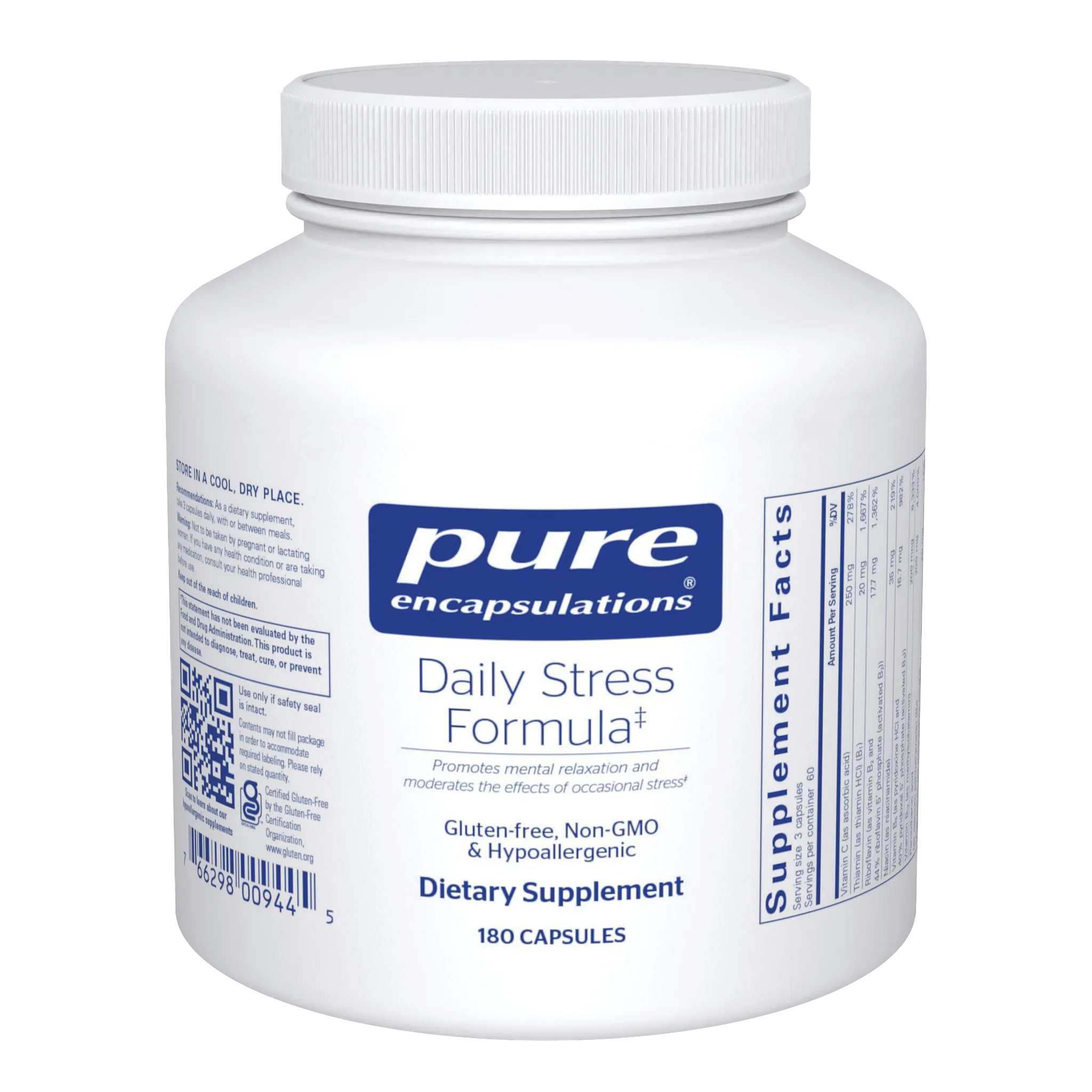
One of the core systems impacted by these chronic conditions is the body's stress response network, which governs everything from cellular energy production to cognitive clarity. When this system is chronically activated by viral persistence, neuroinflammation, or autonomic dysfunction, it rapidly depletes the body's reserves of essential nutrients and neurotransmitters. This is where targeted nutritional support comes into play. Daily Stress Formula by Pure Encapsulations is a comprehensive blend designed to address these exact pathways. By combining adaptogenic herbs like Ashwagandha and Rhodiola with cognitive-supporting botanicals like Bacopa monnieri, alongside essential B-vitamins and magnesium, this formula aims to help the body moderate the effects of physiological stress, support adrenal function, and promote mental clarity. In this article, we will explore the deep science behind these ingredients and how they may offer crucial support for those navigating complex chronic illnesses.
TL;DR
Daily Stress Formula combines adaptogens, B-vitamins, and magnesium to support the body's stress response and energy production.
Ingredients like Bacopa and L-tyrosine may help manage brain fog and preserve cognitive function during stress.
Targeted nutritional support can help address mitochondrial dysfunction and HPA axis dysregulation in chronic conditions.
Always combine supplements with strict pacing strategies and consult your healthcare provider before starting.
What is Daily Stress Formula?
A Comprehensive Approach to Physiological Stress
To understand how Daily Stress Formula works, we must first look at the natural functions of its components within a healthy body. This supplement is not a single compound but a meticulously designed, broad-spectrum formula that targets multiple interconnected biological systems simultaneously. In a healthy individual, the body maintains homeostasis—a state of internal balance—through a complex network of hormonal signals, neurotransmitters, and enzymatic reactions. When a stressor occurs, whether physical (like an infection or intense exercise) or psychological, the body initiates a cascade of responses to deal with the threat and then return to baseline. Daily Stress Formula provides the specific raw materials and botanical modulators required to facilitate this return to homeostasis.
At the core of this formula are adaptogens, a unique class of herbal substances that have been utilized in traditional medicine for centuries and are now the subject of rigorous modern scientific research. Adaptogens, such as Ashwagandha (Withania somnifera), Rhodiola (Rhodiola rosea), and Eleuthero (Eleutherococcus senticosus), do not act like stimulants (which force the body to produce energy) or sedatives (which artificially depress the nervous system). Instead, they act as "stress-mimetics" at the molecular level. They interact with the Hypothalamic-Pituitary-Adrenal (HPA) axis, helping to regulate the release of stress hormones like cortisol. By modulating intracellular signaling pathways, such as the PI3K/Akt pathway, and stimulating the production of stress-protective proteins like Heat Shock Protein 70, adaptogens increase the body's resistance to a broad spectrum of biological stressors.
The Role of Nootropic Botanicals and Amino Acids
Beyond adaptogens, the formula incorporates nootropic (cognitive-enhancing) botanicals and amino acids designed to support brain function under duress. Bacopa monnieri, traditionally known as Brahmi, is a perennial herb that plays a profound role in maintaining healthy enzyme activity in the brain. At the cellular level, its active compounds, known as bacosides, interact with the cholinergic system. They inhibit acetylcholinesterase, the enzyme responsible for breaking down acetylcholine, a neurotransmitter critical for learning, memory, and sustained attention. Furthermore, Bacopa acts as a potent free radical scavenger in neural tissue, protecting delicate brain cells from oxidative damage.
The formula also includes L-tyrosine, a non-essential amino acid that serves as the direct biochemical precursor to the catecholamine neurotransmitters: dopamine, norepinephrine, and epinephrine. In a healthy nervous system, the enzyme Tyrosine Hydroxylase converts L-tyrosine into L-DOPA, which is then synthesized into dopamine. Under normal conditions, the body has enough L-tyrosine to maintain this process. However, during periods of acute physical or environmental stress, the turnover rate of these neurotransmitters skyrockets. Supplying the body with free-form L-tyrosine ensures that the brain has an ample supply of raw materials to help prevent the depletion of dopamine and norepinephrine, thereby preserving cognitive performance and vigilance.
Essential Vitamins and Minerals for Cellular Energy
Finally, Daily Stress Formula provides a robust foundation of essential micronutrients, specifically a full spectrum of B-complex vitamins, Vitamin C, and magnesium. These are not merely "bonus" ingredients; they are mandatory cofactors for cellular respiration and energy metabolism. Within the mitochondria—the powerhouses of our cells—B-vitamins like thiamin (B1), riboflavin (B2), and niacin (B3) are required to drive the Krebs cycle and the electron transport chain, the processes that convert food into adenosine triphosphate (ATP). Vitamin B5 (pantothenic acid) is particularly crucial, as it is required for the synthesis of Coenzyme A, a molecule essential for adrenal gland function and the production of stress hormones.
Magnesium plays an equally critical role. Every single molecule of ATP produced in the body must bind to a magnesium ion (forming Mg-ATP) to become biologically active. Without sufficient magnesium, cellular energy production grinds to a halt. Furthermore, magnesium acts as a natural antagonist to the NMDA receptor in the brain, helping to manage the over-excitation of neurons and promoting a state of physiological calmness. Vitamin C is included to provide immediate antioxidant support, neutralizing the flood of free radicals that are generated as a byproduct of the body's stress response. Together, these components create a synergistic matrix that supports the body from the cellular level up to the systemic level.
How Long COVID and ME/CFS Impact the Stress Response and Energy Systems
HPA Axis Dysregulation and the Stress Loop
To understand why a broad-spectrum stress formula is highly relevant for conditions like Long COVID, ME/CFS, and dysautonomia, we must examine how these illnesses fundamentally alter the body's physiological landscape. One of the most significant disruptions occurs within the Hypothalamic-Pituitary-Adrenal (HPA) axis. The HPA axis is the body's central stress response system. When the brain perceives a threat—such as a viral infection like SARS-CoV-2—the hypothalamus releases corticotropin-releasing hormone (CRH), signaling the pituitary gland to release adrenocorticotropic hormone (ACTH), which in turn commands the adrenal glands to pump out cortisol and adrenaline.
In a healthy response, once the threat is neutralized, a negative feedback loop tells the brain to stop producing these hormones, allowing the system to rest. However, research on ME/CFS and Long COVID suggests that chronic systemic inflammation and persistent immune activation can severely damage this feedback loop. The HPA axis becomes chronically activated, leading to a state of constant "fight or flight" (sympathetic nervous system dominance). Over time, this relentless demand exhausts the adrenal glands, leading to HPA axis hypofunction or "adrenal burnout." Patients are left with flattened cortisol curves, meaning they lack the hormonal surge needed to wake up energized in the morning and struggle to mount an appropriate physiological response to even minor physical or mental stressors.
The Mitochondrial Energy Crisis and PEM
Simultaneously, these chronic conditions trigger a profound crisis at the cellular level, specifically within the mitochondria. Viral infections and chronic inflammation generate massive amounts of oxidative stress—free radicals that damage cellular structures. This oxidative stress directly impairs the mitochondria's ability to produce ATP efficiently. Instead of using the highly efficient aerobic respiration pathway, the cells of ME/CFS and Long COVID patients often prematurely shift to anaerobic glycolysis, a highly inefficient process that produces very little ATP and generates toxic byproducts like lactic acid.
This mitochondrial dysfunction is the biochemical driver behind post-exertional malaise (PEM), a hallmark symptom of ME/CFS where physical or cognitive exertion leads to a disproportionate and debilitating crash in energy. When the body cannot produce enough ATP to meet the demands of an activity, it rapidly depletes its cellular energy reserves. Because chronic stress also depletes the body's stores of B-vitamins and magnesium—the very cofactors needed to repair and run the mitochondria—patients become trapped in a vicious cycle of energy deficit and worsening fatigue. Studies indicate that disruption of the gut-brain axis and autonomic nervous system further exacerbates this inability to regulate energy and stress responses.
Neuroinflammation and the Origins of Brain Fog
The impact of these illnesses extends deeply into the central nervous system. The chronic immune activation seen in Long COVID and ME/CFS often crosses the blood-brain barrier, leading to neuroinflammation. Microglial cells, the immune sentinels of the brain, become chronically activated, releasing pro-inflammatory cytokines that disrupt normal neural signaling. This neuroinflammatory state is heavily implicated in the cognitive dysfunction commonly referred to as "brain fog."
Furthermore, the constant physiological stress accelerates the turnover and depletion of critical neurotransmitters like dopamine, norepinephrine, and acetylcholine. When the brain is starved of these chemical messengers and simultaneously bathed in inflammatory cytokines, the result is a profound inability to concentrate, process information quickly, or retrieve memories. The structural integrity of neural networks can even be compromised, as literature reviews on ME/CFS and Long COVID point to neurodegeneration and glial activation as consequences of this sustained inflammatory state. This complex interplay of HPA axis dysfunction, mitochondrial failure, and neuroinflammation creates the perfect storm of symptoms that patients battle daily.
Daily Stress Formula: Supporting Energy, Cognition, and the HPA Axis
Modulating the HPA Axis with Adaptogens
Daily Stress Formula intervenes in these disrupted pathways by providing a multi-targeted approach to restoring physiological balance. The adaptogenic blend of Ashwagandha, Rhodiola, and Eleuthero directly addresses the dysregulation of the HPA axis. Ashwagandha is particularly renowned for its ability to lower circulating cortisol levels and modulate GABAergic signaling in the brain. By mimicking the action of GABA—an inhibitory neurotransmitter that calms nervous system activity—Ashwagandha helps to quiet the hyperactive sympathetic nervous system, pulling the body out of the chronic "fight or flight" state that exacerbates dysautonomia and ME/CFS symptoms.
Rhodiola rosea complements this by acting directly on cellular energy metabolism. Its active compounds, such as salidroside, have been shown to activate the synthesis and resynthesis of ATP within the mitochondria of skeletal muscles. This is crucial for combating the physical exhaustion and muscle fatigue associated with PEM. Furthermore, Rhodiola helps to balance neurotransmitters like serotonin and dopamine in the brain, providing a dual action of physical endurance support and mental fatigue reduction. Eleuthero acts as a gentle, supportive adaptogen that specifically bolsters adrenal gland function, helping to regulate the output of stress hormones and improve overall stamina and oxygen uptake without the jittery side effects of stimulants.
Combating Neuroinflammation with Bacopa Monnieri
To address the debilitating brain fog and cognitive impairment driven by neuroinflammation, the formula utilizes Bacopa monnieri. At the molecular level, the bacosides in Bacopa exert potent anti-inflammatory effects by suppressing the phosphorylation of Nuclear Factor-κB (NF-κB). NF-κB is a primary protein complex that controls the transcription of DNA and the production of pro-inflammatory cytokines. By inhibiting this pathway, Bacopa directly reduces the neuroinflammation that clouds cognitive function in Long COVID and ME/CFS patients.
Additionally, Bacopa upregulates the expression of Brain-Derived Neurotrophic Factor (BDNF). BDNF acts like fertilizer for the brain, promoting synaptogenesis (the creation of new neural connections) and repairing damaged neurons. By simultaneously protecting acetylcholine reserves (via acetylcholinesterase inhibition) and stimulating BDNF, Bacopa provides profound support for memory retrieval, focus, and mental clarity, helping patients reclaim their cognitive capabilities from the grip of post-viral syndrome.
Preserving Neurotransmitters with L-Tyrosine
The inclusion of L-tyrosine provides a critical biochemical buffer against the neurotransmitter depletion caused by chronic illness. The relentless physiological stress of battling a complex chronic condition forces the brain to rapidly consume dopamine and norepinephrine. When these catecholamines run low, executive function, motivation, and vigilance plummet. L-tyrosine supplementation ensures that the enzyme Tyrosine Hydroxylase has an abundant supply of substrate to continue synthesizing these vital neurotransmitters.
Clinical data on L-tyrosine demonstrates that while it may not enhance cognition in perfectly unstressed individuals, it is highly effective at preserving baseline cognitive function and memory during periods of acute, severe stress. For a patient with ME/CFS or Long COVID, simply navigating a trip to the grocery store or a medical appointment can constitute a severe physiological stressor. L-tyrosine helps ensure the brain has the chemical resources necessary to process these events without completely crashing cognitively.
Fueling Mitochondria with B-Vitamins and Magnesium
Finally, the formula addresses the mitochondrial energy crisis by supplying high-potency B-complex vitamins and magnesium. To overcome the cellular energy deficit that drives profound fatigue, the mitochondria must be supplied with their essential cofactors. Vitamin B1 (thiamin), B2 (riboflavin), and B3 (niacin) are non-negotiable requirements for the Krebs cycle and the electron transport chain. By providing these in their activated forms (such as riboflavin 5' phosphate and pyridoxal 5' phosphate), the formula ensures they are immediately bioavailable to the cells, bypassing the need for hepatic conversion which can be sluggish in chronically ill patients.
Vitamin B5 (pantothenic acid), included at a robust 200 mg, is specifically targeted at adrenal recovery, providing the raw material needed to synthesize Coenzyme A and regulate cortisol production. Magnesium citrate provides the crucial mineral required to bind to newly synthesized ATP, making it biologically active and usable by the muscles and brain. Furthermore, the inclusion of calming botanicals like chamomile and lemon balm provides traditional, gentle support for the nervous system, working synergistically with magnesium to promote a state of mental relaxation and counter the neurological hyper-arousal often seen in dysautonomia and MCAS.

Symptoms Daily Stress Formula May Help Manage
Targeted Relief for Complex Conditions
While no supplement can cure complex chronic illnesses, the synergistic ingredients in Daily Stress Formula target specific physiological pathways that may help manage several debilitating symptoms associated with Long COVID, ME/CFS, and dysautonomia:
Severe Brain Fog and Cognitive Dysfunction: By inhibiting neuroinflammation via Bacopa monnieri and preserving dopamine synthesis with L-tyrosine, this formula supports memory retrieval, focus, and the ability to process information clearly.
Post-Exertional Malaise (PEM) and Muscle Fatigue: The adaptogen Rhodiola rosea supports the resynthesis of ATP within skeletal muscles, while B-vitamins and magnesium provide the essential cofactors needed to improve mitochondrial energy efficiency, potentially raising the threshold for exertion before a crash occurs.
Chronic, Unrefreshing Fatigue: By modulating the HPA axis with Ashwagandha and Eleuthero, the formula helps regulate cortisol rhythms, supporting more stable, sustained energy levels throughout the day rather than the erratic highs and lows of adrenal dysregulation.
Nervous System Hyper-Arousal (Fight or Flight): Calming botanicals like chamomile and lemon balm, combined with the NMDA-antagonist properties of magnesium, help quiet the sympathetic nervous system, reducing the internal "buzzing" or wired-but-tired feeling common in dysautonomia.
Stress Intolerance and Emotional Lability: Vitamin B5 and adaptogens bolster adrenal gland function, improving the body's physiological resilience and ability to handle minor physical or emotional stressors without triggering a massive symptom flare.
Oxidative Stress and Cellular Damage: High-dose Vitamin C (250 mg) provides potent antioxidant defense, neutralizing the free radicals generated by chronic immune activation and protecting delicate cellular membranes from lipid peroxidation.
Practical Considerations: Forms, Dosing, and Absorption
Understanding the Ingredients and Bioavailability
When incorporating a broad-spectrum supplement like Daily Stress Formula into a chronic illness management plan, understanding bioavailability and optimal dosing is crucial. Pure Encapsulations utilizes highly bioavailable forms of its nutrients to ensure maximum cellular uptake. For instance, the B-vitamins in this formula are provided in their "activated" or methylated forms, such as riboflavin 5' phosphate (activated B2) and pyridoxal 5' phosphate (activated B6). This is particularly important for patients with genetic variations like MTHFR mutations, as it bypasses the need for the liver to convert the vitamins into their active states, allowing them to immediately enter the mitochondrial energy cycle.
The formula also utilizes magnesium citrate, a highly absorbable form of magnesium that is well-tolerated by the gastrointestinal tract. The herbal extracts—including Ashwagandha, Rhodiola, Eleuthero, and Bacopa—are standardized, meaning they are guaranteed to contain a specific, therapeutic percentage of their active compounds (like withanolides or bacosides). This standardization is vital, as the potency of raw herbs can vary wildly depending on soil and harvesting conditions. By using standardized extracts, the formula ensures a consistent, clinical-grade dose with every capsule.
Timing, Dosage, and Absorption Tips
The suggested use for Daily Stress Formula is 3 capsules daily, taken with or between meals. Because this formula contains B-vitamins and adaptogens like Rhodiola and Eleuthero, which can have a mild stimulating or energy-promoting effect for some individuals, it is generally recommended to take the capsules earlier in the day—such as with breakfast and lunch. Taking them too close to bedtime may interfere with sleep architecture, particularly in patients who already struggle with the insomnia or altered circadian rhythms common in ME/CFS and Long COVID.
To optimize absorption, consider taking the capsules with a meal that contains a small amount of healthy fats. While B-vitamins and Vitamin C are water-soluble, the active compounds in many botanical extracts (like the triterpenoid saponins in Bacopa) are lipophilic, meaning they absorb more efficiently in the presence of dietary fat. Consistency is also key; while water-soluble vitamins may provide immediate support, adaptogens and nootropics like Bacopa monnieri typically require 4 to 12 weeks of consistent daily use to build up in the system and exert their full effects on neuroplasticity and HPA axis regulation.
Potential Interactions and Safety Considerations
While generally well-tolerated, the complex nature of this formula requires careful consideration of potential interactions. Because Ashwagandha and Rhodiola can modulate the immune system and lower blood sugar and blood pressure, patients taking immunosuppressants, antihypertensives, or hypoglycemic medications should consult their healthcare provider to monitor for additive effects. Additionally, Ashwagandha may stimulate thyroid function, so individuals with hyperthyroidism should use caution.
L-tyrosine is a precursor to thyroid hormones and catecholamines; therefore, it is contraindicated for individuals taking Monoamine Oxidase Inhibitors (MAOIs) or those with hyperthyroidism or hereditary tyrosinemia. As noted on the product label, this formula is not to be taken by pregnant or lactating women. Always introduce new supplements slowly, especially if you have a sensitive system or mast cell activation syndrome (MCAS), to monitor for any idiosyncratic reactions to the botanical ingredients.

Follow the Science
Adaptogens in Post-Viral Fatigue and ME/CFS
The scientific community is increasingly recognizing the potential of adaptogens and targeted nutrients in managing post-viral syndromes. While adaptogens are often discussed for post-viral fatigue, the cited source on nutritional and herbal considerations actually provides a general overview of chronic fatigue syndrome. It notes that CFS fatigue is considered due to a combination of metabolic dysfunction, mitochondrial dysfunction, impaired cell regeneration, and systemic inflammation, and that herbal and nutritional medicine aims to help with symptom management, rather than detailing the specific Chisan® / ADAPT-232 trial statistics.
The global medical community is continuing to investigate these mechanisms. The massive APRIL Trial (Ayurveda for Promoting Recovery in Long COVID), currently underway in the UK and led by the London School of Hygiene & Tropical Medicine, is recruiting 2,500 adults to definitively establish how standardized Ashwagandha extract can improve functional status, alleviate fatigue, and clear brain fog on a large-scale clinical level. These trials underscore that the HPA-axis modulation provided by adaptogens is a scientifically viable pathway for mitigating the neuro-immune exhaustion characteristic of Long COVID.
Bacopa for Post-COVID Cognitive Decline
The cognitive-enhancing properties of Bacopa monnieri have also been specifically studied in the context of post-viral brain fog.
Because the cited study focused on bacterial melanin production and gene sequences, it did not observe improvements in patients' functional status, cognitive abilities, or MMSE scores, nor did it provide clinical validation for Bacopa's use in combating Long COVID brain fog.
L-Tyrosine Under Extreme Stress
The efficacy of L-tyrosine in preserving cognitive function under stress is supported by decades of robust clinical data, often derived from military research. A classic study published in the Brain Research Bulletin investigated cadets undergoing a demanding, week-long combat training course characterized by sustained physical exertion and severe sleep loss—conditions that mimic the profound physiological stress of a chronic illness crash. Cadets administered five daily doses of a drink containing 2 g of tyrosine showed better performance on memory and tracking tasks, and reduced systolic blood pressure relative to the placebo group.
More recently, a 2024 clinical trial investigated L-tyrosine during a high-stress virtual reality active shooter drill. The L-tyrosine group demonstrated significantly fewer missed responses on complex cognitive challenges compared to the placebo group, confirming its ability to preserve executive function under intense stress. When combined with the established efficacy of B-vitamins and magnesium in ME/CFS populations, the scientific literature presents a compelling case for the synergistic use of these nutrients to support the exhausted nervous systems of chronic illness patients.
The Path Forward
A Piece of the Puzzle in Chronic Illness Management
Living with Long COVID, ME/CFS, or dysautonomia is an arduous journey that requires immense resilience. The profound fatigue, cognitive impairment, and unpredictable symptom flares are not simply "in your head"—they are the result of measurable, physiological disruptions in your cellular energy production, neuro-immune pathways, and stress response systems. Validating these biological realities is the first step toward effective management. While the medical community continues to search for definitive cures, targeted nutritional interventions offer a powerful tool for supporting your body's innate healing mechanisms.
Pacing and Comprehensive Care
It is important to remember that supplements like Daily Stress Formula are most effective when utilized as one piece of a comprehensive, holistic management strategy. Modulating your HPA axis and supporting your mitochondria with adaptogens and B-vitamins can provide a crucial biochemical foundation, but this must be paired with aggressive rest, strict pacing strategies to avoid PEM, and careful symptom tracking. You cannot simply supplement your way out of a crash if you continue to push beyond your energy envelope.
Always consult with a knowledgeable healthcare provider before introducing new supplements, especially when navigating complex, multi-systemic conditions. By combining science-backed nutritional support with compassionate medical care and lifestyle adaptations, you can begin to rebuild your physiological reserves, clear the fog, and improve your daily quality of life.