Can Daily Immune Support Help Manage Immune Dysregulation in Long COVID and ME/CFS?
March 5, 2026
Daily ImmuneImmune DysregulationLong COVID
Share:
Disclaimer: The information provided here is for educational purposes only and is not intended as medical advice. It should not be used to diagnose, treat, cure, or prevent any medical condition. Instead, use it as a starting point for discussion with your healthcare provider. Always consult with a qualified healthcare provider before starting any new medication, supplement, device, or making changes to your health regimen.
Months or even years after recovering from an initial viral infection, many individuals find themselves fighting a daily, exhausting battle against their own bodies. When you live with complex chronic conditions like Long COVID, myalgic encephalomyelitis/chronic fatigue syndrome (ME/CFS), or mast cell activation syndrome (MCAS), the immune system often feels less like a protector and more like a chaotic, unpredictable adversary. You might experience debilitating crashes after minor exertion, sudden allergic-like reactions to foods you once tolerated, or a profound, heavy fatigue that no amount of sleep can cure. These symptoms are not in your head; they are the result of profound physiological disruptions at the cellular level.
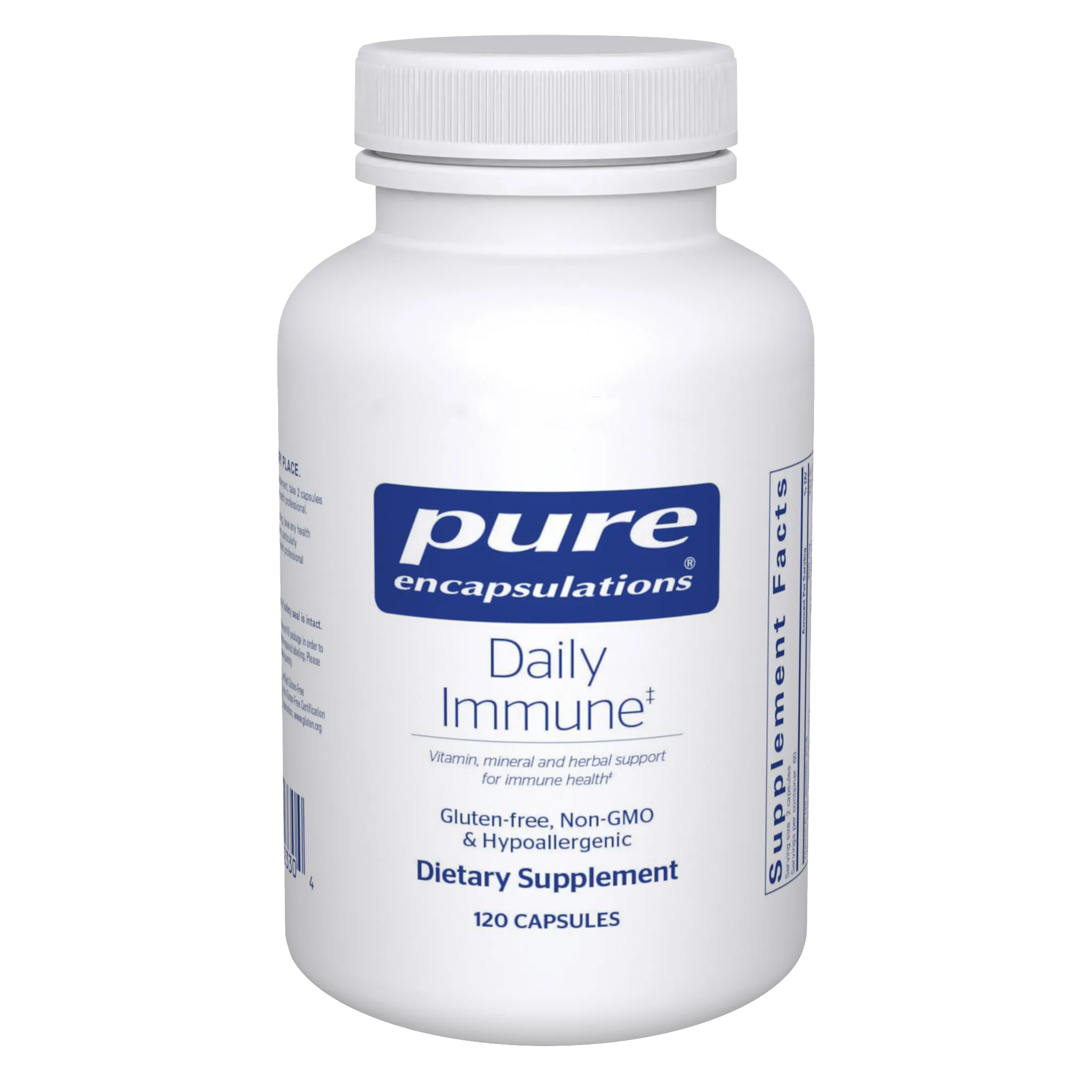
In the wake of the COVID-19 pandemic, researchers have uncovered that a failure of the immune system to return to its baseline state is a primary driver of these lingering illnesses. The body remains locked in a hyper-inflammatory loop, depleting essential micronutrients and leaving patients vulnerable to oxidative stress and viral reactivation. Finding ways to gently modulate—rather than aggressively stimulate—this dysfunctional immune response is a critical component of chronic illness management. This brings us to the potential benefits of comprehensive immune-supporting formulas like Daily Immune, which combines essential vitamins, bioflavonoids, and adaptogenic herbs to help restore cellular balance, stabilize mast cells, and support overall immune resilience.
TL;DR
Daily Immune combines vitamins, bioflavonoids, and adaptogens to support immune balance in complex chronic conditions.
Ingredients like Vitamin C, D3, and Zinc may help replenish micronutrients and neutralize oxidative stress.
Bioflavonoids and adaptogens support mast cell stability and help modulate the body's stress response.
Supplements work best alongside a holistic management strategy that includes pacing and radical rest.
What is Daily Immune?
A Comprehensive Approach to Immune Resilience
To understand how a comprehensive supplement like Daily Immune functions, we must first look at the natural, healthy state of the human immune system. In a healthy body, the immune response is a tightly regulated, highly coordinated system divided into two main branches: the innate immune system (our rapid, non-specific first line of defense) and the adaptive immune system (our slower, highly specific, memory-driven defense). When a pathogen enters the body, innate immune cells like macrophages and natural killer (NK) cells immediately attack the threat. Once the threat is neutralized, a healthy immune system deploys regulatory T-cells (Tregs) to signal an "all clear," halting the inflammatory cascade and allowing tissues to heal. This delicate balance of activation and suppression requires a massive amount of cellular energy and a constant supply of specific micronutrients to function correctly.
Daily Immune is formulated to provide the precise biochemical building blocks required for this intricate balancing act. Rather than relying on a single pathway, it utilizes a multi-target approach. It combines foundational micronutrients (Vitamin C, Vitamin D3, and Zinc) that act as structural and enzymatic cofactors, with powerful botanical extracts and bioflavonoids (like hesperidin and elderberry) that influence cellular signaling. Furthermore, it incorporates adaptogenic herbs (astragalus and eleuthero) designed to help the body manage the physiological stress that inevitably accompanies chronic immune activation. By addressing multiple interconnected pathways simultaneously, this formulation aims to support the entire spectrum of immune function, from initial cellular defense to the crucial resolution of inflammation.
The Role of Essential Micronutrients: Vitamin C, D3, and Zinc
At the molecular level, Vitamin C (ascorbic acid) is far more than just a cold remedy; it is a potent, water-soluble antioxidant and a critical electron donor. During an active immune response, immune cells generate massive amounts of reactive oxygen species (ROS) to destroy pathogens. While necessary, these ROS can cause severe collateral damage to surrounding tissues if not neutralized. Vitamin C donates electrons to these free radicals, neutralizing them and protecting cellular structures, particularly the delicate endothelial cells that line our blood vessels. Additionally, Vitamin C is actively transported into neutrophils (a type of white blood cell), enhancing their chemotaxis (ability to migrate to infection sites) and their phagocytic capacity (ability to engulf pathogens).
Vitamin D3 (cholecalciferol) functions more like a systemic prohormone than a traditional vitamin. Its active form, calcitriol, binds to Vitamin D Receptors (VDRs) which are densely located on the surfaces of almost all immune cells, including lymphocytes, macrophages, and dendritic cells. When Vitamin D binds to these receptors, it fundamentally alters gene expression. It promotes the production of natural antimicrobial peptides (like cathelicidins) while simultaneously suppressing the production of pro-inflammatory cytokines (such as IL-6 and TNF-α). Crucially, research indicates that Vitamin D is essential for the differentiation of regulatory T-cells (Tregs), the very cells responsible for preventing the immune system from attacking the body's own tissues.
Zinc, provided in this formula as highly bioavailable zinc citrate, is a trace mineral that serves as a structural component for over 300 metalloenzymes in the human body. It is absolutely vital for the development and function of both innate and adaptive immune cells. Zinc physically stabilizes the structure of "zinc-finger proteins," which are required for DNA replication and the rapid proliferation of immune cells during an active response. Furthermore, zinc acts as an intracellular signaling molecule that helps regulate systemic inflammation. When zinc levels are optimal, it helps prevent the excessive, prolonged release of inflammatory cytokines, acting as a natural brake on the immune system's inflammatory pathways.
Botanical Modulators and Adaptogenic Herbs
Beyond basic vitamins, Daily Immune incorporates complex botanical polysaccharides to modulate immune activity. Maitake mushroom extract is rich in specific complex carbohydrates known as beta-1,3 and beta-1,6-glucans. These beta-glucans are structurally recognized by specific receptors (like Dectin-1 and Toll-like receptors) on the surface of human macrophages. When these receptors bind to beta-glucans, it triggers a signaling cascade that "wakes up" the macrophage, enhancing its ability to clear cellular debris and recognize threats, a process thoroughly documented in integrative oncology and immunology research. Similarly, arabinogalactan, a densely branched polysaccharide, functions both as a prebiotic fiber that supports the gut-associated lymphoid tissue (GALT) and as a direct biological response modifier that enhances the cytotoxicity of natural killer (NK) cells.
The formula also includes adaptogens, specifically extracts of Astragalus root and Eleutherococcus (Siberian ginseng). Adaptogens are unique botanical substances that help the body resist physiological and psychological stress by modulating the hypothalamic-pituitary-adrenal (HPA) axis. The HPA axis controls the release of cortisol, our primary stress hormone. In healthy individuals, cortisol follows a natural diurnal rhythm, peaking in the morning to provide energy and tapering off at night. Astragalus and Eleuthero contain active compounds (like astragalosides and eleutherosides) that interact with cellular stress-response pathways, helping to upregulate protective proteins and stabilize cortisol production. This adaptogenic action is crucial for maintaining energy production and preventing the profound exhaustion that follows prolonged immune activation.
How Immune Dysregulation Impacts Long COVID and ME/CFS
The Hyper-Inflammatory Loop and Viral Persistence
To understand why supplements like Daily Immune are utilized by patients with complex chronic illnesses, we must examine how conditions like Long COVID and ME/CFS fundamentally alter the body's internal landscape. When a healthy person contracts a virus like SARS-CoV-2 or the Epstein-Barr Virus (EBV), the immune system mounts an attack, clears the virus, and returns to a state of rest. However, in patients who develop Long COVID or ME/CFS, this resolution phase fails. The immune system becomes trapped in a hyper-inflammatory loop. Recent studies exploring the causes of symptom persistence suggest that fragments of the virus may persist in tissue reservoirs, or that the initial infection triggered an autoimmune cascade, causing the immune system to continuously attack healthy cells.
This persistent state of alarm wreaks havoc on the body's micronutrient stores. During the acute phase of an infection, the body rapidly consumes its reserves of antioxidants and minerals. For example, inflammatory cytokines like IL-6 cause the liver to rapidly absorb zinc from the bloodstream—a process mediated by the Zip14 transporter—to restrict viral replication. Without adequate zinc and Vitamin D to promote the development of regulatory T-cells (Tregs), the immune system remains dominated by aggressive, pro-inflammatory Th1 and Th17 cells. This ongoing autoimmunity and immune dysregulation is a primary driver of the debilitating fatigue and systemic pain experienced by patients.
Mast Cell Activation and Histamine Overload
Another critical component of post-viral chronic illness is the dysregulation of mast cells. Mast cells are specialized white blood cells located in tissues throughout the body, particularly at boundaries like the skin, gut, and respiratory tract. They are packed with secretory granules containing histamine, tryptase, and various inflammatory cytokines. In a healthy state, mast cells only release these chemicals when encountering a genuine threat, like a parasite or a severe allergen. However, in patients with mast cell activation syndrome (MCAS)—a condition frequently co-occurring with Long COVID and dysautonomia—these cells become hyper-reactive and structurally unstable.
In MCAS, mast cells degranulate inappropriately in response to minor triggers such as temperature changes, specific foods, physical exertion, or even emotional stress. This chaotic release of histamine and other mediators floods the systemic circulation, leading to a cascade of unpredictable symptoms including sudden tachycardia, gastrointestinal distress, skin flushing, and profound neurological brain fog. The constant degranulation further fuels the systemic inflammatory fire, creating a vicious cycle where inflammation triggers mast cells, and mast cells release chemicals that cause more inflammation. Breaking this cycle requires targeted interventions that can physically stabilize the mast cell membrane and interrupt the intracellular signaling pathways that command the cell to release its contents.
Endothelial Dysfunction and Oxidative Stress
The continuous circulation of inflammatory cytokines and mast cell mediators takes a severe toll on the vascular system. The endothelium, the delicate single-cell layer lining our blood vessels, becomes damaged and inflamed. Emerging research on endothelial senescence argues that acute viral infections can induce a state where endothelial cells stop dividing but refuse to die, instead secreting a toxic cocktail of pro-inflammatory and procoagulant molecules. This senescence-associated secretory phenotype (SASP) leads to increased vascular permeability and the formation of microscopic blood clots (microclots) that are a hallmark of Long COVID.
These microclots block the tiny capillaries responsible for delivering oxygen and nutrients to tissues, particularly in the brain and skeletal muscles. This localized hypoxia (lack of oxygen) forces cells to switch to inefficient anaerobic metabolism, generating massive amounts of lactic acid and reactive oxygen species (ROS). This extreme oxidative stress rapidly depletes the body's remaining stores of Vitamin C and other endogenous antioxidants. When patients with ME/CFS or Long COVID attempt physical exertion, their compromised vascular system cannot deliver the required oxygen, and their depleted antioxidant defenses cannot neutralize the resulting free radicals, leading directly to the debilitating phenomenon known as post-exertional malaise (PEM). Understanding what causes Long COVID at this vascular level highlights the critical need for antioxidant and endothelial support.
Daily Immune: Supporting Immune Balance and Cellular Health
Reversing Micronutrient Depletion and Oxidative Stress
Daily Immune is specifically formulated to intervene in these vicious cycles of chronic illness by replenishing depleted stores and providing targeted cellular support. The inclusion of Vitamin C and Vitamin D3 directly addresses the profound micronutrient deficits observed in post-viral syndromes. By supplying a steady dose of ascorbic acid, the formula provides the necessary electron donors to neutralize the reactive oxygen species (ROS) generated by localized hypoxia and endothelial dysfunction. This antioxidant action helps protect the delicate endothelial lining from further damage, supporting vascular integrity and potentially aiding in the restoration of proper microcirculation.
Simultaneously, the Vitamin D3 (cholecalciferol) in the formula works to correct the underlying immune imbalance. Clinical data indicates that correcting Vitamin D deficiency is crucial for shifting the immune system away from a hyper-inflammatory Th1/Th17 dominance and back toward a state of tolerance mediated by regulatory T-cells (Tregs). By binding to the Vitamin D receptors on macrophages and lymphocytes, it helps dial down the production of autoantibodies and systemic inflammatory cytokines. Furthermore, the 10 mg of highly bioavailable zinc citrate helps reverse the acute hypozincemia triggered by the initial viral infection, providing the essential structural components needed for proper immune cell replication and helping to regulate the inflammatory signaling pathways that disrupt sleep and neurological function.
Stabilizing Mast Cells with Bioflavonoids
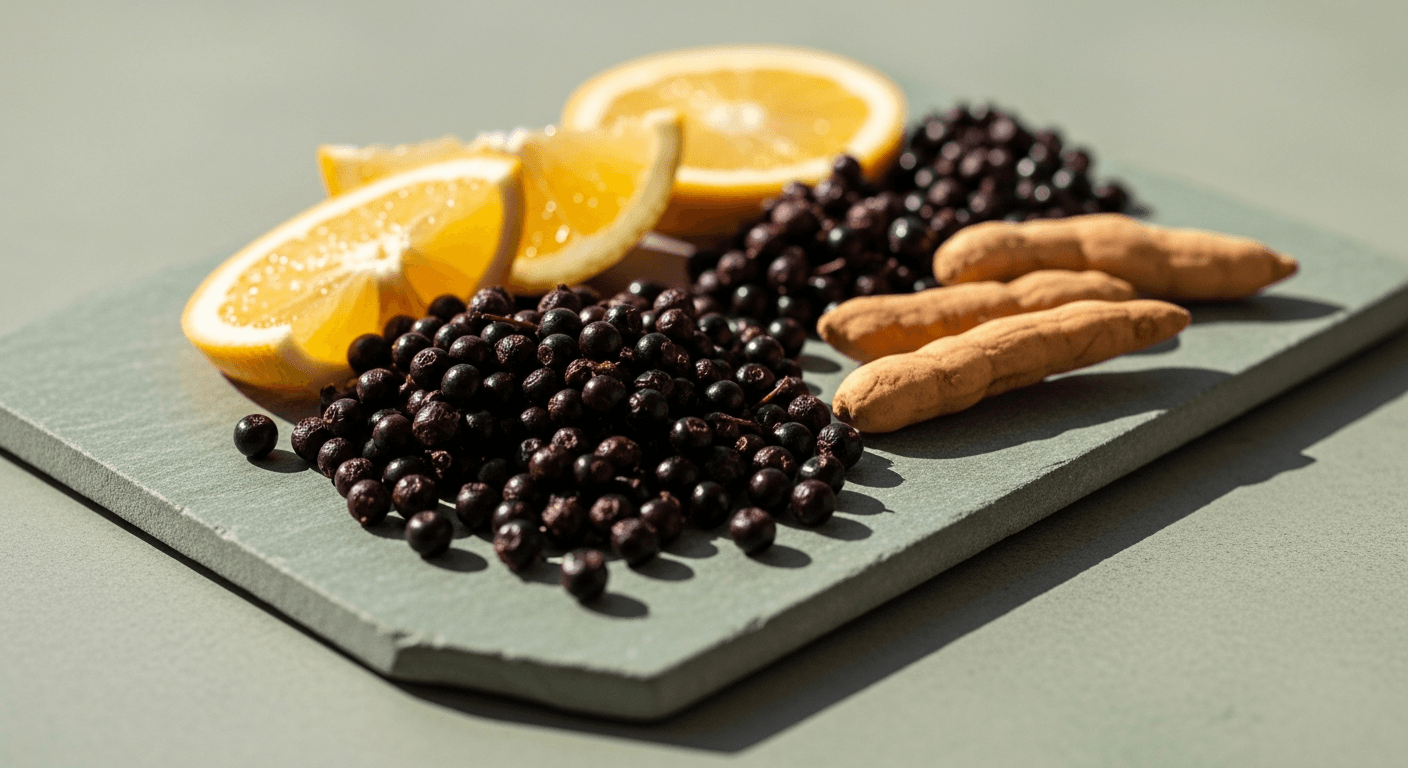
One of the most compelling aspects of this formula for patients with MCAS and Long COVID is its robust inclusion of bioflavonoids, specifically hesperidin methyl chalcone and citrus bioflavonoids. Hesperidin is a naturally occurring flavanone glycoside found abundantly in citrus fruits, and it acts as a powerful, natural mast cell stabilizer. Recent pharmacological studies have elucidated the exact molecular mechanisms by which hesperidin halts histamine release. During an allergic or MCAS reaction, mast cells release their granules via exocytosis. Hesperidin physically interacts with the lipid bilayers of the mast cell plasma membrane, generating an "inward membrane bending" that physically counteracts the outward exocytosis required to release histamine.
Beyond physical membrane stabilization, hesperidin interrupts the internal signaling cascades that trigger degranulation. It has been shown to inhibit the phosphorylation of Lyn kinase, which effectively blocks the intracellular mobilization of calcium (Ca2+)—a necessary step for mast cell activation. Furthermore, molecular docking simulations reveal that hesperidin can physically obstruct Stem Cell Factor (SCF) from binding to the c-kit receptor on the surface of mast cells, preventing the downstream activation of p38 MAPK and halting the production of pro-inflammatory cytokines like TNF-α. For patients relying on pharmaceuticals like ketotifen, natural bioflavonoids offer a complementary, mechanistic approach to calming hyper-reactive mast cells.
Modulating the HPA Axis with Adaptogens
The profound, unrefreshing fatigue characteristic of ME/CFS and Long COVID is intimately linked to the dysregulation of the hypothalamic-pituitary-adrenal (HPA) axis. Chronic illness places the body under immense, unyielding physiological stress, which can eventually lead to a blunted cortisol response, where the adrenal glands fail to produce enough cortisol to maintain energy levels and regulate inflammation. The adaptogenic herbs in Daily Immune—Astragalus and Eleutherococcus—are specifically included to support this compromised system.
Astragalus (Astragalus membranaceus) and Eleuthero (Eleutherococcus senticosus) work by interacting with the molecular chaperones and stress-activated protein kinases within our cells. They help to "tune" the HPA axis, gently stimulating cortisol production when it is pathologically low, and helping to clear excess cortisol when the body is locked in a sympathetic "fight or flight" state. Furthermore, Eleuthero has been shown to stimulate aerobic metabolism in the brain and promote vasodilation, improving oxygen extraction in muscle tissue. This mechanism is particularly relevant for combating the localized hypoxia and lactic acid buildup that drives post-exertional malaise (PEM), helping patients maintain a more stable baseline of energy throughout the day.
Enhancing Natural Killer (NK) Cell Activity
Finally, the botanical extracts in Daily Immune provide targeted support for innate immune surveillance, which is often severely compromised in ME/CFS. Patients with chronic fatigue syndrome frequently exhibit reduced Natural Killer (NK) cell cytotoxicity, meaning their immune system struggles to identify and clear out persistent viral fragments or senescent cells. The formula addresses this through the inclusion of Maitake mushroom extract, Arabinogalactan, and Elderberry extract.
The beta-glucans in Maitake and the complex polysaccharides in Arabinogalactan act as biological response modifiers. When these compounds interact with the gut-associated lymphoid tissue (GALT), they stimulate the proliferation and enhance the direct cytotoxic activity of NK cells. Research demonstrates that Arabinogalactan can significantly increase the production of interferon-gamma (IFN-γ), a key signaling molecule that directs NK cells to destroy infected or malfunctioning cells. Meanwhile, the anthocyanins in Elderberry (Sambucus nigra) provide acute immunomodulatory effects, inducing macrophages to secrete the necessary cytokines to maintain a vigilant, yet balanced, immune defense against opportunistic viral reactivations.
Symptoms Daily Immune May Help Manage
Targeted Symptom Relief for Complex Conditions
Post-Exertional Malaise (PEM) and Severe Fatigue: The adaptogens Astragalus and Eleuthero help modulate the HPA axis and support aerobic metabolism, while Vitamin C and Zinc neutralize the exercise-induced oxidative stress that damages endothelial cells. This combined action helps improve cellular oxygen delivery, potentially raising the threshold at which exertion triggers a debilitating crash.
Allergic-like Reactions and Histamine Intolerance: The potent bioflavonoids, particularly hesperidin methyl chalcone, act as natural mast cell stabilizers. By physically altering the mast cell membrane and blocking intracellular calcium mobilization, they help prevent the chaotic degranulation of histamine, reducing symptoms like sudden flushing, tachycardia, and gastrointestinal distress associated with MCAS.
Brain Fog and Neuroinflammation: Chronic neuroinflammation is driven by systemic cytokines crossing the blood-brain barrier and activating microglial cells. Vitamin D3 helps suppress the production of these pro-inflammatory cytokines (like IL-6 and TNF-α), while the antioxidant capacity of Vitamin C protects delicate neural tissues from free radical damage, helping to clear the heavy, cognitive dysfunction known as brain fog.
Frequent Viral Reactivations and Infections: Patients with ME/CFS often suffer from the reactivation of dormant viruses (like EBV) due to compromised innate immunity. The beta-glucans in Maitake mushroom and the polysaccharides in Arabinogalactan directly stimulate macrophage phagocytosis and enhance the cytotoxicity of Natural Killer (NK) cells, improving the body's ability to suppress opportunistic viral activity.
Unrefreshing Sleep and Autonomic Dysfunction: The profound micronutrient depletion seen in Long COVID, particularly acute hypozincemia, disrupts the neurological pathways that regulate sleep architecture. Replenishing zinc stores helps regulate systemic inflammation and supports the neurological signaling required for deep, restorative sleep phases, while adaptogens help calm the sympathetic nervous system's "fight or flight" overdrive.
Practical Considerations: Forms, Dosing, and Absorption
Bioavailable Nutrient Forms and Absorption
When dealing with complex chronic illnesses, the gastrointestinal tract is often inflamed or compromised, making the bioavailability of supplements a critical factor. Daily Immune is formulated with specific nutrient forms designed for optimal absorption. For example, the zinc in this formula is provided as zinc citrate. Compared to cheaper forms like zinc oxide, zinc citrate is highly water-soluble and significantly more bioavailable, ensuring that the mineral can effectively cross the intestinal barrier and enter systemic circulation without causing the severe nausea often associated with poorly absorbed zinc supplements.
Similarly, the formula utilizes hesperidin methyl chalcone rather than standard hesperidin. Standard hesperidin is notoriously poorly soluble in water, which severely limits its absorption in the human gut. By modifying the compound into hesperidin methyl chalcone, its water solubility is drastically increased, allowing for rapid absorption into the bloodstream where it can effectively reach and stabilize systemic mast cells. The Vitamin D is provided as cholecalciferol (D3), which clinical studies consistently show is far more effective at raising and maintaining serum 25-hydroxyvitamin D levels than the plant-derived Vitamin D2 (ergocalciferol).
Timing and Absorption Strategies
To maximize the efficacy of Daily Immune, timing and co-ingestion factors should be considered. Because the formula contains Vitamin D3, a fat-soluble vitamin, it is highly recommended to take the capsules alongside a meal that contains healthy fats (such as avocado, olive oil, or nuts). The presence of dietary fat stimulates the release of bile acids, which form micelles that transport the Vitamin D across the intestinal wall. Taking fat-soluble vitamins on an empty stomach can significantly reduce their absorption rate.
The suggested use is two capsules daily. For patients with sensitive nervous systems or severe dysautonomia, it is often advisable to split the dose—taking one capsule with breakfast and one with lunch. This split dosing ensures a steady, sustained release of water-soluble Vitamin C and bioflavonoids throughout the day, preventing the rapid peaks and troughs in blood concentration that can occur with a single large dose. Because the adaptogens (Eleuthero and Astragalus) can have a mild stimulating effect on cellular metabolism and cortisol production, it is generally best to avoid taking this supplement late in the evening to prevent potential interference with sleep architecture.
Safety, Contraindications, and Pacing
While the ingredients in Daily Immune are generally recognized as safe, patients with complex chronic conditions must approach any new supplement with caution. Because Astragalus and Maitake actively stimulate aspects of the immune system, individuals taking prescription immunosuppressant medications (such as those for organ transplants or severe autoimmune diseases) should consult their physician before use, as these botanicals could theoretically counteract the medication's effects. Furthermore, patients with severe liver or kidney disease should exercise caution with Eleutherococcus.
It is also important to be aware of the potential for a "Jarisch-Herxheimer" reaction. In patients with severe ME/CFS and high underlying viral loads, gently upregulating the immune system's ability to fight pathogens can occasionally trigger a temporary worsening of fatigue and inflammatory symptoms as the immune system clears out cellular debris. If you experience a sudden flare in symptoms, it may be necessary to reduce the dosage and slowly titrate up. Most importantly, supplements are not a replacement for radical rest and pacing. As you learn how a doctor diagnoses Long COVID and ME/CFS, it becomes clear that managing your energy envelope remains the cornerstone of recovery; supplements like Daily Immune are tools to support that foundational strategy, not a license to push through fatigue.

Follow the Science
Clinical Trials on Adaptogens and Post-Viral Fatigue
The use of adaptogens for post-viral fatigue syndromes has gained significant traction in recent clinical literature. A 2024 triple-blind, randomized, controlled trial published in BMJ Supportive & Palliative Care investigated the efficacy of Astragalus root extract on 64 healthcare workers suffering from post-COVID-19 chronic fatigue syndrome. Participants received either 500 mg of Astragalus extract twice daily or a placebo for one month. The results were striking: at the end of the intervention, only 13.8% of the participants in the Astragalus group still met the diagnostic criteria for CFS, compared to a staggering 80% in the placebo group. This profound reduction highlights the potential of Astragalus to modulate the HPA axis and restore energy production in post-viral states.
While adaptogens are often discussed for recovery, it is important to verify sources carefully.
The Evidence for Micronutrients in Long COVID
The foundational micronutrients in Daily Immune are heavily supported by recent epidemiological and clinical data regarding Long COVID. The role of Vitamin D in preventing severe post-viral sequelae is particularly well-documented. A comprehensive observational study on Long COVID odds found that post-hospitalized COVID-19 patients with Vitamin D deficiency (<20 ng/mL) had a 5.8-fold higher risk of developing Long COVID compared to those with sufficient levels. The researchers noted that correcting this deficiency is a critical step in dampening the autoimmune responses triggered by the viral spike protein.
While Vitamin C is often discussed for managing Long COVID symptoms, clinical evidence in this area remains limited.
Mast Cell Stabilization Research
The inclusion of hesperidin as a mast cell stabilizer is backed by precise, quantitative pharmacological research. A recent 2024 study investigating citrus constituents on rat peritoneal mast cells demonstrated hesperetin's potent, dose-dependent ability to halt the exocytosis of histamine. In the control group, an allergic trigger caused 99.6% of the mast cells to undergo degranulation. However, when the cells were exposed to just 0.25 mM of hesperetin, the percentage of degranulating mast cells plummeted to 55.6%. At higher concentrations (1 mM), the degranulation process was essentially shut down entirely, reduced to a mere 0.93%. This remarkable data provides a clear, mechanistic validation for the use of bioflavonoids in managing the chaotic histamine release seen in MCAS and Long COVID.
The Path Forward
Validating the Complex Chronic Illness Experience
Living with Long COVID, ME/CFS, or MCAS is a profoundly exhausting experience, not just physically, but emotionally. Navigating a medical system that often lacks clear answers while fighting a body that feels like it is constantly overreacting to the world around it requires immense resilience. It is crucial to remember that your symptoms—the crushing fatigue, the sudden brain fog, the unpredictable allergic reactions—are not a result of deconditioning or anxiety. They are the tangible results of profound, measurable physiological disruptions: depleted micronutrients, hyper-reactive mast cells, endothelial damage, and a dysregulated HPA axis. Validating this biological reality is the first step toward effective management.
A Holistic Approach to Recovery
While the science behind the ingredients in Daily Immune is compelling, it is important to maintain a realistic perspective on recovery. There is no single miracle pill that will instantly cure complex post-viral syndromes. Supplements are powerful tools designed to support your body's innate healing mechanisms, but they work best when integrated into a comprehensive, holistic management strategy. This strategy must include rigorous symptom tracking, radical rest, strict pacing to avoid post-exertional malaise, and ongoing collaboration with a knowledgeable healthcare provider who understands the nuances of whether Long COVID can trigger ME/CFS. By gently providing your cells with the nutrients, bioflavonoids, and adaptogens they need to restore balance, you are laying a critical foundation for long-term immune resilience and an improved quality of life.
Disclaimer: The information provided in this blog is for educational purposes only and is not intended as medical advice. Always consult with your healthcare provider before starting any new supplement regimen, especially if you have complex chronic conditions, are taking prescription medications, or are pregnant or nursing.
Sources
Association Between Vitamin D Levels and Long COVID Signs and Symptoms (MDPI)
Lemon Juice and Peel Constituents Potently Stabilize Rat Peritoneal Mast Cells (J-STAGE)
Larch Arabinogalactan: Clinical Relevance of a Complex Macrophage-Activating Polysaccharide (PMC)
Elderberry Supplementation Reduces Cold Duration and Symptoms in Air-Travellers (PMC)
Causes of symptoms and symptom persistence in long COVID and ME/CFS (Cell Reports Medicine)