Can High-Dose Vitamin D, K2, and GG Support Recovery in Long COVID and Dysautonomia?
March 5, 2026
Vitamin DVitamin K2Geranylgeraniol
Share:
Disclaimer: The information provided here is for educational purposes only and is not intended as medical advice. It should not be used to diagnose, treat, cure, or prevent any medical condition. Instead, use it as a starting point for discussion with your healthcare provider. Always consult with a qualified healthcare provider before starting any new medication, supplement, device, or making changes to your health regimen.
Months after recovering from an initial viral infection, many people find themselves fighting a complex web of debilitating symptoms—a reality we now recognize as Long COVID or myalgic encephalomyelitis/chronic fatigue syndrome (ME/CFS). You might be doing everything right, pacing your energy, and tracking your symptoms, yet you still experience profound exhaustion, brain fog, and a racing heart every time you stand up. When dealing with these invisible, systemic illnesses, it is easy to feel overwhelmed by the sheer number of bodily systems that seem to be malfunctioning all at once. For many patients, the journey to finding validating, science-backed answers involves looking deeply at the foundational building blocks of cellular health, immune regulation, and vascular function.
One of the most critical, yet frequently misunderstood, areas of nutritional support involves the intricate dance between fat-soluble vitamins. While most people are familiar with the importance of Vitamin D for bone health, emerging research paints a much more complex picture. In the context of chronic illness, Vitamin D acts as a powerful immune-modulating hormone, but it cannot work alone. It requires the synergistic support of Vitamin K (both K1 and K2) to properly direct calcium in the body, and a lesser-known compound called geranylgeraniol (GG) to ensure these vitamins are synthesized and utilized effectively. Understanding how these nutrients interact at a molecular level provides crucial insights into managing the vascular and immune dysregulation seen in Long COVID, dysautonomia, and ME/CFS.
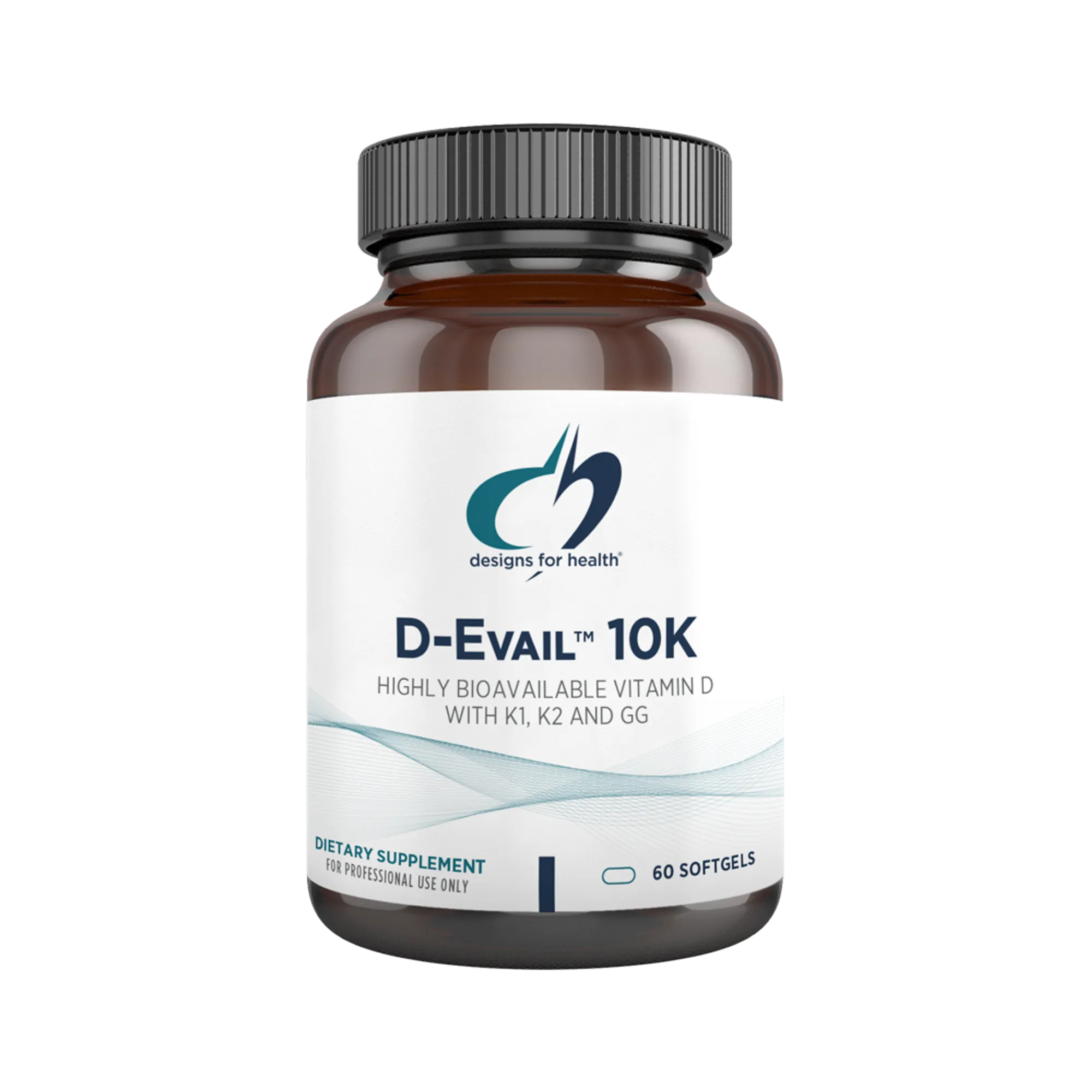
What is D-Evail™ 10K (Vitamin D, K, and GG)?
The Sunshine Hormone: Understanding Vitamin D3
Vitamin D3 (cholecalciferol) is far more than a simple nutrient; it is a potent steroid hormone that governs the expression of over 1,000 genes throughout the human body. When you synthesize Vitamin D from sunlight or ingest it via supplementation, it travels to the liver where it is converted into 25-hydroxyvitamin D, the primary circulating form measured in blood tests. From there, the kidneys convert it into its active, hormonal form known as 1,25-dihydroxyvitamin D (calcitriol). This active hormone binds directly to the Vitamin D Receptor (VDR), which is densely expressed on almost all cells of the immune system, including macrophages, B cells, and T cells. By interacting with these receptors, Vitamin D acts as a master regulator of the immune response, preventing it from becoming either too sluggish or dangerously overactive.
In a healthy body, Vitamin D is also the primary driver of calcium absorption in the gut. Without adequate Vitamin D, the body can only absorb about 10% to 15% of dietary calcium, leading to weakened bone density and structural instability. However, absorbing calcium into the bloodstream is only the first step of a complex physiological process. Once calcium enters the blood, it requires precise biological instructions to ensure it reaches the bones and teeth rather than depositing into the soft tissues, joints, or arterial walls. This is where the critical partnership with other fat-soluble vitamins becomes absolutely essential for long-term health.
The Calcium Directors: Vitamins K1 and K2 (MK-4)
While Vitamin D opens the door for calcium to enter the bloodstream, Vitamin K acts as the biological traffic cop that directs where that calcium should go. Vitamin K exists in two primary forms, each serving distinct but complementary roles. Vitamin K1 (phytonadione) is predominantly utilized by the liver to activate proteins required for healthy blood clotting. In contrast, Vitamin K2 is utilized by extrahepatic (non-liver) tissues, including the brain, bones, and blood vessels. The specific subtype of Vitamin K2 known as MK-4 (menaquinone-4) is particularly unique because it is the only form of Vitamin K that is synthesized locally within human tissues rather than by gut bacteria.
At the molecular level, Vitamin K2 (MK-4) functions as an essential cofactor for the enzyme gamma-glutamyl carboxylase. This enzyme is responsible for a process called carboxylation, which activates specific vitamin K-dependent proteins (VKDPs). The most important of these proteins is osteocalcin, which binds calcium to the bone matrix, and Matrix Gla Protein (MGP), which acts as a powerful calcium chelator in the bloodstream. By activating MGP, Vitamin K2 ensures that free-floating calcium is swept out of the arterial walls and safely deposited into the skeletal system, preventing the dangerous vascular calcification that can impair blood flow and cardiovascular health.
The Missing Link: Geranylgeraniol (GG)
The final piece of this biochemical puzzle is geranylgeraniol (GG), a naturally occurring isoprenoid compound that is synthesized inside the body via the mevalonate pathway. The mevalonate pathway is the same metabolic cascade responsible for producing cholesterol, and it is the exact pathway targeted by statin medications. Within this cascade, GG is converted into its active form, geranylgeranyl pyrophosphate (GGPP). GGPP is an absolute biological necessity because it serves as the direct building block for the endogenous synthesis of Vitamin K2 (MK-4) and Coenzyme Q10 (CoQ10), the molecule responsible for producing cellular energy (ATP) in the mitochondria.
Without sufficient GG, the body's UBIAD1 enzyme cannot synthesize Vitamin K2 locally in the tissues, regardless of how much Vitamin K1 you consume. Furthermore, GG is required for a process called protein prenylation, which allows cells to communicate and repair muscle tissue. Because modern diets are often deficient in GG, and because widely prescribed medications like statins actively block its production, supplementing with GG (often extracted from the annatto plant) provides the essential raw materials needed to keep the Vitamin K cycle running, support mitochondrial energy production, and maintain optimal cellular repair mechanisms.
How Long COVID and Dysautonomia Impact Immune and Vascular Systems
Viral Persistence and Immune Exhaustion
To understand What Causes Long COVID?, we must examine the profound immune dysregulation that occurs following the acute SARS-CoV-2 infection. In many patients, the immune system fails to return to its baseline resting state, leading to a phenomenon known as immune exhaustion or persistent viral activation. During this state, the body continuously produces pro-inflammatory cytokines, such as Interleukin-6 (IL-6) and Tumor Necrosis Factor-alpha (TNF-α). This persistent "cytokine storm" creates a highly oxidative environment that damages healthy tissues, disrupts mitochondrial energy production, and drives the severe, unremitting fatigue that characterizes Long COVID and ME/CFS.
This chronic inflammatory state rapidly depletes the body's reserves of immune-modulating nutrients, particularly Vitamin D. Because Vitamin D is required to power the T-regulatory (Treg) cells that calm the immune system down, a deficiency allows the inflammation to spiral out of control. Furthermore, studies have shown that the SARS-CoV-2 virus can directly interfere with the Vitamin D Receptor (VDR), making the cells less sensitive to the Vitamin D that is available. This creates a vicious cycle: the viral infection depletes Vitamin D, and the resulting deficiency prevents the immune system from clearing the lingering viral fragments and resolving the inflammation.
Endothelial Dysfunction and Autonomic Nervous System Strain
Beyond immune exhaustion, Long COVID and dysautonomia are fundamentally driven by vascular and endothelial dysfunction. The endothelium is the delicate inner lining of your blood vessels, responsible for regulating blood pressure, preventing inappropriate clotting, and ensuring oxygen reaches your tissues. SARS-CoV-2 binds directly to ACE2 receptors on these endothelial cells, causing massive vascular inflammation and downregulating the protective Renin-Angiotensin-Aldosterone System (RAAS). When the endothelium is damaged, blood vessels become stiff and lose their ability to constrict and dilate properly—a primary driver of the symptoms seen in dysautonomia and Postural Orthostatic Tachycardia Syndrome (POTS).
In a healthy vascular system, Vitamin K2 (MK-4) activates Matrix Gla Protein (MGP) to keep calcium out of the arterial walls, preserving the elasticity of the blood vessels. However, in states of chronic inflammation and oxidative stress, the body's demand for Vitamin K2 skyrockets. If the body is deficient in K2 or its precursor, GG, MGP remains inactive. Calcium begins to deposit into the inflamed endothelial lining, further stiffening the blood vessels. For a patient with dysautonomia, this vascular stiffness is catastrophic, as the autonomic nervous system relies on flexible, responsive blood vessels to push blood upward against gravity when standing.
The Housebound Reality: Why Deficiency is So Common
For individuals navigating the complexities of these conditions, the physical limitations of the illness itself often exacerbate nutritional deficiencies. Can Long COVID Trigger ME/CFS? Unraveling the Connection is a question many patients ask when they begin experiencing post-exertional malaise (PEM)—a severe worsening of symptoms following even minor physical or cognitive exertion. Because PEM forces many patients to become housebound or bedbound to manage their symptoms, their exposure to natural sunlight drops to near zero. This lack of ultraviolet B (UVB) radiation halts the natural synthesis of Vitamin D in the skin.
As Vitamin D levels plummet due to isolation, the immune system becomes further dysregulated, and calcium absorption drops. The body, desperate to maintain calcium levels in the blood for basic heart function, begins leaching calcium from the bones. This secondary complication leads to deep bone pain, muscle aches, and a heightened risk of osteoporosis, adding another layer of debilitating symptoms to an already complex clinical picture. Breaking this cycle requires targeted, high-potency nutritional intervention that addresses both the immune and vascular systems simultaneously.
D-Evail™ 10K: Supporting Immune, Bone, and Cardiovascular Function
Vitamin D3's Role in Immune Modulation and Treg Cells
Supplementing with a high-potency dose of Vitamin D3 provides the immune system with the critical signaling molecules it needs to transition out of a chronic inflammatory state. At the cellular level, Vitamin D binds to the VDR on immune cells and actively downregulates the genetic expression of pro-inflammatory cytokines like IL-6 and TNF-α. Simultaneously, it upregulates the production of Interleukin-10 (IL-10), a powerful anti-inflammatory cytokine that promotes tissue healing. By shifting this cytokine balance, Vitamin D helps quiet the persistent "cytokine storm" that drives the systemic fatigue and brain fog in Long COVID patients.
Furthermore, Vitamin D is essential for the proliferation and function of T-regulatory (Treg) cells. These specialized white blood cells act as the immune system's brakes, preventing it from attacking the body's own tissues. In many complex chronic illnesses, Treg cell populations are severely depleted, leading to autoimmune-like symptoms and the production of autoantibodies. By restoring optimal Vitamin D levels, the body can rebuild its Treg cell populations, re-establishing immune tolerance and reducing the autoimmune reactivity that often follows severe viral infections.
Vitamin K2, Matrix Gla Protein (MGP), and Vascular Tone
While Vitamin D modulates the immune response, the inclusion of Vitamin K1 and K2 (MK-4) in D-Evail™ 10K directly targets the vascular dysfunction seen in dysautonomia. When you consume high doses of Vitamin D, your body absorbs significantly more calcium from your diet. Without Vitamin K2, this excess calcium can dangerously deposit into the inflamed blood vessels. Vitamin K2 acts as the essential cofactor for the gamma-glutamyl carboxylase enzyme, which converts inactive uncarboxylated MGP (ucMGP) into its active, carboxylated form (cMGP).
Once activated, MGP acts as a biological usher, binding to free calcium ions in the bloodstream and preventing them from crystallizing in the endothelial lining. By keeping the arteries clear of calcium deposits, Vitamin K2 preserves the structural elasticity of the blood vessels. For patients with POTS and dysautonomia, this vascular flexibility is crucial. It allows the blood vessels to properly constrict upon standing, preventing the blood pooling in the lower extremities that triggers tachycardia, dizziness, and orthostatic intolerance. Additionally, K2 activates osteocalcin, ensuring that the calcium is safely integrated into the bone matrix, protecting against the bone density loss associated with being housebound.
How GG Rescues Mitochondrial Function and K2 Synthesis
The inclusion of geranylgeraniol (GG) is what makes this formulation uniquely comprehensive. As a direct precursor in the mevalonate pathway, GG ensures that the body has the raw materials necessary to synthesize its own internal supply of Vitamin K2 (MK-4) via the UBIAD1 enzyme. This is particularly vital for patients experiencing chronic oxidative stress, as their endogenous production of MK-4 is often severely compromised. By supplying exogenous GG, the supplement bypasses any metabolic blockades and guarantees that the Vitamin K cycle remains active and efficient.
Moreover, GG is the direct biological precursor to Coenzyme Q10 (CoQ10), the molecule responsible for electron transport and ATP (energy) production within the mitochondria. In ME/CFS and Long COVID, mitochondrial dysfunction is a primary driver of post-exertional malaise (PEM). By providing the GG necessary to synthesize CoQ10, this formulation supports cellular bioenergetics from the ground up. Finally, GG facilitates protein prenylation, a cellular process required for muscle repair and signaling. For patients suffering from statin-induced muscle pain or the deep, aching muscle fatigue of chronic illness, GG provides the molecular scaffolding needed to repair damaged muscle fibers and restore physical function.
Symptoms Vitamin D, K2, and GG May Help Manage
Targeted Symptom Relief for Complex Conditions
Because Vitamin D3, K2, and GG operate at the foundational levels of immune regulation, vascular health, and mitochondrial energy production, their combined supplementation can address a wide array of systemic symptoms. While nutritional supplements are not cures, restoring these critical biochemical pathways can significantly improve quality of life and reduce the severity of the daily challenges faced by patients with complex chronic illnesses.
Here are the specific symptoms this combination targets and the mechanisms behind the relief:
Severe Fatigue and Post-Exertional Malaise (PEM): By providing GG to support the endogenous synthesis of CoQ10, this combination enhances mitochondrial ATP production, addressing the cellular energy deficits that drive profound exhaustion and crashes after exertion.
Orthostatic Intolerance and Dizziness: Vitamin K2 (MK-4) activates Matrix Gla Protein (MGP), preventing arterial calcification and preserving the vascular elasticity required for the autonomic nervous system to properly regulate blood pressure upon standing.
Deep Muscle Aches and Statin-Induced Pain: GG facilitates protein prenylation, a cellular process essential for repairing damaged muscle fibers and reversing the muscle myopathy often caused by statin medications or chronic oxidative stress.
Bone Pain and Density Loss: The synergistic action of high-dose Vitamin D3 (increasing calcium absorption) and Vitamin K2 (activating osteocalcin) ensures that calcium is safely deposited into the skeletal system, mitigating the bone pain and osteoporosis risk associated with being housebound.
Brain Fog and Cognitive Dysfunction: By downregulating pro-inflammatory cytokines (like IL-6) and upregulating anti-inflammatory IL-10, Vitamin D3 helps quiet the neuroinflammation and systemic "cytokine storm" that impairs cognitive processing and memory.
Frequent Infections and Immune Dysregulation: Vitamin D binds to the VDR on immune cells to stimulate the production of antimicrobial peptides (like cathelicidin) and restore T-regulatory cell populations, helping the body fight off secondary infections while preventing autoimmune reactivity.
Addressing Secondary Complications
It is important to recognize that many symptoms of Long COVID and ME/CFS are compounded by secondary nutritional deficiencies. When a patient is bedbound and unable to access sunlight, the resulting severe Vitamin D deficiency creates its own distinct set of symptoms—such as diffuse musculoskeletal pain and sleep disturbances—that overlap with and magnify the primary illness. By aggressively correcting this deficiency with a clinically relevant dose of Vitamin D3, alongside the protective mechanisms of K2 and GG, patients can peel back these secondary layers of suffering, allowing them to focus their energy on comprehensive pacing and rehabilitation strategies.
Practical Considerations: Forms, Dosing, and Absorption
Evail™ Technology and Superior Bioavailability
One of the most significant challenges with fat-soluble vitamins (A, D, E, and K) is ensuring they are actually absorbed through the intestinal wall and into the bloodstream, especially in patients with gastrointestinal inflammation or dysautonomia-related motility issues. D-Evail™ 10K utilizes proprietary Evail™ technology to overcome these absorption barriers. This advanced delivery system combines the vitamins with quillaja extract—a natural botanical that acts as an emulsifier—and medium-chain triglycerides (MCTs).
At the molecular level, the quillaja extract and MCTs work together to form micelles around the vitamin molecules. Micelles are tiny, lipid-based structures that mimic the body's natural digestive process, allowing the fat-soluble vitamins to easily pass through the watery environment of the digestive tract and be absorbed directly into the lymphatic system. Because the supplement is already pre-emulsified in this highly bioavailable softgel format, it significantly reduces the digestive burden on the patient and ensures that the therapeutic doses of D3, K1, K2, and GG actually reach the systemic circulation where they are needed most.
Understanding the 10,000 IU Dosage
Providing 10,000 IU (250 mcg) of Vitamin D3 per softgel, this formulation is considered a high-potency, clinically relevant dose. It is specifically designed for individuals with documented, severe Vitamin D deficiency, or those whose chronic illness, genetic VDR polymorphisms, or housebound status requires aggressive intervention to restore optimal serum levels. When treating severe deficiency, clinical trials have demonstrated that short-term use of 10,000 IU daily is highly effective and safe for rapidly raising 25(OH)D blood levels into the therapeutic, immune-modulating range (typically 40-60 ng/mL).
However, it is crucial to understand that 10,000 IU daily is generally not intended for indefinite, lifelong use in healthy individuals. The landmark Calgary Vitamin D Trial revealed that while short-term high dosing is beneficial for deficiency, taking 10,000 IU daily for multiple years without monitoring can actually lead to a paradoxical decrease in bone mineral density and an increased risk of hypercalciuria (excess calcium in the urine). This highlights the absolute necessity of the included Vitamin K2 to manage calcium distribution, and underscores the importance of working with a healthcare provider to monitor your blood levels and adjust your dosage once your deficiency has been resolved.
Safety, Timing, and Potential Interactions
For optimal absorption and to mimic the body's natural circadian rhythms, it is generally recommended to take Vitamin D supplements in the morning or early afternoon with a meal that contains some healthy fats (such as avocado, olive oil, or nuts), even though the Evail™ technology provides its own lipid base. Taking high doses of Vitamin D late in the evening may interfere with natural melatonin production and disrupt sleep architecture, which is already a significant struggle for many ME/CFS and Long COVID patients.
Regarding safety and interactions, patients taking prescription blood thinners (anticoagulants) such as Warfarin (Coumadin) must exercise extreme caution. Because this formulation contains 1,000 mcg of Vitamin K1 (phytonadione)—the form of Vitamin K that directly promotes blood clotting—it can directly antagonize the effects of Warfarin and alter your INR (International Normalized Ratio) levels. Always consult your prescribing physician before introducing any Vitamin K supplement if you are on anticoagulant therapy. Additionally, regular blood testing for serum 25(OH)D and serum calcium is highly recommended to ensure you stay within safe, therapeutic ranges and avoid hypercalcemia.
Follow the Science
Vitamin D Deficiency as a Risk Factor for Long COVID
The link between severe viral outcomes and Vitamin D deficiency has been one of the most heavily researched topics in recent years. A pivotal prospective cohort study published in the European Journal of Cardiovascular Medicine followed 350 post-hospitalized COVID-19 patients. The researchers discovered that at the time of hospital discharge, over half of the patients were clinically deficient in Vitamin D. At the 6-month follow-up, a staggering 68.1% of the Vitamin D deficient patients had developed Long COVID, compared to only 42.9% of those with sufficient levels.
After adjusting for confounding variables like age and acute disease severity, the study concluded that Vitamin D deficiency was independently associated with a 2.35 times higher risk of developing Long COVID. Furthermore, the researchers noted that patients deficient in Vitamin D reported significantly higher severity scores specifically for debilitating fatigue and cognitive dysfunction (brain fog). These findings underscore the critical role of Vitamin D in modulating the post-viral immune response and preventing the chronic inflammation that drives long-term symptoms.
The Synergistic Effects of D3 and K2 in Clinical Trials
While Vitamin D alone is crucial, recent clinical trials have highlighted the profound synergistic benefits of combining it with Vitamin K2. A recent randomized controlled trial published in MDPI (January 2025) investigated the effects of combined Vitamins K2 and D3 on individuals with established Long COVID. The researchers found a statistically significant reduction in the total number of Long COVID symptoms among the treatment group, with particularly notable improvements in body pain and post-exertional malaise (PEM).
The study concluded that the K2/D3 combination effectively alleviated symptoms by resolving systemic inflammation, modulating immune activation, and protecting vascular integrity. This clinical data strongly supports the mechanistic theory that Do Long COVID Symptoms Come and Go? is often dictated by fluctuating levels of vascular inflammation and immune exhaustion, both of which are directly mitigated by the synergistic action of carboxylated MGP (via K2) and VDR activation (via D3).
GG's Emerging Role in Muscle and Cellular Health
Geranylgeraniol (GG) is rapidly emerging as a focal point in research regarding mitochondrial health, muscle repair, and medication-induced myopathy. Because statin medications block the mevalonate pathway, they inadvertently choke off the body's supply of GG, leading to Statin-Associated Muscle Symptoms (SAMS). Research published in MDPI and extensive in-vitro studies have demonstrated that administering exogenous GG directly rescues cells from statin-induced mitochondrial damage, restoring DNA synthesis and cellular growth.
Furthermore, animal models have shown that GG supplementation completely negates statin-induced fatigue and muscle strength reductions by restoring the protein prenylation required for muscle fiber repair. Beyond statin rescue, GG has exhibited powerful anti-inflammatory properties. Studies indicate that GG heavily suppresses lipopolysaccharide (LPS)-induced inflammation by inhibiting the NF-κB activation pathway and suppressing inflammatory cytokines like IL-1β and IL-6. This makes GG a highly promising therapeutic compound for addressing the chronic, systemic inflammation and deep muscle fatigue experienced by patients with complex chronic illnesses.
The Path Forward
Integrating Nutritional Support into Your Care Plan
Living with invisible, unpredictable conditions like Long COVID, ME/CFS, and dysautonomia is an incredibly frustrating and exhausting journey. When your body feels like it is constantly working against you, understanding the deep, molecular reasons behind your symptoms can be profoundly validating. The severe fatigue, racing heart, and deep bone aches you experience are not in your head; they are the result of measurable physiological disruptions in your immune system, vascular endothelium, and mitochondrial energy pathways. Addressing these disruptions requires patience, compassion for yourself, and a scientifically grounded approach to cellular healing.
While D-Evail™ 10K provides a powerful, high-potency combination of Vitamin D3, K1, K2, and GG to support these critical pathways, it is important to remember that supplements are just one piece of a comprehensive management strategy. True healing involves a multifaceted approach that includes aggressive rest, strict energy pacing to avoid PEM, nervous system regulation, and targeted nutritional support to provide your body with the raw materials it needs to repair itself. Learning How Can You Live with Long-Term COVID means building a toolkit of strategies that honor your body's current limitations while gently supporting its capacity for recovery.
A Collaborative Approach to Healing
Because this formulation contains a clinically high dose of Vitamin D3 and active Vitamin K1, it is imperative that you do not navigate this intervention alone. Always consult with your healthcare provider or a knowledgeable functional medicine practitioner before starting high-dose fat-soluble vitamins, especially if you are taking blood thinners or have a history of kidney stones. Your provider can help you establish baseline 25(OH)D levels, monitor your progress, and ensure that this powerful nutritional tool is safely integrated into your broader treatment protocol.