Can Cystistatin Support Bladder Health and Microbial Balance in Long COVID and MCAS?
March 6, 2026
CystistatinUrinary Tract HealthLong COVID
Share:
Disclaimer: The information provided here is for educational purposes only and is not intended as medical advice. It should not be used to diagnose, treat, cure, or prevent any medical condition. Instead, use it as a starting point for discussion with your healthcare provider. Always consult with a qualified healthcare provider before starting any new medication, supplement, device, or making changes to your health regimen.
For many individuals living with complex chronic illnesses like Long COVID, myalgic encephalomyelitis/chronic fatigue syndrome (ME/CFS), and mast cell activation syndrome (MCAS), the daily battle extends far beyond profound fatigue and brain fog. A frequently overlooked, yet deeply debilitating, manifestation of these conditions involves the genitourinary system. Patients often experience sudden, unexplainable bladder pain, intense urinary urgency, or recurrent infections that seem to defy standard antibiotic treatments. When your body is already trapped in a cycle of systemic inflammation and immune dysregulation, the added burden of interstitial cystitis or a disrupted urinary microbiome can feel entirely overwhelming.
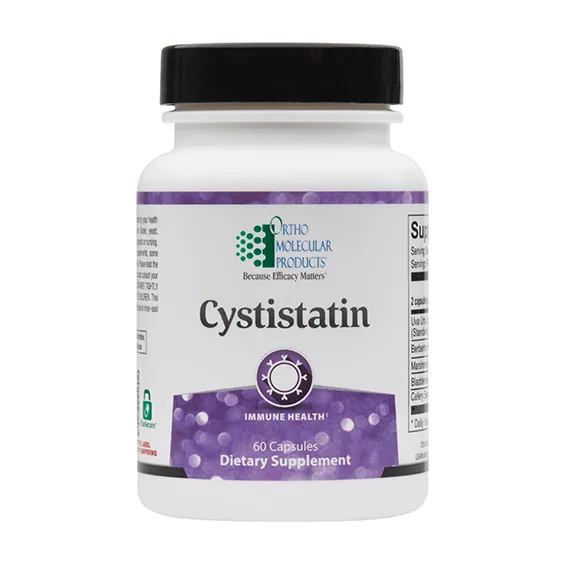
Historically, the medical community viewed the urinary tract as a sterile environment, treating any discomfort as a simple bacterial infection requiring aggressive antibiotics. However, modern science has revealed that the bladder hosts its own delicate ecosystem, known as the urobiome. In post-viral syndromes, this ecosystem is often collateral damage in a much larger immunological war. Formulated by Ortho Molecular, Cystistatin is a targeted botanical blend designed to promote a healthy urinary tract, maintain microbial balance, and soothe mucosal discomfort. By combining potent natural compounds like uva ursi, berberine sulfate, and marshmallow root, this supplement offers a comprehensive, urobiome-friendly approach to bladder health. In this article, we will explore the intricate biochemistry of Cystistatin and how it supports patients navigating the complex intersection of chronic illness and urinary dysfunction.
What is Cystistatin?
The Anatomy of a Healthy Urinary Tract
To understand how Cystistatin works, it is essential to first understand the natural function and defense mechanisms of a healthy urinary tract. The urinary system—comprising the kidneys, ureters, bladder, and urethra—is the body's primary filtration and waste removal network. The kidneys continuously filter metabolic waste, excess ions, and toxins from the bloodstream, converting them into urine. This fluid travels down the ureters and is stored in the bladder until it is voluntarily expelled through the urethra. Because urine contains concentrated cellular waste and is often highly acidic, the internal lining of the bladder must be heavily fortified to prevent chemical burns and tissue damage.
This fortification is provided by the uroepithelium, a specialized layer of transitional epithelial cells. Coating these cells is the glycosaminoglycan (GAG) layer, a thick, mucous-like shield composed of complex carbohydrates and proteins. In a healthy individual, the GAG layer acts as an impermeable barrier, preventing the toxic components of urine from seeping into the deeper muscle layers and nerve endings of the bladder wall. Furthermore, this slippery mucosal layer makes it incredibly difficult for invading pathogens, such as Escherichia coli (E. coli), to anchor themselves to the tissue and initiate an infection.
The Urobiome and Microbial Balance
For decades, medical textbooks taught that healthy urine was entirely sterile. We now know this is a misconception. Advanced DNA sequencing has revealed the existence of the urobiome, a localized community of commensal (beneficial) bacteria, predominantly Lactobacillus species, that reside within the urinary tract. These healthy microbes play a crucial role in maintaining the local pH, producing antimicrobial peptides, and outcompeting pathogenic bacteria for resources. When this delicate microbial balance is disrupted—whether by broad-spectrum antibiotics, chronic stress, or systemic immune dysfunction—opportunistic pathogens can rapidly multiply, leading to recurrent urinary tract infections (UTIs) and chronic inflammation.
The Synergy of Botanical Defense
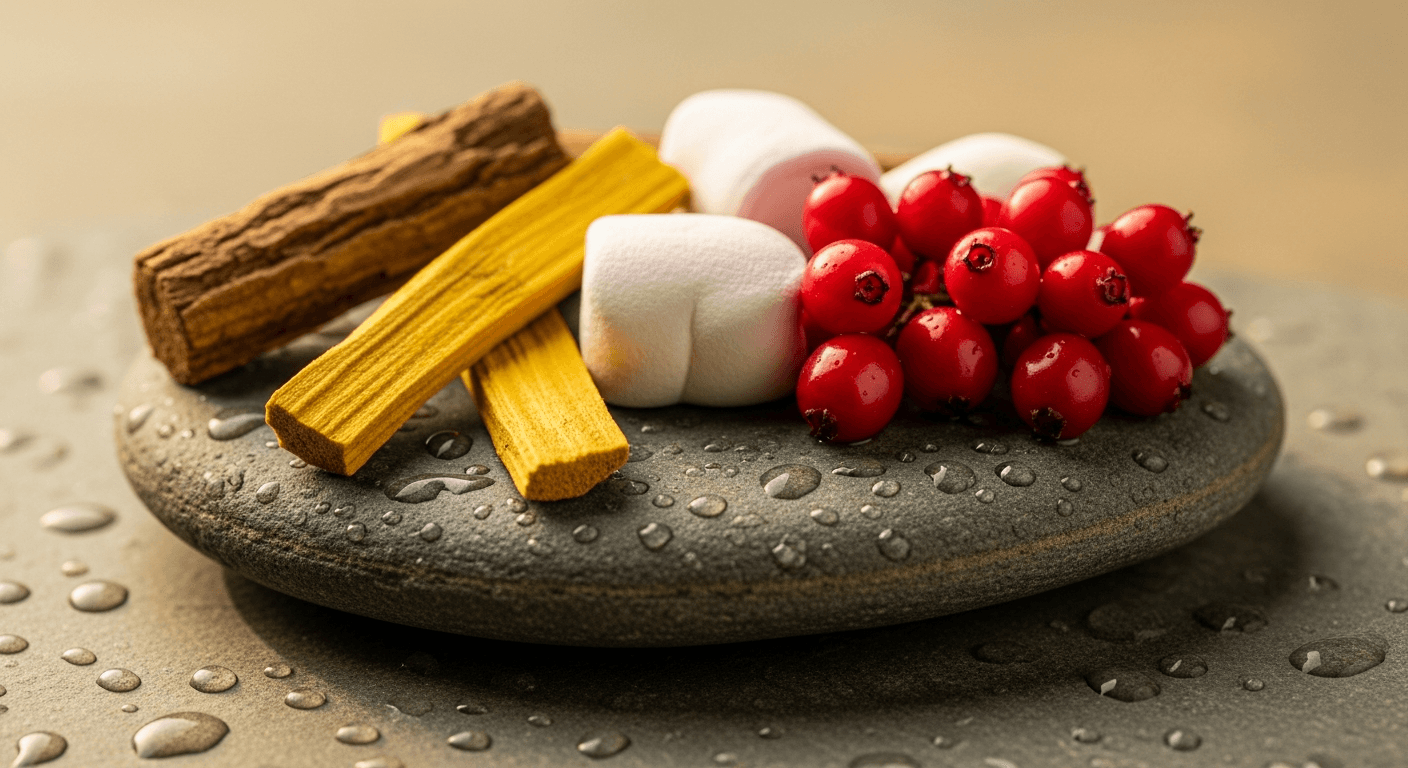
Cystistatin is not a single-ingredient supplement; rather, it is a carefully calibrated botanical blend designed to address multiple facets of urinary health simultaneously. While conventional treatments often rely on aggressive eradication of all bacteria, Cystistatin takes a more nuanced approach. It utilizes a combination of antimicrobial, anti-adhesive, and demulcent (tissue-soothing) herbs to restore homeostasis. The primary active ingredients include uva ursi extract (standardized to 20% arbutin) and berberine sulfate, which work synergistically to maintain a healthy microbial balance without carpet-bombing the beneficial urobiome.
In addition to its antimicrobial components, Cystistatin incorporates marshmallow root, celery seed extract, and bladderwrack leaf. These complementary botanicals are specifically chosen for their ability to soothe irritated mucous membranes, promote gentle diuresis (urine flow), and support the structural integrity of the bladder wall. By addressing both the microbial and structural aspects of urinary health, Cystistatin provides a holistic defense mechanism for individuals whose natural barriers have been compromised by chronic illness.
How Complex Chronic Illness Impacts the Urinary Tract
Mast Cell Activation Syndrome (MCAS) in the Bladder
In patients with complex chronic conditions like Long COVID and ME/CFS, urinary symptoms are rarely caused by simple, isolated bacterial infections. Instead, they are often driven by profound systemic immune dysregulation. A central player in this pathology is mast cell activation syndrome (MCAS). Mast cells are frontline immune sentinels found throughout the body, heavily concentrated in mucosal tissues, including the bladder wall. In a healthy state, they release inflammatory mediators to fight off acute infections. However, in post-viral syndromes, these cells become hyper-responsive, inappropriately degranulating and releasing over 200 inflammatory chemicals, including histamine, tryptase, and prostaglandins, into the surrounding tissue.
When mast cells activate within the bladder, the localized release of histamine triggers a cascade of devastating effects. Histamine causes intense vasodilation and increased vascular permeability, leading to severe bladder swelling, pain, and a constant sensation of urgency. More critically, these inflammatory mediators actively degrade the protective GAG layer. As the GAG layer breaks down, acidic urine penetrates the deeper tissues, chemically burning the detrusor muscle and sensitizing peripheral nerve endings. This vicious cycle of mast cell degranulation and tissue damage is the primary driver of Interstitial Cystitis (IC), also known as Bladder Pain Syndrome. A high density of activated mast cells in the bladder muscle is considered a hallmark of IC.
COVID-19-Associated Cystitis and Cytokine Storms
The emergence of Long COVID has brought a new clinical entity to the forefront: COVID-19-Associated Cystitis (CAC). Following a SARS-CoV-2 infection, many patients develop de novo (new onset) lower urinary tract symptoms, such as extreme frequency, urgency, and pelvic heaviness, even in the complete absence of bacterial growth. To understand what causes Long COVID bladder symptoms, researchers have analyzed the urine of affected patients, discovering localized "cytokine storms" within the genitourinary system.
Patients with CAC have been reported to exhibit highly elevated urinary levels of pro-inflammatory cytokines, specifically interleukin-6 (IL-6), interleukin-8 (IL-8), and CXCL-10. These cytokines act as potent chemical messengers that recruit aggressive immune cells to the bladder, perpetuating chronic inflammation. This localized immune hyperactivation mirrors the systemic autoimmunity and immune dysregulation in Long COVID, explaining why patients experience flares in their bladder symptoms that directly correlate with their overall post-exertional malaise (PEM) and systemic crashes.
Dysautonomia and Neurological Bladder Control
Beyond immunological factors, the mechanical function of the bladder is heavily dependent on the autonomic nervous system (ANS). The ANS controls the involuntary coordination of the detrusor muscle (which contracts to push urine out) and the urethral sphincters (which stay tightly closed to hold urine in). In conditions like Postural Orthostatic Tachycardia Syndrome (POTS) and other forms of dysautonomia—which are highly comorbid with Long COVID and ME/CFS—this neurological signaling becomes deeply impaired.
When the sympathetic and parasympathetic nervous systems fall out of balance, patients can experience neurogenic bladder dysfunction. This may manifest as an overactive bladder, where the detrusor muscle spasms unpredictably, causing sudden and intense urgency. Conversely, it can cause urinary retention, where the bladder fails to contract fully, leaving residual urine behind. This incomplete emptying creates a stagnant pool of fluid, significantly increasing the risk of opportunistic bacterial overgrowth and recurrent UTIs, further compounding the patient's discomfort and complicating their clinical picture.
Cystistatin: Supporting Urinary Tract Integrity
Uva Ursi and Arbutin: The Localized Antiseptic
The cornerstone of Cystistatin's antimicrobial power is uva ursi leaf extract, standardized to contain 20% arbutin. Uva ursi, also known as bearberry, has been utilized for centuries to combat urinary tract infections. Its mechanism of action is a fascinating display of targeted botanical pharmacology. When arbutin is ingested, it is absorbed in the small intestine and transported to the liver. There, enzymes cleave the molecule, and the liver conjugates it into harmless, water-soluble metabolites (glucuronides and sulfates). These inactive metabolites travel safely through the bloodstream without causing systemic toxicity.
The true therapeutic magic occurs once these metabolites are filtered by the kidneys and enter the bladder. In the presence of alkaline urine—or the specific enzymes produced by invading bacteria—these conjugates are hydrolyzed back into free hydroquinone. Hydroquinone is a potent, localized antiseptic. It attacks the bacterial cell wall, causing structural collapse and the leakage of intracellular contents, effectively neutralizing uropathogens like E. coli and Staphylococcus saprophyticus. By delivering the active compound directly to the site of infection, uva ursi acts as a highly specific, targeted defense mechanism.
Berberine Sulfate: Preserving the Urobiome
Working in tandem with arbutin is berberine sulfate, a naturally occurring plant alkaloid renowned for its broad-spectrum antimicrobial properties. However, unlike traditional antibiotics that indiscriminately eradicate both good and bad bacteria, berberine utilizes a unique "anti-adhesion" mechanism, selectively suppressing the synthesis of fimbriae—the microscopic, hair-like appendages that pathogenic bacteria use to anchor themselves to the bladder wall.
By stripping the bacteria of their ability to adhere to the uroepithelium, berberine renders them functionally harmless. The pathogens are simply flushed out of the body during normal urination. This anti-adhesive approach is incredibly valuable for patients with chronic illness, as it helps clear infections without devastating the delicate Lactobacillus populations that make up the healthy urobiome. Furthermore, berberine possesses natural antifungal properties, helping to prevent the Candida (yeast) overgrowth that frequently follows courses of conventional antibiotics.
Marshmallow Root: Restoring the GAG Layer
While arbutin and berberine address microbial threats, marshmallow root (Althaea officinalis) provides critical structural support and symptom relief. Marshmallow root is classified as a demulcent due to its exceptionally high concentration of mucilage—complex, long-chain polysaccharides (such as galacturorhamnans and arabinogalactans). When these compounds interact with water, they form a thick, viscous gel. As these mucilaginous compounds and their byproducts are processed and excreted, they help to coat and soothe the irritated mucosal lining of the urinary tract.
This soothing action is vital for patients suffering from Interstitial Cystitis or mast cell-driven bladder pain. The mucilage acts as a temporary, synthetic GAG layer, buffering the raw, inflamed tissue from acidic urine. Beyond passive coating, marshmallow root is traditionally believed to support cell adhesion and tissue repair in human epithelial cells. By stimulating cellular proliferation, marshmallow root helps the bladder wall physically knit itself back together, reducing permeability and calming sensitized nerve endings.
Celery Seed and Bladderwrack: Diuresis and Decoys
To round out the formula, Cystistatin includes celery seed extract and bladderwrack leaf. Celery seed (Apium graveolens) acts as a gentle, natural diuretic. It contains a specific compound called isovaleric acid p-tolylester, which is believed to selectively inhibit Urea Transporter B (UT-B) in the kidneys. This promotes a steady, healthy flow of urine, ensuring that neutralized bacteria and inflammatory debris are continuously flushed from the system without causing severe electrolyte imbalances. Additionally, the volatile oil apiole found in celery seed acts as an antispasmodic, helping to relax the smooth muscle of the bladder and reduce painful cramping.
Bladderwrack (Fucus vesiculosus), a type of brown seaweed, contributes its own unique defense mechanism. It is incredibly rich in fucoidan, a complex sulfated polysaccharide. Fucoidan carries a strong negative charge that acts as a biological decoy. Pathogenic E. coli bacteria are highly attracted to this charge and will bind to the fucoidan molecules instead of the bladder wall. Once bound to the seaweed extract, the bacteria are safely excreted. Together, these five botanicals create a comprehensive, multi-targeted approach to urinary tract resilience.
Symptoms Cystistatin May Help Manage
Cystistatin's multi-ingredient formulation is designed to target a wide array of urinary symptoms, particularly those exacerbated by chronic immune and autonomic dysfunction. Here are the primary symptoms it may help manage:
Bladder Pain and Burning: The mucilage from marshmallow root acts as a demulcent, coating the inflamed uroepithelium and buffering raw tissues from acidic urine, which helps alleviate the sharp, burning pain associated with Interstitial Cystitis and GAG layer degradation.
Urinary Frequency and Urgency: By reducing localized inflammation and providing antispasmodic support via celery seed extract (apiole), Cystistatin helps calm the hyperactive detrusor muscle, reducing the constant, urgent need to urinate.
Recurrent Urinary Tract Infections (UTIs): The powerful combination of uva ursi (arbutin) and berberine sulfate works synergistically to destroy bacterial cell walls and prevent pathogens from adhering to the bladder lining, breaking the cycle of chronic infections.
Pelvic Heaviness and Spasms: The anti-inflammatory properties of the botanical blend help reduce the localized swelling and mast cell-driven edema in the pelvic region, alleviating the sensation of pressure and heaviness.
Microbial Dysbiosis (Urobiome Imbalance): Unlike broad-spectrum antibiotics, berberine's anti-adhesive mechanism targets pathogenic bacteria while largely sparing the beneficial Lactobacillus species, helping to maintain a healthy, resilient urobiome.
Practical Considerations: Forms, Dosing, and Absorption
Understanding the Botanical Blend
When incorporating a complex botanical blend like Cystistatin into a chronic illness protocol, understanding the nuances of absorption and bioavailability is crucial. The efficacy of uva ursi, for instance, is highly dependent on the pH of your urine. Because the inactive metabolites of arbutin must be hydrolyzed back into free hydroquinone to exert their bactericidal effects, this conversion is heavily favored in an alkaline environment. Therefore, patients taking Cystistatin should avoid consuming high doses of Vitamin C (ascorbic acid), cranberry juice, or highly acidic foods simultaneously, as acidifying the urine can significantly blunt the supplement's effectiveness.
Berberine sulfate, on the other hand, is known for having relatively low systemic bioavailability when taken orally—meaning very little of it enters the deep bloodstream. However, in the context of urinary and gastrointestinal health, this "limitation" is actually a profound benefit. Because berberine remains concentrated in the digestive tract and is eventually excreted through the kidneys, it delivers its potent anti-adhesive and antimicrobial payload directly to the mucosal surfaces where it is needed most, acting locally rather than systemically.
Optimal Dosing and Timing
The suggested use for Cystistatin is 1-2 capsules three times per day, or as recommended by your healthcare professional. Because the active botanicals—particularly the hydroquinone derived from uva ursi and the diuretic components of celery seed—are processed and excreted relatively quickly by the kidneys, dividing the dose throughout the day is essential. This ensures a continuous, steady concentration of antimicrobial and soothing agents bathing the bladder wall. Taking the capsules with a full glass of water is highly recommended, as adequate hydration is necessary to activate the mucilage in the marshmallow root and facilitate the flushing action of the celery seed.
Safety, Contraindications, and Interactions
While Cystistatin is a natural botanical formulation, it contains potent bioactive compounds that require careful consideration. Due to the presence of berberine and celery seed extract, this supplement is strictly contraindicated for pregnant and breastfeeding women, as these herbs can stimulate uterine contractions and affect fetal development. Additionally, because of the potential hepatotoxicity (liver stress) associated with high, prolonged doses of hydroquinone, uva ursi-containing supplements are generally recommended for short-term, acute use (e.g., 1-2 weeks during a symptom flare) rather than continuous, year-round daily consumption, unless explicitly directed by a physician.
Patients with pre-existing kidney disease or those taking prescription diuretic medications should consult their provider before using Cystistatin, as the celery seed extract can amplify fluid loss and alter electrolyte balance. Furthermore, the mucilage in marshmallow root can occasionally coat the stomach lining and slightly delay the absorption of other oral medications. To prevent any potential interactions, it is generally best practice to take Cystistatin at least one to two hours apart from vital prescription drugs. Always discuss new supplements with your medical team to ensure they fit safely within your comprehensive care plan.
Follow the Science
Clinical Evidence on Arbutin and Berberine
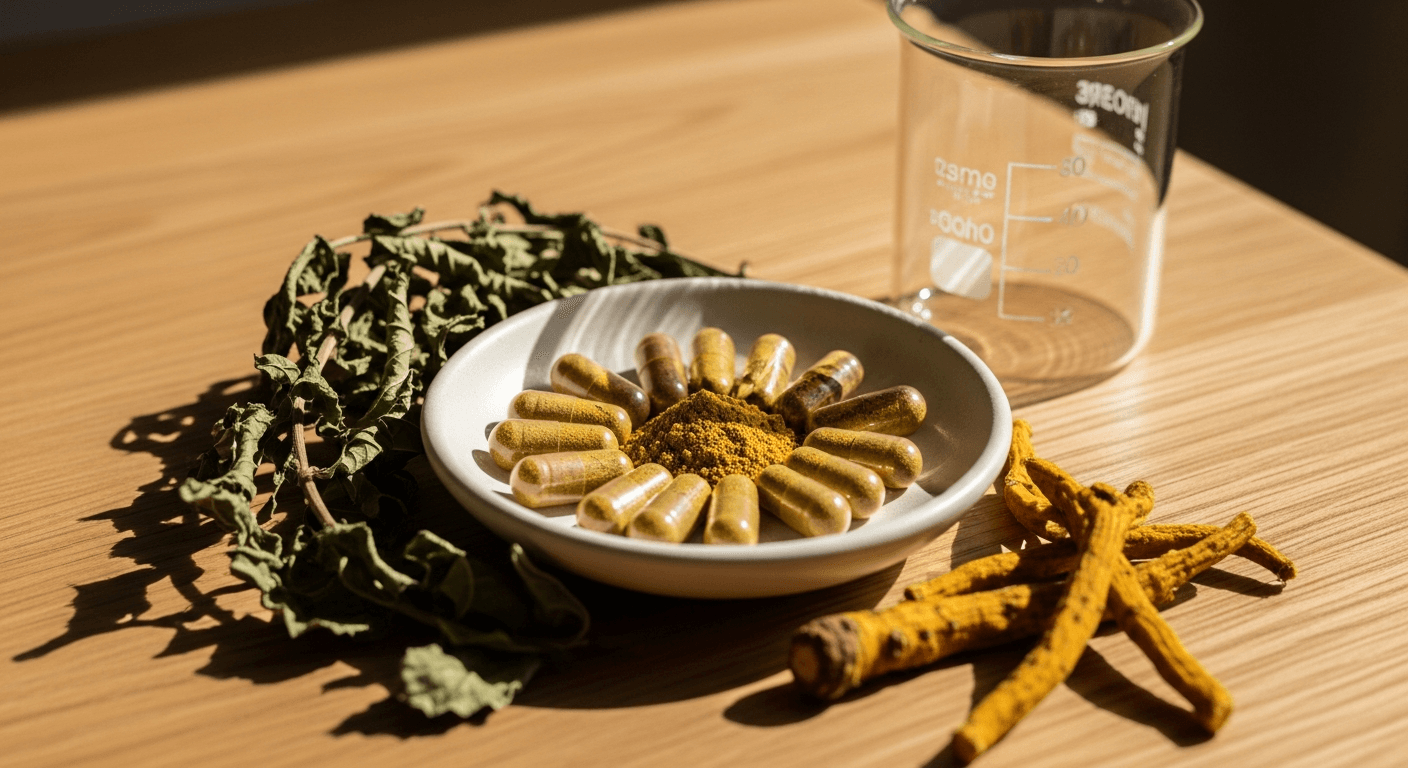
The scientific validation for the ingredients in Cystistatin bridges the gap between traditional herbalism and modern pharmacology. The antimicrobial efficacy of uva ursi has been evaluated in several modern trials aimed at reducing global antibiotic reliance, including trials comparing an uva ursi extract against a standard single-dose antibiotic (Fosfomycin) in adult women with acute lower urinary tract infections. While symptom resolution took slightly longer with the botanical, such trials have highlighted its utility as an antibiotic-sparing treatment.
Berberine's unique mechanism of action has also been documented in laboratory research exposing uropathogenic E. coli to berberine sulfate. Electron microscopy has shown that berberine can suppress the synthesis of fimbrial adhesins, physically preventing the bacteria from attaching to uroepithelial cells, illustrating the synergistic power of these anti-adhesive and bactericidal compounds.
Research on Mucilage and the GAG Layer
The demulcent and tissue-repairing properties of marshmallow root have been supported by in vitro cellular studies showing that aqueous extracts of Althaea officinalis can enhance cell viability and proliferation, supporting the traditional belief that marshmallow root actively helps mucosal barriers—like the compromised GAG layer in the bladder—physically repair themselves.
Furthermore, research into the immunological drivers of bladder pain has solidified the connection between mast cells and conditions like Interstitial Cystitis. Studies utilizing mouse models have shown that elevated levels of interleukin-33 (IL-33) can directly activate mast cells in the bladder, with mast cell-deficient mice demonstrating significantly lower levels of bladder inflammation and reduced pain responses compared to wild-type mice. This underscores that stabilizing the localized immune response and soothing the mucosal tissue—actions supported by the botanicals in Cystistatin—are important steps in managing chronic bladder pain.
The Path Forward
Validating the Invisible Struggle
Living with a complex chronic illness often means fighting battles that no one else can see. When you are already managing profound fatigue, cognitive dysfunction, and systemic pain, the sudden onset of intense bladder discomfort or recurrent urinary tract infections can feel like an unbearable addition to your symptom load. It is crucial to understand that these urinary symptoms are not in your head, nor are they a sign that you are failing at your recovery. They are a documented, physiological manifestation of the immune dysregulation, mast cell activation, and autonomic dysfunction that characterize conditions like Long COVID and ME/CFS. Your pain is real, and your frustration is entirely valid.
A Comprehensive Approach to Bladder Health
While Cystistatin offers a powerful, targeted botanical intervention to support urinary tract integrity, it is most effective when integrated into a broader, holistic management strategy. Addressing bladder health in the context of chronic illness requires patience and multifaceted care. This may involve identifying and reducing dietary histamine triggers, prioritizing aggressive rest and pacing to prevent systemic immune crashes, and working with a specialist to manage underlying dysautonomia or MCAS. Supplements are powerful tools, but they are just one piece of the puzzle in rebuilding your body's resilience.
Your Next Steps
If you are struggling with recurrent urinary discomfort, suspected urobiome imbalances, or the painful flares of Interstitial Cystitis, targeted botanical support may offer a path toward relief. By combining the localized antiseptic power of uva ursi, the anti-adhesive properties of berberine, and the soothing mucilage of marshmallow root, Cystistatin provides a comprehensive defense for your compromised mucosal barriers. Explore Cystistatin to learn more about how this unique botanical blend can fit into your daily protocol. As always, please consult with your healthcare provider before introducing any new supplement, especially if you have pre-existing kidney conditions or are navigating a complex medication regimen.