Can Curcumin Phytosome Calm Inflammation in Long COVID and MCAS?
March 6, 2026
CurcuminLong COVIDMCAS
Share:
Disclaimer: The information provided here is for educational purposes only and is not intended as medical advice. It should not be used to diagnose, treat, cure, or prevent any medical condition. Instead, use it as a starting point for discussion with your healthcare provider. Always consult with a qualified healthcare provider before starting any new medication, supplement, device, or making changes to your health regimen.
Living with complex chronic conditions like Long COVID, myalgic encephalomyelitis/chronic fatigue syndrome (ME/CFS), mast cell activation syndrome (MCAS), and dysautonomia often feels like being trapped in a body that is constantly on high alert. Patients frequently describe a sensation of systemic "fire"—a relentless cycle of joint pain, debilitating brain fog, unprovoked allergic reactions, and profound post-exertional malaise (PEM). This systemic fire is not just a metaphor; it is the physiological manifestation of chronic, unyielding inflammation and cellular stress. When the immune system loses its ability to turn off after an initial trigger, such as a viral infection, it begins to damage the very tissues it was designed to protect.
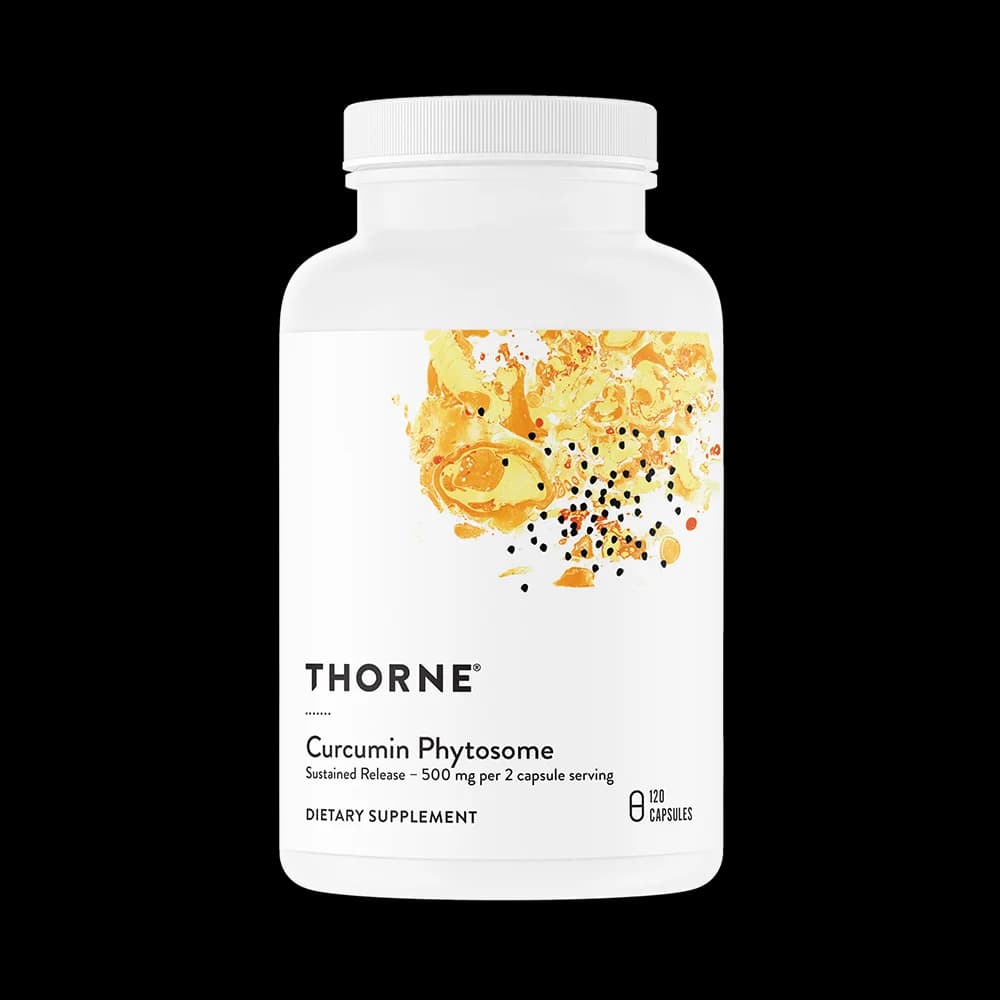
For decades, functional medicine practitioners and researchers have looked to natural compounds to help calm this hyperactive immune response. Among the most extensively studied is curcumin, the vibrant yellow polyphenol derived from turmeric. However, standard turmeric supplements are notoriously difficult for the body to absorb, rendering them largely ineffective for severe chronic illness. This is where advanced formulations like Thorne’s Curcumin Phytosome, utilizing clinically studied Meriva® technology, come into play. By dramatically enhancing bioavailability, this powerful compound can finally reach the cells, tissues, and nervous system to help modulate inflammation, stabilize mast cells, and support mitochondrial health in patients fighting complex chronic diseases.
TL;DR
Curcumin Phytosome (Meriva®) offers highly bioavailable support for managing chronic inflammation.
It may help stabilize mast cells and support mitochondrial health in complex chronic conditions.
Always consult a healthcare provider due to potential drug interactions, especially with chemotherapy.
What is Curcumin Phytosome?
The Golden Spice and Its Active Bioactive Compounds
Curcumin is the primary bioactive polyphenol found in the rhizome of turmeric (Curcuma longa), a plant that has been a cornerstone of Ayurvedic and traditional Chinese medicine for over 2,000 years. In a healthy body, curcumin acts as a potent natural antioxidant and immunomodulator. At the molecular level, it interacts with multiple cellular signaling pathways to maintain homeostasis, protect cells from environmental stressors, and regulate the natural inflammatory response necessary for tissue repair. Unlike pharmaceutical anti-inflammatories that typically target a single pathway, curcumin is pleiotropic, meaning it simultaneously influences dozens of different enzymes, receptors, and transcription factors across the body.
The therapeutic efficacy of curcumin is heavily rooted in its ability to modulate the Nuclear Factor kappa B (NF-κB) and Cyclooxygenase-2 (COX-2) signaling pathways. In a resting, healthy cell, NF-κB is kept inactive in the cytoplasm by an inhibitory protein called IκBα. When a cell encounters a stressor, enzymes phosphorylate IκBα, destroying it and allowing NF-κB to travel to the nucleus where it turns on the genes that produce inflammatory cytokines. Research published in Frontiers in Pharmacology demonstrates that curcumin directly inhibits this process by blocking the upstream enzymes, effectively trapping NF-κB in the cytoplasm and halting the inflammatory cascade before it can begin.
The Master Switch of Inflammation: NF-κB and COX-2
Beyond NF-κB, curcumin is a powerful inhibitor of COX-2, an inducible enzyme responsible for synthesizing pro-inflammatory prostaglandins (like PGE2) that drive chronic pain and tissue swelling. According to a comprehensive review in Molecules, curcumin not only blocks the genetic transcription of COX-2 but also acts as a direct molecular inhibitor of its enzymatic activity. This dual-action approach makes it highly effective at managing intermittent physical discomfort and easing tension in muscles and joints caused by overuse or systemic illness. By downregulating these master switches, curcumin helps restore a balanced inflammatory response, which is vital for the health of the brain, eyes, liver, digestive tract, and cardiovascular system.
Furthermore, curcumin exhibits profound antioxidant properties by neutralizing reactive oxygen species (ROS) and upregulating the body's endogenous antioxidant defenses. It activates the Nrf2 pathway, a critical cellular mechanism that turns on the production of protective enzymes like superoxide dismutase (SOD), catalase, and glutathione peroxidase. Interestingly, studies on plant oxidative stress demonstrate that exogenous antioxidants like methyl jasmonate and salicylic acid can mitigate drought-induced oxidative damages in French beans, highlighting the broader biological importance of antioxidant defenses across species.
The Phytosome Advantage
Despite its incredible biochemical potential, native curcumin is highly lipophilic (fat-soluble) and suffers from notoriously poor oral bioavailability. When consumed in its raw powder form, it is poorly absorbed by the watery environment of the gastrointestinal tract, rapidly metabolized by the liver, and swiftly excreted from the body. To achieve therapeutic plasma levels using standard turmeric, a patient would need to consume massive, unfeasible doses that often lead to severe gastrointestinal distress.
To overcome this biological hurdle, Thorne utilizes Curcumin Phytosome, formulated exclusively with Meriva®. Developed by the botanical extracts company Indena, this Phytosome® technology binds curcumin extract to phospholipids (specifically phosphatidylcholine from sunflower). Because human cell membranes are also made of phospholipids, this micelle-like structure mimics the body's natural absorption process for dietary fats. This advanced delivery system shuttles the curcuminoids directly across the lipid-rich membranes of the intestinal wall and into the bloodstream, enabling greater bioavailability and efficacy at significantly lower doses.
How Chronic Illness Drives Systemic Inflammation
Viral Persistence and Neuroinflammation
In complex chronic illnesses like Long COVID and ME/CFS, the body's inflammatory response becomes fundamentally dysregulated. Following an initial viral infection, the immune system may fail to return to its baseline state, leading to a condition of chronic, low-grade systemic inflammation. One of the most debilitating consequences of this dysregulation is neuroinflammation, which patients commonly experience as profound brain fog, cognitive impairment, and memory deficits. According to research published in Nutrients, SARS-CoV-2 can trigger the overproduction of neurotoxic cytokines (like IL-6, IL-1β, and TNF-α) that breach the blood-brain barrier and chronically activate microglia, the resident immune cells of the brain.
This sustained microglial activation creates a hostile environment for neurons, disrupting neurotransmitter synthesis and impairing synaptic plasticity. The resulting neuroinflammation is often compounded by viral persistence in the gut, which alters the microbiome and sends continuous inflammatory signals to the brain via the vagus nerve. This gut-brain axis dysfunction perpetuates a vicious cycle where systemic inflammation drives neurological symptoms, and neurological stress further degrades the integrity of the intestinal barrier, leading to a cascade of multi-systemic symptoms.
Mitochondrial Dysfunction and Oxidative Stress
At the core of the profound fatigue and post-exertional malaise (PEM) seen in ME/CFS and Long COVID is severe mitochondrial dysfunction. Mitochondria, the powerhouses of our cells, are highly sensitive to oxidative stress and inflammation. When the immune system is chronically activated, it generates excessive reactive oxygen species (ROS) that damage mitochondrial DNA and lipid membranes. This oxidative damage impairs the electron transport chain, drastically reducing the cellular production of adenosine triphosphate (ATP), the energy currency of the body.
Recent breakthroughs have also identified that patients with post-viral fatigue often suffer from severe Endoplasmic Reticulum (ER) stress. This cellular stress produces high levels of specific proteins that literally break apart mitochondrial supercomplexes, choking off cellular energy at the source. While separate studies on cellular radiosensitivity show that homologous recombination does not determine individual radiosensitivity in G0/1 cells, cellular stress and DNA damage broadly impact energy demands and survival.
The Mast Cell Activation Loop
For many patients with Long COVID and dysautonomia, the clinical picture is further complicated by mast cell activation syndrome (MCAS). Mast cells are innate immune cells found throughout the body, particularly at the boundaries between the internal and external environment (like the skin, gut, and respiratory tract). In MCAS, these cells become hyper-responsive, erroneously degranulating and releasing massive amounts of inflammatory mediators—including histamine, leukotrienes, and prostaglandins—in response to benign triggers like food, temperature changes, or stress.
This constant flood of histamine drives systemic symptoms ranging from chronic hives and gastrointestinal distress to tachycardia and severe brain fog. The release of these mediators also directly stimulates nerve endings, exacerbating the autonomic nervous system dysfunction seen in postural orthostatic tachycardia syndrome (POTS). As outlined in immunological studies on Long COVID, this creates a devastating feedback loop: mast cell degranulation drives autonomic instability, and the resulting surges in stress hormones further trigger mast cells to release more histamine.
Curcumin: Supporting Cellular Health and Autonomic Balance
Stabilizing Mast Cells via Syk Kinase Inhibition
Curcumin has emerged as a premier natural therapeutic agent for breaking the vicious cycles of chronic illness due to its ability to modulate multiple pathways simultaneously. For patients battling MCAS and histamine intolerance, curcumin acts as a potent, natural mast cell stabilizer. It achieves this primarily by inhibiting Syk kinase, a critical intracellular enzyme required for the activation and degranulation of mast cells. By blocking Syk kinase, curcumin halts the chemical cascade that causes mast cells to burst open, effectively preventing the release of histamine before it can trigger systemic symptoms.
Furthermore, research published in PLOS One investigated Francisella tularensis genomic plasticity, comparing subtype A.II with subtype A.I, though it does not address curcumin's role in mast cell degranulation. By blocking the cyclooxygenase-2 (COX-2) and 5-lipoxygenase (5-LO) pathways, curcumin prevents the generation of highly inflammatory lipid mediators like leukotrienes (LTC4) and prostaglandins (PGD2). It also acts as a modulator of TRPV1 receptors on nerve endings, effectively disrupting the histamine-induced itching feedback loop that plagues many MCAS patients.
Modulating the Autonomic Nervous System
In the realm of dysautonomia and POTS, curcumin exerts profound neuroprotective effects that target the underlying autonomic neuropathy. A pivotal study investigating liver fibrosis found that SIRT6 protects against fibrogenesis by deacetylation and suppression of SMAD3 in hepatic stellate cells, illustrating the complex pathways involved in chronic tissue stress. By activating cellular metabolism regulators like SIRT1, curcumin preserves the structural integrity of autonomic nerve clusters, helping to stabilize the erratic heart rate and blood pressure fluctuations characteristic of POTS.
Additionally, curcumin helps balance vagal tone by modulating the cholinergic anti-inflammatory pathway. It has been shown to upregulate choline acetyltransferase (ChAT) activity, increasing the biosynthesis of acetylcholine, the primary neurotransmitter of the parasympathetic ("rest-and-digest") nervous system. This rebalancing helps reduce the hyperadrenergic surges and sympathetic overdrive frequently seen in POTS patients. Furthermore, curcumin acts as a natural epigenetic modulator that inhibits EZH2, an enzyme that is often overactive in POTS and responsible for silencing the norepinephrine transporter gene, thereby helping the body clear excess stress hormones.
Neutralizing Free Radicals and ER Stress
To combat the profound fatigue of ME/CFS and Long COVID, curcumin directly supports mitochondrial function by neutralizing the oxidative stress that damages cellular energy production. By upregulating the Nrf2 pathway, curcumin boosts the body's natural antioxidant defenses, protecting mitochondrial DNA and lipid membranes from reactive oxygen species. This stabilization of the mitochondrial environment allows for more efficient electron transport and increased ATP production, directly addressing the cellular energy deficit that drives post-exertional malaise.
Curcumin also modulates Endoplasmic Reticulum (ER) stress, a key driver of post-viral fatigue. By preventing calcium overload and lipid peroxidation within the ER, curcumin helps maintain the structural integrity of mitochondrial supercomplexes. As demonstrated in studies on cellular radiosensitivity, DNA double-strand break repair in G1 cells does not depend on homologous recombination, highlighting the complexity of cellular repair mechanisms.

Symptoms Curcumin May Help Manage
Targeted Symptom Relief
Because of its pleiotropic nature and ability to modulate multiple biochemical pathways, Thorne's Curcumin Phytosome may help manage a wide array of symptoms associated with complex chronic conditions:
Joint Stiffness and Muscle Aches: By inhibiting the NF-κB and COX-2 pathways, curcumin reduces the production of pro-inflammatory prostaglandins, easing joint stiffness, encouraging flexibility, and alleviating minor aches and muscle soreness.
Brain Fog and Cognitive Fatigue: Curcumin’s ability to cross the blood-brain barrier (when properly formulated) allows it to neutralize neurotoxic cytokines (like IL-6 and TNF-α) and reduce microglial activation, helping to clear the neuroinflammation that drives cognitive impairment.
Post-Exertional Malaise (PEM): By scavenging reactive oxygen species and mitigating Endoplasmic Reticulum (ER) stress, curcumin protects mitochondrial supercomplexes, supporting stable ATP energy production and potentially reducing the severity of energy crashes.
Histamine Reactions and Hives: As a natural mast cell stabilizer, curcumin inhibits Syk kinase, preventing the degranulation of mast cells and reducing the systemic release of histamine, leukotrienes, and prostaglandins that cause allergic-type reactions.
Tachycardia and Hyperadrenergic Surges: By protecting autonomic ganglia from oxidative damage and modulating the EZH2 enzyme, curcumin helps balance sympathetic and parasympathetic tone, potentially reducing the erratic heart rate spikes seen in POTS.
Delayed Onset Muscle Soreness (DOMS): Curcumin shields muscles from exercise-related stress and lessens cellular damage caused by intense exertion, making it easier for patients to tolerate gentle physical rehabilitation without severe inflammatory blowback.
Gastrointestinal Distress: By modulating the gut microbiome and reducing intestinal inflammation, curcumin supports a healthy digestive tract and helps repair the gut-brain axis disruptions common in Long COVID.
Practical Considerations: Forms, Dosing, and Absorption
Overcoming the Bioavailability Barrier
The most critical consideration when supplementing with curcumin is its bioavailability. Standard turmeric powders contain only 2-6% active curcuminoids, and even purified curcumin extracts are poorly absorbed by the gastrointestinal tract. To achieve the systemic, neuroprotective, and mast-cell-stabilizing benefits noted in clinical literature, patients must utilize advanced delivery systems. Thorne’s Curcumin Phytosome utilizes Meriva®, a clinically studied form of curcumin bound to sunflower-derived phospholipids. This phytosome delivery system creates a micelle-like structure that allows the curcuminoids to easily cross the lipid-rich membranes of the gut.
A landmark human pharmacokinetic study published in Planta Medica demonstrated that Meriva provides a 29-fold greater absorption of total curcuminoids compared to ordinary unformulated curcumin extracts. Specifically, the absorption of demethoxycurcumin (DMC)—a highly potent anti-inflammatory curcuminoid—saw a massive 61.9-fold increase. This means that a standard dose of Meriva can provide circulating plasma levels of curcumin that would normally require consuming unfeasible, massive quantities of raw turmeric, completely bypassing the gastrointestinal upset associated with high-dose powders.
Optimal Dosing and Sustained Release
Thorne’s formulation further enhances efficacy by utilizing Time-Sorb® technology, a patented combination of high- and low-viscosity hydroxypropyl methylcellulose with magnesium citrate laurate. This advanced sustained-release matrix delays absorption and protects the active curcumin compounds from degradation in the harsh acidic environment of the stomach, ensuring optimal delivery and absorption in the small intestine over an extended period. This sustained release is particularly beneficial for maintaining a steady suppression of inflammatory cytokines throughout the day and night.
In clinical trials and functional medicine protocols, the standard therapeutic dose of Meriva typically ranges from 500 mg to 1,000 mg per day, usually divided into two doses (e.g., one capsule in the morning and one in the evening). Because it is bound to dietary fats (phospholipids), it is generally well-absorbed even without a heavy meal, though taking it with food can further support digestion. Patients using curcumin for severe MCAS or Long COVID neuroinflammation may require higher doses under the guidance of a healthcare practitioner to achieve optimal mast cell stabilization.
Safety and Critical Drug Interactions
While curcumin is generally recognized as safe and well-tolerated, it has potent pharmacological effects that require careful consideration, particularly regarding drug interactions. Curcumin interferes with several liver enzymes, particularly the Cytochrome P450 pathway (CYP3A4, CYP1A2), which can drastically alter how the body clears concurrent medications. Additionally, curcumin possesses natural antiplatelet properties; it can inhibit platelet aggregation and increase the risk of bleeding, especially if patients are also taking anticoagulants (like warfarin), NSAIDs, or high doses of fish oil.
Crucially, curcumin is contraindicated with certain chemotherapy drugs. Research from major cancer centers and studies published in Cancer Research explicitly warn that curcumin can severely reduce the therapeutic efficacy of cyclophosphamide (Cytoxan). Because cyclophosphamide relies on generating oxidative stress to destroy cancer cells, curcumin's potent antioxidant properties actively protect the tumor cells, inhibiting chemotherapy-induced apoptosis. It may also interfere with camptothecin and irinotecan. Concurrent use of curcumin with these agents must be strictly avoided. Furthermore, this product is contraindicated during pregnancy and in individuals with a history of hypersensitivity to any of its ingredients. Always consult your healthcare provider before adding high-dose curcumin to your regimen.

Follow the Science
Clinical Efficacy in Joint and Muscle Health
The Meriva® phytosome complex used in Thorne's Curcumin Phytosome is one of the most extensively studied curcumin formulations on the market, supported by over 40 human clinical trials involving more than 2,000 subjects. The most highly cited studies focus on its ability to modulate inflammatory pathways in joint and muscle tissue. In a landmark 3-month trial published in Alternative Medicine Review, 50 patients with osteoarthritis were given 1,000 mg of Meriva daily. The results were striking: the global WOMAC score (measuring pain, stiffness, and physical function) decreased by 58%, and treadmill walking distance increased by 345%.
Furthermore, clinical bloodwork from these trials showed statistically significant reductions in pro-inflammatory markers, including a dramatic drop in C-reactive protein (CRP)—a major biomarker for systemic inflammation—from 168 mg/L to 11.3 mg/L in the subpopulation with severe baseline inflammation. Longer-term 8-month studies confirmed these results, showing sustained suppression of Interleukin (IL)-1beta, IL-6, and Erythrocyte Sedimentation Rate (ESR). In sports nutrition trials, Meriva has also been shown to significantly reduce Delayed Onset Muscle Soreness (DOMS) and attenuate muscle damage by lowering inflammatory cytokines following strenuous exercise.
ME/CFS and Post-Viral Fatigue Trials
In the context of complex chronic illness, clinical data is emerging that supports curcumin's role in mitigating profound fatigue. A prominent open-label human trial conducted by researchers at Stichting Cardiozorg evaluated the effects of a curcumin phosphatidylcholine complex on 52 ME/CFS patients. Patients were administered 500 mg twice daily for 8 weeks. The study found a statistically significant reduction in CFS-specific symptom scores. A follow-up analysis revealed that patients with mild-to-moderate ME/CFS experienced the most profound clinical benefits, showing vast improvements in both specific fatigue symptoms and secondary scores related to pain, sleep, and cognition.
Emerging Data on Long COVID
Recent randomized controlled trials are also highlighting curcumin's potential in addressing the lingering neuroinflammation of Long COVID. A 2023 study published in Nutrients investigated adults who had recovered from acute COVID-19 but suffered from persistent symptoms. Participants given 500 mg of bioavailable curcumin twice daily for four weeks showed a significant drop in critical inflammatory biomarkers, specifically IL-6 and MCP-1, compared to the placebo group. These markers are heavily associated with the persistent dysregulation of the immune system that drives Long COVID brain fog and systemic fatigue, underscoring curcumin's value as a targeted immunomodulator.
The Path Forward
A Comprehensive Approach to Healing
Living with the unpredictable and debilitating symptoms of Long COVID, ME/CFS, MCAS, or dysautonomia is an exhausting journey. The systemic "fire" of chronic inflammation, unprovoked mast cell reactions, and profound neuroimmune fatigue can make every day feel like an uphill battle. It is important to validate that these symptoms are not in your head—they are the result of complex, measurable physiological disruptions in your cellular signaling, mitochondrial function, and autonomic nervous system. While there is no single miracle cure for these intricate conditions, targeted nutritional support can play a vital role in shifting your biology back toward a state of balance.
Thorne’s Curcumin Phytosome offers a scientifically validated, highly bioavailable tool to help calm this systemic fire. By inhibiting master inflammatory switches like NF-κB, stabilizing hyperactive mast cells via Syk kinase, and protecting mitochondrial supercomplexes from oxidative stress, curcumin addresses the root biochemical drivers of chronic illness symptoms. However, supplements are most effective when utilized as one piece of a comprehensive management strategy that includes aggressive pacing, nervous system regulation, dietary modifications, and strategies for surviving the holidays with chronic illness.
Next Steps
If you are struggling with joint pain, brain fog, histamine intolerance, or post-viral fatigue, highly absorbed curcumin may provide the targeted support your body needs to maintain a healthy inflammatory response and maintain your independence with chronic illness. Always consult with your healthcare provider before starting any new supplement, especially to ensure it is appropriate for your specific medical history and current medications.
Sources
Curcumin, Inflammation, and Chronic Diseases: How Are They Linked? (Molecules)
Impact of homologous recombination on individual cellular radiosensitivity (PubMed)
Immunological dysfunction and mast cell activation syndrome in long COVID (Asia Pacific Allergy)
Francisella tularensis Subtype A.II Genomic Plasticity in Comparison with Subtype A.I (PLOS One)
Turmeric Benefits and Drug Interactions (Johns Hopkins Medicine)
Curcumin Confers Anti-Inflammatory Effects in Adults Who Recovered from COVID-19 (Nutrients)