Can Curcumin Phytosome Help Manage Inflammation in Long COVID and ME/CFS?
March 6, 2026
CurcuminLong COVIDME/CFS
Share:
Disclaimer: The information provided here is for educational purposes only and is not intended as medical advice. It should not be used to diagnose, treat, cure, or prevent any medical condition. Instead, use it as a starting point for discussion with your healthcare provider. Always consult with a qualified healthcare provider before starting any new medication, supplement, device, or making changes to your health regimen.
Months or even years after a viral infection, many individuals find themselves battling a complex web of debilitating symptoms—from profound fatigue and cognitive dysfunction to widespread joint pain and allergic reactivity. For those living with Long COVID, myalgic encephalomyelitis/chronic fatigue syndrome (ME/CFS), and mast cell activation syndrome (MCAS), the search for effective, science-backed symptom management can feel like an exhausting uphill climb. When standard blood tests come back "normal" but you are struggling to get out of bed or tolerate basic daily activities, finding validating answers and targeted support becomes paramount.
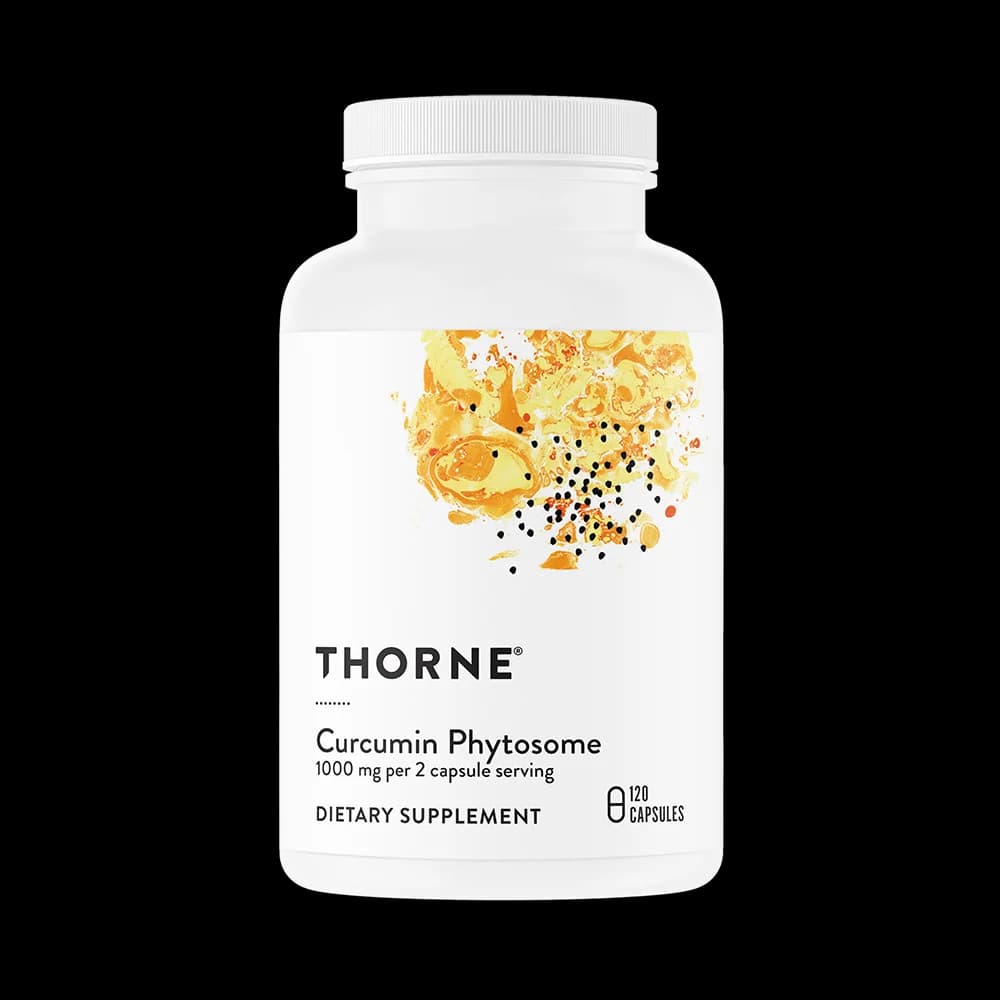
One of the most heavily researched natural compounds for modulating systemic inflammation is curcumin, the active polyphenol found in turmeric. However, traditional curcumin supplements are notoriously difficult for the body to absorb, often passing through the digestive tract without ever reaching the tissues that need it most. This is where advanced formulations like Thorne's Curcumin Phytosome, featuring the clinically studied Meriva® extract, come into play. By utilizing a unique phospholipid delivery system, this specialized form of curcumin bridges the gap between ancient botanical medicine and modern clinical science, offering a potent tool for supporting a healthy inflammatory response, protecting joint and muscle health, and addressing the neuroinflammation that drives many complex chronic symptoms.
TL;DR
Curcumin Phytosome uses advanced delivery technology to significantly improve absorption compared to standard turmeric supplements.
It may help manage systemic inflammation and neuroinflammation associated with Long COVID and ME/CFS.
Research suggests curcumin acts as a natural mast cell stabilizer, supporting those with MCAS and histamine intolerance.
Clinical studies indicate it supports joint health and accelerates muscle recovery by reducing oxidative stress.
What is Curcumin Phytosome?
The Ancient Root Meets Modern Biotechnology
Curcumin is the primary active polyphenolic compound found in the rhizome of Curcuma longa, commonly known as turmeric. For thousands of years, turmeric has been a cornerstone of Ayurvedic and traditional Chinese medicine, utilized for its profound ability to soothe physical discomfort and promote overall vitality. In modern clinical research, curcumin has been identified as a pleiotropic molecule, meaning it has the ability to interact with multiple molecular targets and signaling pathways simultaneously. It acts as a potent antioxidant, a modulator of the immune system, and a supporter of cellular health. However, the fundamental flaw of natural curcumin is its exceptionally poor oral bioavailability. It is highly lipophilic (fat-soluble) but has practically zero water solubility, making it incredibly difficult for the body to transport it through the water-rich environment of the gastrointestinal tract and into the bloodstream.
When consumed in its raw form or in standard supplements, curcumin is rapidly metabolized by the liver through a process called glucuronidation, and it is quickly excreted from the body before it can exert its therapeutic effects. To achieve the blood concentrations necessary to impact systemic inflammation or cross the blood-brain barrier, patients would need to consume impractically massive quantities of standard curcumin. This biological barrier has historically limited the clinical utility of this powerful compound, prompting researchers and biotechnology companies to develop advanced delivery systems that can bypass the body's rapid clearance mechanisms and deliver the active curcuminoids directly to the cells.
The Phytosome Delivery System
To solve the bioavailability crisis, Italian botanical biotechnology company Indena developed Meriva®, a patented "Phytosome" formulation used in Thorne's Curcumin Phytosome. The Phytosome technology relies on a biomimetic approach—it essentially mimics the way the human body naturally digests and absorbs dietary fats. The process involves complexing standard curcuminoids with a phospholipid, specifically phosphatidylcholine derived from sunflower or soy lecithin, along with microcrystalline cellulose. Phosphatidylcholine is a major component of human cell membranes; it is amphipathic, meaning it has a water-soluble (hydrophilic) head and a fat-soluble (lipophilic) tail.
By anchoring the curcumin molecule to the phospholipid head, the Phytosome creates a unique molecular complex. This complex is easily dispersed in the watery fluids of the gut, yet it retains the lipid compatibility necessary to seamlessly cross the lipid-rich biomembranes of the enterocytes (the cells lining the intestines). Unlike other bioavailability enhancers, such as piperine (black pepper extract), which work by temporarily inhibiting the liver's detoxification enzymes, the Phytosome technology optimizes absorption purely through physical vehicle optimization. It prevents the curcumin molecules from clumping together in the gut and facilitates natural, highly efficient cellular uptake without altering the liver's natural metabolic pathways.
Molecular Mechanisms: NF-κB and Nrf2 Pathways
Once successfully absorbed into the bloodstream, curcumin exerts its effects by modulating several critical biochemical pathways. One of its primary mechanisms of action is the inhibition of Nuclear Factor kappa-light-chain-enhancer of activated B cells (NF-κB). NF-κB is a master protein complex that controls the transcription of DNA, cytokine production, and cell survival. In healthy individuals, it regulates the immune response to infection. However, in states of chronic illness, NF-κB becomes chronically activated, triggering the continuous production of pro-inflammatory cytokines like Interleukin-6 (IL-6) and Tumor Necrosis Factor-alpha (TNF-α), as well as inflammatory enzymes like Cyclooxygenase-2 (COX-2) and Lipoxygenase (LOX). Curcumin effectively blocks the activation of NF-κB, shutting down this inflammatory cascade at its genetic root.
Simultaneously, curcumin acts as a powerful activator of the Nuclear factor erythroid 2-related factor 2 (Nrf2) pathway. Nrf2 is a transcription factor that regulates the expression of antioxidant proteins that protect against oxidative damage triggered by injury and inflammation. When curcumin activates Nrf2, it signals the cell to ramp up the production of the body's own endogenous antioxidant enzymes, including superoxide dismutase (SOD), catalase, and glutathione peroxidase. This dual action—suppressing the inflammatory NF-κB pathway while upregulating the protective Nrf2 pathway—makes bioavailable curcumin a formidable agent for restoring cellular homeostasis and mitigating the systemic damage caused by chronic immune dysregulation.
How Chronic Illness Impacts the Inflammatory System
The Post-Viral Cytokine Storm in Long COVID
To understand why highly bioavailable curcumin is so relevant to complex chronic illnesses, we must first examine how these conditions disrupt the body's inflammatory and immune systems. In the case of Long COVID (Post-Acute Sequelae of SARS-CoV-2 infection), research indicates that the initial viral infection can trigger a persistent, low-grade "cytokine storm." Even after the acute virus has been cleared, the immune system remains locked in a state of hyper-vigilance. Studies have shown that patients with Long COVID often exhibit persistently elevated levels of circulating inflammatory biomarkers, specifically IL-6 and Monocyte Chemoattractant Protein-1 (MCP-1). This ongoing immune dysregulation drives widespread systemic inflammation that damages endothelial cells (the lining of the blood vessels) and impairs microcirculation.
Furthermore, this systemic inflammation frequently crosses the blood-brain barrier, leading to profound neuroinflammation. When the brain's resident immune cells, known as microglia, become chronically activated by these pro-inflammatory cytokines, they release neurotoxic substances that disrupt neural signaling. This microglial activation is widely believed to be the primary driver behind the debilitating cognitive dysfunction, or "brain fog," memory impairment, and severe neurological fatigue that Long COVID patients experience. The brain is essentially caught in a localized inflammatory fire, struggling to perform basic cognitive tasks while simultaneously trying to manage the ongoing immune assault.
Oxidative Stress and Mitochondrial Dysfunction in ME/CFS
In myalgic encephalomyelitis/chronic fatigue syndrome (ME/CFS), the pathophysiology is heavily characterized by severe oxidative stress and subsequent mitochondrial dysfunction. Mitochondria are the powerhouses of the cell, responsible for generating adenosine triphosphate (ATP), the energy currency required for all cellular functions. In a healthy body, the process of ATP production naturally generates a small amount of reactive oxygen species (ROS), which are easily neutralized by the body's antioxidant defenses. However, in ME/CFS, there is a massive overproduction of ROS and a simultaneous depletion of antioxidant reserves, leading to a state of chronic oxidative stress.
This unchecked oxidative stress causes direct damage to cellular lipids, proteins, and mitochondrial DNA. Patients with ME/CFS consistently exhibit elevated markers of oxidative damage, such as malondialdehyde and isoprostanes. As the mitochondria become damaged by this oxidative assault, their ability to produce ATP plummets. This energy crisis at the cellular level is a primary contributor to the hallmark symptom of ME/CFS: post-exertional malaise (PEM), a severe exacerbation of symptoms following even minor physical or cognitive exertion. The body simply cannot generate the energy required to recover, leading to prolonged "crashes" and profound, unrefreshing fatigue.
Mast Cell Activation Syndrome (MCAS) and Histamine Overload
Mast cell activation syndrome (MCAS) is another complex condition frequently seen alongside Long COVID, ME/CFS, and dysautonomia (such as Postural Orthostatic Tachycardia Syndrome, or POTS). Mast cells are a vital component of the innate immune system, stationed throughout the body's connective tissues, skin, gastrointestinal tract, and nervous system. In a healthy individual, mast cells release chemical mediators—most notably histamine—in response to genuine threats like parasites or severe allergens. In MCAS, however, these cells become highly unstable and excessively reactive, degranulating (bursting open) and releasing massive amounts of histamine and inflammatory cytokines in response to benign triggers like temperature changes, stress, certain foods, or even physical exertion.
This inappropriate degranulation creates a vicious cycle of systemic inflammation and allergic reactivity. High levels of circulating histamine can cause widespread symptoms, including hives, flushing, severe gastrointestinal distress, tachycardia, and profound fatigue. Furthermore, histamine itself can stimulate the release of more pro-inflammatory cytokines, which in turn further sensitize the mast cells, making them even more likely to degranulate in the future. Breaking this cycle requires interventions that can stabilize the mast cell membrane and interrupt the intracellular signaling pathways that trigger degranulation.
Curcumin Phytosome: Supporting Systemic Health and Recovery
Calming Neuroinflammation and the Cytokine Storm
Thorne's Curcumin Phytosome offers a multi-targeted approach to supporting the body through the complex pathophysiology of chronic illness. Because the Phytosome technology allows curcumin to successfully enter the bloodstream and cross the blood-brain barrier, it can directly address the neuroinflammation seen in Long COVID and ME/CFS. By inhibiting the NF-κB pathway, curcumin significantly decreases the production of pro-inflammatory cytokines like IL-6, IL-1β, and TNF-α. This reduction in systemic inflammatory signaling helps to calm the hyper-reactive immune response, effectively turning down the dial on the post-viral cytokine storm.
In the central nervous system, curcumin's ability to modulate microglial activation is particularly crucial. By reducing the release of neurotoxic substances from activated microglia and simultaneously boosting the brain's antioxidant defenses via the Nrf2 pathway, curcumin helps to protect delicate neural tissues from oxidative damage. This dual action—cooling the inflammatory fire and neutralizing free radicals—provides vital support for cognitive health, helping to clear the debilitating brain fog and improve mental clarity for patients struggling with post-viral neurological symptoms.
Stabilizing Mast Cells and Reducing Histamine
For individuals managing MCAS and histamine intolerance, curcumin acts as a potent, natural mast cell stabilizer. When a mast cell is triggered by an allergen or environmental stressor, it relies on a specific intracellular signaling cascade to initiate degranulation. Research has demonstrated that curcumin physically disrupts this process by suppressing calcium influx and enhancing intracellular cAMP levels. By modulating these pathways, curcumin reduces mast cell degranulation, halting the release of histamine at the source.
Additionally, for a mast cell to release its contents, there must be a sudden influx of intracellular calcium. Curcumin has been shown to inhibit this calcium influx by suppressing the phospholipase Cγ1 (PLCγ1) pathway. It also successfully reduces the expression of FcεRI, the specific receptor on the surface of mast cells that binds to immunoglobulin E (IgE) antibodies to trigger allergic responses. By addressing mast cell instability at these fundamental molecular levels, curcumin can help reduce the frequency and severity of allergic-type reactions, flushing, and gastrointestinal distress associated with MCAS.
Protecting Joints and Enhancing Muscle Recovery
Chronic systemic inflammation often takes a severe toll on the musculoskeletal system, leading to widespread joint pain, stiffness, and profound muscle soreness. Curcumin Phytosome is extensively validated for its ability to protect joint cartilage and support muscle recovery. In conditions like osteoarthritis or the generalized joint pain seen in ME/CFS, inflammatory enzymes like COX-2 and LOX drive the degradation of joint cartilage and synovial fluid. Curcumin's potent inhibition of these enzymes helps to preserve joint integrity, reduce swelling, and significantly improve mobility and flexibility.
Furthermore, for patients who experience severe muscle soreness or delayed onset muscle soreness (DOMS) after minimal exertion, curcumin offers targeted relief. Intense physical exertion (or, in the case of ME/CFS, even mild exertion) generates a massive spike in oxidative stress and micro-tears in the muscle fibers. Curcumin blunts this exercise-induced oxidative stress and reduces the subsequent spike in inflammatory cytokines, particularly Interleukin-8 (IL-8). By mitigating this cellular damage, curcumin helps to shield muscles from exertion-related stress, potentially accelerating recovery times and reducing the severity of the musculoskeletal pain that often accompanies a post-exertional crash.

Symptoms Curcumin Phytosome May Help Manage
Targeted Symptom Relief
Based on its extensive mechanisms of action, Thorne's Curcumin Phytosome may help manage a variety of symptoms associated with complex chronic conditions. While it is not a cure, supporting the body's inflammatory and antioxidant pathways can significantly improve quality of life.
Joint Pain and Stiffness: By inhibiting the COX-2 and LOX inflammatory enzymes, curcumin reduces the swelling and cartilage degradation that cause severe joint discomfort, improving overall mobility and flexibility.
Muscle Soreness and DOMS: Curcumin blunts the oxidative stress and inflammatory cytokine spikes (like IL-8) that occur after physical exertion, helping to shield muscle tissue from damage and accelerate recovery.
Brain Fog and Cognitive Dysfunction: By crossing the blood-brain barrier and calming microglial activation, curcumin helps reduce the neuroinflammation that disrupts neural signaling and causes cognitive impairment.
Fatigue and Post-Exertional Malaise (PEM): By neutralizing excessive reactive oxygen species (ROS) and supporting the Nrf2 antioxidant pathway, curcumin helps protect delicate mitochondria from oxidative damage, supporting more efficient cellular energy production.
Allergic Reactivity and MCAS Symptoms: Curcumin acts as a natural mast cell stabilizer by enhancing intracellular cAMP levels and blocking intracellular calcium influx, thereby reducing the inappropriate release of histamine that causes hives, flushing, and GI distress.
Systemic Inflammation: By downregulating the NF-κB pathway, curcumin helps lower circulating levels of pro-inflammatory cytokines like IL-6 and TNF-α, calming the chronic immune hyper-reactivity seen in Long COVID and ME/CFS.
Practical Considerations: Forms, Dosing, and Absorption
The Meriva Advantage: 29-Fold Greater Absorption
When considering curcumin supplementation, bioavailability is the single most critical factor. As previously discussed, standard unformulated curcumin is poorly absorbed, rapidly metabolized, and quickly excreted. Thorne's Curcumin Phytosome utilizes the Meriva® extract, which has been rigorously tested in human pharmacokinetic studies. A landmark randomized, double-blind, crossover trial published in the Journal of Natural Products demonstrated that the total absorption (Area Under the Curve, or AUC) of curcuminoids was 29-fold higher for Meriva compared to a standard, unformulated curcuminoid mixture. This massive increase in absorption ensures that the active compounds actually reach the systemic circulation and target tissues.
Furthermore, the Meriva formulation uniquely alters the plasma profile of the absorbed curcuminoids. The study revealed that the phytosome technology increased the absorption of demethoxylated curcuminoids much more effectively than standard curcumin (a 50- to 60-fold increase). As a result, the major plasma curcuminoid after taking Meriva is demethoxycurcumin (DMC). This is highly significant from a clinical perspective, as DMC is recognized as a more potent analogue in many in vitro anti-inflammatory assays, providing stronger systemic support than standard curcumin alone.
Dosing Protocols and Optimal Timing
The clinically validated dosage of Meriva depends largely on the specific symptoms being addressed. For general joint health, systemic inflammation, and baseline antioxidant support, clinical trials consistently utilize a dosage of 1,000 mg of Meriva per day (which yields 200 mg of highly bioavailable active curcuminoids). This is typically divided into two 500 mg doses taken twice daily. Thorne's Curcumin Phytosome provides 1 gram (1,000 mg) per two-capsule serving, making it easy to achieve this clinically studied dose. For acute muscle recovery or severe delayed onset muscle soreness (DOMS) following rigorous physical exertion, some sports medicine trials utilize a higher loading dose of 2,000 mg per day, initiated prior to the exertion and continued for a few days afterward.
Because the Phytosome complex relies on phosphatidylcholine (a lipid), it is generally recommended to take Curcumin Phytosome with a meal that contains some healthy fats. This further supports the natural digestive processes that emulsify and absorb lipid-based complexes, ensuring maximum uptake into the enterocytes. Consistency is also key; while some acute muscle recovery benefits may be noticed within a few days, modulating systemic inflammation and supporting joint health typically requires consistent daily use over several weeks to months to achieve optimal tissue saturation and clinical benefit.
Safety Warnings and Drug Interactions
While Meriva is exceptionally well-tolerated and safe for long-term use in most individuals, there are important contraindications to be aware of. Curcumin Phytosome is contraindicated in individuals with a history of hypersensitivity to any of its ingredients. Furthermore, pregnant individuals should consult their healthcare practitioner before using this product. Because curcumin can modulate various liver enzymes and cellular pathways, it has specific drug interactions, particularly with certain chemotherapy agents.
Curcumin has been shown to reduce the therapeutic efficacy of cyclophosphamide (Cytoxan) in animal studies. In vitro research has also revealed that curcumin decreases camptothecin-induced death of cultured breast cancer cells. Additionally, curcumin might interfere with the absorption and efficacy of the chemotherapy drug irinotecan, which is frequently used to treat colon cancer. The concurrent use of curcumin with these specific chemotherapy agents should be strictly avoided. Always consult with your primary care provider or specialist before adding high-dose curcumin to your regimen, especially if you are taking prescription medications or blood thinners.

Follow the Science
Clinical Trials in Long COVID and ME/CFS
The scientific community has increasingly focused on curcumin's potential to address the post-viral inflammation seen in Long COVID. In the UK Phyto-V Study, a randomized, double-blind, placebo-controlled trial evaluating 147 volunteers (75% of whom had persistent Long COVID), participants were given a phytochemical-rich capsule containing curcumin alongside other polyphenols. The results were striking: the group taking the phytochemical capsule experienced an almost two-fold reduction in mean fatigue scores and a three-fold reduction in cough scores compared to the placebo group. Overall well-being scores more than doubled, demonstrating rapid clinical relevance for Long COVID patients struggling with persistent fatigue and respiratory symptoms.
In the context of ME/CFS, a notable open-label human study investigated the effects of a phosphatidylcholine-curcumin complex (similar to Meriva) on patients meeting the strict criteria for the disease. Patients were administered 500 mg of the curcumin complex twice daily for 8 weeks. After the 8-week period, patients showed a statistically significant reduction in specific CFS-related symptom scores based on the CDC symptom inventory. The study concluded that the regimen was effective at reducing ME/CFS symptomatology, noting that a randomized placebo-controlled study is warranted to further assess its efficacy.
Osteoarthritis and Joint Health Studies
Meriva is arguably the most extensively researched curcumin formulation for joint health, with landmark studies demonstrating its efficacy in managing osteoarthritis. In a 3-month controlled clinical trial involving 50 osteoarthritis patients, daily administration of 1,000 mg of Meriva yielded dramatic results. WOMAC scores (a standardized assessment of joint pain, stiffness, and physical function) decreased by an impressive 58%. Furthermore, patients' treadmill walking distance increased by over 300%, jumping from an average of 76 meters to 332 meters. In patients with elevated systemic inflammation, C-reactive protein (CRP) levels plummeted from 168 mg/L to a normalized 11.3 mg/L.
These results were further validated in an 8-month long-term registry study involving 100 osteoarthritis patients. Taking 1,000 mg of Meriva daily, patients experienced sustained, significant improvements in joint pain and function without the gastrointestinal side effects commonly associated with long-term NSAID use. The researchers also noted significant reductions in systemic inflammatory markers, including Interleukin-1 beta (IL-1β) and Interleukin-6 (IL-6), confirming Meriva's ability to modulate inflammation at a systemic level safely over extended periods.
Muscle Recovery and Exercise-Induced Damage
For individuals who experience severe muscle soreness or delayed onset muscle soreness (DOMS), Meriva has shown significant protective benefits. In a randomized, placebo-controlled trial involving a muscle-damaging downhill running test, subjects were given 2,000 mg of Meriva per day (starting 48 hours before the exercise). Subjects taking Meriva reported significantly less intense pain in their thighs compared to the placebo group. More importantly, MRI scans taken 48 hours after the exercise showed that significantly fewer subjects in the Meriva group had evidence of severe muscle injury. The curcumin supplementation successfully blunted the increases in markers of muscle damage and significantly reduced the inflammatory cytokine Interleukin-8 (IL-8), demonstrating its potent ability to accelerate tissue recovery.
The Path Forward
Integrating Curcumin into Your Protocol
Living with the unpredictable and often debilitating symptoms of Long COVID, ME/CFS, dysautonomia, and MCAS requires immense resilience. It is completely valid to feel frustrated when your body feels locked in a state of chronic inflammation and fatigue. While no single supplement is a magic cure for these complex neuro-immune conditions, integrating a highly bioavailable, clinically studied tool like Thorne's Curcumin Phytosome can be a powerful addition to your comprehensive management strategy. By actively lowering systemic inflammation, stabilizing mast cells, and protecting your mitochondria from oxidative stress, you are providing your body with the foundational support it needs to begin healing.
Remember that supplements work best when combined with other vital management strategies, such as aggressive resting, strict pacing to avoid post-exertional malaise, and nervous system regulation. Learning how to maintain your independence with chronic illness often involves a multifaceted approach, combining targeted nutritional support with lifestyle adaptations. Whether you are trying to improve your daily mobility, clear the brain fog, or simply looking for tips for surviving the holidays with a chronic illness, calming the underlying inflammatory fire is a critical step forward.
Next Steps
As always, it is essential to consult your healthcare provider before starting any new supplement, especially if you are taking prescription medications, chemotherapy drugs, or have a complex medical history. Your medical team can help you determine the appropriate dosage and ensure that curcumin fits safely into your personalized treatment protocol.