Can Curcumin with BioPerine Clear Brain Fog and Support Energy in Long COVID and ME/CFS?
March 5, 2026
CurcuminLong COVIDME/CFS
Share:
Disclaimer: The information provided here is for educational purposes only and is not intended as medical advice. It should not be used to diagnose, treat, cure, or prevent any medical condition. Instead, use it as a starting point for discussion with your healthcare provider. Always consult with a qualified healthcare provider before starting any new medication, supplement, device, or making changes to your health regimen.
Months or even years after recovering from an initial viral infection, many people find themselves still fighting a daily battle against debilitating symptoms. The profound exhaustion that makes simple tasks feel impossible, the unpredictable allergic flares, and the heavy, disorienting veil of brain fog are the hallmarks of complex chronic conditions like Long COVID, myalgic encephalomyelitis/chronic fatigue syndrome (ME/CFS), and mast cell activation syndrome (MCAS). For patients navigating these invisible illnesses, the search for validating answers and effective management strategies can be incredibly frustrating, especially when standard medical tests fail to capture the underlying physiological chaos.
However, emerging clinical research is shedding light on the root causes of these symptoms: chronic systemic inflammation, microglial activation in the brain, and severe oxidative stress. As we begin to understand these mechanisms, targeted nutritional interventions are proving to be powerful tools for recovery. One of the most extensively researched compounds in this arena is curcumin, the potent bioactive core of turmeric. When properly formulated for maximum absorption, curcumin offers a profound ability to silence inflammatory pathways, stabilize hyper-reactive immune cells, and protect cellular energy production, offering a beacon of hope for those seeking to clear the fog and reclaim their quality of life.
What is Curcumin with BioPerine?
The Ancient Spice and Its Bioactive Core
For centuries, traditional medicine systems have utilized the bright yellow root of Curcuma longa, commonly known as turmeric, to address a wide array of inflammatory ailments. In modern clinical science, the therapeutic power of turmeric has been isolated to a group of polyphenolic compounds called curcuminoids, with curcumin being the most abundant and biologically active. At a molecular level, curcumin is a diferuloylmethane, a highly lipophilic (fat-soluble) compound that interacts with multiple cellular targets simultaneously. Unlike synthetic drugs that typically block a single receptor or pathway, curcumin acts as a pleiotropic agent, meaning it can modulate numerous biochemical cascades across different physiological systems. This broad-spectrum activity makes it an incredibly compelling compound for complex, multi-systemic conditions where inflammation and oxidative stress are deeply intertwined.
The natural function of curcumin in a biological system is fundamentally protective, serving as both a potent antioxidant and a master regulator of inflammatory responses. When introduced into the human body, it navigates through cellular membranes to interact directly with enzymes, transcription factors, and inflammatory cytokines. Research has shown that curcumin can physically bind to specific active site residues of enzymes, altering their catalytic activity and preventing the downstream production of inflammatory mediators. By engaging with these fundamental cellular mechanisms, curcumin supports healthy joint function, maintains healthy hepatic (liver) function, and promotes overall cellular health across the musculoskeletal and nervous systems.
The Master Switch: Modulating the NF-κB Pathway
To truly understand how curcumin works, one must look at its interaction with nuclear factor-kappa B (NF-κB), often referred to as the "master switch" of inflammation. In a healthy, resting cell, the NF-κB dimer is sequestered in the cytoplasm, bound to an inhibitory protein called IκBα. When a cell is exposed to stress, viral fragments, or free radicals, the IκB kinase (IKK) complex is activated, which phosphorylates IκBα and tags it for degradation. This frees NF-κB to translocate into the nucleus, where it triggers the transcription of over 400 genes linked to inflammation, including pro-inflammatory cytokines like TNF-α, IL-1β, and IL-6. According to a 2025 review in Frontiers in Pharmacology, curcumin acts as a potent molecular blockade for this exact pathway.
Curcumin achieves this blockade by directly interacting with and inhibiting the IKKβ subunit of the IKK complex. By halting IKKβ activity, curcumin prevents the phosphorylation and subsequent degradation of the inhibitory IκBα protein. As a result, NF-κB remains securely locked in the cytoplasm, completely unable to enter the nucleus to transcribe inflammatory genes. Computational bioinformatics and molecular docking studies have mapped out how curcumin interacts with specific active site residues of the Nuclear Localization Signal (NLS), effectively mimicking the body's own inhibitory mechanisms. This profound ability to silence the NF-κB pathway at the transcriptional level is what gives curcumin its remarkable capacity to cool down systemic inflammation.
The Dual Inhibitor: Suppressing COX-2 and 5-LOX
Beyond its genetic influence, curcumin also operates as a powerful enzymatic inhibitor, specifically targeting the cyclooxygenase (COX) and lipoxygenase (LOX) pathways. These enzymes are responsible for metabolizing arachidonic acid—a fatty acid found in cell membranes—into highly inflammatory lipid mediators. The COX-2 enzyme converts arachidonic acid into prostaglandins, which drive pain, swelling, and fever, while the 5-LOX enzyme converts it into leukotrienes, which trigger cellular infiltration and allergic responses. While standard non-steroidal anti-inflammatory drugs (NSAIDs) typically only block the COX pathway, research published in Advances in Experimental Medicine and Biology demonstrates that curcumin is a rare "dual inhibitor" that suppresses both COX-2 and 5-LOX simultaneously.
Because the COX-2 gene is a direct downstream target of NF-κB, curcumin’s blockade of the NF-κB pathway directly results in the suppression of new COX-2 enzyme production. Furthermore, structural studies show that curcumin physically binds to existing COX-2 and 5-LOX enzymes, stunting their catalytic activity. A 2023 study in Scientific Reports utilized molecular dynamics simulations to confirm exactly how curcumin navigates the active site of 5-LOX to prevent leukotriene formation. This dual inhibition is critical because it halts the production of both prostaglandins and leukotrienes without causing the dangerous "arachidonic acid shunting" (where blocking only COX forces the body to overproduce leukotrienes) that is often seen with synthetic anti-inflammatory medications.
The Role of BioPerine in Enhancing Absorption
Despite its profound biochemical capabilities, native curcumin has a major clinical flaw: exceptionally poor oral bioavailability. Because it is highly lipophilic, it is poorly absorbed by the watery environment of the gastrointestinal tract. More importantly, once it does enter the intestinal mucosa and liver, it undergoes rapid Phase II metabolism. Enzymes known as UDP-glucuronosyltransferases (UGTs) rapidly attach a glucuronic acid molecule to curcumin—a process called glucuronidation—converting it into a highly water-soluble metabolite that is immediately excreted via feces and urine. Because of this rapid clearance, very little free, active curcumin ever reaches the systemic bloodstream to exert its therapeutic effects.
This is where BioPerine, a patented black pepper extract standardized to contain 95% piperine, becomes absolutely essential. Piperine acts as a potent metabolic inhibitor that significantly alters how the body processes curcumin. According to pharmacokinetic research, piperine strongly inhibits the activity of UGT enzymes in both the liver and the intestinal epithelium. By blocking these enzymes, piperine prevents the body from tagging curcumin with glucuronic acid, effectively shielding the curcumin molecules from rapid excretion. This synergistic combination ensures that curcumin can survive the first-pass metabolism, enter the systemic circulation, and reach the tissues and cells where it is desperately needed to combat chronic inflammation.
How Long COVID, ME/CFS, and MCAS Impact the Body
The Post-Viral Inflammatory Cascade
In healthy individuals, the immune system mounts a robust inflammatory response to clear an acute viral infection, and once the threat is neutralized, it returns to a state of quiet surveillance. However, in complex chronic conditions like Long COVID and myalgic encephalomyelitis/chronic fatigue syndrome (ME/CFS), this vital off-switch fails. Following an infection, such as SARS-CoV-2 or the Epstein-Barr virus, a subset of patients experience an immune system that remains locked in a state of chronic, low-grade systemic inflammation. This persistent immune activation is characterized by the continuous release of pro-inflammatory cytokines, including Interleukin-6 (IL-6), Tumor Necrosis Factor-alpha (TNF-α), and Interleukin-1 beta (IL-1β).
This relentless cytokine storm wreaks havoc on the body's delicate biochemical balance. The chronic diversion of cellular energy (ATP) to sustain this inflammatory state leaves the rest of the body starved for fuel, driving the profound, debilitating fatigue and post-exertional malaise (PEM) that define these conditions. Furthermore, the constant presence of inflammatory signaling molecules creates a vicious cycle of oxidative stress, where reactive oxygen species (ROS) damage cellular membranes, proteins, and mitochondrial DNA. This systemic dysfunction explains why patients with Long COVID and ME/CFS experience such a wide, unpredictable array of symptoms, ranging from severe muscle pain to profound cognitive impairment.
Microglial Activation and the Roots of Brain Fog
One of the most distressing and pervasive symptoms of post-viral syndromes is severe cognitive dysfunction, commonly referred to as brain fog. To understand this symptom, we must look at how peripheral inflammation impacts the central nervous system. The inflammatory cytokines circulating in the bloodstream can cross the blood-brain barrier (BBB) or signal across it, triggering the activation of microglia. Microglia are the resident immune cells of the brain and spinal cord. In a healthy state, they prune synapses and support neuronal health. However, when activated by systemic inflammation, they transform into aggressive defenders, releasing their own localized wave of neurotoxic inflammatory mediators.
This state of neuroinflammation directly impairs the brain's ability to function normally. Overactive microglia disrupt neurotransmitter synthesis, impair oxygen delivery to delicate brain tissues, and damage the mitochondria within neurons. This neuroinflammatory cascade manifests clinically as the profound memory loss, lack of concentration, and mental fatigue that patients experience. As explored in our article on What Is “Brain Fog” and Cognitive Dysfunction in Long COVID?, this is not merely psychological fatigue; it is a physiological crisis within the brain's microenvironment. The continuous microglial activation prevents the brain from repairing itself, locking patients into a state of chronic cognitive impairment.
Mast Cell Activation Syndrome (MCAS) and Histamine Overload
The inflammatory chaos of Long COVID and ME/CFS is frequently compounded by the onset or exacerbation of mast cell activation syndrome (MCAS). Mast cells are specialized white blood cells found throughout the body, particularly in tissues that interface with the external environment, such as the skin, gut, and respiratory tract. They are packed with granules containing potent chemical mediators, including histamine, leukotrienes, and prostaglandins. In a healthy body, mast cells release these mediators in measured doses to orchestrate wound healing and defend against pathogens. However, in MCAS, these cells become hyper-reactive, inappropriately degranulating and dumping massive amounts of histamine into the bloodstream in response to harmless triggers like food, temperature changes, or even physical exertion.
This erratic degranulation creates a systemic histamine overload that drives a myriad of debilitating symptoms, from sudden hives and severe gastrointestinal distress to unpredictable drops in blood pressure and tachycardia. The excess histamine also feeds back into the systemic inflammatory loop, further activating microglia in the brain and exacerbating neuroinflammation. The leukotrienes and prostaglandins released by mast cells drive severe joint and muscle pain, while the constant state of allergic reactivity leaves patients feeling perpetually inflamed and exhausted. Breaking this cycle requires interventions that can fundamentally stabilize the mast cell membrane and halt the inappropriate release of these volatile chemicals.
Mitochondrial Dysfunction and the Energy Crisis
At the core of the profound fatigue seen in these chronic illnesses is severe mitochondrial dysfunction. Mitochondria are the powerhouses of our cells, responsible for generating adenosine triphosphate (ATP) through a complex process called the electron transport chain. In conditions like Long COVID and ME/CFS, the chronic inflammatory state and high levels of oxidative stress directly assault the mitochondria. Reactive oxygen species (ROS) damage the delicate lipid membranes of the mitochondria and impair the function of the enzymatic complexes within the electron transport chain. This damage drastically reduces the efficiency of ATP production, leaving cells without the energy required to perform their basic functions.
This cellular energy crisis is the physiological basis for post-exertional malaise (PEM), where even minor physical or cognitive exertion leads to a disproportionate and debilitating crash in symptoms. When the mitochondria cannot produce enough ATP aerobically, the body is forced to rely on inefficient anaerobic metabolism, which generates lactic acid and further contributes to muscle pain and fatigue. Furthermore, damaged mitochondria release their own internal contents into the cellular cytoplasm, which the immune system recognizes as danger signals, triggering yet another wave of inflammation. This vicious cycle of mitochondrial damage and inflammation is a primary driver of the chronicity of post-viral syndromes.
Curcumin: Supporting Brain, Immune, and Cellular Function
Silencing the Cytokine Storm
Curcumin's ability to support the body during complex chronic illness is rooted in its profound capacity to silence the cytokine storm at a transcriptional level. By acting as a potent inhibitor of the NF-κB signaling pathway, curcumin effectively cuts off the supply of pro-inflammatory cytokines at their source. When curcumin binds to the IKKβ subunit and prevents the nuclear translocation of NF-κB, it halts the cellular machinery responsible for producing IL-6, TNF-α, and IL-1β. This mechanism is incredibly relevant for patients with Long COVID and ME/CFS, as these specific cytokines are the primary drivers of the systemic inflammation that sustains their symptoms.
By reducing the overall burden of circulating inflammatory molecules, curcumin helps to cool down the hyperactive immune response. This systemic cooling effect alleviates the constant strain on the body's energy reserves, allowing ATP to be redirected from sustaining inflammation back to vital cellular repair and daily functioning. Furthermore, by suppressing the COX-2 and 5-LOX enzymatic pathways, curcumin halts the production of pain-inducing prostaglandins and leukotrienes. This dual-action approach provides broad-spectrum support for healthy joint function and musculoskeletal health, helping to manage the deep, aching pain that frequently accompanies post-viral fatigue syndromes.
Stabilizing Mast Cells and Halting Histamine
For patients battling the unpredictable flares of MCAS, curcumin offers a vital mechanism of action: fundamental mast cell stabilization. Unlike traditional over-the-counter antihistamines that merely block histamine from binding to its receptors (H1 or H2) after it has already been released, curcumin works upstream to prevent the release of histamine in the first place. Research published in Biomolecules & Therapeutics demonstrates that curcumin directly inhibits Syk kinase, an enzyme critical for the activation cascade triggered when IgE antibodies bind to the mast cell surface. By inhibiting Syk kinase, curcumin effectively stops the allergic activation process before it can initiate degranulation.
Furthermore, curcumin disrupts the physical mechanism of degranulation by suppressing the influx of intracellular calcium. Mast cells require a sudden rush of calcium ions to trigger the rupturing of their granules. Curcumin blocks this calcium uptake by inhibiting phospholipase Cγ1 (PLCγ1) activation, literally starving the cell of the mechanism it needs to dump histamine into the bloodstream. Additionally, curcumin naturally increases intracellular cyclic AMP (cAMP) levels, which heavily suppresses the release of inflammatory mediators. By stabilizing the mast cell membrane and preventing the release of histamine, leukotrienes, and prostaglandins, curcumin provides profound support for managing the systemic allergic reactivity and gastrointestinal distress characteristic of MCAS.
Neuroprotection and Clearing Brain Fog
Curcumin's ability to cross the blood-brain barrier (especially when formulated with absorption enhancers like BioPerine) allows it to exert powerful neuroprotective effects directly within the central nervous system. By neutralizing reactive oxygen species and boosting endogenous antioxidant enzymes like superoxide dismutase (SOD) and catalase, curcumin protects delicate neuronal membranes and mitochondrial DNA from oxidative damage. This antioxidant defense is crucial for restoring healthy cellular energy production within the brain, which is necessary for clear cognitive function and memory retrieval. For patients struggling with the cognitive impairments discussed in our blog on Lifting Brain Fog with Guanfacine, addressing this underlying oxidative stress is a critical piece of the puzzle.
More importantly, curcumin directly addresses the root cause of brain fog by mitigating neuroinflammation. It reduces the hyper-reactivity of microglia, the brain's immune cells, preventing them from releasing neurotoxic inflammatory mediators. A 2022 review in the International Journal of Molecular Sciences highlights curcumin's beneficial potential as a regulator of microglial activation, demonstrating its ability to protect against synaptic loss and neuronal damage. By calming the microglial response and restoring a healthy microenvironment within the brain, curcumin supports the regeneration of neural pathways, helping to lift the heavy veil of brain fog, improve concentration, and restore mental clarity in patients with Long COVID and ME/CFS.
The Gut-Brain Axis and Hepatic Detoxification
The health of the gut microbiome and the liver are intimately connected to systemic inflammation and neurological health, a relationship known as the gut-brain axis. Viral infections frequently disrupt the delicate balance of the gut microbiome, leading to increased intestinal permeability (leaky gut) and the translocation of bacterial endotoxins into the bloodstream. Curcumin supports colon health by modulating the gut microbiome and reducing intestinal inflammation. By tightening the tight junctions between intestinal cells, curcumin helps to restore the integrity of the gut barrier, preventing the systemic spread of inflammatory triggers that can ultimately reach the brain and exacerbate neuroinflammation.
Furthermore, curcumin supports the body's natural detoxification systems by maintaining healthy hepatic (liver) function. The liver is responsible for filtering toxins, metabolic waste, and excess hormones from the blood. Chronic inflammation can impair hepatic function, leading to a buildup of toxins that further stress the immune system. Curcumin provides important antioxidant defense to liver cells, protecting them from damage and supporting their ability to efficiently process and eliminate waste. By enhancing both gut integrity and hepatic detoxification, curcumin helps to lower the overall systemic toxic burden, creating a more favorable environment for cellular repair and recovery across the entire body.

Symptoms Curcumin May Help Manage
Targeting the Complex Symptom Web
Because curcumin acts as a pleiotropic agent—modulating multiple inflammatory, allergic, and oxidative pathways simultaneously—it has the potential to address a wide array of symptoms associated with complex chronic illnesses. By targeting the root mechanisms of microglial activation, mast cell degranulation, and mitochondrial oxidative stress, supplementation can provide broad-spectrum relief. Below are specific symptoms that curcumin, particularly when enhanced with BioPerine, may help manage.
Debilitating Brain Fog and Cognitive Dysfunction: By crossing the blood-brain barrier and suppressing the hyper-activation of microglia, curcumin reduces the neuroinflammation that disrupts neurotransmitter function. This helps clear the mental cloudiness, improving memory, focus, and the ability to process information.
Profound Fatigue and Low Energy: Curcumin neutralizes reactive oxygen species (ROS) that damage cellular mitochondria. By protecting the mitochondrial electron transport chain from oxidative stress, it supports more efficient ATP (energy) production, helping to alleviate the deep, cellular exhaustion seen in ME/CFS and Long COVID.
Joint and Muscle Pain (Myalgia): As a dual inhibitor of both the COX-2 and 5-LOX enzymatic pathways, curcumin halts the production of pain-driving prostaglandins and leukotrienes. This powerful anti-inflammatory action helps soothe the deep, aching joint and muscle pain that frequently accompanies systemic immune dysregulation.
MCAS Flares and Histamine Intolerance: Curcumin fundamentally stabilizes the mast cell membrane by inhibiting Syk kinase and blocking intracellular calcium influx. This prevents the inappropriate degranulation and release of histamine, helping to manage sudden allergic reactions, hives, and systemic MCAS flares.
Gastrointestinal Distress and Inflammation: By supporting colon health and reducing intestinal permeability, curcumin helps calm the localized inflammation in the gut. This can alleviate the bloating, cramping, and erratic bowel habits often triggered by mast cell activation within the gastrointestinal tract.
Post-Exertional Malaise (PEM) Severity: While not a cure for PEM, curcumin's ability to lower the baseline burden of systemic inflammation and protect against exertion-induced oxidative stress may help reduce the severity and duration of crashes following physical or cognitive exertion.
Mood Disturbances and Anxiety: Chronic neuroinflammation is a known driver of mood disorders in post-viral syndromes, as explored in our article on Long COVID and Mental Health. By cooling brain inflammation and supporting healthy neurotransmitter environments, curcumin can help stabilize mood and reduce inflammation-driven anxiety.
Practical Considerations: Forms, Dosing, and Absorption
Overcoming the Bioavailability Hurdle
The most critical practical consideration when utilizing curcumin is overcoming its notoriously poor bioavailability. As a highly lipophilic compound, native curcumin is poorly absorbed in the gut and is rapidly metabolized by the liver through a process called glucuronidation, where it is tagged for immediate excretion. Taking standard turmeric powder or unformulated curcumin capsules will yield practically zero therapeutic levels of active curcumin in the bloodstream. To achieve the systemic and neurological benefits required for managing conditions like Long COVID and ME/CFS, the curcumin must be paired with an evidence-based delivery enhancer.
BioPerine, a patented extract of black pepper standardized to 95% piperine, is one of the most extensively researched and validated bioenhancers available. Piperine works by potently inhibiting the UDP-glucuronosyltransferase (UGT) enzymes in the liver and intestines that are responsible for breaking down curcumin. By temporarily pausing this metabolic breakdown, piperine allows the curcumin to enter the systemic circulation intact. Clinical pharmacokinetic studies have demonstrated that combining curcumin with piperine can increase the relative bioavailability of curcumin by up to 2,000% (a 20-fold increase) compared to taking curcumin alone, ensuring that the active compound actually reaches the inflamed tissues and overactive microglia.
Dosing Strategies and Timing
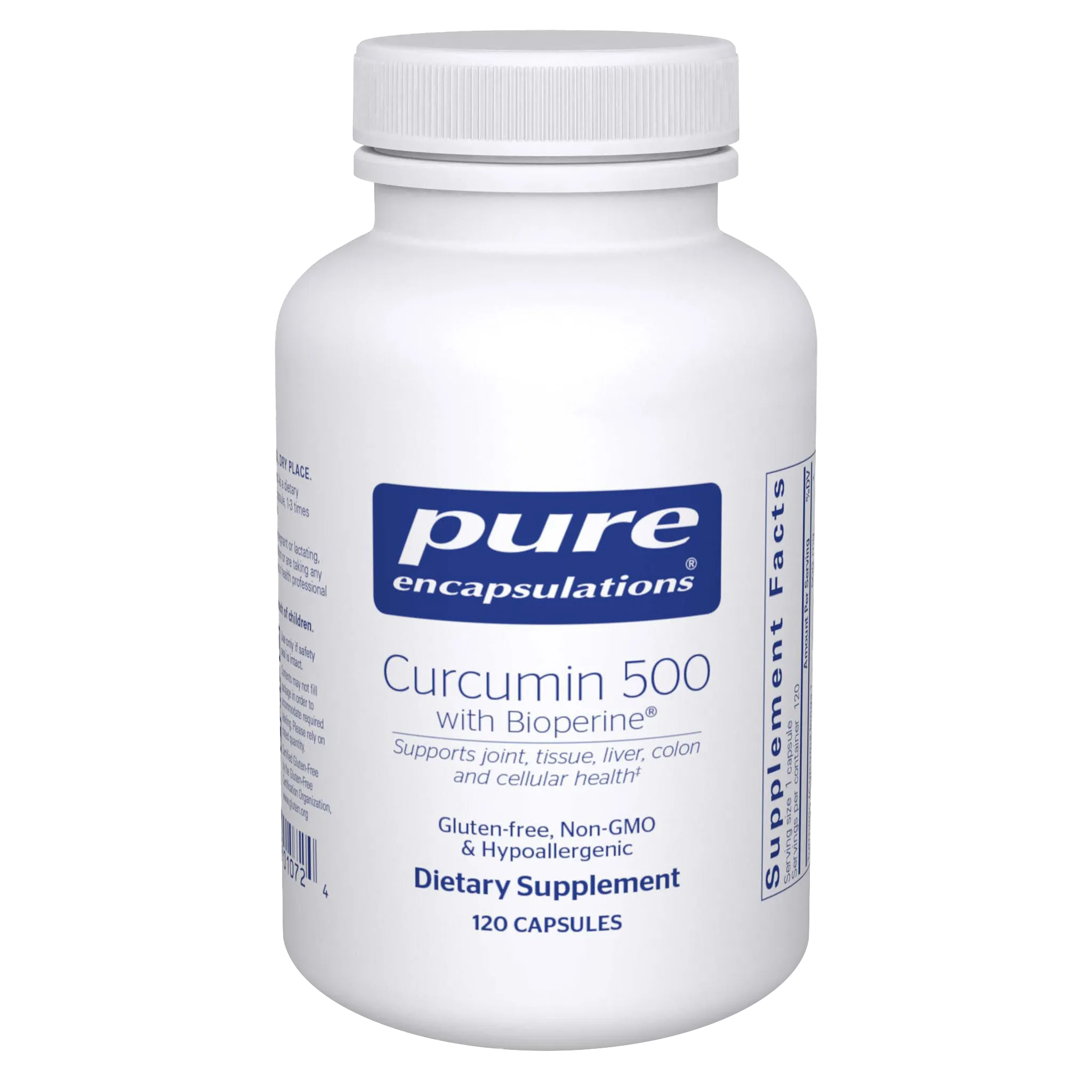
For managing complex chronic inflammation, clinical trials generally utilize target doses ranging from 500 mg to 1,000 mg of enhanced curcumin per day. The Pure Encapsulations Curcumin 500 with BioPerine provides 500 mg of highly standardized turmeric extract (95% curcuminoids) alongside 5.3 mg of BioPerine per capsule. The suggested use is to take 1 capsule 1-3 times daily. Because curcumin is fat-soluble, its absorption can be further optimized by taking the supplement alongside a meal that contains healthy fats, such as olive oil, avocado, or nuts, which helps stimulate bile production and micelle formation in the gut.
When starting curcumin supplementation, it is generally advisable to begin with a lower dose (e.g., one capsule daily) and gradually titrate up over several weeks. This allows you to monitor your body's response and minimize the risk of mild gastrointestinal upset, which can occasionally occur when introducing high-potency polyphenols. Consistency is key; because curcumin works by modulating gene transcription and rebuilding antioxidant defenses, it typically takes several weeks of daily, consistent use to notice significant improvements in systemic symptoms like brain fog and joint pain.
CYP450 Enzyme Interactions and Medication Safety
While curcumin has an excellent general safety profile, its mechanism of action requires careful consideration for patients taking prescription medications. Both curcumin and piperine are known modulators of the Cytochrome P450 (CYP450) family of drug-metabolizing enzymes in the liver and intestines. Specifically, piperine is a potent inhibitor of the CYP3A4 enzyme. Because CYP3A4 is responsible for metabolizing a vast majority of pharmaceutical drugs, inhibiting this enzyme can slow down the clearance of these medications, potentially leading to artificially elevated levels of the drug in the bloodstream.
According to pharmacological safety reviews, patients taking medications with narrow therapeutic indices that are metabolized by CYP3A4 or CYP2C9—such as certain blood thinners (e.g., warfarin), statins, immunosuppressants, or specific cardiovascular drugs—should exercise extreme caution. The combination of curcumin and BioPerine can alter the pharmacokinetics of these drugs, increasing the risk of adverse effects. It is absolutely critical to consult with your prescribing healthcare provider or a knowledgeable pharmacist before adding a bio-enhanced curcumin supplement to your regimen to ensure there are no dangerous drug-herb interactions.
Iron Absorption Precautions
Another vital safety consideration is curcumin's profound impact on iron metabolism. Curcumin possesses structural characteristics that make it a potent metal chelator, meaning it can physically bind to minerals in the gastrointestinal tract. Specifically, curcumin binds tightly to ferric iron (Fe3+), forming an insoluble complex that the body cannot absorb. Clinical case reports and studies have documented that high doses of turmeric and curcumin can inhibit iron absorption by 20% to 90%, and can even suppress the liver's synthesis of hepcidin, a key regulatory peptide in iron balance.
For patients with conditions of iron overload, this chelating effect can actually be therapeutic. However, for individuals with borderline iron stores, a history of anemia, or menstruating women, high-dose curcumin supplementation poses a real risk of inducing iron deficiency anemia. To mitigate this risk, patients who are prone to low iron should avoid taking curcumin supplements at the same time as iron-rich meals or iron supplements. Separating the ingestion of curcumin and iron by at least two to three hours can help prevent the curcumin from binding to the dietary iron, preserving your body's ability to maintain healthy iron stores.

Follow the Science
The Landmark Piperine Bioavailability Study
The foundational scientific evidence supporting the use of piperine as a bioenhancer for curcumin comes from a landmark clinical trial conducted by Shoba et al. in 1998. In this human crossover study, healthy volunteers were given a single oral dose of 2 grams of pure curcumin alone, which resulted in extremely low or undetectable serum levels due to rapid glucuronidation. After a washout period, the same volunteers were given 2 grams of curcumin combined with 20 mg of piperine.
The results were paradigm-shifting for nutritional science. When co-administered with piperine, the serum concentrations of curcumin peaked significantly within one hour. Based on the Area Under the Curve (AUC) measurements, the researchers concluded that piperine increased the relative bioavailability of curcumin in humans by 2,000% (a 20-fold increase). This study definitively proved that inhibiting Phase II metabolic enzymes with black pepper extract is a safe and highly effective method for ensuring that therapeutic doses of curcumin can reach the systemic circulation.
Curcumin in ME/CFS and Long COVID Trials
Recent clinical research has begun to validate the use of curcumin for complex post-viral syndromes. An open-label trial published in the Scientific Research Publishing journal evaluated the effects of a bioavailable curcumin complex on patients diagnosed with ME/CFS. The patients supplemented with the curcumin complex twice daily for 8 weeks. The researchers observed a statistically significant reduction in core ME/CFS fatigue symptom scores, particularly in patients with mild to moderate disease severity, concluding that curcumin's ability to cross the blood-brain barrier likely reduced both oxidative stress and central neuroinflammation.
In the context of Long COVID, the scientific community is actively investigating curcumin's potential to clear post-viral brain fog. A recently registered pragmatic clinical trial (NCT06974058) is currently evaluating a standardized combination supplement containing highly bioavailable curcumin and quercetin in adult participants with mild to moderate Long COVID symptoms. The primary outcomes being measured include improvements in overall symptom burden, cognitive function, and systemic inflammatory markers. Furthermore, as discussed in our exploration of Can Açai and Pomegranate Extracts Combat Oxidative Stress in Long COVID and ME/CFS?, addressing the foundational oxidative damage caused by the SARS-CoV-2 virus is a critical frontier in Long COVID research, and curcumin stands as one of the most potent natural antioxidants available for this purpose.
Evidence in Mast Cell Stabilization
The clinical application of curcumin for managing Mast Cell Activation Syndrome (MCAS) is supported by robust in vitro and in vivo studies demonstrating its direct impact on mast cell behavior. A pivotal study published in Biomolecules & Therapeutics investigated the effects of curcumin on a mouse model of passive systemic anaphylaxis. The researchers found that oral administration of curcumin yielded a significant, dose-dependent attenuation of IgE-induced systemic allergic reactions.
The data from this study confirmed that curcumin successfully suppressed the generation of both COX-2 and 5-LOX dependent inflammatory markers. Most importantly, post-treatment blood panels showed noticeably reduced serum levels of histamine, Leukotriene C4 (LTC4), and Prostaglandin D2 (PGD2). Another study utilizing chemical mast cell triggers demonstrated that curcumin successfully prevented chemically induced drops in cellular cAMP and reduced cellular calcium uptake, proving its ability to fundamentally stabilize the mast cell membrane against severe degranulation triggers.
The Path Forward
Validating Your Experience
Living with the unpredictable, multi-systemic symptoms of Long COVID, ME/CFS, dysautonomia, and MCAS is an incredibly heavy burden. The profound exhaustion, the sudden allergic flares, and the heavy veil of brain fog are not just in your head—they are the result of measurable, physiological chaos driven by chronic inflammation, microglial activation, and cellular energy crises. It is completely understandable to feel frustrated when standard medical tests return "normal" results while your daily quality of life remains severely compromised. Finding therapies that address these root biochemical dysfunctions is a critical step toward regaining control of your health.
While no single supplement is a miraculous cure for these complex conditions, highly bioavailable curcumin represents a powerful, science-backed tool for cooling the systemic fires of inflammation. By silencing the cytokine storm, stabilizing hyper-reactive mast cells, and protecting delicate neuronal mitochondria from oxidative damage, curcumin addresses the very mechanisms that keep your body locked in a state of chronic illness. When paired with BioPerine to ensure it actually reaches the tissues that need it most, curcumin can provide foundational support for your brain, immune system, and cellular health.
Building a Comprehensive Strategy
It is important to remember that supplements are most effective when utilized as one piece of a broader, comprehensive management strategy. Curcumin should be integrated alongside careful symptom tracking, aggressive pacing to manage post-exertional malaise, dietary modifications to support gut health, and ongoing medical care. If you are struggling with the cognitive impacts of these conditions, you might also explore complementary approaches, such as those discussed in our guide on Can Acetyl-L-Carnitine Help Clear Brain Fog in Long COVID and ME/CFS? or Can 5-HTP Lift the Brain Fog and Sleep Disturbances of Long COVID?.
Always consult with your healthcare provider before introducing a new supplement, especially one as biochemically active as curcumin with BioPerine, to ensure it is appropriate for your specific health profile and to carefully manage any potential interactions with your current medications. With patience, a strategic approach, and the right targeted support, it is possible to reduce your symptom burden, clear the fog, and improve your daily quality of life.