Can CurcumaSorb Mind Help Clear Brain Fog in Long COVID and ME/CFS?
March 5, 2026
CurcumaSorb MindCurcuminLong COVID
Share:
Disclaimer: The information provided here is for educational purposes only and is not intended as medical advice. It should not be used to diagnose, treat, cure, or prevent any medical condition. Instead, use it as a starting point for discussion with your healthcare provider. Always consult with a qualified healthcare provider before starting any new medication, supplement, device, or making changes to your health regimen.
For many individuals living with complex chronic conditions like Long COVID, myalgic encephalomyelitis/chronic fatigue syndrome (ME/CFS), and dysautonomia, the cognitive and emotional toll can be just as debilitating as the physical symptoms. You might find yourself struggling to recall a simple word, losing your train of thought mid-sentence, or feeling a profound sense of mental fatigue after a brief conversation. This phenomenon, often referred to as "brain fog," is not simply a matter of being tired or distracted; it is a manifestation of underlying neuroinflammation, altered cerebral blood flow, and metabolic dysfunction in the brain. Alongside these cognitive challenges, many patients experience shifts in mood, heightened anxiety, and an overwhelmed stress response, further complicating the journey toward recovery.
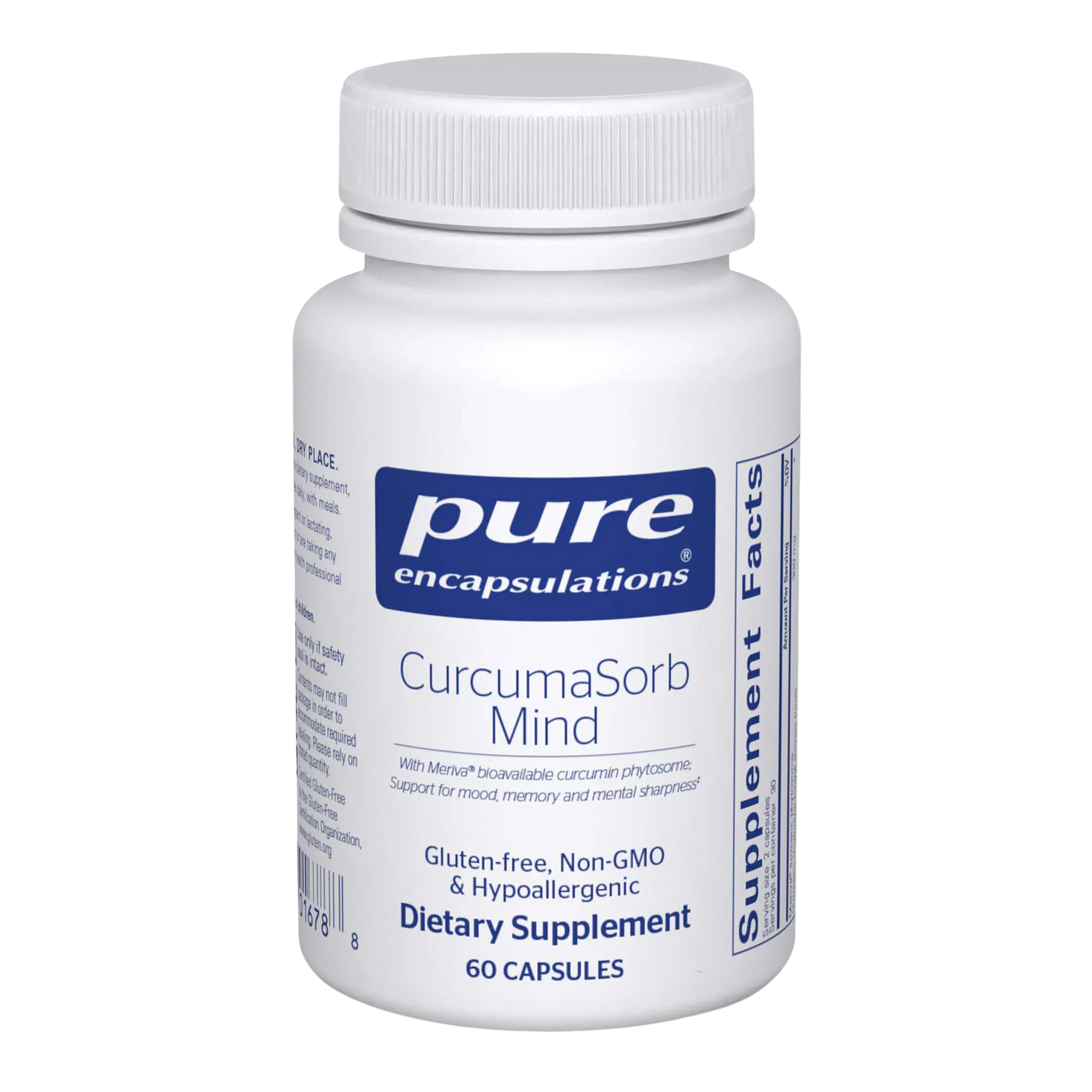
Finding targeted support for these neurological symptoms requires addressing the root mechanisms of brain health. CurcumaSorb Mind by Pure Encapsulations is an advanced, multi-ingredient formula designed to support cognitive function, memory, and emotional wellness. By combining highly bioavailable Meriva® curcumin with a proprietary blend of grape and wild blueberry extracts (Neurophenol®), green tea extract, and Monterey pine bark extract, this supplement offers a comprehensive approach to neuronal stability. In this article, we will explore the intricate science behind these polyphenols, how they interact with the brain's cellular pathways, and how they may help manage the cognitive and mood-related symptoms associated with chronic invisible illnesses.
TL;DR
CurcumaSorb Mind combines curcumin, polyphenol extracts, and green tea to support cognitive function and emotional wellness.
The formula targets neuroinflammation and oxidative stress, common drivers of brain fog in chronic conditions.
Ingredients may help manage mental fatigue, improve focus, and support a stable, positive mood.
Take capsules with meals containing healthy fats to maximize the absorption of its specialized phytosome technology.
What is CurcumaSorb Mind?
To understand the foundation of CurcumaSorb Mind, we must first look at the role of polyphenols in human biology. Polyphenols are a diverse class of naturally occurring organic compounds found abundantly in plants, characterized by the presence of multiple phenol structural units. In a healthy body, these compounds serve as a primary defense mechanism against oxidative stress and cellular damage. When ingested, polyphenols act as potent antioxidants, neutralizing free radicals—unstable molecules that can damage DNA, proteins, and lipid membranes. The brain is particularly vulnerable to free radical damage because it consumes a disproportionate amount of the body's oxygen (about 20%) and is rich in polyunsaturated fatty acids, which are highly susceptible to lipid peroxidation.
Flavonoids, a specific sub-category of polyphenols, are highly regarded in neuroscience for their ability to cross the blood-brain barrier (BBB). Once inside the central nervous system, flavonoids do much more than simply scavenge free radicals. They actively interact with intracellular signaling pathways that regulate neuronal survival, synaptic plasticity, and neurogenesis. For instance, specific flavonoids can activate the extracellular signal-regulated kinase (ERK) and phosphoinositide 3-kinase (PI3K) pathways, which are crucial for the formation of new memories and the maintenance of healthy synapses. By modulating these pathways, flavonoids help maintain the structural integrity and functional capacity of the brain's complex neural networks.
Furthermore, polyphenols play a critical role in modulating the body's inflammatory response. They can inhibit the activation of nuclear factor kappa B (NF-κB), a primary transcription factor that triggers the production of pro-inflammatory cytokines. By keeping NF-κB in check, polyphenols help manage the chronic, low-grade inflammation that is often implicated in neurodegenerative processes and mood disorders. This dual action—antioxidant protection combined with anti-inflammatory signaling—makes polyphenols a cornerstone of nutritional neuroscience.
Curcumin is the principal bioactive curcuminoid found in turmeric (Curcuma longa), a spice that has been utilized in traditional medicine for millennia. At the molecular level, curcumin is a pleiotropic molecule, meaning it can interact with multiple molecular targets simultaneously. Its primary mechanism of action involves the profound regulation of inflammatory cascades and antioxidant defense systems. Curcumin is known to directly bind to and inhibit enzymes such as cyclooxygenase-2 (COX-2) and lipoxygenase (LOX), which are responsible for synthesizing inflammatory prostaglandins and leukotrienes. This enzymatic inhibition is a key reason why curcumin is so heavily studied for its systemic anti-inflammatory effects.
In the context of brain health, curcumin's ability to cross the blood-brain barrier allows it to exert direct neuroprotective effects. It stimulates the production of brain-derived neurotrophic factor (BDNF), a vital protein that acts like fertilizer for the brain, encouraging the growth of new neurons and the strengthening of existing synaptic connections. BDNF is essential for learning, memory, and higher cognitive functions. Additionally, curcumin has been shown to influence neurotransmitter balance, particularly by modulating the levels of serotonin and dopamine in the brain, which are critical for mood regulation and emotional stability.
However, the natural form of curcumin is notoriously poorly absorbed by the human gastrointestinal tract. It has low aqueous solubility, undergoes rapid metabolism in the liver, and is quickly eliminated from the body. This is where the specific formulation in CurcumaSorb Mind becomes crucial. By utilizing a specialized phytosome technology, the curcumin is bound to phospholipids, dramatically enhancing its bioavailability and allowing therapeutic concentrations to reach the systemic circulation and the brain.
Beyond curcumin, CurcumaSorb Mind incorporates a sophisticated blend of other botanical extracts, specifically Neurophenol® (a proprietary blend of wild blueberry and grape extracts) and Monterey pine bark extract. Wild blueberries and grapes are exceptionally rich in specific flavonoids known as anthocyanins and flavonols. These compounds have a profound affinity for the vascular system. They promote the production of endothelial nitric oxide (eNO), a signaling molecule that signals the smooth muscles of blood vessels to relax and dilate. This vasodilation is critical for maintaining healthy cerebral blood flow, ensuring that neurons receive a steady supply of oxygen and glucose required for intensive cognitive tasks.
Monterey pine bark extract (Pinus radiata) contributes a highly concentrated dose of oligomeric proanthocyanidins (OPCs). OPCs are large, complex polyphenol molecules that possess extraordinary antioxidant capacity—often cited as being significantly more potent than vitamins C and E. In the brain, OPCs act as "cellular shields," protecting the delicate lipid membranes of neurons from oxidative degradation. They also support the integrity of the blood-brain barrier itself, helping to protect against neurotoxins and systemic inflammatory markers infiltrating the central nervous system.
The combination of these extracts creates a synergistic effect. While the grape and blueberry extracts focus on enhancing cerebral perfusion and stimulating neurogenesis, the pine bark OPCs provide a robust defense against oxidative damage. Together, they create an optimal environment for neuronal function, supporting both the structural health of the brain and the dynamic processes required for memory formation, recall, and sustained mental focus.
The final key component of this formulation is green tea extract, standardized to contain a high percentage of epigallocatechin gallate (EGCG). EGCG is the most abundant and biologically active catechin in green tea. In the realm of neuroscience, EGCG is highly valued for its ability to modulate the hypothalamic-pituitary-adrenal (HPA) axis. The HPA axis is the body's central stress response system, responsible for regulating the release of cortisol and other stress hormones. When functioning correctly, the HPA axis helps the body respond to acute stressors and then return to a state of homeostasis.
EGCG helps to buffer the HPA axis against hyperactivity. It has been shown to reduce the excessive release of corticotropin-releasing hormone (CRH) from the hypothalamus, which in turn lowers the downstream production of cortisol. By dampening this stress response, EGCG helps protect the brain—particularly the hippocampus, the brain's memory center—from the toxic effects of prolonged cortisol exposure. High levels of cortisol are known to impair memory consolidation and contribute to feelings of anxiety and emotional exhaustion.
Furthermore, EGCG interacts with the GABAergic system in the brain. Gamma-aminobutyric acid (GABA) is the primary inhibitory neurotransmitter, responsible for promoting relaxation and reducing neuronal excitability. EGCG can enhance GABA transmission, providing a calming effect that supports emotional wellness without causing the sedation associated with pharmaceutical tranquilizers. This unique combination of HPA axis modulation and GABAergic support makes green tea extract a powerful tool for managing both cognitive sharpness and mood stability.
How Chronic Illness Impacts the Brain
In conditions like Long COVID, ME/CFS, and mast cell activation syndrome (MCAS), the brain is often subjected to a state of chronic, low-grade inflammation, commonly referred to as neuroinflammation. To understand what “brain fog” and cognitive dysfunction in Long COVID truly entail, we must look at the brain's resident immune cells: the microglia. In a healthy state, microglia act as the brain's caretakers, clearing away cellular debris and supporting synaptic health. However, in response to a viral trigger, systemic inflammation, or ongoing immune dysregulation, these microglia can become chronically activated.
When activated, microglia shift from a protective role to a destructive one. They begin to secrete high levels of pro-inflammatory cytokines, such as interleukin-1 beta (IL-1β), interleukin-6 (IL-6), and tumor necrosis factor-alpha (TNF-α). This localized cytokine storm disrupts normal neuronal communication and impairs the function of neurotransmitters. The constant state of alarm in the brain drains cellular energy resources, leading to the profound mental fatigue and cognitive slowing that patients frequently describe. This microglial activation is a primary driver of the neurological symptoms seen in post-viral syndromes.
Furthermore, chronic neuroinflammation can lead to the activation of astrocytes, another type of glial cell that supports neuronal health. When astrocytes become reactive, they can form glial scars and further contribute to the inflammatory milieu. This ongoing glial reactivity creates a vicious cycle of inflammation and oxidative stress that is incredibly difficult to break without targeted interventions that can cross the blood-brain barrier and quiet the immune response within the central nervous system.
Another critical factor impacting brain health in chronic illness is cerebral hypoperfusion, or reduced blood flow to the brain. Many patients with Long COVID, ME/CFS, and dysautonomia (such as Postural Orthostatic Tachycardia Syndrome, or POTS) experience significant drops in cerebral blood velocity, particularly when upright. This means the brain is not receiving an adequate supply of oxygen and essential nutrients, leading to immediate cognitive impairment, dizziness, and mental health challenges in Long COVID.
This hypoperfusion is often linked to endothelial dysfunction. The endothelium is the inner lining of blood vessels, responsible for regulating vascular tone and blood flow. In chronic inflammatory states, the endothelium can become damaged or dysfunctional, losing its ability to properly dilate vessels (a process heavily reliant on nitric oxide). Additionally, emerging research in Long COVID has highlighted the presence of fibrinaloid microclots—tiny, persistent blood clots that can physically obstruct the microcapillaries in the brain, further impeding oxygen delivery and exacerbating cognitive dysfunction.
When neurons are starved of oxygen and glucose due to hypoperfusion, they cannot produce sufficient adenosine triphosphate (ATP), the cellular energy currency. This energy deficit directly translates to the clinical symptoms of brain fog: difficulty concentrating, slowed processing speed, and poor working memory. Addressing cerebral blood flow and supporting endothelial health is therefore a crucial component of managing cognitive symptoms in these patient populations.
The chronic physical and emotional stress of living with a complex, invisible illness takes a severe toll on the hypothalamic-pituitary-adrenal (HPA) axis. In many patients with ME/CFS and Long COVID, the HPA axis becomes dysregulated. Initially, the body may produce high levels of cortisol in response to the ongoing physiological stress of the illness. Over time, however, this system can become blunted or exhausted, leading to a flattened diurnal cortisol curve or overall hypocortisolism.
This HPA axis dysfunction has profound implications for mood and cognition. Cortisol, in appropriate amounts, is necessary for alertness, energy mobilization, and memory consolidation. When the HPA axis is out of balance, patients may experience severe morning fatigue, unrefreshing sleep, heightened anxiety, and an inability to cope with even minor physical or emotional stressors. The brain becomes trapped in a state of "wired and tired," where the nervous system is hyper-vigilant but lacks the energetic resources to function optimally.
Furthermore, this dysregulation impacts the balance of key neurotransmitters, including serotonin, dopamine, and norepinephrine. The disruption of these chemical messengers contributes to the mood swings, depression, and emotional lability that frequently accompany chronic neuroimmune conditions. Restoring balance to the HPA axis and supporting healthy neurotransmitter function is essential for improving both emotional wellness and cognitive clarity.
CurcumaSorb Mind: Supporting Cognitive Function and Mood
CurcumaSorb Mind utilizes Meriva® curcumin phytosome to directly target the neuroinflammatory processes that drive cognitive dysfunction. Preclinical studies on Meriva have demonstrated its remarkable ability to cross the blood-brain barrier and interact with glial cells. In models of chronic brain inflammation, Meriva has been shown to force activated, toxic microglia and astrocytes to shift back into a healthy, "resting" state. By doing so, it drastically reduces the local production of pro-inflammatory cytokines like IL-1β and TNF-α within the brain tissue.
This suppression of microglial activation is crucial for patients with Long COVID and ME/CFS. When the cytokine storm in the brain is quieted, neurons can resume normal communication. The reduction in neuroinflammation also lowers the oxidative burden on the brain, preserving the integrity of synaptic connections. This mechanism helps to lift the dense "fog" that patients experience, allowing for clearer thinking, improved focus, and a reduction in the mental fatigue that follows cognitive exertion.
Additionally, curcumin's ability to stimulate Brain-Derived Neurotrophic Factor (BDNF) provides a pathway for neuro-regeneration. BDNF supports the survival of existing neurons and encourages the formation of new synapses, a process known as neuroplasticity. This is particularly important for recovering memory function and learning capacity that may have been impaired during prolonged periods of illness and inflammation.
To combat the cerebral hypoperfusion often seen in dysautonomia and Long COVID, CurcumaSorb Mind relies on the vascular benefits of Neurophenol® and Monterey pine bark extract. The flavonoids and oligomeric proanthocyanidins (OPCs) in these extracts act as potent vasodilators. They stimulate the endothelial cells lining the brain's blood vessels to produce nitric oxide, which relaxes the smooth muscle walls and widens the vessels. This improved vasodilation helps to restore healthy blood flow to the brain, ensuring that neurons receive the oxygen and glucose they desperately need.
Research on the Neurophenol blend indicates that these specific polyphenols target both vascular strength and elasticity. By improving the structural integrity of the microcapillaries, these compounds help to counteract the endothelial dysfunction that restricts cerebral perfusion. This mechanism is highly complementary to other vascular support strategies, such as using Açai and Pomegranate extracts to combat oxidative stress, providing a multi-faceted approach to improving brain circulation.
Furthermore, the OPCs from the Monterey pine bark provide a dense layer of antioxidant protection specifically for the vascular system. They help reduce the oxidation of lipids in the cell membranes, which is a key driver of vascular damage. By protecting the blood-brain barrier and improving microcirculation, these botanical extracts help to clear metabolic waste products from the brain more efficiently, reducing the toxic buildup that contributes to cognitive slowing and mental exhaustion.
The inclusion of green tea extract, rich in EGCG, targets the HPA axis dysregulation and mood disturbances prevalent in chronic illness. EGCG acts as a neuroprotective buffer, helping to normalize the body's stress response. By reducing the excessive secretion of corticotropin-releasing hormone (CRH) and modulating cortisol levels, EGCG helps to protect the hippocampus from stress-induced damage. This stabilization of the HPA axis is essential for patients stuck in a chronic state of "fight or flight."
Beyond stress hormone regulation, EGCG actively supports neurotransmitter balance. It has been shown to increase the availability of serotonin and dopamine, neurotransmitters that are fundamental to positive mood, motivation, and emotional resilience. This mechanism is particularly relevant for patients dealing with the secondary depression and anxiety that often accompany chronic, debilitating conditions. EGCG's ability to enhance GABAergic transmission also provides a subtle, non-sedating calming effect, helping to reduce the neurological hyper-arousal that can interfere with focus and sleep.
The synergistic action of EGCG with the other polyphenols in CurcumaSorb Mind creates a comprehensive neuro-supportive environment. While curcumin reduces the inflammatory fire, and the grape/blueberry/pine extracts restore blood flow, EGCG helps to rebuild the brain's resilience to stress and emotional fatigue. This multi-targeted approach is often necessary when dealing with the complex, overlapping pathologies of conditions like Long COVID and ME/CFS.
Symptoms CurcumaSorb Mind May Help Manage
CurcumaSorb Mind is formulated to target a range of cognitive and emotional symptoms that frequently disrupt the daily lives of patients with chronic neuroimmune conditions. By addressing the underlying mechanisms of neuroinflammation, poor blood flow, and oxidative stress, this supplement may help manage several specific challenges:
Brain Fog and Mental Clarity: By suppressing microglial activation and reducing neuroinflammation via Meriva curcumin, this formula helps clear the dense, sluggish feeling in the brain, improving overall mental sharpness and processing speed.
Working Memory and Recall: The Neurophenol blend of grape and blueberry extracts supports synaptic plasticity and stimulates Brain-Derived Neurotrophic Factor (BDNF), which may help improve short-term memory, verbal recognition, and the ability to recall specific words or events.
Mental Fatigue and Stamina: By improving cerebral blood flow and oxygen delivery through the vasodilatory effects of pine bark OPCs and flavonoids, the brain receives more metabolic energy, potentially increasing the duration you can focus before experiencing cognitive exhaustion.
Difficulty Concentrating: The combination of improved cerebral perfusion and reduced oxidative stress helps stabilize neuronal communication, making it easier to maintain attention on tasks without becoming easily distracted.
In addition to cognitive support, the specific polyphenols in this formula are chosen for their ability to modulate the nervous system's stress response and support emotional well-being. This is particularly important for patients navigating the profound psychological toll of chronic invisible illness.
Mood Instability and Low Mood: EGCG from green tea extract and curcumin both support the healthy balance of key neurotransmitters like serotonin and dopamine, which can help promote a more positive, stable mood and combat the emotional blunting often seen in chronic illness.
Heightened Anxiety and "Wired" Feelings: By modulating the HPA axis and enhancing GABAergic transmission, EGCG helps to calm an overactive nervous system, reducing feelings of nervous tension and promoting a sense of relaxed alertness.
Stress Intolerance: The adaptogenic-like properties of these polyphenols help buffer the brain against the toxic effects of prolonged cortisol exposure, improving the brain's resilience to both physical and emotional stressors.
Neurological Hyper-arousal: The robust antioxidant defense provided by the entire polyphenol blend protects neurons from the metabolic stress that can cause the nervous system to feel constantly "on edge" or overstimulated.
Practical Considerations: Forms, Dosing, and Absorption
When considering polyphenol supplementation, bioavailability is the most critical factor. Many standard botanical extracts, particularly curcumin, have notoriously poor absorption rates. They are often degraded by stomach acid, poorly absorbed through the intestinal wall, and rapidly metabolized and excreted by the liver before they can reach the bloodstream, let alone cross the blood-brain barrier. CurcumaSorb Mind addresses this challenge by utilizing Meriva® curcumin, which employs proprietary phytosome technology.
Phytosome technology involves binding the curcumin extract to a phospholipid complex, typically derived from sunflower or soy lecithin (phosphatidylcholine). Because human cell membranes are also made of phospholipids, this complex acts as a highly compatible delivery vehicle. The phospholipid "shell" protects the curcumin from degradation in the digestive tract and significantly enhances its absorption across the intestinal barrier. Clinical pharmacokinetic studies have demonstrated that the total curcuminoid absorption of Meriva is up to 29-fold higher than that of standard, unformulated curcumin, ensuring that therapeutic doses actually reach the systemic circulation and the brain.
This enhanced bioavailability means that patients can achieve significant clinical benefits at lower, more manageable doses compared to consuming massive amounts of raw turmeric powder, which can often cause gastrointestinal distress. The phytosome structure also ensures a more sustained release of the active compounds into the bloodstream, providing longer-lasting antioxidant and anti-inflammatory support throughout the day.
The suggested use for CurcumaSorb Mind is to take 2 capsules one to two times daily. Because the formula relies heavily on lipid-based phytosome technology and fat-soluble compounds, it is highly recommended to take these capsules with meals. Consuming the supplement alongside a meal that contains healthy fats (such as avocado, olive oil, or nuts) will further stimulate the release of bile acids and digestive enzymes, maximizing the absorption of the polyphenols and curcuminoids.
For patients dealing with severe cognitive fatigue or "brain fog" that peaks at specific times of the day, timing the dosage can be strategic. Taking a dose in the morning with breakfast can help provide antioxidant support and promote cerebral blood flow for the day's cognitive demands. If a second dose is utilized, taking it with lunch or early afternoon may help mitigate the late-afternoon cognitive crashes that are common in ME/CFS and Long COVID. Due to the green tea extract (which contains trace amounts of natural caffeine and stimulating catechins), it is generally advisable to avoid taking this supplement late in the evening to prevent any potential sleep disruption.
It is important to note that while some acute benefits in mental clarity may be noticed relatively quickly, the profound neuroprotective and neuro-regenerative effects of polyphenols are cumulative. Consistent daily use over several weeks to months is typically required to observe significant shifts in memory function, mood stability, and overall cognitive endurance.
CurcumaSorb Mind is generally well-tolerated, but there are specific safety considerations to keep in mind. The formula is certified vegetarian and non-GMO, with no listed major allergens. However, because curcumin and pine bark extract can have mild blood-thinning (anti-platelet) properties, individuals taking prescription anticoagulants (such as warfarin or Eliquis) or anti-platelet medications should consult their healthcare provider before starting this supplement, as it may increase the risk of bruising or bleeding.
Additionally, the product carries a specific warning for individuals with liver problems. High doses of green tea extract (specifically EGCG) have occasionally been associated with liver enzyme elevations in susceptible individuals. If you have a history of liver disease or are taking medications that are heavily metabolized by the liver, it is crucial to discuss this supplement with your doctor and potentially monitor liver function tests.
Finally, pregnant or lactating women, and anyone with a complex health condition, should always seek medical guidance before introducing a new multi-ingredient botanical formula. While the ingredients are natural, they exert powerful biochemical effects that must be integrated safely into a patient's overall treatment plan, especially when managing complex neuroimmune conditions.
Follow the Science
The scientific literature surrounding the specific ingredients in CurcumaSorb Mind provides robust support for their use in cognitive and emotional health. Meriva® curcumin, in particular, has been the subject of extensive clinical investigation. While many preclinical models have proven its ability to suppress microglial activation and neuroinflammation, human trials are actively mapping its cognitive benefits. A notable ongoing trial is the EPICURO Study (NCT04705220), a randomized, double-blind, placebo-controlled trial evaluating the effect of 1 gram per day of Meriva on the cognitive performance of older adults with metabolic syndrome.
This study is significant because metabolic syndrome is heavily linked to systemic inflammation and an increased risk of cognitive decline, mirroring the inflammatory burden seen in Long COVID. The trial measures homeostatic balance of cognitive function, memory, executive functions, and attention, alongside systemic inflammatory and oxidative stress markers. Previous pilot studies have already demonstrated that 6 months of Meriva supplementation significantly lowers plasma pro-inflammatory mediators and reduces oxidative stress in human subjects, providing a strong systemic foundation for its neuroprotective effects.
Furthermore, research on Meriva in other inflammatory conditions, such as osteoarthritis, confirms its potent ability to rapidly decrease systemic inflammatory biomarkers without the gastrointestinal side effects associated with traditional NSAIDs. This systemic anti-inflammatory action is a prerequisite for reducing the neuroinflammatory load that drives cognitive dysfunction in chronic invisible illnesses.
The Neurophenol® blend of grape and wild blueberry extracts is backed by a landmark, "gold standard" clinical trial published in The Journals of Gerontology in 2019. This bicentric, double-blind, randomized, placebo-controlled trial involved 215 healthy elderly volunteers who took 600 mg per day of the extract for 6 months. The results were striking: supplementation significantly improved verbal episodic memory across the cohort.
Most notably, the researchers observed the most profound improvements in individuals who had the lowest cognitive baseline at the start of the study. According to the data, individuals who entered the study performing at a much older cognitive age experienced an effective reversal of up to 13 years of cognitive aging after 6 months of supplementation. Urine analyses in the study confirmed a direct correlation between higher excretion of flavonol metabolites and memory improvements, proving the extract's high bioavailability and systemic utilization.
A follow-up clinical trial in 2023 tested a lower dose of 300 mg per day (the exact amount found in a daily dose of CurcumaSorb Mind) on adults with Mild Cognitive Impairment (MCI). This study validated the efficacy of the lower dose, showing significant enhancements in executive functions, speed of information processing, visuospatial episodic memory, and a reduction in everyday cognitive failures. These findings strongly support the use of Neurophenol for patients struggling with the processing speed and memory recall issues typical of "brain fog."
The clinical evidence for green tea extract and Monterey pine bark extract further solidifies the formula's efficacy. A 2017 review of 49 human intervention studies published in Nutrition demonstrated that green tea phytochemicals, particularly L-theanine, significantly improved self-reported relaxation, tension, and calmness, though conclusive evidence for EGCG alone was limited. Preclinical models, such as Single Prolonged Stress (SPS) rat models used to study PTSD, have shown that EGCG effectively diminishes HPA axis dysfunction, normalizing stress hormones and reversing trauma-stimulated memory deficits.
Similarly, Monterey pine bark extract (often studied under the name Enzogenol) has shown remarkable cognitive benefits in clinical settings. A double-blind, placebo-controlled trial published in Phytotherapy Research found that 5 weeks of supplementation significantly improved spatial working memory and immediate recognition tasks. Other trials involving patients with mild traumatic brain injury (TBI) demonstrated that the pine bark extract reduced cognitive failures, improved information processing, and reduced mental fatigue, highlighting its potential for repairing neural pathways damaged by inflammation or trauma.
Together, this body of research paints a compelling picture of a multi-ingredient formula that addresses the core pathophysiological mechanisms of cognitive dysfunction. By combining highly bioavailable anti-inflammatories with potent vasodilators and stress-modulating catechins, CurcumaSorb Mind is firmly grounded in modern nutritional neuroscience.
The Path Forward
Living with the cognitive and emotional symptoms of Long COVID, ME/CFS, or dysautonomia is a profoundly challenging experience. When your brain—the very core of how you interact with the world—feels sluggish, uncooperative, or overwhelmed by anxiety, it is easy to feel disconnected from your true self. It is vital to understand that "brain fog" and mood instability are not personal failings or signs of weakness; they are the direct physiological consequences of neuroinflammation, altered blood flow, and metabolic stress. Your symptoms are real, they are biologically driven, and they deserve targeted, compassionate care.
While there is no single "cure" for the complex neurological manifestations of chronic invisible illnesses, there is immense hope in understanding the mechanisms at play. By targeting the specific pathways of microglial activation, endothelial dysfunction, and HPA axis dysregulation, we can begin to create a more supportive environment for the brain to heal. Supplements like CurcumaSorb Mind are designed to provide the specific molecular tools—highly bioavailable polyphenols, curcuminoids, and catechins—that the brain needs to quiet inflammation and restore healthy cellular communication.
However, nutritional support is just one piece of a comprehensive management puzzle. Improving cognitive function requires a holistic approach that includes rigorous pacing to prevent post-exertional malaise, symptom tracking to identify specific triggers, optimizing sleep hygiene, and working closely with a medical team to address underlying systemic issues. You might also explore other targeted therapies, such as using Acetyl-L-Carnitine to support mitochondrial energy or lifting brain fog with Guanfacine, depending on your unique clinical presentation.
If you are struggling with memory recall, mental fatigue, or mood instability, CurcumaSorb Mind offers a scientifically grounded, multi-faceted approach to supporting your neurological health. By combining the potent anti-inflammatory action of Meriva curcumin with the vascular and neurogenic benefits of Neurophenol, green tea, and pine bark extracts, this formula targets the very mechanisms that drive cognitive dysfunction in chronic illness.
Always consult with your healthcare provider before starting any new supplement regimen, especially if you are taking prescription medications, managing a complex chronic condition, or have a history of liver issues. Your medical team can help you determine if this specific blend of polyphenols is the right fit for your individual health needs and ensure it integrates safely with your broader treatment plan.