Can CraveArrest™ Support Neurotransmitter Balance and Appetite Control in Long COVID and ME/CFS?
March 5, 2026
CraveArrestLong COVIDME/CFS
Share:
Disclaimer: The information provided here is for educational purposes only and is not intended as medical advice. It should not be used to diagnose, treat, cure, or prevent any medical condition. Instead, use it as a starting point for discussion with your healthcare provider. Always consult with a qualified healthcare provider before starting any new medication, supplement, device, or making changes to your health regimen.
Months or even years after recovering from an acute viral infection, many individuals find themselves battling a complex web of debilitating symptoms that fall under the umbrella of Long COVID, myalgic encephalomyelitis/chronic fatigue syndrome (ME/CFS), or dysautonomia. Among the most frustrating of these symptoms are profound cognitive dysfunction, unexplainable physical exhaustion, autonomic nervous system dysregulation, and sudden, intense cravings for carbohydrate-rich foods. While these symptoms may seem disconnected on the surface, emerging clinical research points to a singular, unifying underlying mechanism: severe neurotransmitter depletion and central nervous system dysfunction.
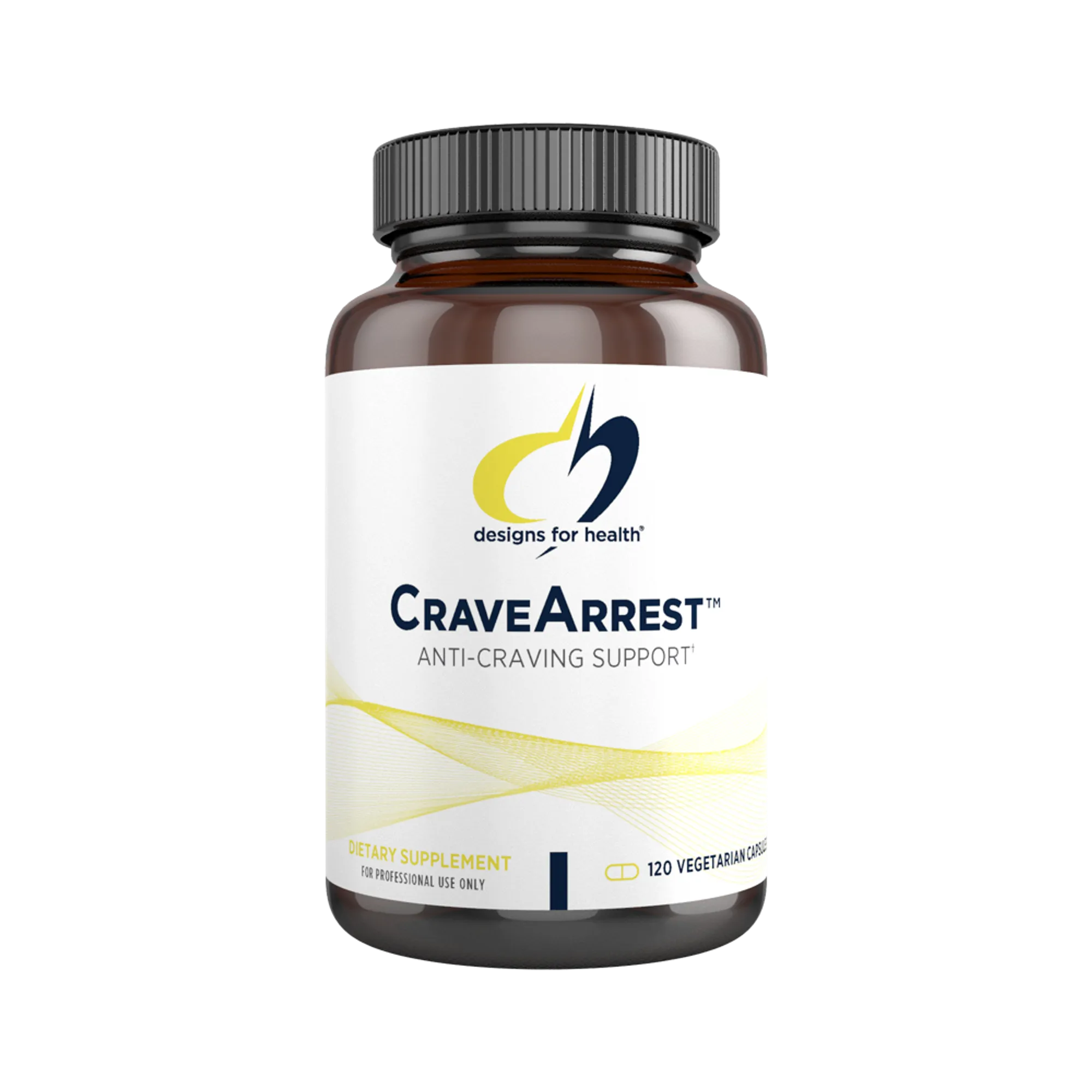
When the body is trapped in a state of chronic neuroinflammation and persistent immune activation, the biochemical pathways responsible for producing essential neurotransmitters like dopamine and serotonin become severely compromised. This disruption not only fuels the hallmark "brain fog" and physical exhaustion of post-viral syndromes but also derails the body's natural appetite regulation and stress response systems. CraveArrest™ by Designs for Health is a targeted nutritional supplement designed to address these exact biochemical bottlenecks. By combining precise ratios of amino acid precursors like L-tyrosine and 5-hydroxytryptophan (5-HTP) with adaptogenic botanicals and essential vitamin cofactors, this formula aims to bypass inflammatory roadblocks and restore the critical neurotransmitter balance required for both metabolic health and neurological recovery.
What is CraveArrest™?
CraveArrest™ is a synergistic nutritional formula specifically engineered to support the body's natural production and utilization of key neurotransmitters. In a healthy, well-functioning central nervous system, neurotransmitters act as the primary chemical messengers that dictate everything from our mood and cognitive focus to our heart rate and feelings of satiety. However, these vital chemical messengers are not created out of thin air; they must be synthesized from specific dietary amino acids through complex, multi-step enzymatic pathways. CraveArrest™ provides clinically relevant doses of these foundational amino acids, specifically targeting the biochemical pathways that govern the body's craving signals and stress responses.
The core architecture of the CraveArrest™ formula is built upon two primary amino acid precursors: L-tyrosine and 5-hydroxytryptophan (5-HTP). These ingredients are provided in a highly specific 10:1 ratio (1 gram of L-tyrosine to 100 mg of 5-HTP). This precise ratio is not arbitrary; it is designed to mirror the natural physiological balance required by the brain to synthesize catecholamines and indoleamines simultaneously without causing competitive inhibition at the blood-brain barrier. By supplying these raw materials in their most bioavailable forms, the supplement ensures that the central nervous system has the necessary building blocks to maintain homeostasis, even when under significant physiological or metabolic stress.
Beyond the primary amino acids, CraveArrest™ incorporates a robust support system of essential vitamin cofactors and adaptogenic botanicals. The inclusion of Vitamin C, Niacin (Vitamin B3), Pyridoxine and Pyridoxal-5-Phosphate (Vitamin B6), and Methylcobalamin (Vitamin B12) ensures that the enzymatic machinery responsible for converting these amino acids into active neurotransmitters functions optimally. Furthermore, the addition of the adaptogenic herb Rhodiola rosea provides a unique mechanism for modulating the body's physiological response to stress, creating a comprehensive approach to managing the neurological and metabolic dysfunctions frequently seen in complex chronic illnesses.
To understand the clinical utility of CraveArrest™, one must first understand the profound biological roles of the neurotransmitters it supports: dopamine and serotonin. Dopamine is the primary catecholamine neurotransmitter responsible for executive function, motivation, reward-seeking behavior, and motor control. It is synthesized through a strict biochemical pathway: L-phenylalanine is converted to L-tyrosine, which is then hydroxylated to form L-DOPA, and finally decarboxylated to become dopamine. In the prefrontal cortex, optimal dopamine levels are essential for working memory and cognitive clarity. Furthermore, dopamine serves as the direct precursor to norepinephrine and epinephrine, the neurotransmitters that govern the sympathetic nervous system and regulate vascular tone, heart rate, and blood pressure.
Serotonin, on the other hand, is an indoleamine neurotransmitter that plays a massive role in mood stabilization, gastrointestinal motility, and, crucially, appetite regulation. While 90% of the body's serotonin is produced in the gut, the serotonin synthesized in the brain is one of the most powerful natural appetite suppressants in the human body. In the hypothalamus, serotonin binds to specific receptors (predominantly 5-HT2C and 5-HT1B) on pro-opiomelanocortin (POMC) neurons. This activation signals a profound sense of "satiety" or fullness to the brain, naturally halting food intake and preventing the overconsumption of carbohydrate-rich foods. When central serotonin levels drop, the brain interprets this deficit as a state of starvation, triggering intense cravings for quick-energy carbohydrates in a subconscious attempt to force tryptophan across the blood-brain barrier.
The final pillar of the CraveArrest™ formula is Rhodiola rosea, a classic plant adaptogen that thrives in high-altitude, extreme environments. In the context of human physiology, an adaptogen is a substance that non-specifically enhances the body's resistance to physical, chemical, and biological stressors, helping to maintain or restore systemic homeostasis. Rhodiola achieves this primarily by modulating the hypothalamic-pituitary-adrenal (HPA) axis, the central hormone pathway that controls the release of cortisol and other stress hormones. By regulating the HPA axis, Rhodiola helps prevent the hypersecretion of cortisol that often drives stress-induced eating and metabolic dysfunction.
At a cellular level, the active compounds in Rhodiola rosea—specifically rosavins and salidroside—exert profound effects on mitochondrial function. Research indicates that these compounds actively stimulate the synthesis of adenosine triphosphate (ATP) within the mitochondria of skeletal muscle cells and neurons. This localized boost in cellular energy production protects energy carriers from depletion during periods of intense physical or emotional stress, counteracting the profound exhaustion and physical weakness that characterize conditions like ME/CFS and Long COVID. By supporting both neurotransmitter synthesis and mitochondrial energy production, CraveArrest™ addresses multiple overlapping mechanisms of chronic illness.
How Long COVID and ME/CFS Impact Neurotransmitter Balance
The pathophysiology of Long COVID and ME/CFS is deeply intertwined with the systemic disruption of neurotransmitter networks. One of the most significant breakthroughs in understanding this connection comes from recent research into the gut-brain axis. Studies have demonstrated that traces of viral RNA and viral proteins can persist in the gastrointestinal tract long after an acute infection has resolved. These persistent viral reservoirs trigger a continuous, localized immune response, flooding the intestinal lining with pro-inflammatory cytokines and type 1 interferons. This chronic localized inflammation has a devastating downstream effect on the body's ability to produce serotonin.
Specifically, this virus-induced intestinal inflammation severely impairs the absorption of dietary tryptophan, the essential amino acid required to synthesize serotonin. Because the vast majority of the body's serotonin is manufactured by enterochromaffin cells in the gut, this malabsorption causes circulating serotonin levels to plummet. This systemic serotonin depletion directly impairs the function of the vagus nerve, the primary neural superhighway that connects the gut, heart, and brain. Diminished vagal tone—a direct result of low serotonin—is a primary driver of the severe dysautonomia, neurocognitive decline, and gastrointestinal dysmotility frequently observed in post-viral syndromes.
Furthermore, the disruption of the serotonin-vagus nerve axis creates a vicious cycle of metabolic dysfunction. As central serotonin levels drop, the hypothalamic satiety signals mediated by POMC neurons are silenced. Patients often experience sudden, unexplainable weight gain and intense cravings for carbohydrate-heavy foods, as the brain desperately attempts to spike insulin levels to shuttle whatever remaining tryptophan is available across the blood-brain barrier. This compensatory overeating further fuels systemic inflammation and metabolic stress, exacerbating the underlying chronic illness.
The disruption of serotonin synthesis in ME/CFS and Long COVID is further compounded by a destructive biochemical phenomenon known as the "kynurenine steal." Under normal, healthy conditions, the body converts dietary L-tryptophan into 5-HTP, which is then rapidly converted into serotonin. However, when systemic neuroinflammation is present, the biochemical landscape shifts dramatically. Pro-inflammatory cytokines, particularly tumor necrosis factor-alpha (TNF-α) and interleukin-6 (IL-6), heavily upregulate the expression of specific enzymes known as indoleamine 2,3-dioxygenase (IDO1) and IDO2.
These inflammatory enzymes effectively "hijack" dietary tryptophan, shunting it away from the serotonin production pathway and forcing it down the alternative kynurenine pathway. This inflammatory hijacking acts as a double-edged sword for chronic illness patients. First, it starves the central nervous system of serotonin, directly causing the depression, profound fatigue, and appetite dysregulation that define these conditions. Second, the kynurenine pathway produces highly neurotoxic metabolites, such as quinolinic acid. Quinolinic acid acts as a potent agonist at NMDA receptors in the brain, triggering massive oxidative stress, excitotoxicity, and the severe, intractable brain fog that patients describe as feeling like a physical weight inside their heads.
While the serotonin pathways are being decimated by inflammation, the catecholamine pathways (dopamine, norepinephrine, and epinephrine) suffer a similar fate. The synthesis of dopamine from L-tyrosine is heavily dependent on an enzyme called tyrosine hydroxylase, which requires a crucial cofactor known as tetrahydrobiopterin (BH4). In states of chronic neuroinflammation and severe oxidative stress, BH4 is rapidly oxidized and depleted. Without sufficient BH4, the conversion of L-tyrosine to L-DOPA stalls entirely, leading to a profound, systemic depletion of central dopamine.
This dopamine depletion has catastrophic consequences for the autonomic nervous system. The prefrontal cortex relies on optimal dopamine levels to exert inhibitory control over the limbic system—the brain's emotional and threat-detection center. When dopamine levels crash, the limbic system becomes hyperactivated, leading to a massive, unregulated sympathetic nervous system (fight-or-flight) drive. This hyperadrenergic state is the biochemical hallmark of Postural Orthostatic Tachycardia Syndrome (POTS) and other forms of dysautonomia. Patients experience severe tachycardia, palpitations, tremors, and a constant state of physiological anxiety, all driven by the brain's inability to regulate autonomic tone due to catecholamine starvation.
CraveArrest™: Supporting Neurotransmitter Synthesis and Stress Response
CraveArrest™ utilizes 5-hydroxytryptophan (5-HTP) as a highly targeted intervention to overcome the inflammatory roadblocks that destroy serotonin production in chronic illness. If a patient with Long COVID or ME/CFS attempts to boost their serotonin levels by consuming standard L-tryptophan supplements, the intervention will largely fail. Because their immune system is highly activated, the upregulated IDO1 and IDO2 enzymes will simply hijack the supplemental L-tryptophan and convert it into more neurotoxic kynurenine metabolites, paradoxically worsening their brain fog and neuroinflammation.
5-HTP completely bypasses this inflammatory bottleneck. Because 5-HTP is already one biochemical step past the IDO enzymatic reaction, the immune system cannot divert it down the kynurenine pathway. Furthermore, unlike large proteins or standard serotonin, 5-HTP easily crosses the blood-brain barrier. Once inside the central nervous system, it is rapidly converted directly into serotonin by the enzyme aromatic L-amino acid decarboxylase (AAAD), which is not inhibited by inflammatory cytokines. This allows 5-HTP to successfully restore central serotonin levels, reactivate the hypothalamic satiety signals, and drastically reduce carbohydrate cravings even in highly inflamed patients.
Beyond its role as a serotonin precursor, emerging cellular research suggests that 5-HTP possesses its own direct anti-inflammatory properties. In vitro models demonstrate that 5-HTP can significantly reduce the activation of NF-κB, a primary protein complex that controls the transcription of DNA and triggers the massive release of pro-inflammatory cytokines. By inhibiting the NF-κB pathway, 5-HTP helps to cool the neuroinflammatory fires that drive post-viral syndromes, offering a dual mechanism of action: replenishing depleted neurotransmitters while actively suppressing the cellular inflammation that caused the depletion in the first place.
To address the profound dopamine and norepinephrine deficits seen in dysautonomia and ME/CFS, CraveArrest™ provides a substantial 1-gram dose of L-tyrosine. Because the chronic oxidative stress of these illnesses depletes the BH4 cofactor required for natural dopamine synthesis, the body's endogenous production lines grind to a halt. Supplementing with high-dose L-tyrosine aims to overcome this biochemical sluggishness through the principle of mass action. By flooding the system with an overwhelming supply of the raw precursor material, the compromised enzymatic pathways are forced to continue synthesizing dopamine and norepinephrine, effectively bypassing the BH4 limitation.
Restoring these catecholamine levels is critical for managing the cognitive and autonomic symptoms of Long COVID. In the prefrontal cortex, the newly synthesized dopamine helps to clear the debilitating brain fog, restoring executive function, working memory, and the motivation to engage in daily tasks. Furthermore, because dopamine is the direct precursor to norepinephrine, this continuous supply of L-tyrosine ensures that the peripheral nervous system has the necessary chemical messengers to regulate vascular tone. By stabilizing catecholamine production, L-tyrosine helps to mitigate the wild swings in heart rate and blood pressure that characterize POTS and orthostatic intolerance.
The inclusion of the adaptogenic herb Rhodiola rosea in the CraveArrest™ formula provides essential support for the body's exhausted stress-response systems. In patients with ME/CFS and Long COVID, the hypothalamic-pituitary-adrenal (HPA) axis is frequently severely dysregulated. This can manifest as either a hyperactive stress response, where the body is constantly flooded with cortisol, or a state of profound adrenal exhaustion, where cortisol production flatlines. Rhodiola rosea acts as a bidirectional modulator; its active compounds, rosavins and salidroside, interact directly with the HPA axis to normalize cortisol secretion, bringing the system back into homeostasis regardless of whether it is overactive or underactive.
Crucially, Rhodiola rosea also addresses the profound cellular energy deficits that plague chronic illness patients. The synthesis and packaging of neurotransmitters into synaptic vesicles is an incredibly energy-intensive process that requires massive amounts of ATP. In ME/CFS, widespread mitochondrial dysfunction severely limits ATP production. Rhodiola has been shown to directly stimulate the synthesis of ATP within the mitochondria of skeletal muscles and neurons. By providing this vital cellular energy, Rhodiola ensures that the dopamine and serotonin synthesized from the L-tyrosine and 5-HTP in the formula can actually be utilized by the brain, preventing the cytosolic pooling of neurotransmitters that can cause paradoxical anxiety.
Amino acids cannot convert into active neurotransmitters without the presence of highly specific vitamin cofactors. CraveArrest™ includes a precise blend of these essential vitamins to ensure the enzymatic pathways function flawlessly. Vitamin C (ascorbic acid) is a mandatory cofactor for the enzyme dopamine-beta-hydroxylase, which is responsible for converting dopamine into norepinephrine. Without adequate Vitamin C, the catecholamine pathway stalls at dopamine, leaving the peripheral nervous system starved of the norepinephrine required to maintain blood pressure upon standing. Additionally, Vitamin C acts as a potent antioxidant, protecting the delicate neurons from the oxidative stress generated during neurotransmitter metabolism.
Similarly, the B-vitamin complex included in the formula is non-negotiable for neurological health. Vitamin B6 is provided in its active, phosphorylated form, Pyridoxal-5-Phosphate (P5P). P5P is the absolute mandatory cofactor for the AAAD enzyme, which facilitates the final conversion of 5-HTP into serotonin and L-DOPA into dopamine. Without sufficient P5P, the entire CraveArrest™ formula would be rendered inert. Furthermore, the inclusion of Niacin (Vitamin B3) helps to satisfy the body's systemic demand for NAD+, subtly discouraging the immune system from shunting dietary tryptophan down the kynurenine pathway, thereby preserving more raw materials for serotonin production.
Symptoms CraveArrest™ May Help Manage
By addressing the root biochemical imbalances in neurotransmitter production and cellular energy, CraveArrest™ offers targeted support for several of the most challenging symptoms associated with Long COVID, ME/CFS, and dysautonomia. While it is not a cure for these complex conditions, restoring optimal levels of dopamine, serotonin, and norepinephrine can significantly improve a patient's daily quality of life and functional capacity.
Carbohydrate Cravings and Weight Gain: By bypassing the inflammatory kynurenine steal and directly replenishing central serotonin levels via 5-HTP, CraveArrest™ reactivates the brain's natural satiety signals. This helps to eliminate the intense, uncontrollable cravings for carbohydrate-rich foods that often lead to unwanted weight gain and further metabolic inflammation in chronic illness patients.
Brain Fog and Executive Dysfunction: The substantial dose of L-tyrosine provides the raw materials necessary to rebuild depleted dopamine stores in the prefrontal cortex. This restoration of dopaminergic tone directly combats cognitive sluggishness, improving working memory, mental clarity, and the ability to focus on complex tasks without experiencing immediate mental exhaustion.
Severe Post-Viral Fatigue: The adaptogenic properties of Rhodiola rosea actively stimulate the production of ATP within the mitochondria of skeletal muscles and neurons. By enhancing cellular energy reserves and protecting energy carriers from depletion during stress, the formula helps to counteract the profound, leaden physical exhaustion that characterizes ME/CFS and Long COVID.
Dysautonomia and POTS Symptoms: By supporting the continuous synthesis of dopamine and its downstream conversion into norepinephrine (aided by the Vitamin C cofactor), the formula helps to stabilize the autonomic nervous system. Adequate catecholamine levels are essential for regulating vascular tone, which can help mitigate the severe tachycardia, blood pressure fluctuations, and orthostatic intolerance seen in POTS.
Stress Intolerance and HPA Axis Dysfunction: Rhodiola rosea acts directly on the hypothalamic-pituitary-adrenal axis to modulate the release of cortisol. This bidirectional regulation helps to calm a hyperactive sympathetic nervous system, reducing the constant feelings of physiological anxiety, internal tremors, and "wired but tired" sensations that plague patients with dysregulated stress responses.
Practical Considerations: Forms, Dosing, and Absorption
When supplementing with amino acid precursors, the specific ratio of the ingredients is just as critical as the dosage. CraveArrest™ is formulated with a highly intentional 10:1 ratio of L-tyrosine (1,000 mg) to 5-HTP (100 mg). This precise balance is required because both of these amino acids compete for the exact same transport mechanism—the large neutral amino acid transporter (LAT1)—to cross the blood-brain barrier. Furthermore, once inside the brain, both L-tyrosine (after converting to L-DOPA) and 5-HTP rely on the exact same enzyme, aromatic L-amino acid decarboxylase (AAAD), to make their final conversions into dopamine and serotonin.
If a patient were to take high doses of 5-HTP without a proportional amount of L-tyrosine, the 5-HTP would monopolize the AAAD enzyme. This would lead to a massive spike in serotonin but a catastrophic depletion of dopamine, as the tyrosine pathway would be competitively inhibited. By providing a 10:1 ratio, CraveArrest™ perfectly mimics the natural physiological demand of the central nervous system, ensuring that both the catecholamine (dopamine) and indoleamine (serotonin) pathways are supported simultaneously without causing a secondary neurotransmitter deficiency.
To maximize the bioavailability and clinical efficacy of CraveArrest™, proper timing and administration are essential. The manufacturer strongly recommends taking the supplement on an empty stomach, typically 30 to 45 minutes before a meal or two hours after eating. Because the active ingredients are isolated amino acids, taking them alongside a protein-heavy meal will cause them to compete with the dietary amino acids for absorption in the gastrointestinal tract and at the blood-brain barrier, significantly blunting their therapeutic effect.
For patients dealing with the severe morning fatigue and brain fog associated with ME/CFS and Long COVID, taking the suggested dose of two capsules immediately upon waking can help kickstart catecholamine production and provide a much-needed cognitive boost for the day ahead. However, because L-tyrosine and Rhodiola rosea can have a mildly stimulating effect on the central nervous system, it is generally advised to avoid taking CraveArrest™ late in the afternoon or evening, as it may interfere with the natural circadian wind-down process and exacerbate the severe sleep disruptions common in post-viral syndromes.
While the ingredients in CraveArrest™ are naturally occurring compounds, their powerful effects on neurotransmitter synthesis require careful consideration, particularly for patients taking prescription medications. The most significant contraindication involves the use of 5-HTP alongside selective serotonin reuptake inhibitors (SSRIs), serotonin-norepinephrine reuptake inhibitors (SNRIs), or monoamine oxidase inhibitors (MAOIs). Combining 5-HTP with these psychiatric medications can lead to an excessive accumulation of central serotonin, triggering a potentially life-threatening condition known as serotonin syndrome, characterized by hyperthermia, severe agitation, and autonomic instability.
Additionally, patients with severe mitochondrial dysfunction should monitor their response to L-tyrosine carefully. Because the conversion of dopamine into synaptic vesicles requires massive amounts of cellular energy (ATP), patients with profound ATP deficits may experience a pooling of cytosolic dopamine. This can occasionally manifest as a paradoxical feeling of jitteriness, internal tension, or heightened anxiety. If these symptoms occur, it may indicate that the patient needs to focus on foundational mitochondrial support (such as CoQ10 or D-Ribose) before aggressively pushing the catecholamine synthesis pathways with high-dose amino acids. Always consult with a knowledgeable healthcare provider before introducing powerful neurotransmitter precursors into your regimen.

Follow the Science
The clinical efficacy of 5-HTP in regulating appetite and managing carbohydrate cravings is supported by decades of rigorous scientific research. Because 5-HTP bypasses the inflammatory kynurenine pathway and directly crosses the blood-brain barrier, it has proven highly effective in clinical trials. A landmark double-blind, placebo-controlled trial published in the International Journal of Obesity administered 900 mg/day of 5-HTP to obese adults over two 6-week periods. The researchers found that patients taking 5-HTP experienced significant weight loss, reported early satiety, and naturally reduced their carbohydrate intake without being placed on a prescribed restrictive diet.
Further research has confirmed these metabolic benefits even at lower dosages and in different patient populations. A study by Cangiano et al. (1998) evaluated overweight patients with type 2 diabetes who were given 750 mg/day of 5-HTP or a placebo for two weeks. The 5-HTP group spontaneously consumed roughly 421 fewer calories per day, drastically reducing their carbohydrate and fat intake, and lost an average of 4.6 pounds compared to the placebo group.
The connection between post-viral syndromes, serotonin depletion, and dysautonomia was recently solidified by groundbreaking research from the University of Pennsylvania. In late 2023, University of Pennsylvania researchers published a landmark study in the journal Cell detailing the exact mechanism by which Long COVID destroys the serotonin-vagus nerve axis. The researchers discovered that traces of the SARS-CoV-2 virus can remain in the gastrointestinal tract long after the acute infection, triggering a continuous release of type 1 interferons.
This chronic intestinal inflammation was shown to directly block the absorption of dietary tryptophan, starving the gut's enterochromaffin cells of the raw materials needed to produce serotonin. The study confirmed that this resulting systemic serotonin depletion directly disrupts vagal nerve signaling, leading to diminished vagal tone and the widespread autonomic dysfunction, memory loss, and brain fog characteristic of Long COVID. This research underscores the absolute necessity of bypassing the inflamed tryptophan absorption pathways by utilizing direct precursors like 5-HTP to restore neurological function.
The adaptogenic properties of Rhodiola rosea have been extensively documented in clinical trials evaluating severe physical and mental exhaustion. A 2017 multicenter open-label clinical trial published by Karger studied 100 subjects suffering from prolonged or chronic fatigue symptoms lasting at least two months. Patients taking 400 mg daily of a standardized Rhodiola extract experienced a statistically significant continuous improvement in their fatigue symptoms, with the greatest decline in exhaustion occurring after just one week of supplementation.
More recently, the medical community has begun applying these findings directly to the post-pandemic landscape. A 2023 study published in Frontiers in Pharmacology explored the potential of Rhodiola rosea extract for treating post-COVID-19 fatigue. The researchers noted that the clinical features of post-acute infection syndromes heavily overlap with ME/CFS, particularly regarding persistent neuroinflammation and mitochondrial dysfunction. Because Rhodiola has been proven to modulate neuroinflammation and activate ATP synthesis in skeletal muscles, the authors concluded that it is a highly promising therapeutic candidate for combating the profound physical exhaustion associated with post-viral syndromes.
The Path Forward
Living with complex, invisible illnesses like Long COVID, ME/CFS, and dysautonomia is an incredibly frustrating and exhausting journey. When your body's fundamental biochemical pathways are disrupted by chronic inflammation, symptoms like severe brain fog, unexplainable fatigue, and intense carbohydrate cravings are not signs of a lack of willpower—they are physiological cries for help from a central nervous system starved of essential neurotransmitters. Validating the biological reality of these symptoms is the first crucial step toward reclaiming your health and improving your daily quality of life.
While CraveArrest™ offers a powerful, science-backed tool for bypassing inflammatory bottlenecks and restoring the critical balance of dopamine and serotonin, it is important to remember that no single supplement is a magic cure for post-viral syndromes. True healing requires a comprehensive, multi-disciplinary approach. Supplementation must be paired with aggressive radical rest, meticulous symptom tracking, pacing strategies to avoid post-exertional malaise (PEM), and ongoing medical care to address underlying viral reservoirs, mast cell activation, and mitochondrial dysfunction. By supporting your body's neurotransmitter production, you are laying a stronger foundation for these other management strategies to take hold.
If you are struggling with the cognitive dysfunction, autonomic instability, and metabolic dysregulation associated with Long COVID or ME/CFS, targeted amino acid therapy may offer a pathway to relief. We encourage you to discuss your neurotransmitter health and the potential benefits of L-tyrosine, 5-HTP, and adaptogenic support with your healthcare provider to ensure it aligns with your specific clinical needs and current medication regimen.
To learn more about the interconnected nature of post-viral syndromes and how to manage your symptoms, explore our related resources on what causes Long COVID, the symptoms of Long COVID, and how to live with long-term COVID.