Can Copper Citrate Support Energy and Connective Tissue in Long COVID and ME/CFS?
March 5, 2026
Copper CitrateLong COVIDME/CFS
Share:
Disclaimer: The information provided here is for educational purposes only and is not intended as medical advice. It should not be used to diagnose, treat, cure, or prevent any medical condition. Instead, use it as a starting point for discussion with your healthcare provider. Always consult with a qualified healthcare provider before starting any new medication, supplement, device, or making changes to your health regimen.
Months or even years after a mild viral infection, many patients find themselves battling a bewildering array of symptoms: profound exhaustion that worsens after minor exertion, a racing heart upon standing, and joints that feel increasingly unstable or painful. For individuals living with Long COVID, myalgic encephalomyelitis/chronic fatigue syndrome (ME/CFS), and dysautonomia, this constellation of symptoms can feel impossible to untangle. Often, patients are told their blood work is "normal," yet their daily reality is anything but. They are left searching for the underlying physiological mechanisms that connect their debilitating fatigue, autonomic nervous system dysfunction, and connective tissue laxity.
In the search for answers, researchers and functional medicine practitioners are increasingly looking at the microscopic level—specifically at trace minerals that act as the spark plugs for our cellular engines. Copper is one such essential mineral. While severe, acquired copper deficiency is considered rare in the general population, functional deficiencies or imbalances in copper metabolism are emerging as critical factors in complex chronic illnesses. From driving mitochondrial energy production to weaving together the structural proteins of our blood vessels and joints, copper plays an indispensable role in the systems most heavily impacted by post-viral syndromes. Understanding how highly bioavailable forms like copper citrate interact with these pathways offers a validating, science-backed perspective on managing the complex symptoms of Long COVID and ME/CFS.
TL;DR
Copper is an essential mineral that supports cellular energy, connective tissue, and iron metabolism.
Viral infections can disrupt mineral balance, trapping iron and depleting bioavailable copper.
Supplementing with copper citrate may help manage fatigue and dysautonomia symptoms.
Always balance copper with zinc and consult a doctor for proper biomarker testing.
What is Copper?
Copper is an essential trace element and transition metal that is absolutely critical for human survival. Unlike macronutrients such as carbohydrates or proteins, trace minerals are needed in very small amounts, yet their impact on our biology is monumental. In a healthy body, copper acts as a vital catalytic cofactor—a "helper molecule"—for a specific group of enzymes known as cuproenzymes. These enzymes govern everything from how our cells generate energy to how our brain communicates and how our body regulates iron. Because copper can readily shift between two oxidation states (cuprous Cu¹⁺ and cupric Cu²⁺), it is uniquely suited to facilitate redox (oxidation-reduction) reactions, which involve the transfer of electrons.
Without adequate copper, these cuproenzymes cannot function, leading to a cascade of systemic failures. The human body contains roughly 100 milligrams of copper, primarily stored in the liver, brain, heart, kidneys, and skeletal muscle. Because we cannot synthesize copper internally, it must be obtained entirely through our diet or through targeted supplementation. In a healthy system, the body tightly regulates copper levels, absorbing what it needs through the small intestine and excreting any excess through bile. However, when this delicate balance is disrupted by chronic inflammation, viral infections, or competing minerals, the downstream effects can be profound.
The Role of Cuproenzymes in Human Physiology
To understand copper's importance, we must look at the specific cuproenzymes it activates. One of the most critical is cytochrome c oxidase, also known as Complex IV of the mitochondrial electron transport chain. This enzyme is the final destination for electrons during cellular respiration. Copper atoms within this complex help facilitate the transfer of electrons to molecular oxygen, safely converting it to water while pumping protons across the mitochondrial membrane. This proton gradient is what ultimately drives the synthesis of adenosine triphosphate (ATP), the primary energy currency of every cell in your body. Without copper, this cellular power plant grinds to a halt.
Another vital cuproenzyme is lysyl oxidase (LOX), which is secreted into the extracellular matrix. LOX is responsible for the structural maturation of connective tissues. It catalyzes the cross-linking of collagen and elastin fibers, the proteins that give our skin, joints, bones, and blood vessels their tensile strength and elasticity. Copper is required both for the structural formation of the LOX enzyme and for its catalytic activity. Without sufficient copper, collagen fibers remain disorganized and weak, leading to tissue laxity and structural instability—a phenomenon well-documented in genetic copper transport disorders like Menkes disease.
Copper as a Master Regulator of Iron
Perhaps one of copper's most misunderstood yet crucial roles is its mastery over iron metabolism. Copper is a mandatory component of ceruloplasmin, a massive glycoprotein synthesized by the liver that carries the majority of copper in the blood. Beyond simply transporting copper, ceruloplasmin functions as a ferroxidase enzyme. Its job is to oxidize highly reactive, toxic ferrous iron (Fe²⁺) into the safer ferric form (Fe³⁺). This conversion is an absolute biological requirement for iron to bind to transferrin, the protein that safely transports iron through the bloodstream to the bone marrow for red blood cell production.
If copper levels are inadequate, ceruloplasmin cannot perform this vital conversion. As a result, iron becomes trapped inside the tissues (such as the liver and macrophages) and cannot be mobilized into the blood. This creates a paradoxical state: the tissues become overloaded with toxic, oxidative iron, while the blood is starved of the iron it needs to create healthy red blood cells. This dynamic highlights why understanding what causes Long COVID and its associated fatigue requires looking beyond simple iron deficiency and examining the broader trace mineral network.
How Chronic Illness Impacts Copper and Iron Pathways
In complex chronic conditions like Long COVID, ME/CFS, and dysautonomia, the body's mineral metabolism is often thrown into chaos. Viral infections, chronic inflammation, and immune dysregulation can severely disrupt how the body utilizes and stores essential nutrients. For patients navigating these illnesses, understanding how their condition impacts copper and iron pathways is a crucial step in unraveling their symptoms. The pathophysiology of these diseases often involves vicious cycles of oxidative stress, autonomic nervous system failure, and cellular energy depletion, all of which are deeply intertwined with copper-dependent mechanisms.
One of the most significant challenges in diagnosing these disruptions is that standard blood tests often fail to capture the full picture. A patient might be told their serum iron is normal or their ferritin is high, yet they suffer from severe, anemia-like fatigue. This discrepancy is a hallmark of the complex metabolic shifts that occur during and after a severe viral infection. By examining the specific biochemical pathways affected by these illnesses, we can begin to see why diagnosing Long COVID requires a nuanced, functional approach to cellular health.
Viral Infections and Iron Sequestration
When the body is acutely infected with a pathogen like SARS-CoV-2, it initiates an ancient, evolutionary defense mechanism known as nutritional immunity. The immune system rapidly removes iron from the bloodstream and sequesters it inside tissues, effectively hiding it from the invading virus, which needs iron to replicate. While this is a brilliant short-term survival strategy, research published in Nature Immunology suggests that in Long COVID patients, this inflammatory response fails to switch off. The iron remains stubbornly trapped in the tissues, unavailable for the production of healthy red blood cells.
This trapped iron creates a state of functional anemia and chronic cellular hypoxia (low oxygen). Because the blood cannot deliver adequate oxygen to the brain and muscles, patients experience the profound, crushing fatigue and post-exertional malaise (PEM) that are characteristic of both Long COVID and ME/CFS. Crucially, this trapped iron also becomes highly toxic. Unregulated free iron in the tissues undergoes the Fenton reaction, generating highly reactive hydroxyl radicals that cause severe oxidative stress, lipid peroxidation, and widespread cellular damage.
The Depletion of Ceruloplasmin and the Inflammatory Loop
This is where the copper connection becomes vital. To safely remobilize this trapped iron back into the bloodstream, the body requires the copper-dependent enzyme ceruloplasmin. However, a comprehensive proteomic study published in the International Journal of Molecular Sciences analyzed the blood of Long COVID patients and found significant dysregulation in iron-metabolizing proteins, including a marked decrease in ceruloplasmin. Without adequate ceruloplasmin, the iron remains locked in the tissues, perpetuating the cycle of hypoxia and fatigue.
Furthermore, this iron-driven oxidative stress triggers the activation of an inflammatory enzyme called 5-lipoxygenase (5-LOX). 5-LOX produces inflammatory lipid mediators that sustain systemic inflammation throughout the body. This chronic inflammation continuously signals the immune system to keep hiding iron away from the blood, creating a vicious, self-perpetuating loop. The depletion of bioavailable copper and ceruloplasmin is the missing link that prevents the body from breaking this inflammatory cycle and restoring normal oxygen delivery to the tissues.
Dysautonomia, Connective Tissue, and the Zinc-Copper Imbalance
Beyond energy and iron, chronic illness profoundly impacts the autonomic nervous system and connective tissues. Many patients with ME/CFS and Long COVID also suffer from Postural Orthostatic Tachycardia Syndrome (POTS) and hypermobility spectrum disorders. These conditions are deeply connected to copper status. During the acute phase of a viral illness, many patients supplement heavily with high doses of zinc to support their immune system. While zinc is beneficial, excessive zinc intake triggers the production of metallothionein in the intestinal lining—a protein that preferentially binds to copper and traps it, preventing its absorption into the bloodstream.
This acquired, zinc-induced copper deficiency functionally impairs lysyl oxidase, the enzyme responsible for cross-linking collagen. The result is a degradation of connective tissue integrity. The blood vessels become excessively lax and stretchy. When a patient with this connective tissue weakness stands up, their blood vessels fail to constrict properly, allowing blood to pool in the lower extremities. The autonomic nervous system panics and drastically increases the heart rate to compensate, triggering the hallmark tachycardia and dizziness of POTS. Thus, a simple mineral imbalance can drive profound autonomic dysfunction.
Copper Citrate: Supporting Energy, Connective Tissue, and Autonomic Function
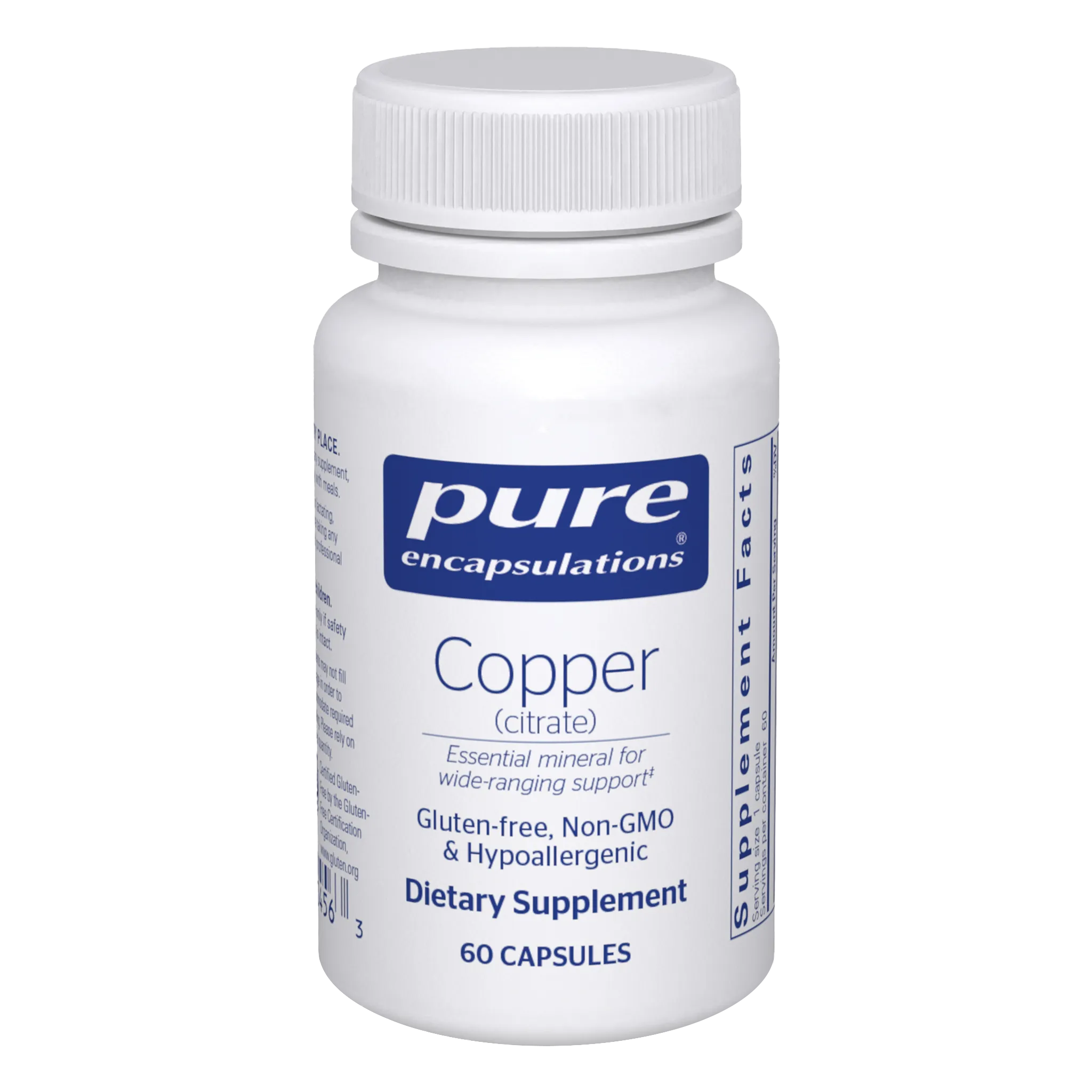
Addressing the complex web of symptoms in post-viral syndromes requires interventions that target the root cellular dysfunction. Supplementing with a highly bioavailable form of copper, such as copper citrate, can provide the essential raw materials the body needs to reactivate stalled enzymatic pathways. Copper citrate is a chelated form of the mineral, meaning the copper ions are bound to citric acid. This specific structure allows it to dissolve efficiently in the acidic environment of the stomach, ensuring superior absorption across the intestinal wall compared to inorganic forms like copper sulfate.
By restoring bioavailable copper levels, patients can support multiple physiological systems simultaneously. Copper does not act as a single-target drug; rather, it is a foundational element that restores the function of the body's innate machinery. From reigniting mitochondrial energy production to stabilizing lax blood vessels and remobilizing trapped iron, the mechanisms of action of copper are vast and deeply relevant to the daily struggles of those living with complex chronic illnesses. Understanding these mechanisms helps explain how patients can live with long-term COVID by utilizing targeted nutritional support.
Restoring Mitochondrial Energy Production
The most direct way copper supports patients with profound fatigue is through its role in the mitochondria. As mentioned earlier, copper is a core structural and functional component of cytochrome c oxidase (Complex IV) in the electron transport chain. This complex contains two specific copper centers: a dinuclear CuA center and a mononuclear CuB center. When electrons are delivered to Complex IV, the CuA center acts as the initial entry point, shuttling the electrons through the enzyme to the CuB center, where molecular oxygen is finally reduced to water.
If copper is deficient, Complex IV cannot assemble properly, and the entire electron transport chain backs up. The mitochondria cannot produce ATP, leaving the cells starved for energy. By supplementing with copper citrate, patients provide the exact mineral cofactor required to rebuild and activate Complex IV. This restores the flow of electrons, allowing the mitochondria to resume efficient ATP production. For patients suffering from the crushing, cellular-level exhaustion of ME/CFS, supporting this fundamental energy pathway is a critical step in managing fatigue and improving baseline stamina.
Stabilizing Connective Tissue and Blood Vessels
For patients with comorbid hypermobility or Ehlers-Danlos Syndrome (EDS) overlapping with their chronic illness, copper supplementation offers targeted structural support. Copper is the mandatory cofactor for lysyl oxidase (LOX). In the extracellular space, the copper atom in LOX catalyzes the auto-oxidation of a specific tyrosine residue, forming the active LTQ cofactor. This cofactor then strips the amino group from lysine residues in newly secreted collagen and elastin, converting them into highly reactive aldehydes called allysine.
These allysine molecules spontaneously condense with one another, forming the complex, covalent cross-links that give connective tissue its strength. By ensuring adequate copper availability, patients can maximize the activity of lysyl oxidase, supporting the structural integrity of whatever healthy collagen their body can synthesize. This is particularly vital for managing dysautonomia and POTS. When the connective tissue of the vascular walls is properly cross-linked and firm, the blood vessels can constrict effectively upon standing, helping to prevent the venous pooling that triggers reflex tachycardia and orthostatic intolerance.
Supporting Autonomic Function via Neurotransmitters
Copper also plays a direct, vital role in the neurological regulation of the autonomic nervous system. It is a required cofactor for dopamine beta-hydroxylase (DBH), the enzyme located inside nerve vesicles that is responsible for converting dopamine into norepinephrine. Norepinephrine is the primary chemical messenger of the sympathetic nervous system. It is the neurotransmitter that signals your blood vessels to tighten and your blood pressure to stabilize when you change positions from sitting to standing.
A functional deficiency in copper impairs DBH activity, leading to a buildup of dopamine and a severe lack of norepinephrine. This neurotransmitter imbalance results in profound orthostatic hypotension, dizziness, brain fog, and syncope (fainting). By providing bioavailable copper citrate, the body can restore DBH function, ensuring adequate synthesis of norepinephrine. This helps stabilize autonomic signaling, allowing the nervous system to properly regulate blood flow to the brain and extremities, thereby reducing the severity of dysautonomia symptoms.
Remobilizing Iron and Combating Hypoxia
Finally, copper citrate supports the resolution of post-viral iron dysregulation. By providing the necessary copper to the liver, the body can synthesize functional ceruloplasmin. As ceruloplasmin levels rise, its ferroxidase activity allows it to safely convert the toxic, trapped ferrous iron (Fe²⁺) in the tissues into the transportable ferric state (Fe³⁺). This effectively "unlocks" the sequestered iron, allowing it to bind to transferrin and re-enter the bloodstream.
Once remobilized, this iron can be transported to the bone marrow to produce healthy, oxygen-carrying red blood cells. This process alleviates the functional anemia and cellular hypoxia that drive post-viral fatigue. Furthermore, by removing the free iron from the tissues, ceruloplasmin halts the destructive Fenton reaction, significantly reducing systemic oxidative stress and lipid peroxidation. This dual action—restoring oxygen delivery and quenching tissue inflammation—makes copper an indispensable tool in the comprehensive management of Long COVID and ME/CFS.

Symptoms Copper May Help Manage
While copper is not a cure for complex chronic illnesses, targeted supplementation with copper citrate can help manage a variety of debilitating symptoms by addressing the underlying cellular and enzymatic dysfunctions. Because copper impacts so many different physiological systems—from the mitochondria to the blood vessels to the brain—its benefits can be felt across a wide spectrum of symptoms. Below is a breakdown of the specific symptoms that copper citrate may help alleviate, and the mechanisms behind these improvements.
Targeting the Root Causes of Fatigue and Dysautonomia
Profound Fatigue and Low Stamina: By acting as a core component of cytochrome c oxidase (Complex IV), copper supports the final step of the mitochondrial electron transport chain, restoring the cellular production of ATP and improving baseline energy levels.
Post-Exertional Malaise (PEM): Copper helps remobilize trapped iron via ceruloplasmin, allowing for the creation of healthy red blood cells. This improves oxygen delivery to the muscles and brain, reducing the cellular hypoxia that triggers severe crashes after minor exertion.
Orthostatic Intolerance and Dizziness: Copper is required for dopamine beta-hydroxylase, the enzyme that produces norepinephrine. Adequate norepinephrine ensures the blood vessels can constrict properly upon standing, helping to prevent the blood pressure drops and dizziness associated with dysautonomia.
Rapid Heart Rate (Tachycardia/POTS): By supporting lysyl oxidase, copper helps cross-link the collagen in blood vessel walls. Firmer, less lax blood vessels prevent venous pooling in the legs, reducing the autonomic nervous system's need to drastically spike the heart rate upon standing.
Addressing Connective Tissue and Cognitive Symptoms
Joint Hypermobility and Pain: The activation of lysyl oxidase by copper ensures proper cross-linking of collagen and elastin throughout the body, providing structural support to lax joints and potentially reducing the musculoskeletal pain associated with hypermobility spectrum disorders.
Brain Fog and Cognitive Impairment: By improving red blood cell formation and oxygen delivery to the brain, and by supporting the synthesis of the myelin sheaths that protect nerve fibers, copper helps clear the neurological symptoms and cognitive sluggishness often reported in post-viral syndromes.
Frequent Infections and Immune Dysregulation: Copper is essential for the development and function of neutrophils (a type of white blood cell). Correcting a functional copper deficiency may help resolve neutropenia, supporting a more robust and balanced immune response.
Practical Considerations: Forms, Dosing, and the Zinc Balance
When incorporating a trace mineral like copper into your management plan, the form, dosage, and balance with other minerals are of paramount importance. Trace minerals operate in a delicate, interconnected web; taking too much of one can severely deplete another. This is especially true for the relationship between copper and zinc. Understanding the practical considerations of supplementation ensures that you maximize the therapeutic benefits of copper citrate while avoiding potential pitfalls and toxicities.
It is also important to recognize that correcting mineral imbalances takes time. Unlike a stimulant that provides immediate (but fleeting) energy, rebuilding enzymatic pathways, cross-linking collagen, and remobilizing sequestered iron are slow, biological processes. Patients should approach supplementation with patience, often requiring several weeks to months of consistent use, alongside regular biomarker tracking, to notice sustained improvements in their baseline symptoms. This long-term perspective is crucial when considering how long Long COVID lasts and the timeline for cellular recovery.
Bioavailability: Why Copper Citrate?
Not all copper supplements are created equal. Inorganic forms, such as copper sulfate, are often poorly absorbed and can cause significant gastrointestinal distress. Copper citrate, on the other hand, is a chelated form where the copper ion is bound to citric acid. Research in agricultural and nutritional sciences has demonstrated that copper citrate is highly soluble in the acidic environment of the stomach. This solubility allows it to break down efficiently and be readily absorbed across the intestinal lining.
Furthermore, because it is bound to citric acid, copper citrate is less likely to bind with dietary antagonists in the gut, such as phytates (found in grains and legumes), which typically block mineral absorption. This high bioavailability means that lower doses of copper citrate can effectively saturate tissue levels and activate vital cuproenzymes without the need for mega-dosing, which can be dangerous. When taking copper citrate, it is generally recommended to take it with a meal to further minimize any potential stomach upset.
The Critical Zinc-to-Copper Ratio
The most crucial practical consideration when supplementing with copper is maintaining the correct balance with zinc. Zinc and copper are antagonistic; they compete for the same absorption pathways in the intestines. As previously mentioned, high doses of zinc trigger the intestinal cells to produce metallothionein, a protein that traps copper and excretes it from the body. Taking high doses of zinc (e.g., 50 mg or more daily) for immune support without concurrent copper supplementation is a primary driver of acquired copper deficiency in chronic illness patients.
Clinical guidelines generally recommend maintaining a zinc-to-copper ratio between 8:1 and 15:1 (milligrams of zinc to milligrams of copper). For example, if you are taking 15 to 30 mg of zinc daily, you should pair it with approximately 2 mg of bioavailable copper. Many functional medicine practitioners advise separating the ingestion of zinc and copper supplements by at least two hours to prevent direct competition in the gut, though maintaining the overall daily ratio is the most critical factor for long-term safety and efficacy.
Dosing, Safety, and Testing
The standard supplemental dose of copper citrate is typically 2 mg per day. It is vital not to exceed 10 mg of total copper intake per day (from all dietary and supplemental sources) without direct medical supervision, as excess copper can accumulate in the liver and brain, causing severe oxidative stress and toxicity. Patients with a history of Wilson's disease, a rare genetic disorder that causes copper accumulation, must strictly avoid copper supplementation.
Because of the potential for toxicity, patients exploring the intersection of their symptoms with copper status should work with a healthcare provider to undergo proper biomarker testing. Standard serum copper is often insufficient on its own. A comprehensive workup should include serum copper, serum ceruloplasmin (to calculate the percentage of unbound, "free" copper), a 24-hour urine copper test, and a complete blood count (CBC) to check for unexplained neutropenia or iron-unresponsive anemia. This data-driven approach ensures that supplementation is both safe and targeted.

Follow the Science
The scientific understanding of trace minerals in the context of post-viral syndromes and chronic fatigue is rapidly evolving. Recent studies have begun to map the precise molecular pathways that link copper, iron, and connective tissue to the debilitating symptoms experienced by patients with Long COVID, ME/CFS, and dysautonomia. By examining these clinical findings, we can move beyond generalized advice and ground our management strategies in rigorous, peer-reviewed research.
This growing body of evidence highlights the necessity of looking at the body as an interconnected system. The research demonstrates that isolated symptoms—such as a racing heart, profound fatigue, and joint pain—are often downstream effects of a central metabolic disruption. Understanding the science behind these disruptions validates the patient experience and provides a clear rationale for targeted nutritional interventions.
Iron Dysregulation and Post-Viral Fatigue
A landmark 2024 study published in Nature Immunology by researchers at the University of Cambridge identified disrupted iron metabolism as a primary driver of Long COVID. The researchers found that the body's acute inflammatory response to SARS-CoV-2 causes iron to be sequestered in the tissues, depriving the blood of the iron needed to create healthy red blood cells. This results in chronic cellular hypoxia and profound fatigue. Crucially, the researchers noted that simply giving patients more iron is not the solution, as it can exacerbate oxidative stress. Instead, the focus must be on remobilizing the trapped iron.
This is where copper's role becomes undeniable. A comprehensive proteomic analysis published in the International Journal of Molecular Sciences analyzed the blood of Long COVID patients and found significant dysregulation in iron-metabolizing proteins. Specifically, the study highlighted a marked decrease in ceruloplasmin, the copper-dependent enzyme required to oxidize and remobilize trapped iron. The depletion of ceruloplasmin was directly linked to sustained systemic inflammation and the activation of the 5-LOX inflammatory pathway, cementing the link between copper deficiency, iron sequestration, and post-viral fatigue.
Copper Citrate Bioavailability and Connective Tissue
The superior bioavailability of copper citrate is well-documented in nutritional science. Chelated forms like copper citrate may offer improved absorption compared to inorganic forms, efficiently saturating tissue levels and activating critical cuproenzymes.
Furthermore, the link between copper, connective tissue, and dysautonomia is firmly established in the medical literature. Research on genetic copper transport mutations, such as Menkes disease and Occipital Horn Syndrome, demonstrates that an inability to utilize copper leads directly to the failure of lysyl oxidase. This results in severe connective tissue laxity, hypermobile joints, and profound dysautonomia due to the failure of dopamine beta-hydroxylase to produce norepinephrine. These extreme genetic models provide clear proof of concept for how acquired, functional copper deficiencies can drive the symptoms of POTS and hypermobility spectrum disorders in chronic illness patients.
The Path Forward
Living with a complex chronic illness like Long COVID, ME/CFS, or dysautonomia is an exhausting, unpredictable journey. When your symptoms are invisible and your routine blood work comes back "normal," it is easy to feel dismissed by the medical system. However, the emerging science surrounding trace minerals like copper validates your experience. Your profound fatigue, racing heart, and joint pain are not in your head; they are the result of measurable, biochemical disruptions at the cellular level. Understanding these mechanisms is the first step toward reclaiming your health.
Validating the Invisible Struggle
While copper citrate is a powerful tool for supporting mitochondrial energy, connective tissue integrity, and iron remobilization, it is important to remember that it is just one piece of a comprehensive management puzzle. There is no single magic pill for post-viral syndromes. True healing requires a multifaceted approach that includes aggressive pacing to prevent post-exertional malaise, nervous system regulation, targeted nutritional support, and ongoing collaboration with a knowledgeable healthcare provider. By addressing the root cellular dysfunctions, you can begin to stabilize your symptoms and improve your daily quality of life.
Building a Comprehensive Management Plan
If you are struggling with the intertwined symptoms of fatigue, dysautonomia, and connective tissue laxity, and you suspect a mineral imbalance may be playing a role, it may be time to explore targeted nutritional support. Always consult with your healthcare provider or a functional medicine specialist to run the appropriate biomarker tests before beginning any new supplement regimen, especially one involving trace minerals. With the right data and the right tools, you can support your body's innate ability to heal.