Can CollaGEN Support Joint Health and Hypermobility in Dysautonomia and Long COVID?
March 6, 2026
CollaGENDysautonomiaHypermobility
Share:
Disclaimer: The information provided here is for educational purposes only and is not intended as medical advice. It should not be used to diagnose, treat, cure, or prevent any medical condition. Instead, use it as a starting point for discussion with your healthcare provider. Always consult with a qualified healthcare provider before starting any new medication, supplement, device, or making changes to your health regimen.
Living with complex chronic conditions like Long COVID, myalgic encephalomyelitis/chronic fatigue syndrome (ME/CFS), postural orthostatic tachycardia syndrome (POTS), and mast cell activation syndrome (MCAS) often feels like a daily battle against your own body. For many patients, the struggle extends beyond crushing fatigue and autonomic dysfunction to profound physical discomfort: aching joints, unstable connective tissues, and a body that feels structurally fragile. This is not a coincidence. Emerging research continues to highlight the profound intersection between systemic chronic illness and the integrity of our body's connective tissue, particularly in patients with hypermobility spectrum disorders. When the very scaffolding of your body is compromised, it can amplify autonomic dysfunction, trigger widespread pain, and severely limit your daily mobility.
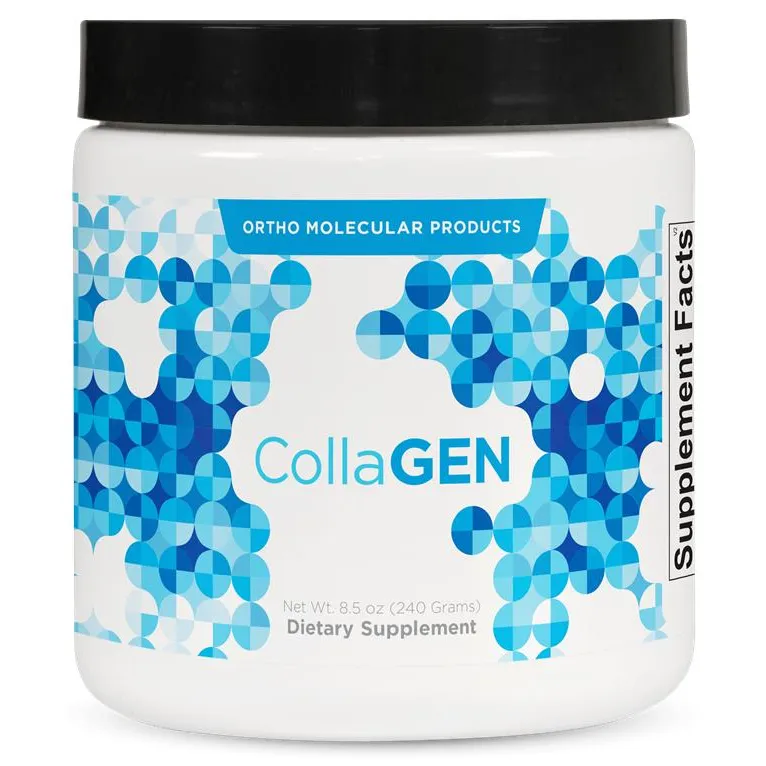
While many traditional joint therapies focus merely on masking pain or temporarily reducing inflammation, they often fail to address the root cause of connective tissue degradation. This is where targeted nutritional support becomes a critical piece of the management puzzle. CollaGEN by Ortho Molecular is not a standard, generic collagen supplement. It is a highly specialized, clinically studied formulation designed to actively protect, preserve, and regenerate cartilage, tendons, ligaments, and fascia. By combining bioactive collagen peptides, mucopolysaccharides, and essential enzymatic cofactors, CollaGEN aims to support the natural healing process at a cellular level. In this comprehensive guide, we will explore the intricate biochemistry of connective tissue, how chronic illness disrupts it, and how the specific patented ingredients in CollaGEN may help you regain structural stability and improve your quality of life.
TL;DR
Connective tissue degradation worsens symptoms in Long COVID, ME/CFS, POTS, and hypermobility disorders.
CollaGEN provides targeted bioactive peptides and cofactors that may help support joint and tissue repair.
Clinical research suggests specific collagen peptides can support cartilage regeneration and reduce activity-related discomfort.
Consistent daily use over 3 to 12 weeks is recommended for optimal structural support.
What is CollaGEN?
The Foundation of Your Body's Scaffolding
To understand how CollaGEN works, we must first understand the natural function of connective tissue in a healthy body. Connective tissue is the biological framework that holds everything together. It forms your tendons, ligaments, cartilage, bone matrix, skin, and the structural walls of your blood vessels. The primary building block of this tissue is collagen, the most abundant structural protein in the human body, accounting for about a third of our total protein composition. At a molecular level, collagen is a complex, triple-helix structure primarily composed of three amino acids: glycine, proline, and hydroxyproline. This unique helical structure gives collagen its incredible tensile strength, allowing tissues to stretch, bear weight, and resist tearing under mechanical stress.
The synthesis of collagen is a highly energy-dependent and enzymatically complex process that occurs within specialized cells called fibroblasts (in connective tissue), chondrocytes (in cartilage), and osteoblasts (in bone). Inside the endoplasmic reticulum of these cells, individual polypeptide chains are synthesized and then modified through a process called hydroxylation. This step is absolutely critical, as it allows the chains to twist into the stable triple helix. Once secreted outside the cell into the extracellular matrix (ECM), these helices cross-link to form strong collagen fibrils. The ECM is not just a passive structural support; it is a dynamic, biologically active environment filled with water-binding molecules called glycosaminoglycans (such as hyaluronic acid) that provide hydration, shock absorption, and cellular signaling pathways.
The CollaGEN Formulation and Its Unique Approach
Over time, factors such as natural aging, genetic predispositions, chronic inflammation, and biomechanical instability can lead to the accelerated breakdown of this collagen matrix. When the rate of degradation exceeds the rate of synthesis, tissues become weak, joints become painful, and structural integrity is lost. Most over-the-counter collagen supplements provide basic, unformulated amino acids that the body simply digests as generic protein, offering little targeted support for joint regeneration. They lack the specific molecular signals required to stimulate the body's own fibroblasts and chondrocytes to rebuild tissue.
CollaGEN takes a fundamentally different, clinically grounded approach. It combines three patented, highly researched ingredients: FORTIGEL® (bioactive collagen peptides targeted for cartilage), TENDAXION™ (a connective tissue blend of mucopolysaccharides and Type I collagen for tendons and ligaments), and MOBILEE® (a naturally derived hyaluronic acid matrix for joint lubrication). Furthermore, the formulation includes essential cofactors—Vitamin C and Magnesium—that are biologically required to drive the enzymatic processes of collagen synthesis. By providing both the precise structural building blocks and the molecular signaling agents, CollaGEN is designed to help shift the body from a state of tissue degradation toward a state of active structural regeneration.
How Chronic Illness Impacts Connective Tissue
The Hypermobility and POTS Connection
The intersection of hypermobility spectrum disorders (HSD), hypermobile Ehlers-Danlos Syndrome (hEDS), and dysautonomia is one of the most widely researched overlaps in complex chronic illness today. These conditions are increasingly recognized not as isolated disorders, but as an interconnected triad driven by foundational differences in connective tissue. In hypermobile Ehlers-Danlos Syndrome, genetic abnormalities in the synthesis or processing of collagen result in tissue fragility and joint hypermobility. Because collagen makes up the structural walls of veins and arteries, this defective collagen causes the blood vessels to be abnormally elastic and overly stretchy, a condition known as vascular laxity.
This vascular laxity plays a massive, direct role in the development of postural orthostatic tachycardia syndrome (POTS). When a healthy person stands up, their blood vessels automatically constrict to push blood back up to the heart and brain against gravity. However, in an hEDS or hypermobile patient, the lax vascular walls fail to constrict properly, allowing the veins to expand. This causes a significant volume of blood to pool in the lower extremities and abdomen. To prevent fainting from a lack of oxygen to the brain, the autonomic nervous system panics and releases massive amounts of adrenaline and norepinephrine, forcing the heart to beat rapidly to pump the pooled blood upward. A landmark 2020 cross-sectional study found that over half (55%) of POTS patients exhibited significant joint hypermobility, confirming that structural connective tissue abnormalities are a primary physiological driver of autonomic dysfunction.
Inflammation and Tissue Degradation in Long COVID and MCAS
Beyond genetic hypermobility, acquired chronic illnesses like Long COVID and mast cell activation syndrome (MCAS) can actively degrade connective tissue through chronic inflammation and immune dysregulation. In Long COVID, persistent viral persistence, endothelial dysfunction, and systemic inflammation create a hostile environment for the extracellular matrix. Inflammatory cytokines such as interleukin-6 (IL-6) and tumor necrosis factor-alpha (TNF-alpha) upregulate the production of matrix metalloproteinases (MMPs)—enzymes that literally chew up and destroy collagen and cartilage. This inflammatory degradation contributes heavily to the widespread joint pain, muscle aches, and physical deconditioning frequently reported by Long COVID patients.
In mast cell activation syndrome (MCAS), the connection to connective tissue is equally profound. Mast cells reside in the connective tissue throughout the body. When they inappropriately degranulate, they release a cascade of potent chemical mediators, including histamine, heparin, and an enzyme called tryptase. Elevated levels of tryptase are particularly damaging because tryptase has the ability to directly cleave and break down proteins in the extracellular matrix. This chronic, low-grade breakdown of the body's scaffolding not only causes localized joint and tissue pain but can also exacerbate existing hypermobility and vascular laxity, creating a vicious cycle of structural instability and autonomic flare-ups.
CollaGEN: Supporting Structural Integrity and Regeneration
FORTIGEL®: Regenerating Cartilage at the Cellular Level
The primary mechanism of action for CollaGEN lies in its highly specialized, patented ingredients, starting with FORTIGEL®. Unlike standard collagen that is broken down into random amino acids during digestion, FORTIGEL undergoes a precise enzymatic hydrolysis process. This yields bioactive collagen peptides (BCPs) with a specific average molecular weight of roughly 3 kilodaltons (kDa). Because of this exact size, a significant portion of these peptides survives intestinal digestion intact, crossing the intestinal mucosa into the bloodstream and accumulating directly in the joint cartilage.
Once inside the joint space, these peptides act as active "molecular messengers" rather than just passive building blocks. They bind to specific receptors on the surface of chondrocytes—the specialized cells responsible for maintaining cartilage. This "lock and key" signaling mechanism stimulates the chondrocytes to dramatically upregulate the biosynthesis of Type II collagen and proteoglycans, the two primary components that make up 90% of cartilage's dry mass. By actively instructing the cells to produce new matrix components, research suggests FORTIGEL may help shift the joint environment from a state of progressive degradation to an active state of structural regeneration, supporting the management of wear-and-tear associated with chronic joint instability.
TENDAXION™: Rebuilding Tendons and Ligaments
While FORTIGEL targets cartilage, TENDAXION™ is specifically formulated to support the biomechanical properties of tendons, ligaments, and fascial tissue. These tissues rely heavily on a precise molecular structure to endure mechanical force without tearing. TENDAXION provides a targeted blend of mucopolysaccharides (glycosaminoglycans) and hydrolyzed Type I collagen. Mucopolysaccharides act as the biological "glue" and lubricant within the extracellular matrix, controlling the spacing of collagen fibers and allowing tissues to stretch and flex resiliently.
In patients with hypermobility or chronic inflammation, these mucopolysaccharides are often degraded, leading to micro-tears, tendinopathies, and chronic discomfort. By providing the exact structural components required, TENDAXION provides the body with polysaccharides and short-chain amino acid peptides that may help support tendon tissue. In vitro studies have shown that the components in TENDAXION actively increase both collagenous and non-collagenous protein synthesis in tenocytes and ligament fibroblasts, which may help restore the natural "bounce" and resilience to connective tissues that are frequently compromised in complex chronic illnesses.
MOBILEE®: Lubricating Joints and Supporting Synovial Muscle
The third pillar of the CollaGEN formula is MOBILEE®, a patented, naturally derived matrix consisting of a high concentration of hyaluronic acid (HA), polysaccharides, and collagen. Hyaluronic acid is critical for joint health; it is the primary component of synovial fluid, providing the viscous lubrication that allows joints to glide smoothly and absorb shock. However, standard synthetic or fermented hyaluronic acid supplements often suffer from poor bioavailability. MOBILEE's natural matrix structure significantly enhances its absorption and efficacy.
At the cellular level, MOBILEE works via multiple pathways. First, it has been shown to stimulate the body's natural synoviocytes, increasing the endogenous synthesis of hyaluronic acid in the joints by up to 10-fold compared to regular HA. Second, it exhibits potent anti-inflammatory properties by lowering the levels of Prostaglandin E2 (PGE2), a key pro-inflammatory mediator, thereby reducing joint swelling and synovial effusion. Finally, emerging research indicates that MOBILEE promotes myocyte (muscle cell) proliferation, helping to reinforce the synovial muscles that support and stabilize the joint—a crucial benefit for patients dealing with muscle weakness and deconditioning from ME/CFS or Long COVID.
The Crucial Cofactors: Vitamin C and Magnesium
Even with the best molecular messengers and building blocks, the body cannot synthesize stable collagen without the correct enzymatic cofactors. CollaGEN includes 100 mg of Vitamin C (Ascorbic Acid) and 135 mg of Magnesium Bisglycinate Chelate to fulfill this biological requirement. Vitamin C is an absolute requirement for the function of prolyl hydroxylase and lysyl hydroxylase, the enzymes responsible for adding hydroxyl groups to proline and lysine amino acids. Without this hydroxylation step, the collagen triple helix cannot form stable cross-links, resulting in weak, fragile tissue.
Magnesium plays an equally vital role. It is a required cofactor for the production and stabilization of adenosine triphosphate (ATP), the primary energy currency of the cell. The synthesis of complex proteins like collagen is highly energy-intensive. Furthermore, magnesium is necessary for the optimal function of hundreds of enzymes involved in protein synthesis and muscle function. By utilizing Magnesium Bisglycinate Chelate—a highly bioavailable form that is gentle on the gastrointestinal tract—CollaGEN ensures that the cellular machinery has the energy and cofactors required to execute the regenerative instructions provided by the bioactive peptides.

Symptoms CollaGEN May Help Manage
Joint Discomfort and Aching: By stimulating chondrocytes to produce new Type II collagen and proteoglycans, FORTIGEL may help rebuild the cartilage matrix, potentially reducing the bone-on-bone friction and functional joint pain commonly experienced in chronic illness.
Hypermobility-Related Instability: The combination of TENDAXION and Vitamin C provides the specific mucopolysaccharides and enzymatic support needed to strengthen tendons and ligaments, potentially offering better structural support for hypermobile joints.
Exercise-Induced Discomfort and PEM: For patients managing post-exertional malaise (PEM) who experience severe joint and muscle aching after mild exertion, the anti-inflammatory properties of MOBILEE and the tissue-repairing peptides may help reduce recovery time and localized tissue distress.
Blood Pooling and Vascular Laxity: While not a direct cardiovascular treatment, supporting systemic Type I collagen synthesis provides the foundational building blocks for the structural walls of blood vessels, which is a crucial consideration for patients with POTS and generalized vascular laxity.
Muscle Weakness and Deconditioning: MOBILEE has been shown to support myocyte proliferation, which may help protect against muscle atrophy and reinforce the synovial muscles that stabilize compromised joints during periods of prolonged bed rest or reduced activity.
Morning Stiffness and Lack of Lubrication: By stimulating endogenous hyaluronic acid production up to 10-fold, MOBILEE increases the viscosity of synovial fluid, which may help alleviate the severe morning stiffness and joint "creaking" frequently reported by Long COVID and ME/CFS patients.
Practical Considerations: Forms, Dosing, and Absorption
Optimal Dosing and Preparation
When incorporating CollaGEN into your daily routine, consistency and proper dosing are key to achieving structural benefits. The suggested use is one scoop (8 grams) per day, mixed into 8 ounces of water or the beverage of your choice. Because the bioactive collagen peptides and mucopolysaccharides are highly refined and heat-stable, the powder can easily be added to both cold and hot liquids, including morning coffee, smoothies, or even baked goods, without degrading the active ingredients. The formula is designed to be highly soluble and neutral in taste, making it easy to integrate even for patients with the gastrointestinal sensitivities or nausea commonly seen in dysautonomia and MCAS.
Bioavailability and Absorption
One of the most critical factors in any supplement is its bioavailability—how much of the active ingredient actually reaches the target tissue. Standard collagen supplements often fail because their large protein molecules are completely broken down by stomach acid into generic amino acids. CollaGEN overcomes this through the specific enzymatic hydrolysis of FORTIGEL and TENDAXION. These peptides are cleaved to a precise, low molecular weight (around 3 kDa) that allows them to survive gastric digestion. They are rapidly absorbed through the intestinal mucosa via specialized peptide transporters and enter the systemic circulation intact, where they can directly access the extracellular matrix of the joints and connective tissues.
The inclusion of Magnesium Bisglycinate Chelate further enhances the formula's tolerability. Unlike magnesium oxide or citrate, which can pull water into the intestines and cause diarrhea, magnesium bisglycinate is bound to the amino acid glycine. This chelated form is absorbed through dipeptide pathways in the gut, ensuring maximum cellular uptake without the gastrointestinal distress that can trigger autonomic flare-ups in sensitive patients.
Timeline to Efficacy and Expectations
It is important to set realistic expectations regarding the timeline for tissue regeneration. Unlike fast-acting pain relievers that merely block nerve signals, CollaGEN is designed to support the fundamental rebuilding of tissue—a biological process that takes time. Clinical studies suggest that noticeable reductions in functional joint pain and improvements in mobility typically begin to manifest between 3 to 12 weeks of continuous daily use. However, the visible structural regeneration of cartilage and the strengthening of tendons require a longer commitment. For profound structural changes, consistent supplementation over a period of 24 to 48 weeks is generally recommended to allow the fibroblasts and chondrocytes sufficient time to synthesize and stabilize new extracellular matrix.

Follow the Science
MRI Evidence of Cartilage Regeneration
The efficacy of the patented ingredients in CollaGEN is supported by a robust body of clinical research. One of the most groundbreaking studies on FORTIGEL was conducted at Tufts Medical Center in cooperation with Harvard University (McAlindon et al., 2011). In this 48-week, prospective, randomized, double-blind, placebo-controlled pilot study, researchers utilized a highly specialized Magnetic Resonance Imaging (MRI) technique called dGEMRIC to visualize structural changes in the cartilage of patients with early knee osteoarthritis. While the placebo group showed progressive cartilage degradation over the year, the FORTIGEL group demonstrated a statistically significant increase in proteoglycan density in the knee joints. This provided the first direct human evidence that orally administered specific collagen peptides can structurally regenerate joint cartilage.
Tendon Recovery and Muscle Strength
The clinical data supporting the ingredients in CollaGEN is equally compelling. In a prominent 12-week clinical study evaluating specific bioactive collagen peptides, 139 athletic subjects with functional knee pain ingested 5 g per day to evaluate changes in pain intensity during activity. This targeted efficacy highlights the ability of specific peptides to support compromised connective tissues.
Furthermore, a prospective, randomized, double-blind, placebo-controlled trial evaluating the MOBILEE hyaluronic acid matrix demonstrated significant improvements in both muscle strength and joint health. Participants consuming 80 mg of MOBILEE daily for 90 days showed a significant enhancement in knee extensor muscle strength compared to the placebo group. Additionally, ultrasound evaluations revealed a significant reduction in synovial effusion (excess fluid and swelling in the joint) and a marked decrease in pain intensity scores. A subsequent nutrigenomic study published in Genes & Nutrition revealed that MOBILEE actually down-regulates the expression of genes associated with connective tissue degradation and inflammation, providing a molecular basis for its clinical benefits.
The Path Forward
A Comprehensive Approach to Mobility
Living with the structural instability and widespread pain associated with Long COVID, ME/CFS, POTS, and hypermobility can be incredibly isolating. It is validating to recognize that your symptoms are not just "in your head"—they are rooted in complex, measurable physiological disruptions within your body's foundational scaffolding. While no single supplement is a cure for these intricate conditions, providing your body with the precise molecular building blocks it needs to repair and regenerate its connective tissue is a powerful step forward. CollaGEN offers a scientifically validated, targeted approach to supporting your joints, tendons, and vascular walls from the inside out.
It is essential to remember that supplementation is most effective when integrated into a comprehensive, multidisciplinary management strategy. For patients with dysautonomia and hypermobility, this means combining nutritional support with adequate hydration, sodium loading, medical-grade compression garments, and careful pacing to avoid post-exertional malaise. Working with a physical therapist who understands hypermobility can also help you safely build the skeletal muscle necessary to stabilize your joints and support your autonomic nervous system.
Next Steps
As always, please consult with your healthcare provider before introducing any new supplement into your regimen, especially if you are managing complex chronic conditions, taking prescription medications, or have severe mast cell sensitivities. Your provider can help you determine the optimal dosing and ensure that it aligns safely with your overall treatment plan.