Can CogniPhos Help Clear Brain Fog in Long COVID and ME/CFS?
March 5, 2026
CogniPhosBrain FogLong COVID
Share:
Disclaimer: The information provided here is for educational purposes only and is not intended as medical advice. It should not be used to diagnose, treat, cure, or prevent any medical condition. Instead, use it as a starting point for discussion with your healthcare provider. Always consult with a qualified healthcare provider before starting any new medication, supplement, device, or making changes to your health regimen.
Months or even years after an initial viral infection, many individuals find themselves battling a profound, invisible symptom that fundamentally alters their daily lives: cognitive dysfunction, commonly referred to as "brain fog." For patients living with Long COVID, myalgic encephalomyelitis/chronic fatigue syndrome (ME/CFS), and dysautonomia, this is not merely a fleeting moment of forgetfulness. It is a debilitating neurological symptom characterized by a severe inability to concentrate, delayed mental processing, memory loss, and a feeling that the brain is wading through thick mud. When a standard conversation becomes exhausting and reading a single page of text feels insurmountable, finding targeted, science-backed support for brain health becomes a critical priority.
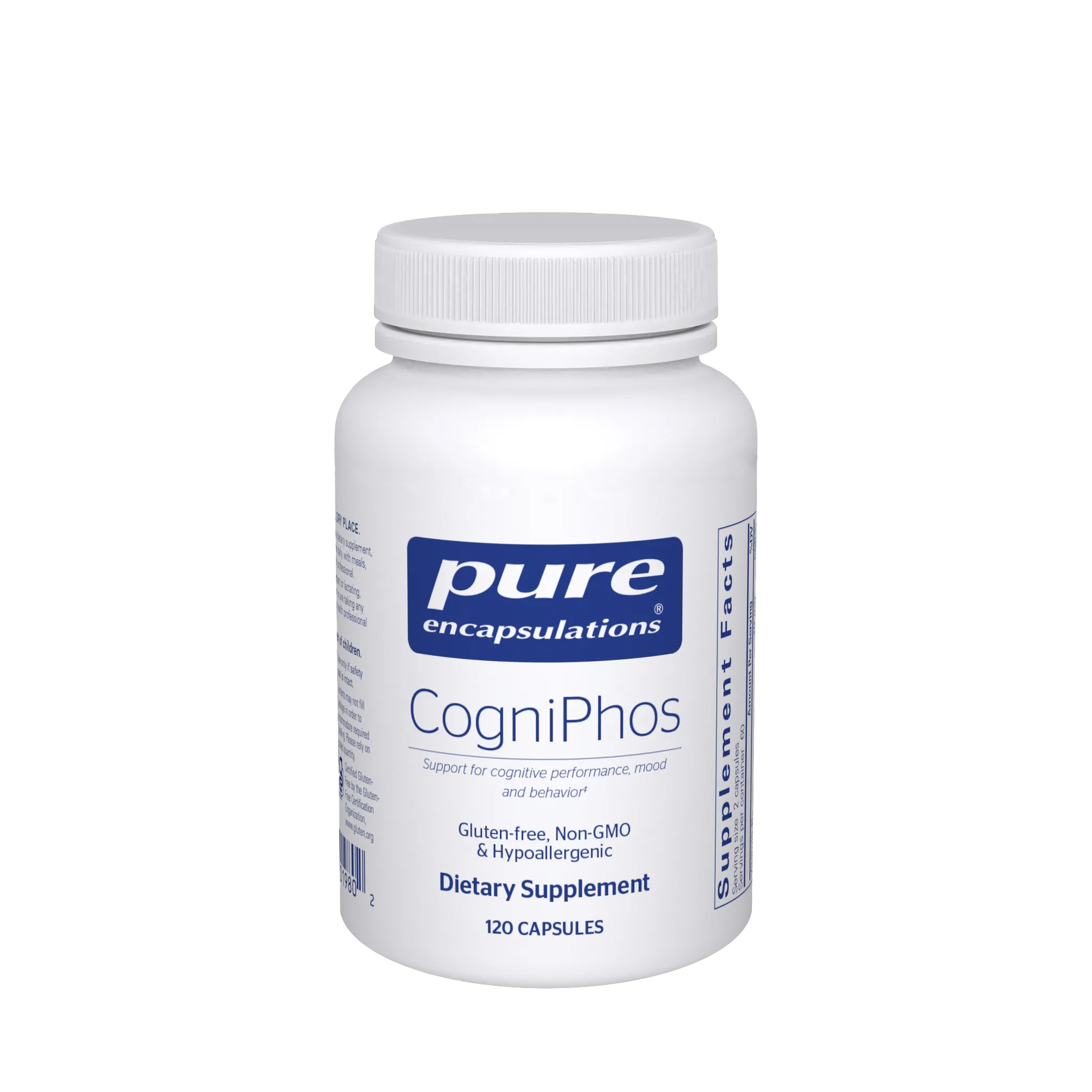
In the search for answers, researchers and clinicians are increasingly focusing on the underlying mechanisms of post-viral cognitive decline: neuroinflammation, mitochondrial energy deficits, and structural damage to neuronal membranes. Addressing these complex, interconnected issues requires more than a single nutrient; it requires a comprehensive approach. CogniPhos by Pure Encapsulations is a targeted formula designed to support cellular energy, mood, and neuronal function. By combining well-researched ingredients like Acetyl-L-Carnitine, Cognizin® Citicoline, and Phosphatidylserine with essential cofactors like active Vitamin B6 and Zinc, this supplement aims to nourish the brain at a molecular level. In this article, we will explore the deep biochemical pathways these ingredients support and how they may help lift the heavy veil of brain fog for those navigating complex chronic illnesses.
What is CogniPhos?
A Comprehensive Approach to Brain Health
CogniPhos is a meticulously formulated dietary supplement designed to provide comprehensive support for cognitive function, mental acuity, and overall neuronal health. Unlike simple, single-ingredient nootropics, this formula is built on the understanding that optimal brain function requires simultaneous support across multiple biological pathways. The brain is an incredibly energy-demanding organ, consuming roughly 20% of the body's total energy despite making up only 2% of its weight. To maintain this high level of metabolic activity, brain cells (neurons) require a constant supply of specific nutrients to produce energy, build structural membranes, and synthesize the chemical messengers (neurotransmitters) that allow them to communicate.
In a healthy body, these processes operate in a seamless, highly regulated symphony. Mitochondria within the neurons continuously generate adenosine triphosphate (ATP), the primary cellular energy currency, to fuel electrical impulses. Simultaneously, the cell membranes—composed largely of specialized fats called phospholipids—remain fluid and dynamic, allowing receptors to catch and transmit signals efficiently. CogniPhos is designed to supply the exact molecular building blocks necessary to sustain this complex ecosystem. By providing targeted precursors and enzymatic cofactors, the supplement aims to optimize the brain's natural ability to repair itself, generate energy, and maintain emotional and cognitive stability.
The Core Nootropic Ingredients
The foundation of the CogniPhos formula rests on three highly researched, neuro-supportive compounds: Acetyl-L-Carnitine (ALC), Citicoline, and Phosphatidylserine (PS). Acetyl-L-Carnitine is an acetylated form of the amino acid derivative L-carnitine. While standard L-carnitine is primarily utilized by muscle tissue, the addition of the acetyl group allows ALC to easily cross the highly selective blood-brain barrier. Once inside the central nervous system, ALC acts as a biological shuttle, transporting long-chain fatty acids into the mitochondria to be burned for ATP energy, while simultaneously donating its acetyl group to synthesize acetylcholine, a crucial neurotransmitter for memory and learning.
Working alongside ALC is Cognizin® Citicoline, a patented, highly bioavailable form of citicoline. Citicoline is a naturally occurring intermediate compound in the synthesis of phosphatidylcholine, a major structural component of brain cell membranes. When ingested, it breaks down into cytidine and choline, crosses into the brain, and resynthesizes to accelerate membrane repair and boost brain energy metabolism. The third pillar is Sharp-PS® GREEN Phosphatidylserine, derived from sunflower lecithin. Phosphatidylserine is a phospholipid that is highly concentrated in the brain, where it dictates the fluidity and integrity of neuronal membranes. It plays a mandatory role in the release of neurotransmitters and the regulation of cellular metabolism, making it essential for mental acuity and rapid cognitive processing.
The Essential Cofactors: Zinc and Vitamin B6
Beyond the primary nootropic compounds, CogniPhos includes two critical micronutrients that act as the biochemical spark plugs for the entire system: Vitamin B6 (as activated pyridoxal 5'-phosphate, or P5P) and Zinc. In human biochemistry, enzymes are the proteins that drive chemical reactions, but many enzymes are completely inert without the presence of specific cofactors. Vitamin B6, in its active P5P form, is a mandatory cofactor for over 140 distinct enzymatic reactions, including the synthesis of major neurotransmitters like serotonin, dopamine, and gamma-aminobutyric acid (GABA). Without adequate P5P, the brain cannot properly balance its excitatory and inhibitory signals, leading to neurological dysregulation.
Zinc, provided in this formula as highly absorbable zinc citrate, is equally indispensable. Zinc is exceptionally concentrated in the brain, particularly within the hippocampus and amygdala—regions responsible for memory formation and emotional regulation. It acts as a neuromodulator, co-released with neurotransmitters to prevent synaptic over-excitation. Furthermore, Zinc and Vitamin B6 share a profound, synergistic relationship. The human body actually requires zinc to activate the enzyme (pyridoxal kinase) that converts dietary Vitamin B6 into its active P5P form. By including both of these essential cofactors in their most bioavailable states, CogniPhos ensures that the complex enzymatic machinery required for cognitive health has the necessary tools to function optimally.
How Long COVID and ME/CFS Impact Brain Health
The Fire Inside: Neuroinflammation and Microglial Activation
To understand why targeted brain support is so vital for patients with Long COVID, ME/CFS, and dysautonomia, we must first examine how these complex chronic conditions physically alter the central nervous system. A central hallmark of post-viral syndromes is persistent, low-grade neuroinflammation. Following an acute viral infection like SARS-CoV-2, the immune system can remain in a hyper-vigilant, dysregulated state. This systemic immune activation frequently crosses the blood-brain barrier, triggering the brain's resident immune cells, known as microglia. When activated, microglia release a cascade of pro-inflammatory cytokines, creating a hostile, inflammatory environment within the brain tissue.
This chronic neuroinflammatory state is a primary driver of the profound cognitive dysfunction patients describe as "brain fog." The inflammatory cytokines disrupt normal synaptic transmission, slow down neuronal communication, and create a localized environment of oxidative stress. Over time, this oxidative stress damages the delicate phospholipid membranes of the neurons, impairing their ability to send and receive signals effectively. For patients with mast cell activation syndrome (MCAS), this process is often exacerbated by the inappropriate release of histamine and other inflammatory mediators directly into the nervous system, further fueling the inflammatory fire and contributing to symptoms like severe brain fog, migraines, and sensory overload.
The Energy Crisis: Mitochondrial Dysfunction in the Brain
Alongside neuroinflammation, a profound cellular energy crisis lies at the heart of ME/CFS and Long COVID. Mitochondria, the microscopic powerhouses within our cells, are responsible for generating the ATP required for all cellular functions. In post-viral syndromes, mitochondrial function is frequently impaired, leading to a hypometabolic state where the body simply cannot produce enough energy to meet its demands. Because the brain is the most energy-hungry organ in the body, it is exquisitely sensitive to even minor drops in ATP production. When brain cells lack sufficient energy, cognitive processing slows down dramatically, memory retrieval fails, and sustained mental effort becomes exhausting.
This mitochondrial dysfunction creates a vicious cycle. The lack of ATP impairs the brain's ability to clear out metabolic waste and manage oxidative stress, which in turn causes further damage to the mitochondria themselves. This energy deficit is a key mechanism behind post-exertional malaise (PEM), a hallmark symptom of ME/CFS and Long COVID where physical or cognitive exertion leads to a disproportionate and debilitating crash in symptoms. When a patient attempts to push through the brain fog, they rapidly deplete their already limited cerebral energy reserves, triggering an exacerbation of neuroinflammation and a prolonged period of severe cognitive and physical fatigue.
Neurotransmitter Imbalance and Structural Degradation
The combination of chronic neuroinflammation and mitochondrial energy deficits inevitably leads to structural degradation and neurotransmitter imbalance. The continuous assault of oxidative stress degrades the structural integrity of neuronal cell membranes, specifically depleting vital phospholipids like phosphatidylserine and phosphatidylcholine. When these membranes become rigid and damaged, the receptors embedded within them cannot function properly. This means that even if the brain is producing enough neurotransmitters, the receiving cells cannot accurately process the signals, leading to misfiring and cognitive delays.
Furthermore, the inflammatory environment actively alters how the brain synthesizes neurotransmitters. For example, chronic inflammation can shunt the amino acid tryptophan away from producing serotonin (the "feel-good" neurotransmitter) and instead push it down the kynurenine pathway, producing neurotoxic byproducts that further damage brain cells. This disruption in serotonin, dopamine, and acetylcholine synthesis directly contributes to the mood disturbances, depression, anxiety, and profound lack of motivation frequently experienced by patients with Long COVID and ME/CFS. Learn more about the connection between Long COVID and Mental Health. Restoring these structural and chemical imbalances is essential for cognitive recovery.
CogniPhos: Supporting Cognitive Function and Neuronal Health
Acetyl-L-Carnitine and Mitochondrial Bioenergetics
CogniPhos addresses the complex pathophysiology of post-viral cognitive dysfunction through multiple, overlapping mechanisms of action. The first line of defense is Acetyl-L-Carnitine (ALC), which directly targets the cerebral energy crisis. At the cellular level, ALC functions as a critical transport mechanism within the mitochondria. It binds to long-chain fatty acids and shuttles them across the inner mitochondrial membrane, where they undergo beta-oxidation to produce ATP. By facilitating this transport, ALC helps restore mitochondrial bioenergetics, counteracting the hypometabolic state seen in ME/CFS and Long COVID and providing the brain with the raw energy required for sustained cognitive effort.
Beyond energy production, ALC is a potent neuroprotective agent. It donates its acetyl group to choline to synthesize acetylcholine, the primary neurotransmitter responsible for memory encoding, learning, and executive function. Furthermore, ALC has been shown to exert significant anti-inflammatory and antioxidant effects within the central nervous system. It helps reduce the production of pro-inflammatory cytokines and promotes the synthesis of glutathione, the brain's master antioxidant. By dampening neuroinflammation and clearing oxidative stress, ALC helps protect delicate neuronal structures from ongoing damage, making it a highly valuable tool for clearing brain fog in Long COVID and ME/CFS.
Cognizin Citicoline and the Kennedy Pathway
While ALC provides the energy, Cognizin® Citicoline provides the structural repair materials. Citicoline operates primarily through the "Kennedy Pathway," the biochemical route the body uses to synthesize phosphatidylcholine, a critical phospholipid that makes up roughly 30% of brain cell membranes. In states of chronic neuroinflammation, an enzyme called phospholipase A2 becomes overactive, aggressively breaking down neuronal membranes and generating inflammatory byproducts. Citicoline has been shown to inhibit phospholipase A2 activity, effectively halting this destructive inflammatory cascade at its source while simultaneously accelerating the rebuilding of the damaged membranes.
The clinical impact of this structural repair is profound. By restoring membrane fluidity, citicoline ensures that neurotransmitter receptors function optimally. Moreover, advanced magnetic resonance spectroscopy (MRS) studies have demonstrated that supplementing with Cognizin can directly increase brain metabolism. In a landmark study at Harvard Medical School, healthy adults taking 500 mg of Cognizin daily experienced a 14% increase in brain ATP levels and a 26% increase in brain cell membrane turnover. This dual action of boosting structural integrity and amplifying cellular energy makes citicoline uniquely suited to combat the deep cognitive fatigue and delayed processing speeds associated with post-viral encephalopathy.
Phosphatidylserine and Membrane Fluidity
The third major component, Phosphatidylserine (PS), works synergistically with citicoline to optimize neuronal structure. While citicoline provides phosphatidylcholine, PS is a distinct phospholipid that is highly concentrated in the inner leaflet of the neuronal cell membrane. PS is the master regulator of membrane fluidity. When neuronal membranes are fluid and flexible, proteins and receptors can move freely, allowing for rapid, efficient signal transduction between cells. In aging and chronic illness, PS levels naturally decline, leading to rigid membranes and sluggish cognitive processing.
Supplementing with Sharp-PS® GREEN helps replenish these critical cellular building blocks. At a molecular level, PS is absolutely essential for the process of exocytosis—the mechanism by which neurons release neurotransmitters like acetylcholine, dopamine, and serotonin into the synaptic cleft. By ensuring that neurotransmitters are released efficiently and that the receiving receptors are housed in a fluid, responsive membrane, Phosphatidylserine actively promotes healthy mental acuity, memory consolidation, and behavioral stability, particularly in individuals experiencing cognitive decline or severe brain fog.
The Synergistic Dance of Zinc and Vitamin B6
The inclusion of activated Vitamin B6 (P5P) and Zinc elevates the CogniPhos formula by ensuring the brain's enzymatic machinery can fully utilize the primary nootropic ingredients. P5P is the mandatory cofactor for glutamic acid decarboxylase (GAD), the enzyme that converts the excitatory neurotransmitter glutamate into the calming, inhibitory neurotransmitter GABA. In conditions like Long COVID and dysautonomia, patients often experience a state of sympathetic nervous system overdrive and neuronal hyper-excitability. By providing P5P, the formula supports the brain's ability to produce GABA, helping to calm the nervous system, reduce anxiety, and mitigate the sensory overload that often accompanies brain fog.
Zinc plays a complementary and equally vital role. As a neuromodulator, zinc is released into the synaptic cleft alongside glutamate, where it binds to NMDA receptors to prevent them from becoming over-activated, thereby protecting neurons from excitotoxicity. Furthermore, zinc is biochemically required to activate the enzyme that allows the body to utilize Vitamin B6. This profound synergy means that without adequate zinc, P5P cannot function, and without P5P, neurotransmitter synthesis halts. By providing both of these essential cofactors, CogniPhos ensures a comprehensive, biochemically sound approach to restoring neuronal communication and emotional balance.

Symptoms CogniPhos May Help Manage
Cognitive and Neurological Symptoms
Based on the mechanisms of action of its key ingredients, CogniPhos targets a wide array of cognitive and neurological symptoms associated with chronic complex illnesses. By addressing neuroinflammation, energy deficits, and structural damage, this comprehensive formula may help manage the following specific challenges:
Profound "Brain Fog" and Mental Fatigue: By boosting mitochondrial ATP production via Acetyl-L-Carnitine and Citicoline, the formula helps counteract the cerebral energy deficits that make sustained mental effort feel exhausting.
Poor Memory and Forgetfulness: Phosphatidylserine and Acetyl-L-Carnitine directly support the synthesis and release of acetylcholine, the primary neurotransmitter responsible for encoding new memories and retrieving stored information.
Delayed Mental Processing: By repairing neuronal cell membranes and restoring membrane fluidity through the Kennedy Pathway, Citicoline and Phosphatidylserine help speed up signal transduction between brain cells.
Difficulty Concentrating and Focusing: The formula supports dopamine and norepinephrine synthesis, neurotransmitters that govern executive function, sustained attention, and the ability to filter out distractions.
Energy and Mood Regulation
In addition to cognitive support, the ingredients in CogniPhos play a significant role in regulating mood and overall nervous system stability, which are frequently disrupted in post-viral syndromes:
Mood Instability and Depression: Activated Vitamin B6 (P5P) is a mandatory cofactor for synthesizing serotonin and dopamine, helping to stabilize mood and combat the depressive symptoms often seen in Long COVID and ME/CFS.
Anxiety and Sensory Overload: The synergistic combination of Zinc and P5P drives the production of GABA, the brain's primary calming neurotransmitter, helping to soothe an overactive, hyper-vigilant nervous system.
Post-Exertional Cognitive Crashes: By improving baseline mitochondrial efficiency and providing a steady supply of cellular energy precursors, the formula may help increase the threshold for cognitive exertion before a PEM crash occurs.
General Neurological Vulnerability: The potent antioxidant and anti-inflammatory properties of Acetyl-L-Carnitine help protect delicate brain tissue from ongoing oxidative stress and microglial activation.
Practical Considerations: Forms, Dosing, and Absorption
Bioavailability and Patented Forms
When selecting a cognitive support supplement, the specific forms of the ingredients dictate their bioavailability—how effectively they can be absorbed by the gut and utilized by the brain. CogniPhos utilizes highly researched, patented forms of its key ingredients to maximize clinical efficacy. For example, standard L-carnitine is poorly absorbed into the central nervous system, but the Acetyl-L-Carnitine (ALC) used in this formula contains an acetyl group that allows it to easily cross the blood-brain barrier. This ensures that the active compound reaches the mitochondria of the neurons where it is needed most, rather than being utilized solely by peripheral muscle tissue.
Similarly, the formula features Cognizin®, a patented, branded form of citicoline manufactured through a proprietary fermentation process. This ensures a highly purified, allergen-free, and vegetarian compound that has been the exact subject of numerous gold-standard human clinical trials. For the phospholipid component, CogniPhos uses Sharp-PS® GREEN, a form of phosphatidylserine derived from sunflower lecithin rather than traditional soy. This is particularly important for patients with mast cell activation syndrome (MCAS) or severe food sensitivities, as it provides a soy-free, non-GMO option that minimizes the risk of triggering an inflammatory immune response while still delivering robust structural support to the brain.
Optimal Dosing and Timing Strategies
The suggested use for CogniPhos is to take 2 capsules, 1-2 times daily with meals, or as directed by a healthcare professional. Because the ingredients in this formula actively support cellular energy production and mitochondrial bioenergetics, timing is an important consideration. For most patients, it is highly recommended to take the supplement earlier in the day—such as with breakfast and lunch. Taking energy-promoting compounds like Acetyl-L-Carnitine and Citicoline late in the evening or right before bed may lead to overstimulation and interfere with sleep architecture, particularly in patients with dysautonomia who already struggle with insomnia or inverted circadian rhythms.
Absorption is also enhanced when taken with food. Phosphatidylserine is a fat-soluble phospholipid, meaning it requires the presence of dietary fats to be properly emulsified and absorbed through the intestinal wall. Taking the capsules alongside a meal that contains healthy fats (such as avocado, olive oil, or nuts) can significantly improve the bioavailability of the PS component. It is also important to set realistic expectations regarding the timeline for cognitive improvement. While some patients may notice subtle shifts in mental energy within a few weeks, structural repair of neuronal membranes and the modulation of neuroinflammation are slow processes. Clinical trials suggest that consistent use for 8 to 12 weeks is typically required to observe significant, sustained improvements in memory, focus, and overall mental acuity.
Potential Interactions and Safety Profile
While the ingredients in CogniPhos are generally recognized as safe and well-tolerated, patients with complex chronic illnesses should always approach new supplements with care. Acetyl-L-Carnitine can occasionally cause mild gastrointestinal upset, which is usually mitigated by taking the supplement with food. Because ALC and Citicoline both increase the synthesis of acetylcholine, patients who are exceptionally sensitive to cholinergic compounds should monitor their symptoms. In rare cases, excessive acetylcholine can lead to muscle tension, jaw clenching, or mild headaches. If these symptoms occur, it may be necessary to reduce the dosage and consult with a healthcare provider.
Regarding drug interactions, patients taking blood-thinning medications (anticoagulants) or thyroid hormone replacement therapy should exercise caution, as high doses of L-carnitine have been reported to interact with these pathways in some instances. Additionally, because the formula contains active Vitamin B6 and Zinc, which influence neurotransmitter synthesis, patients currently taking prescription antidepressants (SSRIs/SNRIs), anti-anxiety medications, or medications for neurodegenerative conditions should discuss this supplement with their prescribing physician to ensure there are no contraindications or overlapping effects on serotonin and GABA pathways.

Follow the Science
Clinical Evidence for Acetyl-L-Carnitine
The individual ingredients in CogniPhos have been the subject of extensive scientific research, particularly regarding their effects on cognitive decline, fatigue, and neuroinflammation. Acetyl-L-Carnitine (ALC) has a robust clinical profile. A comprehensive meta-analysis of 21 randomized controlled studies involving 1,204 older subjects demonstrated that ALC supplementation offered statistically significant support for memory, performance, and higher intellectual function. The researchers noted that ALC was particularly effective at improving clinical global impression scores in patients experiencing early-stage cognitive impairment, highlighting its neuroprotective capabilities.
In the context of post-viral syndromes and chronic fatigue, ALC has shown remarkable promise. A landmark randomized trial evaluated the efficacy of ALC in patients with Myalgic Encephalomyelitis/Chronic Fatigue Syndrome (ME/CFS). The study found that patients treated with 2 grams per day of ALC for 24 weeks experienced considerable clinical improvements in mental fatigue, concentration, and overall cognitive endurance compared to baseline. More recently, observational studies focusing on Long COVID patients have indicated that supplementing with acetylcarnitine can lead to measurable decreases in subjective fatigue and improvements in depressive symptoms, likely due to its ability to replenish depleted systemic carnitine stores and counteract post-viral neuroinflammation.
Citicoline and Phosphatidylserine in Human Trials
Cognizin® Citicoline is supported by several gold-standard human clinical trials demonstrating its efficacy in combating brain fog and enhancing focus. In a double-blind, placebo-controlled trial involving middle-aged women experiencing everyday cognitive fatigue, participants taking 250 mg of Cognizin daily for 28 days showed significantly improved sustained attention and made far fewer errors on complex cognitive performance tests compared to the placebo group. Another recent study involving older adults found that supplementing with 500 mg of Cognizin daily for 12 weeks resulted in statistically significant improvements in episodic memory and visuospatial working memory, confirming its ability to support healthy cognition across a wide age range.
Phosphatidylserine (PS) shares a similarly impressive clinical background, particularly for age-associated memory impairment. Numerous double-blind trials have demonstrated that PS promotes healthy mental acuity and behavior. A notable 6-month trial evaluating elderly subjects with mild cognitive complaints found that supplementing with PS significantly increased delayed verbal recall—a specific memory function that is often the first to deteriorate during cognitive decline. Furthermore, a highly recent 2025 clinical trial published in the Journal of Affective Disorders demonstrated that PS intervention significantly improved short-term memory and arithmetic testing while actively increasing serum levels of vital neurotransmitters like acetylcholine and GABA, proving its profound biochemical impact on the brain.
The Importance of Cofactor Synergy
The scientific literature also strongly supports the inclusion of essential cofactors like Vitamin B6 and Zinc for neurological health. A 2025 systematic review analyzing clinical data highlighted that marginalized Vitamin B6 deficiency significantly disrupts GABAergic signaling, and that targeted P5P supplementation can reduce anxiety symptoms by enhancing GABA-mediated neural inhibition. Similarly, extensive research into the "Zinc code" of the brain has demonstrated that dyshomeostasis of neuronal Zinc is a prominent risk factor for severe neurodegenerative conditions. By combining these heavily researched primary nootropics with their mandatory enzymatic cofactors, CogniPhos offers a scientifically grounded, multi-targeted approach to supporting brain health.
The Path Forward
Validating the Invisible Struggle
Living with severe cognitive dysfunction is an profoundly isolating experience. When you look perfectly healthy on the outside but struggle to remember a simple word, follow a basic conversation, or read a single email without feeling exhausted, it is easy to feel misunderstood by the medical system and even by loved ones. At RTHM, we want to validate that your "brain fog" is real. It is not a psychological failing, a lack of effort, or simply "being tired." It is a complex, physiological symptom driven by measurable neuroinflammation, mitochondrial energy deficits, and structural cellular stress. Acknowledging the biological reality of these symptoms is the first and most crucial step toward finding effective management strategies.
A Holistic Approach to Cognitive Recovery
While the science behind targeted nutritional support is highly promising, it is important to remember that no single supplement is a cure for complex chronic conditions like Long COVID, ME/CFS, or dysautonomia. Supplements like CogniPhos are designed to be powerful tools within a much broader, comprehensive management toolkit. True cognitive recovery requires a holistic approach that includes aggressive pacing to prevent post-exertional malaise, meticulous symptom tracking to identify triggers, nervous system regulation techniques, and ongoing collaboration with a knowledgeable medical team. By providing the brain with the precise molecular building blocks it needs to repair membranes, generate energy, and balance neurotransmitters, you are setting the stage for deep, cellular healing.
If you are struggling with the heavy burden of cognitive dysfunction and are looking for comprehensive, science-backed nutritional support, discuss this formula with your healthcare provider to see if it aligns with your specific clinical needs.
Sources
Brain Leukocytes as the Potential Therapeutic Target for Post-COVID-19 Brain Fog
Long-term neurological and cognitive impact of COVID-19: a systematic review and meta-analysis
Mitochondrial Dysfunction in Myalgic Encephalomyelitis/Chronic Fatigue Syndrome
Exploring the Potential of Dietary Supplements to Alleviate Pain Due to Long COVID
Zinc and Vitamin B6: Synergistic Roles in Neurological Health
Unlocking the Brain's Zinc Code: Zinc Dyshomeostasis and Neurodegeneration