Can Magnesium L-Threonate and Polyphenols Clear Brain Fog in Long COVID and ME/CFS?
March 5, 2026
Magnesium L-ThreonateBrain FogLong COVID
Share:
Disclaimer: The information provided here is for educational purposes only and is not intended as medical advice. It should not be used to diagnose, treat, cure, or prevent any medical condition. Instead, use it as a starting point for discussion with your healthcare provider. Always consult with a qualified healthcare provider before starting any new medication, supplement, device, or making changes to your health regimen.
Months after recovering from an acute viral infection, many people find themselves fighting a new, invisible battle: debilitating cognitive dysfunction. Often dismissed as mere "tiredness" or anxiety, the profound mental fatigue, memory loss, and confusion—commonly referred to as "brain fog"—can make simple daily tasks feel insurmountable. For individuals living with Long COVID, myalgic encephalomyelitis/chronic fatigue syndrome (ME/CFS), and mast cell activation syndrome (MCAS), this cognitive impairment is not a psychological failing; it is a physiological reality driven by neuroinflammation and cellular depletion.
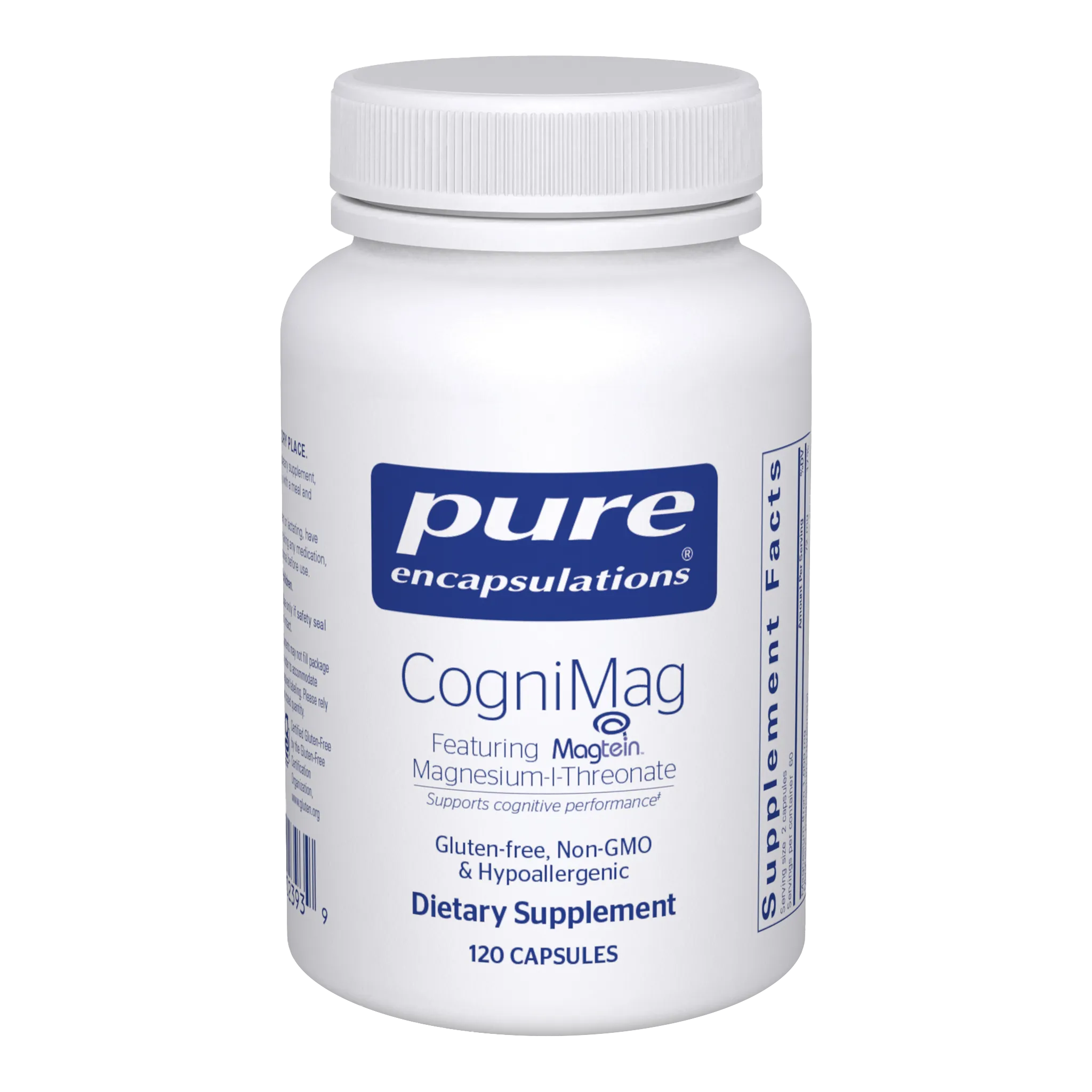
In the search for validating, science-backed management strategies, researchers have increasingly focused on the intersection of brain mineral levels and antioxidant defense. One of the most promising areas of study involves a highly specialized form of magnesium known as Magnesium L-Threonate, combined with neuroprotective plant compounds. Products like CogniMag are designed to cross the blood-brain barrier, replenish depleted neural networks, and combat the oxidative stress that drives post-viral cognitive decline. In this comprehensive guide, we will explore the intricate biochemistry of how these ingredients work and how they may help lift the fog of complex chronic illness.
TL;DR
Magnesium L-Threonate crosses the blood-brain barrier to support memory and combat neuroinflammation.
Polyphenols from berries and spinach provide antioxidant support to protect neural pathways.
Replenishing brain magnesium may help manage brain fog, fatigue, and sensory overload in chronic illness.
Consistent daily supplementation, paired with pacing and rest, supports long-term cognitive recovery.
What is CogniMag?
The Power of Magnesium L-Threonate
Magnesium is the fourth most abundant mineral in the human body, serving as a vital cofactor for over 300 enzymatic reactions. In a healthy body, it is fundamentally required for the synthesis of adenosine triphosphate (ATP)—the primary energy currency of our cells. Without adequate magnesium, the mitochondria cannot efficiently pass electrons through the electron transport chain, leading to a severe deficit in cellular energy. Furthermore, magnesium acts as a natural gatekeeper in the central nervous system, regulating neurotransmitter release and preventing the over-excitation of neural pathways.
However, standard magnesium supplements, such as magnesium oxide or magnesium citrate, struggle to penetrate the central nervous system. This is where Magnesium L-Threonate (often patented as Magtein™) distinguishes itself. Developed by researchers at the Massachusetts Institute of Technology (MIT), this unique compound binds elemental magnesium to L-threonic acid, a natural metabolite of Vitamin C. This specific chemical structure allows the magnesium to utilize glucose transporters (GLUTs) to efficiently cross the highly selective blood-brain barrier, directly elevating intraneuronal magnesium concentrations.
Once inside the brain, Magnesium L-Threonate plays a critical role in maintaining synaptic plasticity—the brain's ability to form new neural connections and adapt to new information. Human clinical research indicates that Magtein supports memory, sleep, and stress resilience during healthy aging. By supporting these functions, it may help maintain the structural and functional density of synapses in the hippocampus and prefrontal cortex, which are the regions responsible for learning, executive function, and short-term memory.
The PhytoMemory Polyphenol Blend
In addition to targeted magnesium, optimal cognitive function relies heavily on robust antioxidant defenses. CogniMag includes a proprietary PhytoMemory blend, which harnesses the neuroprotective power of polyphenols extracted from wild blueberries, Orléans strawberries, and spinach. Polyphenols are a diverse class of naturally occurring plant compounds (phytonutrients) that possess potent antioxidant and anti-inflammatory properties. Many of these compounds, particularly the anthocyanins found in dark berries, are capable of crossing the blood-brain barrier to directly influence brain health.
At the molecular level, these polyphenols work by neutralizing free radicals—unstable molecules that cause oxidative damage to cellular DNA and mitochondrial membranes. The specific flavonols found in spinach, such as kaempferol and quercetin, actively suppress pro-inflammatory signaling pathways like COX-2 and NF-κB. By dampening these inflammatory cascades, polyphenols protect delicate neural tissues from the collateral damage of chronic immune activation, preserving the structural integrity of the brain over time.
Furthermore, these phytonutrients actively promote the expression of Brain-Derived Neurotrophic Factor (BDNF). BDNF is a crucial protein that acts like fertilizer for the brain, stimulating neurogenesis (the growth of new neurons) and reinforcing existing synaptic connections. By combining the structural synaptic support of Magnesium L-Threonate with the neuroprotective and anti-inflammatory properties of the PhytoMemory blend, this formulation addresses cognitive health from multiple complementary biochemical angles.
How Long COVID and ME/CFS Impact the Brain
The Root of Brain Fog: Neuroinflammation
To understand how complex chronic conditions impact cognitive function, we must first look at the pathophysiology of "brain fog." In conditions like Long COVID, myalgic encephalomyelitis/chronic fatigue syndrome (ME/CFS), and mast cell activation syndrome (MCAS), cognitive impairment is largely driven by chronic neuroinflammation. During an acute viral infection, such as SARS-CoV-2, the immune cells in the brain—known as microglia—become activated to fight off the pathogen. Research indicates that in post-viral syndromes, these microglia remain stuck in a chronic state of "sickness behavior," continuously releasing pro-inflammatory cytokines like interleukin-6 (IL-6) and tumor necrosis factor-alpha (TNF-alpha).
This relentless inflammatory cascade wreaks havoc on the blood-brain barrier (BBB). High levels of systemic inflammation, oxidative stress, and circulating bradykinin can cause the endothelial cells lining the brain's blood vessels to become permeable or "leaky." This disruption allows inflammatory molecules and autoantibodies from the bloodstream to infiltrate the central nervous system. Studies on post-COVID brain fog have demonstrated that hyperactivated brain leukocytes, such as microglia and lymphocytes, drive chronic neuro-inflammation and the overexpression of Kv1.3 channels, manifesting directly as short-term memory loss and an inability to concentrate.
The "Burn Rate" of Chronic Illness and Magnesium Depletion
Living with a chronic, multisystem illness puts the body under immense physiological stress, dramatically increasing its metabolic "burn rate." The persistent state of immune activation and autonomic dysfunction seen in Long COVID and dysautonomia rapidly consumes the body's reserves of essential nutrients, particularly magnesium. Because magnesium is required for over 300 enzymatic processes, including the neutralization of oxidative stress and the synthesis of ATP, the chronic inflammatory state quickly leads to a profound intracellular magnesium deficiency.
This depletion creates a vicious cycle. Magnesium deficiency intrinsically triggers further inflammatory pathways; low levels activate macrophages and leukocytes, leading to an excessive production of free radicals that worsen neuroinflammation. Furthermore, without adequate magnesium, the mitochondria cannot produce enough ATP to meet the high energy demands of the brain. This mitochondrial dysfunction is a primary driver of post-exertional malaise (PEM), where even minor cognitive exertion—like reading an email or having a conversation—can lead to a debilitating "crash" and worsening of brain fog. For more on mitochondrial support, read about how Acetyl-L-Carnitine may help clear brain fog.
NMDA Receptor Overactivation and Excitotoxicity
The neurological impact of magnesium depletion is perhaps most evident at the NMDA receptors. In a healthy brain, magnesium sits inside the NMDA receptor channel, acting as a voltage-dependent block that prevents excessive calcium from flooding into the neuron. When brain magnesium levels plummet due to chronic illness, this protective block is lost. The receptors become hyper-sensitive and overactivated by the excitatory neurotransmitter glutamate.
This state of neural hyper-excitation is known as excitotoxicity. It forces neurons to fire continuously, rapidly depleting their energy stores and eventually leading to cellular damage or death. Excitotoxicity is heavily implicated in the sensory overload, anxiety, sleep disturbances, and cognitive dysfunction frequently reported by patients with ME/CFS and Long COVID. You can learn more about the intersection of Long COVID and mental health. Restoring the magnesium block at these receptors is a critical step in calming the central nervous system and protecting the brain from further inflammatory damage.
CogniMag: Supporting Cognitive Function and Memory
Crossing the Blood-Brain Barrier
The primary therapeutic advantage of CogniMag lies in its ability to directly address the neurological deficits caused by chronic illness. Standard magnesium supplements, while helpful for peripheral symptoms like muscle cramps, fail to significantly raise cerebrospinal fluid magnesium levels. Magnesium L-Threonate overcomes this hurdle by utilizing the L-threonate carrier molecule, which actively transports the magnesium across the blood-brain barrier via glucose transport pathways. Clinical research has demonstrated that this specific formulation supports cognitive clarity and memory, promoting healthy brain function.
By successfully delivering magnesium directly to the neurons, supplementation helps restore the crucial voltage-dependent block at the NMDA receptors. This effectively halts the cycle of excitotoxicity, calming the hyper-excited nervous system that plagues many patients with dysautonomia and ME/CFS. As the excessive influx of calcium is regulated, neurons are no longer forced into a state of continuous, energy-draining firing. This conservation of cellular energy is vital for patients struggling with post-exertional malaise, as it helps stabilize the brain's metabolic demands.
Enhancing Synaptic Plasticity and NMDA Regulation
Beyond simply calming the nervous system, Magnesium L-Threonate actively rebuilds cognitive capacity. Once intraneuronal magnesium levels are restored, the compound triggers the upregulation of structural synaptic proteins, such as synaptophysin and synaptobrevin. This leads to a measurable increase in functional synapse density, particularly in the hippocampus. By increasing the number of active synapses, the brain's capacity for neuroplasticity—the ability to learn, adapt, and form new memories—is significantly enhanced.
Furthermore, Magnesium L-Threonate specifically modulates the NR2B subunit of the NMDA receptor. This subunit is essential for long-term potentiation, the molecular process that underlies memory consolidation. By optimizing the function of these receptors, supplementation directly supports the brain's ability to transition information from short-term working memory into long-term storage, addressing one of the most frustrating aspects of Long COVID cognitive dysfunction.
Neutralizing Oxidative Stress with Polyphenols
While magnesium rebuilds the neural architecture, the PhytoMemory polyphenol blend works to clear the inflammatory debris. The anthocyanins from wild blueberries and strawberries, alongside the flavonols from spinach, cross the blood-brain barrier to act as direct scavengers of reactive oxygen species (ROS). By neutralizing these free radicals, the polyphenols protect the newly formed synapses and delicate mitochondrial membranes from oxidative damage. Research has shown that these compounds also inhibit the activation of microglia, effectively turning down the dial on the brain's chronic inflammatory response.
Additionally, these plant compounds act as natural vasodilators, improving endothelial function and increasing cerebral blood flow. In conditions like dysautonomia and POTS, where blood flow to the brain is often compromised upon standing, enhancing cerebral perfusion is critical. You can explore how Pyridostigmine targets brain fog and fast heart rates for related autonomic support. Increased blood flow ensures that the brain receives a steady supply of oxygen and glucose, providing immediate support for attention, processing speed, and mental clarity, while simultaneously flushing out metabolic waste products that contribute to brain fog.

Symptoms CogniMag May Help Manage
Based on its mechanisms of action, the combination of Magnesium L-Threonate and polyphenols targets several specific neurological and systemic symptoms associated with complex chronic illnesses:
Severe Brain Fog and Confusion: By dampening microglial activation and neutralizing neuroinflammation with polyphenols, this formulation helps clear the inflammatory mediators that disrupt neural signaling, leading to improved mental clarity and processing speed.
Short-Term Memory Loss: Magnesium L-Threonate specifically upregulates the NR2B subunits of NMDA receptors and increases synaptic density in the hippocampus, directly supporting memory consolidation and the ability to recall recent information.
Mental Fatigue and Cognitive PEM: By restoring intraneuronal magnesium, the brain can more efficiently synthesize ATP for cellular energy. Additionally, restoring the NMDA receptor block prevents excitotoxicity, conserving vital neural energy and potentially raising the threshold for cognitive crashes.
Sensory Overload and Hyperstimulation: The calming effect of magnesium on the central nervous system helps regulate glutamate levels, reducing the hyper-excitability that makes bright lights, loud noises, and busy environments overwhelming for ME/CFS and Long COVID patients.
Sleep Disturbances: By preventing excessive excitatory signaling and supporting the production of calming neurotransmitters, optimized brain magnesium levels can improve sleep architecture, promoting deeper, more restorative rest which is crucial for neuro-recovery.
Autonomic Dysregulation: Polyphenols act as vasodilators, improving endothelial function and cerebral blood flow, which may help mitigate the cognitive symptoms associated with reduced brain perfusion seen in POTS and dysautonomia.
Practical Considerations: Forms, Dosing, and Absorption
Understanding Magtein's Unique Bioavailability
When considering magnesium supplementation, understanding bioavailability and elemental yield is crucial. CogniMag utilizes Magtein™, a patented form of Magnesium L-Threonate. Because the L-threonate carrier molecule is relatively large, the actual amount of elemental magnesium delivered per capsule is lower than what you might find in a magnesium oxide or citrate supplement. For example, 1,000 mg of Magtein™ yields approximately 72 mg of elemental magnesium. However, because this specific form is engineered to bypass peripheral tissues and cross directly into the brain via glucose transporters, its neurological efficacy is vastly superior despite the lower elemental dose.
This targeted delivery system also means that Magnesium L-Threonate is generally very well tolerated by the gastrointestinal tract. Traditional forms of magnesium, particularly oxide and citrate, have a strong osmotic effect, drawing water into the intestines and frequently causing diarrhea or digestive upset. Because the L-threonate form is rapidly absorbed into the bloodstream and directed toward the central nervous system, it rarely causes these unwanted laxative effects, making it an excellent choice for patients who have sensitive digestive systems or those managing MCAS.
Optimal Dosing and Timing
Clinical trials evaluating Magnesium L-Threonate for cognitive enhancement typically utilize a daily dosage of 1,500 mg to 2,000 mg of the Magtein™ compound. The suggested use for CogniMag is to take 2 capsules twice daily, which provides a clinically relevant dose of both the magnesium and the PhytoMemory polyphenol blend. Because the brain requires a steady supply of magnesium to maintain synaptic density and regulate NMDA receptors, consistency is key; it often takes 4 to 12 weeks of daily supplementation to observe significant changes in memory and cognitive stamina.
Timing of the dose can also be optimized to support different symptom profiles. Many specialists recommend a split dosing strategy: taking the first dose in the morning or early afternoon to support daytime cognitive function, executive processing, and cerebral blood flow, and taking the second dose 1 to 2 hours before bedtime. The evening dose leverages magnesium's ability to calm the central nervous system, potentially improving sleep latency and supporting the restorative sleep architecture that is so often disrupted in post-viral syndromes.
Safety and Potential Interactions
Magnesium L-Threonate and dietary polyphenols are generally considered very safe and well-tolerated, with a low risk of adverse events. However, as with any supplement, there are practical considerations. Magnesium can interact with certain medications, including bisphosphonates (used for osteoporosis) and certain classes of antibiotics (like tetracyclines and fluoroquinolones), potentially reducing their absorption. It is generally recommended to separate the intake of magnesium from these medications by at least two hours.
Additionally, while the PhytoMemory blend is made from hypoallergenic, vegan ingredients (wild blueberry, strawberry, and spinach extracts), individuals with severe histamine intolerance or highly reactive MCAS should introduce any new plant-based extract slowly. Spinach and strawberries can sometimes act as histamine liberators in highly sensitive individuals, though the concentrated extract form in the supplement is often better tolerated than the whole foods. Always consult with your healthcare provider before adding a new supplement to your regimen, especially if you have impaired kidney function, as the kidneys are responsible for excreting excess magnesium.

Follow the Science
Clinical Trials on Magnesium L-Threonate
The cognitive benefits of Magnesium L-Threonate are supported by a robust and growing body of clinical research. A landmark 12-week, randomized, double-blind, placebo-controlled trial published in the Journal of Alzheimer's Disease evaluated the effects of 1.5g to 2g of Magtein daily in older adults with mild cognitive impairment. The researchers found that supplementation led to significant improvements across four cognitive domains: working memory, episodic memory, attention, and executive function. Remarkably, the research concluded that Magtein supports cognitive clarity and memory in older adults, promoting healthy brain function.
More recently, a 2026 randomized controlled trial published in Frontiers in Nutrition demonstrated that these benefits extend to younger, healthy adults as well. In a study of 100 adults aged 18–45, those taking 2 grams of Magtein daily for 6 weeks showed significant increases in working and episodic memory, alongside faster reaction times. Based on NIH Total Cognition Composite scores, researchers calculated a 7.5-year reduction in estimated brain cognitive aging. Furthermore, physiological data captured via wearable trackers showed a significant decrease in resting heart rate and an increase in heart rate variability (HRV), indicating improved autonomic balance and stress resilience.
The Neuroprotective Power of Berries and Greens
The ingredients in the PhytoMemory blend also boast impressive clinical backing. A landmark epidemiological study published in the Annals of Neurology analyzed data from over 16,000 women and found that those who consumed the highest amounts of berries—specifically strawberries and blueberries—delayed the onset of cognitive aging by up to 2.5 years compared to those who rarely ate them. This neuroprotective effect is largely attributed to the high concentration of anthocyanins and flavonoids that cross the blood-brain barrier to neutralize oxidative stress.
Similarly, the flavonols found in spinach have been shown to drastically impact long-term brain health. A study published in the journal Neurology observed that older adults who regularly consumed green leafy vegetables exhibited a rate of cognitive decline equivalent to being 11 years younger than those who rarely consumed them. A subsequent 2023 article evaluating specific dietary flavonols noted that a diet rich in flavonols is associated with slower cognitive decline.
The Path Forward
A Comprehensive Approach to Cognitive Recovery
Living with the cognitive dysfunction of Long COVID, ME/CFS, or dysautonomia can be an incredibly isolating and frustrating experience. When your brain—the very tool you use to navigate the world and advocate for your health—feels compromised, it is easy to feel overwhelmed. It is vital to remember that brain fog is a physiological symptom of neuroinflammation and cellular depletion, not a personal failure. Validating this reality is the first step toward effective management.
While CogniMag offers a powerful, science-backed combination of Magnesium L-Threonate and neuroprotective polyphenols to support synaptic plasticity and combat oxidative stress, it is not a standalone cure. True cognitive recovery requires a comprehensive, multi-layered approach. Supplements must be paired with aggressive radical rest, strict pacing to avoid post-exertional malaise, symptom tracking, and ongoing medical care to address underlying viral persistence or autonomic dysfunction. For additional therapeutic options, you might explore lifting brain fog with Guanfacine or understanding cognitive dysfunction in Long COVID.
By replenishing the specific nutrients your brain needs to clear inflammation and rebuild neural networks, you can begin to raise your cognitive baseline. Always consult with your healthcare provider before starting any new supplement regimen to ensure it aligns with your unique medical history and current treatments. With patience, targeted support, and compassionate care, it is possible to slowly lift the fog and reclaim your cognitive clarity.