Can Conjugated Linoleic Acid (CLA) Support Metabolism and Manage Inflammation in Long COVID and ME/CFS?
March 5, 2026
Conjugated Linoleic AcidLong COVIDME/CFS
Share:
Disclaimer: The information provided here is for educational purposes only and is not intended as medical advice. It should not be used to diagnose, treat, cure, or prevent any medical condition. Instead, use it as a starting point for discussion with your healthcare provider. Always consult with a qualified healthcare provider before starting any new medication, supplement, device, or making changes to your health regimen.
Months or even years after recovering from an initial viral infection, many individuals find themselves fighting a complex, unpredictable battle against debilitating symptoms. The profound fatigue, sudden and unexplained weight changes, and relentless brain fog are hallmarks of conditions we now recognize as Long COVID and myalgic encephalomyelitis/chronic fatigue syndrome (ME/CFS). If you are living with these invisible illnesses, you already know the frustration of navigating a medical system that often lacks clear answers. You may have noticed that your body no longer responds to food, exercise, or rest the way it once did. This metabolic shift is not in your head; it is a documented physiological reality driven by chronic inflammation, mitochondrial dysfunction, and altered lipid metabolism. When cellular energy production fails, the entire body struggles to maintain homeostasis, leading to the systemic crashes and post-exertional malaise (PEM) that define these complex conditions.
In the search for validating, science-backed strategies to support metabolic health and manage these lingering symptoms, researchers are increasingly investigating targeted nutritional interventions. One such compound is Conjugated Linoleic Acid (CLA), a naturally occurring fatty acid that plays a highly specific role in lipid metabolism and cellular signaling. While traditionally known in the fitness world for its potential to support healthy body composition and lean muscle mass, emerging clinical data suggests that CLA's mechanisms of action extend far beyond simple fat reduction. By interacting with specialized cellular receptors, CLA may help modulate systemic inflammation, support mitochondrial energy output, and counteract the metabolic hijacking that occurs during post-viral syndromes. In this comprehensive guide, we will explore the intricate biochemistry of CLA, its potential relevance for patients with Long COVID and ME/CFS, and how it might fit into a broader, compassionate symptom management plan.
TL;DR
CLA is a fatty acid that may support metabolic health and mitochondrial function.
It targets lipid dysregulation and inflammation often seen in Long COVID and ME/CFS.
A 50:50 ratio of CLA isomers helps balance fat oxidation with anti-inflammatory support.
Always consult a healthcare provider before starting CLA, especially if you have insulin resistance.
What is Conjugated Linoleic Acid (CLA)?
The Biological Origins of a Unique Fatty Acid
Conjugated Linoleic Acid, commonly referred to as CLA, is a fascinating and highly bioactive group of polyunsaturated fatty acids. In a healthy, naturally functioning ecosystem, CLA is primarily produced within the gastrointestinal tracts of ruminant animals, such as cows, sheep, and goats. The process occurs through bacterial biohydrogenation, where specific strains of gut bacteria convert dietary linoleic acid—an essential omega-6 fatty acid found in plant materials—into conjugated forms. Because humans lack the specific enzymatic machinery to produce significant amounts of CLA endogenously, we historically relied on high-quality, grass-fed dairy and meat products to obtain this crucial nutrient. However, modern agricultural practices and grain-feeding have drastically reduced the natural CLA content in our food supply, leading many individuals to seek out targeted supplementation to support their metabolic health.
At its core, CLA is not a single, monolithic compound, but rather a diverse family of positional and geometric isomers of linoleic acid. In biochemistry, an isomer is a molecule that shares the exact same chemical formula as another molecule, but features a completely different structural arrangement of its atoms. This structural difference is not merely cosmetic; it fundamentally alters how the molecule interacts with cellular receptors, enzymes, and metabolic pathways throughout the human body. For individuals navigating complex chronic illnesses, understanding these structural nuances is paramount, as different forms of CLA can trigger vastly different physiological responses, ranging from profound anti-inflammatory effects to aggressive fat oxidation.
The scientific and medical communities have dedicated decades of research to unraveling the complex mechanisms of these fatty acids. When we discuss CLA in the context of clinical nutrition and therapeutic supplementation, we are almost exclusively referring to the two most biologically active and heavily researched isomers. These specific molecular configurations have been shown to influence everything from systemic inflammation and immune modulation to mitochondrial biogenesis and lipid metabolism. By understanding the origins and structural diversity of CLA, patients and practitioners can better appreciate its potential role as a targeted intervention for metabolic dysfunction and chronic inflammatory states.
The Structural Magic: Isomers and Double Bonds
To truly grasp how CLA functions at a molecular level, we must examine the "conjugated" aspect of its name. In standard linoleic acid, the double bonds between carbon atoms are separated by two single bonds, creating a specific, rigid shape that dictates its biological behavior. In Conjugated Linoleic Acid, however, these double bonds are separated by only one single bond. This conjugated double-bond system completely changes the physical and chemical properties of the fatty acid, allowing it to interact with specialized cellular receptors that standard linoleic acid cannot access. This unique structural magic is what grants CLA its powerful signaling capabilities within the human body.
The exact placement of these double bonds along the carbon chain is what creates the different isomers of CLA. The numbering system used by biochemists—such as 9 and 11, or 10 and 12—refers to the specific carbon atoms where these double bonds are located. Furthermore, the terms "cis" and "trans" describe the geometric orientation of the hydrogen atoms surrounding these double bonds. A "cis" configuration creates a kink or bend in the fatty acid chain, while a "trans" configuration keeps the chain relatively straight. These seemingly microscopic variations in shape determine whether a specific CLA molecule will fit into a receptor that promotes fat storage, or one that triggers rapid fat burning and cellular apoptosis.
This structural specificity is a prime example of how precise biological machinery can be. When a CLA molecule enters the bloodstream and approaches a cell membrane, its exact geometric shape dictates its binding affinity to critical transcription factors, such as the peroxisome proliferator-activated receptors (PPARs). These receptors act as master switches for metabolism and inflammation. Because the different isomers of CLA have different shapes, they bind to different PPAR subtypes, leading to the complex, and sometimes opposing, physiological effects that have made CLA both a highly sought-after supplement and a subject of intense scientific debate.
The Role of the c9,t11 and t10,c12 Isomers
The most abundant naturally occurring isomer of CLA is cis-9, trans-11, commonly referred to as c9,t11-CLA or rumenic acid. This specific configuration accounts for roughly 75% to 90% of the CLA found in natural, grass-fed food sources. Extensive NIH research on antiobesity mechanisms indicates that the c9,t11 isomer is primarily responsible for the broad, health-promoting benefits associated with CLA, including its potent anti-inflammatory and potential immunomodulatory properties. Because it is a derivative of linoleic acid, c9,t11-CLA can actively compete in the arachidonic acid pathway, ultimately reducing the synthesis of pro-inflammatory eicosanoids and helping to maintain a balanced, homeostatic immune response.
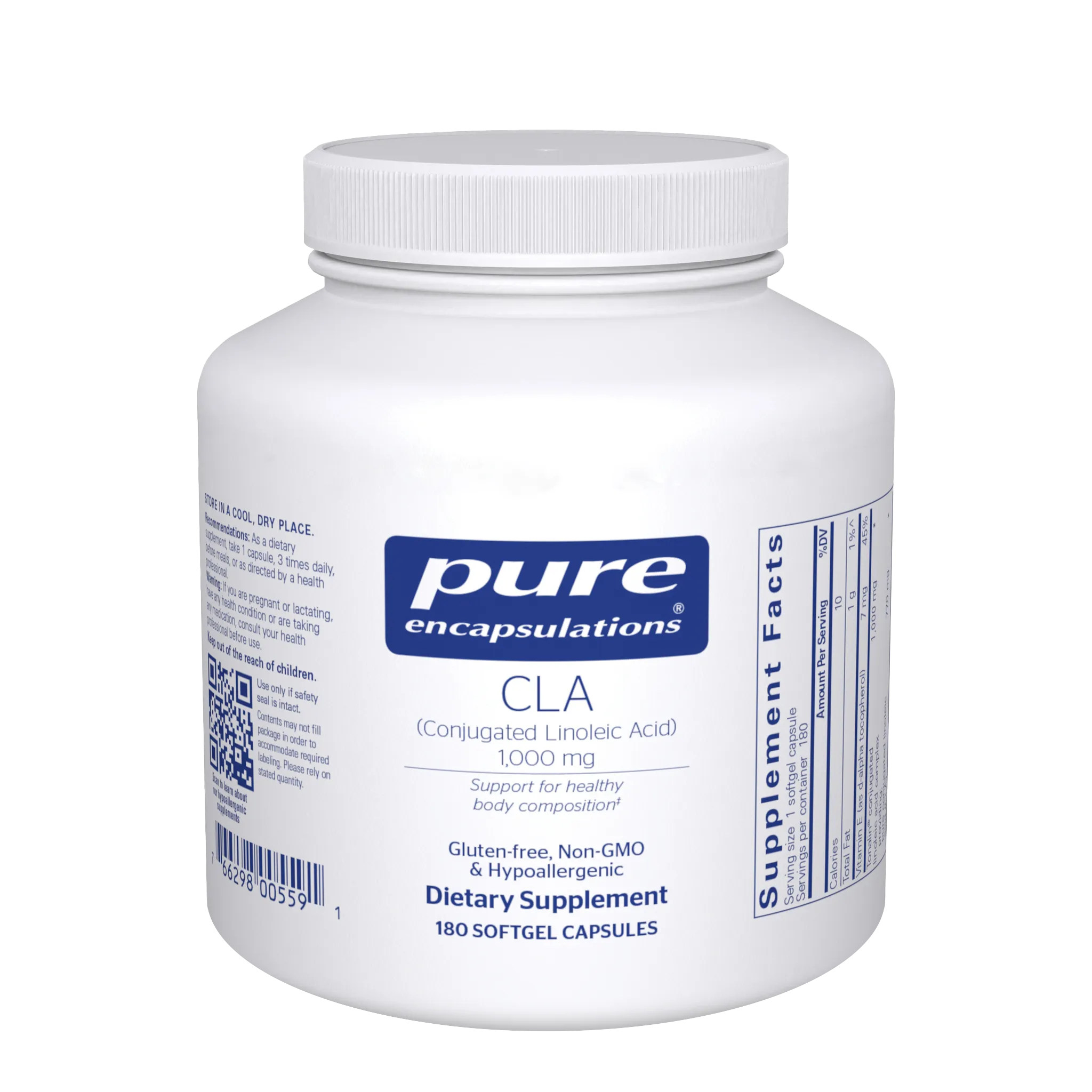
In stark contrast, the trans-10, cis-12 isomer (t10,c12-CLA) is found in only trace amounts in nature, but it is the primary driver of CLA's famous effects on body composition and fat loss. Commercial supplements, such as Tonalin CLA, are specifically synthesized from safflower or sunflower oil to contain a highly concentrated, 50:50 equimolar ratio of both the c9,t11 and t10,c12 isomers. The t10,c12 isomer is a powerful metabolic disruptor; it actively inhibits the enzymes responsible for fat storage, such as lipoprotein lipase (LPL) and fatty acid synthase (FASN), while simultaneously upregulating the cellular machinery that burns fat for energy.
The interplay between these two isomers is what makes high-quality CLA supplementation so unique. While the t10,c12 isomer aggressively targets adipose tissue to reduce body fat mass and promote lean muscle retention, it can also trigger localized inflammation within the fat cells as they break down. The inclusion of the c9,t11 isomer in a strict 50:50 ratio is designed to act as a biological buffer, providing systemic anti-inflammatory support to counteract the metabolic stress induced by the fat-burning process. Understanding this delicate balance is crucial for patients utilizing CLA to support their metabolic health while managing complex, inflammatory conditions.