Can Cinnamon Extract Support Glucose Metabolism in Long COVID and ME/CFS?
March 5, 2026
Cinnamon WSLong COVIDME/CFS
Share:
Disclaimer: The information provided here is for educational purposes only and is not intended as medical advice. It should not be used to diagnose, treat, cure, or prevent any medical condition. Instead, use it as a starting point for discussion with your healthcare provider. Always consult with a qualified healthcare provider before starting any new medication, supplement, device, or making changes to your health regimen.
Months or even years after recovering from an initial SARS-CoV-2 infection, many people find themselves fighting a complex web of debilitating symptoms. Among the most insidious and frequently overlooked consequences of Long COVID and Myalgic Encephalomyelitis/Chronic Fatigue Syndrome (ME/CFS) is profound metabolic dysfunction. Patients who were previously healthy often develop sudden insulin resistance, unexplainable weight changes, and a deep, cellular-level energy crisis that leaves their muscles feeling like lead. This metabolic gridlock is not merely a byproduct of being inactive; it is a virally mediated, physiological disruption of how the body processes its most fundamental fuel source: glucose.
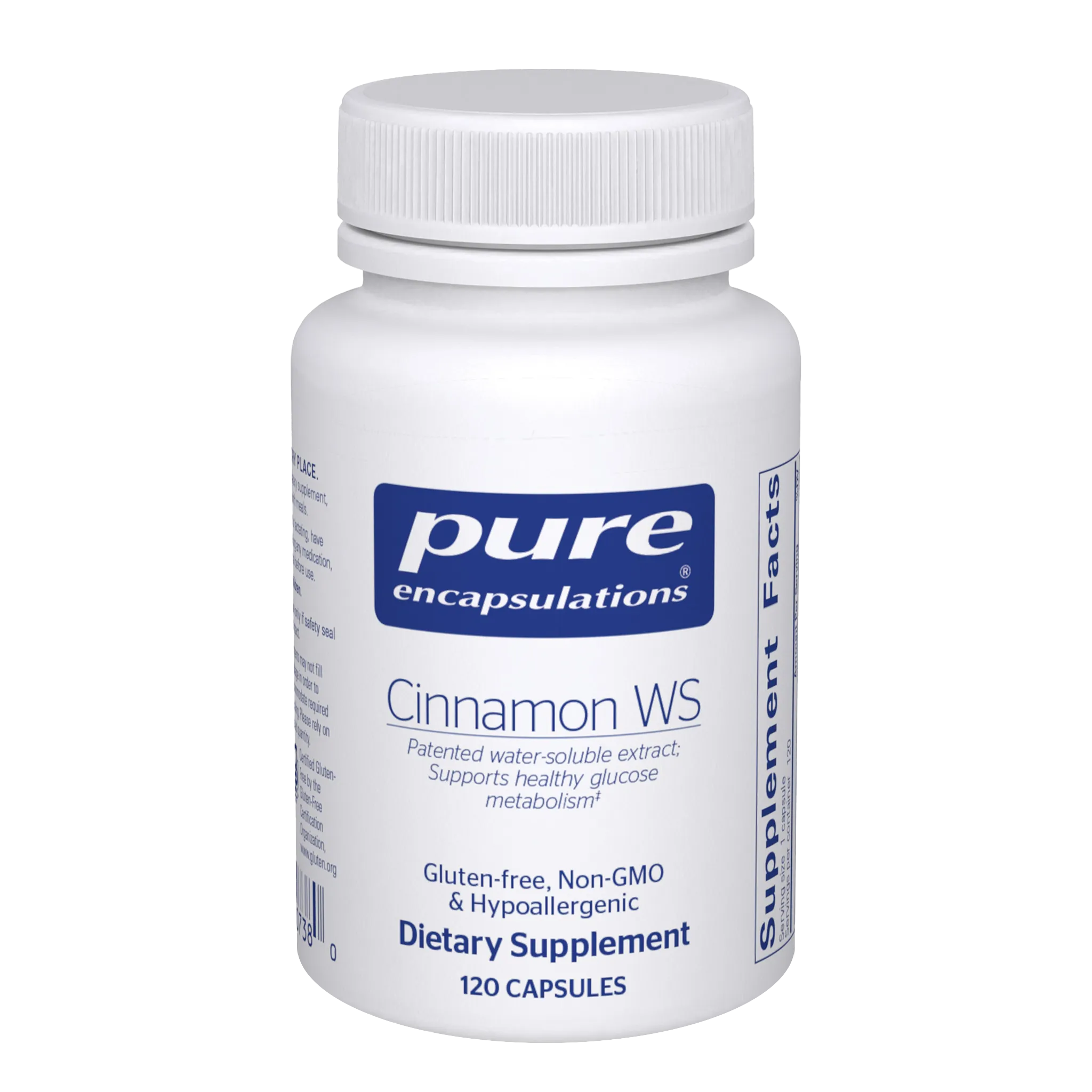
As researchers dive deeper into the immunometabolic nature of complex chronic illnesses, targeted nutritional interventions are stepping into the spotlight. One such intervention is Cinnamon WS, a specialized, water-soluble extract of Cinnamomum cassia. While regular cinnamon has been used for centuries as a culinary spice, advanced extraction techniques have isolated its most potent, metabolically active polyphenols while stripping away the toxic compounds that limit its daily use. By acting as a natural insulin mimetic and supporting glucose utilization directly within skeletal muscle cells, this patented extract offers a compelling, science-backed tool for patients looking to reclaim their metabolic health and cellular energy.
TL;DR
Metabolic dysfunction and insulin resistance are common, overlooked consequences of Long COVID and ME/CFS.
Cinnamon WS is a water-soluble extract that may support healthy glucose utilization and cellular energy.
Unlike regular cinnamon powder, Cinnamon WS removes toxic coumarin, making it safer for daily use.
Discuss metabolic interventions with your doctor to safely support your recovery and manage symptoms.
What is Cinnamon WS?
For thousands of years, the bark of the Cinnamomum tree has been utilized in traditional medicine systems to address digestive issues, inflammation, and fatigue. However, in its raw, powdered form, cinnamon is a complex matrix containing hundreds of different phytochemicals. Some of these compounds are highly beneficial for human metabolism, while others are potentially harmful when consumed in large, therapeutic doses over extended periods. The development of Cinnamon WS represents a critical evolution in botanical medicine, utilizing advanced aqueous (water-based) extraction processes to isolate the specific molecules responsible for cinnamon's renowned metabolic benefits. By separating the water-soluble fractions from the fat-soluble oils, scientists have created a highly concentrated, clinically viable intervention.
The primary active constituents in Cinnamon WS are a specific class of polyphenols known as Type A procyanidins (or proanthocyanidins). These are doubly linked, water-soluble oligomers—specifically trimers and tetramers—composed of catechin and epicatechin molecules. Research indicates that antioxidants play a significant role in disease and health. Unlike the volatile essential oils that give cinnamon its distinct smell and flavor, these water-soluble procyanidins interact directly with cellular membranes and enzymatic pathways to modulate how the body handles blood sugar and circulating lipids.
At the molecular level, the Type A procyanidins found in Cinnamon WS function as powerful "insulin mimetics" and insulin sensitizers. In a healthy body, the hormone insulin acts as a key, unlocking cells so that glucose can enter and be converted into adenosine triphosphate (ATP), the cellular energy currency. However, in states of metabolic dysfunction, the cellular locks become resistant to the key. Studies performed at the Beltsville USDA Human Nutrition Research Center suggest that cinnamon polyphenols can bypass this resistance by directly activating the insulin receptor-β (IR-β) subunit on the cell surface. This autophosphorylation mimics the action of insulin, effectively forcing the cellular doors open even when natural insulin signaling is impaired.
Furthermore, these water-soluble compounds actively inhibit an enzyme known as Protein Tyrosine Phosphatase 1B (PTP1B). PTP1B is a negative regulator of the insulin signaling pathway; its primary job is to dephosphorylate and "turn off" the insulin receptor after a meal. By inhibiting PTP1B, the polyphenols in Cinnamon WS prolong the active, "switched-on" state of the insulin receptor. According to in vitro studies, this dual-action mechanism—simultaneously stimulating the receptor and preventing its deactivation—vastly improves cellular insulin sensitivity and enhances the overall efficiency of glucose metabolism.
The distinction between whole cinnamon powder and a water-soluble extract is not merely a matter of potency; it is a critical matter of safety. The most common form of cinnamon, Cinnamomum cassia, contains high levels of a naturally occurring, fat-soluble compound called coumarin. While harmless in the small amounts used for baking, coumarin is a known hepatotoxin that can cause severe liver damage and inflammation when taken in the high doses required for metabolic therapy. Because coumarin is lipophilic (fat-soluble), it does not dissolve well in water.
The patented extraction process used to create Cinnamon WS utilizes water as the sole solvent. This method effectively leaves the toxic coumarin and volatile oils behind in the discarded plant matrix. The resulting extract is a 100% water-soluble powder that concentrates the beneficial Type A procyanidins while remaining virtually coumarin-free. This allows patients to safely consume therapeutic doses of cinnamon polyphenols daily without the need for constant liver enzyme monitoring, making it a sustainable option for long-term cardiometabolic support.
How Chronic Illness Impacts Metabolic Health
The intersection of viral infection and metabolic dysfunction has become a central focus in understanding What Causes Long COVID?. Accumulating evidence indicates that SARS-CoV-2 infection triggers long-lasting dysglycemia (abnormal blood glucose levels) and widespread insulin resistance. A combinatorial analysis identified genetic risk factors for severe and fatigue-dominant Long COVID and commonalities with ME/CFS. This metabolic fallout is not a coincidence; it is driven by the virus's direct interaction with the body's endocrine system. SARS-CoV-2 enters human cells primarily via the ACE2 receptor, which is highly expressed in the pancreas and adipose (fat) tissue.
When the virus infiltrates the pancreas, it can cause direct injury to the insulin-producing β-cells, leading to cellular dedifferentiation—a process where the cells lose their specialized identity and stop producing insulin effectively. Simultaneously, the infection of adipose tissue accelerates lipolysis, releasing a flood of free fatty acids into the bloodstream. This lipotoxicity directly impairs glucose homeostasis and exacerbates systemic insulin resistance. As explored in our article on Diabetes and Long COVID: A Pandemic Within a Pandemic, this creates a state of persistent, compensatory hyperinsulinemia, where the pancreas is forced to pump out excess insulin to overcome profound cellular resistance, leaving patients exhausted and metabolically inflexible.
In Myalgic Encephalomyelitis/Chronic Fatigue Syndrome (ME/CFS), metabolic dysfunction manifests most severely within the skeletal muscle. Patients frequently experience post-exertional malaise (PEM), a debilitating crash following minor physical or cognitive exertion. Recent research has pinpointed a core pathophysiological feature driving this symptom: a profound inability of skeletal muscle cells to utilize glucose for energy. During exertion, healthy muscles rely on an energy-sensing enzyme called AMP-activated protein kinase (AMPK) to trigger glucose uptake. However, studies evaluating cultured human skeletal muscle cells from ME/CFS patients found that these cells are unable to utilize glucose to the same extent as healthy control cells, leaving them starved of their primary fuel source.
Even when glucose does manage to enter the ME/CFS muscle cell, it faces a secondary bottleneck. Landmark metabolic profiling indicates a functional impairment of Pyruvate Dehydrogenase (PDH), the critical enzyme complex that funnels glucose-derived pyruvate into the mitochondria for oxidative phosphorylation. Because the mitochondria cannot efficiently convert glucose into ATP, the muscle is forced to rely on inefficient, lactate-producing anaerobic glycolysis. To compensate for this energy deficit, the body begins breaking down its own amino acids (muscle catabolism) to fuel the cellular engines, leading to rapid energy depletion, intracellular calcium overload, and the profound muscle fatigue characteristic of the disease.
Both Long COVID and ME/CFS are characterized by a state of chronic, low-grade systemic inflammation. The ongoing release of pro-inflammatory cytokines, such as Interleukin-6 (IL-6) and Tumor Necrosis Factor-alpha (TNF-α), physically disrupts intracellular insulin signaling pathways. These inflammatory markers interfere with the Insulin Receptor Substrate (IRS), preventing the downstream cascade required for glucose transporters to reach the cell surface. This creates a vicious cycle: viral persistence or immune dysregulation drives inflammation, the inflammation causes insulin resistance, and the resulting high blood sugar and circulating lipids generate further oxidative stress and inflammation.
This systemic gridlock also extends to lipid metabolism. Chronic inflammation and insulin resistance disrupt the liver's ability to regulate cholesterol and triglycerides, leading to dyslipidemia. Elevated triglycerides and low-density lipoprotein (LDL) cholesterol further damage the delicate endothelial lining of blood vessels. This microvascular injury limits blood flow and oxygen delivery to already struggling skeletal muscles, compounding the energy crisis. Breaking this cycle requires interventions that can simultaneously address insulin sensitivity, lipid balance, and oxidative stress at the cellular level.
Cinnamon WS: Supporting Glucose and Lipid Metabolism
One of the most critical mechanisms of Cinnamon WS is its ability to directly support glucose utilization in skeletal muscle cells, addressing the exact metabolic bottlenecks seen in ME/CFS and Long COVID. When the Type A procyanidins in Cinnamon WS activate the insulin receptor, they trigger the Phosphoinositide 3-kinase (PI3K)/Akt signaling pathway. This cascade is the primary biological highway responsible for metabolic regulation in insulin-sensitive tissues.
By forcing GLUT4 to the cell surface, Cinnamon WS effectively opens the doors for blood glucose to flood into the skeletal muscle, even when endogenous insulin signaling is blunted by inflammation or viral damage. Furthermore, research indicates that these polyphenols not only move existing transporters but also increase the total mRNA and protein expression of GLUT4 within the cells. For patients experiencing the profound muscle fatigue and heavy limbs associated with complex chronic illness, enhancing this localized glucose uptake is a vital step toward restoring cellular ATP production and mitigating the severity of post-exertional crashes.
The liver plays a central role in maintaining systemic glucose homeostasis, and Cinnamon WS exerts profound regulatory effects on hepatic metabolism. In states of insulin resistance, the liver inappropriately continues to produce and release new glucose into the bloodstream, a process known as gluconeogenesis. Cinnamon WS helps suppress this process, keeping the liver from flooding the body with excess sugar.
Simultaneously, Cinnamon WS promotes the safe storage of glucose. It achieves this by inhibiting Glycogen Synthase Kinase-3β (GSK-3β), an enzyme that normally turns off glycogen synthesis. When GSK-3β is inhibited by cinnamon polyphenols, glycogen synthase becomes highly active, allowing the liver to efficiently pull excess glucose from the blood and store it safely as glycogen for future energy needs. This dual action—halting new glucose production while accelerating glucose storage—makes Cinnamon WS a powerful tool for promoting healthy fasting blood sugar levels and overall glycemic balance.
Beyond glucose metabolism, Cinnamon WS provides statistically significant support for healthy lipid metabolism. By modulating how the gut processes and packages dietary fats, Cinnamon WS helps maintain healthy cholesterol and triglyceride levels in the bloodstream. This lipid-balancing effect is crucial for protecting cardiovascular health and helping to protect against the endothelial damage that often exacerbates the symptoms of dysautonomia and Long COVID.
Finally, the polyphenols in Cinnamon WS are potent antioxidants that directly combat the oxidative stress generated by metabolic dysfunction. Chronic high blood sugar and lipid imbalances create reactive oxygen species (ROS) that damage cellular machinery and mitochondria. Cinnamon polyphenols scavenge these free radicals, protecting the delicate mitochondrial membranes from lipid peroxidation. This anti-inflammatory action helps break the vicious cycle of immune-driven insulin resistance.
Symptoms Cinnamon WS May Help Manage
Because Cinnamon WS targets foundational metabolic pathways, it may help alleviate a variety of downstream symptoms associated with cellular energy deficits and dysglycemia. While not a cure for complex conditions, supporting glucose utilization can significantly improve daily quality of life. Symptoms this supplement may help manage include:
Post-Exertional Malaise (PEM) and Muscle Fatigue: By promoting the translocation of GLUT4 and enhancing glucose uptake directly into skeletal muscle cells, Cinnamon WS helps provide the raw fuel needed for ATP production, potentially reducing the severity of muscle heaviness and delayed fatigue following physical exertion.
Brain Fog and Cognitive Fluctuations: The brain is highly dependent on a steady, stable supply of glucose. By supporting healthy fasting blood sugar levels and helping to avoid dramatic glycemic spikes and crashes, Cinnamon WS may help stabilize cognitive function and reduce episodes of metabolic brain fog.
Unexplained Weight Changes and Adipose Dysregulation: Insulin resistance often leads to the abnormal storage of visceral fat and difficulty managing weight. By acting as an insulin sensitizer and modulating the PI3K/Akt signaling pathway in adipocytes, Cinnamon WS supports healthier fat metabolism and body composition.
Cardiovascular Palpitations Linked to Blood Sugar: Dysautonomia and POTS symptoms can be severely exacerbated by reactive hypoglycemia or blood sugar swings. Promoting a healthy glucose balance helps maintain autonomic stability and reduces the adrenaline surges that trigger rapid heart rates.
Systemic Inflammation and Joint Pain: The potent antioxidant properties of Type A procyanidins, combined with their ability to upregulate the anti-inflammatory protein TTP, help neutralize the oxidative stress and inflammatory cytokines that contribute to widespread body pain and neuroinflammation.
Dyslipidemia (Elevated Cholesterol and Triglycerides): By inhibiting the intestinal overproduction of lipoproteins and supporting hepatic lipid processing, Cinnamon WS promotes healthy triglyceride and LDL cholesterol levels, protecting microvascular health.
Practical Considerations: Forms, Dosing, and Absorption
When considering cinnamon supplementation, understanding the difference between culinary spice and clinical extracts is paramount for patient safety. As previously mentioned, the most common form of cinnamon found in grocery stores and cheap supplements is Cinnamomum cassia. While it contains beneficial polyphenols, it is also highly concentrated in coumarin, a natural flavoring compound known to cause hepatotoxicity (liver damage) in sensitive individuals. The European Food Safety Authority (EFSA) has established a strict Tolerable Daily Intake for coumarin at just 0.1 mg per kg of body weight per day.
Because regular Cassia cinnamon can contain up to 3,000 mg of coumarin per kilogram, consuming as little as half a teaspoon (1 to 2 grams) of raw powder daily can easily exceed safe liver thresholds for an average adult. A common misconception is that the "plant matrix" of whole cinnamon prevents the body from absorbing this toxic compound. However, a landmark 2011 clinical study definitively debunked this, proving that the coumarin in regular cinnamon powder is highly bioavailable—absorbing at rates nearly identical to isolated chemical coumarin. This makes long-term supplementation with whole Cassia powder a genuine risk for liver inflammation.
Cinnamon WS bypasses the coumarin danger entirely through its patented aqueous extraction process. Because coumarin is fat-soluble, it is left behind during the water extraction, resulting in a product that is virtually coumarin-free and safe for daily, long-term use. Furthermore, this process highly concentrates the active Type A procyanidins. These doubly-linked water-soluble oligomers are highly bioavailable and readily absorbed by the gastrointestinal tract, allowing them to quickly enter systemic circulation and interact with insulin receptors across the body's tissues.
Because the active compounds are isolated and concentrated, Cinnamon WS requires a much smaller physical dose to achieve clinical efficacy compared to raw powder. The standard dosage of Cinnamon WS is typically 125 mg to 250 mg per capsule. This concentrated form ensures that patients receive a standardized, therapeutic dose of polyphenols without the gastrointestinal distress or heartburn that frequently accompanies the ingestion of large amounts of raw, volatile cinnamon oils.
For optimal metabolic support, the suggested use for Cinnamon WS is 1 capsule (125 mg) taken twice daily with meals, or as directed by a healthcare professional. Taking the extract alongside food is highly recommended, as it allows the insulin-mimicking polyphenols to directly assist in the processing and cellular uptake of the glucose generated from the meal. This timing helps blunt postprandial (post-meal) blood sugar spikes and supports a smoother, more sustained release of cellular energy throughout the day.
While Cinnamon WS is generally well-tolerated, consistency is key. Clinical trials evaluating water-soluble cinnamon extracts typically observe significant improvements in fasting blood glucose and lipid profiles after 4 to 12 weeks of continuous daily use. Patients already taking prescription medications for diabetes (such as Metformin or insulin) should consult their healthcare provider before starting Cinnamon WS, as the combined blood-sugar-lowering effects could potentially lead to hypoglycemia. As discussed in our guide on Metformin: Long COVID Risk Reduction and Diabetes Management, combining natural and pharmaceutical metabolic therapies requires careful medical supervision and routine blood sugar monitoring.

Follow the Science
The scientific literature surrounding water-soluble cinnamon extracts is robust, with numerous clinical trials validating its efficacy in managing dysglycemia. A pivotal 12-week, placebo-controlled clinical trial published in the Journal of the International Society of Sports Nutrition evaluated the efficacy of a water-soluble cinnamon extract (Cinnulin PF) in patients with prediabetes and metabolic syndrome. The researchers found that supplementation decreased fasting blood glucose significantly by 8.4% (from 116.3 to 106.5 mg/dL). Furthermore, the study noted a 3.8% decrease in systolic blood pressure and positive shifts in body composition, including an increase in lean muscle mass and a decrease in body fat.
These findings are supported by broader epidemiological data, which show that the most profound glycemic benefits are observed in individuals who already suffer from baseline metabolic dysregulation, making cinnamon a highly relevant intervention for the virally induced insulin resistance seen in Long COVID cohorts.
Recent large-scale meta-analyses from 2023 and 2024 have provided a nuanced, evidence-based view of cinnamon's impact on blood lipids. A 2024 meta-analysis published in Clinical Nutrition Research evaluating 10 randomized controlled trials found that cinnamon supplementation resulted in a significant overall reduction in circulating triglycerides. Interestingly, the researchers noted a strong dose-specific effect: lower, concentrated doses of cinnamon extract (less than 500 mg/day) actually resulted in more substantial reductions in both triglycerides and LDL cholesterol compared to massive, multi-gram doses of raw powder.
Another dose-response meta-analysis published in Nutrients (2023) looked exclusively at trials involving patients with Type 2 Diabetes. The study found that cinnamon supplementation significantly improved multiple lipid markers, reducing triglycerides by an average of 7.31 mg/dL and LDL cholesterol by 6.78 mg/dL, while simultaneously increasing "good" HDL cholesterol levels. These data points strongly support the use of standardized, low-dose water-soluble extracts like Cinnamon WS for comprehensive cardiometabolic health.
Beyond standard metabolic panels, research has deeply investigated the cellular mechanisms of cinnamon polyphenols. These purified extracts significantly upregulated the protein levels of the anti-inflammatory marker TTP, directly combating the inflammatory cytokines that drive metabolic gridlock.
Animal models further validate these protective effects. By protecting the intestinal enterocytes and hepatic pathways from oxidative stress, these polyphenols ensure that the body's foundational metabolic machinery can begin to repair and function efficiently, even in the wake of chronic illness.
The Path Forward
Living with the profound fatigue and metabolic disruptions of Long COVID, ME/CFS, and dysautonomia can feel like an endless uphill battle. When your cells literally cannot process the energy they need to function, pushing through the exhaustion is not only impossible—it can be actively harmful. Validating this biological reality is the first step toward meaningful management. As we explore in our guide on How Can You Live with Long-Term COVID, recovery is rarely about finding a single miracle cure; it is about layering targeted, science-backed strategies that slowly rebuild your body's foundational systems.
Cinnamon WS offers a highly specific, mechanistic approach to one of the most critical aspects of chronic illness: cellular energy production. By acting as a natural insulin mimetic, driving glucose into starved skeletal muscles, and balancing the lipid profile, this patented water-soluble extract helps break the vicious cycle of metabolic gridlock. Importantly, because it strips away the toxic coumarin found in regular cinnamon, it provides a safe, sustainable option for daily cardiometabolic support without placing additional stress on the liver.
Supplements are most effective when integrated into a comprehensive care plan that includes aggressive pacing, symptom tracking, anti-inflammatory nutrition, and ongoing medical supervision. If you are struggling with post-exertional malaise, sudden weight changes, or signs of insulin resistance, discussing metabolic interventions with your healthcare provider is a critical next step. They can help you run the necessary lab panels (such as fasting insulin, HbA1c, and lipid profiles) to determine if your symptoms are being driven by underlying dysglycemia.
If you and your medical team decide that supporting your glucose and lipid metabolism is the right path forward, consider incorporating a clinically validated, water-soluble extract into your daily regimen. Explore Cinnamon WS to learn more about how this patented formulation can support your cellular energy and help you reclaim your metabolic health. Always remember to consult your healthcare provider before starting any new supplement, especially if you are currently taking medications for blood sugar management.