Can Chromium Synergy™ Support Metabolic Health and Energy in Long COVID and ME/CFS?
March 5, 2026
ChromiumLong COVIDME/CFS
Share:
Disclaimer: The information provided here is for educational purposes only and is not intended as medical advice. It should not be used to diagnose, treat, cure, or prevent any medical condition. Instead, use it as a starting point for discussion with your healthcare provider. Always consult with a qualified healthcare provider before starting any new medication, supplement, device, or making changes to your health regimen.
Months or even years after an acute SARS-CoV-2 infection, many individuals find themselves trapped in a relentless cycle of profound exhaustion, cognitive dysfunction, and unpredictable autonomic flares. If you are living with Long COVID, myalgic encephalomyelitis/chronic fatigue syndrome (ME/CFS), or dysautonomia, you are likely intimately familiar with the concept of the "energy crash." You might find that even minor physical or mental exertion triggers debilitating post-exertional malaise (PEM), leaving you feeling as though your body's battery has been completely drained and refuses to recharge. For a long time, these invisible illnesses were viewed primarily through the lens of immune dysfunction or neurological impairment. However, emerging clinical research is painting a much more complex picture, revealing that these conditions are fundamentally driven by profound metabolic dysfunction and cellular energy failure.
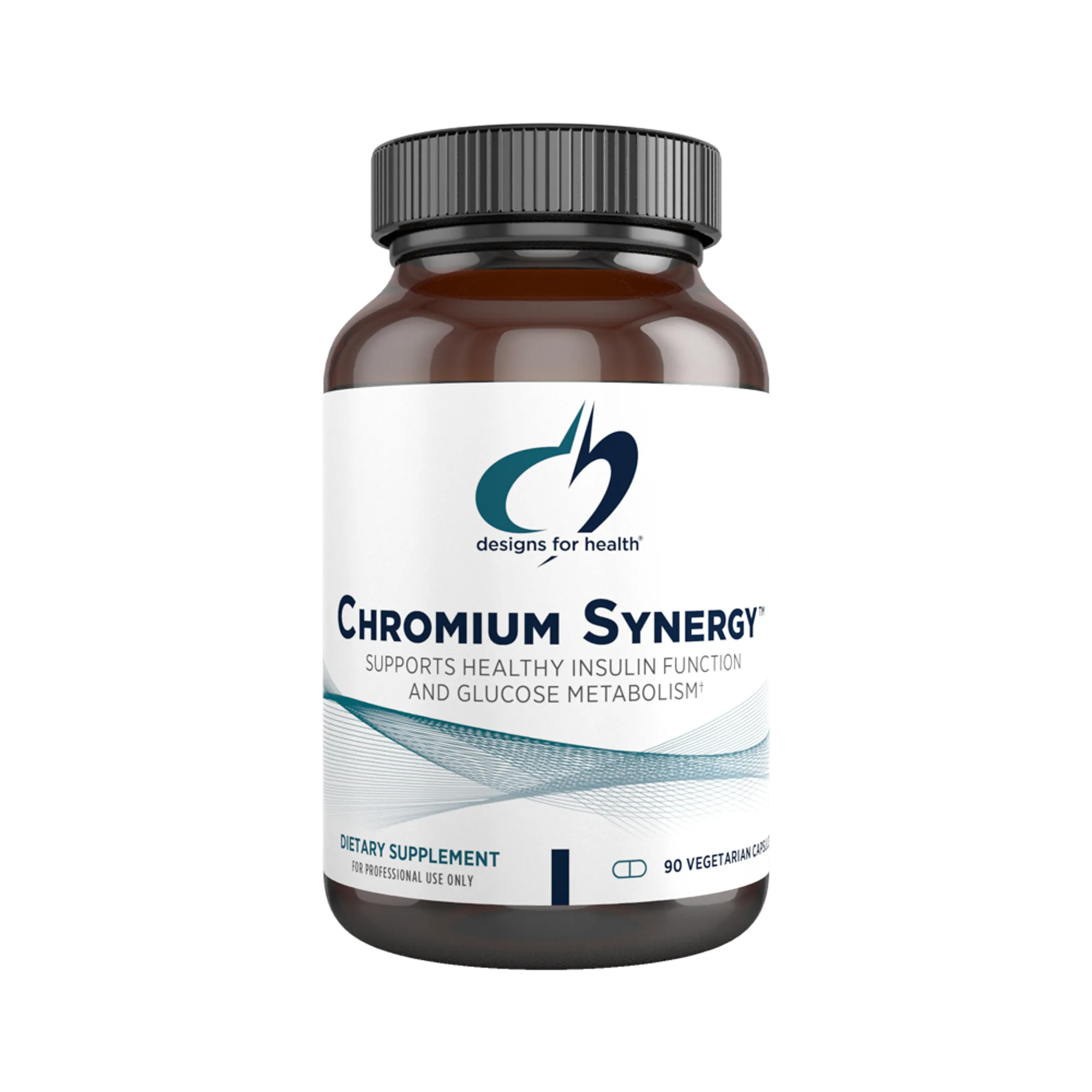
At the core of this metabolic crisis is a phenomenon known as insulin resistance, where the body's cells lose their ability to effectively respond to insulin and absorb the glucose needed to create adenosine triphosphate (ATP), our cellular energy currency. When your cells are starving for fuel, every system in your body—from your brain to your blood vessels—struggles to function. This is where targeted nutritional support becomes a critical component of a comprehensive management strategy. Chromium Synergy™, a highly specialized formulation combining highly bioavailable chelated trace minerals with the amino acid taurine, is designed to directly address these metabolic blockades. By supporting healthy insulin receptor function, enhancing cellular glucose uptake, and repairing endothelial health, this comprehensive blend offers a mechanistically sound approach to helping patients reclaim their metabolic stability and improve their daily quality of life.
TL;DR
Long COVID and ME/CFS are often driven by metabolic dysfunction, cellular energy failure, and insulin resistance.
Chromium Synergy™ combines trace minerals and taurine to support healthy blood sugar regulation and cellular energy production.
Taurine may help support vascular health and calm the autonomic nervous system in dysautonomia and POTS.
Targeted nutritional support works best when combined with pacing, dietary modifications, and medical oversight.
What is Chromium Synergy™?
The Master Regulator of Blood Sugar
To understand the clinical utility of Chromium Synergy™, we must first explore the biological roles of its foundational ingredients in a healthy human body. At the forefront of this formula is chromium, an essential trace mineral that serves as a master regulator of carbohydrate, lipid, and protein metabolism. In a healthy physiological state, chromium does not act alone; it functions as a critical potentiator of insulin, the hormone responsible for unlocking cells so they can absorb glucose from the bloodstream. When you consume food, your blood sugar rises, prompting the pancreas to release insulin. Insulin then binds to specific receptors on the surface of your cells, initiating a complex signaling cascade that ultimately allows glucose to enter. Chromium is the molecular key that ensures this signaling cascade operates at maximum efficiency, helping to prevent glucose from building up in the blood and ensuring cells receive the fuel they need to generate ATP.
At the molecular level, chromium operates through a highly specific biochemical pathway involving a low-molecular-weight binding substance known as chromodulin. When insulin binds to the cellular insulin receptor, it triggers the rapid influx of chromium ions into the cell. Inside the cell, these chromium ions bind to an inactive protein called apochromodulin, converting it into its active form, chromodulin. Active chromodulin then binds directly to the intracellular portion of the insulin receptor, dramatically amplifying its kinase activity—essentially turning the volume up on the insulin signal. Furthermore, research indicates that chromium actively inhibits an enzyme called protein tyrosine phosphatase-1B (PTP-1B), which normally acts as an "off switch" for the insulin receptor. By inhibiting this negative regulator, chromium keeps the insulin signaling pathway active for longer, ensuring optimal cellular nourishment.
The Synergistic Mineral Blend
Beyond chromium, this formula incorporates a synergistic blend of trace minerals—vanadium, zinc, and manganese—each playing a distinct, irreplaceable role in metabolic homeostasis. Vanadium is a trace element renowned in clinical literature for its powerful insulin-mimetic (insulin-like) properties. While insulin requires a functioning receptor to work, studies have shown that vanadium can bypass certain cellular blockades by directly activating critical components of the insulin signaling pathway, including PI3-kinase and protein kinase B. This allows vanadium to facilitate cellular glucose uptake even in states of severe insulin resistance. Additionally, like chromium, vanadium acts as a potent inhibitor of PTP-1B, providing dual-action support for sustained metabolic signaling and blood sugar regulation.
Zinc and manganese act as the structural architects and defenders of the metabolic system. Zinc is absolutely critical for the synthesis, storage, crystallization, and secretion of insulin within the pancreatic beta-cells. Inside the pancreas, insulin is actually stored as a zinc hexamer crystal, and a specific zinc transporter protein (ZnT8) is required to move zinc into the insulin-containing secretory vesicles. Without adequate zinc, the body simply cannot produce or release insulin effectively. Manganese, on the other hand, acts as a vital cofactor for key metabolic enzymes, including pyruvate carboxylase, which is critical for glucose utilization. Furthermore, manganese is the central mineral component of Manganese Superoxide Dismutase (MnSOD), a primary antioxidant enzyme that resides inside the mitochondria, protecting our cellular power plants from the oxidative stress generated during energy production.
Taurine's Role in Cellular Health
The final, and perhaps most dynamic, component of Chromium Synergy™ is taurine, a conditionally essential, sulfur-containing amino acid found abundantly in the brain, heart, and blood vessels. Unlike other amino acids, taurine is not used to build proteins; instead, it floats freely in intracellular fluids, acting as a potent neuromodulator, antioxidant, and osmoregulator. In a healthy cardiovascular system, taurine is essential for maintaining endothelial function—the health of the thin membrane lining the inside of the heart and blood vessels. It stimulates the production of endothelial nitric oxide synthase (eNOS), the enzyme responsible for generating nitric oxide, which keeps blood vessels flexible and allows for proper vasodilation and blood flow.
In the central nervous system, taurine acts as a calming agent, dampening sympathetic (fight-or-flight) overdrive. It increases the levels of the inhibitory neurotransmitter GABA in the brain and reduces the release of excitatory catecholamines like epinephrine (adrenaline). Furthermore, taurine is a potent osmolyte, meaning it regulates the movement of critical electrolytes—such as sodium, potassium, and calcium—across cell membranes. This osmoregulatory function ensures optimal cellular hydration, stabilizes heart rhythms, and helps prevent the cardiac muscle from becoming overly irritable. Together, these ingredients form a comprehensive matrix designed to optimize every stage of cellular energy production and vascular health.
How Long COVID and ME/CFS Impact Metabolic Health
The Post-Viral Energy Crisis and Insulin Resistance
To understand why a metabolic supplement is relevant to post-viral syndromes, we must examine how conditions like Long COVID and ME/CFS fundamentally alter the body's biochemistry. While patients often present with a dizzying array of symptoms, recent clinical research has demonstrated that a physiological shift toward insulin resistance is a core pathological feature of these illnesses. Following an acute SARS-CoV-2 infection, the intense inflammatory response and viral persistence can damage the insulin signaling pathways. A case-control study found that 3-4 months post-infection, Long COVID patients exhibited significantly elevated fasting blood glucose, insulin levels, and HOMA2-IR scores (a clinical metric for insulin resistance), with over a third of the cohort meeting the clinical threshold for severe insulin resistance. This means that even if a patient is eating a balanced diet, their cells are effectively starving because the insulin "key" can no longer unlock the cellular "door" to let glucose in.
In ME/CFS, this metabolic blockade is believed to originate locally in the skeletal muscles before progressing systemically. Researchers hypothesize that viral-induced mitochondrial dysfunction drives this muscle-specific insulin resistance. Because the muscle cells cannot effectively utilize clean-burning glucose due to this resistance, they transition into a "stress-induced hypermetabolic state." In this desperate state, the body begins breaking down inefficient fuel sources, such as amino acids and fatty acids, generating toxic byproducts like excess lactate. This metabolic shift is a primary driver of post-exertional malaise (PEM); when a patient exerts themselves, their cells cannot generate ATP efficiently, leading to rapid energy depletion, severe muscle fatigue, and a prolonged recovery period that defines the ME/CFS experience. Understanding what causes Long COVID requires looking deeply at these cellular energy failures.
Endothelial Dysfunction in Dysautonomia and POTS
The metabolic dysfunction seen in these conditions does not exist in a vacuum; it directly impacts the cardiovascular and autonomic nervous systems, leading to conditions like Postural Orthostatic Tachycardia Syndrome (POTS) and general dysautonomia. The endothelium—the inner lining of the blood vessels—is highly sensitive to metabolic stress, insulin resistance, and systemic inflammation. Clinical studies evaluating endothelial function in POTS patients have measured flow-mediated dilation (FMD), a standard metric for vascular health. These studies consistently find that FMD is significantly lower in POTS patients compared to healthy controls, indicating severe endothelial impairment. When the endothelium is damaged, it cannot produce adequate nitric oxide, preventing normal blood vessel constriction and dilation.
This vascular failure is disastrous for patients with dysautonomia. When a healthy person stands up, their blood vessels rapidly constrict to push blood back up to the brain. In POTS, the damaged endothelium fails to facilitate this constriction, leading to severe blood pooling in the lower extremities and a drop in central blood volume (hypovolemia). To compensate for the lack of blood reaching the brain, the autonomic nervous system panics, dumping massive amounts of adrenaline into the bloodstream to force the heart to beat faster—resulting in the extreme, reflexive tachycardia that POTS patients experience upon standing. This constant hyperadrenergic state leaves patients feeling wired, anxious, and physically exhausted, contributing heavily to the overall symptom burden.
The Vicious Cycle of Oxidative Stress
The intersection of insulin resistance and endothelial dysfunction creates a vicious, self-perpetuating cycle of oxidative stress. When mitochondria struggle to produce ATP due to poor glucose uptake, they "leak" highly reactive oxygen species (ROS) into the cellular environment. These free radicals cause widespread cellular damage, further degrading the insulin receptors and the delicate endothelial lining. Moreover, chronic high blood sugar and insulin resistance cause the body to rapidly excrete essential trace minerals like zinc and manganese through the urine (hyperzincuria). Because manganese is required to build the mitochondrial antioxidant enzyme MnSOD, this mineral depletion strips the mitochondria of their primary defense mechanism, allowing oxidative stress to run rampant.
This systemic inflammation and oxidative burden also compromise the blood-brain barrier. The endothelial damage caused by insulin resistance allows pro-inflammatory cytokines to cross into the central nervous system, driving neuroinflammation. This neuroinflammatory state is widely believed to be the underlying mechanism behind the severe "brain fog," cognitive impairment, and sensory overload that so many patients report. Breaking this cycle requires more than just rest; it requires targeted nutritional interventions that can restore insulin sensitivity, replenish depleted trace minerals, and repair the vascular endothelium, which is why comprehensive formulas are frequently utilized in functional medicine protocols.
Chromium Synergy™: Supporting Cellular Energy and Autonomic Balance
Activating AMPK and Chromodulin for Energy Production
Chromium Synergy™ is specifically formulated to intervene in the complex metabolic cascades disrupted by chronic illness. The primary mechanism by which this supplement supports cellular energy is through the potent insulin-sensitizing action of its chelated chromium. By providing a highly bioavailable form of trivalent chromium, the formula ensures that the intracellular apochromodulin can be successfully converted into active chromodulin. This active chromodulin binds to the insulin receptors on the surface of muscle and tissue cells, drastically amplifying their sensitivity to whatever insulin the body is producing. This action helps overcome the cellular resistance seen in post-viral syndromes, allowing glucose to finally enter the cells and reach the mitochondria to be converted into usable ATP.
Furthermore, medical literature demonstrates that chromium upregulates adenosine monophosphate-activated protein kinase (AMPK), often referred to as the "master energy sensor" of the cell. In ME/CFS and Long COVID, AMPK function is frequently impaired, leaving the body unable to detect and respond to low energy states. By directly activating AMPK, chromium forces skeletal muscle cells to increase their glucose uptake independent of the standard insulin pathway, while simultaneously decreasing lipogenesis (fat creation). This dual-pathway approach—enhancing insulin receptor sensitivity while directly stimulating AMPK—provides a robust mechanism for overriding the metabolic blockades that cause severe fatigue and post-exertional malaise, helping to stabilize energy levels throughout the day.
Taurine’s Impact on the Endothelium and Autonomic Nervous System
While chromium addresses the energy deficit, the inclusion of 500mg of taurine directly targets the vascular and autonomic dysfunction central to POTS and dysautonomia. Taurine is often utilized to support the damaged endothelium. Clinical studies have shown that POTS patients suffer from impaired endothelial function and reduced flow-mediated dilation (FMD). By supporting endothelial nitric oxide synthase (eNOS) and increasing the bioavailability of nitric oxide, taurine may help restore this flow-mediated dilation (FMD), allowing the blood vessels to constrict and dilate properly in response to positional changes. By supporting this vascular flexibility, taurine helps mitigate the severe blood pooling and hypovolemia that trigger the rapid heart rate spikes in POTS patients.
Beyond the blood vessels, taurine exerts a profound calming effect on the hyperactive autonomic nervous system. Because POTS is driven by a hyperadrenergic state—an overactive sympathetic nervous system dumping excess adrenaline—patients often suffer from palpitations, premature ventricular contractions (PVCs), and severe anxiety. Taurine acts as a central nervous system neuromodulator, increasing inhibitory GABA levels and dampening the release of excitatory catecholamines. Additionally, as a potent osmolyte, taurine regulates the movement of calcium, potassium, and sodium across the heart muscle's cell membranes. This osmoregulatory action ensures optimal cellular hydration and helps prevent the cardiac tissue from becoming overly irritable, effectively smoothing out autonomic cardiovascular responses and reducing the frequency of ectopic heartbeats.
Vanadium and Zinc as Insulin Mimetics and Architects
The trace minerals vanadium and zinc provide the final layer of metabolic support, acting synergistically with chromium to ensure comprehensive blood sugar regulation. Vanadium's unique ability to act as an insulin mimetic means that it can independently activate the tyrosine phosphorylation of insulin receptor substrate-1 (IRS-1) and PI3-kinase. This is particularly crucial for patients whose primary insulin receptors have been severely degraded by chronic viral inflammation. By bypassing the damaged receptors and directly activating the downstream signaling pathways, vanadium ensures that glucose transport continues even in a state of profound insulin resistance. Furthermore, both vanadium and zinc act as potent inhibitors of PTP-1B, the enzyme that prematurely shuts off insulin signaling, ensuring that every metabolic signal is maximized.
Zinc and manganese also play critical roles in repairing the systemic damage caused by chronic illness. By replenishing the zinc lost through hyperglycemia-induced hyperzincuria, the formula supports the pancreas's ability to synthesize and secrete healthy insulin crystals via the ZnT8 transporter. Simultaneously, the inclusion of manganese provides the essential building blocks for Manganese Superoxide Dismutase (MnSOD). By restoring this primary mitochondrial antioxidant enzyme, the formula helps neutralize the reactive oxygen species (ROS) generated by dysfunctional cellular metabolism. This reduction in oxidative stress protects the delicate endothelial lining from further damage and helps preserve the integrity of the blood-brain barrier, offering a multi-targeted approach to systemic recovery.

Symptoms Chromium Synergy™ May Help Manage
Energy and Cognitive Symptoms
By addressing the root causes of cellular energy failure and neuroinflammation, the ingredients in Chromium Synergy™ may help alleviate several debilitating symptoms associated with post-viral fatigue syndromes. Patients exploring how to live with long-term COVID often find that stabilizing their metabolic health is a crucial first step in managing their daily energy envelope.
Post-Exertional Malaise (PEM): By activating AMPK and enhancing insulin sensitivity, chromium helps cells utilize glucose more efficiently, potentially reducing the severity of the metabolic crashes that follow physical or mental exertion.
Profound Fatigue: Improving cellular glucose uptake ensures that the mitochondria have the necessary fuel to produce ATP, helping to lift the heavy, leaden feeling of systemic exhaustion.
Brain Fog and Cognitive Dysfunction: By reducing systemic insulin resistance and supporting endothelial health, the formula helps maintain the integrity of the blood-brain barrier, reducing the neuroinflammation that drives cognitive impairment and memory issues.
Reactive Hypoglycemia: Chromium and vanadium help stabilize blood sugar levels, helping to prevent the rapid spikes and subsequent crashes that can trigger sudden bouts of weakness, shaking, and intense fatigue.
Cardiovascular and Autonomic Symptoms
The inclusion of taurine and targeted trace minerals provides specific support for the cardiovascular anomalies and autonomic dysregulation frequently seen in POTS and dysautonomia.
Postural Tachycardia: Taurine enhances endothelial nitric oxide production, improving vascular tone and reducing the blood pooling that triggers reflexive heart rate spikes upon standing.
Palpitations and Ectopic Beats: As an osmoregulator, taurine stabilizes the electrolyte balance (calcium, potassium, sodium) within the heart muscle, helping to reduce cardiac irritability and the frequency of premature contractions (PVCs/PACs).
Adrenaline Surges and "Wired" Feelings: Taurine acts as a neuromodulator, increasing calming GABA levels in the brain and dampening the excessive release of sympathetic catecholamines (adrenaline), helping to calm the nervous system.
Exercise Intolerance: By improving flow-mediated dilation (FMD) and vascular flexibility, the formula supports better blood flow and oxygen delivery to skeletal muscles during light activity.
Metabolic and Systemic Symptoms
Restoring trace mineral balance and supporting antioxidant defenses can have wide-ranging benefits for the systemic symptoms of chronic illness, addressing the downstream effects of prolonged metabolic stress.
Sugar Cravings and Dysglycemia: By optimizing insulin receptor function and keeping blood sugar levels stable, chromium significantly reduces the physiological drive for intense sugar and carbohydrate cravings.
Muscle Aches and Myalgia: Improving glucose utilization in skeletal muscles helps prevent the cells from shifting into a hypermetabolic state that produces toxic, pain-inducing byproducts like excess lactate.
Systemic Inflammation: Manganese supports the production of the antioxidant enzyme MnSOD, which neutralizes mitochondrial free radicals, reducing the overall burden of oxidative stress and systemic inflammation.
Poor Hydration and Blood Volume: Taurine's role as a potent intracellular osmolyte helps the body regulate fluid and electrolyte balance, which is critical for patients struggling to maintain adequate blood volume.
Practical Considerations: Forms, Dosing, and Absorption
The TRAACS® Chelation Advantage
When evaluating mineral supplements, bioavailability—the proportion of the nutrient that actually enters circulation and has an active effect—is just as important as the dosage. Chromium Synergy™ utilizes a highly advanced, patented form of minerals known as TRAACS® (The Real Amino Acid Chelate System), developed by Albion Advanced Nutrition. Inorganic forms of trace minerals, such as chromium chloride or zinc oxide, are notoriously difficult for the body to absorb; they often degrade in harsh stomach acid or bind to dietary inhibitors like phytates, passing through the digestive tract unutilized. The TRAACS technology solves this by chemically binding the elemental mineral to specific amino acids, creating a "true chelate" that mimics the body's natural digestion and absorption processes.
In the case of TRAACS® Chromium Nicotinate Glycinate Chelate, the elemental chromium is bound to both glycine (an amino acid) and niacin (vitamin B3). Glycine is the smallest amino acid in the human body, making it an ideal carrier. Its small molecular weight allows the chelated complex to pass intact through the intestinal wall and directly into the cellular environment without causing gastrointestinal distress. The inclusion of niacin is equally critical; chromium and niacin are naturally occurring components of the body's Glucose Tolerance Factor (GTF). Research indicates that chromium nicotinate glycinate chelate is a highly bioavailable form that helps fight insulin resistance. This specific formulation ensures that the chromium is not just absorbed into the blood, but actively utilized to support metabolic health and insulin receptor function.
Optimal Timing and Dosing Strategies
The suggested use for Chromium Synergy™ is one capsule per day, which provides 300 mcg of chelated chromium, 500 mg of taurine, 10 mg of chelated zinc, 1 mg of chelated manganese, and 100 mcg of chelated vanadium. Because these nutrients are intimately involved in carbohydrate metabolism and insulin signaling, it is highly recommended to take this supplement with a meal, ideally the largest or most carbohydrate-heavy meal of the day. Taking it alongside food allows the chromium and vanadium to actively participate in the post-prandial (post-meal) insulin response, helping to blunt severe blood sugar spikes and help prevent the reactive hypoglycemia that often triggers fatigue crashes.
When incorporating metabolic supporters and amino acids like taurine, consistency is key. While some patients may notice subtle improvements in their post-meal energy stability within a few weeks, it typically takes 8 to 12 weeks of consistent supplementation to observe significant changes in broader metabolic markers or endothelial function. Because the body must rebuild its intracellular stores of trace minerals and repair damaged insulin receptors, patience is required. It is also important to note that while energy drinks contain taurine, they are often paired with high doses of caffeine, which can trigger severe tachycardia in POTS patients. Utilizing an isolated, caffeine-free source of taurine, like the one found in this formula, is crucial for achieving the autonomic calming effects without the stimulant backlash.
Safety, Biomarkers, and Potential Interactions
Chromium Synergy™ is generally well-tolerated, and the TRAACS chelation process significantly reduces the risk of the nausea or gastrointestinal upset commonly associated with cheaper mineral supplements. However, because this formula actively lowers blood glucose and improves insulin sensitivity, patients who are already taking prescription medications for diabetes (such as insulin, metformin, or sulfonylureas) must exercise caution. Combining potent insulin sensitizers with blood-sugar-lowering medications can increase the risk of hypoglycemia (dangerously low blood sugar). It is imperative to consult with a prescribing physician to monitor blood glucose levels closely, as medication dosages may need to be adjusted.
For patients working with a functional medicine provider, several biomarkers can be tracked to evaluate the efficacy of this metabolic intervention. A standard fasting glucose or HbA1c test provides a baseline, but more sensitive markers like fasting insulin and the HOMA-IR (Homeostatic Model Assessment for Insulin Resistance) score offer a much clearer picture of cellular insulin sensitivity. Additionally, tracking daily symptoms—such as the frequency of post-meal fatigue crashes, the severity of orthostatic tachycardia, and the intensity of sugar cravings—can provide valuable subjective data. As always, supplements should be viewed as one piece of a broader puzzle, working in tandem with dietary modifications, pacing strategies, and medical oversight.

Follow the Science
Research on Chromium and Insulin Resistance
The scientific literature surrounding trace minerals and metabolic health provides a robust foundation for their use in chronic illness management. The connection between chromium and insulin sensitivity has been studied extensively. Clinical data shows that depleted systemic chromium levels are directly correlated with higher HOMA-IR scores, a primary indicator of insulin resistance. In vivo studies on insulin-resistant models have demonstrated that chromium supplementation significantly lowers the activity of PTP-1B, the enzyme that prematurely terminates insulin signaling. By inhibiting this enzyme, chromium acts as a potent insulin sensitizer, lowering blood glucose levels without artificially increasing insulin secretion. This mechanism is particularly relevant for Long COVID patients, where recent case-control studies have found that over a third of post-infection cohorts meet the clinical threshold for severe insulin resistance, driving systemic fatigue and neuroinflammation.
Furthermore, research highlights chromium's ability to upregulate AMPK, the cellular energy sensor that is frequently impaired in ME/CFS and fibromyalgia. By activating AMPK, chromium forces skeletal muscles to increase glucose uptake, bypassing some of the disease's metabolic blockades. While large-scale, randomized controlled trials specifically investigating chromium as a standalone intervention for post-viral syndromes are still needed, functional medicine literature (such as the 2002 work by Sierpina et al.) has long suggested the use of chromium supplementation with meals for ME/CFS patients to reduce reactive hypoglycemia, stabilize energy, and mitigate the metabolic syndrome elements shared by these complex conditions.
Taurine Trials for Endothelial Health and POTS
The clinical evidence supporting interventions for autonomic and vascular dysfunction is highly compelling, particularly for patients with POTS. Clinical evaluations demonstrate that POTS patients consistently show significantly lower brachial artery flow-mediated dilation (FMD) scores compared to healthy controls, indicating severe endothelial impairment that drives their orthostatic intolerance. Taurine is often utilized in functional medicine to help stimulate endothelial nitric oxide synthase (eNOS) and support the vascular flexibility needed to help prevent blood pooling upon standing.
Beyond vascular health, taurine has been extensively studied for its electrophysiological benefits on the heart. While research emphasizes the need to address underlying vascular and autonomic dysfunction in dysautonomia, other literature, such as the Eby & Halcomb Arrhythmia Study (2006), has investigated nutrient deficiencies in patients with frequent, unexplained cardiac arrhythmias. These researchers found that administering taurine significantly reduced premature atrial contractions (PACs) and helped prevent premature ventricular contractions (PVCs). Additionally, a placebo-controlled human trial involving 120 pre-hypertensive individuals showed that taking 1.6 grams of taurine per day for 12 weeks significantly reduced ambulatory 24-hour blood pressure, smoothing out autonomic cardiovascular responses. These studies validate taurine's role as a potent neuromodulator and osmoregulator capable of calming the hyperadrenergic state seen in dysautonomia.
The Evidence for Trace Minerals in Chronic Illness
The synergistic trace minerals in this formula—vanadium, zinc, and manganese—are also strongly supported by metabolic research. Vanadium has been recognized for decades for its powerful insulin-mimetic properties. Clinical trials, such as the systematic study by Cohen et al. (1995), demonstrated that oral vanadium administration in diabetic individuals significantly improved plasma glucose levels, increased insulin sensitivity, and reduced glycosylated hemoglobin (HbA1c). By inhibiting PTP-1B and directly activating PI3-kinase, vanadium ensures glucose transport even when primary insulin receptors are damaged by chronic viral inflammation.
Similarly, clinical evaluations consistently show that patients with metabolic dysfunction have significantly lower serum zinc and manganese levels compared to healthy controls, partly due to hyperglycemia-induced urinary excretion. Research indicates that vanadium compounds offer significant antidiabetic potential, while separate clinical evaluations show that zinc supplementation supports pancreatic beta-cell function and protects against oxidative stress, and manganese is essential for the production of the mitochondrial antioxidant enzyme MnSOD. Together, these studies underscore the critical importance of restoring trace mineral balance to combat the systemic inflammation, mitochondrial dysfunction, and severe oxidative stress that characterize complex chronic illnesses.
The Path Forward
Validating the Metabolic Struggle
Living with a complex chronic illness like Long COVID, ME/CFS, or dysautonomia is an incredibly isolating and frustrating experience. When your routine blood work comes back "normal," yet you are too exhausted to stand up or think clearly, it is easy to feel dismissed by the traditional medical system. It is vital to understand that your symptoms are not in your head; they are rooted in profound, measurable physiological disruptions at the cellular level. The severe fatigue, the cognitive fog, and the racing heart are all downstream effects of a body struggling with an invisible energy crisis, insulin resistance, and endothelial damage. Validating this metabolic reality is the first step toward finding effective, targeted management strategies that honor the complexity of your condition.
A Comprehensive Approach to Recovery
While there is no single miracle cure for post-viral syndromes, understanding the biochemical mechanisms behind your symptoms opens the door to powerful interventions. Chromium Synergy™ offers a scientifically grounded approach to addressing the metabolic blockades that drive these illnesses. By combining the insulin-sensitizing power of chelated chromium and vanadium with the autonomic-calming and endothelial-repairing properties of taurine, this formula targets multiple pathways simultaneously. However, supplements are most effective when integrated into a holistic care plan. Combining targeted nutritional support with aggressive pacing, symptom tracking, dietary modifications, and the guidance of a knowledgeable healthcare provider is the most reliable path toward expanding your energy envelope and improving your quality of life. If you are exploring how long Long COVID lasts, remember that stabilizing your cellular foundation is a critical component of the journey.
Explore Your Options
If you are struggling with severe fatigue crashes, reactive hypoglycemia, or the autonomic flares of POTS, optimizing your metabolic health and trace mineral status may provide significant relief. Always consult with your healthcare provider before beginning any new supplement regimen, especially if you are currently taking blood-sugar-lowering medications or managing a complex chronic condition.
Sources
Scientific References
Chromium Mechanisms of Action and Insulin Resistance in Post-Viral Syndromes
Taurine Benefits for POTS, Dysautonomia, and Endothelial Function
The Link between Trace Metal Elements and Glucose Metabolism - PMC
Biological effects of anti-diabetic vanadium compounds - Dove Medical Press
Long-term Efficacy and Safety of Vanadium in the Treatment of Type 1 Diabetes
Zinc in Pancreatic Islet Biology, Insulin Sensitivity, and Diabetes
Comparison of acute absorption of commercially available chromium supplements