Can ChromeMate GTF 600 Support Energy and Blood Sugar Stability in Long COVID and ME/CFS?
March 5, 2026
ChromeMate GTF 600Chromium PolynicotinateLong COVID
Share:
Disclaimer: The information provided here is for educational purposes only and is not intended as medical advice. It should not be used to diagnose, treat, cure, or prevent any medical condition. Instead, use it as a starting point for discussion with your healthcare provider. Always consult with a qualified healthcare provider before starting any new medication, supplement, device, or making changes to your health regimen.
For many individuals living with complex chronic conditions like Long COVID, myalgic encephalomyelitis/chronic fatigue syndrome (ME/CFS), and dysautonomia, the relationship with food and energy can become incredibly fraught. You might notice that eating a simple carbohydrate-heavy meal triggers a sudden, severe crash in your energy levels, leaving you unable to think clearly or keep your eyes open. Alternatively, you might experience terrifying episodes where your heart suddenly begins to race, your hands shake, and you feel profoundly dizzy—symptoms that mimic a panic attack but are actually rooted in sudden blood sugar drops. These unpredictable metabolic swings are not in your head; they are well-documented physiological downstream effects of the systemic dysfunction that characterizes these invisible illnesses. When the body's fundamental ability to process fuel is compromised, every system from the brain to the autonomic nervous system suffers the consequences.
In the search for validating answers and practical management strategies, functional medicine and metabolic research have increasingly focused on the cellular mechanisms of energy production and glucose regulation. At the heart of this metabolic puzzle lies an essential trace mineral: chromium. Specifically, specialized forms like chromium polynicotinate—the active ingredient in ChromeMate GTF 600—have emerged as powerful tools for supporting healthy glucose metabolism, promoting optimal insulin function, and aiding in the maintenance of lean body composition. By understanding how viral infections and chronic stress disrupt our metabolic pathways, we can better appreciate how targeted nutritional support might help restore balance. This comprehensive guide will explore the deep biochemistry of chromium polynicotinate, its vital role in cellular energy production, and how it may offer targeted support for the metabolic dysfunctions driving Long COVID, ME/CFS, and dysautonomia symptoms.
What is ChromeMate GTF 600 (Chromium Polynicotinate)?
The Essential Role of Trivalent Chromium
Chromium is an essential trace mineral that occurs naturally in two main forms: hexavalent chromium, which is a toxic industrial byproduct, and trivalent chromium (Cr3+), which is the biologically active and safe form found in food and dietary supplements. In a healthy human body, trivalent chromium plays an absolutely indispensable role in the metabolism of carbohydrates, lipids, and proteins. Its primary biological function is to serve as a critical cofactor for insulin, the pancreatic hormone responsible for shuttling circulating blood glucose into the cells where it can be utilized for energy. Without adequate levels of biologically active chromium, the body's cells become increasingly deaf to insulin's signals, leading to a cascade of metabolic inefficiencies that can impact everything from brain function to cardiovascular health.
To understand how chromium works at a molecular level, we must look at a specific low-molecular-weight, chromium-binding oligopeptide known as chromodulin. When you consume a meal and your blood sugar rises, the pancreas secretes insulin into the bloodstream. This insulin travels to target cells—such as muscle, fat, and liver cells—and binds to the extracellular alpha subunits of the insulin receptors located on the cell membranes. However, this binding alone is not always sufficient to fully activate the cell. In a healthy system, the binding of insulin triggers the movement of chromium into the cell, where it binds to apo-chromodulin to form active chromodulin. This active molecule then binds to the intracellular beta subunit of the insulin receptor, dramatically amplifying its tyrosine kinase activity.
The Chromodulin Pathway and GLUT4 Translocation
The amplification of the insulin receptor's tyrosine kinase activity by chromodulin is a profound biochemical event. Tyrosine kinase is an enzyme that transfers phosphate groups to specific target proteins within the cell, a process known as phosphorylation. By hyper-activating this enzyme, chromium ensures that the insulin receptor sends a massive, unmistakable signal down through the cell's internal pathways, specifically activating Insulin Receptor Substrate 1 (IRS-1) and Phosphoinositide 3-kinase (PI3K). This robust signaling cascade is what ultimately commands the cell to deploy specialized transport proteins, known as GLUT4 vesicles, from the interior of the cell to the outer cell membrane. Once embedded in the membrane, these GLUT4 transporters act as open doors, allowing glucose to flood out of the bloodstream and into the cell to be burned for fuel.
Furthermore, [emerging research indicates that chromium may also work by actively inhibiting an enzyme known as protein tyrosine phosphatase-1B (PTP-1B). In cellular biology, PTP-1B acts as a negative regulator, essentially serving as the "off switch" for insulin signaling. By inhibiting this off switch, chromium prolongs the duration of insulin's action, ensuring that the cell remains open to glucose uptake for a longer period. This dual-action mechanism—amplifying the "on" signal via chromodulin and suppressing the "off" signal via PTP-1B inhibition—makes chromium an incredibly potent sensitizer of insulin pathways. When these pathways are functioning optimally, the pancreas does not need to overproduce insulin, which helps maintain systemic hormonal balance and prevents the inflammatory damage associated with hyperinsulinemia.
The Power of the Niacin Bond (Polynicotinate)
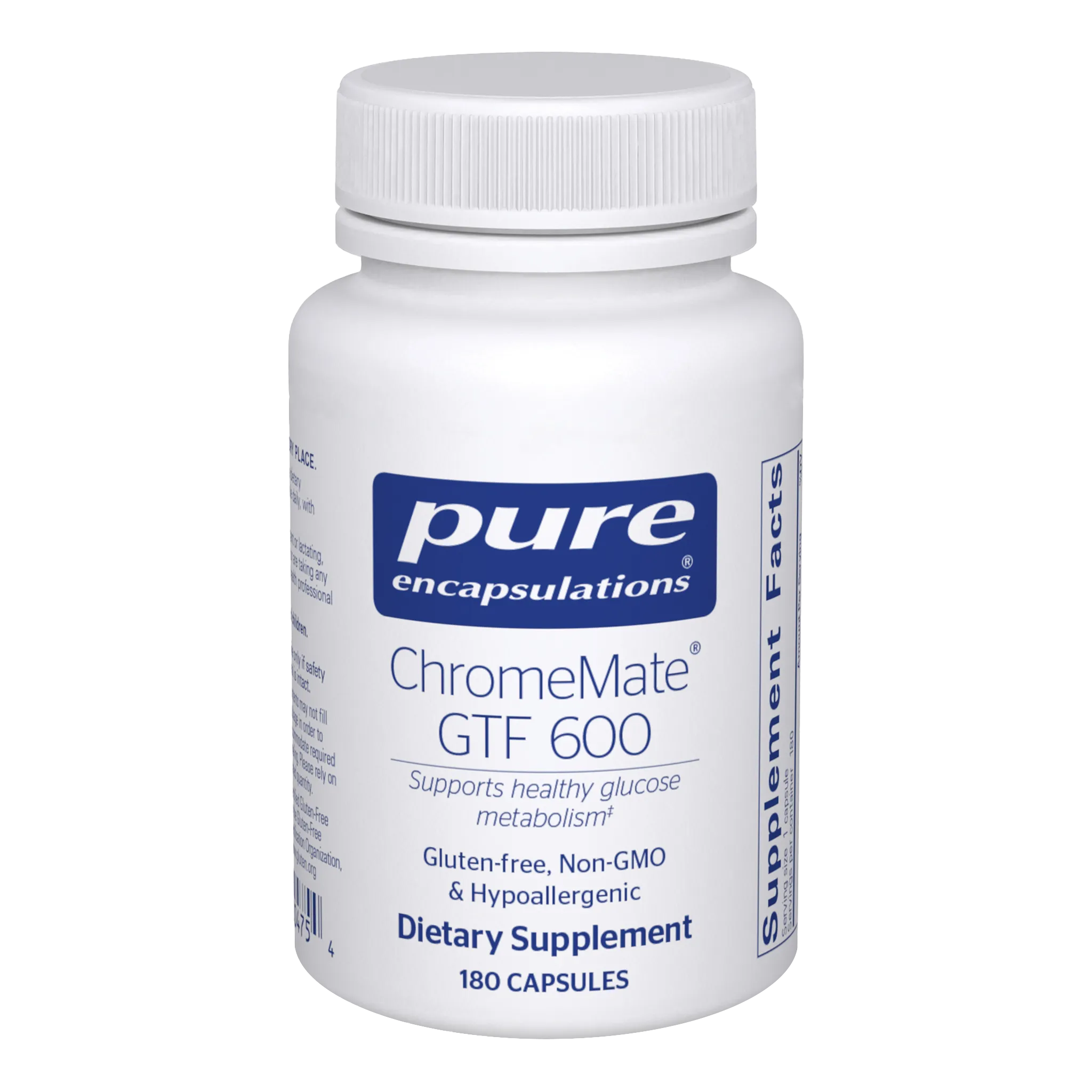
Not all chromium supplements are created equal, and the specific chemical structure of the supplement dictates how well the body can utilize it. Inorganic forms of chromium, such as chromium chloride, have notoriously poor bioavailability, with absorption rates often falling below one percent. To overcome this, scientists have developed organic chelates, where the chromium ion is bound to an organic molecule to facilitate transport across the intestinal lining and into the tissues. ChromeMate GTF 600 utilizes a highly specific and patented form known as chromium polynicotinate, in which the trivalent chromium ion is chemically bound to molecules of nicotinic acid, more commonly known as niacin or Vitamin B3.
The niacin bond in chromium polynicotinate provides unique, synergistic benefits that extend beyond simple mineral absorption. Niacin itself is a powerful metabolic agent, widely recognized in clinical cardiology for its ability to support healthy lipid profiles, promote vasodilation, and support overall cardiovascular health. By delivering chromium alongside niacin, this specific formulation provides a dual-action approach to cardiometabolic health. The niacin acts as a highly effective delivery vehicle, escorting the chromium directly into the tissues where it is needed most, such as skeletal muscle and the liver. This unique molecular pairing is what allows ChromeMate to so effectively promote Glucose Tolerance Factor (GTF) activity, the biological complex responsible for maintaining healthy blood sugar levels and supporting lean body composition.
How Complex Chronic Illness Impacts Glucose and Energy Metabolism
Viral Hijacking and Long COVID Insulin Resistance
The emergence of Long COVID has brought unprecedented attention to the ways in which viral infections can fundamentally alter human metabolism. Acute SARS-CoV-2 infection is not merely a respiratory event; it is a systemic vascular and metabolic insult. The virus gains entry into human cells by binding to ACE2 receptors, which are highly concentrated not only in the lungs but also in the endothelial cells lining our blood vessels and the beta cells of the pancreas. When the virus attacks pancreatic beta cells, it can directly impair their ability to synthesize and secrete insulin. Simultaneously, the massive systemic inflammation and cytokine storms triggered by the immune response create severe peripheral insulin resistance, meaning the body's cells refuse to respond to whatever insulin is left. You can learn more about this complex dynamic in our detailed guide on Diabetes and Long COVID: A Pandemic Within a Pandemic.
This virally induced insulin resistance creates a vicious, self-perpetuating cycle that drives many debilitating Long COVID symptoms. When cells become resistant to insulin, glucose remains trapped in the bloodstream, leading to hyperglycemia. Elevated blood sugar is highly inflammatory and acts like microscopic shards of glass, further damaging the delicate endothelial lining of the blood vessels. This endothelial dysfunction impairs microcirculation, meaning that oxygen and vital nutrients cannot efficiently reach the brain, muscles, and organs. Furthermore, because the cells are starved of glucose, they cannot produce adequate cellular energy, contributing to the profound, crushing fatigue and neurological deficits that Long COVID patients experience daily. The body is essentially starving at a cellular level while swimming in a sea of unusable fuel.
The Hypometabolic State and Mitochondrial Dysfunction in ME/CFS
Myalgic encephalomyelitis/chronic fatigue syndrome (ME/CFS) is characterized by a profound, debilitating energy deficit and a hallmark symptom known as post-exertional malaise (PEM), where even minor physical or cognitive exertion triggers a severe exacerbation of symptoms. Recent metabolic research has revealed that ME/CFS patients are often trapped in a "hypometabolic state," a condition where the body's fundamental energy-generating pathways are severely downregulated. A comprehensive 2023 review on the complexities of ME/CFS and Long COVID highlights that defects in energy production and mitochondrial function are central to the pathology of these post-stressor syndromes. The mitochondria, often called the powerhouses of the cell, are responsible for converting glucose into adenosine triphosphate (ATP), the universal currency of cellular energy.
In ME/CFS, the metabolic pathways that feed into the mitochondria are frequently blocked or dysfunctional. Because of underlying insulin resistance and enzymatic defects, glucose cannot efficiently enter the oxidative phosphorylation pathway. Instead, the cells are forced to rely on an inefficient, emergency backup system known as anaerobic glycolysis. While this pathway can produce a small amount of ATP without oxygen, it generates massive amounts of toxic byproducts, primarily lactic acid. This rapid accumulation of intracellular lactate lowers the pH of the tissue, causing severe muscle pain, heaviness, and the immediate exhaustion characteristic of PEM. When the body cannot properly utilize carbohydrates for clean energy, it remains locked in this toxic, low-energy state, making recovery incredibly difficult. Understanding this connection is vital, as explored in our article, Can Long COVID Trigger ME/CFS? Unraveling the Connection.
Reactive Hypoglycemia and Autonomic Dysregulation in POTS
Dysautonomia, particularly Postural Orthostatic Tachycardia Syndrome (POTS), involves a severe dysfunction of the autonomic nervous system, which controls automatic bodily functions like heart rate, blood pressure, and digestion. While POTS is often viewed strictly as a cardiovascular or neurological issue, emerging functional medicine research points to a massive, frequently overlooked metabolic component: carbohydrate dysfunction and reactive hypoglycemia. Many POTS patients experience severe symptom flares—including racing heart rates, tremors, sweating, and presyncope (feeling faint)—shortly after consuming meals, particularly those high in simple carbohydrates. This is not a coincidence; it is a direct result of impaired glucose metabolism and exaggerated insulin responses.
When a patient with metabolic dysfunction consumes carbohydrates, their body may overreact by releasing an inappropriately large surge of insulin. This massive insulin spike rapidly drives glucose out of the blood, causing blood sugar levels to plummet dangerously low—a state known as reactive hypoglycemia. Clinical observational studies have shown that over half of POTS patients experience severe hypoglycemic nadirs during oral glucose tolerance tests. When the brain senses that blood sugar is crashing, it panics, perceiving a life-threatening starvation event. In response, the adrenal glands dump massive amounts of adrenaline (epinephrine) and noradrenaline into the bloodstream to force the liver to release stored glycogen. In a healthy person, this might cause slight jitteriness; in a POTS patient whose autonomic nervous system is already hyper-reactive, this adrenaline dump triggers explosive tachycardia, severe dizziness, and a full-blown dysautonomia crash.
ChromeMate GTF 600: Supporting Metabolic Resilience and Cellular Energy
Amplifying Insulin Sensitivity and GLUT4 Translocation
For patients battling the metabolic fallout of Long COVID, ME/CFS, and dysautonomia, restoring insulin sensitivity is a critical step in regaining cellular energy and stabilizing systemic inflammation. This is precisely where ChromeMate GTF 600 exerts its primary therapeutic effect. By providing a highly bioavailable source of trivalent chromium, this supplement directly addresses the nutritional deficiencies that exacerbate insulin resistance. When chromium polynicotinate enters the cells, it facilitates the robust formation of chromodulin, the essential peptide that binds to the insulin receptor. This binding dramatically amplifies the receptor's tyrosine kinase activity, essentially turning up the volume on the insulin signal so that the cell can finally "hear" the hormone's command to take in glucose.
The downstream effect of this amplified signaling is the efficient translocation of GLUT4 transport proteins to the cell membrane. By ensuring that these glucose doors are propped wide open, chromium allows the body to clear glucose from the bloodstream rapidly and efficiently, without requiring the pancreas to secrete massive, inflammatory surges of insulin. This reduction in circulating insulin is profoundly beneficial for chronic illness patients. High levels of serum insulin are notoriously pro-inflammatory, contributing to the endothelial damage and microvascular clotting often seen in Long COVID. By sensitizing the cells and lowering the overall insulin burden, ChromeMate helps cool the systemic inflammatory fire, protecting the delicate blood vessels and improving microcirculation to oxygen-starved tissues like the brain and skeletal muscles.
Stabilizing Blood Sugar to Prevent Autonomic Adrenaline Surges
For patients with POTS and other forms of dysautonomia, the blood-sugar-stabilizing effects of chromium polynicotinate can be life-changing. By enhancing the efficiency of insulin and preventing the exaggerated, delayed insulin spikes that cause reactive hypoglycemia, ChromeMate helps maintain a steady, smooth curve of blood glucose following a meal. When blood sugar remains stable, the brain never receives the panic signal that fuel is running out. Consequently, the adrenal glands are not forced to dump massive amounts of adrenaline and noradrenaline into the bloodstream to rescue plummeting glucose levels.
Preventing these post-prandial (after-eating) adrenaline surges directly translates to fewer and less severe dysautonomia flares. Patients often find that by stabilizing their metabolic foundation with trace minerals like chromium, their autonomic nervous system becomes less volatile. The sudden bouts of tachycardia, the uncontrollable tremors, and the dizzy spells that typically follow a carbohydrate-heavy meal can be significantly mitigated. This metabolic stabilization allows patients to tolerate a wider variety of foods and reduces the physiological stress burden on an already exhausted nervous system, creating a safer internal environment for the body to focus on deeper healing and recovery.
Supporting Mitochondrial ATP Production and Reducing Lactate
In the context of ME/CFS and the crushing fatigue of Long COVID, ChromeMate GTF 600 plays a vital role in supporting mitochondrial rescue. The mitochondria cannot produce clean, abundant ATP if they are not receiving a steady supply of fuel. By ensuring that glucose efficiently enters the cell via the GLUT4 transporters, chromium provides the raw materials necessary for oxidative phosphorylation. In vitro studies evaluating micronutrient supplementation have demonstrated that chromium actively regulates carbohydrate metabolism and can lead to a dose-dependent increase in cellular ATP production, providing a clear mechanistic rationale for its use in energy-depletion diseases.
Furthermore, by optimizing the entry of glucose into the aerobic mitochondrial pathways, chromium helps prevent the cell from defaulting to the toxic anaerobic glycolysis pathway. When cells can burn glucose cleanly with oxygen, they do not produce the massive amounts of lactic acid that drive post-exertional malaise (PEM) and severe muscle pain. This shift away from lactate production and back toward efficient ATP generation is crucial for expanding a patient's energy envelope. While chromium alone is not a cure for ME/CFS, it is a foundational component of the metabolic protocols required to reverse the hypometabolic state, working synergistically with other mitochondrial supports to slowly rebuild cellular endurance and resilience.
Promoting Lean Muscle Mass and Healthy Body Composition
A frequently overlooked consequence of severe chronic illness is the loss of lean muscle mass due to prolonged bed rest, severe pacing requirements, and systemic catabolism. Insulin is an inherently anabolic hormone; when insulin signaling is functioning correctly, it not only drives glucose into the cells but also facilitates the uptake of amino acids into skeletal muscle, promoting muscle repair and growth. Conversely, severe insulin resistance promotes muscle wasting and the accumulation of visceral fat. ChromeMate has been clinically studied for its potential role in supporting healthy body composition. By restoring proper insulin signaling, chromium polynicotinate helps ensure that dietary proteins are effectively utilized to maintain and rebuild lean muscle tissue.
Clinical studies, including research conducted at Georgetown University, have suggested that ChromeMate may support lean muscle mass in overweight populations when combined with modest diet and exercise. For a Long COVID or ME/CFS patient, maintaining lean muscle is not about aesthetics; it is about survival and functional capacity. Skeletal muscle is a massive metabolic sink for glucose and plays a crucial role in venous return, helping to pump blood back up to the heart—a vital function for patients battling orthostatic intolerance and POTS. By supporting healthy body composition and protecting muscle tissue from catabolic breakdown, ChromeMate GTF 600 helps patients maintain the physical strength necessary for daily activities and gradual rehabilitation.

Symptoms ChromeMate May Help Manage
Energy, Cognitive, and Autonomic Symptoms
Because glucose metabolism is fundamental to the operation of every single cell in the human body, the downstream effects of insulin resistance and metabolic dysfunction are vast and varied. By supporting the chromodulin pathway and stabilizing blood sugar, ChromeMate GTF 600 may help manage a specific cluster of symptoms that frequently plague patients with Long COVID, ME/CFS, and dysautonomia. While individual responses to supplementation vary, clinical experience and metabolic research suggest that optimizing chromium levels can address the following specific symptom profiles:
Post-Prandial Fatigue (Food Comas): By improving insulin sensitivity and preventing massive glucose spikes and subsequent crashes, chromium helps eliminate the profound, paralyzing exhaustion that many patients experience 30 to 60 minutes after eating a meal, allowing for more sustained energy throughout the day.
Reactive Tachycardia and POTS Flares: By stabilizing blood sugar and preventing reactive hypoglycemia, chromium helps prevent the sudden, massive dumps of adrenaline and noradrenaline that trigger racing heart rates, palpitations, and severe dizziness after eating.
Brain Fog and Cognitive Dysfunction: The brain is a massive consumer of glucose, and insulin resistance at the blood-brain barrier severely starves neurons of fuel. By enhancing glucose uptake, chromium supports the steady delivery of energy to brain tissue, helping to lift the heavy, confusing cognitive fog associated with Long COVID and ME/CFS.
Post-Exertional Malaise (PEM) and Muscle Pain: By ensuring glucose is routed into the efficient mitochondrial ATP pathways rather than the toxic anaerobic glycolysis pathway, chromium helps reduce the rapid accumulation of lactic acid in the muscles, potentially reducing the severity of muscle heaviness, burning, and delayed-onset crashes following minor exertion.
Unexplained Weight Gain and Muscle Wasting: By restoring the anabolic signaling of insulin and promoting Glucose Tolerance Factor (GTF) activity, chromium polynicotinate helps the body properly utilize carbohydrates and fats, supporting the maintenance of lean muscle mass and preventing the rapid accumulation of visceral fat often seen during prolonged periods of illness-induced inactivity.
Carbohydrate Cravings and Unstable Appetite: Severe insulin resistance prevents glucose from entering the cells, leaving the body feeling starved even after eating, which triggers intense cravings for sugar and simple carbohydrates. Chromium helps break this cycle by ensuring the cells actually receive the fuel they need, naturally regulating appetite and reducing erratic cravings.
Practical Considerations: Forms, Dosing, and Absorption
Tissue Retention vs. Gastrointestinal Absorption (Polynicotinate vs Picolinate)
When navigating the world of chromium supplements, patients will frequently encounter two premium, highly researched forms: chromium polynicotinate (ChromeMate) and chromium picolinate. Understanding the difference in how these two forms are absorbed and utilized by the body is crucial for making an informed decision. The debate between the two largely centers on different scientific metrics of bioavailability: gastrointestinal absorption versus tissue retention. Chromium picolinate is widely celebrated for its ability to cross the intestinal barrier rapidly, as evidenced by high levels of urinary excretion in human clinical trials. However, massive urinary excretion also implies that the body is rapidly flushing the mineral out of the system before it can be fully utilized by the cells.
In contrast, chromium polynicotinate—the form used in ChromeMate GTF 600—excels in tissue retention. Pre-clinical research utilizing radiolabeled chromium has demonstrated that when chromium is bound to niacin, it is absorbed and retained by vital tissues—such as skeletal muscle, the liver, and the pancreas—at rates up to 300% greater than chromium picolinate and 600% greater than standard chromium chloride. For patients with chronic metabolic dysfunction, getting the mineral into the bloodstream is only half the battle; the chromium must actually embed itself into the muscle and organ tissues to facilitate the chromodulin pathway and activate insulin receptors. The niacin bond in ChromeMate ensures that the chromium is delivered precisely where it is needed to exert its powerful metabolic effects.
Optimal Dosing and Timing Strategies
The optimal dosing of chromium polynicotinate depends heavily on the severity of a patient's metabolic dysfunction. While the National Institutes of Health (NIH) sets the Adequate Intake (AI) for dietary chromium at a mere 25 to 35 micrograms daily, therapeutic dosages required to overcome severe viral-induced insulin resistance or long-standing metabolic syndrome are significantly higher. Standard clinical protocols for metabolic support typically utilize between 200 mcg and 600 mcg per day. ChromeMate GTF 600 provides a robust, clinically relevant dose of 600 mcg per vegetarian capsule, making it highly suitable for patients actively working to reverse profound metabolic stalls. In some intensive clinical trials targeting severe Type 2 diabetes, dosages up to 1,000 mcg have been utilized safely, though this should only be done under strict medical supervision.
Timing and administration are also critical for maximizing the benefits of ChromeMate. Because chromium's primary biological role is to assist insulin in processing the glucose derived from food, it is highly recommended to take this supplement alongside a meal. Taking it with your largest or most carbohydrate-heavy meal of the day ensures that the chromium is present in the bloodstream exactly when the pancreas releases its insulin surge, allowing the two to pair up immediately to facilitate glucose transport. Taking chromium on an empty stomach is not only less effective for blood sugar regulation but may also cause mild gastrointestinal discomfort or nausea in sensitive individuals.
Potential Drug Interactions and Contraindications
While chromium polynicotinate is designated as Generally Recognized as Safe (GRAS) and is exceptionally well-tolerated by most patients, its potent effects on blood sugar necessitate careful consideration of potential drug interactions. The most significant interaction occurs with prescription diabetes medications, including exogenous insulin, sulfonylureas, and biguanides like Metformin. Because chromium strongly enhances insulin sensitivity, taking it alongside these medications can create a synergistic, compounding effect that rapidly drives blood sugar down, significantly increasing the risk of dangerous hypoglycemia. Patients utilizing these medications, or those exploring protocols discussed in our blog on Metformin: Long COVID Risk Reduction and Diabetes Management, must consult their prescribing physician to monitor blood glucose levels closely and potentially adjust their medication dosages downward.
Additionally, chromium, like many multivalent trace minerals, can bind to certain medications in the gastrointestinal tract, severely impairing their absorption. This is particularly true for thyroid hormone replacement therapies, such as levothyroxine. If chromium and levothyroxine are taken simultaneously, the mineral can bind to the hormone, preventing it from entering the bloodstream and leading to a return of hypothyroid symptoms. To avoid this, patients should separate the administration of ChromeMate and thyroid medications by at least three to four hours. Similar precautions should be taken with certain classes of antibiotics (like tetracyclines) and antacids, which can alter the stomach's pH and reduce the absorption efficiency of the niacin-bound chromium complex. Always review your complete supplement and medication list with a healthcare provider to ensure safe and effective integration.

Follow the Science: Clinical Evidence for Chromium in Chronic Illness
Post-Viral Recovery and Metabolic Therapy
The scientific understanding of Long COVID and ME/CFS is rapidly evolving, with a massive paradigm shift toward viewing these conditions through the lens of metabolic and mitochondrial dysfunction. Recent clinical data has begun to validate the use of targeted nutritional therapies to address these underlying deficits. For instance, a 2025 study published in the journal Nutrients investigated the physical recovery of young athletes suffering from post-COVID-19 syndrome. The researchers utilized a comprehensive metabolic intervention that included a specific dietary plan paired with a vitamin and mineral complex featuring chromium, magnesium, zinc, and B vitamins. The results were highly encouraging: the supplemented group demonstrated statistically significant, measurable improvements in physical performance, stamina, and overall recovery at both one-month and three-months post-infection compared to the control group, highlighting the critical role of trace minerals in reversing post-viral metabolic stalls.
Furthermore, the broader medical literature is increasingly recognizing the overlap between viral infections and severe metabolic derangement. Research exploring ketogenic metabolic therapies for Long COVID has documented clinically meaningful improvements in symptoms by targeting the exact same pathways that chromium supports: reducing circulating insulin, lowering systemic glucose, and increasing mitochondrial energy production. The authors of these studies emphasize that acute COVID-19 and Long COVID function fundamentally as metabolic diseases, where the degree of hyperglycemia and insulin resistance directly correlates with ongoing viral replication, cytokine production, and T-cell dysfunction. By utilizing agents like chromium polynicotinate to force glucose out of the blood and into the cells, patients can directly combat the inflammatory environment that sustains the Long COVID disease state.
Addressing Carbohydrate Dysfunction in Dysautonomia
In the realm of dysautonomia and POTS, the scientific link between autonomic flares and carbohydrate metabolism is becoming undeniable. For decades, patients were told that their post-meal tachycardia was simply a result of blood pooling in the gut during digestion. However, a pivotal retrospective observational-cohort study investigating POTS patients who underwent a prolonged oral glucose tolerance test (POGTT) completely changed this narrative. The researchers discovered a profound correlation between POTS and reactive hypoglycemia, finding that a staggering 57% of the POTS patients tested reached a severe hypoglycemic nadir (blood sugar crashing to 1.8–3.4 mmol/L) following glucose ingestion.
Crucially, this study revealed that these patients exhibited a severe biphasic symptom response that was directly, chronologically tied to the massive fluctuations in their blood glucose levels. When the blood sugar crashed, the autonomic nervous system panicked, triggering the massive adrenaline surges responsible for the classic POTS symptoms of tachycardia, tremors, and presyncope. This data provides a rock-solid scientific rationale for utilizing insulin-sensitizing agents like chromium polynicotinate in dysautonomia protocols. By smoothing out the insulin response and preventing the reactive hypoglycemic crash, chromium addresses the root metabolic trigger of these terrifying autonomic storms, offering a proactive management strategy rather than simply reacting to the tachycardia once it begins.
Body Composition and Glycemic Control Trials
Beyond post-viral and autonomic specific research, ChromeMate GTF 600 rests on a deep foundation of general cardiometabolic clinical trials. Systematic reviews evaluating chromium supplementation have consistently shown that doses ranging from 200 mcg to 1,000 mcg per day can successfully lower fasting plasma glucose (FPG) and Hemoglobin A1c in populations struggling with severe insulin resistance and Type 2 diabetes. Furthermore, specialized studies focusing on the unique ChromeMate formulation, including research conducted at Georgetown University, have demonstrated its specific efficacy in supporting lean body mass and healthy body composition in overweight women when combined with modest diet and exercise. This dual ability to lower inflammatory blood sugar while protecting vital lean muscle tissue makes chromium polynicotinate an exceptionally versatile tool for complex chronic illness recovery.
The Path Forward
A Piece of the Metabolic Puzzle
Living with the unpredictable, exhausting, and often terrifying symptoms of Long COVID, ME/CFS, and dysautonomia is an incredibly heavy burden to carry. It is completely valid to feel frustrated when a simple meal triggers a cascade of fatigue, brain fog, or a racing heart. These symptoms are not a sign of weakness, nor are they a psychological manifestation of anxiety; they are the direct result of profound, virally-induced or stress-induced metabolic dysfunction. Your cells are quite literally struggling to process the fuel they need to keep your body running. By understanding the deep biochemistry of insulin resistance, mitochondrial dysfunction, and reactive hypoglycemia, you can begin to take targeted, science-backed steps to reclaim your metabolic resilience.
Integrating Supplementation with Pacing and Nutrition
While ChromeMate GTF 600 offers powerful, targeted support for the chromodulin pathway and insulin receptor activation, it is important to remember that no single supplement is a magic cure for complex chronic illness. Chromium polynicotinate is most effective when utilized as one piece of a comprehensive, holistic management strategy. This means pairing metabolic supplementation with strict energy pacing to avoid pushing your mitochondria into toxic anaerobic states, as well as adopting nutritional strategies that naturally support stable blood sugar, such as prioritizing high-quality proteins and healthy fats over simple, refined carbohydrates. By combining these approaches, you create an internal environment where your cells have the raw materials and the safety required to begin the slow, non-linear process of healing.
Next Steps in Your Healing Journey
If you recognize the patterns of post-prandial fatigue, reactive tachycardia, or stubborn weight changes in your own illness journey, it may be time to discuss metabolic support with your medical team. Tracking your symptoms alongside your meals—and potentially utilizing tools like a continuous glucose monitor (CGM)—can provide invaluable data to share with your provider. Always consult with a healthcare professional before beginning any new supplement regimen, especially if you are currently taking medications for diabetes, thyroid function, or blood pressure. With the right tools, compassionate care, and a deep understanding of your body's unique metabolic needs, it is possible to stabilize your energy, reduce symptom flares, and improve your overall quality of life.
Sources
Dietary supplements may promote faster physical recovery post-COVID (Nutrients Journal Data)
Chromium Supplementation and Glycemic Control in Type 2 Diabetes
Chromium Mechanism of Action and PTP-1B Inhibition