Can Choline Bitartrate Support Brain Fog and Fatigue in Long COVID and ME/CFS?
March 5, 2026
Choline BitartrateLong COVIDME/CFS
Share:
Disclaimer: The information provided here is for educational purposes only and is not intended as medical advice. It should not be used to diagnose, treat, cure, or prevent any medical condition. Instead, use it as a starting point for discussion with your healthcare provider. Always consult with a qualified healthcare provider before starting any new medication, supplement, device, or making changes to your health regimen.
Months after recovering from an initial viral infection, many people find themselves fighting a confusing array of debilitating symptoms, from profound cognitive impairment to unpredictable heart rates. If you are living with complex chronic conditions like Long COVID, myalgic encephalomyelitis/chronic fatigue syndrome (ME/CFS), or dysautonomia, you are likely intimately familiar with the frustration of a body that no longer feels like your own. The exhaustion is not just tiredness; it is a deep, cellular depletion that makes even simple daily tasks feel like monumental hurdles. In the search for answers, researchers and clinicians are increasingly looking at the foundational building blocks of our nervous system and cellular metabolism to understand why these symptoms persist.
One such crucial building block is choline, an essential nutrient that plays a pivotal role in brain health, cellular membrane integrity, and liver function. While often overlooked in standard nutritional discussions, choline is the direct precursor to acetylcholine, a neurotransmitter that acts as the primary braking system for inflammation and a key regulator of the autonomic nervous system. When viral infections, chronic inflammation, or genetic mutations disrupt how the body processes and utilizes this vital nutrient, the downstream effects can manifest as the very brain fog, fatigue, and autonomic instability that characterize post-viral syndromes. In this comprehensive guide, we will explore the science behind choline bitartrate, how it interacts with the complex pathophysiology of Long COVID and ME/CFS, and whether targeted supplementation might help support your journey toward improved quality of life.
TL;DR
Choline is an essential nutrient supporting brain health, cellular membranes, and the autonomic nervous system.
Viral infections may disrupt choline processing, contributing to brain fog, fatigue, and dysautonomia.
Choline bitartrate supplementation may help support cognitive function, methylation, and liver health.
Always consult a healthcare provider before starting supplements, as dosing needs are highly individualized.
What is Choline Bitartrate?
The Building Block of Cellular Membranes
Choline is a water-soluble, vitamin-like essential nutrient that is fundamentally required for the structural integrity and signaling functions of every cell in the human body. Although the liver can synthesize small amounts of choline endogenously, the vast majority must be obtained through dietary sources or targeted supplementation to prevent systemic deficiency. Recognized as an essential nutrient, research shows choline deficiency increases lymphocyte apoptosis and DNA damage, and it serves as the foundational raw material for several critical biochemical pathways. In its supplemental form, choline bitartrate is created by combining choline with tartaric acid, a process that increases its absorption rate and bioavailability in the gastrointestinal tract. This specific form is highly valued for its ability to rapidly enter the bloodstream and support systemic metabolic processes.
At the cellular level, the most prominent role of choline is its conversion into phosphatidylcholine, the most abundant phospholipid found in human cell membranes. Phosphatidylcholine forms the structural lipid bilayer that surrounds every cell, dictating membrane fluidity, receptor function, and the transport of nutrients in and out of the cell. Without adequate choline, cellular membranes become rigid and dysfunctional, leading to impaired cellular communication and premature cell death. Furthermore, phosphatidylcholine is a critical component of mitochondrial membranes, specifically influencing the production of cellular energy (ATP). In conditions characterized by severe energy deficits, maintaining the structural integrity of these mitochondrial powerhouses is absolutely essential for cellular survival and optimal function.
To enter the cells where it is needed most, choline relies on specialized transport proteins, most notably the high-affinity choline transporter (CHT1). This sodium-dependent transport mechanism is the rate-limiting step for pulling choline out of the bloodstream and into the cytoplasm of neurons and other specialized cells. Once inside, choline can be phosphorylated to build new membranes or directed toward other vital enzymatic pathways. The efficiency of the CHT1 transporter is highly regulated by the body's immediate physiological demands, meaning that during times of high stress, illness, or neuroinflammation, the cellular demand for circulating choline skyrockets to keep pace with the need for rapid tissue repair and neurotransmitter synthesis.
The Precursor to Acetylcholine
Beyond its structural role, choline is perhaps best known as the direct and irreplaceable precursor to acetylcholine (ACh), one of the most important neurotransmitters in the central and peripheral nervous systems. Inside cholinergic neurons, an enzyme called choline acetyltransferase (ChAT) catalyzes the transfer of an acetyl group from mitochondrial acetyl-CoA directly to a choline molecule, forging acetylcholine. This neurotransmitter is the primary chemical messenger responsible for memory formation, learning, focused attention, and executive cognitive function. When choline levels are depleted, the brain struggles to synthesize enough acetylcholine, leading directly to the cognitive slowing and memory retrieval issues frequently described by patients as "brain fog."
In the peripheral nervous system, acetylcholine plays an equally vital role in regulating somatic muscle movement and autonomic function. It is the primary neurotransmitter of the parasympathetic nervous system, often referred to as the "rest and digest" branch of the autonomic nervous system. Through the vagus nerve, acetylcholine signals the heart to slow down, stimulates digestive motility, and promotes a state of physiological calm. This parasympathetic tone is essential for counterbalancing the "fight or flight" sympathetic nervous system. When acetylcholine signaling is impaired due to a lack of precursor choline or receptor dysfunction, the sympathetic nervous system can become hyperactive, leading to the rapid heart rates and autonomic instability seen in various forms of dysautonomia.
Interestingly, when dietary and circulating choline levels drop too low, the brain will literally begin to cannibalize itself to maintain acetylcholine production. Neurons will activate an enzyme called Phospholipase D to break down their own phosphatidylcholine membranes, liberating free choline to synthesize acetylcholine. While this emergency mechanism keeps neurotransmission functioning in the short term, it causes progressive damage to the neuronal structure. Over time, this cellular cannibalism contributes to neurodegeneration, increased neuroinflammation, and a profound loss of neurological resilience, highlighting exactly why maintaining adequate systemic choline levels is non-negotiable for long-term brain health.
The Engine of Methylation and Liver Health
Choline is also a central player in one-carbon metabolism, a complex biochemical cycle more commonly known as methylation. Methylation is an epigenetic mechanism that dictates gene expression, DNA synthesis, cellular repair, and the detoxification of harmful metabolic byproducts. To keep the methylation cycle turning, the body must constantly convert a toxic amino acid called homocysteine into a beneficial amino acid called methionine. While the body primarily uses folate and vitamin B12 for this process, choline provides a massive secondary pathway. In the liver and kidneys, choline is oxidized into betaine (trimethylglycine), which then donates a methyl group to homocysteine via the enzyme betaine-homocysteine methyltransferase (BHMT). This makes choline a vital universal methyl donor.
This methylation pathway is particularly crucial for individuals who have genetic variations that impair their primary folate metabolism, such as the well-known MTHFR mutations. When the folate pathway is sluggish or compromised, the body heavily shunts the metabolic burden onto the choline pathway to keep methylation running. Research suggests that many adult populations fail to meet the Dietary Reference Intakes for essential nutrients from food alone, making adequate intake even more critical for basic epigenetic regulation. If these individuals do not consume adequate choline, their homocysteine levels rise, leading to increased systemic inflammation, cardiovascular stress, and impaired detoxification capabilities.
Finally, choline's role in hepatic (liver) fat metabolism cannot be overstated. The liver is responsible for packaging synthesized triglycerides and cholesterol into Very-Low-Density Lipoproteins (VLDL) so they can be exported to peripheral tissues for energy. The structural envelope of a VLDL particle absolutely requires phosphatidylcholine. If choline is deficient, the liver physically cannot assemble VLDL particles. Consequently, dietary fats and triglycerides become trapped inside the liver cells. Controlled human feeding studies have demonstrated that a choline-deficient diet increases lymphocyte apoptosis and DNA damage in humans, conditions that are rapidly reversed upon the reintroduction of choline.
How Long COVID and ME/CFS Impact the Cholinergic System
Viral Damage to Acetylcholine Production
To understand why choline is so relevant to chronic illness, we must examine how conditions like Long COVID, ME/CFS, and dysautonomia disrupt the body's cholinergic system. When a patient asks, "What Causes Long COVID?", researchers point to a combination of viral persistence, immune dysregulation, and neurological damage. Recent studies on SARS-CoV-2 indicate that the virus can directly infiltrate and damage the olfactory bulb and other neurological tissues. This viral assault leads to a marked decrease in cells that express choline acetyltransferase (ChAT), the very enzyme required to synthesize acetylcholine from choline. This virally induced enzyme deficiency creates an immediate bottleneck in neurotransmitter production, leaving the brain starved of the chemical messenger it needs for cognitive clarity.
This drop in acetylcholine has devastating consequences for the immune system due to the disruption of the Cholinergic Anti-Inflammatory Pathway (CAP). Under normal circumstances, the vagus nerve releases acetylcholine, which binds to alpha-7 nicotinic receptors on immune cells (like macrophages and mast cells). This binding acts as a hard brake, signaling the immune cells to stop producing inflammatory cytokines like TNF-alpha and Interleukin-6. When acetylcholine production drops due to viral damage, this neurological brake is removed. The result is unchecked, chronic neuroinflammation—a smoldering fire in the central nervous system that researchers believe is a primary driver of the debilitating fatigue and neurological symptoms seen in post-viral syndromes.
Furthermore, this chronic neuroinflammatory state heavily disrupts the blood-brain barrier, allowing peripheral inflammatory markers to cross into the brain. This creates a vicious cycle where inflammation degrades the high-affinity choline transporters (CHT1), making it even harder for the brain to pull choline out of the bloodstream. As the brain struggles to acquire choline, it resorts to breaking down its own neuronal membranes, leading to the structural degradation and altered brain metabolomics frequently observed in advanced neuroimaging studies of patients living with Long COVID and ME/CFS.
Autoantibodies and Autonomic Nervous System Dysfunction
The disruption of the cholinergic system also provides a clear mechanistic explanation for the severe autonomic nervous system dysfunction seen in these patient populations. Many individuals wondering "How Does a Doctor Diagnose Long COVID?" eventually undergo autonomic testing, revealing conditions like Postural Orthostatic Tachycardia Syndrome (POTS). A major breakthrough in understanding this connection is the discovery of functional autoantibodies. In a misguided attempt to fight off a virus, the immune system sometimes produces antibodies that mistakenly target the body's own tissues. In ME/CFS and Long COVID, researchers have identified autoantibodies that specifically attack and bind to muscarinic acetylcholine receptors.
When these autoantibodies block or inappropriately stimulate the muscarinic receptors, the autonomic nervous system loses its ability to regulate itself. Because acetylcholine is the primary driver of the parasympathetic (calming) nervous system, blocking its receptors leaves the sympathetic (fight-or-flight) nervous system unopposed. This unopposed sympathetic drive directly causes the hallmark symptoms of dysautonomia: exaggerated heart rate spikes upon standing, severe blood pressure fluctuations, gastrointestinal paralysis, and profound dizziness. The body is essentially flooded with adrenaline while the acetylcholine-driven braking system is rendered completely ineffective by autoimmune interference.
This autoimmune blockade creates a complex therapeutic challenge. Even if a patient has adequate dietary choline, the resulting acetylcholine cannot properly bind to its intended receptors. This forces the body to upregulate its demand for choline in a desperate attempt to synthesize more neurotransmitters to outcompete the autoantibodies. This massive systemic demand rapidly depletes the body's choline reserves, leaving less choline available for other critical functions like cellular membrane repair, methylation, and liver detoxification, thereby triggering a cascade of multi-systemic failures.
Metabolic Drain and Methylation Bottlenecks
The pathophysiology of ME/CFS and Long COVID is also heavily characterized by profound metabolic dysfunction and impaired detoxification. Many patients with these conditions have underlying genetic polymorphisms in their methylation pathways, such as the MTHFD1 or PEMT gene mutations. The PEMT gene is responsible for the liver's internal production of phosphatidylcholine. While research on genetic enzyme function highlights how defective monomers can sometimes be restored, in humans, a genetic inability to produce endogenous choline becomes a critical vulnerability. When a chronic viral infection places massive stress on the body's cellular repair mechanisms, this genetic inability to produce endogenous choline becomes a critical vulnerability.
Similarly, mutations in the MTHFD1 gene impair the primary folate-dependent methylation pathway. To compensate, the body relies on the secondary choline-dependent pathway (using betaine) to methylate homocysteine and produce SAMe (S-adenosylmethionine). SAMe is absolutely required by the enzyme HNMT (Histamine N-methyltransferase) to break down and clear histamine from the brain and nervous system. In patients dealing with Mast Cell Activation Syndrome (MCAS)—a condition frequently comorbid with Long COVID—this methylation bottleneck is disastrous. Without enough choline to produce SAMe, histamine builds up systemically, leading to severe allergic-type reactions, neuroinflammation, and continuous mast cell degranulation.
This interconnected web of viral enzyme damage, autoimmune receptor blockade, and genetic methylation bottlenecks perfectly illustrates why Long COVID and ME/CFS are such complex, multi-systemic illnesses. The depletion of choline is not just a nutritional deficiency; it is a fundamental breakdown of the body's ability to regulate inflammation, control heart rate, repair cellular damage, and clear toxic metabolites. Understanding this pathophysiology is the first step in recognizing why targeted nutritional support is often required to break these vicious cycles.
Choline Bitartrate: Supporting Methylation, Brain, and Liver Health
Restoring the Cholinergic Anti-Inflammatory Pathway
Supplementing with choline bitartrate offers a targeted approach to supporting the body's depleted cholinergic reserves and addressing the root mechanisms of neuroimmune dysfunction. By providing a highly bioavailable, water-soluble source of elemental choline, supplementation directly supplies the raw materials needed to overcome the viral-induced bottlenecks in neurotransmitter synthesis. When circulating choline levels are restored, the high-affinity choline transporters (CHT1) can efficiently pull the nutrient into the neurons, allowing the enzyme choline acetyltransferase (ChAT) to ramp up the production of acetylcholine. This restoration of neurotransmitter levels is a critical first step in addressing the profound cognitive fatigue and brain fog that plague patients with post-viral syndromes.
More importantly, increasing acetylcholine availability helps to re-engage the Cholinergic Anti-Inflammatory Pathway (CAP). As the vagus nerve regains its ability to release adequate acetylcholine, this neurotransmitter can bind to the alpha-7 nicotinic receptors on hyperactive immune cells, including macrophages and mast cells. This binding sends a powerful intracellular signal that halts the transcription of pro-inflammatory cytokines like TNF-alpha and Interleukin-6. By pharmacologically supporting this natural neurological braking system, choline bitartrate helps to quench the smoldering neuroinflammation that drives post-exertional malaise (PEM) and central nervous system exhaustion.
Furthermore, restoring systemic choline levels prevents the brain from cannibalizing its own cellular membranes. When the body has an abundant supply of free choline from a supplement like choline bitartrate, neurons no longer need to activate Phospholipase D to break down their phosphatidylcholine structures. This halts the progressive neurodegenerative cycle, preserves the integrity of the blood-brain barrier, and provides the necessary lipid building blocks for the brain to begin repairing the structural damage caused by months or years of chronic neuroinflammation.
Bypassing Genetic Mutations in PEMT and MTHFD1
For patients with underlying genetic vulnerabilities, choline bitartrate serves as a crucial metabolic bypass. Individuals asking "Can Long COVID Trigger ME/CFS? Unraveling the Connection" often discover that their genetic predisposition made them more susceptible to post-viral complications. For those with PEMT gene mutations, the liver's inability to synthesize endogenous phosphatidylcholine means that dietary intake is their only lifeline. Choline bitartrate provides a rapid, concentrated influx of choline that bypasses the need for endogenous synthesis, ensuring that the body has the necessary substrates to maintain cellular membrane integrity across all organ systems.
Similarly, for patients with MTHFD1 or MTHFR mutations, choline bitartrate acts as a powerful epigenetic rescue mechanism. Once absorbed, a significant portion of choline bitartrate is oxidized in the liver into betaine (trimethylglycine). This betaine directly fuels the secondary methylation pathway via the BHMT enzyme, successfully converting toxic homocysteine into methionine. This process restores the body's production of SAMe, the universal methyl donor. By ensuring a steady supply of SAMe, choline supplementation directly supports the HNMT enzyme's ability to break down intracellular histamine, offering significant mechanistic support for patients struggling with comorbid Mast Cell Activation Syndrome (MCAS) and histamine intolerance.
This epigenetic support extends to the regulation of viral expression and immune function. Proper methylation is required to silence viral DNA and prevent the reactivation of latent viruses (such as Epstein-Barr Virus), which is a frequently observed phenomenon in ME/CFS. By supplying the methyl groups necessary for DNA methylation, choline bitartrate helps the immune system maintain tight epigenetic control over latent pathogens, reducing the overall viral burden and alleviating the constant strain on the immune system.
Supporting Hepatic Fat Metabolism and Detoxification
The therapeutic angles of choline bitartrate extend deeply into liver health and systemic detoxification, which are often heavily compromised in chronic illness. The liver is the body's primary filtration system, responsible for clearing metabolic waste, dead viral particles, and environmental toxins. However, in states of chronic inflammation, the liver often becomes sluggish, leading to the accumulation of hepatic fat and impaired bile flow. Choline bitartrate directly addresses this by providing the necessary precursors for phosphatidylcholine synthesis in the liver.
With adequate phosphatidylcholine, the liver can efficiently assemble Very-Low-Density Lipoprotein (VLDL) particles. These particles act as transport vehicles, safely packaging triglycerides and cholesterol and exporting them out of the liver tissue. This robust lipid transport mechanism prevents the development of non-alcoholic fatty liver disease (NAFLD) and ensures that the liver remains structurally sound and functionally optimal. A healthy, decongested liver is far more capable of processing and eliminating the heavy toxic load generated by chronic immune activation and cellular die-off.
Additionally, choline supports the production of bile, a critical fluid for both digestion and detoxification. Phosphatidylcholine is a major component of bile, helping to emulsify dietary fats and carry fat-soluble toxins out of the body through the digestive tract. For patients with dysautonomia who frequently suffer from gastroparesis and sluggish bowel motility, supporting healthy bile flow is essential for preventing the reabsorption of toxins in the gut and maintaining a healthy microbiome. By supporting both VLDL export and bile production, choline bitartrate acts as a foundational pillar for comprehensive hepatic and systemic detoxification.

Symptoms Choline Bitartrate May Help Manage
Cognitive and Neurological Symptoms
Because choline is deeply integrated into both neurotransmitter synthesis and cellular structure, targeted supplementation can help manage a wide array of neurological symptoms associated with post-viral syndromes. By addressing the root biochemical deficiencies, patients may experience relief in several key areas:
Brain Fog and Cognitive Fatigue: By providing the direct precursor for acetylcholine synthesis, choline supports memory retrieval, focused attention, and executive function, helping to lift the heavy cognitive cloud that characterizes Long COVID. It provides the raw materials needed for neurons to communicate efficiently.
Neurological Crashes (PEM): By re-engaging the Cholinergic Anti-Inflammatory Pathway, choline helps suppress the acute neuroinflammation that triggers severe post-exertional malaise after mental or physical exertion. This can help raise the threshold for cognitive fatigue.
Sensory Overload: Acetylcholine is crucial for filtering sensory input in the brain. Supporting cholinergic tone can help reduce the overwhelming sensitivity to light, sound, and stimuli often experienced by ME/CFS patients, allowing for a calmer nervous system.
Mood Instability: By supporting the methylation cycle and the production of SAMe, choline indirectly supports the synthesis of other key neurotransmitters like serotonin and dopamine, aiding in mood regulation and combating post-viral depression.
Autonomic and Systemic Symptoms
Beyond the brain, choline's role in the peripheral nervous system, liver, and immune system offers systemic support for the complex physical manifestations of dysautonomia and immune dysregulation:
Rapid Heart Rate and Palpitations: By supporting the parasympathetic nervous system via the vagus nerve, acetylcholine helps counterbalance the sympathetic overdrive that causes the tachycardia seen in POTS and dysautonomia. This promotes a lower resting heart rate.
Histamine Intolerance and Allergic Reactions: By fueling the methylation cycle and producing SAMe, choline supports the HNMT enzyme's ability to break down and clear excess histamine, reducing MCAS-related hives, itching, and flushing.
Sluggish Digestion and Gastroparesis: Acetylcholine is the primary neurotransmitter responsible for stimulating peristalsis (gut motility). Supporting cholinergic tone can help alleviate the severe constipation and delayed gastric emptying common in dysautonomia.
Hepatic Congestion and Right Upper Quadrant Pain: By enabling the liver to export trapped fats via VLDL particles, choline prevents fatty liver accumulation and supports optimal organ detoxification, reducing liver-related discomfort and systemic toxicity.
Practical Considerations: Forms, Dosing, and Absorption
Understanding Choline Bioavailability and TMAO
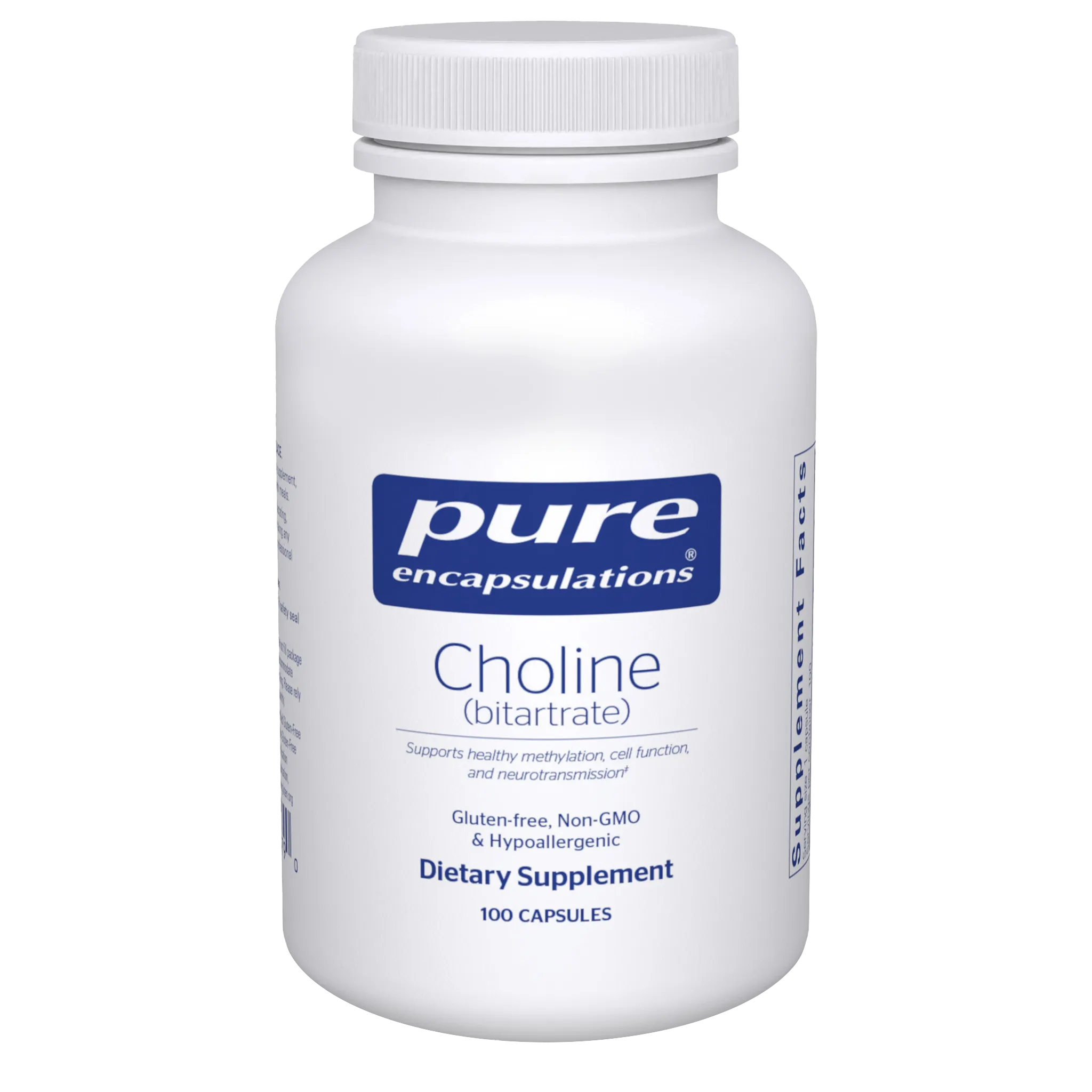
When considering choline supplementation, it is crucial to understand the differences in bioavailability and how the body metabolizes various forms. Choline bitartrate is a simple, synthetic salt form that contains a high yield of elemental choline—approximately 41% by weight. This means a 275 mg capsule provides a substantial, concentrated dose of the nutrient. Because it is water-soluble, choline bitartrate is rapidly absorbed in the gastrointestinal tract and is highly effective at raising systemic blood levels of choline, making it an excellent choice for supporting liver health, methylation, and peripheral nervous system function.
However, a critical consideration with water-soluble forms like choline bitartrate is their interaction with the gut microbiome. Unabsorbed free choline in the intestines can be fermented by specific gut bacteria into a compound called trimethylamine (TMA). The liver then oxidizes TMA into TMAO (Trimethylamine N-oxide). Recent clinical data has shown that estimated nutrient intakes from food generally do not meet Dietary Reference Intakes in certain populations, highlighting the need for careful dietary planning. While short-term or moderate dosing of choline bitartrate is generally safe, individuals taking very high doses long-term should be mindful of their gut microbiome, particularly if they have a history of cardiovascular disease or severe gut dysbiosis.
To mitigate the risk of TMAO production, functional medicine practitioners often recommend pairing choline bitartrate with dietary TMAO inhibitors. Natural compounds found in extra virgin olive oil, balsamic vinegar, and garlic have been shown to alter the behavior of gut bacteria, significantly reducing their ability to convert choline into TMA. Additionally, ensuring proper gastrointestinal motility—often supported by the very acetylcholine that choline helps produce—prevents the supplement from lingering in the gut long enough to undergo excessive bacterial fermentation.
Optimal Dosing Strategies and Timing
The National Academy of Sciences recommends a baseline Adequate Intake (AI) of 425 mg of elemental choline per day for adult women and 550 mg for adult men. However, in states of chronic illness, genetic methylation impairment, or severe neuroinflammation, the body's demand for choline can far exceed these baseline recommendations. In clinical settings, therapeutic doses of choline bitartrate often range from 500 mg to 2,000 mg per day, depending on the specific metabolic goals and the patient's tolerance. For patients exploring "How Can You Live with Long-Term COVID", finding the precise, individualized dose is a critical component of symptom management.
Because choline bitartrate is water-soluble, it has a relatively short half-life in the bloodstream. Therefore, taking a massive single dose is less effective than splitting the dose throughout the day. Practitioners generally recommend dividing the total daily intake into two or three smaller doses (e.g., one capsule in the morning and one in the early afternoon) to maintain steady precursor levels for neurotransmitter synthesis. It is highly advisable to take choline bitartrate with a meal and plenty of water. Taking it with food significantly reduces the risk of gastrointestinal upset, such as nausea or stomach cramps, and aids in the overall absorption process.
For patients with ME/CFS, dosing requires extreme caution. The ME/CFS nervous system is notoriously sensitive to neurochemical shifts. While some patients experience profound relief from standard doses of choline, others may experience paradoxical reactions, including severe fatigue crashes or depressive mood drops, if the cholinergic system is stimulated too rapidly. ME/CFS patients are strongly advised to practice "micro-dosing"—starting with a fraction of a capsule (e.g., 50-100 mg) and titrating up incredibly slowly over several weeks while meticulously tracking their symptoms and autonomic responses.
Potential Interactions and Contraindications
While choline is a natural and essential nutrient, supplemental choline bitartrate can interact with certain medications and medical conditions. Because choline directly increases acetylcholine levels, it can theoretically counteract the effects of anticholinergic medications. These include certain older-generation antihistamines (like Benadryl), medications for overactive bladder, and gastrointestinal antispasmodics, which are intentionally designed to block acetylcholine receptors. Patients taking these medications should consult their prescribing physician before introducing a choline supplement to avoid neutralizing their pharmaceutical treatments.
Conversely, choline bitartrate may be particularly beneficial for patients taking methotrexate, a medication frequently used for autoimmune conditions and rheumatoid arthritis. Methotrexate aggressively depletes the body's folate and methyl-donor reserves, often leading to secondary choline deficiency. In these cases, choline supplementation can help rescue the methylation cycle and protect the liver from methotrexate-induced toxicity. However, this should always be coordinated under the guidance of a rheumatologist or integrative specialist.
Finally, a significant contraindication for high-dose choline supplementation is a history of severe clinical depression or Bipolar Disorder. Because acetylcholine regulates mood and motor control, excessively high levels of cholinergic tone in the brain have been associated with triggering or exacerbating depressive episodes in susceptible individuals. If you experience a sudden drop in mood, increased apathy, or severe lethargy after starting choline bitartrate, it is crucial to discontinue the supplement immediately and consult your healthcare provider, as this indicates your brain's cholinergic system has become overstimulated.

Follow the Science
Evidence in Neuroimmune Conditions
The scientific understanding of choline's role in complex chronic illnesses is rapidly expanding, moving from basic nutritional science to targeted neurological interventions. In the context of post-viral syndromes, researchers are increasingly focusing on the intersection of metabolomics and neuroinflammation. A 2023 clinical analysis exploring the utility of serum biomarkers in Long COVID and ME/CFS highlighted the use of serum ferritin for predicting ME/CFS in patients with Long COVID. The study noted that patients with severe fatigue and cognitive impairment exhibit distinct alterations that require further metabolic investigation, directly implicating the pathways that rely on phosphatidylcholine and its precursors.
Furthermore, advanced neuroimaging studies using Magnetic Resonance Spectroscopy (MRS) have provided in vivo evidence of cholinergic disruption in the brains of ME/CFS and Long COVID patients. These studies measure the concentration of specific neurochemicals in living brain tissue. Researchers have consistently found altered choline-to-creatine ratios in specific brain regions, such as the hippocampus and basal ganglia, in patients suffering from severe brain fog. These altered ratios indicate that the brain is actively struggling to maintain membrane turnover and neurotransmitter synthesis, providing objective, measurable evidence of the "invisible" cognitive symptoms patients experience daily.
The discovery of autoantibodies in dysautonomia has also cemented the clinical relevance of acetylcholine. Studies identifying functionally active autoantibodies against muscarinic acetylcholine receptors have revolutionized our understanding of POTS and ME/CFS. By proving that the immune system is actively interfering with the body's ability to utilize acetylcholine, researchers have validated the need for therapies that either modulate the immune system or provide robust precursor support to help the nervous system outcompete the autoimmune blockade. This research directly supports the rationale for utilizing choline bitartrate as a foundational metabolic therapy.
Clinical Trials on Fatigue and Cognitive Function
While large-scale, double-blind, placebo-controlled trials specifically testing choline bitartrate in Long COVID populations are still in their infancy, the broader clinical data on choline's efficacy for fatigue and cognitive decline is robust. Research published in the journal Nutrients has extensively documented how common genetic variants in the PEMT and MTHFD1 genes drastically alter dietary choline requirements. These studies prove that standard dietary intake is vastly insufficient for individuals with these polymorphisms, and that targeted supplementation is required to prevent organ dysfunction, fatty liver, and severe metabolic fatigue.
In the realm of post-viral fatigue, researchers are exploring various pharmacological and nutritional interventions to rescue cellular energy production. A recent clinical trial investigating treatments for post-COVID-19 fatigue demonstrated the critical need for therapies that modulate the central nervous system. While that specific study focused on antiviral and dopaminergic agents, the underlying premise—that post-viral fatigue is a neurologically driven phenomenon requiring targeted neurochemical support—aligns perfectly with the mechanisms of choline supplementation. By supporting the cholinergic anti-inflammatory pathway, choline acts on the exact neuroimmune axes identified in these cutting-edge fatigue trials.
Additionally, internal research exploring CD8 T-cell dysfunction in ME/CFS and Long COVID has shown that these patient populations suffer from profound immune exhaustion. The study found that T-cells from these patients produced markedly less protective cytokines when stimulated, indicating a failure of cellular energy and signaling. Because choline is essential for the structural integrity of immune cell membranes and the epigenetic regulation of immune responses, supporting the body's choline reserves is a logical, science-backed strategy for helping to rebuild the exhausted immune infrastructure documented in these advanced immunological studies.
The Role of Metabolomics in Future Research
The future of Long COVID and ME/CFS research lies heavily in the field of metabolomics—the large-scale study of small molecules and metabolic byproducts in the blood. Metabolomic profiling has repeatedly identified choline, betaine, and phosphatidylcholine as key biomarkers of disease severity in post-viral syndromes. When patients ask, "Do Long COVID Symptoms Come and Go?", the answer is often tied to these fluctuating metabolic reserves. On days when choline and methyl-donor reserves are entirely depleted, symptoms crash; as the body slowly synthesizes and absorbs more nutrients, a temporary baseline is restored.
As clinical trials continue to evolve, the focus is shifting toward personalized, precision medicine. Rather than offering a one-size-fits-all treatment, researchers are advocating for targeted nutritional interventions based on a patient's specific genetic makeup (like PEMT status) and metabolomic profile. In this context, highly bioavailable supplements like choline bitartrate are moving from the fringes of alternative medicine into the spotlight of evidence-based, precision neuro-rehabilitation, offering a scientifically grounded tool for repairing the cellular damage left in the wake of chronic viral infections.
The Path Forward
Integrating Choline into Your Protocol
Living with Long COVID, ME/CFS, or dysautonomia is an incredibly complex and often isolating journey. The profound fatigue, unpredictable heart rates, and cognitive fog are not simply in your head; they are the result of measurable, physiological disruptions in your body's cellular metabolism, immune regulation, and nervous system signaling. Understanding the vital role that nutrients like choline play in these systems provides not only validation for your symptoms but also a tangible, science-backed avenue for intervention. By supplying the foundational building blocks required for acetylcholine synthesis, cellular membrane repair, and robust methylation, choline bitartrate offers a targeted approach to supporting your body's innate healing mechanisms.
However, it is essential to remember that no single supplement is a miracle cure for complex neuroimmune conditions. Choline bitartrate should be viewed as one highly specific tool within a broader, comprehensive management strategy. True recovery and symptom management require a multi-faceted approach that includes aggressive pacing to prevent post-exertional malaise, meticulous symptom tracking, nervous system regulation techniques, and targeted medical care. By slowly and carefully integrating choline into a well-rounded protocol, you can help provide your brain and liver with the metabolic support they desperately need to begin the slow process of cellular repair.
When beginning any new supplement, especially one that directly influences neurotransmitter levels, we highly recommend keeping a detailed symptom journal. Note your baseline cognitive function, heart rate variability, and fatigue levels before starting choline bitartrate. As you slowly titrate your dose, track any shifts in your brain fog, digestion, or post-exertional malaise. This data is invaluable for you and your healthcare provider to determine if the intervention is successfully supporting your cholinergic system or if adjustments need to be made.
A Collaborative Approach to Healing
Because the neurochemistry of ME/CFS and Long COVID is highly sensitive, navigating supplementation requires patience and professional guidance. What works perfectly for one patient may cause a flare in another due to unique genetic variations, gut microbiome compositions, or autoantibody profiles. We strongly encourage you to work collaboratively with a healthcare provider who understands the nuances of complex chronic illness, dysautonomia, and nutrigenomics. Together, you can determine the optimal dosage, monitor for potential interactions, and adjust your protocol based on your body's real-time responses.
If you and your healthcare team have determined that supporting your cholinergic system, liver health, and methylation pathways is the right next step for your recovery journey, high-quality, bioavailable supplementation is key. We invite you to explore our carefully sourced options to ensure you are providing your body with the pure, concentrated support it requires.