Can Phytosterols Support Cardiovascular and Prostate Health in Long COVID and Chronic Illness?
March 5, 2026
PhytosterolsLong COVIDDysautonomia
Share:
Disclaimer: The information provided here is for educational purposes only and is not intended as medical advice. It should not be used to diagnose, treat, cure, or prevent any medical condition. Instead, use it as a starting point for discussion with your healthcare provider. Always consult with a qualified healthcare provider before starting any new medication, supplement, device, or making changes to your health regimen.
Imagine finally finding a dietary strategy that helps manage your debilitating dizziness and racing heart—only to be told by your doctor that this very diet is now putting your cardiovascular health at risk. For many patients living with dysautonomia and Postural Orthostatic Tachycardia Syndrome (POTS), this is a frustrating, daily reality. The high-sodium, higher-fat diets required to maintain blood volume and prevent fainting can inadvertently cause a sharp spike in LDL cholesterol. When you are already battling the complex, unpredictable symptoms of Long COVID or ME/CFS, the last thing you need is another systemic medication with a laundry list of side effects.
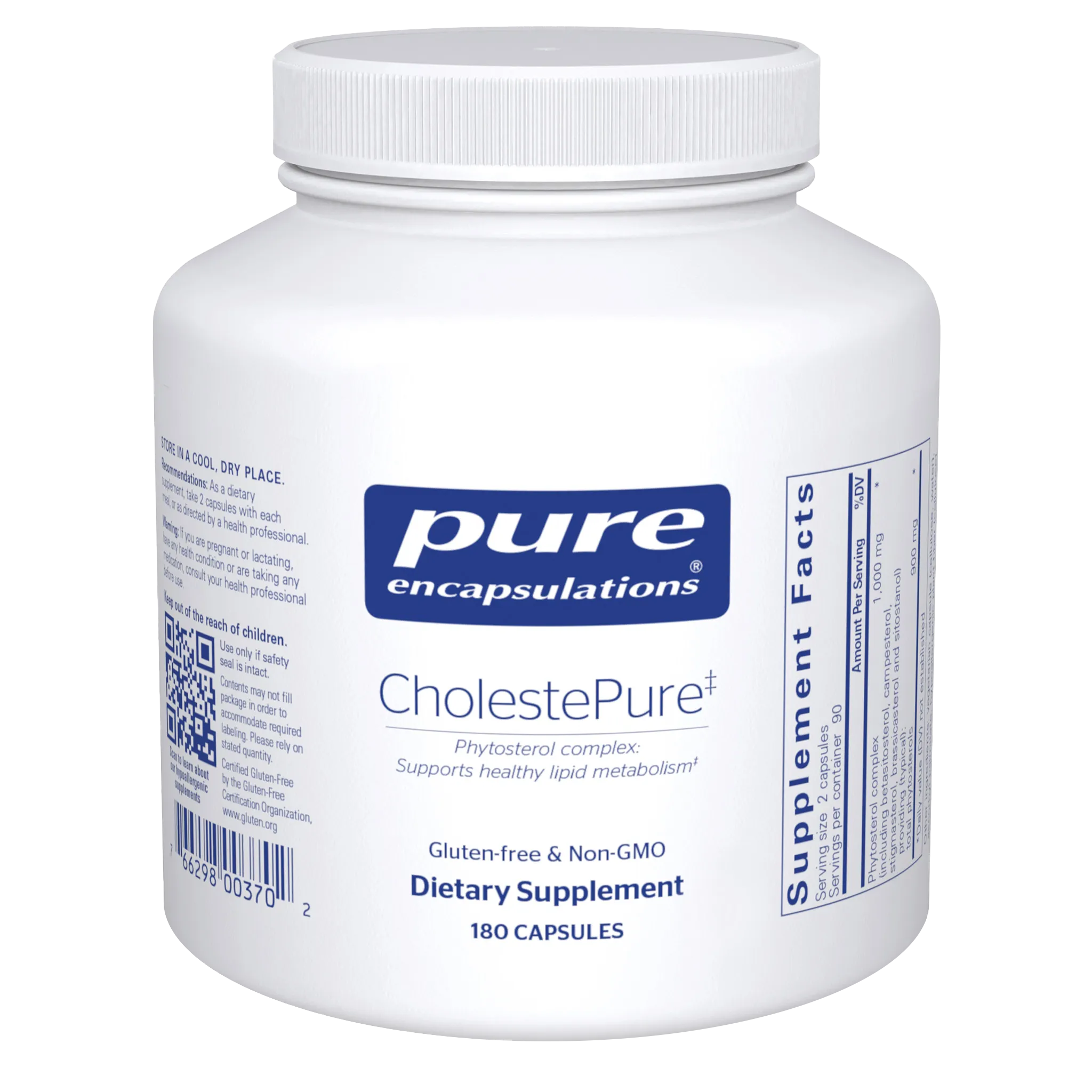
This is where targeted, plant-based interventions become invaluable. CholestePure, a broad-spectrum phytosterol complex by Pure Encapsulations, offers a unique, non-systemic approach to supporting healthy lipid metabolism and prostate function. By working gently within the digestive tract, these plant-derived compounds help restore metabolic balance without disrupting your fragile autonomic nervous system. In this comprehensive guide, we will explore the intricate cellular mechanisms of phytosterols, their role in post-viral immune modulation, and how they can be safely integrated into a holistic management plan for complex chronic illnesses.
TL;DR
Phytosterols like CholestePure help lower LDL cholesterol, counteracting the effects of high-sodium dysautonomia diets.
These plant compounds work in the gut to block cholesterol absorption without causing systemic side effects.
Beta-sitosterol supports prostate health by improving urinary flow and reducing nighttime awakenings.
Emerging research suggests phytosterols may help balance the immune system and reduce post-viral inflammation.
What are Phytosterols?
The Plant Kingdom's Answer to Cholesterol
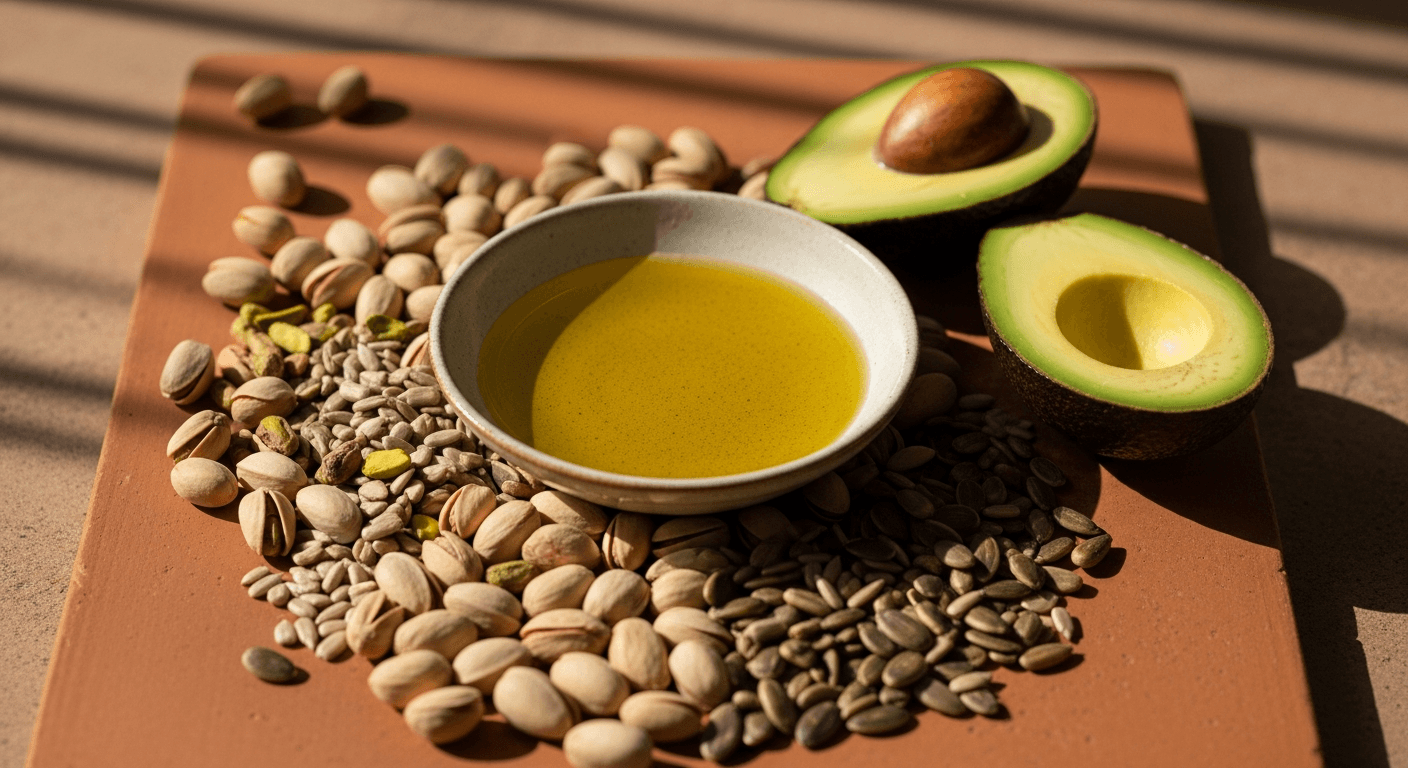
Phytosterols, encompassing both plant sterols and plant stanols, are naturally occurring bioactive compounds found within the cell membranes of plants. In the botanical world, these lipid molecules serve a function nearly identical to the role cholesterol plays in human biology. They are responsible for maintaining the structural integrity, fluidity, and permeability of plant cell membranes, ensuring that the plant can survive environmental stressors, temperature fluctuations, and cellular demands. While humans synthesize their own cholesterol primarily in the liver, plants synthesize specific phytosterols like beta-sitosterol, campesterol, stigmasterol, and brassicasterol. Because the human body lacks the enzymatic machinery to produce these plant-based lipids, they must be acquired entirely through dietary intake, historically from a rich array of nuts, seeds, whole grains, legumes, and unrefined vegetable oils.
Structural Mimicry and Cellular Interaction
At a molecular level, phytosterols are remarkably similar to mammalian cholesterol, sharing the exact same basic steroid ring structure. The only minor biochemical differences lie in their side chains, where phytosterols may possess an extra methyl or ethyl group, or an additional double bond. This structural mimicry is the foundational basis for their profound biological effects within the human body. Because they look so similar to cholesterol, phytosterols can effectively "trick" the human digestive and cellular machinery. When ingested, they aggressively compete with dietary and biliary cholesterol for absorption in the gastrointestinal tract, utilizing the exact same transport proteins and enzymatic pathways. This competitive inhibition is what makes them one of the most thoroughly researched and clinically validated natural compounds for supporting healthy lipid metabolism and cardiovascular function.
Dietary Sources vs. Therapeutic Dosing
In a healthy, ancestral human diet rich in unrefined plant matter, daily phytosterol intake was naturally robust, providing a constant, gentle modulation of cholesterol absorption and immune function. However, the modern standard Western diet—heavily reliant on highly processed foods and refined carbohydrates—typically provides only about 150 to 400 milligrams of phytosterols per day. Extensive clinical research and cardiovascular consensus panels have demonstrated that this baseline dietary amount is far too low to exert any meaningful therapeutic action on lipid metabolism or prostate health. To achieve the clinically significant benefits observed in medical literature, such as lowering Low-Density Lipoprotein (LDL) cholesterol or managing the symptoms of benign prostatic hyperplasia (BPH), an individual must consume between 2 to 3 grams of phytosterols daily. This massive gap between dietary reality and therapeutic necessity is why targeted supplementation with broad-spectrum phytosterol complexes, such as CholestePure, has become a cornerstone of functional cardiovascular and metabolic care.
How Chronic Illness Impacts Lipid Metabolism and Endothelial Function
Viral Hijacking and Cholesterol-Rich Lipid Rafts
To understand why lipid metabolism is so deeply intertwined with post-viral conditions like Long COVID, we must examine how viruses interact with our cellular membranes. The human cell membrane is not a uniform barrier; it contains specialized, cholesterol-rich microdomains known as "lipid rafts." These lipid rafts serve as critical docking stations for various cellular receptors, including the ACE2 receptor, which is the primary entry point for the SARS-CoV-2 virus. While research indicates phytosterols are nutritional players in managing obesity and related metabolic disorders, separate virology studies suggest viruses actively hijack these cholesterol-dense areas to anchor themselves, fuse with the host cell, and inject their viral RNA. In states of chronic infection or viral persistence, the body's lipid metabolism can become highly dysregulated, leading to an overaccumulation of cholesterol in these cellular membranes. This creates a highly permissive environment for viral entry and replication, potentially contributing to the persistent immune activation and viral reservoirs suspected to drive the ongoing symptoms of Long COVID. By altering the composition of these lipid rafts, the structural integrity of the cell membrane changes, which can profoundly impact how the immune system responds to perceived threats.
Endothelial Dysfunction in Long COVID and ME/CFS
One of the most devastating consequences of this persistent immune activation is the damage inflicted upon the endothelium—the delicate, single-cell layer lining the inside of all blood vessels. In healthy individuals, the endothelium regulates blood pressure, prevents inappropriate clotting, and controls the passage of immune cells into tissues. However, in complex chronic illnesses like Long COVID and ME/CFS, the constant barrage of pro-inflammatory cytokines and circulating autoantibodies leads to profound endothelial dysfunction. The endothelial cells become "senescent" or prematurely aged, losing their ability to produce nitric oxide, a crucial molecule required for blood vessel dilation. This virus-induced endothelial senescence results in a pro-inflammatory, pro-oxidant, and pro-thrombotic state, plausibly explaining the multisystem features of these conditions, including reduced cerebral perfusion, debilitating brain fog, and the formation of microclots. When the endothelium is damaged, it also becomes highly susceptible to the accumulation of oxidized LDL cholesterol, which further accelerates vascular inflammation and cardiovascular risk.
The Dysautonomia Diet Paradox
This intersection of vascular health and lipid metabolism presents a unique and frustrating paradox for patients managing dysautonomia and Postural Orthostatic Tachycardia Syndrome (POTS), which are frequent comorbidities of Long COVID. The standard first-line medical management for POTS involves dramatically increasing daily sodium intake and fluid consumption to boost blood volume and prevent orthostatic intolerance (fainting or severe dizziness upon standing). To achieve these high sodium targets, patients are often forced to consume a diet significantly higher in salty, processed, or higher-fat foods. While this dietary shift is essential for managing their debilitating neurological and autonomic symptoms, it frequently leads to an unintended consequence: a sharp, dangerous increase in circulating LDL cholesterol levels. These patients are caught in a double bind, needing a high-salt diet to function daily, but inadvertently increasing their risk of atherosclerosis and exacerbating the very metabolic issues discussed in our guide on Metformin: Long COVID Risk Reduction and Diabetes Management. Finding a way to safely manage these secondary lipid spikes without introducing harsh systemic medications is a critical challenge in the holistic management of Long-Term COVID.
CholestePure: Supporting Lipid Metabolism, Prostate Health, and Immunity
The "Block and Purge" Mechanism of Cholesterol Reduction
CholestePure provides a broad-spectrum blend of phytosterols that effectively addresses the dysautonomia diet paradox through a highly localized, non-systemic mechanism of action in the gastrointestinal tract. When consumed with a meal, these phytosterols execute a sophisticated "block and purge" strategy to lower circulating cholesterol. First, because phytosterols are bulkier and more hydrophobic than mammalian cholesterol, they possess a higher affinity for the "mixed micelles" in the gut—the water-soluble lipid droplets required for fat absorption. The phytosterols actively displace both dietary cholesterol and biliary cholesterol from these micelles, forcing the displaced cholesterol to precipitate out of solution and be excreted in the feces. For the sterols that do manage to reach the intestinal lining (enterocytes), they compete directly with cholesterol for entry through the NPC1L1 (Niemann-Pick C1-Like 1) transport protein.
Hepatic Upregulation and LDL Clearance
The mechanism does not stop at the intestinal border. Once inside the enterocyte, the body recognizes phytosterols as non-mammalian and potentially disruptive. In response, the enterocyte utilizes specialized ATP-binding cassette half-transporters, specifically ABCG5 and ABCG8, to rapidly and actively pump the phytosterols back out into the intestinal lumen. This hyper-efficient efflux mechanism is why human absorption of phytosterols is exceptionally low—typically between 0.5% and 2%. Because intestinal cholesterol absorption drops so dramatically, the liver receives significantly less cholesterol from the digestive tract. This intracellular hepatic cholesterol deficit triggers the activation of Sterol Regulatory Element-Binding Protein 2 (SREBP-2), which migrates to the nucleus and upregulates the gene expression of LDL receptors on the surface of liver cells. The liver then pulls more LDL particles out of the systemic bloodstream to compensate for the lack of dietary cholesterol, ultimately resulting in a clinically significant reduction in blood LDL levels.
Beta-Sitosterol and Prostate Health
Beyond cardiovascular support, the specific phytosterol beta-sitosterol is heavily prized for its profound benefits on prostate health, particularly for men experiencing lower urinary tract symptoms associated with benign prostatic hyperplasia (BPH). The prostate gland is highly sensitive to hormonal fluctuations and chronic inflammation. Beta-sitosterol acts as a gentle, natural inhibitor of the 5-alpha-reductase enzyme, which is responsible for converting testosterone into dihydrotestosterone (DHT), the primary hormone that fuels abnormal prostate cell growth. Furthermore, beta-sitosterol modulates the activity of inflammatory mediators, such as cytokines and prostaglandins, within the prostatic tissue. By reducing localized inflammation and improving the smooth muscle tone of the prostate and the bladder neck, beta-sitosterol helps alleviate the restrictive pressure on the urethra. This dual action of enzymatic inhibition and anti-inflammatory modulation significantly improves urinary flow rates and reduces the frequency of nighttime urination, offering substantial relief without the severe side effects often associated with synthetic pharmaceuticals.
Macrophage Modulation and Immune Balancing
Emerging research highlights that phytosterols are also powerful immunomodulators, making them highly relevant for patients battling the chronic inflammation associated with Long COVID and ME/CFS. Macrophages, the white blood cells responsible for initiating and resolving inflammation, can become trapped in a hyperactive, pro-inflammatory state following a viral infection. Phytosterols have been shown to directly modulate this behavior by inhibiting the NF-κB signaling cascade, preventing it from translocating to the nucleus where it normally triggers massive inflammatory responses. Studies indicate that phytosterols, particularly beta-sitosterol, significantly suppress the release of pro-inflammatory cytokines such as Tumor Necrosis Factor-alpha (TNF-α) and Interleukin-6 (IL-6). Additionally, phytosterols help balance the adaptive immune system by shifting the body away from an overactive, allergy-prone Th2 response toward a more robust, antiviral Th1 response. This immune-balancing act is crucial for patients whose systems are exhausted by persistent viral reservoirs and chronic, low-grade systemic inflammation.

Symptoms CholestePure May Help Manage
Targeting Cardiovascular, Prostatic, and Inflammatory Symptoms
The broad-spectrum phytosterols in CholestePure interact with multiple physiological systems, offering targeted support for a variety of complex symptoms. By modulating lipid absorption, enzymatic activity, and immune pathways, this supplement can be a valuable tool in managing the downstream effects of chronic illness, dysautonomia, and age-related changes.
Elevated LDL Cholesterol: By actively competing with cholesterol for micellar absorption in the gut and upregulating hepatic LDL receptors, phytosterols significantly lower circulating low-density lipoprotein levels. This is particularly beneficial for dysautonomia patients whose high-sodium, higher-fat symptom-management diets have inadvertently caused secondary hyperlipidemia.
Frequent Nighttime Urination (Nocturia): Beta-sitosterol improves the smooth muscle tone of the bladder and prostate, reducing the urgency and frequency of nighttime awakenings. This allows for deeper, more restorative sleep, which is absolutely critical for patients recovering from severe post-exertional malaise (PEM) and chronic fatigue.
Weak or Hesitant Urinary Stream: By inhibiting the 5-alpha-reductase enzyme and reducing localized prostatic inflammation, beta-sitosterol helps relieve the physical pressure on the urethra. This supports a stronger, more consistent urinary flow and helps ensure complete bladder emptying, reducing the risk of secondary urinary tract infections.
Systemic Low-Grade Inflammation: Through the suppression of the NF-κB signaling pathway and the modulation of hyperactive macrophages, phytosterols help reduce the systemic burden of pro-inflammatory cytokines like TNF-α and IL-6. This anti-inflammatory action may help alleviate the generalized body aches, joint pain, and persistent flu-like symptoms often experienced by individuals with post-viral syndromes.
Immune Dysregulation and Th2 Dominance: Patients with ME/CFS and Long COVID often exhibit an immune system skewed toward Th2 dominance, leading to heightened allergic responses and mast cell activation. Phytosterols help stimulate a robust Th1 cellular immune response, restoring balance to the immune system and supporting the body's natural defense against latent viral reactivations.
Practical Considerations: Forms, Dosing, and Absorption
Overcoming Low Bioavailability
When incorporating phytosterols into a clinical protocol, understanding their unique pharmacokinetic profile is essential for achieving therapeutic results. In their natural, "free" state, phytosterols are largely insoluble in water and only poorly soluble in dietary oils. Furthermore, the human body is evolutionarily designed to reject them; the intestinal enterocytes utilize the ABCG5 and ABCG8 efflux pumps to aggressively eject phytosterols back into the gut, resulting in a systemic absorption rate of less than 2%. However, this incredibly low bioavailability is actually the key to their safety and efficacy. Because they remain trapped in the gastrointestinal tract, they can continuously disrupt cholesterol absorption without accumulating in the bloodstream or causing systemic toxicity. To maximize this localized effect, the phytosterols must be present in the gut lumen in sufficient quantities, which is why a concentrated, broad-spectrum complex like CholestePure—providing 900 mg of total phytosterols per serving—is vastly superior to relying solely on dietary sources.
Timing and Dietary Fat Synergy
The timing of phytosterol supplementation is arguably the most critical factor in its success. Because phytosterols do not lower existing blood cholesterol directly, but rather intercept new cholesterol in the digestive tract, they must be taken concurrently with meals. If taken on an empty stomach, the gallbladder has not been stimulated to release the bile necessary to form the mixed micelles that phytosterols need to infiltrate. Taking CholestePure without food renders it largely ineffective. Furthermore, consuming the supplement alongside a meal that contains at least a small amount of healthy dietary fat (such as olive oil, avocado, or nuts) dramatically enhances its action. The dietary fat triggers a robust release of bile acids, creating an abundance of micelles in the intestinal lumen for the phytosterols to hijack, thereby maximizing the displacement and excretion of cholesterol. The suggested use is 2 capsules with each meal, or as directed by your healthcare provider.
Safety, Contraindications, and Nutrient Interactions
Phytosterols are widely recognized as safe and are exceptionally well-tolerated by the vast majority of patients, but there are important clinical caveats. Because they alter the absorption of lipids in the gut, high daily doses of phytosterols can moderately reduce the blood levels of certain fat-soluble carotenoids, specifically beta-carotene. Patients utilizing CholestePure long-term should be mindful to maintain a diet rich in brightly colored fruits and vegetables (like carrots, sweet potatoes, and dark leafy greens) to offset this minor reduction. Crucially, phytosterols are strictly contraindicated for individuals with a rare genetic disorder known as homozygous familial sitosterolemia. In these patients, the ABCG5/G8 transporter genes are mutated, meaning they hyper-absorb plant sterols and cannot excrete them, leading to severe, premature cardiovascular disease. Finally, while phytosterols are highly synergistic with statin medications—often providing an additional 7% to 11% reduction in LDL cholesterol—patients should always discuss this combination with their prescribing physician to ensure comprehensive lipid monitoring. Please note that CholestePure contains soy, which may be a consideration for those with specific allergies.
Follow the Science
Clinical Efficacy in Lipid Lowering
The cardiovascular benefits of phytosterols are supported by decades of rigorous, peer-reviewed clinical data. A comprehensive meta-analysis of over 120 randomized controlled human trials has definitively established a continuous, dose-dependent relationship between phytosterol intake and cholesterol reduction. Clinical data consistently shows that a daily intake of 2 to 3 grams of phytosterols lowers circulating Low-Density Lipoprotein (LDL) cholesterol by an average of 8% to 15%. This robust evidence base led the European Atherosclerosis Society (EAS) Consensus Panel to officially recommend phytosterol supplementation for individuals with high cholesterol and low-to-intermediate cardiovascular risk, particularly as a safe, non-systemic intervention for patients who cannot tolerate high doses of statin medications. Furthermore, recent metabolomic analyses emphasize the importance of managing lipid profiles in post-viral conditions, as Long COVID patients frequently exhibit imbalanced energy metabolism and elevated pro-inflammatory biomarkers that exacerbate vascular stress.
Landmark Trials in Prostate Health
The efficacy of beta-sitosterol in managing benign prostatic hyperplasia (BPH) is equally well-documented, anchored by several landmark multicenter trials conducted in Germany. A pivotal study published in The Lancet by Berges et al. (1995) followed 200 patients with symptomatic BPH over 6 months. The patients receiving beta-sitosterol experienced a dramatic 7.4-point drop in their International Prostate Symptom Score (IPSS), compared to only a 2.1-point drop in the placebo group. Additionally, their peak urinary flow increased significantly from 9.9 mL/s to 15.2 mL/s, and residual urine volume in the bladder decreased by more than half. These findings were later cemented by a massive Cochrane Systematic Review (1999), which analyzed data from 519 men and definitively concluded that beta-sitosterol significantly improves both subjective urinary symptoms and objective flow measures, with a safety and tolerability profile identical to a placebo.
Emerging Research in Post-Viral Inflammation
Beyond their structural roles, phytosterols are gaining intense scientific interest for their immunomodulatory properties in the context of post-viral syndromes. In vitro studies on macrophages have demonstrated that exposure to phytosterols like beta-sitosterol and campesterol significantly suppresses the release of Tumor Necrosis Factor-alpha (TNF-α) and reduces the expression of pro-inflammatory enzymes like cyclooxygenase-2 (COX-2). By blocking the phosphorylation of extracellular signal-regulated kinase (p-ERK) and inhibiting the NF-κB signaling cascade, phytosterols prevent macrophages from driving the chronic, systemic inflammation that characterizes Long COVID. Furthermore, because viruses rely on cholesterol-rich lipid rafts for cellular entry, researchers are investigating the role of phytosterols in managing obesity and related metabolic disorders, which may complement their potential to alter host cell membranes and support long-term recovery.
The Path Forward
Integrating Phytosterols into Your Protocol
Navigating the complexities of Long COVID, ME/CFS, and dysautonomia requires a deeply personalized, multi-system approach. For patients struggling with the unintended cardiovascular consequences of a high-sodium dysautonomia diet, or men seeking gentle, non-pharmaceutical support for prostate health, CholestePure offers a clinically validated, highly targeted intervention. By leveraging the natural "block and purge" mechanisms of plant sterols, you can actively support your lipid metabolism and reduce systemic inflammatory burdens without introducing harsh systemic medications that might destabilize your fragile autonomic nervous system.
A Holistic Approach to Chronic Illness
At RTHM, we understand that true healing is never found in a single pill. Supplements like CholestePure are most effective when integrated into a comprehensive management strategy that includes aggressive pacing, continuous symptom tracking, autonomic rehabilitation, and compassionate medical oversight. We validate the immense frustration of living with invisible, unpredictable symptoms, and we are committed to providing you with the science-backed tools necessary to reclaim your quality of life. Always consult with your primary healthcare provider or a specialist familiar with complex chronic conditions before introducing new supplements, especially if you are currently taking statins or other cardiovascular medications.
Sources
Virus-Induced Endothelial Senescence as a Cause and Driving Factor for ME/CFS and Long COVID
Beta-sitosterols for benign prostatic hyperplasia (Cochrane Review, 1999)
Phytosterols, Macrophages, and Inflammatory Signaling Pathways
Phytosterols: Nutritional Health Players in the Management of Obesity and Its Related Disorders