Can Chaste Tree (Vitex) Help Manage Cyclical Long COVID and ME/CFS Crashes?
March 5, 2026
Chaste TreeVitexLong COVID
Share:
Disclaimer: The information provided here is for educational purposes only and is not intended as medical advice. It should not be used to diagnose, treat, cure, or prevent any medical condition. Instead, use it as a starting point for discussion with your healthcare provider. Always consult with a qualified healthcare provider before starting any new medication, supplement, device, or making changes to your health regimen.
For many women living with complex chronic conditions, the calendar dictates more than just appointments and daily tasks—it dictates their baseline level of functioning. If you live with Long COVID, myalgic encephalomyelitis/chronic fatigue syndrome (ME/CFS), postural orthostatic tachycardia syndrome (POTS), or mast cell activation syndrome (MCAS), you may have noticed a frustrating, predictable pattern: in the days leading up to your period, your symptoms violently flare. This phenomenon, often dismissed by healthy individuals as mere "period flu" or standard premenstrual syndrome (PMS), is a profound physiological crash driven by the complex interplay between sex hormones, the immune system, and the autonomic nervous system. You are not imagining it, and it is not "just PMS."
The profound symptom exacerbations that occur during the late luteal and menstrual phases represent a critical intersection of endocrinology and neuroimmune dysfunction. When estrogen and progesterone levels fluctuate, they act as powerful signaling molecules that can trigger mast cell degranulation, alter blood volume, and provoke systemic inflammation. Finding ways to stabilize these hormonal shifts is a vital component of managing chronic illness. This brings us to Chaste Tree, scientifically known as Vitex agnus-castus. Long revered in botanical medicine for its ability to support female reproductive health, Chaste Tree offers a fascinating, science-backed mechanism for promoting hormonal balance. By acting directly on the pituitary gland, this powerful extract may help smooth out the hormonal rollercoaster, potentially offering relief from the cyclical crashes that plague so many patients.
TL;DR
Hormonal fluctuations can trigger severe symptom flares in Long COVID, ME/CFS, and POTS.
Chaste Tree (Vitex) may help stabilize these crashes by supporting healthy progesterone and regulating prolactin.
Research suggests Vitex can improve luteal phase defects and reduce premenstrual syndrome (PMS) severity.
Always consult your healthcare provider before starting Vitex, as it can interact with certain medications.
What is Chaste Tree (Vitex agnus-castus)?
A Botanical Approach to Hormonal Harmony
Chaste Tree, or Vitex agnus-castus, is a deciduous shrub native to the Mediterranean region and Central Asia. For centuries, its dark purple berries have been utilized in traditional herbal medicine to address a wide spectrum of female reproductive issues, ranging from menstrual irregularities to cyclic breast pain. However, unlike many treatments used in modern gynecology, Chaste Tree does not contain any actual hormones. It does not supply the body with exogenous estrogen or progesterone. Instead, it operates as a sophisticated botanical modulator, working centrally within the brain to influence how the body orchestrates its own hormone production. This adaptogenic-like quality makes it a unique tool for individuals seeking to restore their natural hormonal rhythms without the use of synthetic hormones.
The efficacy of Vitex agnus-castus lies in its ability to communicate with the body's master control center. In a healthy endocrine system, hormones are tightly regulated through complex feedback loops. When chronic illness, severe viral infections, or prolonged physiological stress disrupt these loops, the resulting hormonal chaos can manifest as irregular cycles, severe premenstrual dysphoria, and the exacerbation of underlying systemic diseases. Chaste Tree steps into this chaos by targeting specific receptors in the brain, gently coaxing the endocrine system back into a state of equilibrium. To truly appreciate how this botanical extract functions, we must first understand the intricate biological pathways it influences.
The Hypothalamic-Pituitary-Ovarian (HPO) Axis
The female menstrual cycle is governed by the Hypothalamic-Pituitary-Ovarian (HPO) axis, a dynamic communication network that links the central nervous system to the reproductive organs. The process begins in the hypothalamus, a small region at the base of the brain, which secretes Gonadotropin-Releasing Hormone (GnRH) in a highly specific, pulsatile manner. This pulsatility is crucial; if the pulses are too fast, too slow, or blunted, the entire downstream cascade fails. GnRH travels through a specialized blood vessel network called the hypophyseal portal system directly to the anterior pituitary gland.
Upon receiving the GnRH signal, the anterior pituitary gland is stimulated to produce and release two critical gonadotropins: Luteinizing Hormone (LH) and Follicle-Stimulating Hormone (FSH). These hormones enter the systemic circulation and travel to the ovaries. FSH is primarily responsible for stimulating the growth and maturation of ovarian follicles during the first half of the cycle (the follicular phase), while a mid-cycle surge of LH triggers ovulation—the release of a mature egg. Following ovulation, the remnants of the ruptured follicle transform into a temporary endocrine gland known as the corpus luteum.
The corpus luteum is the star of the second half of the menstrual cycle, known as the luteal phase. Its primary job is to secrete massive amounts of progesterone, a hormone that stabilizes the uterine lining, reduces inflammation, and counterbalances the proliferative effects of estrogen. If the HPO axis is functioning optimally, progesterone levels remain high for about 10 to 14 days, creating a calm, stable physiological environment. However, if the HPO axis is disrupted, the corpus luteum may fail to develop properly or may degrade too quickly, leading to a condition known as a luteal phase defect. This results in a sharp, premature drop in progesterone, leaving estrogen unopposed and triggering a cascade of premenstrual symptoms.
Dopamine and Prolactin Regulation
One of the most common disruptors of the HPO axis is an excess of prolactin, a hormone produced by the lactotroph cells of the anterior pituitary gland. While prolactin is most famous for stimulating milk production during lactation, it is present in all individuals and plays a role in immune regulation and metabolism. However, when prolactin levels become abnormally elevated—a state known as hyperprolactinemia, or even mild latent hyperprolactinemia—it acts as a profound suppressor of the reproductive system. Elevated prolactin directly inhibits the pulsatile release of GnRH from the hypothalamus. Without adequate GnRH pulses, the pituitary fails to release sufficient LH, the corpus luteum cannot fully form, and progesterone production plummets.
In a healthy body, prolactin secretion is kept tightly in check by dopamine, a neurotransmitter often associated with pleasure and reward. In the context of endocrinology, dopamine acts as the primary prolactin-inhibiting factor (PIF). Dopamine is released by the hypothalamus and binds to dopamine D2 receptors (D2R) on the lactotroph cells in the pituitary gland. When dopamine binds to these receptors, it acts as a brake, halting the secretion of prolactin. If dopamine signaling is weak, or if the body is under immense physical or emotional stress, the brakes come off, prolactin levels rise, and the HPO axis is suppressed.
Bioactive Phytochemicals in Chaste Tree
This is precisely where Chaste Tree exerts its profound clinical effects. Extensive pharmacological research has revealed that Vitex agnus-castus contains a complex matrix of bioactive phytochemicals that act as phyto-dopamine agonists. In other words, the compounds in Chaste Tree mimic the action of human dopamine, binding directly to the D2 receptors in the anterior pituitary gland and applying the brakes to prolactin secretion.
A 2024 microfractionation study utilizing advanced cellular assays identified the specific molecules responsible for this dopaminergic activity. The primary drivers are a class of compounds called diterpenes, specifically clerodadienols. The study highlighted Viteagnusin I as a highly potent D2 receptor agonist, alongside another compound called rotundifuran. Furthermore, the researchers discovered that specific triterpenes, such as 3-epi-maslinic acid, also exhibit strong dopaminergic activity. By delivering these powerful phytochemicals, Chaste Tree effectively lowers elevated prolactin, removes the suppression on GnRH, and allows the HPO axis to resume its natural, healthy rhythm, ultimately restoring vital progesterone levels during the luteal phase.
How Long COVID and ME/CFS Impact the Menstrual Cycle
The "Period Flu" and Cyclical Crashes
For individuals navigating the complexities of post-viral and neuroimmune conditions, the menstrual cycle is often viewed with a sense of impending dread. The phenomenon colloquially known as the "period flu" is a stark reality for many. Research into how a doctor diagnoses Long COVID is increasingly recognizing that Long COVID and ME/CFS are not static illnesses; their severity fluctuates wildly in response to internal and external stressors, with sex hormones being one of the most potent drivers of these fluctuations. During the late luteal phase—the days immediately preceding menstruation—hormone levels plummet, triggering a systemic withdrawal that can send a fragile body into a tailspin.
A prospective digital health app study analyzing over 900 users with Long COVID and ME/CFS found that sudden, severe symptom worsening (often referred to as "crashes" or post-exertional malaise) was significantly more frequent during menstruation compared to any other phase of the cycle. Patients commonly report an intense exacerbation of debilitating fatigue, profound cognitive dysfunction (brain fog), severe muscle and joint aches, and swollen lymph nodes. This cyclical crash is believed to be driven by a heightened systemic inflammatory response. As progesterone—a naturally anti-inflammatory and immune-modulating hormone—drops sharply before menstruation, the immune system loses a critical buffer, leading to a surge in pro-inflammatory cytokines that exacerbate the underlying neuroinflammation characteristic of these conditions.
Vascular Dysfunction and POTS Flares
The impact of the menstrual cycle is perhaps most dramatically visible in patients with postural orthostatic tachycardia syndrome (POTS), a form of dysautonomia that frequently co-occurs with Long COVID and ME/CFS. POTS is characterized by an abnormal spike in heart rate upon standing, accompanied by dizziness, blood pooling in the extremities, and near-fainting (presyncope). The cardiovascular system and the autonomic nervous system are exquisitely sensitive to the ebb and flow of ovarian hormones, making the menstrual cycle a major trigger for reduced quality of life in post-hospitalization COVID-19 patients.
The mechanism behind cyclical POTS flares lies in the Renin-Angiotensin-Aldosterone System (RAAS), a hormone system that regulates blood pressure and fluid balance. Estrogen promotes vasodilation (the widening of blood vessels), while progesterone acts as a competitive antagonist at the mineralocorticoid receptor, effectively blocking the action of aldosterone. Aldosterone is responsible for signaling the kidneys to retain sodium and water. When progesterone levels are high during the mid-luteal phase, it forces the body to excrete sodium, leading to a decrease in overall blood volume (hypovolemia). For a healthy person, this slight drop in blood volume is unnoticeable. But for a POTS patient who already struggles with chronic hypovolemia and poor vascular tone, this hormonally induced drop in blood volume is catastrophic, leading to severe dizziness, tachycardia, and an inability to remain upright in the days leading up to and during menstruation.
Mast Cell Activation and the Estrogen-Histamine Cycle
Another critical piece of the chronic illness puzzle is mast cell activation syndrome (MCAS). Mast cells are the sentinels of the immune system, packed with inflammatory mediators like histamine, tryptase, and leukotrienes. In MCAS, these cells become hyper-responsive, degranulating and releasing their chemical payload inappropriately, causing systemic symptoms ranging from hives and gastrointestinal distress to severe brain fog and anaphylaxis-like reactions. The relationship between mast cells and female sex hormones is a well-documented, vicious cycle that explains why many women experience severe allergic-type flares premenstrually.
Estrogen and histamine are locked in a positive feedback loop. Mast cells possess estrogen receptors (specifically ERα and ERβ). When estrogen binds to these receptors, it directly stimulates the mast cells to degranulate and release histamine. In turn, histamine binds to H1 receptors in the ovaries, stimulating them to produce even more estrogen. This creates a runaway inflammatory cascade. Furthermore, progesterone typically upregulates diamine oxidase (DAO), the primary enzyme responsible for breaking down and clearing histamine from the gut and bloodstream. When a patient suffers from a luteal phase defect—meaning they do not produce enough progesterone to balance their estrogen—they are left in a state of "estrogen dominance." This low-progesterone environment means DAO levels drop, histamine accumulates, mast cells become highly reactive, and the patient experiences a severe, cyclical MCAS flare.
Gynecological Comorbidities in Complex Illness
The bidirectional relationship between chronic illness and the reproductive system extends beyond cyclical symptom flares. Research indicates that women with ME/CFS and Long COVID suffer from a disproportionately high rate of gynecological comorbidities. These include irregular menstrual cycles, severe pelvic pain, endometriosis, polycystic ovary syndrome (PCOS), and early-onset menopause. The chronic physiological stress of a multisystem illness can profoundly suppress the HPO axis, leading to anovulatory cycles where ovulation does not occur, further exacerbating the lack of protective progesterone.
Additionally, many women report unusually heavy and prolonged periods (menorrhagia) following their initial viral infection. This heavy bleeding is not just an inconvenience; it is a serious medical issue that rapidly depletes the body's iron stores, leading to low ferritin levels. Iron deficiency, even in the absence of clinical anemia, severely impairs mitochondrial function, exacerbates the debilitating fatigue of ME/CFS, and dramatically worsens the cardiovascular symptoms of POTS by further reducing oxygen-carrying capacity and blood volume. Understanding what causes Long COVID symptoms to fluctuate requires looking closely at these overlapping gynecological and hematological factors.
Chaste Tree: Supporting Hormonal Balance and Managing Cyclical Flares
Modulating Prolactin via D2 Receptors
When the menstrual cycle acts as a monthly trigger for debilitating chronic illness flares, finding a way to stabilize the underlying hormonal fluctuations becomes paramount. This is where Chaste Tree (Vitex agnus-castus) offers a compelling, science-backed intervention. By addressing the root cause of luteal phase dysfunction—often driven by stress-induced hyperprolactinemia—Vitex helps to rebuild the foundation of a healthy menstrual cycle. The mechanism begins in the anterior pituitary gland, where the bioactive diterpenes and triterpenes in Chaste Tree exert their powerful dopaminergic effects.
Chronic illness, chronic pain, and the severe physiological stress of conditions like Long COVID place an immense burden on the central nervous system. This chronic stress state frequently leads to a decrease in endogenous dopamine signaling. Because dopamine is the primary inhibitor of prolactin, this drop in dopamine allows prolactin levels to creep upward. Even a mild elevation—known as latent hyperprolactinemia—is enough to disrupt the delicate pulsatility of GnRH. By supplying the pituitary with phyto-dopamine agonists, Chaste Tree binds to the D2 receptors, artificially restoring the "brake" on prolactin secretion. This targeted action lowers prolactin levels back into an optimal range, effectively lifting the suppressive fog that has been blanketing the Hypothalamic-Pituitary-Ovarian (HPO) axis.
Restoring the Luteal Phase and Progesterone
Once prolactin levels are normalized, the downstream effects are profound. The hypothalamus is free to resume its precise, pulsatile release of GnRH. This, in turn, signals the pituitary to release adequate amounts of Luteinizing Hormone (LH) and Follicle-Stimulating Hormone (FSH). With the proper LH surge restored, ovulation can occur successfully, and the ruptured follicle can develop into a robust, healthy corpus luteum. The health of the corpus luteum dictates the health of the luteal phase.
A healthy corpus luteum churns out high levels of progesterone throughout the second half of the menstrual cycle. Progesterone is the great stabilizer of the female body. It promotes sleep by interacting with GABA receptors in the brain, reduces systemic inflammation, and counteracts the excitatory effects of estrogen. By correcting the luteal phase defect, Chaste Tree ensures that the body produces enough endogenous progesterone to maintain a healthy estrogen-to-progesterone ratio. This is critical for patients who experience severe premenstrual crashes, as it prevents the sharp, premature drop in hormones that triggers the systemic withdrawal response. By lengthening a shortened luteal phase and boosting progesterone, Vitex helps to smooth out the hormonal cliff, providing a softer landing as menstruation approaches.
Smoothing the Estrogen-Histamine Rollercoaster
The restoration of healthy progesterone levels via Chaste Tree supplementation has significant implications for patients battling Mast Cell Activation Syndrome (MCAS). As previously discussed, estrogen drives mast cell degranulation and histamine release, while progesterone acts as a stabilizing force. When Vitex helps the body correct a luteal phase defect, it effectively treats the state of "estrogen dominance" that fuels cyclical allergic flares.
By boosting endogenous progesterone, the body is better equipped to upregulate the production of diamine oxidase (DAO), the enzyme crucial for degrading extracellular histamine. With higher DAO activity, the body can clear histamine more efficiently, breaking the vicious estrogen-histamine loop. Furthermore, progesterone has direct stabilizing effects on mast cell membranes, making them less likely to spontaneously degranulate in response to minor triggers. For the MCAS patient who experiences cyclical hives, gastrointestinal distress, and profound brain fog in the days before their period, the hormonal stabilization provided by Chaste Tree can help mitigate this monthly inflammatory surge, keeping mast cells in a calmer, less reactive state.
Mitigating Vascular and Autonomic Stress
For patients managing POTS and dysautonomia, the benefits of a balanced menstrual cycle cannot be overstated. The severe orthostatic crashes that occur premenstrually are largely driven by the rapid fluctuations in estrogen and progesterone, which wreak havoc on blood volume and vascular tone. When the luteal phase is dysfunctional, these hormonal shifts are often erratic and steep.
By promoting a healthy, consistent luteal phase, Chaste Tree helps to regulate the interaction between sex hormones and the Renin-Angiotensin-Aldosterone System (RAAS). While progesterone does promote sodium loss, a stable and predictable progesterone curve is much easier for the autonomic nervous system to adapt to than sudden, erratic drops. Furthermore, by ensuring that ovulation occurs and the cycle remains regular, Vitex can help prevent the excessively heavy, prolonged bleeding (menorrhagia) associated with anovulatory cycles. Reducing menstrual blood loss is a critical strategy for preserving iron stores and ferritin levels, which directly protects the POTS patient from the hypovolemia and anemia that trigger severe tachycardia and presyncope. In this way, supporting reproductive health becomes a direct intervention for supporting cardiovascular and autonomic stability.

Symptoms Chaste Tree May Help Manage
Targeting Cyclical Exacerbations
While Chaste Tree is not a direct treatment for the underlying pathology of Long COVID, ME/CFS, or dysautonomia, it is a powerful tool for managing the cyclical exacerbation of symptoms driven by hormonal fluctuations. By promoting a healthy HPO axis and restoring luteal phase integrity, Vitex targets the specific physiological vulnerabilities that emerge during the premenstrual window. Here are the specific symptoms and clinical scenarios where Chaste Tree may offer significant support:
Premenstrual Fatigue Crashes (Cyclical PEM): By preventing the sharp, premature drop in progesterone that triggers systemic inflammation, Vitex may help soften the severe fatigue and post-exertional malaise that many women experience in the late luteal phase.
Cyclical Brain Fog and Cognitive Dysfunction: Progesterone metabolizes into allopregnanolone, a potent neurosteroid that interacts with GABA receptors to calm the brain. By supporting progesterone synthesis, Vitex helps maintain these neuroprotective effects, potentially reducing premenstrual cognitive impairment.
Cyclic Mastalgia (Breast Tenderness): Elevated prolactin directly stimulates breast tissue, causing swelling and severe pain before menstruation. By acting as a dopamine agonist and lowering prolactin, Vitex is highly effective at relieving cyclical breast discomfort.
Irregular Menstrual Cycles: By restoring the pulsatile release of GnRH and normalizing the LH surge, Chaste Tree helps to regulate cycle length, particularly in women experiencing shortened cycles due to luteal phase defects.
Premenstrual Mood Swings and Dysphoria: The dopaminergic action of Vitex, combined with the stabilization of the estrogen-to-progesterone ratio, helps mitigate the severe irritability, anxiety, and depressive symptoms associated with PMS and PMDD.
Cyclical MCAS Flares: By correcting estrogen dominance and promoting progesterone-induced DAO enzyme activity, Vitex helps break the estrogen-histamine loop, potentially reducing premenstrual allergic reactions, hives, and GI distress.
Heavy Menstrual Bleeding (Menorrhagia): By promoting regular ovulation and a healthy luteal phase, Vitex can help prevent the dysfunctional uterine bleeding associated with anovulatory cycles, thereby protecting vital iron and ferritin stores.
The Importance of Symptom Tracking
To truly understand if your chronic illness symptoms are being driven by hormonal fluctuations, meticulous symptom tracking is essential. Patients are encouraged to use a journal or a digital tracking app to monitor their daily symptom severity (fatigue, heart rate spikes, allergic reactions) alongside their menstrual cycle phases. If you notice a clear pattern of deterioration in the 7 to 10 days before your period, or during menstruation itself, this strongly suggests that your neuroimmune and autonomic systems are reacting to the shifting hormonal landscape. Identifying this pattern is the first step in determining whether a hormone-modulating botanical like Chaste Tree could be a valuable addition to your management protocol. Learning how you can live with long-term COVID often involves identifying and mitigating these specific, predictable triggers.
Practical Considerations: Forms, Dosing, and Absorption
Understanding Vitex Extracts and Dosages
When incorporating Chaste Tree (Vitex agnus-castus) into a supplement regimen, understanding the form and dosage is critical for achieving clinical efficacy. Vitex is available in various forms, including liquid tinctures, dried berry powders, and standardized extracts. The most robust clinical research has been conducted using standardized extracts that ensure a consistent concentration of the active phytochemicals, particularly the diterpenes (like Viteagnusin I) and iridoid glycosides (like agnuside). Standardized extracts guarantee that the lipophilic fractions necessary to bind to dopamine D2 receptors in the pituitary are present in therapeutic amounts.
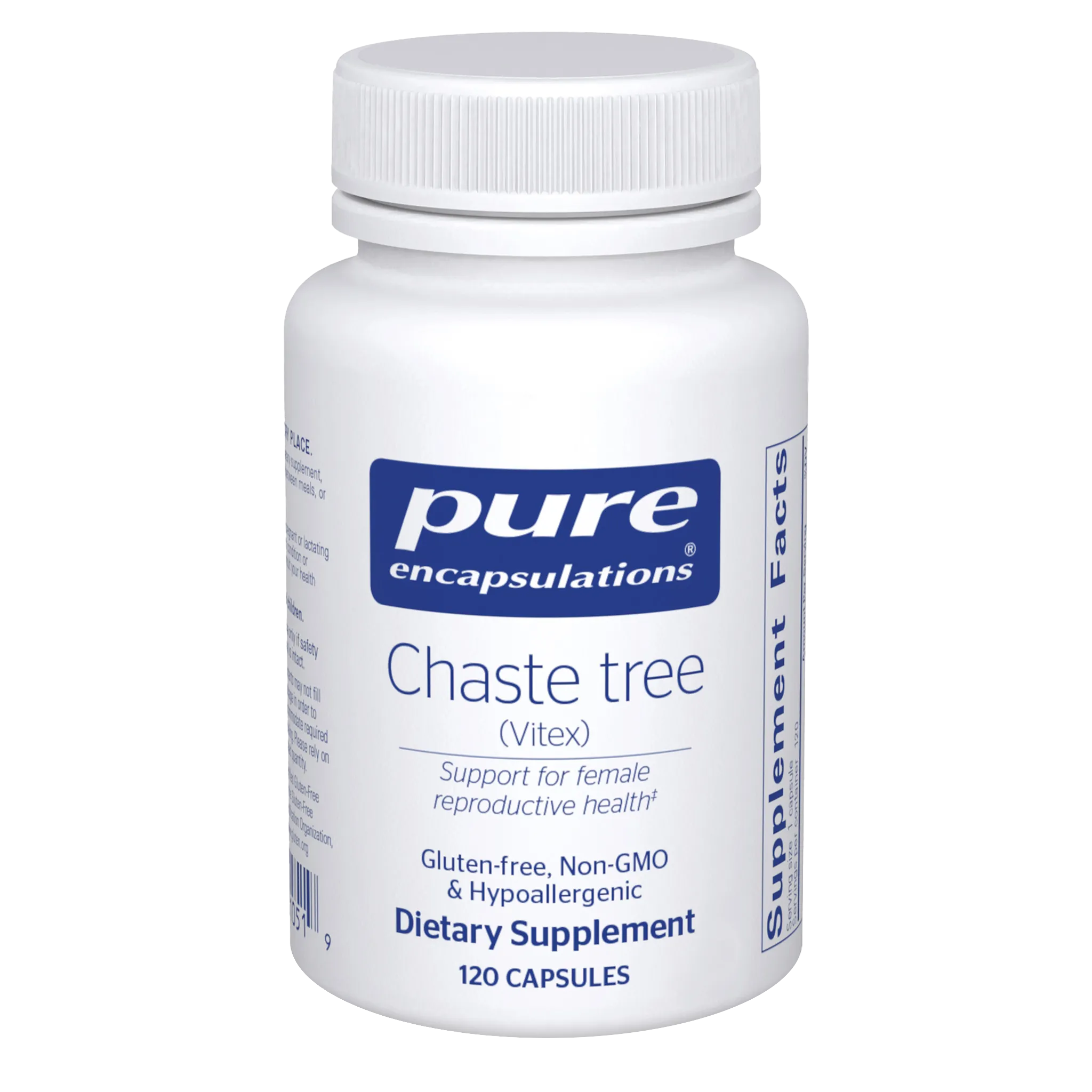
Dosage recommendations can vary significantly depending on the specific preparation and the clinical goal. In many European clinical trials evaluating PMS and PMDD, dosages of highly concentrated extracts range from 20 mg to 40 mg daily. However, whole fruit extracts or less concentrated preparations often require higher milligram amounts to achieve the same dopaminergic effect. The Pure Encapsulations Chaste Tree product provides 225 mg of Chaste tree (Vitex agnus-castus) extract (fruit) per vegetarian capsule. This dosage is designed to provide a robust, supportive amount of the whole-fruit phytochemical matrix. It is generally recommended to take Vitex once daily, ideally in the morning, as this aligns with the body's natural circadian rhythm of pituitary hormone secretion. It can be taken with or between meals, though taking it consistently at the same time each day is highly encouraged to maintain steady central nervous system signaling.
The Timeline for Clinical Efficacy
One of the most important practical considerations when starting Chaste Tree is managing expectations regarding the timeline for relief. Vitex is not a fast-acting symptom reliever like an NSAID or an antihistamine. Because its mechanism of action involves fundamentally remodeling the Hypothalamic-Pituitary-Ovarian (HPO) axis—altering GnRH pulsatility, normalizing prolactin, and rescuing corpus luteum development—it takes time for these systemic changes to manifest. You are essentially retraining the communication pathways between your brain and your ovaries.
Clinical guidelines consistently emphasize that Vitex must be taken daily, without interruption, for a minimum of three to six consecutive menstrual cycles to evaluate its full efficacy. Some women may notice subtle improvements in breast tenderness or mood within the first cycle or two, but the deeper stabilization of luteal phase length, the reduction of severe premenstrual chronic illness crashes, and the normalization of heavy bleeding typically require several months of continuous use. Patience and consistency are paramount; stopping the supplement prematurely because of a perceived lack of immediate results is a common pitfall.
Safety, Contraindications, and Interactions
While Chaste Tree is generally very well-tolerated and boasts a highly favorable safety profile compared to pharmaceutical hormone therapies, its potent mechanism of action means it is not suitable for everyone. Because Vitex directly influences neurotransmitters and reproductive hormones, it carries specific contraindications. First and foremost, it must not be taken by pregnant or lactating women. During pregnancy, the hormonal landscape is entirely different, and manipulating it can be dangerous. During lactation, the prolactin-lowering effects of Vitex can directly inhibit breast milk production.
Furthermore, because Vitex acts as a phyto-dopamine agonist, it can interact with medications that alter dopamine pathways. Patients taking prescription dopamine agonists (such as those used for Parkinson's disease or restless leg syndrome) or dopamine antagonists (such as certain antipsychotic medications or anti-nausea drugs like metoclopramide) should avoid Vitex, as it can either amplify or negate the effects of these drugs. Additionally, because Vitex alters endogenous hormone production, it may interfere with the efficacy of hormonal birth control pills, patches, or hormonal IUDs, as well as hormone replacement therapy (HRT). Patients utilizing these therapies should consult their healthcare provider before introducing Chaste Tree.
Monitoring Biomarkers and Lab Tests
For patients with complex chronic illnesses, integrating a new supplement should ideally be done alongside objective biomarker monitoring. If you suspect a luteal phase defect or hyperprolactinemia is driving your cyclical crashes, specific lab tests can provide clarity. A serum prolactin test can identify if elevated prolactin is the root cause of the HPO axis suppression. To assess the health of the luteal phase, a Day 21 Progesterone test (drawn roughly 7 days after confirmed ovulation) can reveal if the corpus luteum is producing adequate progesterone. Finally, given the high prevalence of heavy menstrual bleeding in these patient populations, a comprehensive iron panel, including serum ferritin, is crucial. Monitoring these biomarkers before starting Vitex and re-evaluating them after 3 to 6 months can provide concrete evidence of the supplement's impact on your endocrine and hematological health.

Follow the Science: Clinical Trials on Vitex
Efficacy in Premenstrual Syndrome (PMS) and PMDD
The clinical efficacy of Vitex agnus-castus is supported by a robust body of scientific literature, making it one of the most thoroughly researched botanical medicines in the field of gynecology. Its ability to alleviate the physical and psychological symptoms of premenstrual syndrome (PMS) and premenstrual dysphoric disorder (PMDD) has been validated across numerous randomized, double-blind, placebo-controlled trials. A landmark 2017 systematic review and meta-analysis evaluated 17 randomized controlled trials and found that Vitex was statistically superior to placebos in reducing total PMS symptom severity. The pooled effect size was large, denoting strong, clinically meaningful relief for patients suffering from cyclical mood swings, bloating, and irritability.
Furthermore, clinical trials have compared Vitex directly to pharmaceutical interventions. Studies comparing Vitex to selective serotonin reuptake inhibitors (SSRIs) like fluoxetine—a standard first-line treatment for PMDD—have shown mixed results. According to a systematic review, one study reported Vitex to be equivalent to fluoxetine, while in another, fluoxetine outperformed Vitex. Another systematic review of high-quality RCTs confirmed that Vitex is a safe and highly effective treatment for reducing both PMS and PMDD symptom severity, offering a vital alternative for patients who cannot tolerate the side effects of psychiatric medications.
Correcting Luteal Phase Defects and Hyperprolactinemia
Beyond symptom management, research has clearly elucidated Vitex's ability to correct the underlying endocrinological abnormalities that drive cyclical dysfunction. A classic double-blind, placebo-controlled trial investigated the effects of Vitex on women suffering from luteal phase defects caused by latent hyperprolactinemia. The study found that a daily dose of Vitex successfully lowered prolactin levels, significantly prolonged the shortened luteal phase, and restored normal mid-luteal progesterone synthesis, whereas the placebo group saw no such improvements.
This prolactin-lowering capability has also been compared to standard pharmaceutical dopamine agonists. Vitex has historically been compared to bromocriptine—a prescription medication used to treat hyperprolactinemia—at reducing serum prolactin levels and ameliorating cyclic breast pain, but with a significantly more favorable side-effect profile. By proving its ability to physically alter hormone concentrations in the blood, the scientific literature confirms that Vitex is not merely a palliative herb, but a potent modulator of the human endocrine system.
Emerging Data on Chronic Illness and Hormones
While the historical research on Vitex has focused primarily on healthy women with PMS or infertility, a new wave of research is illuminating the critical intersection of sex hormones and complex chronic illness. As the medical community grapples with the realities of post-viral syndromes, studies are increasingly validating the patient experience of cyclical symptom exacerbation. Separate survey data has revealed that over a third of menstruating individuals with Long COVID experience severe symptom worsening in the week before or during their menses, alongside high rates of irregular cycles and heavy bleeding.
Others emphasize the need to stabilize the hormonal fluctuations that trigger vascular dysfunction and neuroinflammation in Long COVID, ME/CFS, and POTS. While direct clinical trials evaluating Vitex specifically for Long COVID crashes are still needed, the established pharmacological mechanism of Vitex—its ability to correct luteal phase defects, boost progesterone, and prevent sharp estrogen drops—aligns perfectly with the theoretical models proposed by dysautonomia and neuroimmune researchers for mitigating these debilitating cyclical flares. Understanding do Long COVID symptoms come and go requires acknowledging this profound hormonal influence.
The Path Forward
Validating the Cyclical Struggle
Living with a complex chronic illness is an exercise in profound resilience. When your baseline is already defined by debilitating fatigue, cognitive impairment, and autonomic instability, the addition of a severe, hormonally driven crash every month can feel insurmountable. For decades, women presenting with these cyclical exacerbations have been dismissed, told that their profound neurological and vascular flares were "just normal PMS" or a manifestation of anxiety. It is vital to validate that your experience is real. The physiological chaos that occurs when estrogen and progesterone fluctuate in a compromised neuroimmune system is a documented, scientific reality. Recognizing the menstrual cycle as a primary trigger is a crucial step in regaining a sense of control over your health.
Integrating Vitex into Your Management Plan
Managing conditions like Long COVID, ME/CFS, POTS, and MCAS requires a comprehensive, multi-layered approach. There is no single magic pill, but rather a constellation of targeted interventions that work together to raise your baseline. Chaste Tree (Vitex agnus-castus) represents a powerful, biologically plausible tool for addressing one specific, highly disruptive variable: the hormonal rollercoaster. By acting as a phyto-dopamine agonist, lowering prolactin, and supporting the integrity of the luteal phase, Vitex offers a way to smooth out the sharp drops in progesterone that trigger systemic inflammation, vascular collapse, and mast cell degranulation.
However, Vitex should be viewed as one piece of a broader management puzzle. It is most effective when combined with diligent symptom tracking, aggressive pacing during the premenstrual window, optimization of iron and ferritin stores, and comprehensive medical care. If you suspect that your chronic illness symptoms are heavily influenced by your menstrual cycle, we encourage you to discuss the potential benefits of Chaste Tree with your healthcare provider. Together, you can determine if this botanical modulator is a safe and appropriate addition to your unique treatment protocol.
Sources
Agnus castus extracts inhibit prolactin secretion of rat pituitary cells. Horm Metab Res. 1993
One-year quality of life among post-hospitalization COVID-19 patients. Front Public Health (2023)
Premenstrual Syndrome, Female Hormones and ME/CFS. The ME Association (2018)
Vitex Agnus-Castus: Which Benefits of Chasteberry Are Backed by Science? Healthline