Can CellGuard-NR Support Cellular Energy and Repair in Long COVID and ME/CFS?
March 5, 2026
CellGuard-NRNicotinamide RibosideLong COVID
Share:
Disclaimer: The information provided here is for educational purposes only and is not intended as medical advice. It should not be used to diagnose, treat, cure, or prevent any medical condition. Instead, use it as a starting point for discussion with your healthcare provider. Always consult with a qualified healthcare provider before starting any new medication, supplement, device, or making changes to your health regimen.
Months, or even years, after an initial viral infection, many individuals find themselves trapped in a cycle of debilitating fatigue, cognitive dysfunction, and systemic inflammation. If you are living with Long COVID, myalgic encephalomyelitis/chronic fatigue syndrome (ME/CFS), or dysautonomia, you know intimately how these invisible illnesses can dismantle your daily life. The frustration of experiencing profound exhaustion after minor exertion—known as post-exertional malaise (PEM)—or battling relentless brain fog is compounded by a medical system that often lacks clear answers. You are not simply "tired"; your body is experiencing a profound cellular energy crisis.
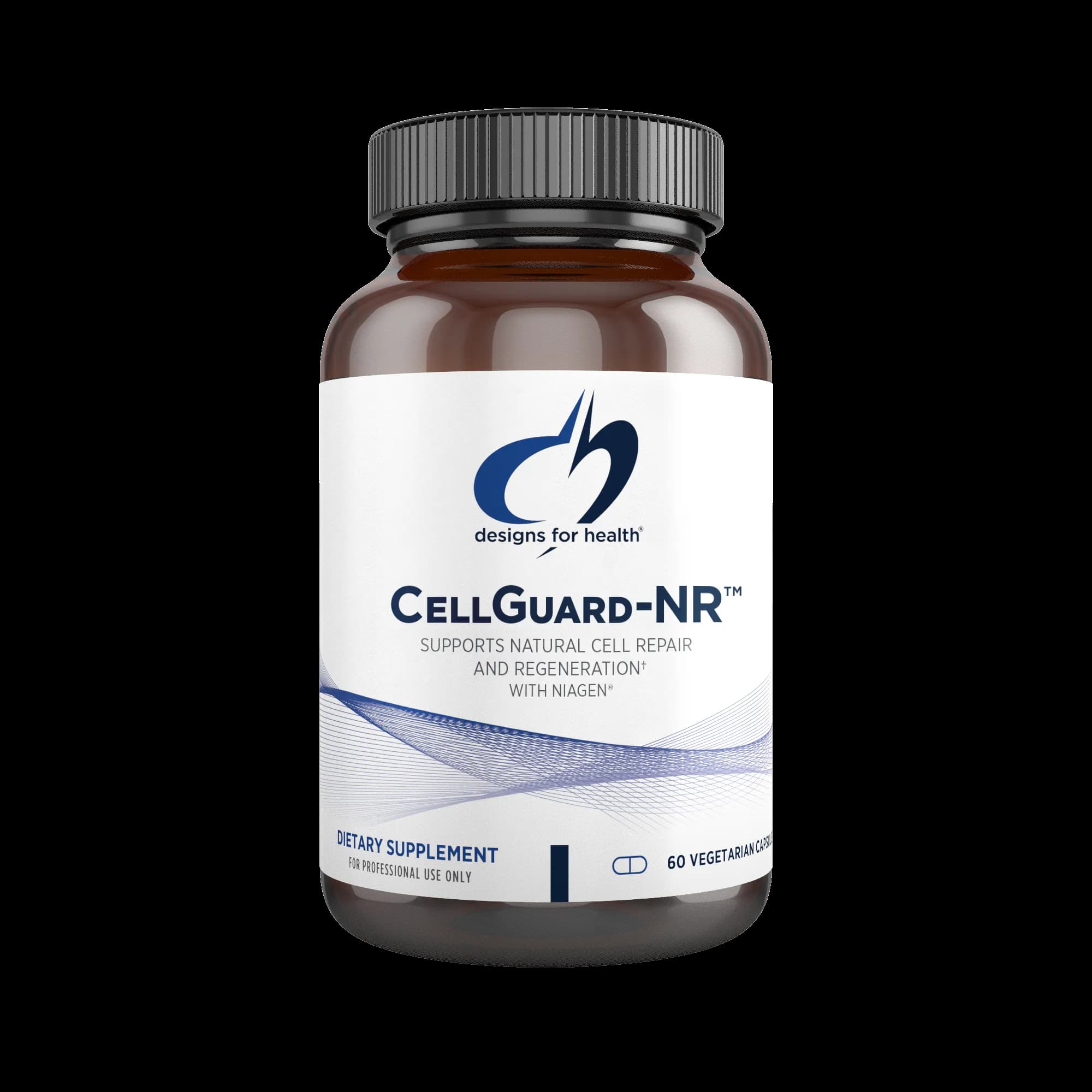
At the heart of this energy crisis lies the mitochondria, the powerhouses of our cells, and the complex biochemical pathways that sustain them. Recent medical research has increasingly focused on how viral infections and chronic inflammation deplete essential cellular molecules, leaving the body unable to repair itself or generate sufficient energy. This is where targeted nutritional support comes into play. CellGuard-NR™ by Designs for Health is a specialized supplement formulated to address these exact cellular deficits. By combining nicotinamide riboside (NR), resveratrol, pterostilbene, and curcuminoids, it aims to restore cellular energy production, combat oxidative stress, and support healthy inflammatory responses. In this comprehensive guide, we will explore the deep science behind CellGuard-NR™ and how it may support your journey toward reclaiming your health.
TL;DR
CellGuard-NR combines nicotinamide riboside, resveratrol, pterostilbene, and curcuminoids to support cellular energy and resilience.
It may help manage fatigue, brain fog, and post-exertional malaise by supporting mitochondrial function.
The supplement targets oxidative stress and healthy inflammatory responses often disrupted in chronic conditions.
Always consult your healthcare provider before starting new supplements, especially if taking prescription medications.
What is CellGuard-NR?
The Foundation of Cellular Resilience
To understand how CellGuard-NR™ works, we must first look at the natural functions of its key ingredients within a healthy body. At its core, this supplement is designed to support cellular resilience—the ability of our cells to withstand stress, repair damage, and maintain optimal energy output. In a healthy state, our cells are constantly balancing energy production with the neutralization of metabolic byproducts, such as reactive oxygen species (ROS). When this balance is maintained, we experience sustained physical energy, clear cognitive function, and a robust immune system. However, maintaining this equilibrium requires a constant supply of specific coenzymes and antioxidants.
CellGuard-NR™ provides a unique, synergistic blend of four powerful compounds: nicotinamide riboside chloride (NR), trans-resveratrol, pterostilbene, and curcuminoids. Each of these ingredients targets a distinct but interconnected pathway within the cellular ecosystem. Rather than simply acting as a stimulant to mask fatigue, these compounds work at the molecular level to rebuild the foundational infrastructure of the cell. By supporting the biochemical pathways that govern energy metabolism and DNA repair, they help the body return to a state of homeostasis.
Nicotinamide Riboside and the NAD+ Pathway
The cornerstone of CellGuard-NR™ is nicotinamide riboside (NR), a highly efficient, naturally occurring derivative of vitamin B3. NR is a direct building block for Nicotinamide Adenine Dinucleotide (NAD+), a critical coenzyme found in every living cell. NAD+ is absolutely essential for life; it is involved in over 500 enzymatic reactions in the human body. Its primary role is to act as an electron transporter within the mitochondria. During the processes of glycolysis and the Krebs cycle, NAD+ accepts electrons to become NADH, which then carries these electrons to the mitochondrial electron transport chain to generate adenosine triphosphate (ATP)—the cellular currency of energy.
What makes NR particularly unique is its biochemical pathway. Unlike older NAD+ precursors such as standard niacin or nicotinamide, NR bypasses the rate-limiting enzyme NAMPT. Once inside the cell, NR is phosphorylated by specific enzymes called nicotinamide riboside kinases (NRK1 and NRK2) into nicotinamide mononucleotide (NMN), which is then rapidly converted directly into NAD+. This highly efficient two-step process allows NR to safely and effectively elevate intracellular NAD+ levels without causing the uncomfortable "flushing" skin reaction associated with high doses of standard niacin.
The Synergistic Power of Resveratrol and Pterostilbene
Working in tandem with NR are resveratrol and pterostilbene, two naturally occurring polyphenols belonging to the stilbene family. Resveratrol is famously found in the skins of red grapes, while pterostilbene is abundant in blueberries. Both compounds are potent antioxidants, but their true power lies in their ability to act as Sirtuin-Activating Compounds (STACs). Sirtuins, specifically SIRT1 and SIRT3, are a family of NAD+-dependent enzymes known as "longevity proteins." They regulate mitochondrial biogenesis, reduce oxidative stress, and manage cellular inflammation. Because sirtuins strictly require NAD+ to function, combining resveratrol and pterostilbene with an NAD+ booster like NR creates a powerful synergistic effect.
At the molecular level, research on resveratrol's activation of SIRT1 shows that in vitro activation depends on the presence of a covalently attached fluorophore on the substrate, indicating the mechanism is more complex than direct allosteric activation. While they share similar mechanisms, pterostilbene's unique molecular structure—featuring two methoxy groups instead of hydroxyl groups—makes it significantly more lipophilic. This grants pterostilbene an estimated 80% oral bioavailability and a much longer half-life in the bloodstream compared to resveratrol, ensuring sustained cellular protection.
Curcuminoids and the Inflammatory Response
The final key component of CellGuard-NR™ is a specialized dose of curcuminoids, the active compounds derived from turmeric (Curcuma longa). Curcuminoids are globally recognized for their profound immunomodulatory and anti-inflammatory properties. In a healthy immune system, inflammation is a temporary, highly regulated response to injury or infection. However, when the immune system becomes dysregulated, it can produce a continuous stream of pro-inflammatory cytokines, leading to systemic tissue damage and profound fatigue.
Curcuminoids intervene in this process by directly inhibiting the activation of nuclear factor-kappa B (NF-κB), a primary transcription factor that acts as the "master switch" for inflammation. By blocking NF-κB, curcumin is widely noted in the literature to downregulate the production of inflammatory cytokines such as interleukin-6 (IL-6), tumor necrosis factor-alpha (TNF-α), and interleukin-1 beta (IL-1β). Furthermore, curcuminoids upregulate NRF2, a genetic pathway that boosts the body's endogenous antioxidant defenses. This dual action—halting pro-inflammatory signals while simultaneously boosting antioxidant capacity—makes curcuminoids an invaluable tool for maintaining cellular health and preventing inflammatory damage to the mitochondria.
How Long COVID and ME/CFS Impact Cellular Energy
The Viral Hijacking of NAD+ Reserves
To grasp why CellGuard-NR™ is so relevant to complex chronic illnesses, we must examine What Causes Long COVID and how it alters cellular metabolism. When the SARS-CoV-2 virus enters the body, it initiates a massive cellular stress response. The immune system rapidly consumes vast amounts of NAD+ to fuel the production of immune cells and to activate PARPs (Poly ADP-ribose polymerases), which are enzymes responsible for repairing virus-induced DNA damage. This intense, prolonged immune battle severely depletes the body's systemic NAD+ reserves.
In patients who develop Long COVID or ME/CFS, this NAD+ depletion does not resolve after the acute infection clears. Instead, the body remains locked in a state of chronic "energy stress." A major clinical hypothesis suggests that systemic inflammation impairs the kynurenine pathway, actively limiting the body's natural ability to synthesize new NAD+ from the amino acid tryptophan. Without sufficient NAD+, the mitochondria cannot efficiently transport electrons, leading to a catastrophic drop in ATP production. This cellular energy crisis is the physiological root of the debilitating fatigue and post-exertional malaise (PEM) that patients experience daily.
Mitochondrial Dysfunction and the Energy Crisis
The depletion of NAD+ triggers a vicious cycle of mitochondrial dysfunction. Mitochondria are highly sensitive to their environment; when NAD+ levels fall, the sirtuin enzymes (SIRT1 and SIRT3) lose their required fuel and become inactive. Without active sirtuins to regulate mitochondrial quality control, damaged and inefficient mitochondria begin to accumulate within the cells. These dysfunctional powerhouses produce less ATP and generate higher amounts of toxic reactive oxygen species (ROS), further damaging the cellular machinery.
This mitochondrial impairment is particularly devastating in tissues that require massive amounts of energy, such as the brain, heart, and skeletal muscles. When you attempt to exert yourself physically or cognitively, your cells simply cannot meet the ATP demand. This metabolic failure forces the cells to switch to less efficient, anaerobic energy production, which generates lactic acid and causes rapid muscle fatigue. This is why pushing through the exhaustion is not only ineffective but actively harmful, and why understanding How Long Does Long COVID Last? requires looking at mitochondrial recovery timelines.
The Persistent Inflammatory Loop
In conditions like Long COVID, ME/CFS, and mast cell activation syndrome (MCAS), the immune system remains in a hyper-vigilant, continuously activated state. This persistent neuroinflammation is driven by elevated levels of circulating cytokines, particularly IL-6 and TNF-α. These inflammatory molecules cross the blood-brain barrier, activating microglial cells in the brain and causing the profound cognitive dysfunction commonly referred to as "brain fog."
This chronic inflammation creates a destructive feedback loop with mitochondrial dysfunction. The reactive oxygen species produced by failing mitochondria act as signaling molecules that further activate the NF-κB inflammatory pathway, which in turn produces more cytokines that cause additional mitochondrial damage. Breaking this cycle is incredibly difficult without targeted interventions that can simultaneously address both the oxidative stress and the inflammatory signaling. This interconnected pathology helps explain Can Long COVID Trigger ME/CFS? Unraveling the Connection, as both conditions share this core inflammatory-metabolic dysfunction.
CD8 T-Cell Exhaustion and Immune Dysregulation
Recent immunological research has uncovered another critical piece of the chronic illness puzzle: T-cell exhaustion. A recent study on ME/CFS and Long COVID identified a pronounced dysfunction in CD8 T-cells, the immune cells responsible for clearing viral infections. In these patients, CD8 T-cells produced markedly less interferon-gamma (IFN-γ) and TNF-α when stimulated, indicating a state of profound cellular exhaustion.
This immune exhaustion is directly tied to the metabolic crisis. T-cells require massive amounts of ATP and NAD+ to function, proliferate, and mount an effective defense. When the systemic NAD+ pool is depleted, these immune cells become metabolically paralyzed. They can neither fully clear lingering viral reservoirs nor return to a restful state, leaving the patient vulnerable to persistent symptoms, latent viral reactivations (such as Epstein-Barr Virus), and ongoing systemic dysregulation.
CellGuard-NR: Supporting Cellular Repair and Energy
Restoring the NAD+ Pool for ATP Production
CellGuard-NR™ is specifically engineered to intervene in the vicious cycles of metabolic dysfunction and chronic inflammation. The primary mechanism of action centers on the 300 mg dose of nicotinamide riboside (NR). By providing a highly bioavailable, direct precursor to NAD+, NR effectively bypasses the inflammatory blockades in the kynurenine pathway. Once inside the cells, NR is rapidly converted into NAD+, replenishing the depleted systemic pools.
This restoration of NAD+ has an immediate and profound impact on mitochondrial ATP production. With an adequate supply of NAD+ to act as electron transporters, the mitochondrial electron transport chain can resume efficient oxidative phosphorylation. This means the cells can once again generate the vast amounts of ATP required for normal physiological function. For patients suffering from severe fatigue, this mechanistic restoration of cellular energy is a critical step toward raising their baseline functional capacity and reducing the severity of post-exertional crashes.
Activating the Sirtuin Longevity Pathways
Replenishing NAD+ is only half the battle; the cells must also repair the damage caused by months or years of oxidative stress. This is where the combination of NR, resveratrol, and pterostilbene shines. As NR restores the NAD+ fuel supply, resveratrol and pterostilbene act as allosteric activators, essentially "turning on" the SIRT1 and SIRT3 longevity enzymes. This synergistic activation initiates a massive cellular cleanup process.
Once activated, these sirtuins deacetylate and activate PGC-1α, the master regulator of mitochondrial biogenesis. This prompts the cells to dismantle old, dysfunctional mitochondria (a process called mitophagy) and construct new, highly efficient ones. Furthermore, SIRT1 activation modulates the FOXO1 and p53 pathways, which protects the cells from apoptosis (programmed cell death) and reduces cellular senescence. This comprehensive mitochondrial remodeling is essential for recovering from the deep metabolic damage inflicted by Long COVID and ME/CFS.
Neutralizing Oxidative Stress and Free Radicals
The oxidative burden in chronic illness is immense, and neutralizing it requires a multi-faceted approach. The resveratrol and pterostilbene in CellGuard-NR™ act as direct scavengers of reactive oxygen species (ROS), protecting the delicate lipid membranes of the cells and mitochondria from lipid peroxidation. Because pterostilbene is highly lipophilic, it excels at penetrating these cellular membranes to provide deep antioxidant protection where it is needed most.
Simultaneously, the curcuminoids in the formula activate the NRF2 genetic pathway. NRF2 is often referred to as the "master regulator of antioxidant defense." When activated, it travels to the cell nucleus and triggers the production of the body's own powerful endogenous antioxidants, such as glutathione, superoxide dismutase (SOD), and catalase. This combined direct and indirect antioxidant action helps to rapidly quench the oxidative fire that is damaging the mitochondria and perpetuating the cycle of fatigue.
Modulating the Cytokine Storm
Finally, CellGuard-NR™ addresses the persistent neuroinflammation that drives cognitive dysfunction and systemic pain. The curcuminoids play the lead role here by potently inhibiting the NF-κB transcription factor. By blocking this inflammatory master switch, curcumin is generally understood to downregulate the production of pro-inflammatory cytokines like IL-6 and TNF-α, which are notoriously elevated in Long COVID and ME/CFS patients.
This reduction in circulating cytokines has profound downstream effects. It helps to calm the hyper-activated microglial cells in the brain, potentially alleviating the neuroinflammation responsible for brain fog and sensory overload. Furthermore, by reducing the systemic inflammatory burden, the immune system can begin to shift out of its exhausted, hyper-vigilant state, allowing the CD8 T-cells to recover their metabolic function and restoring a more balanced, healthy immune response.
Symptoms CellGuard-NR May Help Manage
Targeting the Core Symptoms of Chronic Illness
Because CellGuard-NR™ targets the foundational cellular mechanisms of energy production, antioxidant defense, and inflammatory modulation, it has the potential to support a wide array of systemic symptoms. While it is not a cure, restoring NAD+ levels and reducing oxidative stress can significantly improve quality of life for those managing complex chronic conditions. If you are wondering What Are the Symptoms of Long COVID? that this supplement might address, here is a detailed breakdown:
Profound Fatigue and PEM: By directly supplying nicotinamide riboside to boost NAD+ levels, CellGuard-NR supports the mitochondrial electron transport chain. This enhances cellular ATP production, potentially raising your energy baseline and reducing the severity and duration of post-exertional malaise (PEM) crashes.
Brain Fog and Cognitive Dysfunction: The curcuminoids and pterostilbene in the formula possess potent anti-inflammatory properties that can cross the blood-brain barrier. By inhibiting NF-κB and reducing neuroinflammatory cytokines like IL-6, they may help clear the cognitive cloudiness, memory issues, and lack of focus associated with Long COVID and ME/CFS.
Systemic Joint and Muscle Pain: Chronic pain in these conditions is often driven by persistent, low-grade systemic inflammation and oxidative damage to muscle tissues. The synergistic antioxidant action of resveratrol, pterostilbene, and curcuminoids helps neutralize reactive oxygen species and calm the inflammatory pathways that sensitize pain receptors.
Cardiovascular and Dysautonomia Symptoms: Pterostilbene and resveratrol are well-documented to support cardiovascular health by promoting healthy endothelial function and blood flow. This vascular support, combined with improved mitochondrial energy in the heart muscle, may assist in managing the palpitations and poor circulation often seen in dysautonomia and POTS.
Immune Exhaustion and Susceptibility: By restoring systemic NAD+ pools, CellGuard-NR provides the necessary metabolic fuel for exhausted immune cells, such as CD8 T-cells. This metabolic restoration helps the immune system regulate itself more effectively, potentially reducing the frequency of viral reactivations and supporting a more balanced immune response.
Practical Considerations: Forms, Dosing, and Absorption
The Bioavailability Advantage of Pterostilbene
When evaluating any supplement, understanding its bioavailability—how much of the active ingredient actually reaches your systemic circulation—is crucial. CellGuard-NR™ is formulated with specific, highly bioavailable forms of its active compounds. A prime example is the inclusion of pterostilbene alongside resveratrol. While resveratrol is a powerful STAC (Sirtuin-Activating Compound), it is rapidly metabolized by the liver, resulting in an oral bioavailability of less than 20% and a short half-life of about 14 minutes.
Pterostilbene solves this pharmacokinetic challenge. Because its molecular structure features two methoxy groups, it is highly lipophilic and resists rapid degradation in the liver. This grants pterostilbene an impressive 80% oral bioavailability and a significantly longer half-life of approximately 105 minutes. By combining both resveratrol and pterostilbene, CellGuard-NR™ ensures both immediate and sustained activation of the SIRT1 longevity pathways, maximizing the cellular benefits.
Optimal Dosing and Timing Strategies
The suggested use for CellGuard-NR™ is two capsules per day, which provides a clinically relevant dose of 300 mg of nicotinamide riboside (as Niagen®), 100 mg of resveratrol, 50 mg of pterostilbene, and 50 mg of curcuminoids. Because the active polyphenols (resveratrol, pterostilbene, and curcumin) are fat-soluble, it is highly recommended to take this supplement alongside a meal that contains healthy fats, such as avocado, olive oil, or nuts. This dietary fat significantly enhances the absorption of these compounds across the intestinal wall.
Regarding timing, many patients find it beneficial to take their dose in the morning or early afternoon. Because NR actively stimulates mitochondrial ATP production and cellular energy metabolism, taking it too late in the evening could potentially interfere with sleep onset in sensitive individuals. Splitting the dose—one capsule with breakfast and one with lunch—can also help maintain steady plasma concentrations of the active ingredients throughout the most demanding parts of your day.
Potential Interactions and Contraindications
While the ingredients in CellGuard-NR™ are generally recognized as safe and well-tolerated, there are important clinical considerations. Curcuminoids and resveratrol both possess mild antiplatelet (blood-thinning) properties. Therefore, individuals taking prescription anticoagulants (such as warfarin or Eliquis) or antiplatelet drugs should consult their healthcare provider before starting this supplement, as it may increase the risk of bruising or bleeding.
Additionally, because these compounds actively modulate liver enzymes involved in drug metabolism (such as the cytochrome P450 system), they can potentially alter the blood levels of certain prescription medications. Pregnant or nursing women, as well as children, should avoid this supplement due to a lack of comprehensive safety data in these specific populations. Always discuss new supplements with your medical team to ensure they fit safely into your broader treatment protocol.
Setting Realistic Expectations for Recovery
It is vital to set realistic expectations when beginning a cellular repair protocol. CellGuard-NR™ is not a quick-fix stimulant like caffeine; it works by fundamentally rebuilding your cellular infrastructure and restoring depleted NAD+ pools. This biological remodeling takes time. Clinical trials studying NAD+ precursors in chronic fatigue populations often note that while some patients feel subtle energy shifts within a few weeks, the most profound and statistically significant improvements in fatigue, sleep quality, and cognitive function typically emerge after 8 to 12 weeks of consistent daily supplementation. Patience and consistency are key when addressing deeply rooted mitochondrial dysfunction.
Follow the Science
Clinical Trials on Nicotinamide Riboside for Long COVID
The scientific community has rapidly mobilized to investigate the therapeutic potential of NAD+ precursors for post-viral syndromes. A highly anticipated 2025 randomized, double-blind clinical trial conducted by Mass General Brigham and Harvard Medical School evaluated the effects of high-dose nicotinamide riboside on 58 patients with Long COVID. The study confirmed that NR safely and successfully boosted blood NAD+ levels by up to 3.1-fold.
While the initial 5-week data showed modest results, exploratory analyses revealed that participants who took NR consistently for at least 10 weeks experienced notable, within-group improvements in self-reported fatigue, sleep quality, depressive symptoms, and executive functioning. Furthermore, ongoing large-scale trials, such as the MINIRICO trial in Norway, are currently evaluating the impact of 2000 mg of daily NR on systemic inflammation and cognitive function in over 300 Long COVID patients, underscoring the medical community's confidence in this metabolic pathway.
Curcumin's Impact on ME/CFS and Neuroinflammation
Other literature has explored curcumin's potential for post-viral fatigue. Some researchers have noted that supplementing with enhanced-absorption curcumin may help decrease CFS-related symptom scores, particularly regarding fatigue and post-exertional malaise, with symptomatic reduction often most pronounced in patients with mild-to-moderate disease severity.
Additionally, recent studies on Long COVID have demonstrated that curcumin supplementation significantly lowers post-trial concentrations of the pro-inflammatory markers IL-6 and MCP-1 compared to a placebo. By effectively crossing the blood-brain barrier and downregulating these specific cytokines, curcumin provides a targeted, evidence-based approach to mitigating the neuroinflammation that drives chronic brain fog and sensory sensitivity.
Resveratrol and Pterostilbene in Human Studies
The synergistic effects of resveratrol and pterostilbene are well-documented in human longevity and cardiovascular research. The landmark RESHAW (Resveratrol for Healthy Aging in Women) clinical trial demonstrated that chronic supplementation with Veri-te™ resveratrol safely improved cognitive health, enhanced cerebral blood flow, and supported overall vascular function over a 24-month period.
Similarly, other literature has explored pterostilbene's profound ability to protect cellular mitochondria from ischemia-reperfusion injury. Other studies suggest that pterostilbene binds directly to the active pocket of the SIRT1 enzyme, rescuing cells from oxidative death at much lower concentrations than resveratrol alone. This robust body of evidence validates the inclusion of these specific polyphenols in a comprehensive cellular repair formula like CellGuard-NR™.
The Path Forward
Validating Your Chronic Illness Journey
Living with a complex chronic illness like Long COVID, ME/CFS, or dysautonomia is an incredibly isolating and exhausting experience. It is vital to recognize that your symptoms are not in your head; they are the result of profound, measurable disruptions in your cellular metabolism, mitochondrial function, and immune regulation. Understanding the deep biochemistry behind your fatigue and brain fog is the first step toward regaining a sense of agency over your health. You are battling a systemic energy crisis, and your body requires targeted, scientifically grounded support to rebuild its foundational resilience.
While the journey to recovery is rarely linear, the rapidly expanding body of research surrounding NAD+ restoration, sirtuin activation, and inflammatory modulation offers genuine hope. By addressing the root causes of cellular dysfunction—replenishing depleted NAD+ pools, neutralizing rampant oxidative stress, and calming the cytokine storm—you can begin to create an internal environment where healing is biologically possible.
A Comprehensive Approach to Healing
It is important to remember that supplements are just one piece of a comprehensive management strategy. To truly support your body, CellGuard-NR™ should be integrated into a holistic protocol that includes aggressive resting, meticulous symptom tracking, pacing to avoid PEM, and ongoing guidance from a dysautonomia or Long COVID literate healthcare provider. If you are struggling to navigate daily life, learning How Can You Live with Long-Term COVID involves combining these targeted nutritional interventions with compassionate lifestyle adaptations.
If you and your healthcare provider determine that supporting your cellular energy and antioxidant status is the right next step for your recovery protocol, you can learn more about this specific formulation below. Always consult your medical team before introducing new supplements to ensure they align safely with your unique health needs and current medications.