Can CatecholaCalm™ Support the "Wired and Tired" Symptoms of Long COVID and Dysautonomia?
March 5, 2026
CatecholaCalmLong COVIDDysautonomia
Share:
Disclaimer: The information provided here is for educational purposes only and is not intended as medical advice. It should not be used to diagnose, treat, cure, or prevent any medical condition. Instead, use it as a starting point for discussion with your healthcare provider. Always consult with a qualified healthcare provider before starting any new medication, supplement, device, or making changes to your health regimen.
Living with complex chronic conditions like Long COVID, myalgic encephalomyelitis/chronic fatigue syndrome (ME/CFS), and dysautonomia often feels like being trapped in a body that cannot find its "off" switch. Patients frequently describe a debilitating state of being simultaneously exhausted yet entirely unable to relax—a phenomenon commonly referred to as being "wired and tired." This paradoxical state is not merely psychological; it is deeply rooted in the physiological dysregulation of the body's stress response systems, specifically the hypothalamic-pituitary-adrenal (HPA) axis and the autonomic nervous system. When these systems misfire, the body becomes flooded with stress hormones, leaving patients battling severe fatigue, racing heart rates, brain fog, and unyielding anxiety.
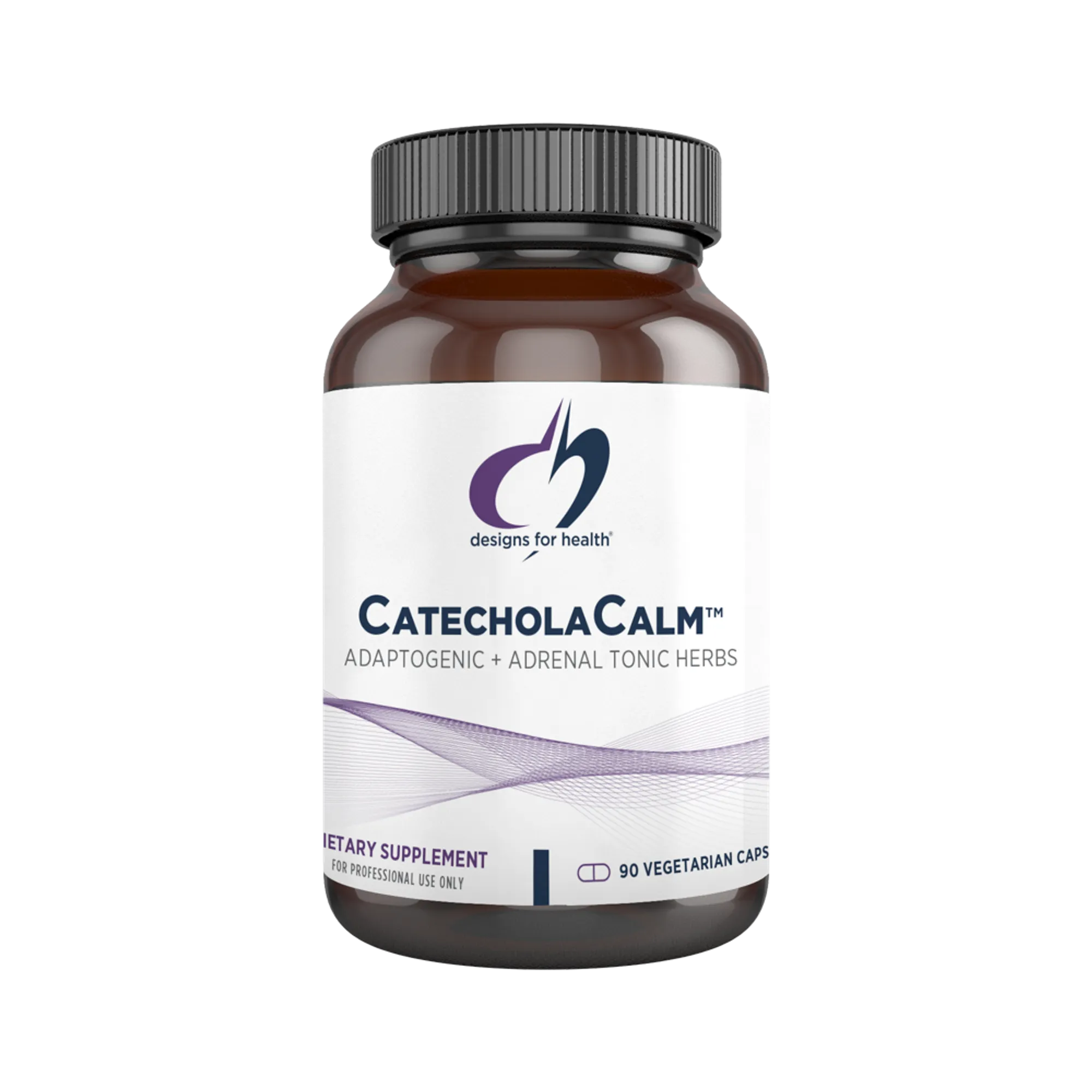
Finding equilibrium in this chaotic internal environment requires targeted, scientifically grounded support. CatecholaCalm™ by Designs for Health is a specialized formulation designed to address this exact physiological gridlock. By combining powerful adaptogenic botanicals, targeted amino acids, and essential vitamin cofactors, this supplement aims to support healthy catecholamine metabolism and promote a profound sense of neurological calmness. In this comprehensive guide, we will explore the intricate biochemistry of how your body manages stress, how post-viral illnesses disrupt these pathways, and how the specific ingredients in CatecholaCalm™ work at a cellular level to help restore balance and improve your quality of life.
TL;DR
Chronic conditions like Long COVID disrupt the HPA axis, often causing a debilitating "wired and tired" state.
CatecholaCalm™ blends adaptogens and nutrients that may help balance stress hormones and calm the nervous system.
Ingredients like Ashwagandha and L-Theanine support cognitive function, healthy cortisol levels, and restorative rest.
Always consult your healthcare provider before starting new supplements to ensure they fit your comprehensive management plan.
What is CatecholaCalm™?
The Role of Catecholamines in the Body
To understand how CatecholaCalm™ works, we must first understand the biological chemicals it is designed to regulate: catecholamines. Catecholamines are a family of vital neurotransmitters and hormones that include dopamine, norepinephrine (noradrenaline), and epinephrine (adrenaline). These powerful molecules are produced primarily in the brain, nerve tissues, and the adrenal glands. In a healthy body, catecholamines are the chemical messengers responsible for the "fight or flight" response. When you encounter a stressor, your brain signals the release of these chemicals, which rapidly increase your heart rate, elevate your blood pressure, and redirect blood flow to your muscles and brain, preparing you to either confront the danger or flee from it.
However, the body is not designed to remain in this heightened state of arousal indefinitely. Once the acute threat has passed, a healthy nervous system deploys specific enzymes to break down and clear out these excitatory chemicals, allowing the body to return to a state of "rest and digest" (parasympathetic tone). The two primary enzymes responsible for this crucial cleanup process are Catechol-O-methyltransferase (COMT) and Monoamine oxidase (MAO). When these enzymatic pathways are functioning optimally, you experience a natural ebb and flow of energy and alertness. When they are impaired or overwhelmed by chronic illness, catecholamines accumulate, leading to a persistent, toxic state of hyper-arousal and neurological stress.
The HPA Axis and the Stress Response
The production and regulation of catecholamines are tightly controlled by the hypothalamic-pituitary-adrenal (HPA) axis, the body's central command center for stress management. The HPA axis involves a complex feedback loop between the hypothalamus (a small region at the base of the brain), the pituitary gland (located just below the hypothalamus), and the adrenal glands (situated on top of the kidneys). When the brain perceives stress, the hypothalamus releases corticotropin-releasing hormone (CRH), which prompts the pituitary gland to secrete adrenocorticotropic hormone (ACTH). ACTH travels through the bloodstream to the adrenal glands, stimulating the release of cortisol and catecholamines.
Cortisol, often called the primary stress hormone, plays a dual role. In the short term, it mobilizes glucose for immediate energy and suppresses non-essential functions like digestion and immune responses. Crucially, cortisol also provides "negative feedback" to the hypothalamus and pituitary gland. As cortisol levels rise in the blood, the brain senses this elevation and shuts down the production of CRH and ACTH, effectively turning off the stress response. This elegant feedback loop ensures that the body does not burn out its physiological resources. However, in complex chronic illnesses, this delicate axis becomes profoundly dysregulated, breaking the feedback loop and leaving the body vulnerable to continuous, unchecked stress signaling.
A Synergistic Blend for Nervous System Balance
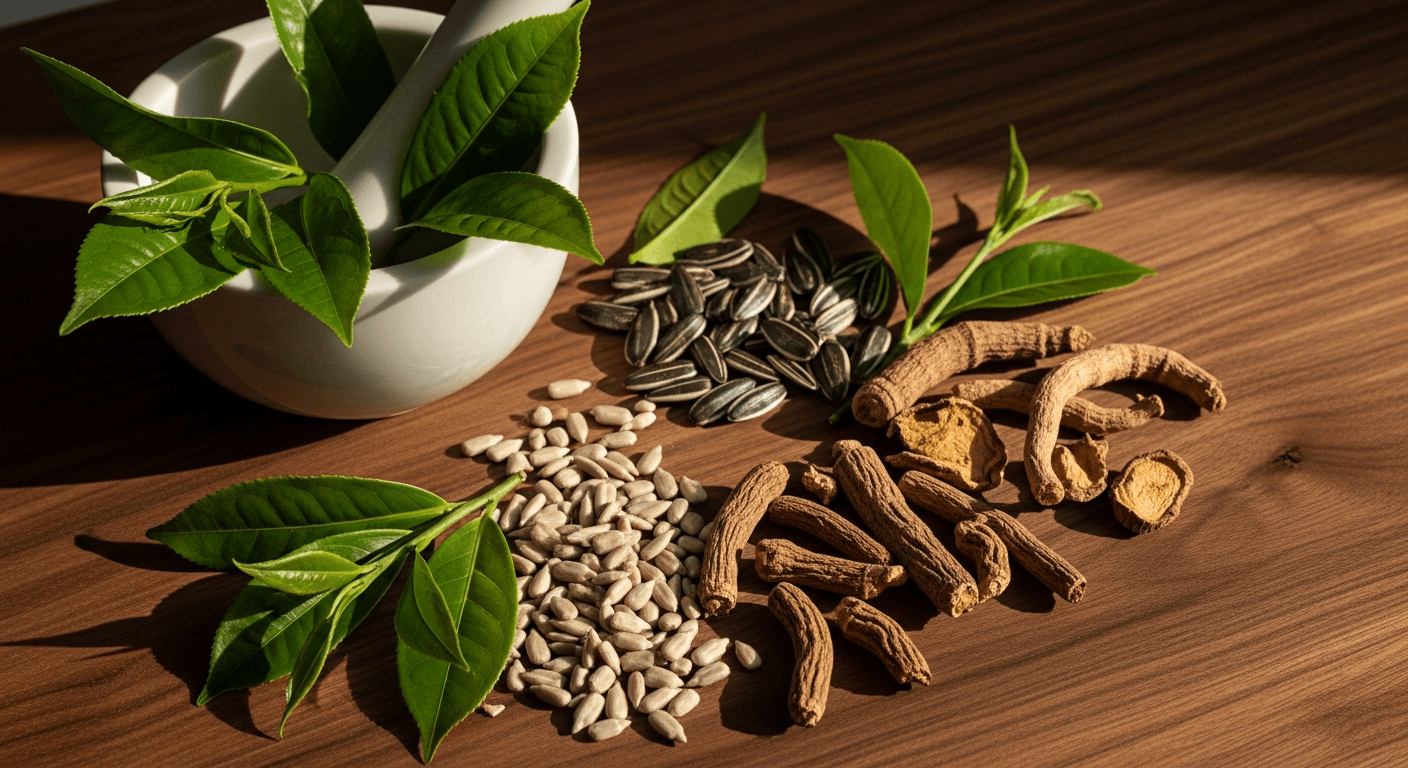
CatecholaCalm™ is specifically engineered to support the body at multiple points along these complex biochemical pathways. Rather than relying on a single mechanism, it utilizes a synergistic blend of ingredients to address both the overproduction of stress hormones and the underperformance of the enzymes needed to clear them. The formula includes adaptogenic herbs like Ashwagandha, Lemon Balm, and Passion Flower, which have been traditionally and clinically used to modulate the HPA axis and calm the central nervous system. These botanicals work in concert to dampen the excessive firing of stress signals from the brain to the adrenal glands.
Simultaneously, CatecholaCalm™ provides the precise nutritional cofactors required for the synthesis and degradation of neurotransmitters. It includes a robust profile of B-vitamins (including Thiamin, Riboflavin, B6, B12, and Pantothenic Acid), Vitamin C, and Magnesium. These nutrients act as the biological "spark plugs" for the COMT and MAO enzymes, ensuring that once catecholamines have served their purpose, they are efficiently dismantled and cleared from the body. Furthermore, the inclusion of amino acids like L-Theanine and Taurine, alongside Phosphatidylserine, provides direct support for cognitive function, cellular membrane integrity, and the generation of calming brain waves, creating a comprehensive safety net for an overtaxed nervous system.
How Chronic Illness Impacts the Nervous System and HPA Axis
The Broken Stress Response in Long COVID and ME/CFS
The intersection of Long COVID, myalgic encephalomyelitis/chronic fatigue syndrome (ME/CFS), and dysautonomia is currently one of the most intensely researched areas in post-infectious chronic illness. Central to the pathophysiology of all these conditions is the profound dysregulation of the HPA axis. Following a viral infection like SARS-CoV-2 or the Epstein-Barr Virus (a common trigger for ME/CFS), the HPA axis often fails to function correctly. A hallmark finding in Long COVID and ME/CFS is unusually low circulating cortisol, which distinguishes these conditions from traditional acute stress or trauma, which typically elevates cortisol.
A January 2026 study published in Frontiers evaluated salivary cortisol profiling in Long COVID patients and found a severely disrupted circadian rhythm: significantly reduced morning cortisol, flattened diurnal variation, and abnormally elevated evening cortisol. Because these patients often have low baseline cortisol, the crucial "negative feedback" loop to the hypothalamus is broken. The brain cannot sense enough cortisol to turn off the stress response, so it continuously pumps out ACTH, desperately trying to force the adrenal glands to produce more. This relentless signaling exhausts the adrenal glands and leaves the nervous system in a perpetual state of alarm, contributing to the severe post-exertional malaise (PEM) and "crashes" that define these illnesses. You can learn more about the complexities of these conditions in our blog, What Causes Long COVID?.
Hyperadrenergic States in POTS and Dysautonomia
Dysautonomia, a malfunction of the Autonomic Nervous System (ANS), is highly prevalent in post-viral syndromes, most commonly presenting as postural orthostatic tachycardia syndrome (POTS). POTS is characterized by an abnormal spike in heart rate upon standing, accompanied by dizziness, blood pooling, and profound fatigue. In many POTS and Long COVID patients, there is a massive overactivation of the sympathetic nervous system, resulting in a hyperadrenergic state. Because the HPA axis cannot self-regulate due to low cortisol, the body compensates by overproducing peripheral catecholamines like epinephrine and norepinephrine.
It is generally understood that when a patient with POTS stands up, reduced blood flow to the brain triggers a desperate release of catecholamines to pump blood upward. This flood of adrenaline causes the racing heart, tremors, and severe anxiety that patients experience daily. Paradoxically, while peripheral catecholamines in the blood are spiking, central catecholamines in the brain may be depleted. A landmark 2024 National Institutes of Health (NIH) study found that the cerebrospinal fluid of ME/CFS patients contained unusually low levels of catecholamines, which helps explain the profound cognitive dysfunction and brain fog seen in these populations.
The Vicious Cycle of Neuroinflammation
Another critical factor tying the HPA axis and catecholamines together is neuroinflammation. Lingering viral fragments or pathogen-induced autoimmunity can cause localized inflammation in the brain, specifically impacting the hypothalamus. Researchers at the Open Medicine Foundation (OMF) are currently utilizing advanced imaging to track how neuroinflammation and restricted cerebral blood flow directly impact the hypothalamus, hypothesizing that altered glutamate receptors and localized brain inflammation are what ultimately disable the HPA axis's ability to regulate peripheral hormones.
When the brain is inflamed, it releases massive amounts of excitatory neurotransmitters like glutamate. This excess glutamate overstimulates NMDA receptors, leading to an influx of calcium into neurons—a toxic state known as excitotoxicity. This excitotoxicity further damages the delicate neural networks responsible for autonomic control, creating a vicious cycle. The body is stressed by the illness, the HPA axis fails, catecholamines surge peripherally while depleting centrally, and neuroinflammation worsens the entire cascade. Breaking this cycle requires targeted interventions that can calm the nervous system, clear excess catecholamines, and protect the brain from excitotoxic damage, which is precisely where the ingredients in CatecholaCalm™ come into play. For more insights on how these conditions overlap, read our article, Can Long COVID Trigger ME/CFS? Unraveling the Connection.
CatecholaCalm™: Supporting Neurotransmitter Balance and Adrenal Health
Adaptogenic Modulation of the HPA Axis
CatecholaCalm™ addresses HPA axis dysfunction primarily through its inclusion of Ashwagandha Extract (Withania somnifera), standardized to contain 1.5% withanolides. Ashwagandha is a premier adaptogen, meaning it helps the body adapt to stress and restores physiological homeostasis. At a molecular level, the active compounds in ashwagandha, known as withanolides, interact directly with the HPA axis to blunt the excessive secretion of cortisol and modulate the release of CRH from the hypothalamus. By acting as a buffer, ashwagandha prevents the HPA axis from becoming locked in an overactive state, which is crucial for patients experiencing the constant "fight or flight" signaling of dysautonomia.
Furthermore, ashwagandha has been shown to influence neurotransmitter regulation. While it helps lower abnormally high cortisol in chronically stressed individuals, it also supports the increase of calming neurotransmitters like serotonin. This dual-action pathway provides profound mood stabilization. By restoring a more normal diurnal rhythm to the HPA axis, ashwagandha helps mitigate the severe energy crashes and sleep disturbances that plague patients with Long COVID and ME/CFS. The inclusion of Lemon Balm, Passion Flower, and Valerian extracts further compounds this adaptogenic effect, providing traditional botanical support for nervous system relaxation and the reduction of sympathetic overdrive.
Fueling the COMT and MAO Clearance Engines
One of the most critical mechanisms of CatecholaCalm™ is its robust provision of the nutritional cofactors required to clear excess catecholamines from the body. As discussed, the enzymes COMT and MAO are responsible for degrading dopamine, norepinephrine, and epinephrine. However, these enzymes cannot function without specific biological "spark plugs." CatecholaCalm™ provides Magnesium (as Di-Magnesium Malate), which is the mandatory structural cofactor for COMT. Magnesium ions must bind to the COMT enzyme to keep its active site open; without sufficient magnesium, the enzyme physically stalls, leading to a toxic buildup of excitatory neurotransmitters and the classic "wired and tired" feeling.
Similarly, the formula includes a comprehensive B-vitamin complex. Vitamin B2 (Riboflavin) is the direct precursor to Flavin adenine dinucleotide (FAD), which is an absolute structural requirement for the function of MAO. Without B2, MAO cannot oxidize and clear out adrenaline. Vitamin B6, B12, and Pantothenic Acid drive the methylation cycle, producing SAMe, the methyl donor that COMT uses to deactivate catecholamines. Additionally, Vitamin C is included as an essential co-substrate for dopamine β-hydroxylase (DBH), the enzyme that converts dopamine to norepinephrine. By supplying these exact cofactors, CatecholaCalm™ ensures that the body's biochemical clearance engines have the fuel they need to safely return the nervous system to a calm, baseline state.
Boosting GABA and Alpha Brain Waves
To counteract the neuroinflammation and excitotoxicity often seen in post-viral syndromes, CatecholaCalm™ utilizes high doses of Taurine (300 mg) and L-Theanine (200 mg). Taurine is one of the most abundant free amino acids in the central nervous system and acts as a powerful neuroprotectant. It structurally mimics GABA (the brain's primary inhibitory neurotransmitter) and binds directly to GABA-A receptors. When taurine binds to these receptors, it triggers an influx of chloride ions into the neuron, hyperpolarizing the cell membrane and making it less likely to fire an electrical signal. This effectively calms neuronal excitability and suppresses the fight-or-flight signal to the adrenal glands.
L-Theanine, a non-protein amino acid naturally found in green tea, works synergistically with taurine. L-Theanine easily crosses the blood-brain barrier and directly stimulates the generation of alpha brain waves (8–12 Hz). Alpha waves are associated with a state of "relaxed wakefulness" and mental focus, counteracting the anxious, high-frequency beta waves that dominate during stress. Furthermore, L-Theanine acts as an antagonist to glutamate receptors, blocking the binding of excitatory L-glutamic acid. This action protects the brain from the overstimulation and excitotoxicity that drive brain fog and cognitive fatigue in Long COVID patients.
Protecting Cellular Membranes with Phosphatidylserine
The final mechanistic pillar of CatecholaCalm™ is Phosphatidylserine (PS), a naturally occurring phospholipid that is highly concentrated in the human brain. PS plays a critical role in maintaining cell membrane fluidity, facilitating cell-to-cell communication, and supporting the release of neurotransmitters. In the context of chronic illness and stress, the cholesterol-to-phospholipid ratio in brain cells can alter, leading to stiffer, less efficient membranes. PS helps reverse this damage, enhancing glucose metabolism in the brain and stimulating the release of acetylcholine, a neurotransmitter vital for learning and memory.
Crucially, Phosphatidylserine acts on the HPA axis to blunt excessive cortisol release during times of acute physical or psychological stress, without inhibiting normal baseline levels. By protecting the structural integrity of neurons and modulating the endocrine response to stress, PS provides a foundational layer of cognitive support. This is particularly beneficial for patients dealing with the severe cognitive dysfunction and memory impairments associated with Long COVID and ME/CFS, helping to clear the neurological static and improve overall mental clarity.

Symptoms CatecholaCalm™ May Help Manage
Targeting the "Wired and Tired" State
Because CatecholaCalm™ addresses multiple pathways of nervous system dysregulation, it can be a valuable tool for managing a wide array of symptoms associated with complex chronic illnesses. Here are the primary physical symptoms this formulation targets:
Hyperadrenergic Surges (Racing Heart/Palpitations): By providing Magnesium and B-vitamins to fuel the COMT and MAO enzymes, the body can more efficiently clear out excess adrenaline and norepinephrine, reducing the intense autonomic spikes common in POTS and dysautonomia.
The "Wired and Tired" Sensation: The adaptogenic properties of Ashwagandha help modulate the HPA axis, preventing the adrenal glands from constantly firing stress signals even when the body is physically exhausted, allowing for true restorative rest.
Post-Exertional Malaise (PEM) Vulnerability: By blunting excessive cortisol spikes with Phosphatidylserine and protecting against cellular excitotoxicity with Taurine, the nervous system becomes more resilient to physical and cognitive stressors, potentially raising the threshold for PEM crashes.
Sleep Disturbances and Insomnia: L-Theanine and Taurine promote the generation of calming alpha brain waves and boost GABAergic activity, helping to quiet the racing thoughts and middle-of-the-night adrenaline dumps that prevent deep, restorative sleep.
Cognitive and Emotional Support
Beyond physical autonomic symptoms, the neuroprotective ingredients in CatecholaCalm™ offer significant support for the cognitive and emotional toll of chronic illness:
Brain Fog and Cognitive Fatigue: Phosphatidylserine maintains neuronal membrane fluidity and supports acetylcholine production, which is essential for memory recall, focus, and clearing the dense cognitive fog associated with Long COVID.
Chronic Anxiety and "Doom" Sensations: By acting as an antagonist to excitatory glutamate receptors and binding to calming GABA-A receptors, Taurine and L-Theanine help physically calm the brain's fear center (the amygdala), reducing unprovoked feelings of panic and anxiety.
Mood Instability: The inclusion of Vitamin C and B6 ensures the proper synthesis of dopamine and serotonin, helping to stabilize mood swings and combat the depressive symptoms that often accompany long-term chronic illness.
Practical Considerations: Forms, Dosing, and Absorption
Understanding the Ingredient Forms
When evaluating a supplement, the specific chemical forms of the ingredients are just as important as the dosages. CatecholaCalm™ utilizes highly bioavailable forms designed for maximum absorption and cellular utilization. For instance, the magnesium in this formula is provided as Di-Magnesium Malate. Malic acid is a key intermediate in the Krebs cycle (the cellular energy production pathway), meaning this form of magnesium not only supports the COMT enzyme but also provides a gentle substrate for mitochondrial energy production, which is crucial for patients battling severe fatigue.
The B-vitamins in this blend are also carefully selected. It includes Vitamin B12 as Methylcobalamin and Vitamin B6 as Pyridoxal-5-Phosphate (P5P). These are the active, coenzymated forms of the vitamins, meaning they bypass the need for liver conversion and are immediately ready to be used by the body's enzymatic pathways. The Phosphatidylserine is derived from sunflower lecithin, avoiding the common allergen of soy and the historical risks associated with bovine-derived PS. Finally, the botanical extracts (Ashwagandha, Lemon Balm, Passion Flower, and Valerian) are standardized to specific percentages of their active compounds (e.g., 1.5% withanolides for Ashwagandha), ensuring consistent, clinical-grade potency in every capsule.
Optimal Timing and Dosing Strategies
The suggested use for CatecholaCalm™ is 3 capsules per day, or as directed by your healthcare practitioner. Because this formula is designed to promote calmness and relaxation, the timing of your dosage can be tailored to your specific symptom patterns. If you struggle primarily with daytime anxiety, hyperadrenergic POTS surges upon standing, or feeling "wired" during the afternoon, dividing the dose throughout the day (e.g., one capsule in the morning, one at noon, one in the late afternoon) can provide a steady stream of enzymatic support to clear catecholamines as they are produced.
Conversely, if your primary struggle is "tired and wired" insomnia, racing thoughts at bedtime, or waking up at 3:00 AM with an adrenaline rush, you may benefit from taking the majority of your dose in the evening or right before bed. The L-Theanine, Taurine, and Valerian root extract work synergistically to promote alpha brain waves and GABAergic calming, which can significantly improve sleep architecture. Because the formula contains fat-soluble components like Phosphatidylserine, taking the capsules with a meal or a small snack containing healthy fats can enhance overall absorption and bioavailability.
Potential Interactions and Safety
While the ingredients in CatecholaCalm™ are generally recognized as safe and well-tolerated, the complex nature of chronic illness requires careful consideration of potential interactions. Because this formula is highly effective at calming the nervous system and lowering cortisol, it can interact with certain medications. Ashwagandha, for example, can mildly stimulate the thyroid, so patients on thyroid hormone replacement therapy should monitor their levels. Additionally, because Ashwagandha modulates the immune system, those on immunosuppressants should consult their doctor.
The calming amino acids and botanicals (Taurine, L-Theanine, Valerian) can have an additive effect when combined with prescription sedatives, benzodiazepines, or anti-anxiety medications, potentially leading to excessive drowsiness. Furthermore, Phosphatidylserine has mild blood-thinning properties, so individuals taking prescription anticoagulants (like Warfarin) should exercise caution. As with any new intervention, especially when managing conditions like Long COVID or ME/CFS, it is imperative to introduce the supplement slowly and consult with your healthcare provider to ensure it fits safely within your broader treatment protocol. You can learn more about comprehensive management in our blog, What Drugs Are Used for COVID Long Haulers?.
Follow the Science
Clinical Trials on Ashwagandha and Cortisol
The clinical efficacy of the ingredients in CatecholaCalm™ is supported by a robust and growing body of scientific literature, particularly regarding the modulation of the HPA axis and the reduction of stress hormones. Recent research has significantly expanded our understanding of Ashwagandha (Withania somnifera). A March 2023 narrative review evaluated current research on the health-promoting activities of Ashwagandha, discussing its potential benefits for stress management and overall health.
Furthermore, a December 2023 systematic review investigated high-quality trials specifically targeting cortisol reduction. The review concluded that short-term supplementation with ashwagandha reliably exerts a suppressive impact on cortisol secretions, with plasmatic cortisol levels frequently dropping between 22% to 30% from baseline in stressed populations. This data strongly supports the use of standardized ashwagandha extracts to break the cycle of HPA axis overactivation seen in post-viral dysautonomia.
The Evidence for L-Theanine and Alpha Waves
The inclusion of L-Theanine is backed by extensive neurological research demonstrating its ability to alter brain wave patterns and reduce anxiety without causing drowsiness.
Additional research highlights that L-Theanine is particularly effective for individuals with high baseline anxiety. A study published in the Journal of Functional Foods categorized participants based on their baseline anxiety levels. When given 200 mg of L-Theanine, the high-anxiety group experienced a 6% increase in calming alpha waves, a 6% lower heart rate, and a 15% decrease in reaction time, whereas the low-anxiety group showed no statistically significant differences. This suggests that L-Theanine works hardest for those whose nervous systems are currently trapped in a hyper-aroused state, making it an ideal intervention for the "wired" sensations of Long COVID.
Phosphatidylserine and the Stress Response
Phosphatidylserine (PS) has been extensively studied for its dual role in cognitive enhancement and cortisol blunting. A prominent double-blind, placebo-controlled study by Starks et al. (2008) evaluated the effects of PS on healthy males subjected to a moderate-intensity physical stress test. The PS group demonstrated a remarkable 35% reduction in total cortisol exposure and a 39% lower peak cortisol level compared to the placebo group. This anti-catabolic effect is vital for patients with ME/CFS who experience severe physiological stress from even minor physical exertion.
In terms of cognitive function, a 2010 randomized, double-blind study evaluated elderly subjects with mild cognitive impairment. Participants taking soy-derived PS for 6 months experienced a significant improvement in delayed verbal recall, a critical metric of memory function. Due to the volume of positive research regarding memory and cognitive decline, the U.S. FDA granted Phosphatidylserine a "Qualified Health Claim" in 2003, acknowledging its potential to support brain health and mitigate cognitive dysfunction. When combined with the GABAergic support of Taurine, which has been shown to act as a potent activator of extrasynaptic GABA-A receptors, the ingredients in CatecholaCalm™ represent a deeply science-backed approach to nervous system rehabilitation.
The Path Forward
Validating Your Experience
Living with a nervous system that feels constantly under attack is an exhausting, invisible battle. If you are dealing with the racing heart of POTS, the crushing cognitive fatigue of Long COVID, or the relentless "wired and tired" crashes of ME/CFS, your symptoms are real, they are physiological, and they are valid. The dysregulation of your HPA axis and the toxic accumulation of catecholamines are complex biochemical realities, not manifestations of anxiety or stress that you can simply "think" your way out of. Acknowledging the profound biological shifts occurring in your body is the first and most important step toward finding effective management strategies.
Building a Comprehensive Management Strategy
While CatecholaCalm™ offers a powerful, multi-targeted approach to supporting catecholamine metabolism and calming the nervous system, it is not a standalone cure. True healing and symptom management in complex chronic illness require a comprehensive, holistic approach. Supplements must be paired with rigorous pacing to avoid post-exertional malaise, meticulous symptom tracking to identify your unique triggers, and ongoing medical care from practitioners who understand the nuances of neuroimmune conditions. By combining the biochemical support of targeted nutrients with intelligent lifestyle adaptations, you can begin to quiet the neurological storm, restore balance to your HPA axis, and reclaim a better quality of life. For more guidance on navigating this journey, explore our article on How Can You Live with Long-Term COVID.
Disclaimer: This content is for educational purposes only and is not intended as medical advice. Always consult with a qualified healthcare provider before starting any new supplement, especially if you are pregnant, nursing, taking medications, or managing a complex chronic condition.