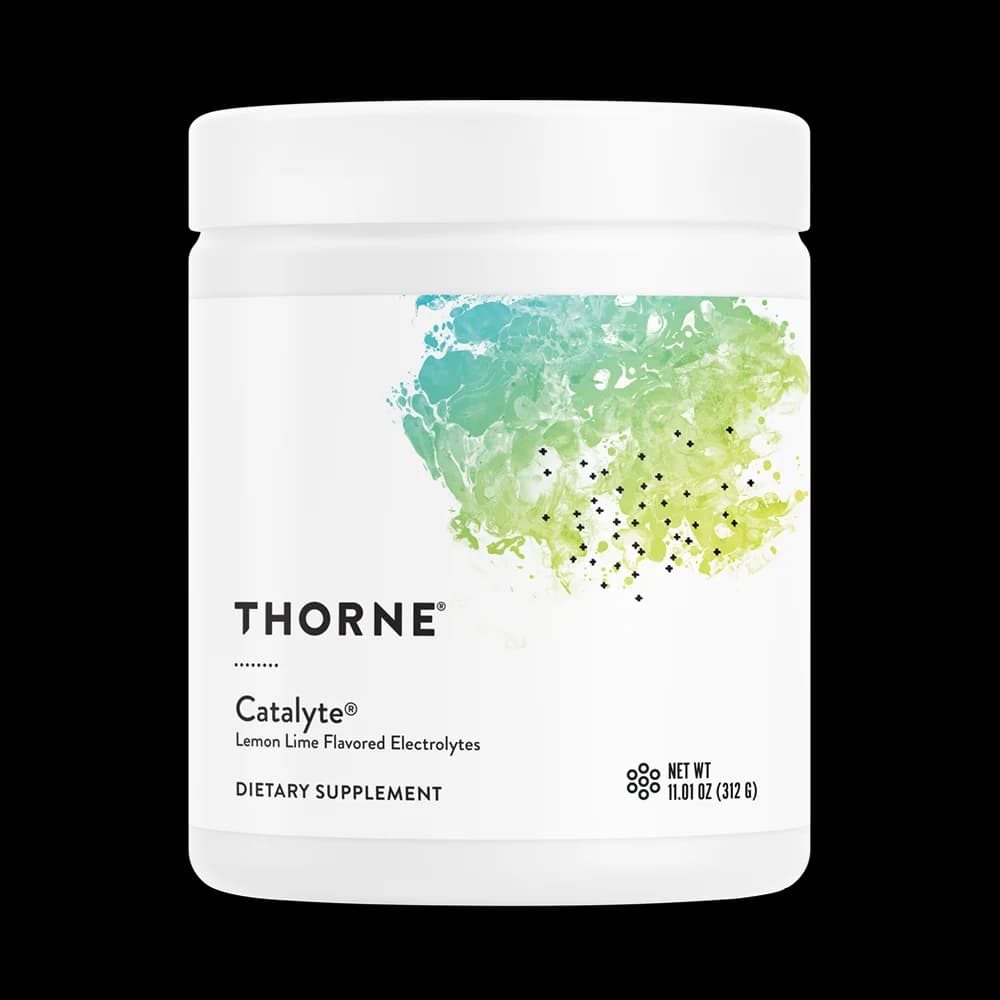
Can Catalyte® Support Hydration and Energy for Long COVID and POTS?
March 6, 2026
CatalyteElectrolytesLong COVID
Share:
Disclaimer: The information provided here is for educational purposes only and is not intended as medical advice. It should not be used to diagnose, treat, cure, or prevent any medical condition. Instead, use it as a starting point for discussion with your healthcare provider. Always consult with a qualified healthcare provider before starting any new medication, supplement, device, or making changes to your health regimen.
For individuals navigating the unpredictable and often debilitating landscape of post-viral illnesses, the daily quest for energy and stability can feel like an uphill battle. When you live with complex chronic conditions, simply standing up or attempting mild cognitive tasks can trigger a cascade of exhausting symptoms. You might find yourself drinking liters of water, only to feel just as dehydrated, dizzy, and fatigued as before. This frustrating reality is incredibly common among those managing dysautonomia, Postural Orthostatic Tachycardia Syndrome (POTS), and Myalgic Encephalomyelitis/Chronic Fatigue Syndrome (ME/CFS). The traditional advice to "just drink more water" often falls short because the root of the problem lies much deeper—at the microscopic level of cellular hydration and mitochondrial energy production.
In recent years, the intersection of sports nutrition and clinical chronic illness management has revealed that true hydration requires a precise balance of electrolytes, specific amino acids, and metabolic cofactors. This is where comprehensive formulas like Catalyte® come into play. Originally designed to help elite athletes recover from intense physical exertion, this unique amino acid-electrolyte complex has gained significant traction in the chronic illness community. By combining vital minerals with cellular osmolytes like taurine and energy-catalyzing B vitamins, it offers a targeted approach to restoring intracellular fluid balance and fueling exhausted cells. In this comprehensive guide, we will explore the intricate science behind Catalyte, how post-viral conditions disrupt our body's hydration networks, and how this specific blend of nutrients may help you regain a sense of physiological stability.
TL;DR
Proper hydration requires a balance of electrolytes, amino acids, and vitamins, not just water.
Post-viral conditions like Long COVID and POTS disrupt cellular hydration and energy production.
Formulas like Catalyte® may help support blood volume and autonomic stability.
Chelated minerals and osmolytes like taurine support cellular fluid balance and mitochondrial function.
What is Catalyte®?
The Evolution of Electrolyte Science and Cellular Hydration
To understand the profound impact of a comprehensive hydration formula, we must first look at the natural function of electrolytes within a healthy human body. Electrolytes are essential minerals—such as sodium, potassium, calcium, and magnesium—that carry an electrical charge when dissolved in bodily fluids. These charged ions are the fundamental communicators of the nervous system and the driving force behind every muscle contraction, including the beating of your heart. In a healthy state, the body meticulously maintains a delicate balance between the fluid outside the cells (extracellular fluid) and the fluid inside the cells (intracellular fluid). Sodium primarily governs the extracellular volume, while potassium dominates the intracellular space. Together, they operate the sodium-potassium pump, a critical cellular mechanism that uses a massive portion of the body's daily energy to maintain the resting membrane potential of every cell.
However, true hydration is not merely about the volume of water you consume; it is fundamentally about where that water ends up. Cell membranes are highly permeable, and water naturally follows osmotic gradients, moving toward areas with higher concentrations of solutes. When the body loses extracellular fluid and sodium—whether through intense sweating or the chronic physiological stress of an illness—drinking plain water can actually dilute the remaining extracellular electrolytes. This dilution prevents water from effectively entering the cells, leading to a state of intracellular dehydration even when the body is technically full of fluid. To combat this, modern clinical hydration strategies have evolved to include specific compounds that actively pull water across the cellular membrane, ensuring that the microscopic engines of the body have the fluid volume they need to function optimally.
This is where the concept of the "osmolyte" becomes crucial. Osmolytes are naturally occurring molecules that cells use to manage osmotic pressure and maintain their structural integrity under stress. By incorporating these molecules alongside traditional electrolytes, advanced hydration formulas can bypass the limitations of simple water and salt, forcing hydration deep into the cellular matrix where it is most desperately needed.
The Role of Taurine as a Cellular Osmolyte
One of the defining features of Catalyte is the inclusion of taurine, a conditionally essential amino sulfonic acid that is highly concentrated in excitable tissues like the brain, heart, and skeletal muscles. Unlike other amino acids, taurine is not used to build proteins; instead, it floats freely within the intracellular space, acting as a potent master regulator of cellular homeostasis. At the molecular level, taurine functions as a powerful intracellular osmolyte. When a cell is subjected to physiological stress or dehydration, taurine actively draws water and critical minerals—specifically potassium and magnesium—into the cell. This osmotic pull allows the cell to maintain its proper volume and structural shape, helping to prevent the dangerous cellular shrinkage that triggers metabolic dysfunction and premature cell death.
Beyond its role in fluid balance, taurine is intimately involved in regulating calcium channels within the nervous system and the heart. In cardiomyocytes (heart muscle cells), taurine modulates the influx and efflux of calcium ions, which are responsible for triggering electrical contractions. By helping to prevent calcium overload, taurine protects these cells from excitotoxicity and helps stabilize the heart rhythm. This mechanism is incredibly important for maintaining a steady, efficient cardiovascular response to physical exertion or postural changes. Furthermore, taurine acts as a neuromodulator in the central nervous system, buffering excessive sympathetic (fight-or-flight) signaling and protecting delicate neural networks from oxidative stress.
In the context of energy production, taurine also supports the mitochondria, the microscopic powerhouses responsible for generating Adenosine Triphosphate (ATP). Research indicates that taurine helps maintain the integrity of the mitochondrial inner membrane, ensuring that the electron transport chain can operate smoothly without leaking damaging free radicals into the cell. By bridging the gap between cellular hydration, calcium regulation, and mitochondrial defense, taurine serves as a foundational pillar of physiological resilience.
Beyond Basic Minerals: The B-Vitamin Complex and Chelates
While electrolytes and osmolytes manage the physical environment of the cell, the actual production of cellular energy relies heavily on a specific class of micronutrients: the B vitamins. Catalyte includes a comprehensive B-vitamin complex, featuring thiamin (B1), riboflavin (B2), vitamin B6, folate (B9), vitamin B12, and pantothenic acid (B5). In a healthy body, these vitamins act as indispensable biochemical "spark plugs" for the Krebs cycle (also known as the citric acid cycle). For example, thiamin is a strict requirement for the pyruvate dehydrogenase complex, the enzyme that converts carbohydrates into Acetyl-CoA so they can enter the mitochondria. Similarly, pantothenic acid is the foundational building block for Coenzyme A, without which the entire energy production line would grind to a halt.
Furthermore, the efficiency of any nutritional complex is entirely dependent on its bioavailability—how well the body can actually absorb and utilize the ingredients. Traditional mineral supplements often use cheap, inorganic salts like magnesium oxide or zinc sulfate. These forms are notoriously difficult for the gastrointestinal tract to absorb; they often break down into reactive ions that bind to dietary antinutrients (like phytates) or cause severe digestive distress by drawing excess water into the intestines. To circumvent this, advanced formulas utilize chelated minerals.
Chelation is a chemical process where an elemental mineral is covalently bound to an organic molecule, typically an amino acid like glycine. This creates a stable, neutrally charged ring structure that protects the mineral as it travels through the harsh, acidic environment of the stomach. Because the body recognizes the amino acid wrapper as a small protein fragment (a dipeptide), it can absorb the mineral directly through highly efficient peptide transport channels in the intestinal lining, bypassing the crowded and easily saturable metal ion channels. This sophisticated delivery system ensures that vital minerals like magnesium, zinc, and chromium actually reach the bloodstream to support muscle function and immune health.
How Long COVID and Dysautonomia Impact Hydration and Energy
Hypovolemia and the Autonomic Nervous System
When an individual develops a complex chronic illness like Long COVID, ME/CFS, or dysautonomia, the body's natural regulatory systems are thrown into a state of profound chaos. One of the most common and debilitating manifestations of this disruption is Postural Orthostatic Tachycardia Syndrome (POTS). POTS is characterized by a severe malfunction of the autonomic nervous system, the subconscious control center that manages heart rate, blood pressure, and digestion. In a healthy person, standing up prompts the autonomic nervous system to instantly tighten blood vessels in the lower body, ensuring that blood continues to flow upward to the brain against the force of gravity. In patients with POTS and post-viral dysautonomia, this vital vasoconstriction fails, leading to significant blood pooling in the legs and abdomen.
To compensate for this lack of blood flow to the brain, the heart begins to race aggressively, resulting in the hallmark symptom of orthostatic tachycardia. A major driving force behind this cardiovascular instability is absolute or relative hypovolemia—a chronic state of low blood volume. When there is simply not enough fluid in the vascular system, the heart must work exponentially harder to circulate oxygen and nutrients. This chronic hypovolemia leaves patients feeling perpetually dehydrated, dizzy, and lightheaded, no matter how much plain water they attempt to consume.
The situation is further complicated by widespread endothelial damage. The endothelium is the delicate inner lining of the blood vessels, and post-viral inflammation can cause these cellular walls to become "leaky." As a result, the fluid and sodium that the patient does manage to ingest often seep out of the vascular system and into the surrounding tissues, leading to a frustrating combination of low blood pressure and localized swelling. You can learn more about the complexities of these overlapping symptoms in our detailed guide on How Does a Doctor Diagnose Long COVID?.
Mitochondrial Dysfunction and the Energy Crisis
While the cardiovascular system struggles with fluid dynamics, the microscopic engines of the body are fighting their own battle. Current medical literature firmly positions mitochondrial bioenergetic failure at the core of both ME/CFS and Long COVID. When a virus like SARS-CoV-2 infiltrates the body, it triggers a massive, sustained immune response that generates overwhelming amounts of mitochondrial reactive oxygen species (mtROS). This severe oxidative stress damages the delicate lipid membranes of the mitochondria and corrupts their DNA, effectively destroying their ability to efficiently produce ATP. This phenomenon, often referred to as human metabolic reprogramming, creates a systemic energy bottleneck.
Because the mitochondria are damaged, they burn through essential metabolic cofactors—like B vitamins and intracellular antioxidants—at an accelerated, unsustainable rate. As recent metabolomic studies have shown, patients with ME/CFS exhibit highly anomalous depletions of pantothenic acid (B5), riboflavin (B2), and other critical energy substrates. Without these biochemical spark plugs, the Krebs cycle halts. When a patient attempts to exert themselves physically or cognitively, their broken mitochondria cannot meet the sudden demand for ATP. Instead of generating clean energy, the cells shift to inefficient anaerobic metabolism, flooding the tissues with toxic byproducts like lactic acid. This cellular energy crash is the physiological reality behind post-exertional malaise (PEM), a hallmark symptom that you can explore further in our article on how Early Overexertion Can Prolong and Worsen Long COVID Symptoms.
The depletion of these vital nutrients is not merely a consequence of poor diet; it is a direct result of the chronic inflammatory state consuming the body's reserves. Furthermore, post-viral conditions often disrupt the gut microbiome, eradicating the beneficial bacteria that naturally synthesize active B vitamins for the host. This combination of high metabolic demand and severely impaired supply leaves the patient trapped in a state of profound, unyielding exhaustion that standard rest cannot resolve.
The Vicious Cycle of Cellular Dehydration and Taurine Depletion
The intersection of hypovolemia and mitochondrial dysfunction creates a vicious, self-perpetuating cycle of cellular dehydration. As the body struggles to maintain blood volume and produce energy, it also loses its grip on intracellular fluid balance. This is where the depletion of taurine becomes clinically significant. Because taurine is the primary osmolyte responsible for holding water inside the cell, its depletion causes the cells to literally shrink and lose their structural integrity.
When muscle cells and neurons lack adequate taurine, they cannot properly regulate the flow of calcium and potassium. This leads to electrical instability across the cell membrane, manifesting as severe muscle cramps, fasciculations (twitching), and an exacerbation of the autonomic nervous system's hyperactive fight-or-flight response. The heart muscle, deprived of taurine's stabilizing influence, becomes even more susceptible to the erratic, racing rhythms characteristic of POTS.
Ultimately, the post-viral body is fighting a war on multiple fronts: it lacks the blood volume to deliver oxygen, it lacks the mitochondrial cofactors to turn that oxygen into energy, and it lacks the osmolytes to keep its cells hydrated and stable. Understanding this multifaceted breakdown is essential for realizing why a multi-targeted intervention is required to restore physiological balance. For a deeper dive into how these post-viral cascades initiate, consider reading What Causes Long COVID?.
Catalyte®: Supporting Cellular Hydration and Mitochondrial Function
The Synergistic Power of Amino Acid-Electrolyte Co-Transport
When addressing the profound hydration deficits seen in dysautonomia and Long COVID, standard water and basic sports drinks are often insufficient. Catalyte addresses this by leveraging a highly specific physiological mechanism known as amino acid-electrolyte co-transport. When you consume a formula that combines sodium with an amino acid like taurine, it triggers specialized transport proteins in the lining of the small intestine. These transporters require the simultaneous presence of both sodium and the amino acid to activate. Once engaged, they rapidly shuttle both molecules across the intestinal wall and into the bloodstream, dragging a significant volume of water along with them via osmosis.
This synergistic action drastically increases the speed and efficiency of fluid absorption compared to drinking water or standard carbohydrate-heavy electrolyte solutions. Once in the bloodstream, the taurine acts as a cellular osmolyte, actively pulling that newly absorbed water and potassium deep into the intracellular space. This mechanism directly combats the cellular shrinkage and intracellular dehydration that plagues post-viral patients. By forcing hydration into the cells, Catalyte helps restore the physical volume and structural integrity of muscle tissues and neurons, providing a stable environment for cellular metabolism to resume.
Furthermore, this enhanced absorption helps efficiently expand blood plasma volume, which is the primary therapeutic goal for patients with POTS. By increasing the total volume of fluid in the vascular system, the heart does not have to beat as rapidly or forcefully to maintain blood pressure and deliver oxygen to the brain. This targeted volume expansion helps suppress the overactive sympathetic nervous system, directly reducing the severity of orthostatic tachycardia and the dizzying brain fog that occurs upon standing.
Taurine's Role in Autonomic and Cardiovascular Stabilization
Beyond its role as a hydration multiplier, the 500 mg of taurine in Catalyte provides targeted support for the cardiovascular and autonomic nervous systems. In the context of POTS and dysautonomia, the heart is often subjected to erratic, rapid signaling from a dysregulated nervous system. Taurine acts as a powerful neuromodulator and calcium channel regulator. Within the cardiomyocytes (heart muscle cells), taurine carefully manages the influx of calcium ions, which are the chemical triggers for muscle contraction. By helping to prevent excessive calcium from flooding the cell, taurine helps smooth out the electrical signals, promoting a more stable, efficient, and controlled heartbeat.
In the central nervous system, taurine exerts a calming, inhibitory effect that counters the chronic fight-or-flight state commonly seen in Long COVID. It acts similarly to GABA, the brain's primary inhibitory neurotransmitter, helping to quiet overexcited neurons and reduce systemic neuroinflammation. This dual action—stabilizing the physical contractions of the heart while calming the neurological signals that drive those contractions—makes taurine an invaluable tool for managing the unpredictable cardiovascular symptoms of dysautonomia.
Supplementing this conditionally essential amino acid may help address biological deficits associated with taurine depletion in ME/CFS and Long COVID. By restoring intracellular taurine levels, patients may experience a reduction in the severity of post-exertional muscle pain and an improvement in their overall threshold for physical and cognitive exertion.
Re-Igniting the Mitochondrial Krebs Cycle with B Vitamins
While fluid balance and heart rate stabilization are critical, they must be paired with the restoration of cellular energy production. Catalyte's comprehensive B-vitamin complex is designed to directly support the damaged mitochondria of post-viral patients. As we established, the Krebs cycle cannot function without specific biochemical cofactors. The thiamin (B1) in Catalyte works to reactivate the pyruvate dehydrogenase complex, ensuring that the carbohydrates you consume can actually be converted into Acetyl-CoA and fed into the mitochondria, rather than fermenting into fatigue-inducing lactic acid in the bloodstream.
Simultaneously, the pantothenic acid (B5) provides the raw material necessary to synthesize Coenzyme A, the universal carrier molecule that drives the entire ATP production line. By supplying these essential cofactors, Catalyte helps clear the metabolic bottlenecks that cause severe energy crashes. Furthermore, the inclusion of active, methylated forms of folate (B9) and vitamin B12 (methylcobalamin) supports the body's methylation cycle. This cycle is critical for clearing out homocysteine—a toxic amino acid that causes massive oxidative stress when allowed to accumulate—and for synthesizing glutathione, the master antioxidant that protects the mitochondria from further free radical damage.
To ensure these vital nutrients are actually absorbed, Catalyte utilizes TRAACS® chelated minerals. The magnesium lysinate glycinate and zinc bisglycinate in the formula are protected by neutral amino acid rings, allowing them to bypass the competitive ion channels in the gut and enter the bloodstream via dipeptide transporters. This ensures that the magnesium—an absolute requirement for the stabilization of the ATP molecule itself—reaches the intracellular space without causing the gastrointestinal distress associated with cheaper mineral salts. By addressing hydration, autonomic stability, and mitochondrial bioenergetics simultaneously, Catalyte offers a truly comprehensive approach to cellular recovery.

Symptoms Catalyte® May Help Manage
Cardiovascular and Autonomic Symptoms
Because Catalyte targets the fundamental mechanisms of blood volume expansion and autonomic regulation, it may be particularly beneficial for managing the cardiovascular symptoms associated with dysautonomia and POTS. By supporting the physiological systems that govern heart rate and blood pressure, this formula helps address the root causes of orthostatic intolerance.
Orthostatic Tachycardia (Racing Heart): By aggressively expanding blood plasma volume with sodium and utilizing taurine to regulate cardiac calcium channels, Catalyte helps reduce the compensatory heart rate spikes that occur when standing up.
Dizziness and Lightheadedness: Increased blood volume ensures a more consistent and forceful delivery of oxygenated blood to the brain against the pull of gravity, mitigating the pre-syncope (near-fainting) sensations common in POTS.
Blood Pooling: While compression garments provide external pressure, the osmotic pull of electrolytes and amino acids helps maintain internal vascular pressure, reducing the amount of blood that stagnates in the lower extremities.
Palpitations and Arrhythmias: The inclusion of highly bioavailable TRAACS® magnesium and potassium citrate helps stabilize the electrical gradients across heart muscle cells, reducing the frequency of ectopic beats and uncomfortable palpitations.
Cognitive and Muscular Symptoms
The systemic energy crisis and intracellular dehydration seen in Long COVID and ME/CFS manifest heavily in the brain and skeletal muscles. By providing mitochondrial cofactors and cellular osmolytes, Catalyte supports the tissues that demand the highest amounts of daily ATP.
Brain Fog and Cognitive Fatigue: The B-vitamin complex, particularly thiamin (B1) and methylated B12, helps restore the brain's ability to generate clean ATP, clearing the metabolic bottlenecks that cause confusion, memory loss, and mental exhaustion.
Post-Exertional Malaise (PEM): By supporting the Krebs cycle and helping to prevent the excessive buildup of lactic acid, the metabolic cofactors in Catalyte may help raise the threshold at which a patient experiences a severe energy crash after mild exertion.
Muscle Cramps and Fasciculations: The synergistic combination of intracellular potassium, chelated magnesium, and taurine ensures that muscle fibers have the exact mineral balance required to contract smoothly and relax fully, helping to prevent painful spasms and twitching.
Deep Cellular Dehydration: The amino acid-electrolyte co-transport mechanism forces water into the intracellular space, relieving the persistent sensation of extreme thirst and systemic dryness that plain water cannot resolve.
Practical Considerations: Forms, Dosing, and Absorption
The TRAACS® Chelation Advantage and Bioavailability
When selecting a supplement for a sensitive, chronically ill body, the chemical form of the ingredients is just as important as the ingredients themselves. Catalyte utilizes minerals bound through the TRAACS® (The Real Amino Acid Chelate System), a patented technology developed by Albion Laboratories. This system uses Fourier Transform Infrared Spectroscopy (FT-IR) to guarantee that the elemental minerals (like magnesium and zinc) are fully and covalently bound to amino acids (like glycine), forming a stable, neutral ring structure. This is a critical distinction from cheaper supplements that merely mix mineral salts with proteins and label them as "complexes."
The bioavailability of TRAACS® minerals is exponentially higher than standard forms. Because the chelated mineral is neutrally charged, it does not bind to dietary antinutrients like phytates in the gut, nor does it compete with other minerals for absorption. Instead, the body recognizes the amino acid wrapper as a dipeptide and absorbs it through highly efficient peptide transporters (PEPT1) in the intestinal wall. This ensures maximum delivery of the mineral to the bloodstream while virtually eliminating the gastrointestinal cramping and diarrhea commonly caused by unabsorbed magnesium salts sitting in the colon.
For patients with Long COVID, whose gut linings are often inflamed and whose absorption pathways are compromised, utilizing these highly bioavailable, dipeptide-transported minerals is essential for actually correcting intracellular deficiencies.
Dosing Strategies for Chronic Illness vs. Athletics
While Catalyte is NSF Certified for Sport® and widely used by endurance athletes before, during, and after intense workouts, the dosing strategy for a patient with POTS or dysautonomia looks quite different. Athletes use it to replace what is temporarily lost in sweat; chronic illness patients use it to aggressively correct a persistent, systemic deficit in blood volume and cellular hydration. A single scoop of Catalyte contains 485 mg of sodium. For a healthy individual, this is a substantial dose. However, clinical guidelines for POTS often recommend a daily sodium intake of 3,000 to 10,000 mg (3 to 10 grams) to effectively expand blood plasma volume.
Therefore, for severe dysautonomia patients, Catalyte is often used as a highly effective "hydration multiplier" rather than the sole source of daily sodium. Many patients find success by starting their day with a scoop of Catalyte mixed into 16 to 24 ounces of water immediately upon waking. This morning hydration routine helps combat the natural fluid loss that occurs overnight, which is often when POTS patients feel their worst. Throughout the day, Catalyte can be used alongside other high-sodium interventions—such as heavily salted meals or specialized sodium chloride tablets—to reach the massive electrolyte targets prescribed by their cardiologists. The inclusion of taurine and B vitamins makes Catalyte the perfect foundational drink to ensure that the massive amounts of water and salt the patient is consuming are actually being pulled into the cells.
It is important to note that because Catalyte contains a robust B-vitamin complex, consuming it too late in the evening may cause unwanted energy stimulation and interfere with sleep architecture. Most practitioners recommend consuming it during the morning and early afternoon to align with the body's natural circadian rhythm and peak energy demands.
Tolerability, Allergens, and Potential Interactions
One of the major advantages of Thorne Catalyte for the chronic illness community is its exceptionally clean profile. It is free from artificial dyes, synthetic flavors, and heavy sugars, utilizing a small amount of tapioca maltodextrin and stevia extract instead. This makes it highly tolerable for individuals who suffer from Mast Cell Activation Syndrome (MCAS), a condition frequently comorbid with Long COVID and POTS that causes severe allergic-type reactions to artificial additives and high-histamine foods.
However, there are important medical contraindications to consider. As noted in the product data, Catalyte contains 5-methyltetrahydrofolate (5-MTHF), the active form of folate. Supplementation with 5-MTHF is strictly not recommended concurrent with methotrexate cancer therapy, as it can interfere with the drug's anti-neoplastic (anti-cancer) activity. Interestingly, this specific folate source has not been shown to interfere with the anti-inflammatory activity of methotrexate when it is prescribed in lower doses for autoimmune conditions like psoriasis or rheumatoid arthritis. Nevertheless, any individual taking methotrexate or other chemotherapeutic agents must consult their prescribing physician before using this product.
Furthermore, because Catalyte directly influences blood volume and contains significant amounts of sodium and potassium, it must be used with caution by individuals with pre-existing kidney disease, uncontrolled hypertension, or congestive heart failure. The kidneys are responsible for filtering and balancing these electrolytes, and impaired renal function can lead to dangerous accumulations. Always consult your healthcare provider or cardiologist before drastically altering your sodium and fluid intake, especially if you are taking prescription diuretics, ACE inhibitors, or beta-blockers, which can interact with electrolyte balances.

Follow the Science
Clinical Trials on Amino Acid-Electrolyte Hydration
The scientific foundation for combining amino acids with electrolytes to enhance cellular hydration is robust and continually expanding. A landmark 2014 study published in the Nutrition Journal directly compared the rehydration capabilities of an electrolyte-amino acid (EA) beverage against a standard carbohydrate-electrolyte (CE) sports drink and flavored water. Researchers dehydrated participants by 2% of their body mass and then monitored their physiological recovery. The study found that while total fluid retention was similar across the groups, the participants consuming the amino acid-electrolyte formula saw their urine specific gravity (USG) return to baseline significantly faster. The researchers concluded that the addition of amino acids significantly enhances the rate of cellular rehydration, pulling fluid into the intracellular space more efficiently than traditional sugar-based sports drinks.
This proven ability to maintain plasma volume under extreme physiological stress is exactly why these formulas are now being repurposed for POTS patients, who battle chronic hypovolemia on a daily basis. By mimicking the fluid-retaining benefits seen in elite athletes, chronic illness patients can better stabilize their autonomic responses.
Observational Data in Post-Viral Dysautonomia
In the realm of Long COVID and ME/CFS, real-world patient outcomes strongly support the aggressive use of electrolytes and hydration multipliers.
Furthermore, ongoing clinical trials, such as the NIH RECOVER-AUTONOMIC platform, have baked saline and electrolyte management directly into their clinical protocols for managing Long COVID dysautonomia. Researchers recognize that expanding blood volume through sodium and fluid retention is a mandatory foundational step before evaluating the efficacy of other pharmacological interventions.
Metabolomic Evidence for Taurine and B Vitamins
The inclusion of taurine and B vitamins in Catalyte is heavily supported by recent metabolomic profiling of post-viral patients.
Similarly, the necessity of B-vitamin supplementation is backed by high-resolution mass spectrometry studies (ACS Publications, 2024) analyzing the blood plasma of ME/CFS patients. These studies confirm significant dysregulation in energy production pathways, noting highly anomalous concentrations of pantothenic acid (B5) and disruptions in the B-vitamin-dependent mitochondrial metabolism. By combining the blood-volume expanding power of electrolytes with the cellular-hydrating force of taurine and the mitochondrial-repairing capacity of B vitamins, Catalyte addresses the exact metabolic deficits highlighted by current post-viral research.
The Path Forward
Validating the Invisible Struggle
Living with a complex, invisible illness like Long COVID, ME/CFS, or POTS is an exhausting, full-time job. The profound fatigue, the dizzying brain fog, and the unpredictable racing of your heart are not manifestations of anxiety or deconditioning—they are the very real results of cellular dehydration, mitochondrial dysfunction, and autonomic chaos. It is entirely valid to feel frustrated when standard medical advice to "drink more water" fails to touch the sides of your exhaustion. Understanding the intricate biochemistry of your condition is the first step toward regaining a sense of control. You are dealing with a systemic energy crisis, and your body requires highly targeted, scientifically backed tools to rebuild its foundation.
While there is no single miracle solution for post-viral dysautonomia, strategic supplementation can significantly improve your quality of life. By addressing the root causes of hypovolemia and cellular energy failure, you can begin to widen your "energy envelope." However, it is crucial to remember that supplements like Catalyte are just one piece of a comprehensive management puzzle. They must be combined with aggressive pacing, symptom tracking, and the guidance of a medical professional who truly understands the complexities of neuroimmune conditions. You can explore more about building a sustainable life with these conditions in our guide on How Can You Live with Long-Term COVID.
Building a Comprehensive Management Strategy
As you navigate your path forward, consider how targeted hydration can fit into your daily routine. Whether you use it immediately upon waking to combat morning orthostatic intolerance, or sip it throughout the day to maintain a steady supply of mitochondrial cofactors, finding the right rhythm is key. Always listen to your body, track how different interventions affect your heart rate and energy levels, and never hesitate to advocate for the specialized care you deserve.
If you and your healthcare provider determine that an advanced, amino acid-electrolyte formula could benefit your dysautonomia or chronic fatigue management plan, we invite you to Explore Catalyte. By providing your cells with the exact osmolytes, chelated minerals, and B vitamins they need to function, you can take a proactive step toward stabilizing your autonomic nervous system and reclaiming your energy.