Can Amarasate® Support Metabolic Health and Weight Management in Long COVID?
March 6, 2026
CalocurbAmarasateGLP-1
Share:
Disclaimer: The information provided here is for educational purposes only and is not intended as medical advice. It should not be used to diagnose, treat, cure, or prevent any medical condition. Instead, use it as a starting point for discussion with your healthcare provider. Always consult with a qualified healthcare provider before starting any new medication, supplement, device, or making changes to your health regimen.
Months or even years after recovering from an initial SARS-CoV-2 infection, many individuals find themselves fighting a complex array of debilitating symptoms known as Long COVID. While profound fatigue, brain fog, and autonomic dysfunction often dominate the clinical picture, a highly prevalent but deeply frustrating symptom for many patients is unexplained, rapid weight gain that occurs entirely independently of caloric intake or diet. For patients who are already struggling with severe post-exertional malaise (PEM) and drastically reduced physical activity, this metabolic gridlock can feel like an insurmountable hurdle, leading to feelings of isolation and medical gaslighting.
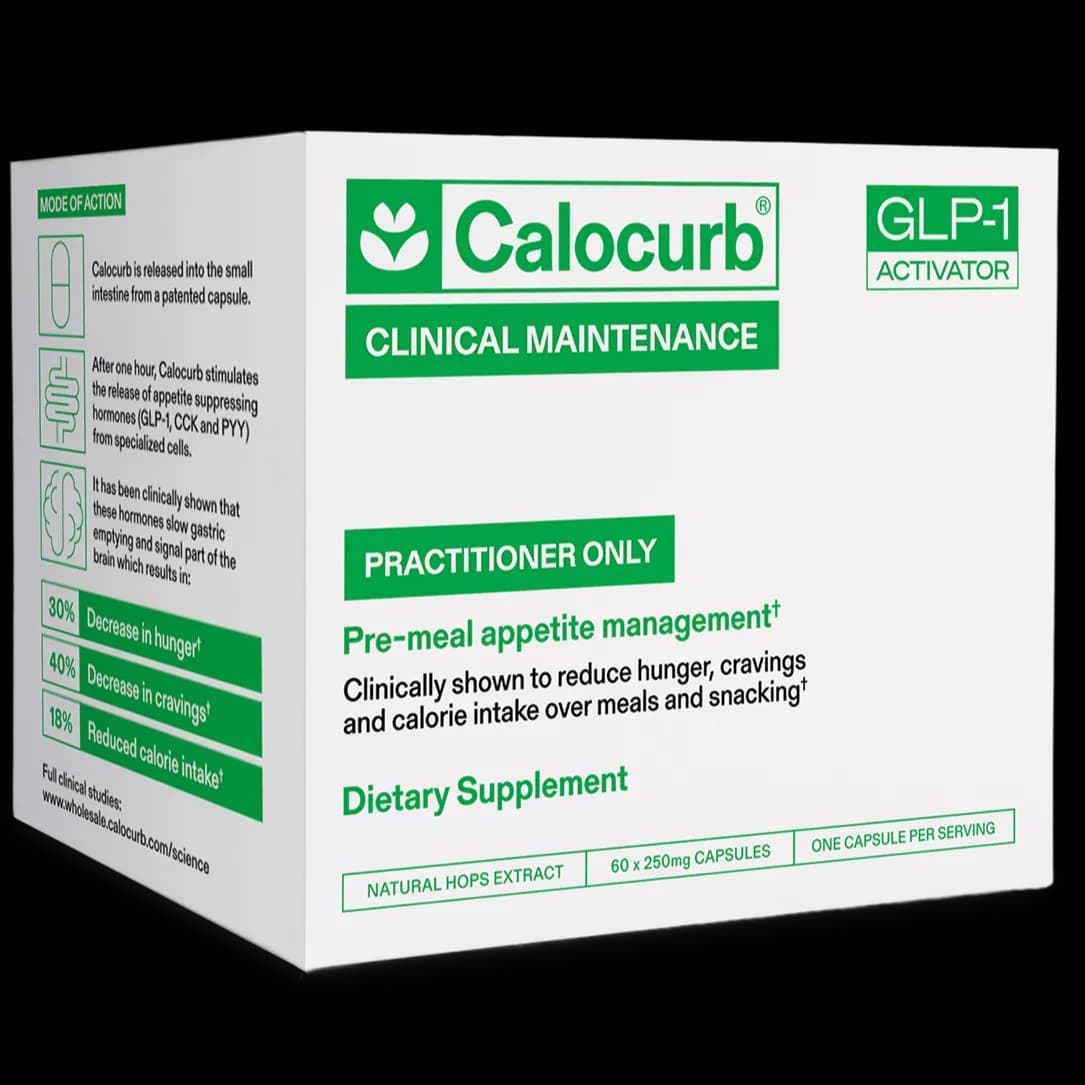
In the search for validating, science-backed solutions, researchers are increasingly focusing on the intersection of post-viral syndromes, gut health, and metabolic hormones. One area of intense interest is the role of Glucagon-like peptide-1 (GLP-1), a powerful metabolic hormone that regulates blood sugar, systemic inflammation, and satiety. While synthetic GLP-1 medications have dominated headlines, naturally derived compounds like Amarasate®—a specialized New Zealand hops extract found in the practitioner-exclusive supplement Calocurb CLINICAL—offer a novel, physiological approach to stimulating the body's own enteroendocrine hormones. By leveraging the body's natural 'bitter brake' mechanism, this botanical extract represents a promising tool for patients navigating the complex metabolic fallout of chronic illness.
TL;DR
Long COVID can cause severe metabolic dysfunction and unexplained weight gain.
Amarasate® is a natural hops extract that may help stimulate GLP-1 production.
Natural GLP-1 support may help manage appetite, inflammation, and metabolic stalling.
Always consult a healthcare provider before starting new supplements, especially with chronic illness.
What is Amarasate®?
The Origins of the "Bitter Brake"
Amarasate® is a patented, highly concentrated botanical extract derived from a specific commercial cultivar of New Zealand-grown bitter hops (Humulus lupulus). Its development was the result of more than 14 years of rigorous scientific investigation, heavily supported by a massive grant from the New Zealand government to Plant & Food Research. Researchers screened over 1,000 different plant compounds in vitro to find a natural substance capable of powerfully suppressing appetite without the severe side effects associated with pharmaceutical interventions. The result was Amarasate, a compound that leverages an ancient evolutionary survival mechanism known as the "bitter brake."
Throughout human evolution, early hominids learned to associate highly bitter tastes with potentially toxic alkaloids found in poisonous plants. When the body detects an overwhelming bitter compound in the digestive tract, it triggers an immediate, hardwired physiological alarm system. This "bitter brake" mechanism is designed to rapidly halt the ingestion of food, slow down gastric emptying, and initiate a powerful sensation of fullness, giving the body time to evaluate the potentially toxic substance. By isolating and concentrating the specific bitter acids from hops, Amarasate leverages this evolutionary pathway to help support profound satiety and metabolic regulation.
The Enteroendocrine System and TAS2R Receptors
To understand how Amarasate works at a cellular level, we must look at the gastrointestinal tract not just as a digestive tube, but as the body's largest and most complex endocrine organ. Scattered throughout the gut epithelium are specialized chemosensory cells known as enteroendocrine cells (EECs). Although these cells make up less than 1% of the intestinal lining, they are responsible for secreting a vast array of metabolic hormones that orchestrate digestion, blood sugar regulation, and immune responses. On the surface of these EECs lie specific G-protein coupled receptors known as TAS2Rs (Taste Receptor Type 2), which are explicitly designed to detect bitter luminal compounds.
When the highly bitter compounds in Amarasate bind to a TAS2R receptor on the apical membrane of an enteroendocrine cell, it triggers a sophisticated intracellular signaling cascade. The binding causes the dissociation of a gut-specific G-protein called α-gustducin. This dissociation activates an enzyme known as phospholipase C β2 (PLCβ2), which cleaves membrane lipids to generate diacylglycerol (DAG) and inositol 1,4,5-trisphosphate (IP3). IP3 then binds to receptors on the endoplasmic reticulum, prompting a massive release of stored intracellular calcium into the cell's cytoplasm.
This sudden spike in intracellular calcium opens TRPM5 (transient receptor potential cation channel subfamily M member 5) channels, allowing an influx of sodium ions. The resulting cellular depolarization triggers the rapid exocytosis of secretory vesicles. These vesicles, packed with potent metabolic hormones, release their contents directly into the systemic bloodstream and the surrounding neural networks, particularly the vagus nerve, initiating a cascading metabolic shift throughout the entire body.
The Satiety Trio: GLP-1, CCK, and PYY
The activation of TAS2R receptors by Amarasate results in the endogenous (internal) release of three critical anorexigenic (appetite-suppressing) hormones. The first and most well-known is Glucagon-like peptide-1 (GLP-1), secreted primarily by intestinal L-cells. GLP-1 is a potent incretin hormone that enhances glucose-dependent insulin secretion from the pancreas, drastically slows gastric emptying, and crosses the blood-brain barrier to signal the hypothalamus to induce a profound sense of fullness.
Simultaneously, the bitter stimulation triggers the release of Cholecystokinin (CCK) from I-cells located in the duodenum. CCK plays a pivotal role in the digestion of fats and proteins, but it also acts as a powerful neuropeptide. It binds to vagal afferent nerve terminals, sending rapid, immediate "stop eating" signals directly to the brainstem. Furthermore, CCK promotes systemic vasodilation, conferring significant cardiovascular benefits and helping to regulate blood pressure.
The third hormone in this satiety trio is Peptide YY (PYY), which is co-secreted with GLP-1 from L-cells in the distal gut. PYY binds to specific Y2 receptors in the arcuate nucleus of the hypothalamus, actively inhibiting orexigenic (hunger-promoting) NPY/AgRP neurons. Together, the synchronized release of GLP-1, CCK, and PYY orchestrates a comprehensive, multi-pathway metabolic shift that may help reduce caloric intake, stabilize blood sugar, and support long-term metabolic homeostasis.
How Long COVID Impacts Metabolic Health
Mitochondrial Dysfunction and Cellular Hypometabolism
To understand why weight management is so profoundly difficult in post-viral syndromes, we must examine the cellular energy crisis at the heart of these conditions. In a healthy body, cells rely on a process called oxidative phosphorylation within the mitochondria to convert glucose and lipids (fats) into adenosine triphosphate (ATP), the primary currency of cellular energy. However, advances in understanding long COVID reveal that the SARS-CoV-2 virus, and the ensuing chronic immune response, severely damages this delicate mitochondrial machinery, leading to a state of systemic hypometabolism.
Research indicates that patients with Long COVID and ME/CFS suffer from massive disruptions in carnitine and lipid metabolism. Carnitine is an essential molecule required to shuttle long-chain fatty acids across the inner mitochondrial membrane. When this transport system fails, cells are physically unable to burn fat for fuel. Deprived of their normal energy source, the cells panic and shift to an inefficient "anaerobic" energy pathway, which produces minimal ATP and massive amounts of toxic lactic acid. Because the body cannot properly oxidize lipids, it defaults to storing them, leading to treatment-resistant weight gain. You can learn more about supporting this specific pathway in our guide, Can 7-Keto DHEA Support Metabolism and Weight Management in Long COVID and ME/CFS?.
Endocrine Disruption and Insulin Resistance
Beyond cellular energy failure, Long COVID directly attacks the body's master metabolic regulators. The SARS-CoV-2 virus utilizes the ACE2 receptor to enter human cells. Unfortunately, these receptors are highly concentrated throughout the endocrine system, particularly in the pancreas, thyroid gland, and adipose (fat) tissue. Viral infiltration and the resulting autoimmune cross-reactivity can cause lasting structural and functional damage to these critical organs, completely derailing normal hormonal balance.
For example, the virus can trigger subclinical hypothyroidism or autoantibody production against the thyroid, severely decreasing the body's basal metabolic rate and resulting in cold intolerance, cognitive slowing, and rapid weight accumulation. Furthermore, acute COVID-19 has been shown to damage pancreatic beta cells and induce new-onset insulin resistance. Even months after the initial infection, patients frequently exhibit significantly elevated fasting blood glucose levels, forcing the body to continuously store excess circulating glucose as visceral fat. This profound metabolic shift is explored further in our article, Diabetes and Long COVID: A Pandemic Within a Pandemic.
The Vicious Cycle of Inactivity and Weight Gain
The compounding effects of cellular hypometabolism and endocrine disruption create a devastating vicious cycle, primarily driven by the hallmark symptom of post-exertional malaise (PEM). PEM means that any physical or cognitive exertion beyond a patient's strictly limited energy envelope causes a severe, multi-day exacerbation of symptoms and further mitochondrial damage. Because pushing through fatigue actively harms the body, patients are forced into a state of drastic physical inactivity to survive, which inevitably compounds the risk of developing secondary metabolic syndrome.
This physiological reality highlights why traditional medical advice to simply "eat less and exercise more" is not only ineffective but actively dangerous for this patient population. Caloric deficits further starve already hypometabolic cells, while forced exercise triggers devastating neuroimmune crashes. Understanding What Causes Long COVID? is essential for recognizing that weight gain in this context is a biological symptom of a broken energy production system, requiring nuanced, metabolically supportive interventions rather than punitive lifestyle modifications.
Amarasate®: Supporting Metabolic Function and Satiety
Natural GLP-1 Stimulation vs. Synthetic Agonists
As the medical community recognizes the profound metabolic underpinnings of post-viral syndromes, researchers are aggressively studying GLP-1 therapeutics. However, there is a critical distinction between synthetic pharmaceutical agonists and natural stimulants like Amarasate. Pharmaceutical drugs such as semaglutide (Ozempic) or tirzepatide (Mounjaro) are synthetic peptides designed to mimic GLP-1. They are engineered to resist enzymatic degradation, meaning they keep hormone levels artificially elevated 24 hours a day, 7 days a week.
While effective for weight loss, this constant, artificial elevation profoundly slows gastric motility. For Long COVID and ME/CFS patients who already suffer from severe autonomic nervous system dysfunction (dysautonomia) and underlying gastroparesis, synthetic GLP-1s can trigger intractable nausea, vomiting, and severe gastrointestinal paralysis. The risk of exacerbating these autonomic symptoms makes pharmaceutical options perilous for highly sensitive, fragile patient populations.
Amarasate offers a physiological alternative. As a natural stimulant, it does not mimic hormones; rather, it triggers the body's own internal production of GLP-1, CCK, and PYY. Because these hormones are subject to normal enzymatic breakdown by DPP-4 (dipeptidyl peptidase-4), Amarasate maintains a natural, pulsatile physiological pattern that aligns with normal digestive rhythms. This targeted, temporary spike provides the metabolic benefits of GLP-1 without the severe risk of inducing permanent gastrointestinal paralysis.
Anti-Inflammatory and Neuroprotective Potential
The therapeutic potential of GLP-1 extends far beyond appetite suppression and weight management. GLP-1 receptors are widely expressed on various immune cells, including macrophages and T-cells. Activation of these receptors exerts potent, systemic anti-inflammatory effects. A recent preprint on immune dysregulation highlights that Long COVID is driven by ongoing inflammasome activation; GLP-1 directly counters this by rapidly reducing pro-inflammatory cytokines like Interleukin-6 (IL-6), Tumor Necrosis Factor-alpha (TNF-α), and C-reactive protein (CRP).
Furthermore, Long COVID is heavily characterized by vascular inflammation, endothelial damage, and persistent microclotting. GLP-1 has been shown to significantly improve endothelial function, increase nitric oxide production, and enhance capillary blood flow. By reducing vascular inflammation and supporting endothelial repair, GLP-1 may help resolve the microvascular pathology that drives severe brain fog and cognitive impairment. We discuss similar vascular protective strategies in Metformin: Long COVID Risk Reduction and Diabetes Management.
Restoring the Gut-Brain Axis and Satiety Signals
The gut microbiome and the enteric nervous system are frequently in a state of severe dysbiosis in post-viral syndromes. Research on the gut microbiome in ME/CFS demonstrates that this imbalance contributes directly to systemic inflammation and immune dysfunction. By stimulating enteroendocrine cells with Amarasate, patients may help support normal signaling pathways between the gut and the brain via the vagus nerve, reinforcing the critical gut-brain axis.
Crucially, because Amarasate's bitter compounds act locally on the gut lumen and are not heavily absorbed into the systemic bloodstream, they provide these profound metabolic and neurological benefits without systemic toxicity. The localized activation of TAS2R receptors ensures that the therapeutic action remains targeted, making it an exceptionally safe and well-tolerated option for patients whose systems are easily overwhelmed by systemic pharmaceutical interventions.

Symptoms Amarasate® May Help Manage
Targeted Metabolic and Appetite Symptoms
Unexplained Weight Gain and Metabolic Stalling: By naturally stimulating endogenous GLP-1 and improving cellular insulin sensitivity, Amarasate may help shift the body out of a stubborn fat-storage mode, supporting healthy metabolic function even when physical activity is severely limited by PEM.
Intense Food Cravings and Lack of Satiety: The synergistic, localized release of GLP-1, CCK, and PYY sends powerful, immediate signals to the hypothalamus, significantly reducing intense cravings for high-sugar and high-carbohydrate foods that frequently accompany cellular energy crises.
Blood Sugar Dysregulation: Because GLP-1 enhances glucose-dependent insulin secretion, supplementation may help smooth out the extreme spikes and devastating crashes in blood glucose that directly contribute to severe fatigue, brain fog, and autonomic instability.
Secondary Inflammatory and Cognitive Symptoms
Brain Fog and Neuroinflammation: The well-documented systemic anti-inflammatory properties of GLP-1, combined with its ability to improve endothelial blood flow, may help clear the inflammatory mediators and microclots that cloud cognitive function and impair short-term memory.
Systemic Inflammatory Flares: By actively downregulating the production of pro-inflammatory cytokines like IL-6 and TNF-α, natural GLP-1 stimulation may help calm the hyperactive, dysregulated immune responses characteristic of both Long COVID and Mast Cell Activation Syndrome (MCAS).
Autonomic Nervous System Stress: By restoring natural gut-brain axis communication via the vagus nerve and improving overall metabolic homeostasis, the body experiences less physiological stress, potentially lowering the daily burden on a highly dysregulated autonomic nervous system.
Practical Considerations: Forms, Dosing, and Absorption
Delivery Mechanism and Bioavailability
The clinical efficacy of Amarasate is entirely dependent on its highly specialized delivery mechanism. For the "bitter brake" to function correctly, the concentrated bitter compounds must completely bypass the stomach. If these intensely bitter hops extracts were released in the highly acidic environment of the stomach, the body would perceive them as an immediate toxic threat, triggering severe, intractable nausea and potential vomiting as an evolutionary defense mechanism.
To solve this, Calocurb CLINICAL utilizes a state-of-the-art, enteric-coated, delayed-release vegetarian capsule. This specialized coating is engineered to withstand stomach acid and only dissolve when it reaches the more alkaline environment of the duodenum (the upper small intestine). By releasing its payload directly into the duodenum, the supplement maximizes direct contact with the highest density of enteroendocrine I-cells and L-cells, ensuring a robust, immediate, and highly targeted hormonal response without inducing gastric distress.
Titration and Managing Gastrointestinal Adjustment
Because Calocurb powerfully stimulates gastric hormones and fundamentally alters gut motility, it is highly common for users to experience a brief period of gastrointestinal adjustment. As the body adapts to the naturally increased levels of GLP-1, CCK, and PYY, the most frequently reported side effect is mild loose stools or a temporary laxative effect. For most patients, these mild GI symptoms resolve entirely within the first 24 to 72 hours of use.
To mitigate these side effects and ensure patient comfort, practitioners heavily recommend a strict dose titration schedule. Patients should always start with just one capsule a day, taken approximately one hour before their largest meal. This allows the digestive system to gently adapt to the hormonal shift. Over the course of several days to a week, patients who are knowledgeable of their individual response can gradually build up to the maximum recommended dose of two capsules, taken twice daily.
Contraindications and Safety Profile
While the primary ingredients in Calocurb—Amarasate hops extract, rosemary leaf extract, and vegetable oil—are Generally Recognized As Safe (GRAS), the powerful hormonal effects mean this supplement is not suitable for everyone. It should be strictly avoided by individuals under 18 years of age, women who are pregnant or breastfeeding, and anyone with a history of eating disorders such as anorexia nervosa or bulimia, due to its profound appetite-suppressing capabilities.
Furthermore, patients with a history of severe inflammatory bowel disease (IBD), severe active gastroparesis, or other severe bowel conditions should avoid use, as the alteration in gut motility could exacerbate their underlying symptoms. Crucially, individuals currently taking prescription weight-loss injections (e.g., Wegovy, Ozempic) or medications for Type 1 or Type 2 diabetes must consult their healthcare provider before use, as combining natural stimulants with synthetic mimics carries a high risk of compounded effects on blood sugar and severe gastric emptying delays.

Follow the Science
Clinical Trials on Fasting and Caloric Intake
The efficacy of this specific New Zealand hops extract is backed by multiple randomized, double-blind, placebo-controlled human clinical trials, setting it apart from many generic, unproven weight management supplements. According to a 2019 study published in Nutrients, researchers monitored 30 healthy adult men undergoing a rigorous 24-hour water-only intermittent fast. Participants were given either a placebo or Amarasate at 16 and 20 hours into the fast to measure the extract's ability to control severe hunger.
The results were highly significant: participants taking Amarasate reported an 80% to 100% reduction in hunger elevation scores compared to the placebo group. The typical, intense spike in hunger that occurs around lunchtime was completely suppressed, proving the extract's efficacy independently of meal timing. Following this, a 2022 crossover study in The American Journal of Clinical Nutrition demonstrated that taking Amarasate before an ad libitum ("eat-till-full") meal increased plasma concentrations of GLP-1 and CCK to 600% of baseline levels, leading participants to naturally consume 18% fewer calories without feeling deprived.
Gender Differences in Efficacy
Recognizing that metabolic responses often differ between sexes, researchers conducted a follow-up trial specifically focused on women. A 2024 trial published in Obesity Pillars evaluated 30 adult women undergoing a 24-hour fast on three separate occasions, receiving varying doses of Amarasate or a placebo. The study aimed to determine if the "bitter brake" mechanism was equally effective in female physiology.
The findings confirmed the mechanism of action in females, showing a 30% reduction in self-reported hunger and a remarkable 40% reduction in food cravings. Interestingly, the lead researchers noted that the relative decrease in absolute hunger was much greater in women than previously observed in men. This suggests that females may possess a heightened sensitivity to gastrointestinal bitterness and the subsequent release of enteroendocrine hormones, making Amarasate a particularly potent tool for women struggling with metabolic regulation.
The Future of GLP-1 Research in Post-Viral Syndromes
The medical community is rapidly recognizing the profound potential of GLP-1 modulation for complex chronic illnesses. As detailed in a comprehensive review on long COVID mechanisms, targeting metabolic and inflammatory pathways is now a primary focus for therapeutic development. Recently, the NIH RECOVER-TLC initiative announced the inclusion of a major clinical trial investigating semaglutide for Long COVID, aiming to track how GLP-1 affects neuroinflammation and metabolic recovery.
Similarly, the Scripps Research LoCITT Trial is actively investigating the effects of GLP-1 receptor agonists on severe fatigue, brain fog, and joint pain. While we await the results of these massive pharmaceutical trials, natural GLP-1 stimulants like Amarasate offer an accessible, well-tolerated, and physiologically gentle alternative for patients seeking immediate metabolic and neuroimmune support without the risks associated with synthetic injectables.
The Path Forward
Validating the Metabolic Struggle
If you are living with Long COVID, ME/CFS, or dysautonomia, it is absolutely crucial to understand that your weight gain, severe fatigue, and metabolic dysfunction are biological symptoms of a complex, multisystem neuroimmune disease. They are not the result of a moral failing, a lack of willpower, or simple physical deconditioning. The traditional medical advice to push through the fatigue, restrict your calories further, and exercise more is often rooted in a fundamental misunderstanding of post-viral hypometabolism, and it can cause lasting harm.
Your body is currently fighting a profound cellular energy crisis, and it requires compassionate, scientifically grounded support to heal. How Can You Live with Long-Term COVID involves rejecting harmful paradigms and embracing therapies that work with your body's altered physiology, rather than against it. Validating your experience is the first and most important step toward finding sustainable management strategies.
A Comprehensive Approach to Healing
Supplements like Calocurb CLINICAL and its active ingredient Amarasate® represent one highly promising piece of a much larger management puzzle. By naturally supporting your body's enteroendocrine signaling and stimulating the release of GLP-1, you may help support metabolic balance, reduce systemic inflammation, and regain control over your appetite without resorting to harsh, potentially risky pharmaceuticals.
However, true healing requires a comprehensive, integrative strategy. This includes meticulous symptom tracking, aggressive pacing to avoid post-exertional malaise, optimizing your sleep architecture, and working closely with a healthcare provider who truly understands the complex nuances of post-viral syndromes. While the journey is undeniably challenging, the rapid advancements in metabolic and neuroimmune research offer profound hope for a better, more vibrant quality of life.
Sources
Plant & Food Research: Hop extract reduces appetite in healthy men
Nutrients (2019): New Zealand Bitter Hops Extract Reduces Hunger During a 24 h Water Only Fast
Cell (2024): Mechanisms of long COVID and the path toward therapeutics
Springer (2025): Advances in Understanding Long COVID: Pathophysiological Mechanisms
Translational Medicine (2025): The potential therapeutic approaches targeting gut health in ME/CFS