Can Cal/Mag 2:1 Support Muscle Function and Calm the Nervous System in Long COVID and ME/CFS?
March 5, 2026
Cal/Mag 2:1Long COVIDME/CFS
Share:
Disclaimer: The information provided here is for educational purposes only and is not intended as medical advice. It should not be used to diagnose, treat, cure, or prevent any medical condition. Instead, use it as a starting point for discussion with your healthcare provider. Always consult with a qualified healthcare provider before starting any new medication, supplement, device, or making changes to your health regimen.
Months or even years after a mild viral infection, many individuals find themselves battling a bewildering array of symptoms—from severe muscle spasms and relentless fatigue to racing heart rates and sudden allergic reactions. If you are living with complex chronic conditions, you know firsthand how frustrating it is to navigate a medical system that often treats these symptoms as isolated issues. However, emerging research into post-viral syndromes suggests that many of these seemingly disconnected symptoms share a common physiological root: a profound disruption in the body's mineral homeostasis, particularly the delicate balance between calcium and magnesium.
In a healthy body, calcium and magnesium perform a highly synchronized biological dance. They act as physiological opposites—calcium is the great activator, initiating muscle contractions and nerve impulses, while magnesium is the essential relaxer, calming the nervous system and allowing muscles to release. When viral infections, chronic inflammation, or autonomic nervous system dysfunction disrupt this balance, the resulting biochemical chaos can drive the debilitating symptoms of Long COVID, myalgic encephalomyelitis/chronic fatigue syndrome (ME/CFS), dysautonomia, and mast cell activation syndrome (MCAS). Understanding how to restore this critical mineral ratio is a foundational step in managing complex chronic illness.
TL;DR
A 2:1 calcium-to-magnesium ratio supports cellular balance and may help manage post-viral syndrome symptoms.
Magnesium acts as a natural relaxer, counterbalancing calcium to support muscle, nerve, and immune function.
Chelated forms like di-calcium and di-magnesium malate offer superior absorption and are gentler on the stomach.
Consult your healthcare provider before starting new supplements to ensure proper dosing and avoid interactions.
What is Cal/Mag 2:1?
The Biological Dance of Calcium and Magnesium
Calcium and magnesium are two of the most abundant and essential macrominerals in the human body, responsible for orchestrating thousands of daily biochemical reactions. While they are often discussed separately, human biology relies on their profound synergy. In a healthy physiological state, these minerals operate in a strict push-and-pull dynamic, acting as cellular gatekeepers for one another. Calcium is primarily known as an excitatory mineral; it enters cells to initiate critical actions, such as firing a nerve impulse, contracting a muscle fiber, or triggering the release of hormones. Conversely, magnesium acts as the natural inhibitory counterbalance. Once calcium has completed its task, magnesium actively pushes the calcium back out of the cell, allowing the tissue to relax and reset for the next action.
For decades, nutritional scientists and functional medicine practitioners have emphasized the importance of the calcium-to-magnesium (Ca:Mg) ratio. Research consistently demonstrates that consuming these minerals in a synergistic 2:1 ratio (for example, 1,000 mg of calcium to 500 mg of magnesium) is critical for optimizing their mutual absorption and preventing one mineral from biologically overpowering the other. When this ratio is skewed—most commonly by the modern Western diet, which is heavily fortified with calcium but severely deficient in magnesium—the body enters a state of chronic cellular excitation. This imbalance forces muscles to remain contracted, nerves to fire continuously, and inflammatory pathways to stay activated, draining the body's energy reserves.
The "Traffic Cop" Mechanism of Bone Mineralization
Beyond muscle and nerve function, the 2:1 ratio is absolutely vital for skeletal health. While calcium is famously recognized as the primary building block of bones, it cannot perform its structural duties without adequate magnesium. Magnesium acts as a biological "traffic cop" for calcium. It is required to convert Vitamin D3 into its active hormonal form (calcitriol), which allows the intestines to absorb calcium from the diet. Furthermore, magnesium stimulates the release of calcitonin, a hormone that actively draws calcium out of the bloodstream and soft tissues, directing it straight into the bone matrix where it belongs.
Without sufficient magnesium to guide it, unescorted calcium becomes a biological hazard. A disproportionately high Ca:Mg ratio can lead to a dangerous phenomenon known as soft tissue calcification. Instead of strengthening the skeletal system, excess calcium deposits into the arterial walls, kidneys, and joint spaces, contributing to cardiovascular disease, kidney stones, and severe joint stiffness. By maintaining the optimal 2:1 ratio, the body ensures that calcium is safely and effectively utilized for bone density rather than contributing to systemic inflammation and vascular damage.
Cellular Energy and the Krebs Cycle
The specific formulation of Cal/Mag 2:1 utilizes patented chelated forms of these minerals: di-calcium malate and di-magnesium malate. In these specialized compounds, the elemental minerals are chemically bound to malic acid (malate), an organic compound found naturally in fruits like apples. Malic acid is not merely a carrier molecule; it is a fundamental component of the Krebs cycle (also known as the citric acid cycle), the primary metabolic pathway that takes place inside the mitochondria of every cell.
The mitochondria are the powerhouses of the cell, responsible for generating adenosine triphosphate (ATP), the microscopic currency of human energy. By delivering calcium and magnesium attached to malic acid, these specific mineral chelates provide a dual-action benefit. They supply the essential minerals required for structural and neurological health while simultaneously delivering the exact organic acid the mitochondria need to spark ATP production. This makes malate-bound minerals exceptionally valuable for individuals battling the profound, cellular-level exhaustion characteristic of post-viral syndromes.
How Long COVID and ME/CFS Impact Mineral Balance
Viral Infection and the Calcium Influx
When exploring What Causes Long COVID?, researchers consistently find that severe viral infections inflict lasting damage on the body's mineral homeostasis. During the acute phase of a SARS-CoV-2 infection, the virus actively manipulates cellular ion channels to facilitate its own replication. This viral hijacking causes a massive, unregulated influx of calcium into the cells, simultaneously depleting intracellular magnesium stores.
As the acute infection transitions into Long COVID, this mineral dysregulation often persists, creating a highly elevated Ca:Mg ratio within the tissues. A 2022 paper presented a physiologic and biochemical argument for magnesium deficiency's culpability in Long COVID and other chronic conditions. This persistent intracellular calcium overload keeps the immune system locked in a state of high alert, driving the chronic neuroinflammation, widespread muscle pain, and debilitating brain fog that patients experience daily.
Autonomic Dysfunction and Blood Volume
For patients navigating What Are the Symptoms of Long COVID?, autonomic nervous system (ANS) dysfunction—specifically Postural Orthostatic Tachycardia Syndrome (POTS)—is a frequent and life-altering complication. POTS is characterized by an inability to properly regulate heart rate and blood pressure upon standing, often driven by chronic hypovolemia (abnormally low blood volume). The balance of calcium and magnesium plays a surprisingly direct role in this vascular instability.
The body relies on a hormone called aldosterone to signal the kidneys to retain sodium and water, which naturally expands blood volume. However, high levels of unregulated intracellular calcium, coupled with a severe magnesium deficiency, directly compete for the calcium-sensing receptors that regulate aldosterone synthesis. Furthermore, the lack of magnesium prevents the blood vessels from relaxing, leading to endothelial dysfunction and poor vascular tone.
Mast Cell Activation and the Histamine Dump
Many individuals with complex chronic illness also develop mast cell activation syndrome (MCAS), a condition where the immune system's mast cells become hyper-reactive and inappropriately release inflammatory mediators like histamine. At the molecular level, mast cell degranulation (the explosive release of histamine) is an entirely calcium-dependent process. When a mast cell is triggered, it opens Store-Operated Calcium Entry (SOCE) channels on its surface. This calcium spike activates SNARE proteins, which bind the histamine granules to the cell membrane and dump them into the bloodstream.
In a healthy system, intracellular magnesium acts as the natural brake on this process, physically blocking the calcium channels and stabilizing the mast cell membrane. However, in the magnesium-depleted state common to Long COVID and ME/CFS, the mast cells lose their safety mechanism. Laboratory studies demonstrating TRPM7 kinase deletion show that when cells are starved of magnesium, they develop a "hyperallergic" phenotype. The mast cells become exquisitely sensitive to even minor influxes of calcium, leading to chronic, unpredictable allergic reactions, flushing, and systemic inflammation without any true environmental allergen present.
Cal/Mag 2:1: Supporting Muscle, Nerve, and Immune Function
Regulating Muscle Contraction and Relaxation
For patients wondering Can Long COVID Trigger ME/CFS? Unraveling the Connection, the profound muscle fatigue and physical pain associated with these conditions are often the most limiting factors. Supplementing with a balanced 2:1 ratio of calcium and magnesium directly addresses the biochemical root of muscle dysfunction. When a muscle needs to move, calcium binds to proteins within the muscle fiber, changing their shape and causing a contraction. To release the contraction, magnesium must enter the cell to physically displace the calcium.
When the body is depleted of magnesium due to chronic illness, calcium remains trapped inside the muscle cells. This causes the muscle fibers to fire continuously, resulting in severe muscle spasms, painful cramps, restless leg syndrome, and deep tissue aching. By providing highly bioavailable di-magnesium malate alongside calcium, the supplement ensures that the muscle cells have the exact physiological "key" required to unlock the contraction. This synergistic action allows tight, exhausted muscles to finally relax, reducing the physical burden of chronic pain and improving overall mobility.
Calming the Nervous System and Preventing Excitotoxicity
The nervous system is entirely dependent on the electrical gradients created by calcium and magnesium to send and receive signals. Calcium facilitates nerve impulse transmission by triggering the release of neurotransmitters into the synaptic cleft. Magnesium sits like a protective guard over the nerve's NMDA receptors, dictating exactly how much calcium is allowed to enter the nerve cell. Without adequate magnesium to regulate this gateway, calcium floods the nerve cells, creating an endless loop of action potentials.
This state of chronic neurological overstimulation is known as excitotoxicity. When nerve cells fire continuously without a break, they eventually become exhausted and die off, contributing heavily to the neuroinflammation, brain fog, and sensory overload seen in Long COVID and dysautonomia. Restoring the optimal 2:1 Ca:Mg ratio helps to firmly seat magnesium back into the NMDA receptors. This calms the hyperactive nervous system, reduces neuropathic pain, and can significantly improve sleep architecture by allowing the brain to transition out of a constant "fight or flight" sympathetic state.
Stabilizing Mast Cells and Clearing Histamine
Addressing MCAS requires a multi-pronged approach to stabilize the immune system, and balancing calcium and magnesium is a foundational step. By providing a steady supply of intracellular magnesium, the body can effectively antagonize the Store-Operated Calcium Entry (SOCE) channels on the surface of mast cells.
Furthermore, magnesium is an absolute prerequisite for the body to process and eliminate the histamine that has already been released. Magnesium serves as a mandatory cofactor for the production of Diamine Oxidase (DAO), the primary enzyme responsible for breaking down circulating histamine in the gut. By supporting DAO enzyme synthesis, a balanced magnesium intake helps clear the systemic histamine backlog, reducing the severity of food intolerances, gastrointestinal distress, and sudden allergic flushing.
Fueling Mitochondrial ATP Production
The profound, crushing fatigue of ME/CFS and Long COVID is not merely "tiredness"—it is a fundamental failure of cellular energy production. This is where the specific malate (malic acid) forms of calcium and magnesium shine. Inside the mitochondria, the Krebs cycle requires a constant supply of both magnesium (which acts as a cofactor for over 300 enzymatic reactions) and malic acid to synthesize ATP.
By utilizing di-calcium malate and di-magnesium malate, this supplement bypasses the need for the body to scavenge its own depleted malic acid stores. It delivers the essential minerals directly attached to the very fuel the mitochondria need to operate. This highly efficient delivery system helps to jumpstart stalled metabolic pathways, supporting a gradual return of cellular energy and helping patients better manage the devastating crashes associated with post-exertional malaise (PEM).
Symptoms Cal/Mag 2:1 May Help Manage
Targeted Symptom Relief
Because calcium and magnesium govern such a vast array of physiological processes, restoring their balance can have a profound, systemic impact on the daily experience of chronic illness. Patients utilizing a balanced 2:1 ratio often report improvements across multiple symptom clusters:
Severe Muscle Cramps and Spasms: By providing the magnesium necessary to push calcium out of contracted muscle fibers, supplementation helps alleviate painful charley horses, restless leg syndrome, and chronic muscle tension.
Brain Fog and Neuroinflammation: Restoring the magnesium guard at the NMDA receptors prevents calcium-driven excitotoxicity, calming the nervous system and reducing the cognitive fatigue and sensory overload associated with brain fog.
Heart Palpitations and Tachycardia: The heart is a muscle that relies on calcium to contract and magnesium to relax. A balanced 2:1 ratio supports healthy cardiac conduction, helping to smooth out arrhythmias and stabilize the racing heart rates seen in POTS.
Histamine Intolerance and Allergic Flushing: By stabilizing mast cell membranes against calcium influx and supporting the DAO enzymes needed to break down histamine, balanced minerals can reduce the frequency and severity of MCAS flares.
Post-Exertional Malaise (PEM) and Fatigue: The malic acid (malate) bound to both minerals directly feeds the mitochondrial Krebs cycle, supporting the production of cellular ATP and providing a foundational energy reserve to help mitigate severe crashes.
Bone Aches and Joint Pain: By ensuring calcium is properly directed into the skeletal system rather than depositing into soft tissues and joints, the synergistic ratio supports structural integrity and reduces systemic inflammatory aching.
Practical Considerations: Forms, Dosing, and Absorption
The Power of Di-Calcium and Di-Magnesium Malate
When evaluating What Drugs Are Used for COVID Long Haulers?, many patients find that standard over-the-counter mineral supplements are highly ineffective. This is because cheap, inorganic forms of minerals—such as calcium carbonate or magnesium oxide—rely on passive diffusion in the gut. They break down into free ions that must aggressively compete with one another for a limited number of absorption channels in the intestinal wall. This competition often results in the majority of the supplement being excreted rather than utilized.
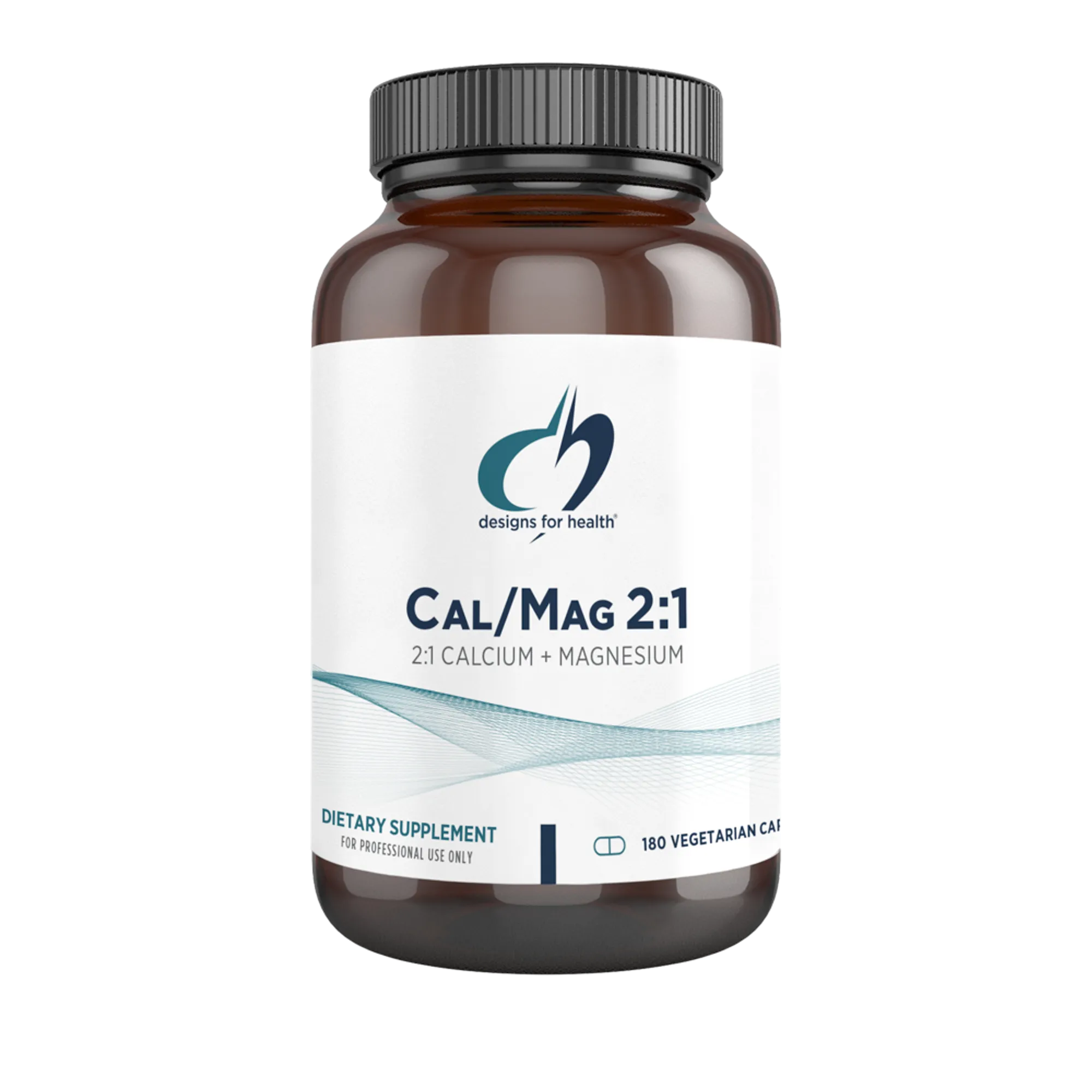
Cal/Mag 2:1 utilizes patented DimaCal® Di-Calcium Malate and Di-Magnesium Malate (originally developed by Albion Advanced Nutrition). These are fully chelated minerals, meaning two mineral molecules are tightly bound to a single molecule of organic malic acid. This structure acts as a biological "Trojan Horse." The intestines easily recognize and absorb the organic malic acid through specialized active transport mechanisms, seamlessly escorting the attached calcium and magnesium directly into the bloodstream. This completely bypasses the saturated ion channels, resulting in an exceptional 85% to 95% absorption rate for the di-magnesium malate form.
Overcoming Gastrointestinal Distress
One of the most common complaints regarding mineral supplementation is severe gastrointestinal distress. Standard calcium carbonate requires massive amounts of stomach acid to break down, predictably causing gas, bloating, and "acid rebound." Similarly, poorly absorbed magnesium oxide lingers in the intestinal tract, drawing in water and causing painful cramping and osmotic diarrhea. For patients with dysautonomia who already struggle with gastroparesis or irritable bowel symptoms, these side effects are intolerable.
The di-malate forms are uniquely gentle on the digestive system. In simulated gastric testing, di-calcium malate does not foam or produce gas bubbles when exposed to stomach acid. The malic acid acts as a natural buffering agent, ensuring the compounds remain stable as they pass through the stomach and only release their mineral payloads once they reach the optimal absorption sites in the small intestine. This holds true for the di-magnesium malate as well, providing clinical-dose magnesium without the dreaded laxative effect.
Optimal Dosing, Timing, and Cofactors
To maximize the benefits of Cal/Mag 2:1, timing and cofactors are essential. The human body cannot efficiently absorb more than 500 mg of elemental calcium at a single time. Therefore, it is highly recommended to split the suggested dose of 2 capsules per day, taking one in the morning and one in the evening. Taking the supplement with meals can further enhance absorption by stimulating natural digestive enzymes.
Furthermore, these minerals do not work in a vacuum. To ensure the calcium is properly utilized for bone density and kept out of the arteries, it is critical to maintain adequate levels of Vitamin D3 (for gut absorption) and Vitamin K2 (to direct calcium into the bones). When discussing your mineral status with a provider, standard serum magnesium blood tests are often highly inaccurate, as only 1% of the body's magnesium is stored in the blood. Requesting an RBC (Red Blood Cell) Magnesium test provides a much more accurate picture of your intracellular mineral reserves.
Follow the Science
The Boston Puerto Rican Health Study and Bone Density
The clinical importance of the 2:1 calcium-to-magnesium ratio is heavily supported by long-term epidemiological data. A landmark 2023 study published in the Journal of Nutrition analyzed the dietary habits and bone mineral density of 1,500 older adults over several years. The researchers concluded that maintaining a dietary calcium-to-magnesium ratio between 2.2:1 and 3.2:1 was the most protective factor against osteoporosis. Crucially, the lead researchers noted that achieving this specific synergistic balance was actually more important for preserving bone architecture than simply meeting the recommended daily minimums for either individual mineral.
Bioavailability Trials on Di-Calcium Malate
The superior absorption of the specific malate chelates used in Cal/Mag 2:1 has been demonstrated in rigorous clinical settings. A randomized trial presented at the FASEB Experimental Biology meeting evaluated 60 healthy adults taking a high 900 mg dose of elemental calcium from four different sources, including di-calcium malate and standard calcium carbonate. The pharmacokinetic data revealed that di-calcium malate demonstrated the longest half-life in the bloodstream. It also showed a superior maximum concentration (Cmax) and a longer time to reach that maximum concentration (Tmax), indicating a steady, sustained absorption profile rather than a rapid, unusable spike and subsequent drop-off.
Magnesium's Role in Post-Viral Syndromes
Recent immunological research has heavily focused on the role of mineral dysregulation in post-viral conditions. A 2024 narrative review in MDPI examining the molecular mechanisms of cognitive dysfunction in Long COVID highlighted that severe intracellular magnesium deficiency is strongly correlated with persistent manifestations of fatigue, brain fog, myalgia, and dysautonomia. The review emphasized that magnesium is required to stabilize neuronal membranes and modulate the calcium signaling pathways that drive neurogenic inflammation. Furthermore, a 2022 paper discusses a physiologic and biochemical argument for magnesium deficiency's role in Long COVID.
The Path Forward
Restoring Balance in Complex Illness
If you are navigating the unpredictable waves of Long COVID, ME/CFS, dysautonomia, or MCAS, it is entirely normal to feel overwhelmed by the sheer number of symptoms your body is producing. When you understand How Does a Doctor Diagnose Long COVID?, you realize that conventional medicine often lacks the tools to address the systemic, cellular-level dysfunctions driving these conditions. However, recognizing that many of your symptoms—from muscle spasms and brain fog to racing heart rates and allergic flushing—are interconnected through fundamental mineral imbalances offers a tangible path forward. You are not fighting a dozen different diseases; you are fighting a central disruption in your body's biochemical foundation.
Integrating Cal/Mag 2:1 into Your Protocol
Restoring your intracellular mineral stores is not an overnight fix, but rather a steady, foundational rebuilding process. Supplements like Cal/Mag 2:1 are most effective when utilized as part of a comprehensive management strategy that includes aggressive pacing, nervous system regulation, targeted hydration, and careful symptom tracking. By providing your body with the highly bioavailable, malate-bound forms of calcium and magnesium it desperately needs, you are giving your cells the raw materials required to calm the nervous system, relax exhausted muscles, and restart mitochondrial energy production.
As always, because complex chronic illnesses involve highly sensitive autonomic and immune systems, it is crucial to consult with a healthcare provider before introducing new supplements to your protocol, especially to ensure proper dosing and avoid interactions with existing medications. By taking a scientifically grounded approach to your mineral health, you can begin to rebuild your physiological resilience and improve your daily quality of life.
Sources
Global Healing. (n.d.). Calcium & Magnesium: Finding the Right Ratio for Optimal Health. https://globalhealing.com/natural-health/calcium-magnesium-finding-the-right-ratio/
UMass Lowell. (2023). Researcher: Balance of Key Minerals Helps to Prevent Weak Bones. https://www.uml.edu/news/stories/2023/fouhy-bone-health.aspx
MDPI Nutrients. (2024). Assessing the Impact of Dietary Calcium–Magnesium Ratio on Calciotrophic Hormones and Body Composition. https://www.mdpi.com/2072-6643/16/8/1179
Scientific Research Publishing. (2022). Long Covid, Short Magnesium. https://www.scirp.org/journal/paperinformation.aspx?paperid=117413
NCBI / PMC. (2011). Regulators of Ca2+ Signaling in Mast Cells. https://www.ncbi.nlm.nih.gov/pmc/articles/PMC3133679/
Qeios. (2023). Calcium-Magnesium Balance—Clinical Implications for Global Human Health. https://www.qeios.com/read/V8ZQ9B
Mama's Select. (n.d.). Bioavailability and Absorption of Magnesium Malate. https://mamasselect.com/blogs/news/magnesium-malate-benefits-a-comprehensive-guide
Nutragene Biotech. (2006). FASEB Experimental Biology: DiCalcium Malate Bioavailability. https://www.nutragenebiotech.com/Uploads/files/Nutragene_DiCalcium_Malate.pdf
Natural Products Insider. (2006). DiCalcium Malate tops in bioavailability. https://www.naturalproductsinsider.com/minerals/dicalcium-malate-tops-in-bioavailability
MDPI International Journal of Molecular Sciences. (2024). The Molecular Mechanisms of Cognitive Dysfunction in Long COVID: A Narrative Review. https://www.mdpi.com/1422-0067/25/5/2912