Can a 1:1 Calcium-Magnesium Ratio Support Muscle and Nerve Health in Long COVID?
March 5, 2026
Cal/Mag 1:1Long COVIDME/CFS
Share:
Disclaimer: The information provided here is for educational purposes only and is not intended as medical advice. It should not be used to diagnose, treat, cure, or prevent any medical condition. Instead, use it as a starting point for discussion with your healthcare provider. Always consult with a qualified healthcare provider before starting any new medication, supplement, device, or making changes to your health regimen.
Months or even years after recovering from an initial SARS-CoV-2 infection, many people find themselves battling a complex web of debilitating symptoms. Profound fatigue, muscle spasms, racing heart rates, and relentless brain fog become daily realities for those living with Long COVID, myalgic encephalomyelitis/chronic fatigue syndrome (ME/CFS), and dysautonomia. When standard blood tests come back "normal," it can be incredibly frustrating to feel so unwell without clear answers. However, emerging research is pointing toward profound disruptions at the cellular level, particularly involving essential minerals that govern how our nerves fire, our muscles contract, and our cells produce energy.
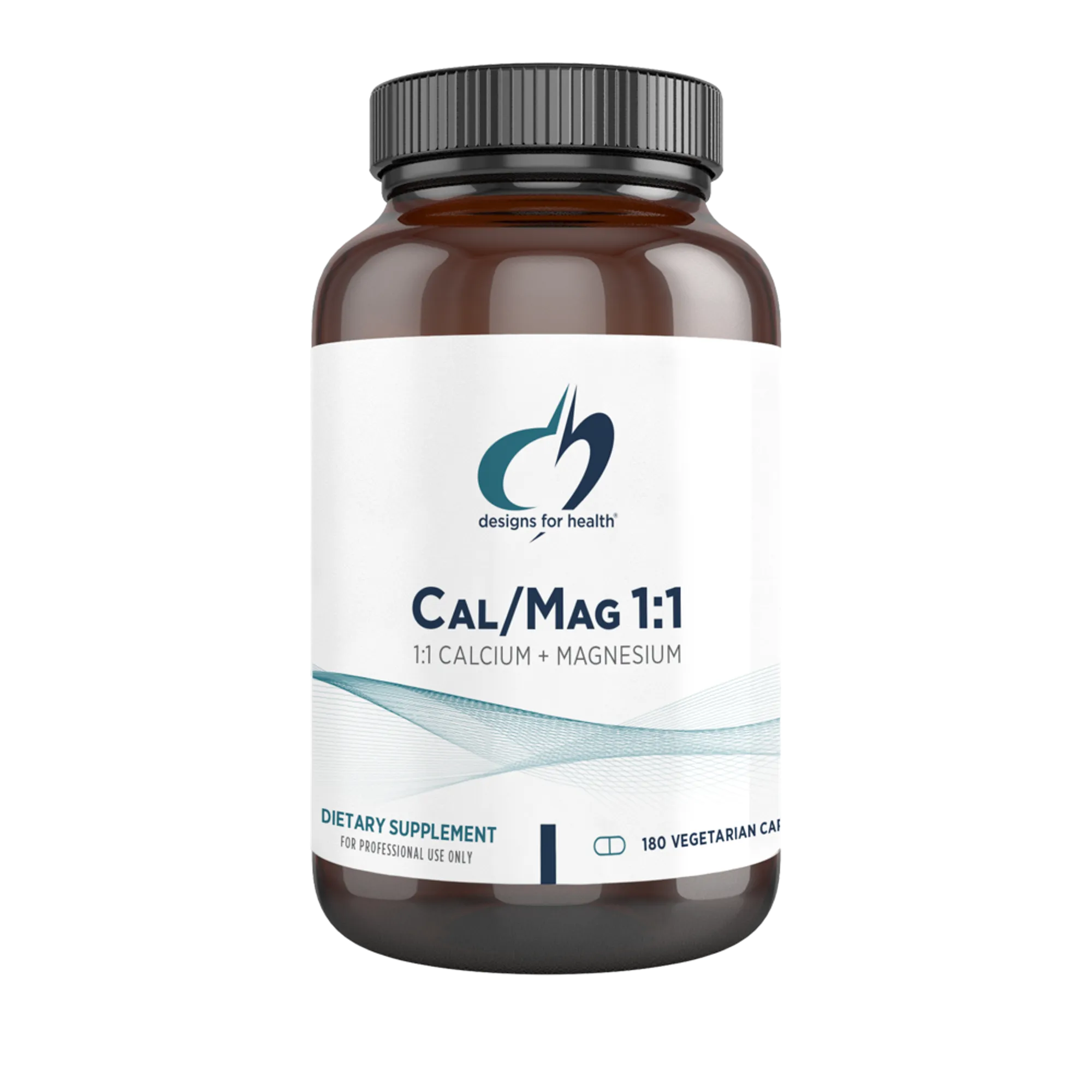
One of the most critical, yet frequently overlooked, dynamics in these chronic conditions is the delicate balance between calcium and magnesium. These two minerals act as physiological partners and antagonists, orchestrating everything from mitochondrial energy output to autonomic nervous system stability. Cal/Mag 1:1 by Designs for Health is formulated to deliver these vital nutrients in highly bioavailable chelated forms. By providing an equal ratio of calcium and magnesium, this supplement aims to address the widespread magnesium depletion seen in chronic illness while safely supporting bone, muscle, and cardiovascular health without the risks of calcium overload.
TL;DR
A 1:1 ratio of calcium to magnesium supports cellular energy and autonomic nervous system stability.
Magnesium depletion is common in Long COVID and ME/CFS, often worsening fatigue and muscle spasms.
Chelated forms like di-calcium and di-magnesium malate offer superior absorption without causing digestive distress.
Cal/Mag 1:1 may help manage musculoskeletal pain, brain fog, and cardiovascular symptoms in chronic illness.
What is Cal/Mag 1:1?
The Essential Mineral Duo
Calcium and magnesium are two of the most abundant and biologically essential minerals in the human body, responsible for facilitating hundreds of critical biochemical reactions. In a healthy physiological state, these minerals work in a continuous, highly coordinated push-and-pull dynamic. Calcium is widely recognized for its role in providing the structural density and strength of the skeletal system, as 99% of the body's calcium is stored within bones and teeth. However, its systemic functions extend far beyond bone health; calcium acts as a primary signaling molecule in the nervous system, triggering neurotransmitter release and initiating muscle contractions.
Magnesium, on the other hand, acts as the essential counterbalance to calcium's excitatory nature. It is a mandatory cofactor in over 300 enzymatic processes, including the synthesis of DNA, RNA, and crucial neurotransmitters. At the cellular level, magnesium is the ultimate "off switch." While calcium initiates cellular action, magnesium is required to halt it, allowing muscles to relax, nerves to calm, and blood vessels to dilate. Without adequate magnesium, the body remains in a state of chronic biochemical overstimulation, which can rapidly deplete cellular energy reserves and drive systemic inflammation.
The Importance of the 1:1 Ratio
Historically, nutritional guidelines heavily emphasized high calcium intake to prevent osteoporosis, leading to Western diets with calcium-to-magnesium ratios as skewed as 3:1 or even 4:1. Modern clinical research has revealed that this severe imbalance can be detrimental. When calcium levels vastly exceed magnesium levels, the excess calcium cannot be properly utilized by the bones. Instead, it lingers in the bloodstream and soft tissues, where it can contribute to muscle spasms, nerve pain, and dangerous vascular calcification.
Supplementing with a 1:1 ratio of calcium to magnesium is a targeted strategy to correct this modern dietary mismatch. Because the average diet is already saturated with calcium from fortified foods and dairy, providing an equal amount of supplemental magnesium acts as a mathematical counterbalance. This equal ratio ensures that the body has sufficient magnesium to activate Vitamin D, stimulate the hormone calcitonin (which directs calcium into the bones), and prevent calcium from inappropriately depositing into the arteries or overstimulating the nervous system.
The Power of Di-Malate Chelates
Not all mineral supplements are created equal, and the form in which these minerals are delivered drastically impacts their efficacy. Cal/Mag 1:1 utilizes DimaCal® Di-Calcium Malate and Di-Magnesium Malate. These are patented, chelated mineral forms created by binding two mineral molecules to one molecule of malic acid. Malic acid is an organic compound naturally found in fruits like apples and is a vital intermediate in the Krebs cycle, the primary pathway our cells use to generate energy.
By binding calcium and magnesium to malic acid, the body recognizes the compound as a food source rather than a difficult-to-digest inorganic rock salt (like calcium carbonate or magnesium oxide). This chelated structure allows the minerals to bypass the typical competition for limited inorganic ion channels in the gut. Instead, they are escorted directly through the intestinal wall via active transport pathways, resulting in vastly superior absorption, a longer half-life in the bloodstream, and significantly less gastrointestinal distress.
How Long COVID and ME/CFS Impact Mineral Balance
Viral Infection and Magnesium Depletion
The onset of complex chronic illnesses like Long COVID and ME/CFS is frequently triggered by a severe viral infection that throws the body's mineral homeostasis into chaos. When the immune system mounts a massive defense against a pathogen like SARS-CoV-2, it rapidly consumes available nutrient stores. Magnesium, in particular, is heavily utilized during this acute immune response to stabilize mast cells and regulate the production of inflammatory cytokines. If you are wondering What Causes Long COVID?, this initial systemic depletion of vital cofactors is a significant piece of the puzzle.
While some suggest magnesium deficiency is a predictor of long-term complications, research is still ongoing to determine whether patients with low serum magnesium levels upon hospital admission for COVID-19 face a drastically higher risk of developing Long COVID. Because less than 1% of the body's magnesium is stored in the blood, standard serum tests often miss profound intracellular deficiencies, leaving many patients unknowingly depleted as they struggle to recover.
Central Sensitization and Calcium Overload
In the context of ME/CFS and Long COVID, the nervous system often becomes stuck in a state of chronic hyper-arousal, a phenomenon known as central sensitization. This is deeply tied to the balance between calcium and magnesium at the NMDA (N-methyl-D-aspartate) receptors in the brain. In a healthy state, a magnesium ion sits inside the NMDA receptor channel, blocking it and preventing excessive nerve signaling.
When magnesium is depleted due to chronic illness, this vital gating mechanism fails. Without the magnesium block, an uninhibited influx of calcium floods into the neurons. This calcium overload causes glutamate excitotoxicity, forcing the nervous system into a relentless state of high alert. This biochemical cascade is a primary driver of the hypersensitivity to light and sound, persistent brain fog, and chronic widespread pain that so many patients experience when trying to figure out How Can You Live with Long-Term COVID.
Autonomic Dysfunction and the POTS Paradox
Dysautonomia, including Postural Orthostatic Tachycardia Syndrome (POTS), is a frequent and debilitating comorbidity in the Long COVID and ME/CFS communities. The autonomic nervous system relies heavily on magnesium to synthesize monoamine neurotransmitters like norepinephrine, serotonin, and dopamine. A shortfall in magnesium compromises the body's ability to regulate heart rate, blood pressure, and vascular tone, leading to the dizzying, erratic heart rhythms characteristic of POTS.
Furthermore, POTS patients often suffer from hypovolemia (low blood volume) linked to low levels of the hormones aldosterone and cortisol. The synthesis of these hormones relies on specific CYP450 enzymes inside the mitochondria, which are strictly magnesium-dependent. An elevated calcium-to-magnesium ratio can actively inhibit the synthesis of these vital hormones because excessive calcium competes with magnesium for the same cellular receptors, exacerbating the autonomic instability.
Cal/Mag 1:1: Supporting Cellular Energy and Muscle Function
Restoring Mitochondrial ATP Production
At the very core of ME/CFS and Long COVID pathophysiology is severe mitochondrial dysfunction. Mitochondria are the powerhouses of our cells, responsible for generating adenosine triphosphate (ATP), the energy currency of the body. What is often misunderstood is that ATP cannot function on its own; to be biologically active, it must bind to a magnesium ion to form Mg-ATP. Without adequate intracellular magnesium, the entire energy production line grinds to a halt, leading to the profound, paralyzing fatigue known as post-exertional malaise (PEM).
Cal/Mag 1:1 addresses this energy crisis through a dual mechanism. First, it provides the elemental magnesium required to stabilize and activate newly synthesized ATP molecules. Second, the malic acid component of the Di-Magnesium Malate and Di-Calcium Malate directly feeds into the Krebs cycle (also known as the citric acid cycle) inside the mitochondria, helping bypass certain metabolic bottlenecks, jumpstart stalled mitochondrial engines, and support sustained cellular energy production.
The Muscle Contraction-Relaxation Dynamic
For patients dealing with chronic illness, muscle spasms, twitching, and deep tissue pain are daily struggles. These symptoms are a direct manifestation of disrupted calcium and magnesium signaling at the muscular level. When a nerve impulse commands a muscle to move, calcium ions rush into the muscle fibers, binding to a protein called troponin to initiate the contraction.
To release that contraction, magnesium must enter the cell to compete with calcium for those binding sites, while also powering the cellular pumps that push calcium back out of the muscle fiber. By providing a balanced 1:1 ratio, Cal/Mag 1:1 ensures that there is sufficient calcium to maintain structural muscle integrity, paired with an equal force of magnesium to act as the essential "off switch." This balanced dynamic helps prevent the prolonged, painful contractions and stiffness that plague so many patients.
Cardiovascular and Endothelial Support
Cardiovascular symptoms, including chest tightness, palpitations, and blood pressure fluctuations, are hallmark features of dysautonomia and Long COVID. The heart is a massive muscle that relies on the exact same calcium-magnesium dynamic as skeletal muscles to maintain a steady, rhythmic beat. A balanced intake of these minerals is crucial for maintaining proper cardiac electrical conduction and preventing arrhythmias.
Beyond the heart muscle itself, the 1:1 ratio protects the delicate endothelial lining of the blood vessels. Clinical studies have demonstrated that excessive calcium supplementation without adequate magnesium can lead to vascular calcification, where calcium deposits stiffen the arteries. Magnesium acts as a natural calcium channel blocker, relaxing the smooth muscle cells lining the blood vessels, promoting healthy vasodilation, and ensuring that calcium is directed toward the bones rather than accumulating in cardiovascular tissues.

Symptoms Cal/Mag 1:1 May Help Manage
Musculoskeletal and Neurological Symptoms
When considering What Are the Symptoms of Long COVID?, the overlap with mineral dysregulation is striking. Cal/Mag 1:1 targets several specific symptom clusters by addressing the underlying biochemical imbalances at the cellular level.
Muscle Cramps and Spasms: By providing magnesium to compete with calcium at the troponin binding sites, the supplement helps "turn off" prolonged muscle contractions, reducing painful spasms and restless legs.
Brain Fog and Cognitive Overload: Magnesium restores the gating mechanism at the NMDA receptors in the brain, preventing the calcium-driven glutamate excitotoxicity that causes neuroinflammation and cognitive dysfunction.
Nerve Pain and Tingling: A balanced mineral ratio supports healthy myelin sheath function and regulates the electrical impulses traveling along nerve pathways, potentially easing neuropathic pain.
Energy and Cardiovascular Symptoms
The systemic impact of balanced calcium and magnesium extends deeply into metabolic and autonomic functions, offering support for some of the most debilitating aspects of chronic illness.
Profound Fatigue and PEM: The combination of elemental magnesium and malic acid directly fuels the Krebs cycle and stabilizes Mg-ATP, supporting the mitochondria's ability to generate and utilize cellular energy without immediately crashing.
Heart Palpitations and Racing Heart: Magnesium acts as a natural calcium channel blocker in cardiac tissue, helping to regulate the heart's electrical conduction system and calm the erratic rhythms associated with dysautonomia and POTS.
Blood Pressure Fluctuations: By promoting the relaxation of smooth muscle cells in the vascular lining, balanced magnesium helps maintain healthy vasodilation and endothelial function, supporting more stable blood pressure.
Practical Considerations: Forms, Dosing, and Absorption
Why Di-Calcium and Di-Magnesium Malate?
Bioavailability is the most critical factor when choosing a mineral supplement; it does not matter how much you ingest if your body cannot absorb it at the cellular level. Standard forms like magnesium oxide or calcium carbonate require massive amounts of stomach acid to break their inorganic bonds. In patients with chronic illness, who often have compromised digestion or take acid-reducing medications, these cheap forms simply pool in the intestines, drawing in water and causing severe gastrointestinal distress and diarrhea.
Cal/Mag 1:1 utilizes DimaCal® Di-Calcium Malate and Di-Magnesium Malate. Because these minerals are chelated (bound) to malic acid, they do not rely heavily on stomach acid for breakdown. Instead, they utilize organic acid transport pathways to cross the intestinal lining efficiently. Clinical trials have shown that di-magnesium malate significantly increases red blood cell (RBC) magnesium levels—the most accurate marker of deep tissue absorption—while causing minimal to no gastrointestinal upset, even at therapeutic doses.
Optimal Dosing and Timing
The suggested use for Cal/Mag 1:1 is taking 2 capsules per day, which provides 200 mg of elemental calcium and 200 mg of elemental magnesium. Because these chelated forms are highly stable and easily absorbed, they can be taken with or without food, though taking them with a meal may further enhance absorption by stimulating natural digestive enzymes.
For patients wondering Do Long COVID Symptoms Come and Go?, establishing a consistent daily routine is key to stabilizing fluctuating symptoms. Many patients find it beneficial to split the dose, taking one capsule in the morning to support daytime energy production (thanks to the malic acid) and one in the evening to support muscle relaxation and nervous system calming before sleep. It typically takes several weeks of consistent supplementation to rebuild deep tissue mineral stores and notice sustained clinical improvements.
Potential Interactions and Safety
While Cal/Mag 1:1 is generally safe and well-tolerated, there are important practical considerations regarding drug interactions. Calcium and magnesium can bind to certain medications in the digestive tract, preventing their absorption. This is particularly true for certain antibiotics (like tetracyclines and fluoroquinolones), bisphosphonates used for osteoporosis, and thyroid hormone replacement medications (like levothyroxine).
To avoid these interactions, it is crucial to separate the intake of Cal/Mag 1:1 from these medications by at least two to four hours. Additionally, patients with severe kidney disease should exercise caution, as compromised kidneys may struggle to filter and excrete excess minerals. Always consult with your healthcare provider before introducing a new supplement, especially if you are managing complex conditions or taking multiple prescription medications.

Follow the Science
Magnesium Deficiency as a Predictor for Long COVID
The scientific community is increasingly recognizing the profound impact of mineral status on viral recovery and chronic illness trajectories. Ongoing research continues to explore how critical magnesium is for immune regulation and preventing the long-term inflammatory cascades that drive post-viral syndromes.
Furthermore, research into the overlapping mechanisms of ME/CFS and Long COVID continues to point toward mitochondrial impairment. A recent review in the Journal of Translational Medicine highlighted that mitochondrial dysfunction, specifically regarding ATP availability and the fraction of ATP complexed with magnesium, strongly correlates with the severity of ME/CFS symptoms. This underscores the necessity of magnesium in stabilizing ATP for cellular energy.
Bioavailability and Cellular Uptake Trials
The specific chelated forms used in Cal/Mag 1:1 are backed by robust absorption data. A landmark 2018 clinical trial published in the Journal of the American College of Nutrition (the Scottsdale Magnesium Study) tracked adults taking a timed-release di-magnesium malate supplement over 90 days. The study demonstrated a 22% increase in serum magnesium just four hours after ingestion, proving rapid absorption. More importantly, red blood cell (RBC) magnesium levels increased by 30% at the 90-day mark, confirming deep cellular uptake. Participants also reported a 63% reduction in magnesium deficiency symptoms, with 91% experiencing no significant gastrointestinal distress.
Similarly, the di-calcium malate form has been proven superior to standard calcium salts. A 2006 FASEB absorption study coordinated by KGK Synergize tested single high doses of various calcium forms in healthy adults. The results showed that di-calcium malate had the longest half-life and maintained elevated serum calcium concentrations for a significantly longer period than calcium carbonate, providing a sustained, steady release of the mineral without sharp spikes.
Cardiovascular Risks of Unbalanced Calcium
The shift toward a 1:1 calcium-to-magnesium ratio is heavily supported by modern cardiovascular research. A massive 11-year study published in the journal Heart in 2012, which analyzed nearly 24,000 participants, revealed a startling danger: individuals who took calcium-only supplements were 86% more likely to suffer a heart attack. The researchers concluded that acute spikes in serum calcium, without adequate magnesium to direct that calcium into the bones, lead to vascular calcification and arterial stiffening. This data firmly supports the clinical rationale for pairing calcium with an equal dose of magnesium to protect endothelial health.
The Path Forward
Finding Balance in Chronic Illness
Living with complex chronic conditions like Long COVID, ME/CFS, and dysautonomia often feels like a constant battle to find equilibrium. When your nervous system is in overdrive, your muscles ache with tension, and your energy reserves are profoundly depleted, it is entirely validating to seek out targeted, science-backed support. Understanding the intricate dance between calcium and magnesium at the cellular level provides a crucial piece of the puzzle in explaining why your body feels so out of balance.
A Comprehensive Approach to Healing
While restoring mineral homeostasis is a powerful step, it is important to remember that no single supplement is a cure-all. Managing these intricate conditions requires a comprehensive, multi-layered approach. Cal/Mag 1:1 is designed to be one foundational tool in a broader management strategy that should also include aggressive pacing to prevent post-exertional malaise, nervous system regulation techniques, adequate hydration, and personalized medical care. By addressing the biochemical roots of cellular energy and muscle function, you are giving your body the structural support it needs to navigate the long road of recovery.
Next Steps
If you are struggling with the debilitating fatigue, muscle spasms, and autonomic instability associated with Long COVID or ME/CFS, addressing potential mineral deficiencies is a proactive step forward. Always consult with your healthcare provider to ensure this supplement aligns with your specific lab results and current medication regimen.