Can Calcium/Magnesium Citrate Help Manage Muscle Cramps and Nerve Pain in Long COVID and POTS?
March 5, 2026
Calcium CitrateMagnesium CitrateLong COVID
Share:
Disclaimer: The information provided here is for educational purposes only and is not intended as medical advice. It should not be used to diagnose, treat, cure, or prevent any medical condition. Instead, use it as a starting point for discussion with your healthcare provider. Always consult with a qualified healthcare provider before starting any new medication, supplement, device, or making changes to your health regimen.
Living with complex chronic conditions like Long COVID, myalgic encephalomyelitis/chronic fatigue syndrome (ME/CFS), and dysautonomia often feels like navigating a labyrinth without a map. Patients frequently experience a bewildering array of symptoms—from debilitating muscle cramps and unpredictable heart palpitations to profound fatigue and brain fog. When your body is trapped in a state of chronic illness, the fundamental cellular processes that govern energy production, nerve transmission, and muscle function can become severely compromised. It is not simply a matter of being "tired"; it is a profound physiological disruption at the molecular level.
One of the most critical, yet frequently overlooked, aspects of managing these interconnected conditions is the delicate balance of intracellular minerals. Calcium and magnesium are two of the most abundant and essential minerals in the human body, acting as a dynamic physiological partnership. Together, they regulate the autonomic nervous system, power mitochondrial energy production, and maintain the structural integrity of our bones. In this comprehensive guide, we will explore the deep biochemical relationship between these minerals, how post-viral syndromes disrupt their balance, and why highly bioavailable forms like Calcium/Magnesium (citrate) may be a vital component of your symptom management toolkit.
TL;DR
Calcium and magnesium work together to support cellular energy, nerve signaling, and muscle function.
Chronic conditions like Long COVID may deplete magnesium, worsening fatigue, muscle cramps, and dysautonomia.
Calcium/Magnesium citrate is highly bioavailable and may help manage symptoms like palpitations and brain fog.
Always consult your doctor before starting supplements, especially if taking medications or managing kidney disease.
What is Calcium/Magnesium Citrate?
The Physiological Partnership of Calcium and Magnesium
To understand the profound impact of Calcium/Magnesium (citrate) on the body, we must first examine how these two essential minerals operate in a healthy system. Calcium and magnesium function as biological counterweights, locked in a perpetual, highly choreographed dance at the cellular level. While calcium is often exclusively associated with bone health in popular culture, it is actually a vital intracellular signaling molecule, acting as the universal "on switch" for countless physiological processes. Magnesium, conversely, acts as the natural "off switch" or regulator, ensuring that cellular mechanisms do not become overactive. This delicate equilibrium is fundamental to human survival, dictating everything from the beating of your heart to the firing of your neurons.
When these minerals are bound to citric acid to form organic salts—calcium citrate and magnesium citrate—they become highly bioavailable. Upon ingestion, these compounds dissociate in the digestive tract into citrate molecules and elemental ions ($Ca^{2+}$ and $Mg^{2+}$). The Linus Pauling Institute at Oregon State University notes that these elemental ions are then actively transported across the intestinal lining and into the bloodstream, where they are distributed to tissues throughout the body. The citrate molecule itself is not merely a carrier; it actively participates in the Krebs cycle (also known as the citric acid cycle) within the mitochondria, providing an additional substrate for cellular energy production.
The Muscle Contraction and Relaxation Cycle
The dynamic interplay between calcium and magnesium is perhaps most vividly illustrated in the muscle contraction cycle. Muscle fibers contain specialized structures called the sarcoplasmic reticulum, which store high concentrations of calcium. When a nerve impulse reaches a muscle, it triggers the opening of voltage-dependent calcium channels. Calcium ions flood into the muscle cell's cytosol, binding to a regulatory protein called troponin. This binding initiates the "sliding filament" mechanism, allowing the muscle proteins actin and myosin to lock together and physically contract the muscle fiber. Without this sudden influx of calcium, voluntary and involuntary muscle movement—including the pumping of the heart—would be impossible.
However, a muscle cannot remain in a permanent state of contraction; it must relax to function properly. This is where magnesium becomes critical. Magnesium acts as a natural calcium channel blocker. Once the contraction is complete, magnesium enters the cellular space to usher the calcium ions back out of the cytosol and close the voltage-gated channels. It essentially uncouples the actin and myosin filaments, allowing the muscle fiber to lengthen and relax. If the body is deficient in magnesium, calcium remains trapped inside the cell, causing the muscle to fire continuously. This biochemical gridlock manifests clinically as severe muscle cramps, painful spasms, restless legs, and the unpredictable twitching (fasciculations) frequently reported by patients with chronic illness.
Neurological Signaling and the NMDA Receptor
Beyond the muscular system, calcium and magnesium are indispensable for proper neurological function and nerve transmission. In the central nervous system, calcium acts as a crucial second messenger. When an electrical signal (action potential) travels down a nerve, it triggers calcium channels at the nerve terminal to open. The resulting influx of calcium acts as the precise biochemical trigger that causes synaptic vesicles to fuse with the cell membrane, releasing neurotransmitters like glutamate, serotonin, and dopamine into the synaptic cleft. This process allows electrical signals to jump from one neuron to the next, facilitating everything from cognitive processing to sensory perception.
Magnesium protects the delicate architecture of the nervous system by regulating this exact pathway. It sits inside the ion channel of the N-methyl-D-aspartate (NMDA) receptor, a critical receptor in the brain that responds to the excitatory neurotransmitter glutamate. Under normal resting conditions, magnesium physically blocks the NMDA receptor, helping to avoid excessive calcium from flooding into the neuron. If magnesium levels drop, the NMDA receptor becomes unblocked and hypersensitive. This allows a massive, unregulated influx of calcium, leading to a state of severe neurological over-excitation. This phenomenon, known as excitotoxicity, drives neuro-inflammation, central sensitization (an amplified pain response), and the profound cognitive dysfunction often described as brain fog.
The Structural Foundation of Bone Health
Finally, we must address the foundational role these minerals play in the skeletal system. Approximately 99% of the body's calcium and 60% of its magnesium are stored within the bones and teeth. Bone is not a static, dead tissue; it is a highly active, living matrix that undergoes continuous remodeling. Specialized cells called osteoclasts constantly break down old bone tissue (resorption), while cells called osteoblasts build new bone tissue (formation). Calcium provides the primary physical density and structural rigidity of the bone matrix, acting as the microscopic bricks that build the skeletal foundation.
Magnesium is the essential mortar that holds this structure together. It stimulates the bone-building osteoblasts and is required for the synthesis of the collagen scaffolding to which calcium crystals bind. Furthermore, magnesium is an absolute prerequisite for the conversion of Vitamin D into its active hormonal form, calcitriol. Without adequate magnesium, Vitamin D remains inert, and the intestines cannot efficiently absorb dietary calcium. Clinical research indicates that an optimal dietary and supplemental calcium-to-magnesium ratio (between 2.2:1 and 3.2:1) is highly supportive of bone health, ensuring that calcium is properly directed into the bones rather than depositing inappropriately in soft tissues or arteries.
How Long COVID and Dysautonomia Impact Mineral Balance
The "Long COVID, Short Magnesium" Hypothesis
When a patient develops Long COVID, the intricate mineral balances that sustain normal physiology are violently disrupted. The acute phase of a SARS-CoV-2 infection triggers a massive immune response, generating profound oxidative stress and systemic inflammation. To combat this viral assault, the body rapidly consumes its intracellular stores of antioxidants and essential cofactors, particularly magnesium. This phenomenon has led researchers to propose the "Long COVID, Short Magnesium" hypothesis, which suggests that severe intracellular magnesium depletion during the acute infection is a primary driver of the lingering, debilitating sequelae seen in Long Haulers.
This depletion creates a vicious cycle of mitochondrial dysfunction. Mitochondria, the powerhouses of the cell, require magnesium to synthesize adenosine triphosphate (ATP), the fundamental currency of cellular energy. In fact, ATP must be bound to a magnesium ion (forming an Mg-ATP complex) to be biologically active. When a viral infection strips the body of magnesium, mitochondrial energy production plummets. This catastrophic drop in cellular energy is a major contributing factor to the profound, unrefreshing fatigue and post-exertional malaise (PEM) that define both Long COVID and ME/CFS. Patients find themselves operating on a drained battery, where even minor physical or cognitive exertion triggers a severe metabolic crash.
Dysautonomia, POTS, and Sympathetic Overdrive
The depletion of these critical minerals also wreaks havoc on the autonomic nervous system, leading to conditions like postural orthostatic tachycardia syndrome (POTS) and broader dysautonomia. POTS is characterized by an abnormal spike in heart rate upon standing, accompanied by blood pooling, dizziness, and a hyperactive sympathetic nervous system. This state of "sympathetic overdrive" means the body is perpetually stuck in a fight-or-flight response. Because magnesium is essential for synthesizing calming neurotransmitters like GABA and regulating the parasympathetic (rest and digest) nervous system, a deficiency leaves the autonomic nervous system entirely unbraked.
Furthermore, many POTS patients suffer from hypovolemia (low blood volume) and paradoxically low levels of the fluid-retaining hormones aldosterone and cortisol. The synthesis of these crucial volume-regulating hormones requires specific CYP450 enzymes that are entirely magnesium-dependent. When magnesium levels fall, the body loses its ability to produce adequate aldosterone, exacerbating the low blood volume and orthostatic intolerance. Additionally, the standard medical management of POTS often involves medications like fludrocortisone to retain sodium. However, clinical guidelines warn that fludrocortisone actively depletes the body's potassium and magnesium stores, potentially worsening the very palpitations and muscle cramps the patient is trying to escape.
Mast Cell Activation Syndrome (MCAS) and Intracellular Calcium
The pathophysiology of chronic illness becomes even more complex when we examine Mast Cell Activation Syndrome (MCAS), a condition frequently comorbid with Long COVID and POTS. Mast cells are immune sentinels filled with granules containing inflammatory mediators like histamine, tryptase, and cytokines. In MCAS, these cells become hyper-responsive, degranulating inappropriately in response to minor triggers. At the absolute core of this pathological degranulation is intracellular calcium signaling. An influx of calcium into the mast cell's cytosol is the obligatory "on switch" required for the cell to release its inflammatory contents into the bloodstream.
In a healthy system, this calcium influx is tightly regulated. However, in MCAS, genetic vulnerabilities and chronic neuro-inflammation cause receptors—such as the MRGPRX2 receptor—to become hypersensitive. When triggered by stress hormones or environmental factors, these receptors cause the endoplasmic reticulum to dump its stored calcium, triggering a massive influx of extracellular calcium through Orai1 channels. This sustained high level of cytosolic calcium physically forces the mast cell to degranulate, triggering systemic allergic-like reactions, brain fog, and vascular leakage. Because magnesium acts as a natural calcium channel blocker, a deficiency removes the biochemical brakes on this process, leaving mast cells in a highly volatile, easily triggered state.
Calcium/Magnesium Citrate: Supporting Cellular Energy and Autonomic Function
Restoring Mitochondrial ATP Production
Supplementing with a highly bioavailable form of Calcium/Magnesium (citrate) can play a pivotal role in supporting the body's disrupted biochemical pathways. For patients battling the crushing fatigue of Long COVID and ME/CFS, the primary therapeutic target is restoring mitochondrial function. By providing an influx of elemental magnesium, supplementation directly supports the Krebs cycle and the electron transport chain. Magnesium acts as an essential cofactor for the enzymes that synthesize ATP, allowing the mitochondria to begin rebuilding the cellular energy reserves that were depleted during the acute viral phase.
Furthermore, the citrate molecule itself offers a unique metabolic advantage. Unlike inorganic mineral salts, citrate is an active metabolic intermediate. Once the calcium and magnesium ions dissociate, the remaining citrate is transported directly into the mitochondria, where it fuels the citric acid cycle. This dual-action mechanism—providing both the mineral cofactor (magnesium) and the metabolic fuel (citrate)—helps to slowly reverse the bioenergetic failure seen in post-viral syndromes. Over time, this can help elevate the baseline energy threshold, potentially reducing the severity and frequency of post-exertional crashes.
Calming Neuromuscular Excitability and Autonomic Tone
For individuals navigating the unpredictable heart rates and severe muscle spasms of dysautonomia and POTS, the combination of calcium and magnesium citrate offers targeted neuromuscular support. By replenishing intracellular magnesium levels, the supplement restores the natural "calcium channel blocking" mechanism within the muscle fibers and vascular smooth muscle. This allows the voltage-gated channels to close properly after a contraction, helping to avoid the continuous firing that leads to painful muscle cramps, restless legs, and chest tightness.
Neurologically, restoring the magnesium balance helps to physically plug the NMDA receptors in the central nervous system. This blunts the excessive influx of calcium that drives neuro-inflammation and excitotoxicity. By calming this central sensitization, patients often experience a reduction in the severity of their brain fog, neuropathic pain, and sensory overload. Additionally, adequate magnesium supports the synthesis of GABA, an inhibitory neurotransmitter that helps shift the autonomic nervous system out of sympathetic overdrive and back into a restorative, parasympathetic state, which is crucial for living with long-term COVID.
Supporting Bone Density Amidst Chronic Inflammation
A frequently ignored consequence of complex chronic illness is the rapid decline in bone mineral density. Patients with ME/CFS and Long COVID are often forced into prolonged periods of bed rest or severe physical limitation due to PEM. This lack of weight-bearing exercise, combined with high levels of systemic inflammation, drastically accelerates bone resorption. Calcium citrate supplementation directly addresses this risk. Pharmacodynamically, an influx of absorbed calcium elevates plasma calcium levels, which activates calcium-sensing receptors on the parathyroid glands.
This activation suppresses the secretion of Parathyroid Hormone (PTH). Because PTH is the hormone responsible for stripping calcium from the bones to maintain blood levels, suppressing it effectively halts the accelerated breakdown of the skeletal matrix. When combined with magnesium—which stimulates the bone-building osteoblasts—this supplementation strategy helps preserve bone mass and structural integrity, supporting skeletal health while patients focus on their primary recovery.
Symptoms Calcium/Magnesium Citrate May Help Manage
Targeted Symptom Relief for Complex Conditions
Because calcium and magnesium govern such a vast array of intracellular processes, restoring their balance can have a profound, multi-systemic impact. While supplements are not a cure, clinical observation and biochemical research suggest that Calcium/Magnesium (citrate) may help manage the following specific symptoms:
Severe Muscle Cramps and Spasms: By acting as a natural calcium channel blocker, magnesium ushers calcium out of the muscle cells after contraction, helping to avoid the continuous firing that causes painful spasms, restless legs, and post-exertional muscle tightness.
Heart Palpitations and Tachycardia: The autonomic nervous system relies on magnesium to regulate the electrical impulses of the heart. Replenishing magnesium helps calm sympathetic overdrive, supporting a more stable heart rhythm and reducing the frequency of ectopic beats often seen in dysautonomia.
Brain Fog and Sensory Overload: By physically blocking the NMDA receptors in the brain, magnesium helps to avoid the excessive influx of calcium that causes excitotoxicity and neuro-inflammation, thereby helping to clear cognitive dysfunction and reduce sensory hypersensitivity.
Profound Fatigue and Low Energy: Magnesium is a mandatory cofactor for the synthesis of ATP in the mitochondria. Providing the body with highly bioavailable magnesium and metabolic citrate helps rebuild the cellular energy reserves depleted by chronic viral infections.
Bone Density Loss from Inactivity: Prolonged bed rest due to PEM accelerates bone breakdown. Calcium citrate actively suppresses Parathyroid Hormone (PTH), halting bone resorption, while magnesium stimulates the osteoblasts to build new bone tissue, protecting skeletal integrity.
Mast Cell Hypersensitivity: While not a direct mast cell stabilizer, correcting a magnesium deficiency helps regulate the intracellular calcium signaling pathways that trigger mast cell degranulation, potentially raising the threshold for allergic-like reactions.
Practical Considerations: Forms, Dosing, and Absorption
The Bioavailability Advantage of the Citrate Form
When selecting a mineral supplement, the chemical form is just as critical as the dosage. The form dictates the supplement's bioavailability—the rate and extent to which the active mineral is absorbed into the bloodstream and utilized by the cells. In clinical practice, organic salts like citrate are heavily favored over inorganic salts like carbonate or oxide. Calcium carbonate, the most common and inexpensive form found in drugstores, requires a highly acidic stomach environment to break down. It must be taken with heavy meals and is notorious for causing severe gastrointestinal distress, bloating, and constipation.
In stark contrast, calcium citrate does not require stomach acid for dissolution. According to a meta-analysis of 15 trials, calcium citrate is absorbed 27.2% better on an empty stomach and 21.6% better with meals compared to calcium carbonate. This makes the citrate form the absolute required choice for older adults, patients with achlorhydria (low stomach acid), or those taking proton pump inhibitors (PPIs) for acid reflux. Similarly, magnesium oxide has a notoriously poor bioavailability of approximately 4% and acts primarily as an osmotic laxative, drawing water into the bowels. Magnesium citrate, however, boasts a bioavailability of roughly 25% to 30%, allowing it to efficiently cross the intestinal barrier and reach the muscles and nerves where it is desperately needed.
Dosing Strategies and the Ideal Mineral Ratio
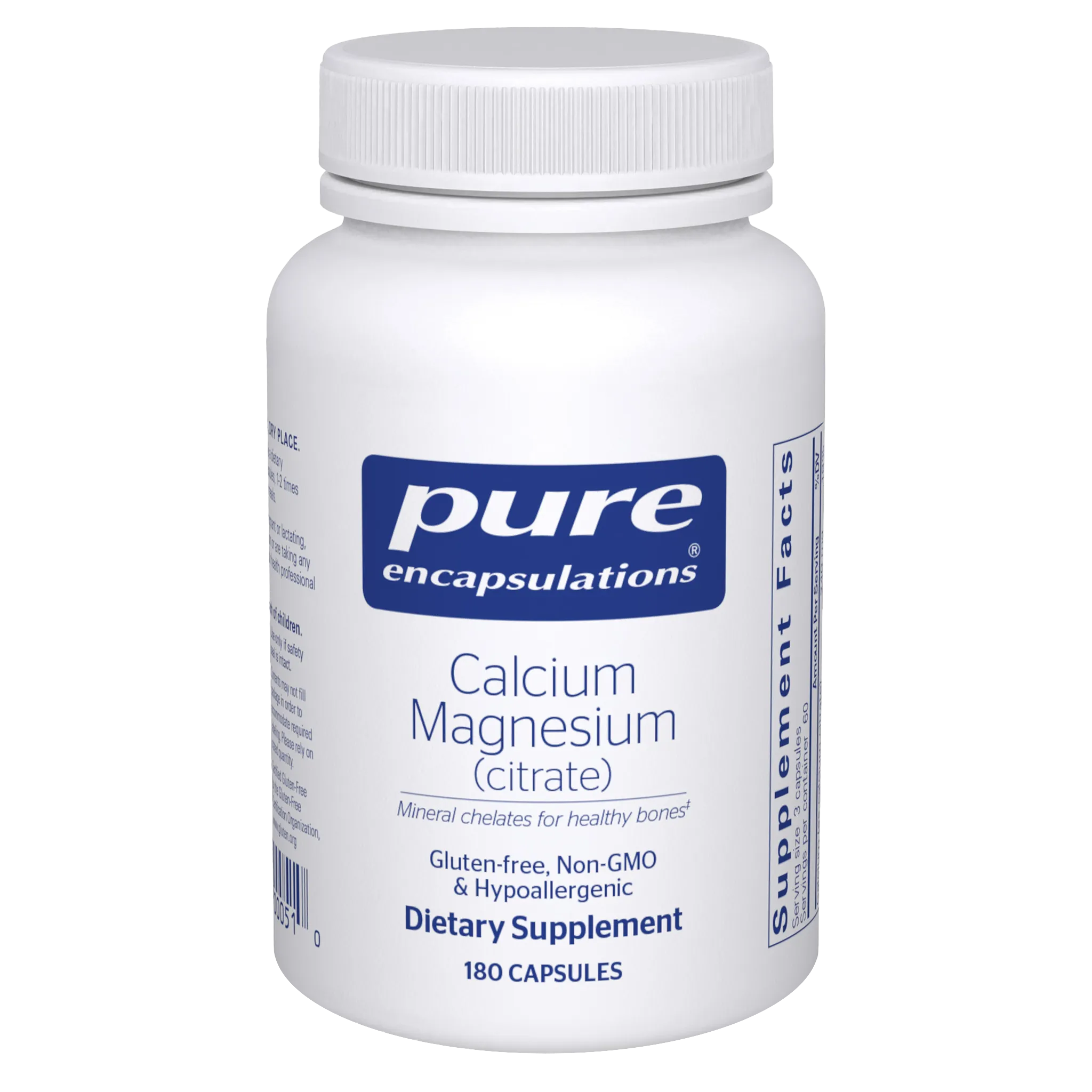
Because calcium and magnesium operate synergistically, taking them in the correct ratio is vital to keep one mineral from depleting the other. High calcium intake without adequate magnesium can drain the body's magnesium reserves, trapping cells in a state of biochemical excitability. Clinical research published in The Journal of Nutrition suggests that a dietary and supplemental calcium-to-magnesium ratio between 2.2:1 and 3.2:1 is the most protective range for overall health. The Pure Encapsulations formula provides a 1:1 ratio (240 mg of each per serving), which perfectly complements a standard diet that is typically already heavily skewed toward calcium, helping to bring the body's total systemic ratio back into the optimal protective range.
For optimal absorption, it is generally recommended to split the dosage throughout the day rather than taking a massive single dose. The intestinal receptors that transport calcium and magnesium can become saturated; taking smaller doses (e.g., 3 capsules, 1-2 times daily) ensures maximum uptake. Because the citrate form does not require stomach acid, you have the flexibility to take these capsules with or between meals. Many patients with dysautonomia prefer taking their magnesium-heavy doses in the evening, as the neuromuscular relaxation properties can significantly aid in falling asleep and reducing nighttime muscle spasms.
Potential Interactions and Safety Considerations
While calcium and magnesium citrate are generally exceptionally safe and well-tolerated, there are important practical considerations. Minerals can physically bind to certain medications in the digestive tract, inhibiting their absorption. If you are taking thyroid hormone replacement therapy (like levothyroxine) or certain classes of antibiotics (such as tetracyclines or fluoroquinolones), you must separate your mineral supplements from your medications by at least two to four hours.
Additionally, patients with chronic kidney disease (CKD) must exercise caution. The kidneys are primarily responsible for excreting excess magnesium and calcium from the bloodstream. If kidney function is severely impaired, minerals can accumulate to dangerous levels, leading to hypermagnesemia or hypercalcemia. Always consult with your healthcare provider or dysautonomia specialist before starting a new supplement regimen, especially if you are on potassium-sparing diuretics, fludrocortisone, or blood pressure medications, to ensure your overall electrolyte balance remains safe and optimized.
Follow the Science
Clinical Evidence in ME/CFS and Post-Viral Fatigue
The scientific literature provides compelling evidence for the role of intracellular minerals in managing chronic fatiguing illnesses. A landmark, randomized, double-blind study published in The Lancet (Cox et al., 1991) investigated magnesium levels in patients with Myalgic Encephalomyelitis/Chronic Fatigue Syndrome (ME/CFS). The researchers discovered that CFS patients had significantly lower red blood cell (RBC) magnesium concentrations compared to healthy controls, proving that standard serum blood tests often miss profound intracellular deficiencies. When provided with targeted magnesium support for six weeks, the active group reported statistically significant improvements in energy levels, emotional state, and pain reduction compared to the placebo group.
More recently, the intersection of mineral depletion and Long COVID has become a major focal point of post-pandemic research. The COMEPA Study (2023) evaluated patients with COVID-19 and found that low serum magnesium levels at admission accurately predicted longer hospital stays and worse outcomes. Crucially, the researchers noted that low magnesium was associated with a 2.14 times higher incidence of Long COVID symptomatology, particularly regarding cognitive dysfunction and neuro-psychiatric symptoms. This data strongly supports the hypothesis that correcting the viral-induced mineral deficit is a critical step in addressing the root cause of post-viral neurological symptoms.
Dysautonomia and Mitral Valve Prolapse Trials
While large-scale, randomized controlled trials isolating magnesium specifically for POTS are still needed, robust crossover trials in related dysautonomic conditions provide a strong clinical rationale for its use. A landmark trial evaluated 141 individuals suffering from Mitral Valve Prolapse (MVP) accompanied by severe dysautonomia—a clinical profile that heavily overlaps with POTS. The researchers found that an astonishing 60% of these dysautonomia patients had low blood magnesium levels.
In the subsequent 10-week, double-blind, placebo-controlled crossover trial, patients were given either a placebo or magnesium supplements. The findings were highly significant: patients receiving magnesium experienced a marked, statistically significant reduction in classic dysautonomic symptoms, specifically chest pain, heart palpitations, severe anxiety, and shortness of breath. This clinical data forms the evidence-based foundation for why top dysautonomia clinics routinely prescribe highly bioavailable magnesium to counteract sympathetic overdrive and stabilize autonomic function.
Bone Mineralization and Parathyroid Hormone Suppression
The efficacy of the citrate form for bone health is also heavily documented. A controlled clinical trial published in the Journal of Clinical Pharmacology assessed the bioavailability and physiological impact of a magnesium citrate-calcium complex. The researchers found that a single dose resulted in a dramatic -31.6% decrease in serum intact Parathyroid Hormone (PTH) ($p < 0.001$). Over the course of the study, specific urinary markers of bone breakdown declined significantly, proving that the citrate combination actively halted bone resorption at a molecular level.
Furthermore, a 12-month double-blind, placebo-controlled trial involving preadolescents evaluated the effects of a daily supplement containing elemental calcium and magnesium. The Ask The Scientists clinical review of this trial highlighted that the active group showed a net gain in trabecular bone mineral density of 1.41% over baseline, while the placebo group experienced a net decline. These studies collectively validate that Calcium/Magnesium (citrate) is not only highly absorbable but actively translates into measurable physiological improvements in bone density and hormonal regulation.
The Path Forward
Integrating Minerals into Your Management Plan
Living with invisible, complex illnesses like Long COVID, ME/CFS, and dysautonomia is an exhausting daily reality. When your body feels unpredictable and your energy reserves are constantly depleted, it is easy to feel overwhelmed by the sheer volume of symptoms. Validating the physiological root of these symptoms is the first step toward reclaiming your quality of life. The muscle cramps, the racing heart, and the profound brain fog are not in your head; they are the result of deep, molecular disruptions, including the depletion of vital intracellular minerals like calcium and magnesium.
While no single supplement is a miracle cure for complex post-viral syndromes, restoring your cellular mineral balance is a foundational piece of a comprehensive management strategy. By providing your mitochondria with the cofactors they need to produce energy, and giving your autonomic nervous system the biochemical tools to calm sympathetic overdrive, you can begin to raise your baseline. Supplements like Calcium/Magnesium (citrate) work best when integrated with meticulous symptom tracking, aggressive pacing to avoid PEM crashes, and ongoing medical care from specialists who understand the nuances of dysautonomia.
Moving Forward with Validation and Care
At RTHM, we understand the frustration of navigating a medical system that often lacks answers for diagnosing Long COVID. We chose the Pure Encapsulations Calcium/Magnesium (citrate) formula because its high bioavailability ensures that these essential minerals actually reach your cells, rather than causing gastrointestinal distress. If you are struggling with muscle spasms, palpitations, or the physical toll of prolonged inactivity, this targeted formulation may offer the physiological support your body desperately needs to begin healing.
Disclaimer: The information provided in this blog is for educational purposes only and is not intended as substitute for professional medical advice. Always consult your healthcare provider before starting any new supplement, especially if you have chronic kidney disease, are taking prescription medications, or are managing complex conditions like Long COVID, ME/CFS, or POTS.