Can Calcium with Vitamin D3 Support Bone Health in MCAS and Long COVID?
March 5, 2026
CalciumVitamin D3MCAS
Share:
Disclaimer: The information provided here is for educational purposes only and is not intended as medical advice. It should not be used to diagnose, treat, cure, or prevent any medical condition. Instead, use it as a starting point for discussion with your healthcare provider. Always consult with a qualified healthcare provider before starting any new medication, supplement, device, or making changes to your health regimen.
Imagine navigating the daily, unpredictable exhaustion of Long COVID or the sudden, severe allergic flares of Mast Cell Activation Syndrome (MCAS). When your primary focus is simply managing debilitating brain fog, profound fatigue, or dizzying heart rate spikes upon standing, silent issues like bone health often fall to the bottom of the priority list. Yet, the chronic inflammation, enforced inactivity, and specific medications used to manage these complex conditions place an immense, hidden burden on your skeletal system.
In the wake of post-viral syndromes and immune dysregulation, a critical health concern has emerged: accelerated bone demineralization and severe autonomic instability driven by nutrient depletion. Calcium and Vitamin D3 are not just basic vitamins; they are a synergistic powerhouse essential for maintaining the structural integrity of your skeleton, regulating the autonomic nervous system, and supporting cellular health. For individuals battling myalgic encephalomyelitis/chronic fatigue syndrome (ME/CFS), dysautonomia, and MCAS, understanding the profound biochemical roles of these nutrients is a vital step toward reclaiming physiological stability and protecting long-term vitality.
What is Calcium with Vitamin D3?
The Foundation of Skeletal Integrity
Calcium is the most abundant mineral in the human body, serving as the fundamental building block for the structural integrity of the skeletal system. Approximately 99% of the body's calcium is meticulously stored within the bones and teeth in the form of hydroxyapatite crystals. This dense, mineralized matrix provides the rigid, durable framework necessary for physical mobility, the protection of vital internal organs, and overall structural support. Without a continuous supply of this essential mineral, the skeletal architecture slowly begins to degrade, losing its density and resilience over time.
Beyond its vital structural role, the remaining 1% of calcium circulating in the blood and intracellular fluid is absolutely critical for life-sustaining physiological processes. Calcium ions act as indispensable secondary messengers in complex cellular signaling pathways. They are responsible for regulating muscle contractions, facilitating nerve impulse transmission, and initiating the blood coagulation cascade. Because these systemic functions are essential for immediate survival, the body tightly regulates blood calcium levels. When circulating calcium drops, the body will ruthlessly prioritize these systemic needs by leaching stored calcium directly from the skeletal reservoir.
This delicate, ongoing balancing act is known as calcium homeostasis, a continuous process of bone remodeling where old, damaged bone is broken down by specialized cells called osteoclasts, and new bone is synthesized by osteoblasts. In a healthy, well-nourished body, this cycle maintains robust bone density while ensuring a steady, reliable supply of circulating calcium for the nervous and muscular systems. However, without adequate dietary intake and the necessary biological cofactors for absorption, this equilibrium is quickly disrupted, leading to progressive, silent bone demineralization.
Vitamin D3: The Essential Pro-Hormone
While calcium serves as the physical building block of the skeletal system, Vitamin D3 (cholecalciferol) is the master architect that dictates exactly how and where that calcium is utilized. Despite its common name, Vitamin D3 is not merely a vitamin but a powerful, complex pro-hormone synthesized in the skin upon exposure to ultraviolet B (UVB) radiation. Once synthesized or ingested through supplementation, it undergoes a vital two-step activation process, first converting in the liver to 25-hydroxyvitamin D [25(OH)D], which serves as the primary circulating storage form measured in standard blood tests.
The second and most crucial activation step occurs within the kidneys, where the storage form is converted into its biologically active hormonal state, 1,25-dihydroxyvitamin D3, also known as calcitriol. Calcitriol functions as a potent ligand-activated transcription factor, binding directly to the Vitamin D Receptor (VDR) located in the nuclei of target cells throughout the entire body. This receptor-hormone complex directly influences the genetic expression of hundreds of specific genes involved in mineral metabolism, immune system regulation, and cellular proliferation.
The most critical and well-documented function of active Vitamin D3 is to optimize the intestinal absorption of dietary calcium and phosphorus. Current molecular research indicates that without adequate Vitamin D, the human gastrointestinal tract can only passively absorb a meager 10% to 15% of dietary calcium. However, in a Vitamin D-sufficient state, this absorption efficiency dramatically increases to 30% to 40%, providing the necessary mineral influx to sustain bone mineralization and support widespread systemic cellular functions.
The Synergistic Dance of Calcium and Vitamin D3
The physiological relationship between calcium and Vitamin D3 is one of profound biological synergy; neither nutrient can fully execute its intended duties without the presence of the other. When Vitamin D3 levels are optimized within the body, it actively upregulates the specific transport proteins required to shuttle calcium across the intestinal lining and safely into the bloodstream. This active, energy-dependent transport mechanism ensures that the body receives a steady, reliable supply of calcium, preventing the parathyroid glands from sounding the biological alarm of hypocalcemia.
Conversely, when Vitamin D3 is deficient, intestinal calcium absorption plummets drastically, triggering a cascade of compensatory mechanisms that are ultimately devastating to long-term bone health. In response to dropping blood calcium, the parathyroid glands secrete excessive amounts of parathyroid hormone (PTH). This hormone aggressively stimulates osteoclast activity to break down existing bone tissue and release stored calcium into the blood. This chronic state of secondary hyperparathyroidism is a primary, driving factor in the development of osteomalacia (soft bones) and osteoporosis in adults.
Furthermore, this vital synergy extends far beyond the skeletal system and into the realm of cellular regulation and gastrointestinal health. High luminal calcium levels in the gut help to suppress the specific enzymes that degrade active Vitamin D, leading to higher local tissue concentrations of calcitriol in the colon. This intricate biochemical crosstalk highlights exactly why supplementing these two nutrients together is vastly superior to taking either in isolation, particularly for individuals facing complex chronic health challenges that inherently impair absorption or accelerate bone loss.
How Chronic Illness Impacts Bone and Mineral Health
Mast Cell Activation Syndrome and Accelerated Bone Loss
Mast Cell Activation Syndrome (MCAS) is a complex, systemic immunological condition characterized by the chronic, inappropriate degranulation of mast cells. While frequently associated with visible allergic-like reactions, skin flushing, and severe gastrointestinal distress, an increasingly recognized and dangerous complication of MCAS is its detrimental effect on bone metabolism. Mast cells reside directly within the bone marrow, playing an active role in physiological bone remodeling, but when hyperactivated by illness or environmental triggers, they severely disrupt the delicate balance between bone-building osteoblasts and bone-resorbing osteoclasts.
During a severe mast cell flare, these immune cells release a massive flood of potent chemical mediators into the surrounding tissue, including histamine, heparin, and inflammatory cytokines like Interleukin-17A (IL-17A). Extensive immunological studies have shown that histamine acts directly on bone cells, heavily stimulating the formation and aggressive activity of osteoclasts, the cells responsible for breaking down bone tissue. Furthermore, mast cells express RANKL (Receptor Activator of Nuclear Factor κB Ligand) directly on their surface, which initiates rapid osteoclast proliferation, leading to pathological and often rapid bone destruction.
The clinical consequences of this continuous, mast cell-driven bone resorption are profound and often silent until a fracture occurs. Patients with idiopathic MCAS have been found to exhibit a significant prevalence of early-onset osteoporosis and silent vertebral fractures. For patients who also suffer from hypermobile Ehlers-Danlos Syndrome (hEDS)—a highly frequent comorbidity of MCAS—the inherent genetic defects in collagen synthesis compound this bone fragility, making proactive skeletal support an absolute necessity to prevent debilitating, life-altering fractures.
Dysautonomia, POTS, and Vitamin D Deficiency
Dysautonomia, particularly Postural Orthostatic Tachycardia Syndrome (POTS), represents a profound, systemic dysfunction of the autonomic nervous system, which controls involuntary processes like heart rate, digestion, and blood pressure. A rapidly growing body of clinical evidence points to severe Vitamin D deficiency as a significant shared characteristic and potential underlying mechanism in these patients. Vitamin D functions as a critical neuro-steroid hormone with receptors distributed widely throughout both the central and peripheral nervous systems, playing an indispensable role in maintaining autonomic balance.
Patients suffering from dysautonomia have been found to have severely depleted levels of 25-hydroxyvitamin D compared to healthy, asymptomatic individuals. This chronic deficiency severely impairs the delicate balance between the sympathetic (fight-or-flight) and parasympathetic (rest-and-digest) branches of the nervous system. Without adequate Vitamin D signaling, peripheral nerve conduction is compromised, directly exacerbating the irregular heart rates, profound dizziness, and severe orthostatic intolerance that characterize daily life with POTS.
Furthermore, Vitamin D is absolutely vital for regulating intracellular calcium gradients, which are essential for neuromuscular strength and maintaining proper vascular tone. Deficiency directly contributes to the profound physical weakness and venous blood pooling seen in dysautonomia patients upon standing. Low Vitamin D levels have been linked to a significantly higher risk of orthostatic hypotension, highlighting how restoring this critical pro-hormone is a foundational, non-negotiable step in stabilizing the autonomic nervous system and improving a patient's orthostatic tolerance.
Long COVID, ME/CFS, and the Cost of Chronic Inflammation
Long COVID and Myalgic Encephalomyelitis/Chronic Fatigue Syndrome (ME/CFS) share a nearly identical, devastating clinical profile, featuring extreme fatigue, post-exertional malaise (PEM), and widespread neurocognitive impairment known as brain fog. Both conditions are fundamentally driven by persistent viral reservoirs, circulating autoantibodies, and chronic neuroinflammation, creating a highly demanding metabolic state that rapidly depletes the body's essential nutrients. A recent study evaluating Long COVID patients found that 68% had severe Vitamin D deficiency, with depleted levels strongly correlated to the severity of their extreme fatigue and cognitive dysfunction.
The chronic, unrelenting inflammatory state of Long COVID and ME/CFS creates a vicious, self-perpetuating cycle of nutrient depletion and immune dysregulation. Pro-inflammatory cytokines, such as IL-6 and CRP, run rampant through the bloodstream, causing microvascular inflammation and endothelial damage that physically restricts oxygen delivery to the brain and skeletal muscles. Vitamin D possesses uniquely powerful immunomodulatory properties, acting as a biological brake on this hyperactive immune response by actively inhibiting pro-inflammatory pathways and promoting the production of soothing, anti-inflammatory cytokines.
When Vitamin D and calcium levels remain chronically low, the body entirely loses its ability to regulate this systemic inflammation effectively. The resulting, unchecked oxidative stress heavily damages mitochondrial function, further impairing cellular energy production (ATP) and drastically exacerbating the debilitating exhaustion of ME/CFS. Replenishing these vital nutrients is not merely about preserving bone health; it is about providing the immune system with the exact biological tools it requires to resolve chronic inflammation and support deep cellular recovery in the aftermath of severe viral infections.
Calcium with Vitamin D3: Supporting Skeletal and Systemic Function
The Vitamin D Receptor (VDR) and Intestinal Absorption
To truly understand how supplemental Calcium with Vitamin D3 supports the body, we must examine the intricate, microscopic mechanisms of intestinal absorption at the cellular level. Calcitriol exerts its powerful regulatory effects on calcium primarily through a genomic pathway mediated by the Vitamin D Receptor (VDR). The VDR is a specialized nuclear receptor and a ligand-activated transcription factor located directly inside target cells, most prominently the enterocytes that line the absorptive surface of the duodenum in the upper small intestine.
When active Vitamin D successfully binds to the VDR, the receptor forms a heterodimer with the Retinoid X Receptor (RXR). This newly formed complex travels directly into the cell's nucleus and binds to specific DNA sequences known as Vitamin D Response Elements (VDREs). This precise binding acts as a genetic on-switch, profoundly upregulating the expression of specialized transport proteins required to safely and efficiently move calcium from the highly acidic environment of the gut lumen into the systemic blood circulation.
This active, transcellular transport pathway is entirely and strictly dependent on adequate Vitamin D. It involves apical entry through Transient Receptor Potential Vanilloid 6 (TRPV6) channels, intracellular transport via the calcium-binding protein Calbindin-D9k (which prevents the calcium from becoming toxic to the cell), and basolateral extrusion into the blood via Plasma Membrane Calcium ATPase (PMCA1b). Animal studies utilizing VDR knockout models clearly demonstrate that without this Vitamin D-mediated pathway, calcium absorption efficiency plummets by over 70%, leading to severe, life-threatening hypocalcemia and profound skeletal deformities.
Restoring the Osteoblast and Osteoclast Balance
Once successfully absorbed into the bloodstream, the combination of highly bioavailable calcium and Vitamin D3 works synergistically to restore the delicate, essential balance of bone remodeling, which is so often disrupted in chronic illnesses like MCAS and Long COVID. By maintaining adequate, stable serum calcium levels, this targeted supplementation prevents the parathyroid glands from releasing excess parathyroid hormone (PTH). Suppressing PTH is absolutely critical, as it halts the aggressive, systemic signaling that commands osteoclasts to break down existing bone matrix.
Furthermore, Vitamin D3 plays a direct, active role in the maturation and optimal function of osteoblasts, the specialized cells responsible for synthesizing new bone tissue. Calcitriol stimulates osteoblasts to produce osteocalcin, a vital, structural protein that binds circulating calcium and integrates it directly into the hydroxyapatite crystal lattice of the bone. This intricate process not only preserves existing bone mineral density but actively promotes the structural reinforcement and hardening of the entire skeletal framework.
For patients dealing with the chronic, smoldering inflammation of post-viral syndromes or the continuous, damaging mediator release of mast cell disorders, this targeted skeletal support is essential. By providing highly bioavailable calcium alongside the precise hormonal key (Vitamin D3) required to utilize it, supplementation helps to powerfully counteract the pathological bone resorption driven by inflammatory cytokines, effectively shielding the skeleton from the collateral damage of systemic immune dysfunction.
Supporting Autonomic and Neuromuscular Function
Beyond the skeleton, Calcium with Vitamin D3 provides profound, necessary support for the autonomic nervous system and the neuromuscular junction, areas heavily impacted by dysautonomia and ME/CFS. Calcium ions are the fundamental, non-negotiable trigger for the release of neurotransmitters at the synaptic cleft. When an electrical action potential reaches a nerve terminal, voltage-gated calcium channels open, allowing a rapid influx of calcium that commands synaptic vesicles to fuse with the membrane and release their chemical messengers.
This precise, rapid calcium signaling is required for every single muscle contraction and every subtle autonomic adjustment of heart rate and vascular tone. Vitamin D3 ensures that intracellular calcium levels are tightly and accurately regulated, preventing the neuromuscular weakness and profound physical fatigue that plague patients suffering from post-exertional malaise (PEM). By stabilizing these vital calcium gradients, the nervous system can more effectively transmit the signals required to maintain orthostatic tolerance and prevent severe blood pooling upon standing.
Additionally, Vitamin D's well-documented role as an immunomodulator helps to drastically reduce the neuroinflammation that often disrupts these delicate autonomic pathways in Long COVID patients. By lowering the systemic burden of pro-inflammatory cytokines, Vitamin D protects the delicate endothelial cells lining the blood vessels, supporting healthy, responsive vascular reactivity. This dual mechanism—providing the necessary calcium ions for rapid signaling while simultaneously protecting the neural pathways from inflammation—makes this combination a vital, foundational tool for managing dysautonomia symptoms.
The Role of Calcium in Colon Health
The physiological benefits of Calcium with Vitamin D3 extend significantly into the gastrointestinal tract, playing a well-documented and crucial role in supporting colon health and maintaining cellular integrity. In the colonic lumen, unabsorbed dietary calcium acts as a powerful, protective chemical binding agent. It undergoes a process called saponification, where it actively binds to toxic secondary bile acids and irritating long-chain fatty acids, forming insoluble soaps that are safely and comfortably excreted from the body.
By neutralizing these highly irritating compounds, calcium prevents them from damaging the delicate colonic mucosa, thereby significantly reducing localized inflammation and preventing the compensatory, dangerous hyper-proliferation of epithelial cells. Furthermore, high extracellular calcium activates the Calcium-Sensing Receptor (CaSR) on colon cells. This activation downregulates proliferative signaling pathways, encouraging healthy cellular differentiation and inducing apoptosis (programmed cell death) in damaged or abnormal cells before they can become problematic or malignant.
Vitamin D3 strongly amplifies this protective gastrointestinal effect by inducing a cell-cycle arrest in stressed colonic cells and upregulating the expression of E-cadherin, a vital protein that maintains tight junctions and healthy cellular architecture. Large-scale epidemiological studies consistently note that the protective benefits of calcium in the colon are most robust and statistically significant when individuals maintain optimal Vitamin D levels, highlighting the profound synergistic crosstalk between these two nutrients in preserving gastrointestinal health.

Symptoms Calcium with Vitamin D3 May Help Manage
Bone Fragility and Osteopenia Risk
For patients navigating the immense complexities of chronic illness, the silent, invisible progression of bone loss is a significant and valid concern. The continuous inflammatory burden of MCAS, combined with the drastically reduced physical activity often necessitated by ME/CFS and Long COVID, creates a perfect biological storm for skeletal demineralization. Calcium with Vitamin D3 provides targeted, essential nutritional support to fortify the bone matrix and mitigate these severe long-term risks. By ensuring optimal intestinal absorption and suppressing parathyroid hormone, this synergistic combination helps to halt the accelerated breakdown of bone tissue.
Osteopenia and Osteoporosis: Supports the maintenance of bone mineral density by providing the essential building blocks for the hydroxyapatite matrix, reducing the risk of progressive bone thinning.
Silent Vertebral Fractures: Helps protect the highly vulnerable trabecular bone of the spine, which is disproportionately affected by mast cell-mediated bone resorption and prolonged bed rest.
Dental Demineralization: Provides the systemic calcium necessary to support jawbone density and enamel integrity, which can be compromised by chronic acid reflux or malabsorption issues common in dysautonomia.
Muscle Weakness and Neuromuscular Fatigue
The profound, debilitating fatigue experienced by patients with ME/CFS and Long COVID is not merely a sensation of normal tiredness; it is a fundamental, biological failure of cellular energy and neuromuscular signaling. Calcium ions are the absolute prerequisite for the sliding filament mechanism that allows muscle fibers to physically contract. When calcium homeostasis is disrupted, the result is profound physical weakness and a drastically reduced threshold for post-exertional malaise (PEM). Supplementing with highly bioavailable calcium and Vitamin D3 helps to restore the intracellular calcium gradients required for efficient, sustained muscle function.
Profound Muscle Weakness: Supplies the necessary calcium ions to the sarcoplasmic reticulum, ensuring that muscle fibers can contract forcefully and efficiently during basic daily activities.
Muscle Cramping and Fasciculations: Helps stabilize the resting membrane potential of motor neurons, directly reducing the spontaneous, involuntary muscle twitches and painful cramps often seen in dysautonomia.
Post-Exertional Malaise (PEM): Supports mitochondrial energy production and reduces the oxidative stress that contributes to the severe, delayed-onset physical crashes following minor physical or cognitive exertion.
Autonomic Instability and Orthostatic Intolerance
Dysautonomia and POTS are characterized by a profound inability of the autonomic nervous system to properly regulate blood vessel constriction and heart rate, leading to severe, debilitating symptoms upon standing. This autonomic instability is heavily influenced by the health of the peripheral nerves and the endothelial cells lining the vascular system. Vitamin D3 acts as a critical neuro-steroid, supporting the myelin sheath and ensuring rapid, accurate nerve conduction. By reducing systemic neuroinflammation and providing the calcium necessary for neurotransmitter release, this supplement combination helps to stabilize unpredictable autonomic reflexes.
Orthostatic Hypotension: Supports healthy vascular reactivity and endothelial function, helping the blood vessels constrict appropriately to maintain stable blood pressure upon standing.
Palpitations and Tachycardia: Provides the precise calcium necessary for stable cardiac action potentials, helping to regulate the electrical signaling of the heart and reduce inappropriate, sudden heart rate spikes.
Dizziness and Pre-Syncope: By improving overall autonomic tone and supporting consistent cerebral blood flow, it helps to mitigate the severe lightheadedness and terrifying feeling of impending fainting associated with POTS.
Practical Considerations: Forms, Dosing, and Absorption
Calcium Citrate Malate vs. Calcium Carbonate
When selecting a calcium supplement, the specific chemical form dictates its bioavailability, gastrointestinal tolerability, and ultimate clinical efficacy. The two most common forms available on the market are calcium carbonate and calcium citrate malate (CCM). Calcium carbonate is dense in elemental calcium but is practically insoluble in water. It absolutely requires a highly acidic stomach environment to break down into absorbable ions, meaning it must be taken strictly with meals and very often causes significant gastrointestinal distress, including painful bloating and severe constipation.
In stark contrast, Calcium Citrate Malate (CCM) is a highly specialized, synthesized chelate formed by binding calcium directly to citric and malic acids. While it contains a lower percentage of elemental calcium by weight, its unique molecular structure makes it exceptionally water-soluble. Clinical studies utilizing radioactive isotopes have demonstrated that CCM has a fractional absorption rate of 35% to 42%, significantly and consistently outperforming the highly variable 15% to 26% absorption rate of standard calcium carbonate.
This vastly superior bioavailability makes CCM the premium, preferred choice, particularly for patients battling complex chronic illnesses. Individuals with Long COVID, MCAS, or dysautonomia frequently suffer from severe gastrointestinal dysmotility or low stomach acid (hypochlorhydria), or they may be taking acid-reducing medications like H2 blockers (such as famotidine) for mast cell stabilization. Because CCM's absorption is entirely independent of gastric acid, it ensures that these vulnerable patients actually absorb the calcium they are ingesting without exacerbating their baseline GI symptoms.
Optimal Dosing and Timing Strategies
To maximize the therapeutic benefits of Calcium with Vitamin D3, strategic and informed dosing is essential. The human intestine has a strict, limited capacity for active calcium transport at any given time. Therefore, taking a massive dose of calcium all at once completely overwhelms the TRPV6 channels, leading to drastically diminished absorption efficiency and a significantly increased risk of the unabsorbed calcium causing severe constipation in the lower bowel.
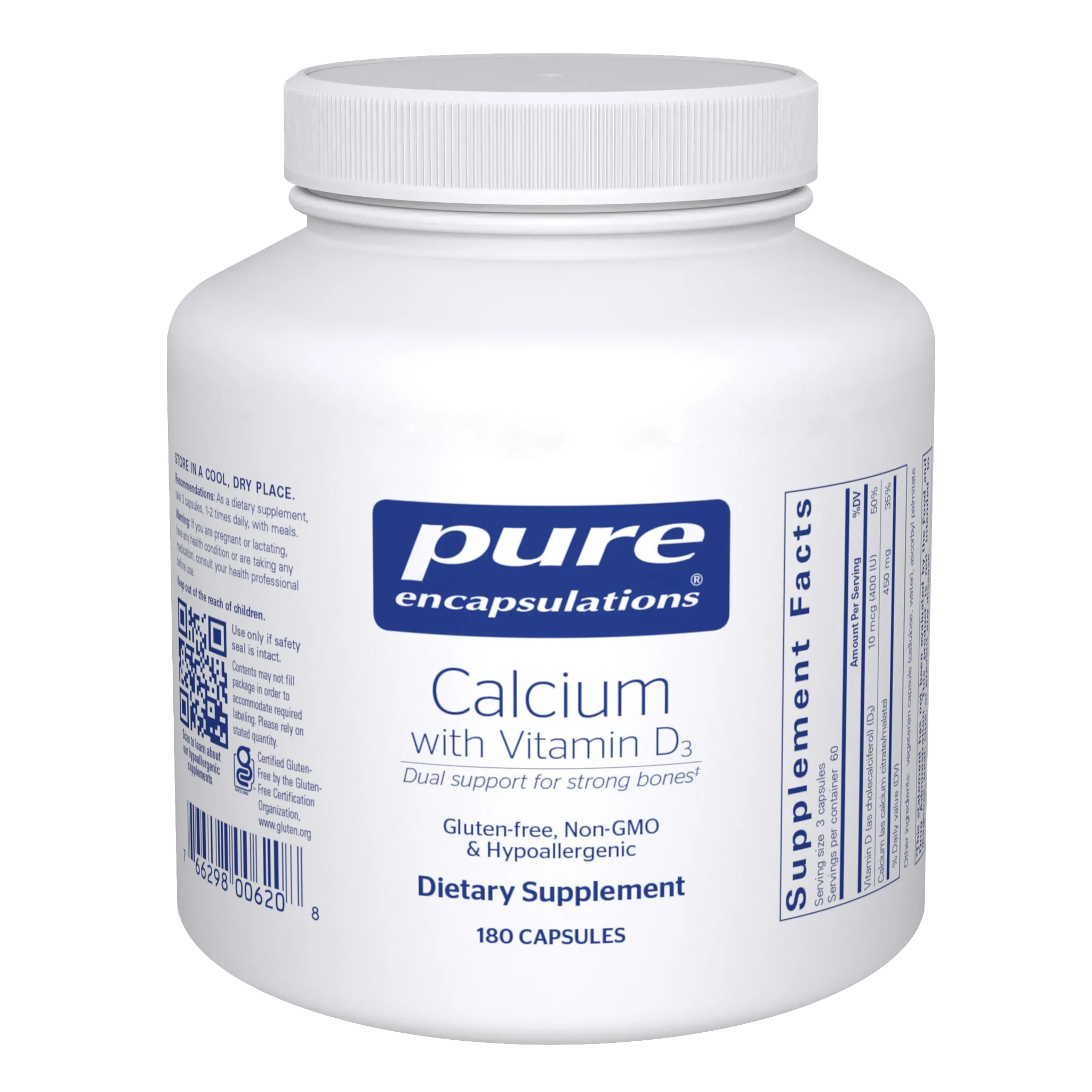
The optimal, scientifically backed strategy is to divide the daily dosage into smaller, manageable increments. Pure Encapsulations suggests taking 3 capsules (providing 450 mg of highly absorbable calcium) 1-2 times daily. By keeping individual doses well under 500 mg, you ensure that the Vitamin D-dependent active transport mechanisms can efficiently shuttle the maximum amount of calcium into the bloodstream. While CCM can be comfortably taken on an empty stomach, taking it with a light meal can further slow gastrointestinal transit time, providing a longer, more effective window for absorption.
Consistency in your dosing regimen is also absolutely paramount. Bone remodeling is a remarkably slow, continuous physiological process. It typically takes several months of consistent, daily supplementation to observe any meaningful changes in biochemical markers of bone turnover, and up to a year or more to see measurable, structural improvements on a DXA (bone density) scan. Integrating this supplement into a stable, non-negotiable daily routine is crucial for achieving long-term skeletal preservation and autonomic benefits.
Potential Interactions and Contraindications
While Calcium with Vitamin D3 is generally exceptionally safe and well-tolerated, it is vital to carefully consider potential interactions with other medications and supplements, especially given the complex, multi-drug pharmaceutical regimens often required for chronic illness management. Calcium ions are highly reactive and can bind to certain medications directly in the digestive tract, forming insoluble complexes that completely prevent the absorption of both the essential mineral and the life-saving drug.
For example, calcium supplements must be taken at least two to four hours apart from thyroid hormone replacement medications (like levothyroxine) and certain classes of antibiotics (such as tetracyclines and fluoroquinolones) to prevent severe malabsorption. Additionally, patients taking calcium channel blockers for dysautonomia, POTS, or hypertension should consult their prescribing physician, as high doses of supplemental calcium can theoretically alter the clinical efficacy of these specific cardiovascular medications.
Furthermore, individuals with a known medical history of hypercalcemia, hyperparathyroidism, or calcium-oxalate kidney stones should exercise extreme caution and seek personalized medical guidance before initiating any calcium supplementation. A healthcare provider can easily order simple, routine blood tests to accurately assess baseline serum calcium, intact PTH, and 25-OHD levels, ensuring that supplementation is both entirely safe and appropriately tailored to the patient's specific, unique biochemical needs.

Follow the Science
Clinical Trials on Bone Mineral Density
The clinical efficacy of Calcium Citrate Malate (CCM) combined with Vitamin D3 is heavily supported by robust, gold-standard scientific research. A landmark randomized, double-blind, placebo-controlled trial meticulously evaluated the effects of CCM supplementation on postmenopausal women over a two-year period. The researchers sought to determine if this specific, highly bioavailable form could halt the rapid, destructive bone demineralization associated with estrogen decline and aging.
The clinical findings were highly significant and practice-changing. In women with low baseline dietary calcium intake, supplementation with CCM effectively and consistently prevented bone loss at the spine, femoral neck, and radius. Crucially, when compared directly to calcium carbonate in similar, controlled trials, CCM was uniquely able to preserve bone density in the highly vulnerable trabecular bone of the spine, whereas the carbonate form completely failed to halt spinal demineralization.
Further rigorous studies published in Osteoporosis International evaluated the direct impact of calcium citrate formulations on biochemical markers of bone turnover. Over a 12-week crossover study, researchers observed a significant, rapid decline in all four major markers of bone resorption (breakdown) in patients taking the citrate formulation. These clinical trials provide concrete, undeniable evidence that CCM is not just absorbed better in a laboratory setting, but actively translates into superior structural preservation of the human skeletal system.
Emerging Research on Vitamin D in Post-Viral Syndromes
The critical role of Vitamin D in managing post-viral syndromes like Long COVID and ME/CFS is a rapidly expanding, highly promising frontier in medical research. A groundbreaking recent open-label randomized controlled trial by Kodama et al. investigated the clinical efficacy of targeted Vitamin D replacement therapy in patients who developed severe ME/CFS following a COVID-19 infection. All participants entered the study with documented, severe Vitamin D insufficiency or deficiency.
Over the 12-week intervention period, the group receiving targeted Vitamin D supplementation experienced a drastic, life-altering reduction in their overall ME/CFS symptom burden. The intervention group saw an average symptom count drop of -6.7, compared to a negligible -1.2 in the control group. The improvements in profound fatigue, cognitive dysfunction, and orthostatic intolerance were so profound that 16 participants in the treatment group no longer met the diagnostic criteria for ME/CFS by the end of the trial.
These remarkable findings align with earlier observational data from the Omicron wave, which demonstrated that Vitamin D deficiency is associated with a staggering 5.8-fold increased risk of developing Long COVID symptoms. The scientific consensus is increasingly clear and urgent: restoring optimal Vitamin D levels is not merely a supportive, optional measure, but a critical biological intervention necessary to resolve post-viral neuroinflammation and restore autonomic nervous system stability.
The Complex Data on Colon Health
The scientific literature regarding calcium, Vitamin D, and colon health presents a fascinating, albeit highly complex, narrative. Extensive observational data, such as the Multiethnic Cohort Study, has overwhelmingly supported the chemopreventive benefits of these nutrients, showing that high dietary intake of calcium and Vitamin D is inversely associated with the risk of developing colorectal cancer. The cellular mechanisms—such as calcium binding to toxic bile acids and Vitamin D inducing apoptosis in damaged cells—are incredibly well-established in laboratory models.
However, large-scale randomized controlled trials evaluating direct supplementation have yielded mixed and sometimes frustrating results. The Women’s Health Initiative (WHI) Trial tracked over 36,000 women for seven years and found no significant difference in the incidence of invasive colorectal cancer between those taking calcium and Vitamin D versus a placebo. Researchers have heavily debated whether the 400 IU dose of Vitamin D was simply too low to be effective, or if the seven-year timeframe was entirely insufficient to outpace the long latency period of colorectal neoplasia.
More recently, a secondary analysis of the Polyp Recurrence Trial published in Gut raised important cautions, suggesting that high-dose calcium supplementation might actually increase the risk of developing specific serrated polyps years after discontinuation. While Calcium and Vitamin D remain fundamentally necessary for maintaining a healthy colonic environment, the current scientific consensus emphasizes utilizing these supplements primarily for their profound skeletal and systemic benefits, rather than relying on them as a primary, standalone strategy for cancer prevention.
The Path Forward
Validating the Invisible Struggle of Bone Health
Living with a complex chronic illness like Long COVID, ME/CFS, MCAS, or dysautonomia is an exhausting, relentless daily battle. The focus is so often on merely surviving the immediate, debilitating symptoms—the crushing fatigue, the dizzying heart rate spikes, the unpredictable allergic flares—that silent, underlying issues like bone demineralization can easily and understandably go unnoticed. It is entirely valid to feel overwhelmed by the sheer number of systems in your body that require constant attention, monitoring, and management.
Recognizing the deeply interconnected nature of these conditions is the first, empowering step toward reclaiming your physiological foundation. The chronic inflammation, the mast cell degranulation, and the enforced inactivity are not personal failings or signs of weakness; they are harsh biological realities that place an immense, undeniable burden on your skeletal and autonomic systems. Acknowledging this hidden toll is crucial, as it empowers you to take proactive, scientifically grounded steps to protect your long-term structural integrity.
You absolutely do not have to wait for a devastating fragility fracture or a severe worsening of orthostatic intolerance to prioritize your bone and mineral health. By addressing these underlying deficiencies early and consistently, you are actively fortifying your body's resilience, providing it with the essential biological tools it needs to withstand the ongoing demands of chronic illness and slowly move toward a more stable, functional baseline.
Integrating Supplementation into a Holistic Plan
While Calcium with Vitamin D3 is a remarkably powerful tool for supporting skeletal density and autonomic function, it is most effective when thoughtfully integrated into a comprehensive, holistic management strategy. Supplements are not standalone cures or quick fixes; they are vital components of a broader approach that includes meticulous symptom tracking, radical pacing, and targeted nutritional support. Learn more about managing your daily energy envelope to see how pacing perfectly complements nutritional interventions.
For instance, optimizing your Vitamin D levels can significantly improve your neuromuscular strength and reduce brain fog, but this newfound energy must be managed carefully to avoid triggering post-exertional malaise (PEM). Combining this targeted supplementation with practical, daily strategies ensures that you are utilizing your physical resources safely and sustainably, without pushing your body back into a state of severe metabolic deficit.
Furthermore, during times of high physical or emotional stress, or disrupted routines, your body's demand for these essential nutrients may drastically increase. Implementing practical advice, such as 5 Tips for Surviving the Holidays with a Chronic Illness, can help you successfully navigate these challenging periods while maintaining the consistent supplementation routine necessary for long-term bone remodeling and autonomic stability.
Partnering with Your Healthcare Provider
Navigating the immense complexities of supplementation in the context of multiple overlapping chronic conditions requires personalized, expert medical guidance. Before adding Calcium with Vitamin D3 to your daily regimen, it is absolutely imperative to consult with a knowledgeable healthcare provider. They can thoroughly evaluate your specific clinical presentation, review your current medications for potential interactions, and order the necessary laboratory tests to establish your baseline biochemical status.
A comprehensive, proper evaluation should include measuring your serum 25-hydroxyvitamin D [25(OH)D] levels, intact parathyroid hormone (PTH), and a baseline DXA scan to accurately assess your current bone mineral density. This objective, measurable data allows your medical team to tailor the dosage precisely to your unique needs, ensuring that you are receiving the optimal amount of support without risking hypercalcemia or other unintended complications.
Remember that healing and stabilization are non-linear, often frustrating journeys. By partnering with a medical professional who truly understands the intricate pathophysiology of MCAS, dysautonomia, and Long COVID, you can confidently integrate this synergistic supplement into your care plan.