Can Calcium K/D Support Bone Density and Vascular Health in POTS and MCAS?
March 5, 2026
CalciumVitamin D3Vitamin K2
Share:
Disclaimer: The information provided here is for educational purposes only and is not intended as medical advice. It should not be used to diagnose, treat, cure, or prevent any medical condition. Instead, use it as a starting point for discussion with your healthcare provider. Always consult with a qualified healthcare provider before starting any new medication, supplement, device, or making changes to your health regimen.
Living with complex chronic conditions like Long COVID, myalgic encephalomyelitis/chronic fatigue syndrome (ME/CFS), mast cell activation syndrome (MCAS), and dysautonomia often feels like fighting a war on multiple fronts. While the most visible battles might involve debilitating fatigue, brain fog, or severe allergic reactions, there is frequently a silent, invisible struggle occurring deep within your skeletal and vascular systems. Patients are often surprised to learn that the systemic inflammation, immune dysregulation, and reduced mobility inherent to these conditions can profoundly compromise bone density and vascular elasticity. When your body is trapped in a state of chronic stress, it rapidly depletes essential structural minerals and vitamins, leading to a cascade of downstream symptoms that can further limit your quality of life.
For many individuals navigating these invisible illnesses, standard nutritional advice falls short. It is not simply a matter of drinking more milk or taking a generic multivitamin. The physiological mechanisms driving bone loss and vascular dysfunction in conditions like Postural Orthostatic Tachycardia Syndrome (POTS) and MCAS require a highly targeted, synergistic approach. This is where Calcium K/D comes into the clinical spotlight. By combining highly bioavailable di-calcium malate with the precise regulatory powers of Vitamin D3 and Vitamins K1 and K2, this specialized formula goes beyond basic bone support. It actively addresses the complex biochemical pathways responsible for calcium metabolism, ensuring that this vital mineral is directed exactly where it is needed—into the bone matrix—while keeping it out of vulnerable blood vessels. In this comprehensive guide, we will explore the deep science behind Calcium K/D and how it can serve as a foundational tool for patients managing complex chronic illnesses.
TL;DR
Calcium K/D combines bioavailable di-calcium malate with Vitamins D3 and K2 for targeted structural support.
It helps direct calcium into bones while keeping it out of vulnerable blood vessels.
Supports bone density and vascular elasticity, which are often compromised in POTS and MCAS.
Vitamin D3 provides foundational immune support by helping to manage systemic inflammation.
What is Calcium K/D?
The Foundation of Skeletal and Cellular Health
To understand the profound impact of Calcium K/D, we must first examine its primary ingredient: calcium. In a healthy human body, calcium is the most abundant mineral, with approximately 99% of it stored within the bones and teeth in the form of hydroxyapatite crystals. This structural reservoir provides the rigid framework necessary for mobility and physical protection. However, the remaining 1% of calcium circulates in the blood and intracellular fluids, where it acts as a critical secondary messenger. At the cellular level, calcium ions are responsible for triggering muscle contractions, facilitating nerve impulse transmission, and regulating the secretion of essential hormones and neurotransmitters. Because this circulating calcium is so vital for immediate survival, the body will ruthlessly prioritize blood calcium levels over bone density, stripping calcium from the skeleton if dietary intake or absorption is insufficient.
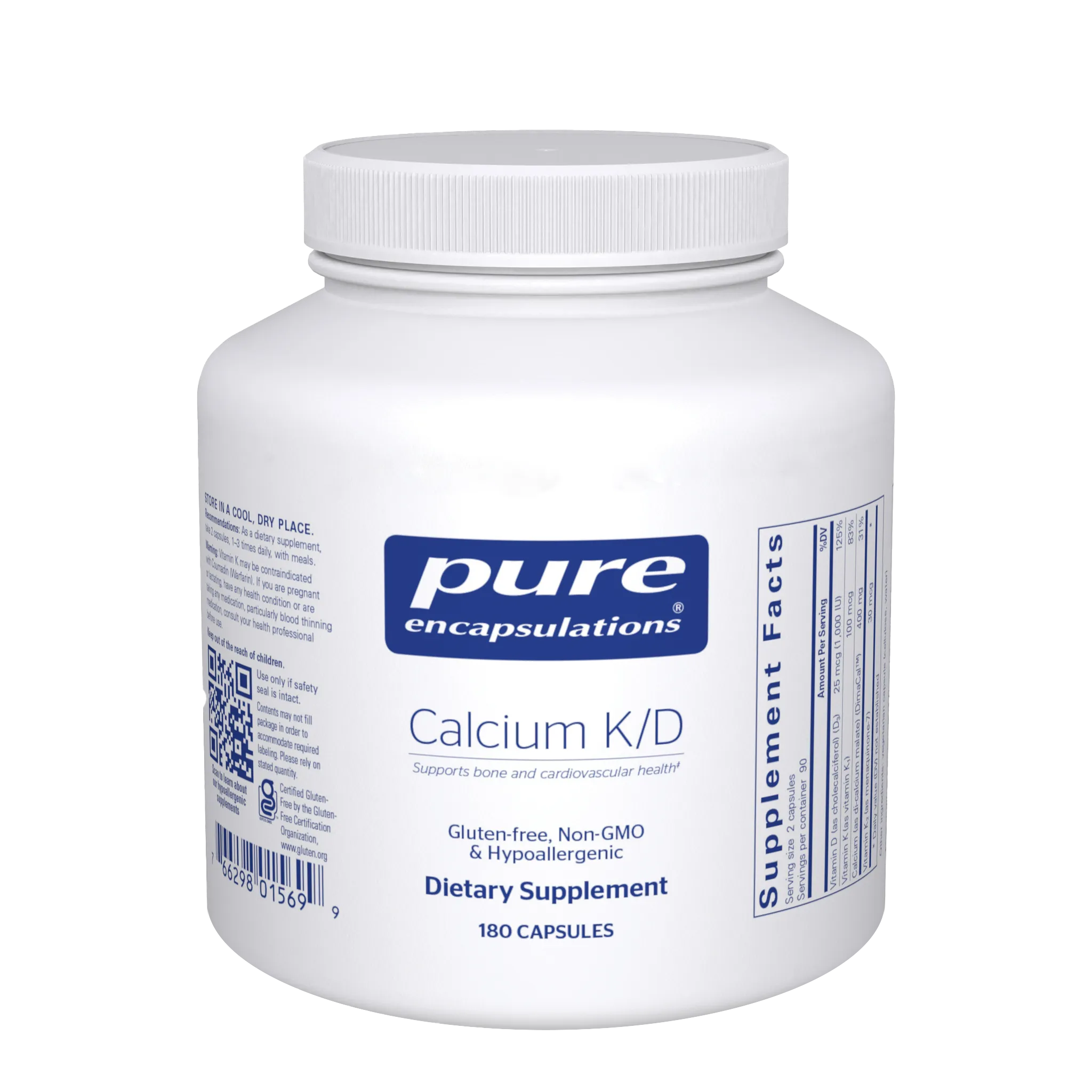
Not all calcium supplements are created equal, and the specific form of calcium dictates its biological utility. Calcium K/D utilizes di-calcium malate (specifically DimaCal®), a highly advanced, chelated form of the mineral. In this molecular structure, two calcium molecules are bound to one molecule of malic acid, an organic compound that serves as a key intermediate in the Krebs cycle (the cellular process that generates ATP for energy). This unique chelation process results in a compound that is highly water-soluble and exceptionally bioavailable. Unlike standard calcium carbonate, which requires a highly acidic stomach environment to break down, di-calcium malate dissociates easily in the digestive tract, ensuring that a high percentage of elemental calcium successfully crosses the intestinal barrier and enters the bloodstream.
Vitamin D3: The Master Calcium Regulator
Ingesting calcium is only the first step in the metabolic journey; the body must be chemically signaled to absorb it. This is the primary role of Vitamin D3 (cholecalciferol). While often referred to as a vitamin, D3 functions as a powerful prohormone within the body. When it enters the system, it is metabolized by the liver into 25-hydroxyvitamin D, and then further converted by the kidneys into its biologically active form, calcitriol. Calcitriol travels to the intestines, where it binds to the Vitamin D Receptor (VDR) located within the nuclei of intestinal cells. This binding action fundamentally alters genetic expression, upregulating the production of a specialized calcium-binding protein known as calbindin.
Without sufficient calbindin, the intestines can only absorb about 10% to 15% of dietary calcium, allowing the rest to pass through the digestive tract unutilized. By increasing calbindin production, Vitamin D3 actively shuttles calcium across the intestinal lining and into the bloodstream, effectively increasing absorption rates to 30% or 40%. Furthermore, Vitamin D3 plays a crucial role in renal conservation. It signals the kidneys to reabsorb calcium from urine, helping to reduce the excessive loss of this vital mineral. In the context of chronic illness, where nutrient malabsorption is a frequent complication, the presence of Vitamin D3 is absolutely non-negotiable for maintaining systemic calcium homeostasis.
Vitamins K1 and K2: The Essential Calcium Directors
If Vitamin D3 is the gatekeeper that allows calcium into the bloodstream, Vitamin K is the sophisticated traffic director that ensures it reaches the correct destination. Calcium K/D includes both Vitamin K1 (phylloquinone) and Vitamin K2 (specifically the highly active menaquinone-7, or MK-7, form). While Vitamin K1 is primarily utilized by the liver to synthesize the proteins required for healthy blood coagulation, Vitamin K2 operates systemically to manage calcium distribution. It achieves this through a complex biochemical process known as gamma-carboxylation.
Within the bone tissue, specialized cells called osteoblasts produce a protein called osteocalcin, which is responsible for binding calcium and integrating it into the bone matrix. However, when osteocalcin is first synthesized, it is inactive (uncarboxylated) and cannot bind to calcium. Vitamin K2 acts as an essential cofactor for the enzyme gamma-glutamyl carboxylase, which chemically alters the osteocalcin molecule, "turning it on" and allowing it to grab circulating calcium and lock it into the skeleton. Simultaneously, Vitamin K2 activates Matrix Gla Protein (MGP) in the soft tissues and blood vessels. Activated MGP acts as a potent inhibitor of vascular calcification, helping to keep calcium from depositing into the arterial walls. This dual action makes Vitamin K2 indispensable for both skeletal strength and cardiovascular health.
How Chronic Illness Impacts Bone and Vascular Health
MCAS and the Hidden Engine of Bone Resorption
For patients living with mast cell activation syndrome (MCAS), the immune system is in a constant state of hyper-vigilance. Mast cells, which are heavily concentrated in connective tissues and bone marrow, inappropriately release massive quantities of chemical mediators—such as histamine, tryptase, and inflammatory cytokines—in response to benign triggers. Recent clinical research has revealed that this chronic degranulation acts as a powerful, hidden engine for bone resorption. In a healthy skeletal system, bone remodeling is a perfectly balanced dance between osteoblasts (which build new bone) and osteoclasts (which break down old bone). MCAS violently disrupts this equilibrium.
When mast cells release high levels of histamine and cytokines like TNF-alpha and Interleukin-6 (IL-6), these inflammatory molecules directly stimulate osteoclast precursors. They upregulate the expression of RANKL (Receptor Activator of Nuclear Factor Kappa-B Ligand), a protein that binds to receptors on osteoclasts, sending them into overdrive. As a result, the osteoclasts begin breaking down bone tissue at a rate that the osteoblasts simply cannot match. Studies indicate that up to 34% of patients with systemic mast cell disorders suffer from secondary osteoporosis or osteopenia, including young individuals who would otherwise be considered at low risk for bone density loss. This mast cell-driven skeletal degradation often occurs silently, culminating in unexplained bone pain or low-trauma vertebral fractures.
ME/CFS: The Skeletal Cost of Reduced Mobility and Cellular Demand
The pathophysiology of myalgic encephalomyelitis/chronic fatigue syndrome (ME/CFS) presents a unique and severe threat to bone health. The hallmark symptom of ME/CFS is post-exertional malaise (PEM), a devastating exacerbation of neurological and immunological symptoms following minimal physical or cognitive exertion. Because of PEM, many patients experience drastically reduced mobility, often becoming housebound or bedbound for extended periods. According to Wolff's Law of bone adaptation, skeletal tissue requires continuous mechanical stress (weight-bearing activity) to signal osteoblasts to maintain bone density. When prolonged immobility removes this mechanical stress, the body rapidly accelerates osteoclast activity, leading to swift and significant bone demineralization.
Beyond the physical constraints of immobility, ME/CFS involves deep intracellular dysfunctions that drain the body's calcium reserves. Pioneering research has highlighted anomalies in the RNase L antiviral pathway in ME/CFS patients, which can create a cellular channelopathy that drastically increases the body's overall demand for calcium. To meet this heightened intracellular demand, the body is forced to scavenge calcium from its largest reservoir: the skeleton. Furthermore, ME/CFS patients frequently exhibit depleted levels of Insulin-like Growth Factor I (IGF-I), a critical hormone required for osteoblast proliferation. This combination of immobility, increased cellular calcium demand, and suppressed bone-building hormones creates a perfect storm for rapid skeletal deterioration.
Dysautonomia, POTS, and Impaired Vascular Elasticity
Postural Orthostatic Tachycardia Syndrome (POTS) and other forms of dysautonomia are characterized by a severe malfunction of the autonomic nervous system, particularly concerning vascular tone. When a healthy individual stands up, their blood vessels rapidly constrict to push blood upward against gravity, ensuring adequate blood flow to the brain. In POTS, this vascular response fails, leading to profound venous pooling in the lower extremities, which triggers an exaggerated, racing heart rate as the body attempts to compensate. Recent studies have demonstrated that this orthostatic intolerance is deeply intertwined with elevated G-protein-coupled receptor autoantibodies and inflammatory biomarkers.
The endothelium—the inner lining of the blood vessels—is responsible for producing nitric oxide, a molecule that signals the vessels to dilate and contract appropriately. In POTS, endothelial nitric oxide production is often severely impaired, leading to rigid, unresponsive blood vessels. This arterial stiffness is exacerbated by chronic systemic inflammation, which can cause circulating calcium to inappropriately deposit into the vascular walls rather than the bones. When the tunica media (the muscular layer of the blood vessel) becomes calcified and stiff, it completely loses the elasticity required to manage the rapid blood pressure shifts necessary for orthostatic tolerance. Thus, managing calcium metabolism is not just a matter of bone health; it is a critical component of rehabilitating the vascular mechanics that fail in dysautonomia.
Calcium K/D: Supporting Skeletal and Endothelial Function
Optimizing Bone Mineralization via Osteocalcin Carboxylation
The synergistic formulation of Calcium K/D provides a targeted, mechanistic intervention for the skeletal degradation seen in chronic illness. By supplying a highly bioavailable dose of di-calcium malate, the supplement immediately addresses the systemic calcium deficit without requiring the high stomach acid that many MCAS patients lack (often due to the use of H2 antihistamines like famotidine). Once the Vitamin D3 has successfully shuttled this calcium across the intestinal barrier and into the bloodstream, the critical work of Vitamin K2 (MK-7) begins. This is where the supplement actively supports the maintenance of bone density.
As previously established, osteoblasts secrete osteocalcin to build bone, but it remains functionally useless until it is activated. Vitamin K2 serves as the essential catalyst for the gamma-carboxylation of osteocalcin. By converting specific glutamic acid residues on the osteocalcin molecule into gamma-carboxyglutamate, Vitamin K2 alters the protein's physical shape, giving it a high affinity for calcium ions. This activated osteocalcin acts like a biological magnet, pulling the circulating calcium provided by the di-calcium malate out of the bloodstream and weaving it directly into the hydroxyapatite lattice of the bone. For ME/CFS and MCAS patients suffering from osteoclast overactivity, this robust stimulation of the bone-building pathway is essential for supporting bone mineral density and may help reduce the risk of low-trauma fractures.
Restoring Vascular Tone and Endothelial Function with Matrix Gla Protein
While the bone-building benefits of Calcium K/D are profound, its impact on the vascular system is arguably even more critical for patients battling dysautonomia and POTS. The Vitamin K2 (MK-7) in this formula is the most potent known biological activator of Matrix Gla Protein (MGP). MGP is synthesized by the vascular smooth muscle cells that line the arteries and veins. When MGP is activated via Vitamin K2-dependent carboxylation, it binds to circulating calcium and helps keep it from crystallizing within the vascular walls. This process is known as the inhibition of vascular calcification.
By keeping calcium out of the endothelial lining, Vitamin K2 preserves the structural flexibility and elasticity of the blood vessels. Clinical trials suggest that consistent supplementation with MK-7 may help mitigate age-related arterial stiffening and support vascular elasticity. Furthermore, animal models suggest that MK-7 actively improves endothelium-dependent vasodilation by boosting the production of endothelial nitric oxide. For a POTS patient whose blood vessels are too stiff and unresponsive to push blood back to the brain upon standing, restoring this vascular elasticity and endothelial function is a vital step toward improving orthostatic tolerance and reducing the severity of blood pooling.
Immune Modulation and the Th1/Th2 Balance
Beyond its structural roles, the Vitamin D3 in Calcium K/D acts as a profound immunomodulator, which is highly relevant for patients with Long COVID, ME/CFS, and MCAS. The Vitamin D Receptor (VDR) is expressed on nearly all immune cells, including T cells, B cells, and macrophages. In the context of chronic post-viral illness, the immune system is often locked in a hyper-inflammatory state, dominated by aggressive Th1 and Th17 immune responses that continuously flood the body with inflammatory cytokines. This chronic inflammation drives the severe fatigue, brain fog, and systemic pain characteristic of these conditions.
Vitamin D3 actively intervenes in this immune dysregulation by promoting a shift toward a more tolerogenic, anti-inflammatory state. It suppresses the production of pro-inflammatory cytokines (like IL-6 and TNF-alpha) while simultaneously upregulating the production of anti-inflammatory Th2 cytokines and Regulatory T cells (Tregs). Tregs are the "peacekeepers" of the immune system, responsible for calming down overactive immune responses and helping to manage autoimmune reactivity. By restoring adequate Vitamin D levels, Calcium K/D helps to dampen the systemic inflammatory fire that exacerbates mast cell degranulation and endothelial damage, providing a foundational layer of immune support for complex chronic illness recovery.

Symptoms Calcium K/D May Help Manage
Targeted Symptom Relief
Because Calcium K/D addresses fundamental structural and vascular pathways, it can help manage a diverse array of symptoms associated with complex chronic conditions. Patients may experience support for the following specific issues:
Deep Bone and Joint Pain: By actively supporting bone mineralization and addressing hidden osteopenia driven by mast cell inflammation, Calcium K/D may help alleviate the deep, aching skeletal pain frequently reported by MCAS and ME/CFS patients.
Orthostatic Intolerance and Blood Pooling: The Vitamin K2 (MK-7) in the formula activates Matrix Gla Protein (MGP), which preserves vascular elasticity and supports endothelial nitric oxide production. This can help blood vessels constrict more effectively upon standing, potentially reducing the severity of blood pooling and tachycardia in POTS patients.
Muscle Cramping and Spasms: Calcium is a critical electrolyte required for proper muscle contraction and relaxation. Highly bioavailable di-calcium malate helps maintain systemic calcium homeostasis, which may reduce the frequency of painful muscle spasms and fasciculations.
Post-Exertional Malaise (PEM) Severity: While not a cure for PEM, correcting severe Vitamin D3 deficiency has been shown in recent clinical trials to reduce the overall symptom burden and systemic inflammation associated with post-viral fatigue, potentially raising the patient's baseline energy envelope.
Secondary Benefits for Systemic Health
In addition to the primary structural and vascular symptoms, the synergistic ingredients in Calcium K/D provide systemic support that addresses the broader physiological stress of chronic illness:
Frequent Infections and Immune Dysregulation: Vitamin D3 strongly enhances the innate immune system's ability to produce antimicrobial peptides (like cathelicidin) while simultaneously boosting Regulatory T cells (Tregs) to calm autoimmune hyperactivity, providing balanced immune support.
Easy Bruising and Vascular Fragility: Vitamin K1 is essential for the hepatic synthesis of coagulation proteins, while Vitamin K2 protects the structural integrity of the blood vessels themselves. Together, they may help mitigate the easy bruising and vascular fragility often seen in patients with connective tissue overlaps (like hypermobile Ehlers-Danlos Syndrome).
Gastrointestinal Distress from Supplements: Because di-calcium malate does not require a highly acidic environment to dissolve, it bypasses the severe bloating, gas, and constipation typically caused by standard calcium carbonate supplements, making it ideal for patients with sensitive GI tracts or those taking acid-reducing medications.
Practical Considerations: Forms, Dosing, and Absorption
The Bioavailability Advantage of Di-Calcium Malate
When selecting a calcium supplement, the chemical form is the single most important factor determining its clinical efficacy. The generic calcium carbonate found in most over-the-counter supplements is notoriously difficult for the body to utilize. It requires a massive amount of gastric acid to break down, meaning it must be taken with heavy meals. Even then, its absorption rate hovers around a mere 12% to 26%. For patients with chronic illness—who frequently suffer from hypochlorhydria (low stomach acid) or take H1/H2 blockers for mast cell stabilization—calcium carbonate is virtually useless and often leads to painful gastrointestinal side effects like severe constipation and bloating.
Calcium K/D circumvents these issues by utilizing DimaCal® di-calcium malate. Clinical evaluations demonstrate that calcium malate complexes boast an absolute absorption rate of approximately 35% to 36%, significantly outperforming carbonate forms. Because di-calcium malate is highly water-soluble and does not rely on gastric acid for dissociation, it can be absorbed effectively regardless of stomach pH. This makes it exceptionally gentle on the digestive tract and highly appropriate for patients with complex gastrointestinal dysfunctions. Furthermore, the malic acid component is a natural participant in the Krebs cycle, meaning the body easily recognizes and metabolizes the chelate without leaving behind irritating unabsorbed compounds in the gut.
Synergistic Timing and Fat-Soluble Absorption
To maximize the therapeutic benefits of Calcium K/D, proper dosing and timing are essential. The suggested use is typically 2 capsules taken one to three times daily, but the context of consumption matters greatly. While the di-calcium malate is water-soluble, both Vitamin D3 and Vitamins K1/K2 are strictly fat-soluble. This means they require the presence of dietary dietary lipids and bile salts to be successfully absorbed across the intestinal wall. Taking this supplement on a completely empty stomach will result in the malabsorption of the crucial regulatory vitamins.
Patients should always take Calcium K/D alongside a meal or snack that contains healthy fats—such as avocados, olive oil, nuts, or fatty fish. Additionally, because the body can only absorb a certain amount of elemental calcium at one time (typically maxing out around 500mg per dose), it is highly recommended to split the dosage throughout the day rather than taking all capsules at once. This divided dosing strategy ensures a steady, manageable influx of calcium into the bloodstream, allowing Vitamin D3 and K2 ample time to direct the mineral into the skeletal matrix without overwhelming the renal system.
Crucial Contraindications and Medication Interactions
While Calcium K/D is generally well-tolerated, it carries one absolute contraindication that patients must be aware of. Because this formula contains Vitamin K1 and Vitamin K2, it directly interacts with the blood-thinning medication Warfarin (Coumadin). Warfarin functions specifically as a Vitamin K antagonist; it prevents blood clots by inhibiting the enzyme vitamin K epoxide reductase, thereby stopping the recycling of Vitamin K required for coagulation. Supplementing with external Vitamin K will directly override the mechanism of Warfarin, potentially leading to dangerous, life-threatening blood clots.
Patients taking Warfarin or similar Vitamin K antagonist anticoagulants must strictly avoid this supplement unless explicitly directed and heavily monitored by their prescribing hematologist or cardiologist. It is worth noting that newer Direct Oral Anticoagulants (DOACs) like Eliquis or Xarelto operate via different mechanisms (targeting Factor Xa or thrombin directly) and do not typically interact with Vitamin K. However, due to the complex nature of dysautonomia and chronic illness pharmacology, any patient on blood-thinning medication, calcium channel blockers, or high-dose magnesium therapy should consult their healthcare provider before initiating Calcium K/D to ensure safe and synergistic integration into their protocol.
Follow the Science
Clinical Trials in Long COVID and Post-Viral Syndromes
The scientific community is increasingly recognizing the therapeutic potential of the D3 and K2 synergy in the context of post-viral recovery. A groundbreaking 2025 clinical trial conducted by University Hospitals in Ohio specifically investigated the effects of combined Vitamin D3 and Vitamin K2 (MK-7) supplementation on patients suffering from Long COVID (Post-Acute Sequelae of SARS-CoV-2). The researchers hypothesized that rehabilitating the vascular endothelium and modulating the immune system could alleviate persistent post-viral symptoms.
The results of the 24-week randomized controlled trial were highly promising. The patient cohort receiving the D3 and MK-7 intervention experienced a statistically significant reduction in the total number of Long COVID symptoms, with notable improvements in severe fatigue, body pain, and post-exertional malaise. Furthermore, biomarker analysis revealed a distinct decrease in systemic inflammatory markers, oxidized LDL, and indicators of gut permeability. This data strongly supports the mechanistic theory that Vitamin K2's ability to restore vascular elasticity and Vitamin D3's immunomodulatory effects directly address the endothelial damage and chronic inflammation driving post-viral dysautonomia and fatigue.
Research on Mast Cell Activation and Osteoporosis
The link between mast cell disorders and severe bone demineralization is thoroughly documented in modern immunological literature. A pivotal 2024 retrospective study published in the Journal of Allergy and Clinical Immunology: In Practice analyzed data from the French Mastocytosis Expert Center (CEREMAST). The researchers evaluated patients with Monoclonal Mast Cell Activation Syndrome (MMAS) and Systemic Mastocytosis (SM) to determine the prevalence of skeletal degradation.
The findings were stark: osteoporosis was present in 30.8% of the MMAS group and 34.1% of the SM group. Even more concerning, silent vertebral fractures were discovered in 15.4% and 20% of those groups, respectively. The study concluded that osteoporosis is a highly prevalent, aggressive comorbidity in mast cell disorders driven by the continuous release of osteoclast-stimulating mediators like histamine and tryptase. This research underscores the absolute necessity for proactive bone density monitoring and targeted structural supplementation (like highly bioavailable calcium and K2) for anyone diagnosed with a mast cell activation disorder.
Evidence for Calcium Malate Bioavailability
The superiority of chelated calcium malate over traditional calcium salts has been established through decades of pharmacokinetic research. A comprehensive review of dietary calcium sources like milk and dairy confirmed that they do not cause metabolic acidosis or negatively impact systemic pH, contrary to popular hypotheses.
In rigorous, double-blind, placebo-controlled trials involving postmenopausal women, supplementation with highly bioavailable calcium malate complexes helped support bone density. Over a two-year period, patients receiving the malate complex saw mean bone density increases of +0.87% at the femoral neck and +1.05% at the radius, whereas the placebo and calcium carbonate groups experienced substantial, measurable bone loss. These studies validate the clinical choice of di-calcium malate as a superior intervention for preserving skeletal architecture, particularly in populations vulnerable to rapid bone resorption.
The Path Forward
Validating Your Experience with Structural Symptoms
If you are living with Long COVID, ME/CFS, dysautonomia, or MCAS, the physical toll on your body is profound, measurable, and entirely real. Experiencing deep bone pain, severe orthostatic intolerance, or unexplained fractures can be terrifying, especially when routine blood work often fails to capture the complex cellular dysfunctions driving these symptoms. It is vital to recognize that your skeletal and vascular systems are under immense physiological stress from chronic inflammation, immune overactivation, and the unavoidable realities of reduced mobility. Your symptoms are not a sign of weakness; they are a direct reflection of a body fighting tirelessly to maintain equilibrium in the face of complex systemic challenges.
A Comprehensive Approach to Chronic Illness Management
While the science behind di-calcium malate, Vitamin D3, and Vitamin K2 is highly compelling, it is important to remember that no single supplement is a standalone cure for complex chronic illness. Calcium K/D is designed to be a powerful, targeted tool within a much broader, comprehensive management strategy. True stabilization requires a multi-disciplinary approach that includes aggressive pacing to manage PEM, identifying and avoiding mast cell triggers, utilizing compression garments and electrolytes for POTS, and working closely with a medical team that understands the nuances of neuro-immune conditions.
By providing your body with the precise, bioavailable building blocks it needs to rebuild bone density and restore vascular elasticity, you are laying a stronger physical foundation for your ongoing recovery journey. If you are ready to support your skeletal and endothelial health with a clinically grounded, synergistic formula, Explore Calcium K/D. As always, please consult with your primary healthcare provider or specialist before introducing any new supplement into your regimen, especially if you are taking prescription medications or managing severe autonomic dysfunction.