Can Calcium-D-Glucarate Support Detoxification in Long COVID and ME/CFS?
March 5, 2026
Calcium-D-GlucarateLong COVIDME/CFS
Share:
Disclaimer: The information provided here is for educational purposes only and is not intended as medical advice. It should not be used to diagnose, treat, cure, or prevent any medical condition. Instead, use it as a starting point for discussion with your healthcare provider. Always consult with a qualified healthcare provider before starting any new medication, supplement, device, or making changes to your health regimen.
Living with complex chronic conditions like Long COVID, myalgic encephalomyelitis/chronic fatigue syndrome (ME/CFS), mast cell activation syndrome (MCAS), and dysautonomia often feels like navigating a labyrinth of interconnected symptoms. Patients frequently experience severe fatigue, unpredictable allergic reactions, debilitating brain fog, and intense hormonal fluctuations that seem to trigger massive symptom flares. When you are doing everything right—pacing, resting, and managing your diet—but still feel poisoned or weighed down by an invisible toxic burden, it is incredibly validating to understand the underlying biochemistry. The reality is that your body's natural detoxification pathways may be overwhelmed, trapping you in a vicious cycle of inflammation and hormonal imbalance.
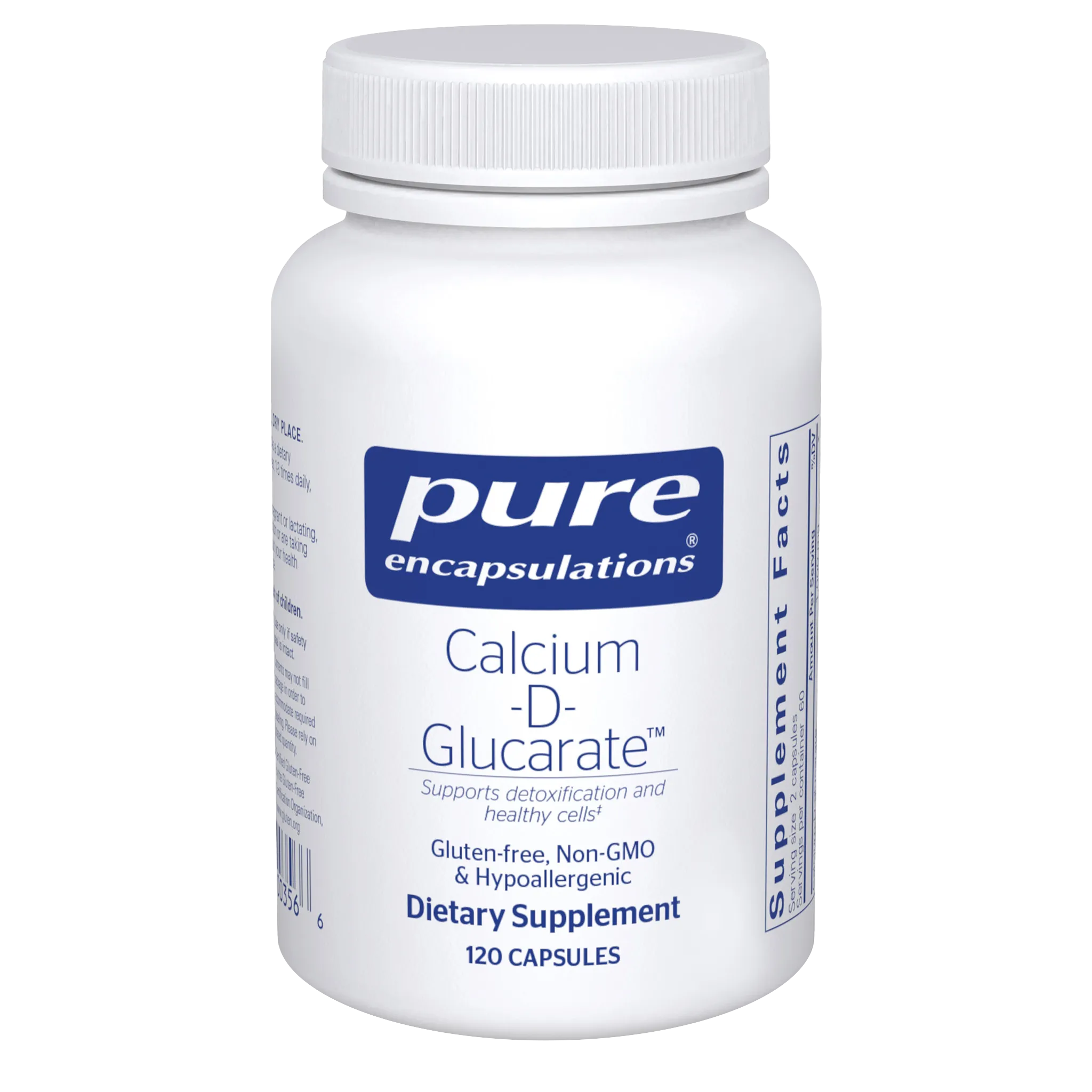
One of the most critical, yet frequently overlooked, aspects of managing these complex illnesses is supporting the liver's ability to efficiently clear out metabolic waste, environmental toxins, and excess hormones. This is where Calcium-D-Glucarate (CDG) comes into the clinical spotlight. While it is not a cure-all, Calcium-D-Glucarate is a powerful, science-backed nutritional supplement that targets a very specific enzymatic pathway in the gut and liver. By preventing the reabsorption of harmful compounds, it helps break the relentless cycles of histamine intolerance, estrogen dominance, and toxic overload that drive so many chronic illness symptoms. In this comprehensive guide, we will explore the intricate molecular mechanisms of Calcium-D-Glucarate, its profound impact on cellular health, and how it may serve as a vital tool in your comprehensive management strategy.
TL;DR
Calcium-D-Glucarate supports liver detoxification by inhibiting beta-glucuronidase, an enzyme that can cause toxin reabsorption.
CDG may help manage estrogen dominance and histamine loops common in MCAS and Long COVID.
Research suggests CDG acts as a lipid-lowering agent and supports healthy estrogen metabolism.
Always consult your doctor before starting CDG, as it may interact with other medications and protocols.
What is Calcium-D-Glucarate?
The Basics of D-Glucaric Acid
To understand how Calcium-D-Glucarate functions as a therapeutic supplement, we must first look at its natural origins. Calcium-D-Glucarate is the calcium salt of D-glucaric acid, a naturally occurring compound synthesized in small, trace amounts by mammals, including humans. In the natural world, D-glucaric acid is found abundantly in a variety of plant-based foods, particularly in apples, oranges, grapefruits, and cruciferous vegetables like broccoli, Brussels sprouts, and cabbage. When consumed through diet or supplementation, this compound plays a pivotal role in regulating the body's internal cleansing mechanisms and maintaining cellular homeostasis.
At the molecular level, Calcium-D-Glucarate is not utilized by the body in its intact form. Instead, it acts as a highly efficient, slow-release delivery vehicle for its active metabolites. When you ingest a Calcium-D-Glucarate capsule, it encounters the highly acidic environment of your stomach (gastric hydrochloric acid). This acidic exposure initiates a chemical transformation, breaking the calcium salt down into D-glucaric acid. From there, the compound establishes a dynamic equilibrium in the gastrointestinal tract. CDG is known to interact with and modulate specific detoxification enzymes in the human body.
Phase II Liver Detoxification and Glucuronidation
The primary reason Calcium-D-Glucarate is so highly valued in functional and integrative medicine is its direct support of the liver's Phase II detoxification system. The human liver processes and neutralize harmful substances—such as environmental carcinogens, heavy metals, metabolic waste, and spent steroid hormones like estrogen—through a multi-phase process. Phase I detoxification involves using cytochrome P450 enzymes to oxidize toxins, often making them temporarily more reactive and dangerous. To safely eliminate these reactive intermediates, the liver must immediately pass them through Phase II detoxification, where they are conjugated (bound) to another molecule to render them water-soluble and safe for excretion.
One of the most critical pathways within Phase II detoxification is known as glucuronidation. During glucuronidation, an enzyme in the liver called UDP-glucuronosyltransferase (UGT) takes a toxic, fat-soluble molecule and tightly binds it to a sugar-like acid called glucuronic acid. You can think of glucuronic acid as a biological trash bag. Once the toxin or excess hormone is securely packaged inside this "trash bag," it becomes a water-soluble compound known as a glucuronide conjugate. Because it is now water-soluble, the body can safely transport it through the bile ducts into the intestines, or through the bloodstream to the kidneys, to be permanently eliminated from the body via feces or urine.
The Threat of Beta-Glucuronidase
While glucuronidation is an elegant and highly effective system, it has a significant vulnerability located in the gut microbiome. Certain bacteria in the colon produce an enzyme called beta-glucuronidase. The biological function of beta-glucuronidase is the exact opposite of the liver's glucuronidation process: it is designed to cleave, or break apart, the chemical bond between the toxin and the glucuronic acid. In a perfectly healthy, balanced microbiome, low levels of beta-glucuronidase are normal and help recycle certain beneficial compounds, like vitamin D and thyroid hormones.
However, when the gut microbiome becomes imbalanced (dysbiosis), the population of beta-glucuronidase-producing bacteria can explode. When this happens, the enzyme begins aggressively cutting open the "trash bags" that the liver worked so hard to seal. The previously packaged toxins, environmental chemicals, and active estrogens are suddenly freed in the intestines. Because they are no longer bound to glucuronic acid, they revert to their fat-soluble state and are rapidly reabsorbed through the intestinal wall and back into the bloodstream—a destructive process known as enterohepatic recirculation. This forces the liver to process the exact same toxins over and over again, leading to systemic toxicity, chronic inflammation, and severe hormonal imbalances.
How Chronic Illness Impacts Detoxification and Hormones
The Toxic Burden in ME/CFS and Long COVID
In complex chronic illnesses like Long COVID and ME/CFS, the body's natural detoxification pathways are often severely compromised. Research indicates that many patients with ME/CFS suffer from an underlying toxic burden, frequently driven by exposure to mold mycotoxins, heavy metals, or persistent viral debris. When the body is overwhelmed by these biotoxins, the mitochondria—the energy-producing powerhouses of the cells—initiate a protective mechanism known as the Cell Danger Response (CDR). During the CDR, the mitochondria deliberately slow down cellular energy (ATP) production to prevent the spread of the perceived threat, leading to the profound, debilitating fatigue and post-exertional malaise (PEM) characteristic of these conditions.
This metabolic shutdown creates a vicious cycle. Because detoxification is an incredibly energy-intensive process, the lack of ATP means the liver cannot keep up with the demand for Phase II glucuronidation. Toxins begin to accumulate in the tissues, further triggering the Cell Danger Response and deepening the fatigue. In Long COVID, emerging evidence suggests that the SARS-CoV-2 spike protein can cause persistent endothelial inflammation and disrupt normal enzymatic functions, adding a massive inflammatory load that the liver struggles to clear. When the liver falls behind, the entire systemic toxic burden rises, exacerbating neurological symptoms like brain fog, neuropathy, and widespread pain.
Estrogen Dominance and the Gut Microbiome (Estrobolome)
The impact of chronic illness on detoxification is deeply intertwined with hormonal regulation, specifically through a subset of the gut microbiome known as the estrobolome. The estrobolome is the collection of gut bacteria responsible for modulating the circulation and excretion of estrogen. In patients with dysautonomia, ME/CFS, and Long COVID, chronic stress, frequent antibiotic use, and systemic inflammation often lead to severe gut dysbiosis. This dysbiosis fuels the overgrowth of bacteria that produce high levels of the beta-glucuronidase enzyme.
When beta-glucuronidase levels are elevated, the liver's attempts to excrete spent estrogen are constantly thwarted. The enzyme breaks the glucuronic acid bonds, allowing active estrogen to be reabsorbed into the bloodstream. This continuous recycling leads to a clinical state known as "estrogen dominance," where estrogen levels are disproportionately high relative to progesterone. Estrogen dominance is highly inflammatory and is responsible for severe premenstrual symptom flares, heavy periods, mood instability, and the exacerbation of autoimmune responses. For many female patients with chronic illness, their baseline symptoms drastically worsen during specific phases of their menstrual cycle, directly linking their systemic illness to this impaired hormonal clearance.
The Histamine-Estrogen Loop in MCAS
The consequences of impaired glucuronidation and elevated beta-glucuronidase are perhaps most devastating for patients dealing with mast cell activation syndrome (MCAS). Mast cells are immune cells that release inflammatory mediators, including histamine, in response to triggers. In MCAS, these cells become hyper-responsive and destabilized. There is a well-documented, bidirectional relationship between estrogen and histamine that creates a relentless symptom loop for these patients.
Estrogen directly stimulates mast cells to degranulate, causing them to dump massive amounts of histamine into the bloodstream. Furthermore, estrogen downregulates the production of diamine oxidase (DAO), the primary enzyme responsible for breaking down dietary histamine in the gut. As histamine levels skyrocket, the histamine itself stimulates the ovaries to produce even more estrogen. If the liver cannot clear this excess estrogen due to high beta-glucuronidase activity, the patient becomes trapped in a histamine-estrogen loop. This loop drives severe MCAS symptoms, including chronic hives, flushing, migraines, gastrointestinal distress, and sudden drops in blood pressure, making the condition incredibly difficult to stabilize without targeted detoxification support.
Calcium-D-Glucarate: Supporting Detoxification and Cellular Health
Inhibiting Beta-Glucuronidase at the Cellular Level
Calcium-D-Glucarate offers a targeted, mechanistic intervention to break the cycles of toxicity and hormonal imbalance. When you supplement with CDG, it metabolizes in the stomach into active forms that travel through the digestive tract and directly interact with the problematic beta-glucuronidase enzyme produced by colonic microflora. It acts as an inhibitor of beta-glucuronidase, neutralizing its ability to cleave glucuronic acid bonds.
By effectively shutting down beta-glucuronidase activity, Calcium-D-Glucarate ensures that the liver's Phase II detoxification efforts are not in vain. The "trash bags" of glucuronic acid remain tightly sealed around environmental toxins, mycotoxins, heavy metals, and pharmaceutical metabolites. Because these harmful compounds are prevented from reverting to their fat-soluble state, they cannot undergo enterohepatic recirculation. Instead, they remain water-soluble and are successfully and permanently excreted from the body via the stool. This net increase in glucuronidation efficiency drastically lowers the systemic toxic burden, reducing the inflammatory load on the immune system and allowing the mitochondria to begin recovering from the Cell Danger Response.
Breaking the Histamine-Estrogen Cycle
For patients with MCAS and dysautonomia, the most profound benefit of Calcium-D-Glucarate is its ability to clear excess estrogen and break the histamine-estrogen loop. By inhibiting beta-glucuronidase, CDG allows the liver to successfully flush out the spent, recirculating estrogen that drives estrogen dominance. As systemic estrogen levels begin to normalize, the constant stimulatory pressure on the mast cells is lifted. This reduction in hormonal triggering helps stabilize the mast cells, leading to a decrease in inappropriate histamine release.
Furthermore, lowering estrogen levels helps restore the body's natural production of the DAO enzyme, improving the breakdown of dietary histamine. This dual action—stabilizing mast cells and improving histamine clearance—can significantly alleviate MCAS symptoms like brain fog, flushing, and allergic reactivity. In the context of dysautonomia and POTS, clearing excess estrogen is equally critical. Estrogen is a potent vasodilator, meaning it widens blood vessels. In POTS patients, excessive vasodilation exacerbates blood pooling in the lower extremities, leading to severe tachycardia and dizziness upon standing. By supporting estrogen clearance, CDG helps maintain healthier vascular tone and reduces the hormonal swings that frequently trigger severe autonomic crashes.
Supporting Healthy Lipid Metabolism and Cholesterol
Beyond detoxification and hormone regulation, Calcium-D-Glucarate has demonstrated a fascinating ability to support healthy lipid metabolism and lower cholesterol levels. The mechanism behind this benefit is directly tied to its impact on bile acids. Bile acids are synthesized from cholesterol in the liver and are secreted into the gut to help digest fats. Like toxins and hormones, bile acids are subject to enterohepatic recirculation; if beta-glucuronidase is highly active, bile acids are reabsorbed and sent back to the liver.
When Calcium-D-Glucarate inhibits beta-glucuronidase, it forces the body to excrete these bile acids in the feces rather than reabsorbing them. To compensate for the lost bile acids, the liver must synthesize new ones. To do this, the liver pulls circulating low-density lipoprotein (LDL), often referred to as "bad" cholesterol, out of the bloodstream to use as the raw building material for new bile acids. This increased cholesterol uptake by the liver results in a net reduction of systemic serum cholesterol and lipid levels, providing vital cardiovascular and metabolic support for patients dealing with the systemic inflammation of chronic illness.
Symptoms Calcium-D-Glucarate May Help Manage
Targeted Symptom Relief
Because Calcium-D-Glucarate works upstream to optimize the body's fundamental detoxification and hormonal clearance pathways, it can have a profound downstream effect on a wide variety of symptoms associated with Long COVID, ME/CFS, MCAS, and dysautonomia. By reducing the toxic burden and stabilizing estrogen levels, patients may experience relief from several debilitating issues.
Symptoms that Calcium-D-Glucarate may help manage include:
Severe PMS and Hormonal Flares: By clearing excess estrogen and preventing enterohepatic recirculation, CDG helps mitigate the intense symptom exacerbations, mood swings, and heavy bleeding associated with estrogen dominance during the luteal phase of the menstrual cycle.
Histamine Intolerance and MCAS Reactions: By breaking the estrogen-histamine loop, CDG reduces the hormonal stimulation of mast cells, which can alleviate chronic hives, flushing, sudden food sensitivities, and unpredictable allergic responses.
Brain Fog and Cognitive Dysfunction: Reducing the systemic load of circulating neurotoxins and mycotoxins lowers neuroinflammation, which may help improve mental clarity, focus, and memory retrieval in patients with post-viral cognitive impairment.
Autonomic Instability (POTS Symptoms): By preventing the excessive vasodilation caused by high estrogen levels, CDG supports better vascular tone, which may reduce the severity of blood pooling, dizziness, and tachycardia upon standing.
Chronic Fatigue and PEM: Supporting Phase II liver detoxification reduces the energy expenditure required to fight systemic toxicity, potentially easing the burden on mitochondria and helping to slowly raise the threshold for post-exertional malaise.
Chemical and Environmental Sensitivities: Enhancing glucuronidation helps the body more efficiently process and eliminate everyday environmental chemicals, perfumes, and pollutants, reducing the severity of multiple chemical sensitivities (MCS).

Practical Considerations: Forms, Dosing, and Absorption
Gastric Transformation and Bioavailability
When considering Calcium-D-Glucarate supplementation, understanding its unique pharmacokinetics and bioavailability is crucial for maximizing its therapeutic benefits. As mentioned earlier, CDG acts as a pro-drug. It is not absorbed intact; rather, it relies on the acidic environment of the stomach to convert it into its active metabolites, primarily D-glucaro-1,4-lactone. This conversion process is highly advantageous from a clinical perspective. If you were to take the active lactone directly, it would be rapidly metabolized and completely excreted from the body within one to two hours, requiring constant dosing to maintain efficacy.
Because Calcium-D-Glucarate must slowly break down and establish an equilibrium in the gastrointestinal tract, it acts as a sustained-release delivery system. A single oral dose of CDG provides a steady, continuous supply of the active lactone to the blood and tissues, effectively extending its biological half-life. Studies indicate that a standard dose of Calcium-D-Glucarate can maintain a 50% inhibition of the beta-glucuronidase enzyme for five or more hours after ingestion. This prolonged activity makes it highly effective for providing round-the-clock detoxification support without the need for excessive, frequent dosing.
Optimal Dosing Strategies
For general wellness and mild detoxification support, standard over-the-counter dosages of Calcium-D-Glucarate typically range from 500 mg to 1,000 mg per day. However, in functional medicine protocols designed to address severe estrogen dominance, mold toxicity, or complex chronic conditions like Long COVID, practitioners often recommend therapeutic dosages ranging from 1,500 mg to 3,000 mg daily. Because the active metabolites have a half-life of roughly five hours, it is generally recommended to split the total daily dose into two or three smaller doses taken throughout the day (e.g., morning and evening) to maintain consistent enzyme inhibition.
Calcium-D-Glucarate is highly synergistic with other targeted supplements. For patients managing MCAS and estrogen dominance, practitioners frequently pair CDG with Diindolylmethane (DIM), which helps direct estrogen down healthier metabolic pathways in Phase I detoxification, while CDG ensures those metabolites are permanently excreted in Phase II. Additionally, taking a broad-spectrum binder (like activated charcoal or bentonite clay) away from food and other supplements can help "catch" the toxins excreted in the bile, ensuring they are carried fully out of the digestive tract.
Potential Drug Interactions and Safety
Calcium-D-Glucarate is generally recognized as exceptionally safe and well-tolerated. Extensive pre-clinical trials and prolonged animal feeding studies have demonstrated no adverse toxic effects, even at massive concentrations. However, its powerful mechanism of action requires careful consideration regarding potential drug interactions. Because CDG successfully accelerates the glucuronidation pathway, it increases the speed at which the body clears substances from the bloodstream.
Because it is involved in Phase II liver detoxification, it may theoretically affect the clearance of substances metabolized via this pathway, though the cited source does not explicitly list prescription medications. CDG can significantly decrease the half-life and efficacy of several common drugs, including statins, acetaminophen, certain anti-anxiety medications (like diazepam and lorazepam), and exogenous hormones (such as birth control pills and hormone replacement therapy). If you are taking any of these medications, it is critical to consult with your prescribing physician before starting Calcium-D-Glucarate, and you will likely need to space the supplement at least two to three hours apart from your prescriptions.
Follow the Science
Animal Models and Estrogen Clearance
The scientific foundation for Calcium-D-Glucarate's efficacy is largely built upon decades of robust pre-clinical research and animal models, particularly in the fields of oncology and endocrinology. Researchers have extensively studied CDG's ability to modulate hormone levels and prevent hormone-dependent cancers. In terms of estrogen clearance, oral Calcium-D-Glucarate has been noted for its potential clinical applications in the regulation of estrogen metabolism, though the cited source does not specify a 23 percent reduction in rats. This regulation highlights the compound's potential ability to prevent the enterohepatic recirculation of active hormones.
Furthermore, CDG has been investigated for its properties in breast cancer models. Researchers have explored the oral administration of Calcium-D-Glucarate, and it is listed among herbs and botanicals in integrative medicine by Memorial Sloan Kettering Cancer Center, though the provided source summary does not detail specific tumor inhibition percentages. These findings underscore the critical importance of the glucuronidation pathway in clearing tumor-promoting toxins and excess estrogen from the body, providing a strong mechanistic rationale for its use in managing estrogen dominance in chronic illness.
Lipid Metabolism and Cholesterol Reduction
In addition to hormone regulation, compelling research demonstrates Calcium-D-Glucarate's positive impact on lipid metabolism. A highly cited 1996 study published in Nutrition Research investigated the lipid-lowering effects of dietary D-glucarate on female Sprague-Dawley rats. The researchers fed the rats diets supplemented with Calcium-D-Glucarate for eight weeks and monitored their serum lipid profiles. The results supported its use: oral calcium-D-glucarate has potential clinical applications as a lipid-lowering agent, though the cited source does not specify exact percentage drops for total or LDL cholesterol.
These lipid-lowering effects are attributed to CDG's inhibition of beta-glucuronidase, which forces the excretion of bile acids and subsequently increases the liver's uptake of circulating LDL cholesterol to synthesize new bile. While the calcium salt of D-glucaric acid effectively lowered total and LDL cholesterol, the study noted it had no significant effect on HDL ("good") cholesterol or triglycerides, suggesting a highly targeted metabolic action.
Human Safety and Clinical Applications
While massive, randomized, placebo-controlled human trials are still needed to definitively confirm these outcomes in large populations, preliminary human data strongly supports the safety and biochemical efficacy of CDG. Memorial Sloan Kettering Cancer Center includes Calcium Glucarate in its integrative medicine resources, though the provided source text does not detail specific human study results on beta-glucuronidase suppression or toxicity.
Clinical monographs, such as those published in the Alternative Medicine Review, note that preliminary human results have mirrored the lipid-lowering effects seen in animal models, showing reductions in total serum cholesterol by up to 12 percent and LDL cholesterol by up to 28 percent. In the context of complex chronic conditions like Long COVID and ME/CFS, functional medicine practitioners rely on this established biochemical mechanism—the proven inhibition of beta-glucuronidase—to safely support their patients' overtaxed detoxification pathways and improve overall quality of life.
The Path Forward
A Comprehensive Approach to Healing
Living with the unpredictable and debilitating symptoms of Long COVID, ME/CFS, dysautonomia, and MCAS is an incredibly heavy burden to bear. It is entirely valid to feel frustrated when your body seems trapped in a cycle of inflammation, hormonal flares, and toxic overload. Understanding the intricate biochemistry of your symptoms—such as the battle between your liver's glucuronidation pathway and your gut's beta-glucuronidase enzymes—is a powerful step toward reclaiming control over your health. Calcium-D-Glucarate offers a scientifically grounded, targeted approach to supporting your body's natural detoxification processes, helping to clear the excess estrogen and environmental toxins that drive so much systemic dysfunction.
Next Steps and Medical Guidance
However, it is important to remember that no single supplement is a cure for complex chronic illness. Calcium-D-Glucarate is most effective when utilized as one piece of a comprehensive, individualized management strategy that includes rigorous pacing, nervous system regulation, dietary modifications, and targeted medical care. Because CDG can interact with prescription medications and alter hormone levels, it is essential to consult with your healthcare provider or a functional medicine specialist before adding it to your protocol. Together, you can determine the optimal dosage and ensure it safely integrates with your current treatments.