Can Caffphenol (Caffeine & L-Theanine) Support Energy and Brain Fog in Long COVID and ME/CFS?
March 5, 2026
CaffphenolLong COVIDME/CFS
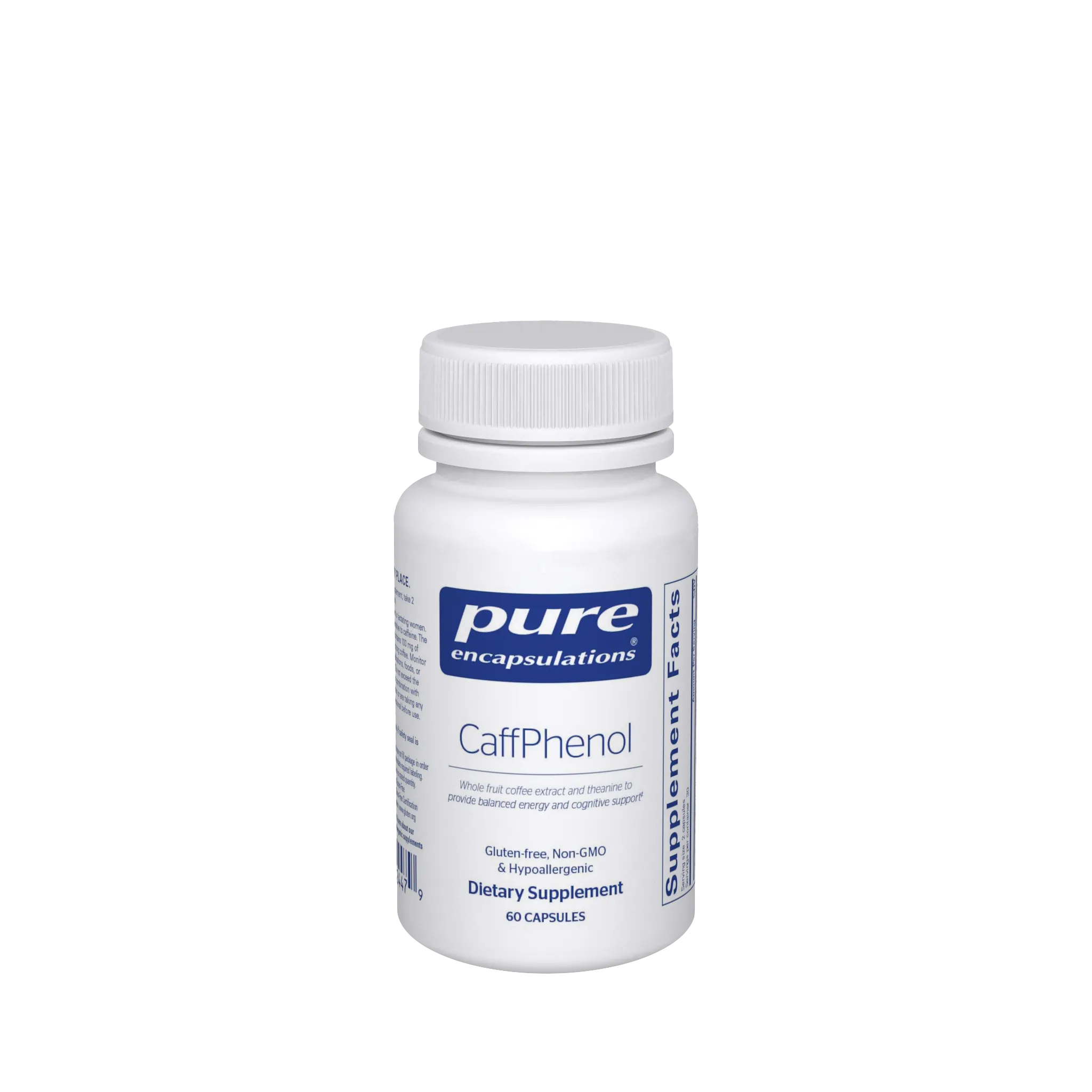
Share:
Disclaimer: The information provided here is for educational purposes only and is not intended as medical advice. It should not be used to diagnose, treat, cure, or prevent any medical condition. Instead, use it as a starting point for discussion with your healthcare provider. Always consult with a qualified healthcare provider before starting any new medication, supplement, device, or making changes to your health regimen.
Months, and sometimes years, after a mild viral infection, many individuals find themselves battling an unrelenting exhaustion that sleep cannot fix. For patients living with Long COVID, myalgic encephalomyelitis/chronic fatigue syndrome (ME/CFS), and dysautonomia, this profound lack of energy is often accompanied by a thick, disorienting cognitive impairment known as "brain fog." The frustration of wanting to engage with life but feeling physically and mentally tethered by an invisible illness is a heavy burden to carry. When standard medical advice suggests simply "resting more" or "drinking coffee," it fundamentally misunderstands the complex neuro-metabolic gridlock occurring within the body.
In the search for sustainable energy support that doesn't trigger debilitating crashes or exacerbate nervous system hyperarousal, researchers and clinicians are turning to highly specific, synergistic nutrient combinations. One such combination is found in Caffphenol, a targeted blend of whole-fruit coffee extract and pure L-theanine. By pairing a moderate dose of naturally derived caffeine with the calming, neuro-modulating power of L-theanine, this formulation aims to support cognitive clarity and physical endurance without the harsh spikes and crashes associated with traditional stimulants. In this comprehensive guide, we will explore the intricate biological mechanisms behind Caffphenol, how it interacts with the compromised pathways of chronic illness, and whether it could be a valuable tool in your symptom management arsenal.
TL;DR
Caffphenol combines whole-fruit coffee extract and L-theanine to support sustained energy and cognitive clarity.
The 2:1 L-theanine to caffeine ratio may help manage brain fog without triggering severe crashes.
CoffeeBerry extract provides antioxidants and supports BDNF production, promoting brain health and neuroplasticity.
L-theanine promotes calming GABA and alpha brain waves, helping to balance the autonomic nervous system.
What is Caffphenol (Caffeine & L-Theanine)?
The Synergy of Caffeine and L-Theanine
At its core, Caffphenol leverages one of the most extensively researched and clinically validated combinations in nutritional science: caffeine and L-theanine. In a healthy body, caffeine acts as a powerful central nervous system stimulant. It achieves this primarily by crossing the blood-brain barrier and binding to adenosine receptors (specifically the A1 and A2a subtypes) as an antagonist. Adenosine is an inhibitory neuromodulator that naturally builds up throughout the day, signaling the brain that it is time to sleep. By temporarily blocking these receptors, caffeine helps reduce the sensation of fatigue and triggers a downstream release of excitatory neurotransmitters like dopamine and acetylcholine, leading to heightened arousal and alertness.
However, for many individuals, unopposed caffeine can overstimulate the sympathetic nervous system, leading to anxiety, rapid heart rate, and a subsequent "crash" when the chemical wears off. This is where L-theanine becomes crucial. L-theanine is a non-proteinogenic amino acid naturally found in green tea leaves (Camellia sinensis). When ingested, it rapidly crosses the blood-brain barrier and acts as a neurochemical buffer. It functions as a glutamate reuptake inhibitor and a competitive antagonist at glutamate receptors, effectively turning down the volume on the brain's primary excitatory pathways. Simultaneously, it increases the production of Gamma-aminobutyric acid (GABA), the brain's main calming neurotransmitter. When combined, caffeine and L-theanine create a synergistic state of "relaxed alertness," enhancing cognitive performance while mitigating the jittery side effects of caffeine.
CoffeeBerry: A Whole-Fruit Approach to Energy
Unlike standard caffeine supplements that use isolated synthetic caffeine or heavily roasted coffee beans, Caffphenol utilizes CoffeeBerry®, a patented extract derived from the whole fruit of the Coffea arabica plant. Historically, the fleshy outer layer of the coffee cherry was discarded during the harvesting of the inner bean. However, recent scientific analysis has revealed that this intact whole fruit is a powerhouse of unique, biologically active dietary polyphenols. These include high concentrations of chlorogenic acid (CGA), rutin, catechins, and epicatechins, which are largely destroyed during the traditional coffee roasting process.
These polyphenols provide profound antioxidant support, which is critical because the brain is highly susceptible to oxidative stress. In cellular models, the phytochemicals found in whole coffee fruit extract have been shown to upregulate the body's natural antioxidant enzymes, such as superoxide dismutase and glutathione peroxidase. By scavenging free radicals and reducing lipid peroxidation, CoffeeBerry protects delicate neural tissues from damage. Furthermore, clinical research has demonstrated that the specific matrix of compounds in the whole fruit—rather than isolated caffeine or isolated chlorogenic acid—is required to trigger significant neuro-regenerative processes in the brain, making it a vastly superior ingredient for long-term cognitive health.
Suntheanine: The Calming Power of Green Tea
The second primary component of Caffphenol is Suntheanine®, a highly purified, patented form of L-theanine. Natural L-theanine exists in two isomeric forms, but only the L-isomer is biologically active and capable of producing the desired neurological effects. Suntheanine is produced via a proprietary fermentation process that mimics the natural synthesis occurring in green tea leaves, resulting in a 100% pure L-isomer formulation. This guarantees maximum potency and consistency, which is why Suntheanine is the standard form utilized in the vast majority of rigorous clinical trials evaluating L-theanine's efficacy.
At the molecular level, Suntheanine is structurally similar to the excitatory neurotransmitter glutamate. By binding to the same receptors (such as the AMPA receptors) without activating them, it helps reduce excessive excitatory signaling in the brain. This mechanism is particularly important for protecting neurons from excitotoxicity, a state where cells are damaged or killed by overactivation of receptors. By pairing 100 mg of Suntheanine with 50 mg of naturally derived caffeine per capsule, Caffphenol provides the exact 2:1 ratio that studies have shown to be optimal for improving attention, reaction time, and task-switching accuracy while maintaining a calm, focused state of mind.
How Long COVID and ME/CFS Impact Energy and Brain Function
Mitochondrial Dysfunction and the Adenosine Surge
To understand why Caffphenol may be beneficial, we must first examine how complex chronic illnesses disrupt the body's energy production. In conditions like Long COVID and ME/CFS, researchers have identified profound, acquired mitochondrial dysfunction. Mitochondria are the powerhouses of our cells, responsible for generating adenosine triphosphate (ATP), the fundamental energy currency required for every biological process. Recent studies indicate that viral persistence, chronic inflammation, and oxidative stress damage the electron transport chain within the mitochondria, severely limiting ATP production. You can learn more about this process in our guide on mitochondrial health and Long COVID.
When cells struggle to produce ATP, or when they break it down too rapidly in a desperate attempt to meet metabolic demands, the chemical byproduct is adenosine. In a healthy nervous system, adenosine slowly accumulates over the course of the day, binding to receptors to create "sleep pressure." However, in the ME/CFS and Long COVID brain, the constant failure of ATP production leads to a massive, chronic accumulation of adenosine. This unrelenting adenosine signal falsely tells the central nervous system that the body is entirely depleted of energy, manifesting as a profound, paralyzing fatigue that is not alleviated by rest or sleep.
Neuroinflammation and Dopamine Starvation
This metabolic crisis is further compounded by chronic neuroinflammation. In the aftermath of a viral infection, the brain's resident immune cells, known as microglia, can become locked in a reactive, inflammatory state. These activated microglia release inflammatory cytokines, such as interleukin-6 (IL-6) and tumor necrosis factor-alpha (TNF-alpha). These cytokines directly interfere with the brain's ability to synthesize dopamine, the primary neurotransmitter responsible for motivation, executive function, and sustained attention. The inflammatory environment downregulates tyrosine hydroxylase, the rate-limiting enzyme required to create dopamine from its amino acid precursors.
The combination of high adenosine and low dopamine creates a devastating biochemical gridlock in the brain's basal ganglia. Adenosine A2A receptors and dopamine D2 receptors are physically linked on the exact same neurons. When the massive surge of adenosine overactivates the A2A receptors, it acts as a molecular blockade, physically suppressing and downregulating the dopamine receptors. Even if the brain manages to produce some dopamine, the adenosine signal prevents it from being utilized. This "hypodopaminergic" state is the primary driver of the severe cognitive impairment and lack of motivation commonly referred to as brain fog.
Autonomic Nervous System Dysregulation in Dysautonomia
Beyond the brain, post-viral syndromes frequently trigger dysautonomia, a dysfunction of the autonomic nervous system (ANS). Conditions like Postural Orthostatic Tachycardia Syndrome (POTS) are characterized by an inability to regulate heart rate, blood pressure, and blood vessel constriction upon standing. In many patients, this manifests as a hyperadrenergic state—a constant, inappropriate activation of the sympathetic "fight-or-flight" nervous system. The body pumps out excess norepinephrine and epinephrine (adrenaline) to compensate for poor blood flow to the brain.
This sympathetic overdrive leads to a chronically low Heart Rate Variability (HRV), meaning the nervous system cannot smoothly transition back into the parasympathetic "rest and digest" state. Patients experience this as internal tremors, severe anxiety, heart palpitations, and an inability to achieve restorative sleep. When the nervous system is already red-lining, introducing standard, high-dose caffeine can be disastrous, as it further stimulates the sympathetic response and can trigger a severe post-exertional malaise (PEM) crash. This delicate autonomic balance is why the precise modulation offered by a combination of L-theanine and low-dose caffeine is so critical for this patient population.
Caffphenol: Supporting Cognitive Function and Sustained Energy
Modulating the Adenosine-Dopamine Clash
Caffphenol offers a targeted biochemical intervention to disrupt the vicious cycles of fatigue and brain fog. The naturally derived caffeine from the CoffeeBerry extract acts as a non-selective adenosine antagonist. By crossing the blood-brain barrier and binding to the overactive adenosine A1 and A2A receptors, the caffeine effectively blocks the false "exhaustion" signal that is plaguing the ME/CFS and Long COVID brain. This blockade is crucial because it relieves the physical suppression of the dopamine D2 receptors in the basal ganglia.
Once the adenosine blockade is lifted, the brain's natural dopamine signaling can resume. This restoration of dopaminergic pathways allows the frontal lobe to re-engage, significantly improving executive function, working memory, and the motivation to initiate tasks. Unlike high-dose synthetic caffeine, which forces an unnatural spike in adrenaline, the moderate 50 mg dose in Caffphenol provides just enough receptor antagonism to clear the cognitive gridlock without overwhelming the adrenal glands. This gentle modulation helps patients regain mental clarity while minimizing the risk of triggering a metabolic crash.
L-Theanine's Role in Alpha Brain Waves and GABA Production
The inclusion of 100 mg of Suntheanine is what makes this formulation uniquely suited for hyper-sensitive nervous systems. While the caffeine clears the adenosine fog, L-theanine actively works to calm the central nervous system. Electroencephalography (EEG) studies have consistently shown that L-theanine significantly increases alpha brain wave activity within 40 minutes of ingestion. Alpha waves are associated with a state of relaxed wakefulness—the same brain state achieved during deep meditation. This allows for sharp focus without the physiological stress typically associated with stimulants.
Furthermore, L-theanine directly promotes the synthesis of Gamma-aminobutyric acid (GABA), the brain's primary inhibitory neurotransmitter. GABA acts as the brakes for the nervous system, counteracting the excitatory effects of glutamate and adrenaline. By boosting GABA levels, L-theanine blunts the sympathetic nervous system's response to the caffeine, helping to mitigate the rapid heart rate, jitters, and anxiety that POTS and dysautonomia patients often experience. This neurochemical buffering ensures that the energy provided by the supplement is smooth, sustained, and highly focused.
CoffeeBerry's Impact on Brain-Derived Neurotrophic Factor (BDNF)
Perhaps the most groundbreaking mechanism of Caffphenol lies in the CoffeeBerry extract's ability to stimulate Brain-Derived Neurotrophic Factor (BDNF). BDNF is a crucial protein that acts as "fertilizer" for the brain. It is responsible for neuroplasticity, the survival of existing neurons, and the growth of new synapses. In chronic inflammatory states like Long COVID, BDNF levels are often severely depleted, contributing to memory loss and cognitive decline.
Clinical research has demonstrated that a single 100 mg dose of whole coffee fruit extract can acutely increase blood plasma BDNF levels by an astonishing 143% within 60 minutes. Even more importantly, studies tracking exosomal BDNF (vesicles capable of crossing the blood-brain barrier) found increases of over 200%. This profound spike in BDNF helps repair damaged neural pathways, supports the clearing of cellular debris via autophagy, and provides long-term neuroprotective benefits that extend far beyond a simple temporary energy boost.
Balancing the Autonomic Nervous System
For patients managing dysautonomia, the autonomic balancing act performed by Caffphenol is highly supportive. By inhibiting overactive glutamate receptors (specifically AMPA receptors), L-theanine reduces the neuro-excitatory signaling that drives sympathetic overdrive. Clinical trials have shown that L-theanine significantly reduces heart rate and salivary immunoglobulin A (s-IgA) responses during acute stress, confirming its ability to attenuate sympathetic nervous activation. This attenuation naturally improves Heart Rate Variability (HRV), helping the nervous system build resilience and flexibility in the face of physical and cognitive stressors.
Symptoms Caffphenol May Help Manage
Cognitive Impairment and Brain Fog: By blocking excess adenosine and freeing up dopamine receptors in the basal ganglia, the caffeine in Caffphenol helps restore executive function and working memory. Simultaneously, the CoffeeBerry polyphenols trigger a massive release of BDNF, promoting neuroplasticity and helping to repair neural pathways damaged by chronic neuroinflammation.
Central Fatigue and Low Energy: The moderate 50 mg dose of naturally derived caffeine gently antagonizes the adenosine receptors that falsely signal total body exhaustion. This provides a clean, sustainable lift in physical and mental energy without forcing the adrenal glands into overdrive, which is crucial for individuals managing profound post-viral fatigue.
Dysautonomia-Related Jitters and Adrenaline Surges: The 100 mg of Suntheanine acts as a powerful neurochemical buffer. By promoting GABA production and increasing alpha brain waves, it blunts the sympathetic nervous system's "fight-or-flight" response. This helps calm the internal tremors, racing heart, and anxiety often associated with hyperadrenergic POTS and dysautonomia.
Poor Attention and Task-Switching: The specific 2:1 ratio of L-theanine to caffeine has been clinically proven to enhance rapid visual information processing and the ability to switch between tasks without losing accuracy. This synergistic effect allows patients to sustain selective attention and focus on daily tasks with greater ease.
Post-Exertional Malaise (PEM) Vulnerability: While no supplement can cure PEM, the neuroprotective antioxidants in CoffeeBerry help scavenge the free radicals and oxidative stress generated during cellular energy production. By reducing lipid peroxidation and supporting mitochondrial health, Caffphenol may help raise the threshold before a metabolic crash occurs.
Practical Considerations: Forms, Dosing, and Absorption
The Pharmacokinetics of Suntheanine and CoffeeBerry
Understanding the pharmacokinetics—how the body absorbs, distributes, and metabolizes a substance—is essential for maximizing the benefits of Caffphenol. After oral ingestion, the Suntheanine (L-theanine) is rapidly absorbed in the small intestine via a sodium-coupled co-transporter. It has a brief digestive lag time of about 10 to 20 minutes before entering systemic circulation. Pharmacokinetic studies reveal that L-theanine successfully crosses the blood-brain barrier within 30 minutes, which aligns with EEG data showing an increase in alpha brain waves around the 40-minute mark. The maximum blood plasma concentration (Tmax) is reliably reached between 48 and 60 minutes post-ingestion.
The naturally derived caffeine from the CoffeeBerry extract follows a very similar timeline, typically reaching peak blood concentration between 45 and 60 minutes. This synchronized absorption is what makes the combination so effective; the calming effects of the L-theanine peak at the exact moment the stimulatory effects of the caffeine hit the bloodstream. This physiological overlap effectively neutralizes the initial "spike" of caffeine, helping to avoid jitters and ensuring a smooth, sustained onset of alert attention. The cognitive benefits typically last for 3 to 5 hours, with the compounds being completely metabolized and excreted by the kidneys within 24 hours.
Optimal Dosing Ratios for Chronic Illness
The effectiveness of this nootropic stack is highly dependent on the dosage ratio. The most robust clinical evidence points to a 2:1 ratio of L-theanine to caffeine as the optimal balance for cognitive enhancement without overstimulation. Each capsule of Caffphenol provides exactly this ratio: 100 mg of Suntheanine and 50 mg of caffeine (derived from 143 mg of CoffeeBerry extract). For healthy individuals, a standard cognitive dose is often 200 mg of L-theanine and 100 mg of caffeine. However, for patients with ME/CFS or Long COVID, starting with a single capsule (50 mg caffeine) is highly recommended to assess tolerance, as their nervous systems are often hypersensitive to stimulants.
Timing, Absorption Tips, and Potential Interactions
To maximize the absorption speed and bioavailability of Caffphenol, it is generally recommended to take the supplement on an empty stomach, or at least 30 minutes before a meal. Co-ingesting the capsules with heavy, fat-rich meals can delay gastric emptying, stretching out the absorption lag time and blunting the peak effects. Because the cognitive and energetic benefits last for several hours, it is best to take Caffphenol in the morning or early afternoon. Taking it late in the day may interfere with sleep architecture, despite the calming presence of L-theanine.
While Caffphenol is generally very safe, there are important contraindications to consider, particularly for patients with specific subtypes of dysautonomia. L-theanine acts as a mild vasodilator, meaning it relaxes and widens blood vessels to help lower blood pressure. For patients with Hypovolemic POTS (characterized by low blood volume) or severe orthostatic hypotension, this vasodilation can potentially worsen blood pooling in the lower extremities, exacerbating dizziness upon standing. Additionally, patients taking prescription stimulants, blood pressure medications, or severe sedatives should consult their healthcare provider, as the synergistic effects of L-theanine and caffeine can interact with these pathways.
Follow the Science
Clinical Trials on the Caffeine and L-Theanine Stack
The combination of caffeine and L-theanine is one of the most rigorously tested nootropic stacks in modern nutritional science. A seminal double-blind, placebo-controlled study published in Biological Psychology (Haskell et al., 2008) evaluated the effects of this combination on cognition and mood. The researchers found that the combination led to significantly faster simple reaction times, faster numeric working memory reaction times, and improved sentence verification accuracy compared to a placebo. Crucially, the participants taking the combination reported decreased subjective ratings of "mental fatigue" and "tiredness" while noting significant increases in "alertness."
Further supporting these findings, a study published in Nutritional Neuroscience (Owen et al., 2008) tested a precise 2:1 ratio (100 mg L-theanine and 50 mg caffeine) on 27 participants. At 60 minutes post-dose, the combination uniquely improved both the speed and accuracy of an attention-switching task. It also significantly reduced the participants' susceptibility to distracting information during a memory task. These findings highlight the combination's ability to allocate neural resources more efficiently, allowing the brain to sustain selective attention—a critical benefit for patients battling the cognitive scattering of Long COVID brain fog.
Research on Whole Coffee Fruit Extract and BDNF
The specific inclusion of CoffeeBerry extract elevates Caffphenol beyond a standard caffeine supplement due to its profound impact on Brain-Derived Neurotrophic Factor (BDNF). A landmark study published in the British Journal of Nutrition demonstrated the unique power of the whole fruit matrix. Researchers administered 100 mg of whole coffee fruit extract to healthy subjects and observed an average 143% increase in blood plasma BDNF levels within 60 minutes. When they tested isolated chlorogenic acid or isolated caffeine, they failed to produce a statistically significant increase in BDNF, proving that the synergistic polyphenols within the whole fruit are essential for this neuro-regenerative effect.
Emerging Data on Neurological Recovery in Post-Viral Syndromes
While large-scale trials specifically testing Caffphenol on Long COVID and ME/CFS populations are still needed, the underlying mechanisms align perfectly with emerging data on post-viral neurological recovery. Recent internal research and genomic analyses have highlighted that severe fatigue and cognitive impairment in these cohorts are driven by neuro-metabolic disturbances and immune/myeloid pathway dysfunction. By utilizing targeted antioxidants (like the polyphenols in CoffeeBerry) to reduce neuroinflammation, and neuromodulators (like L-theanine) to stabilize autonomic function, clinicians are finding new ways to support the central nervous system. As we learn more about the connections between Long COVID and ME/CFS, tools that address the root biochemical gridlock without causing further harm are becoming indispensable.
The Path Forward
Pacing and Holistic Symptom Management
Living with a complex, invisible illness like Long COVID, ME/CFS, or dysautonomia is an exhausting, unpredictable journey. The profound fatigue and cognitive impairment you experience are not in your head; they are the result of measurable, physiological disruptions in your cellular energy pathways and nervous system. While the science behind targeted supplements like Caffphenol is incredibly promising, it is vital to remember that no single pill is a cure. True symptom management requires a comprehensive, holistic approach that respects your body's current limitations.
Supplements must be used in conjunction with strict pacing strategies. The energy provided by Caffphenol should not be used as an excuse to push through your energy envelope or ignore the warning signs of post-exertional malaise (PEM). Instead, think of this supplement as a tool to help you function more comfortably within your baseline, allowing for clearer thinking and a calmer nervous system during your daily activities. If you are struggling with how to communicate these complex energy dynamics to your loved ones, our guide on how to inform others about ME/CFS and Long COVID can be a helpful resource.
Validating the Chronic Illness Experience
At RTHM, we deeply validate the frustration of navigating a medical system that often lacks answers for complex chronic conditions. We understand the daily calculus required to manage your symptoms, from tracking your heart rate to rationing your cognitive energy. By focusing on the underlying mechanisms—like mitochondrial dysfunction, neuroinflammation, and autonomic imbalance—we aim to provide you with science-backed strategies that genuinely improve your quality of life. You are not alone in this fight, and the scientific community is making rapid strides in understanding the pathophysiology of your symptoms.
Next Steps for Your Health Journey
If you are struggling with brain fog, unrelenting fatigue, or the jittery exhaustion of dysautonomia, Caffphenol may offer the balanced, neuro-supportive energy you need. By combining the adenosine-clearing power of CoffeeBerry with the calming, GABA-promoting effects of Suntheanine, this formulation addresses the root biochemical gridlock of post-viral syndromes. Always consult with your primary care physician or a dysautonomia specialist before introducing new supplements to your regimen, especially if you are managing severe blood pressure fluctuations or taking prescription medications.
Sources
The Cognitive-Enhancing Outcomes of Caffeine and L-theanine: A Systematic Review (Cureus, 2021)
Cognitive Vitality Report: Coffee Fruit (Alzheimer's Drug Discovery Foundation)
L-Theanine reduces psychological and physiological stress responses (Biological Psychology, 2007)
Possible Application of Melatonin in Long COVID (Biomolecules, 2022)