Can C3 Curcumin Complex Help Manage Inflammation and Brain Fog in Long COVID and ME/CFS?
March 5, 2026
C3 Curcumin ComplexLong COVIDME/CFS
Share:
Disclaimer: The information provided here is for educational purposes only and is not intended as medical advice. It should not be used to diagnose, treat, cure, or prevent any medical condition. Instead, use it as a starting point for discussion with your healthcare provider. Always consult with a qualified healthcare provider before starting any new medication, supplement, device, or making changes to your health regimen.
For centuries, the bright yellow spice turmeric has been revered in traditional medicine for its profound healing properties. Today, modern science has isolated the specific bioactive compounds responsible for these benefits, known as curcuminoids. For individuals living with complex chronic conditions like Long COVID, myalgic encephalomyelitis/chronic fatigue syndrome (ME/CFS), and mast cell activation syndrome (MCAS), managing relentless systemic inflammation and oxidative stress is a daily battle. When the immune system remains locked in a hyper-reactive state, it can trigger debilitating symptoms ranging from severe brain fog and profound fatigue to widespread joint pain and autonomic dysfunction.
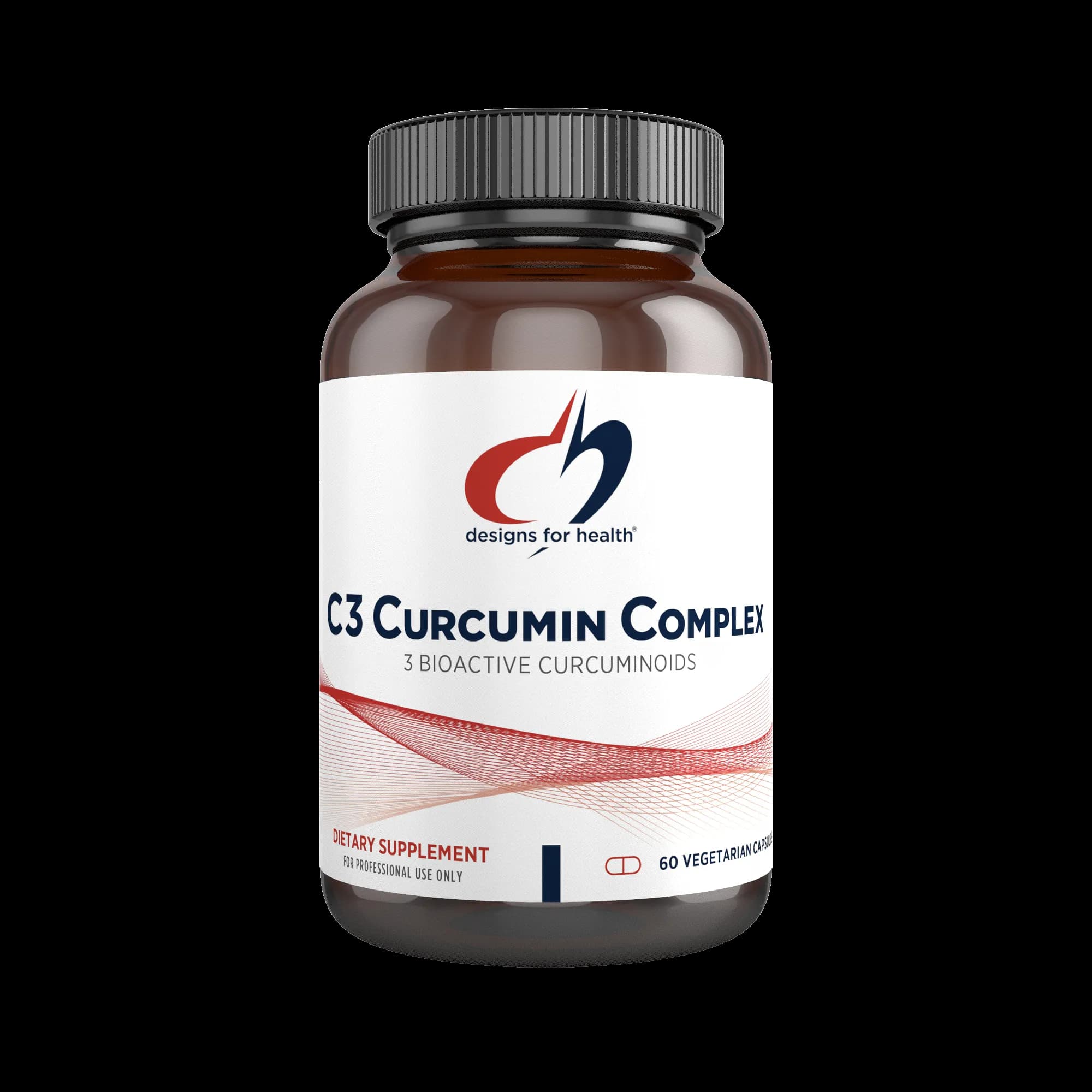
In the search for targeted, science-backed nutritional support, C3 Curcumin Complex has emerged as a compelling option. Unlike standard turmeric powder, which the body struggles to absorb, this specialized formulation delivers a highly concentrated, standardized dose of three distinct curcuminoids. By pairing these potent polyphenols with sunflower lecithin to dramatically enhance bioavailability, C3 Curcumin Complex offers a sophisticated mechanism to help downregulate inflammatory pathways, neutralize free radicals, and support cellular health. In this comprehensive guide, we will explore the intricate biochemistry of curcumin, how it interacts with the dysregulated immune systems of chronic illness patients, and what the latest clinical research reveals about its potential to improve quality of life.
TL;DR
C3 Curcumin Complex uses a bioavailable blend of curcuminoids and sunflower lecithin to support cellular health.
It may help manage systemic inflammation by downregulating the NF-κB pathway and neutralizing oxidative stress.
Research suggests curcumin supports mast cell stabilization, potentially reducing histamine release and MCAS symptom flares.
Always consult your healthcare provider before starting curcumin, especially if taking blood thinners or managing dysautonomia.
What is C3 Curcumin Complex?
The Golden Spice and Its Bioactive Compounds
To understand the power of C3 Curcumin Complex, we must first look at its source: Curcuma longa, commonly known as turmeric. While turmeric is a staple in culinary traditions, its raw form contains only about 3% active medicinal compounds by weight. These active compounds are called curcuminoids, a class of polyphenols that function as potent natural antioxidants and immunomodulators. In a healthy body, these polyphenols interact with multiple cellular signaling pathways to maintain homeostasis, protect tissues from environmental damage, and regulate the natural inflammatory response to injury or infection.
However, simply consuming dietary turmeric is rarely sufficient to achieve therapeutic clinical effects, especially for those battling severe chronic illnesses. The human digestive tract is a harsh environment, and raw curcumin is highly hydrophobic, meaning it repels water. Because our bloodstream is water-based, raw curcumin is poorly absorbed, rapidly metabolized by the liver, and quickly excreted. To harness the true biochemical potential of this plant, scientists developed highly concentrated extracts that isolate the curcuminoids and standardize them to a specific, clinically relevant percentage.
The "C3" Difference: A Triad of Curcuminoids
The "C3" in C3 Curcumin Complex refers to a patented, clinically researched blend that standardizes the extract to yield 95% curcuminoids in a highly specific ratio. According to a 2019 comprehensive bibliometric analysis published in Molecules, this specific C3 formulation is the most clinically studied curcumin brand in the world. It does not rely on a single isolated compound; instead, it utilizes a synergistic triad of the three most active curcuminoids found in nature.
The primary compound is curcumin (comprising 70–80% of the extract), which is the most well-known and heavily researched for its ability to modulate immune signaling. The second is demethoxycurcumin (DMC) (15–25%), which research shows is exceptionally efficient at helping to prevent lipid peroxidation, a process where free radicals steal electrons from the lipids in our cell membranes, leading to cell damage. The third is bisdemethoxycurcumin (BDMC) (2.5–6.5%), a highly stable compound that enhances the overall physiological stability and solubility of the entire complex. Together, this triad provides a much broader spectrum of antioxidant defense than isolated pure curcumin alone.
The Role of Sunflower Lecithin in Absorption
Even the most potent curcuminoid triad is useless if it cannot enter the bloodstream. To overcome the profound bioavailability challenge, C3 Curcumin Complex utilizes an advanced delivery mechanism: sunflower lecithin. Lecithin is a natural source of phospholipids, specifically phosphatidylcholine, which are the exact same molecules that make up human cell membranes. By emulsifying the curcuminoids with sunflower lecithin, the formulation creates a lipid-compatible complex, often referred to as a phytosome or liposome.
This phospholipid encapsulation acts as a protective "Trojan Horse" for the curcuminoids. It shields them from harsh stomach acids and helps prevent premature degradation in the gastrointestinal tract. Because the human intestinal lining easily recognizes and absorbs dietary lipids, the sunflower lecithin seamlessly shuttles the hydrophobic curcumin directly across the intestinal barrier and into systemic circulation. Furthermore, unlike soy lecithin, sunflower lecithin is naturally hypoallergenic and non-GMO, making it an ideal, clean-label choice for patients with highly sensitive immune systems or mast cell disorders.
How Long COVID and ME/CFS Impact Systemic Inflammation
The Cytokine Storm and Chronic Immune Dysregulation
To understand why a potent anti-inflammatory like C3 Curcumin Complex is so relevant, we must examine What Causes Long COVID and ME/CFS at a cellular level. In many patients, the initial viral infection (such as SARS-CoV-2 or Epstein-Barr Virus) triggers an aggressive immune response. However, instead of returning to a peaceful baseline once the acute infection clears, the immune system remains stuck in a hyper-vigilant, overactive state. This ongoing Autoimmunity and Immune Dysregulation in Long COVID results in a continuous, low-grade "cytokine storm."
Cytokines are chemical messengers that immune cells use to communicate. In chronic illness, pro-inflammatory cytokines like Interleukin-6 (IL-6), Interleukin-1 beta (IL-1β), and Tumor Necrosis Factor-alpha (TNF-α) are chronically elevated. These inflammatory markers circulate systemically, damaging the endothelial lining of blood vessels, disrupting autonomic nervous system signaling, and causing the widespread joint and muscle pain that patients experience daily. This persistent inflammation creates a vicious cycle, where tissue damage triggers more immune activation, which in turn causes more inflammation.
Microglial Activation and Neuroinflammation
The impact of this systemic inflammation is perhaps most devastating when it crosses the blood-brain barrier. The central nervous system has its own dedicated immune defenders called microglia. In a healthy brain, microglia quietly monitor for pathogens and clear away cellular debris. However, in ME/CFS and Long COVID, these cells can become chronically activated. A landmark 2014 PET scan study published in The Journal of Nuclear Medicine demonstrated that neuroinflammation driven by activated microglia was up to 199% higher in ME/CFS patients compared to healthy controls.
When microglia are locked in this aggressive "M1" state, they pour out neurotoxic cytokines and oxidative free radicals directly into the brain tissue. This localized neuroinflammation disrupts neurotransmitter synthesis, impairs synaptic plasticity, and damages delicate neuronal structures. Clinically, this manifests as the profound cognitive impairment patients refer to as "brain fog," alongside severe sensory sensitivities, sleep disturbances, and the crushing neurological fatigue that defines post-exertional malaise (PEM).
Oxidative Stress and Mitochondrial Dysfunction
Simultaneously, chronic illness places an immense burden on the body's mitochondria, the microscopic powerhouses responsible for generating adenosine triphosphate (ATP), our cellular energy currency. Chronic inflammation and viral persistence generate massive amounts of Reactive Oxygen Species (ROS), commonly known as free radicals. When the production of these free radicals outpaces the body's natural antioxidant defenses, it results in a state of severe oxidative stress.
Oxidative stress is highly destructive to mitochondrial membranes and mitochondrial DNA. As the mitochondria become damaged, their ability to produce ATP plummets. This energy crisis at the cellular level is a primary driver of the debilitating, leaden fatigue seen in both Long COVID and ME/CFS. Furthermore, damaged mitochondria leak even more ROS into the cell, exacerbating the oxidative stress and accelerating cellular aging and dysfunction. Breaking this cycle requires potent, system-wide antioxidant intervention that can penetrate deep into the cellular architecture.
C3 Curcumin Complex: Supporting Immune Health and Cellular Defense
Halting the NF-κB Inflammatory Cascade
C3 Curcumin Complex exerts its profound therapeutic effects by intervening directly at the molecular root of inflammation. Its primary mechanism of action is the downregulation of Nuclear Factor-kappa B (NF-κB). NF-κB is often described as the master transcription factor or the "master switch" for inflammation in the human body. When activated by stress or infection, NF-κB enters the cell nucleus and triggers the expression of hundreds of genes involved in massive inflammatory cascades.
Curcuminoids actively inhibit the activation of NF-κB, effectively turning off the genetic switch that drives chronic inflammation. By doing so, curcumin drastically reduces the downstream production of the exact pro-inflammatory cytokines (TNF-α, IL-1β, and IL-6) that fuel Long COVID and ME/CFS symptoms. Additionally, curcumin actively inhibits COX-2 (cyclooxygenase-2) and LOX (lipoxygenase), the specific inflammatory enzymes that over-the-counter NSAIDs target to reduce pain and swelling, providing natural, systemic relief without the gastrointestinal toxicity associated with long-term NSAID use.
Activating the Nrf2 Antioxidant Pathway
Beyond its anti-inflammatory prowess, C3 Curcumin Complex is a master regulator of cellular defense against oxidative stress. While curcuminoids can directly scavenge and neutralize free radicals due to their unique chemical structure, their most potent antioxidant mechanism is the activation of the Nrf2/HO-1 pathway. Nrf2 (Nuclear factor erythroid 2-related factor 2) is a protein that sits dormant in the cell cytoplasm, bound to a regulatory protein called KEAP1.
Curcumin binds to KEAP1, releasing Nrf2. Once freed, Nrf2 travels into the cell nucleus and binds to the Antioxidant Response Element (ARE) in our DNA. This action upregulates the body's own endogenous antioxidant enzymes, including superoxide dismutase (SOD), glutathione (GSH), and heme oxygenase-1 (HO-1). By boosting the body's internal antioxidant factories, curcumin provides profound protection for delicate mitochondrial membranes, helping to restore cellular energy production and mitigate the profound exhaustion characteristic of post-viral syndromes.
Stabilizing Mast Cells in MCAS
For patients navigating the unpredictable allergic-type reactions of mast cell activation syndrome, curcumin offers a highly targeted mechanism of relief. Mast cells are immune cells that inappropriately break open (degranulate) and release histamine and other inflammatory mediators in response to benign triggers. While many patients rely on pharmaceutical stabilizers like Ketotifen, natural polyphenols play a crucial complementary role.
Curcumin acts as a powerful natural mast cell stabilizer by inhibiting the Syk kinase pathway. Syk kinase is a crucial enzyme that signals mast cells to degranulate when an allergen binds to IgE antibodies on the cell surface. Research suggests that curcumin may directly block Syk kinase, effectively cutting off the chemical signal that tells the mast cell to release histamine. Furthermore, curcumin downregulates the expression of FcεRI receptors on mast cells, giving IgE fewer places to bind, thereby raising the threshold for mast cell activation and reducing the frequency of systemic flares.

Symptoms C3 Curcumin Complex May Help Manage
Targeting Systemic and Neurological Symptoms
Because C3 Curcumin Complex operates at the foundational levels of inflammation, oxidative stress, and immune signaling, its clinical benefits can be felt across multiple organ systems. For patients wondering How Does a Doctor Diagnose Long COVID and manage its myriad presentations, integrating a broad-spectrum anti-inflammatory is often a cornerstone of the management protocol. Here are the specific symptoms this supplement may help manage:
Severe Brain Fog and Cognitive Impairment: By crossing the blood-brain barrier and inhibiting microglial overactivation, curcumin reduces the neuroinflammation that disrupts neurotransmitter function, helping to clear cognitive haze and improve focus.
Chronic Joint and Muscle Pain: Through the direct inhibition of COX-2 and LOX inflammatory enzymes, curcumin reduces the systemic tissue swelling and localized inflammation that drive widespread musculoskeletal pain.
Post-Exertional Malaise (PEM) and Fatigue: By activating the Nrf2 pathway and boosting endogenous antioxidants like glutathione, curcumin protects mitochondrial function from oxidative damage, supporting more stable cellular ATP (energy) production.
MCAS Flares and Histamine Intolerance: Curcumin acts as a natural mast cell stabilizer by blocking the Syk kinase pathway, reducing the inappropriate degranulation of histamine that causes hives, flushing, itching, and sudden gastrointestinal distress.
Cardiovascular and Autonomic Dysfunction: By downregulating inducible nitric oxide synthase (iNOS) and protecting the endothelial lining of blood vessels from oxidative stress, curcumin supports healthy vascular tone, which is critical for managing dysautonomia and POTS symptoms.
Gastrointestinal Inflammation: Curcumin's potent anti-inflammatory effects help soothe the mucosal lining of the gut, modulating the local immune response and reducing the bloating, cramping, and dysbiosis often seen in chronic illness.
Practical Considerations: Forms, Dosing, and Absorption
Overcoming Curcumin's Bioavailability Challenge
The most critical practical consideration when supplementing with curcumin is bioavailability. As previously noted, standard turmeric powder or unformulated curcumin extracts are highly hydrophobic and rapidly metabolized, meaning very little of the active compound ever reaches your systemic circulation. If you are taking a cheap, unformulated curcumin supplement, you are likely excreting the vast majority of it before it can exert any cellular benefits.
C3 Curcumin Complex solves this by utilizing sunflower lecithin as an emulsifier. A landmark clinical study published in the Journal of Natural Products evaluating phospholipid-based curcumin formulations found that this specific delivery method increased the overall relative absorption of total curcuminoids by an astounding 29-fold compared to standard, unformulated curcumin. The lipid encapsulation ensures the curcumin survives the digestive tract and is readily absorbed through the intestinal wall, allowing for maximum therapeutic efficacy at lower doses.
Optimal Dosing and Timing Strategies
For general immune support and antioxidant protection, the standard suggested use for C3 Curcumin Complex is 1 capsule (400 mg of standardized curcuminoids) per day, or as directed by your healthcare practitioner. However, in clinical practice for severe chronic inflammatory conditions like Long COVID or ME/CFS, practitioners may recommend higher or divided doses to maintain consistent blood plasma levels of the active polyphenols.
Because the C3 Curcumin Complex is already emulsified with sunflower lecithin (a fat), it has built-in absorption support. However, taking the supplement alongside a meal that contains healthy fats—such as avocado, olive oil, or nuts—can further stimulate bile production and optimize the intestinal absorption of the liposomal complex. Pharmacokinetic studies on lecithin-bound curcumin show that peak plasma concentrations typically occur about 3 hours after oral administration, providing sustained anti-inflammatory action throughout the day.
Safety, Tolerability, and Potential Interactions
Curcumin is generally recognized as safe (GRAS) by the FDA and is exceptionally well-tolerated, even at high clinical doses. The use of sunflower lecithin rather than soy lecithin makes this specific formulation highly suitable for patients with severe food allergies or mast cell sensitivities. However, because curcumin is a biologically active compound that alters enzymatic pathways, it does have potential interactions that patients must navigate carefully.
Curcumin possesses mild natural blood-thinning (anti-platelet) properties. Therefore, patients who are actively taking prescription anticoagulants (blood thinners) like warfarin or Plavix should consult their physician before starting curcumin, as it may have an additive effect. Additionally, because curcumin can stimulate bile flow, individuals with active gallstones or biliary tract obstructions should use it with caution. Always discuss new supplements with your medical provider to ensure they fit safely within your comprehensive management protocol.

Follow the Science
Clinical Trials in Post-COVID Recovery
The clinical evidence supporting curcumin for post-viral syndromes has expanded rapidly in recent years. A pivotal 2023 randomized, double-blind, placebo-controlled trial published in Nutrients investigated the effects of a bioavailable curcumin supplement on circulating inflammatory biomarkers in adults who had recovered from acute COVID-19 but were experiencing lingering symptoms. The researchers administered 500 mg of bioavailable curcumin twice daily for 4 weeks.
The findings were highly significant: the curcumin group exhibited drastically lower post-trial concentrations of key pro-inflammatory cytokines compared to the placebo group. Specifically, Interleukin-6 (IL-6) and Monocyte Chemoattractant Protein-1 (MCP-1)—both of which are directly linked to chronic post-COVID fatigue and vascular endothelial damage—were significantly reduced. This trial provided concrete, biomarker-driven proof that short-term curcumin supplementation can successfully blunt the persistent inflammatory response that drives Long COVID.
Evidence for ME/CFS and Neuroinflammation
In the realm of ME/CFS, research heavily focuses on curcumin's ability to cross the blood-brain barrier and quiet microglial activation. An open-label clinical study published by Dr. C.M.C. van Campen and Dr. Frans C. Visser in 2019 observed 65 ME/CFS patients over 8 weeks. The patients were administered 500 mg of a phospholipid-bound curcumin formulation twice daily. After 8 weeks, the study recorded a statistically significant decrease in both CFS-specific symptom scores and general symptom scores, particularly among patients with mild-to-moderate disease severity.
Furthermore, pre-clinical models of neuroinflammation strongly support these human findings. A 2024 study published in Scientific Reports tested curcuminoids on human neuroblastoma cells infected with SARS-CoV-2. The researchers found that curcumin significantly reduced the production of Reactive Oxygen Species (ROS) in neuronal cells and decreased the cellular expression of viral entry proteases by up to 60%. This data offers a confirmed mechanism of action for how curcumin mitigates the oxidative stress responsible for post-viral "brain fog."
Mast Cell Stabilization Research
The scientific validation for curcumin as a mast cell stabilizer continues to grow. Research investigating curcumin's effects on human basophil and mast cell lines suggests that curcumin may inhibit the release of histamine and block the release of β-hexosaminidase (another inflammatory mediator).
Studies note that curcumin may achieve this by inhibiting the translocation of protein kinase C delta (PKC-δ), a cellular process absolutely necessary for the release of allergic mediators. When combined with its ability to suppress the Syk kinase pathway, the clinical consensus is clear: highly bioavailable curcumin formulations offer a potent, natural adjunct option for managing the unpredictable degranulation events that characterize MCAS.
The Path Forward
Integrating Curcumin into Your Protocol
Living with complex, invisible illnesses like Long COVID, ME/CFS, and MCAS is an exhausting journey. The relentless cycle of inflammation, brain fog, and unpredictable symptom flares can leave you feeling disconnected from your own body. If you are wondering Can Long COVID Trigger ME/CFS?, the answer lies in the very inflammatory pathways and microglial activation that we have explored in this guide. While there is no single miracle cure for these intricate conditions, targeted nutritional interventions can provide vital support.
By introducing a highly bioavailable, standardized polyphenol like C3 Curcumin Complex, you are actively giving your cells the tools they need to downregulate the NF-κB inflammatory cascade, neutralize mitochondrial oxidative stress, and stabilize hyper-reactive mast cells. When combined with comprehensive management strategies like strict pacing, nervous system regulation, and medical oversight, supplements like this can help lower your overall inflammatory burden and raise your baseline of functioning.
A Hopeful Outlook on Symptom Management
Healing from chronic neuroimmune conditions is not linear, but science is rapidly uncovering the molecular mechanisms that drive these illnesses—and, more importantly, how to modulate them. The robust clinical data supporting curcumin's efficacy in post-viral recovery and neuroinflammation offers a deeply validating and hopeful outlook for patients seeking relief.
Always remember to consult with your healthcare provider before introducing new supplements, especially if you are managing a complex medication regimen or severe dysautonomia. With the right targeted support, specialized formulations, and compassionate medical care, it is possible to cool the fires of chronic inflammation and reclaim a better quality of life.