Can Vitamin C and Bioflavonoids Support Immune and Vascular Health in Long COVID?
March 6, 2026
Vitamin CLong COVIDDysautonomia
Share:
Disclaimer: The information provided here is for educational purposes only and is not intended as medical advice. It should not be used to diagnose, treat, cure, or prevent any medical condition. Instead, use it as a starting point for discussion with your healthcare provider. Always consult with a qualified healthcare provider before starting any new medication, supplement, device, or making changes to your health regimen.
In the wake of the COVID-19 pandemic, millions of individuals are navigating the complex, often debilitating realities of Long COVID, myalgic encephalomyelitis/chronic fatigue syndrome (ME/CFS), and dysautonomia. These invisible illnesses frequently manifest as a bewildering array of symptoms, from profound post-exertional malaise (PEM) and rapid heart rates to severe allergic-type reactions and cognitive dysfunction. For patients and practitioners alike, unraveling the root causes of these symptoms has become a paramount focus. Emerging research consistently points to a triad of underlying physiological disruptions: chronic oxidative stress, endothelial (blood vessel) dysfunction, and hyperactive immune responses like Mast Cell Activation Syndrome (MCAS). Addressing these foundational issues requires targeted, science-backed nutritional interventions that can support the body at a cellular level.
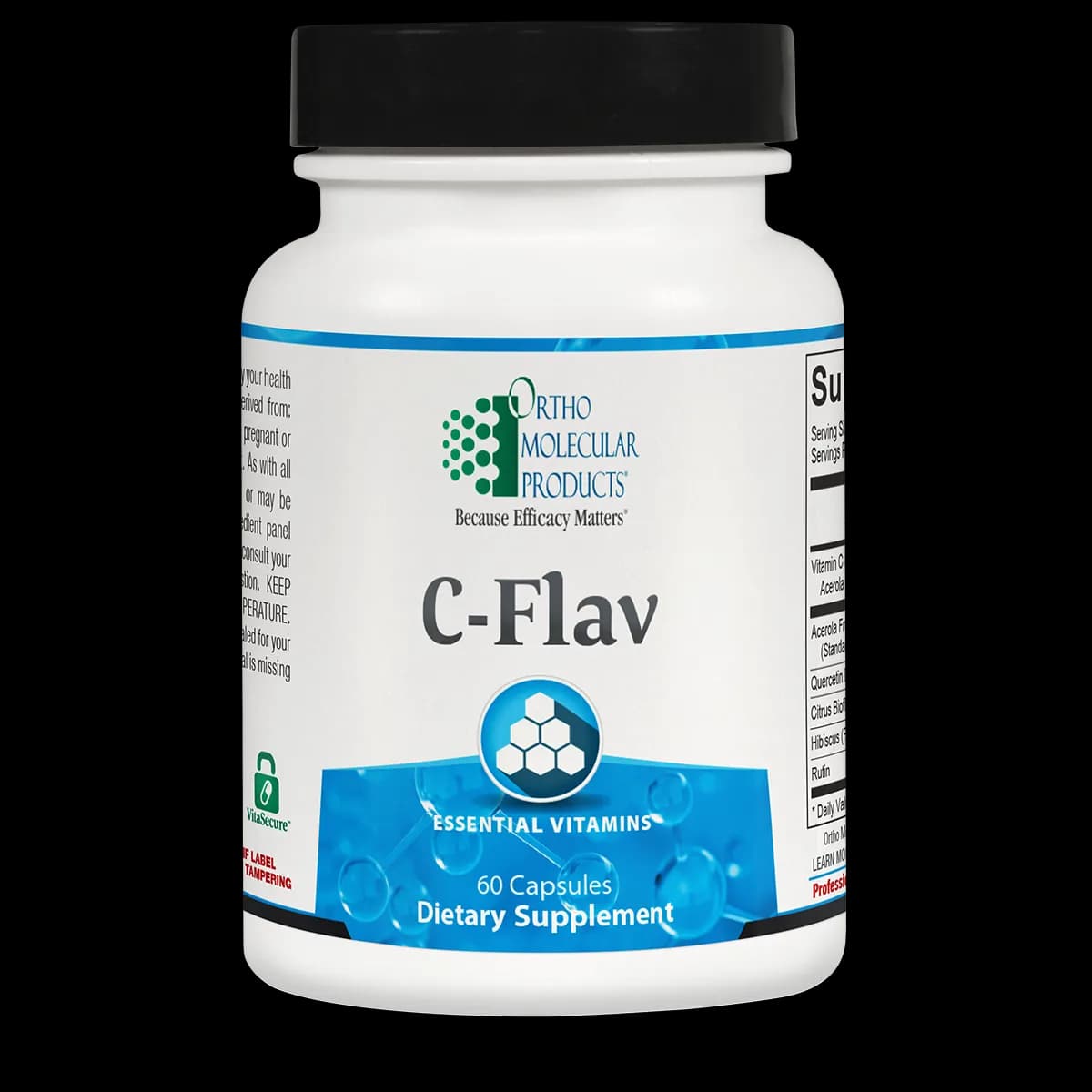
One of the most promising therapeutic approaches involves the synergistic combination of Vitamin C and specific plant compounds known as bioflavonoids. While Vitamin C is widely recognized for its basic immune-supporting properties, its role in complex chronic illness goes far deeper, influencing everything from collagen synthesis in blood vessels to the enzymatic breakdown of histamine. When combined with bioflavonoids like quercetin and rutin—as formulated in C-Flav—these compounds engage in a process called redox recycling, drastically amplifying their collective ability to neutralize oxidative stress and stabilize erratic immune cells. In this comprehensive guide, we will explore the intricate biochemistry of Vitamin C and bioflavonoids, how they counteract the specific pathologies of Long COVID and MCAS, and how they can be integrated into a holistic management strategy.
TL;DR
Vitamin C and bioflavonoids may help manage oxidative stress and support cellular health.
These compounds support endothelial function and may help stabilize mast cells.
Always consult a healthcare provider before starting new supplements, especially with complex chronic illnesses.
What is C-Flav?
The Role of Vitamin C in the Body
Vitamin C, scientifically known as L-ascorbic acid, is a highly potent, water-soluble antioxidant and an essential dietary nutrient. Unlike most mammals, humans lack the specific enzyme (L-gulonolactone oxidase) required to synthesize Vitamin C endogenously from glucose, meaning we must obtain it entirely through our diet or supplementation. At the molecular level, Vitamin C functions primarily as an electron donor. It readily gives up its electrons to neutralize highly reactive, damaging molecules known as free radicals or reactive oxygen species (ROS). By scavenging these free radicals, Vitamin C protects vital cellular structures, including DNA, lipid membranes, and proteins, from oxidative degradation. This fundamental antioxidant capacity is what makes it so critical for cellular health and systemic inflammation management.
Beyond its role as a cellular shield, Vitamin C acts as an indispensable enzymatic cofactor for several critical biochemical pathways. It is absolutely mandatory for the activation of prolyl hydroxylase and lysyl hydroxylase, the enzymes responsible for synthesizing and stabilizing collagen. Collagen is the primary structural protein that forms the scaffolding of our connective tissues, skin, and, crucially, the endothelial lining of our blood vessels. Without adequate Vitamin C, the tight junctions between endothelial cells weaken, leading to vascular fragility. Furthermore, Vitamin C is required for the biosynthesis of carnitine (essential for mitochondrial energy transport) and catecholamine neurotransmitters like dopamine and norepinephrine, which regulate mood, focus, and the autonomic nervous system.
The Power of Bioflavonoids
Bioflavonoids are a diverse class of polyphenolic plant compounds that naturally coexist with Vitamin C in foods like citrus fruits, berries, and leafy vegetables. In nature, Vitamin C is rarely found in isolation; it is almost always bundled with these protective phytochemicals. Key bioflavonoids include quercetin, rutin, and specific compounds found in acerola extract and hibiscus. While they possess their own independent antioxidant properties, bioflavonoids function largely by modulating cellular signaling pathways. For instance, they can inhibit pro-inflammatory pathways such as the Nuclear Factor-kappa B (NF-κB) pathway, which is responsible for the transcription of inflammatory cytokines. By downregulating these pathways, bioflavonoids help calm hyperactive immune responses at the genomic level.
Specific bioflavonoids bring highly targeted benefits to the human body. Quercetin, naturally found in apples and onions, is renowned in functional medicine for its ability to interact directly with the lipid bilayer of cell membranes, particularly those of mast cells, altering their permeability to calcium ions. Rutin, a glycoside of quercetin, has a profound affinity for the vascular system. It is known to suppress the release of Vascular Endothelial Growth Factor (VEGF), helping to maintain the integrity of the blood-brain barrier and supporting healthy microcirculation. Hibiscus and Citrus Bioflavonoid Complexes provide a broad spectrum of polyphenols that further support cardiovascular health by promoting healthy blood pressure and reducing lipid peroxidation.
The Synergistic "Redox Recycling" Loop
The true biological magic of combining Vitamin C with bioflavonoids—as seen in the C-Flav formulation—lies in a biochemical mechanism known as redox recycling. Because Vitamin C acts as an electron donor, it becomes oxidized once it neutralizes a free radical. In this oxidized state, known as dehydroascorbic acid (DHA), it temporarily loses its antioxidant power and can even become pro-oxidant if not quickly reduced back to its active form. In a depleted system, this oxidized Vitamin C is rapidly degraded and excreted, leaving the body vulnerable to ongoing oxidative stress. This rapid depletion is a common feature of severe viral infections and chronic inflammatory states.
This is where bioflavonoids step in to rescue and recycle Vitamin C. Bioflavonoids like quercetin and rutin have the unique biochemical ability to donate their own electrons to dehydroascorbic acid, effectively reducing it back into active L-ascorbic acid. This continuous electron exchange creates a self-sustaining recycling loop that dramatically extends the functional lifespan and efficacy of Vitamin C within the bloodstream and tissues. By pairing 400 mg of Vitamin C with 270 mg of varied bioflavonoids (including quercetin, rutin, hibiscus, and acerola), the body is provided with a stabilized, highly active antioxidant matrix that mirrors the complex nutritional profile of whole foods, ensuring prolonged protection against cellular damage.
How Long COVID and Chronic Illness Impact the Vascular and Immune Systems
Endothelial Dysfunction and "Leaky" Blood Vessels
To understand why Vitamin C and bioflavonoids are so critical for conditions like Long COVID and dysautonomia, we must examine how these illnesses damage the vascular system. The endothelium is the delicate, single-cell-thick inner lining of our blood vessels. It is responsible for regulating blood pressure, preventing clotting, and controlling the passage of fluids and immune cells into surrounding tissues. In Long COVID, the SARS-CoV-2 spike protein directly binds to ACE2 receptors on these endothelial cells, triggering massive localized inflammation. This viral assault disrupts the production of endothelial nitric oxide (eNOS), the molecule that tells blood vessels to relax and dilate. Without sufficient nitric oxide, patients experience chronic vasoconstriction, leading to the poor circulation and tissue hypoxia (oxygen starvation) that drive severe fatigue and post-exertional malaise (PEM).
Furthermore, this endothelial inflammation degrades the tight junctions that hold the blood vessel walls together. In dysautonomia, specifically Postural Orthostatic Tachycardia Syndrome (POTS), this loss of structural integrity causes the blood vessels to become "leaky." When a patient with POTS stands up, gravity pulls blood downward. In a healthy person, the blood vessels constrict to push blood back up to the heart and brain. In POTS, the weakened, leaky vessels fail to maintain this pressure, resulting in severe blood pooling in the lower extremities, hypovolemia (low blood volume), and a compensatory, rapid spike in heart rate. This vascular fragility is a direct consequence of the collagen degradation and oxidative stress that characterize these chronic conditions.
Mast Cell Activation and Histamine Overload
Another major pathological driver in Long COVID and ME/CFS is the dysregulation of the innate immune system, specifically involving mast cells. Mast cells are the sentinels of the immune system, stationed in tissues throughout the body, particularly in the gut, skin, and respiratory tract. They contain granules filled with potent chemical mediators, including histamine, tryptase, and inflammatory cytokines. In a healthy body, mast cells release these chemicals in measured doses to fight off pathogens or heal wounds. However, in Mast Cell Activation Syndrome (MCAS), these cells become hyper-responsive and unstable. Triggered by viral remnants, stress, or even normal foods, they inappropriately degranulate, dumping massive amounts of histamine into the bloodstream.
This systemic histamine overload creates a cascade of debilitating symptoms. Histamine is a powerful vasodilator; it forces blood vessels to widen and become even more permeable, directly exacerbating the blood pooling and low blood pressure seen in POTS. Furthermore, excessive histamine can cross the blood-brain barrier, triggering neuroinflammation, severe brain fog, migraines, and sensory overload. Because the body's natural enzymes for breaking down histamine—specifically Diamine Oxidase (DAO)—are often depleted or genetically impaired in these patients, the histamine continues to circulate, creating a state of chronic, systemic allergic reactivity. Patients may experience sudden flushing, hives, gastrointestinal distress, and unpredictable reactions to previously tolerated foods, making it incredibly difficult to eat nutritionally and maintain weight.
The Vicious Cycle of Oxidative Stress
Both endothelial dysfunction and mast cell activation are fueled by, and in turn generate, massive amounts of oxidative stress. When immune cells battle a persistent viral threat or when mitochondria struggle to produce energy (as seen in ME/CFS), they produce high levels of reactive oxygen species (ROS). While some ROS are necessary for cellular signaling, an overabundance overwhelms the body's endogenous antioxidant defenses, such as glutathione and superoxide dismutase (SOD). This state of chronic oxidative stress leads to lipid peroxidation, where free radicals literally tear apart the lipid membranes of healthy cells, causing premature cellular death and triggering further inflammation.
This creates a vicious, self-perpetuating cycle. Oxidative stress damages the endothelium, which reduces blood flow and causes tissue hypoxia. Hypoxia stresses the mitochondria, causing them to leak more ROS. The increased ROS further agitates mast cells, causing them to release more histamine and cytokines, which in turn causes more endothelial damage. Breaking this cycle requires a multi-targeted approach that can simultaneously neutralize the free radicals, stabilize the mast cells, and repair the vascular lining. This is precisely where the synergistic mechanisms of Vitamin C and targeted bioflavonoids become clinically relevant for managing the long-term impacts of COVID-19.
C-Flav: Supporting Endothelial Function, Immunity, and Mast Cells
Quercetin as a Mast Cell Stabilizer
The inclusion of quercetin in the C-Flav formula provides a powerful, upstream intervention for Mast Cell Activation Syndrome (MCAS). Unlike traditional over-the-counter H1 or H2 antihistamines (like cetirizine or famotidine), which merely block histamine from binding to receptors after it has already been released into the bloodstream, quercetin works prophylactically. It acts directly on the mast cell itself to prevent the degranulation process from occurring. For a mast cell to burst open and release its inflammatory payload, there must be a rapid influx of intracellular calcium ($Ca^{2+}$). Many patients seek supplements that might help stabilize mast cells as a non-medication approach, though it is crucial to start one supplement at a time to monitor reactions.
Recent immunological research has further illuminated quercetin's sophisticated mechanisms. Studies have shown that quercetin acts as an agonist for the CLM-1 receptor on mast cells. By binding to this receptor, quercetin promotes the internalization of other receptors that normally trigger degranulation, effectively blunting the mast cell's reactivity to environmental triggers. Furthermore, quercetin downregulates the NF-κB pathway, significantly reducing the production of heavily inflammatory cytokines like Interleukin-6 (IL-6) and Tumor Necrosis Factor-alpha (TNF-α). By stabilizing mast cells at this foundational level, quercetin helps halt the systemic histamine dumps that drive the flushing, tachycardia, and neuroinflammation seen in complex chronic illnesses.
Vitamin C and Nitric Oxide Restoration
While quercetin works upstream to stop histamine release, Vitamin C works downstream to clear circulating histamine and repair the vascular damage it causes. Vitamin C is a critical, rate-limiting co-factor for the production and function of Diamine Oxidase (DAO), the primary enzyme responsible for degrading extracellular histamine in the gut and bloodstream. By supporting DAO activity, high-dose Vitamin C accelerates the clearance of histamine, helping to bring the body out of a state of chronic allergic reactivity. This dual-action approach—quercetin preventing release and Vitamin C accelerating clearance—provides comprehensive support for histamine intolerance and MCAS.
Crucially, Vitamin C is also a primary therapeutic agent for reversing endothelial dysfunction in dysautonomia and POTS. As mentioned earlier, POTS patients suffer from a lack of endothelial nitric oxide, leading to poor circulation. Vitamin C directly intervenes in this process by protecting and restoring a crucial enzymatic cofactor called tetrahydrobiopterin (BH4). By stabilizing BH4, Vitamin C restores the activity of endothelial nitric oxide synthase (eNOS), allowing the blood vessels to properly produce nitric oxide. Additionally, Vitamin C's role in activating prolyl hydroxylase ensures the continuous synthesis of collagen, repairing the "leaky" tight junctions of the blood vessel walls.
Rutin and Microcirculation Support
Rutin, another key bioflavonoid in the C-Flav complex, brings highly specific benefits to the microvasculature and the nervous system. In the context of Long COVID and ME/CFS, researchers have identified the presence of persistent amyloid "microclots" in the bloodstream. These microscopic clots trap inflammatory molecules and block the tiny capillaries responsible for delivering oxygen to tissues, directly contributing to severe muscle fatigue and cognitive dysfunction. Rutin has been identified in prominent hematological research as a natural compound that supports healthy coagulation pathways. It helps maintain the smooth, non-sticky surface of the endothelium, promoting healthy blood flow and supporting the body's natural fibrinolytic (clot-breaking) processes.
Furthermore, rutin plays a vital role in protecting the central nervous system. It has been shown to suppress the release of Vascular Endothelial Growth Factor (VEGF), a signaling protein that, when overexpressed, increases the permeability of the blood-brain barrier. By maintaining the tight junctions of the blood-brain barrier, rutin prevents peripheral inflammatory cytokines and rogue immune cells from entering the brain. This neuroprotective mechanism directly targets the root cause of the severe neuroinflammation, brain fog, and sensory hypersensitivity that so many patients with Long COVID and ME/CFS experience daily. Together with hibiscus and acerola extract, these compounds create a robust defense against vascular and neurological degradation.
Symptoms C-Flav May Help Manage
Vascular and Autonomic Symptoms
The synergistic action of Vitamin C and bioflavonoids targets the structural integrity of blood vessels and the regulation of blood flow, offering support for several debilitating autonomic symptoms:
Postural Tachycardia and Heart Palpitations: By restoring endothelial nitric oxide and repairing leaky blood vessels, Vitamin C helps maintain proper vascular tone, reducing the severe blood pooling and compensatory heart rate spikes seen in POTS when standing.
Cold Hands and Feet (Peripheral Vasoconstriction): The combination improves microcirculation by reducing oxidative stress and supporting healthy vasodilation, helping to restore warmth and blood flow to the extremities.
Exercise Intolerance and Muscle Fatigue: By supporting healthy blood flow and oxygen delivery to muscle tissues, and by clearing microvascular blockages, these compounds can help mitigate the rapid muscle exhaustion associated with dysautonomia.
Immune and Allergic Symptoms
By stabilizing mast cells and accelerating the breakdown of circulating histamine, quercetin and Vitamin C provide targeted relief for the hyperactive immune responses characteristic of MCAS:
Sudden Flushing and Hives: Quercetin prevents mast cells from dumping histamine, while Vitamin C supports the DAO enzyme in clearing existing histamine, significantly reducing dermatological flare-ups and sudden skin redness.
Gastrointestinal Distress and Food Sensitivities: Mast cells heavily populate the gut lining. Stabilizing these cells helps reduce the abdominal pain, bloating, and unpredictable reactions to foods that plague patients with histamine intolerance.
Chronic Sinus Congestion and Respiratory Reactivity: By blunting the release of leukotrienes and inflammatory cytokines, bioflavonoids help calm the mucosal inflammation that causes persistent nasal congestion and reactive airways.
Cognitive and Fatigue Symptoms
The neuroprotective and antioxidant properties of this complex help address the central nervous system impacts of chronic viral illness:
Brain Fog and Cognitive Dysfunction: Rutin helps protect the blood-brain barrier from inflammatory cytokines, while Vitamin C supports the synthesis of crucial neurotransmitters like dopamine and norepinephrine, improving focus and mental clarity.
Post-Exertional Malaise (PEM): By neutralizing the massive oxidative stress generated during physical or cognitive exertion, this antioxidant matrix helps protect mitochondria from damage, potentially reducing the severity and duration of "crashes."
Sensory Overload and Neuroinflammation: Downregulating the NF-κB pathway reduces systemic neuroinflammation, helping to calm the nervous system and reduce hypersensitivity to light, sound, and touch.
Practical Considerations: Forms, Dosing, and Absorption
The Truth About Bioavailability
When discussing Vitamin C supplements, the topic of bioavailability—how much of the nutrient actually enters the bloodstream—is frequently debated. Many commercial supplement brands claim that bioflavonoids vastly increase the absorption rate of Vitamin C in the gut. However, rigorous clinical research paints a more nuanced picture. According to comprehensive reviews by institutions like the Linus Pauling Institute, synthetic L-ascorbic acid and naturally derived Vitamin C are chemically identical and inherently highly bioavailable on their own. Studies comparing synthetic Vitamin C to Vitamin C consumed with flavonoid-rich foods generally show no massive difference in peak blood plasma concentrations.
So, if bioflavonoids don't necessarily "unlock" massive amounts of extra absorption, why are they included in formulas like C-Flav? The answer lies in stability and tissue retention. While bioflavonoids may not drastically change how much Vitamin C crosses the intestinal wall, they significantly impact what happens to the Vitamin C after it enters the bloodstream. Bioflavonoids delay the oxidation of Vitamin C, protecting it from being rapidly degraded and excreted in the urine. By engaging in the redox recycling loop discussed earlier, bioflavonoids ensure that the Vitamin C that does absorb remains active and functional for a much longer period. This prolonged tissue retention is crucial for patients with chronic illness who are constantly burning through their antioxidant reserves.
Optimal Dosing Strategies
Because Vitamin C is water-soluble and has a relatively short half-life in the body, timing and dosing strategies are important for maintaining steady therapeutic levels. The C-Flav formula provides 400 mg of Vitamin C alongside its bioflavonoid complex per capsule. For general immune support, one capsule daily is often sufficient. However, in functional medicine protocols for conditions like POTS or MCAS, practitioners often recommend "split dosing." Taking smaller doses multiple times throughout the day (e.g., morning and afternoon) helps maintain a continuous, stable concentration of both Vitamin C and quercetin in the bloodstream, preventing the sudden drops in mast cell stabilization that can trigger symptom flares.
When using quercetin specifically for mast cell stabilization and histamine intolerance, timing around meals can be beneficial. Taking the supplement 20 to 30 minutes before a meal can help stabilize the mast cells in the gastrointestinal tract before they are exposed to potential food triggers or dietary histamine. Furthermore, while Vitamin C is water-soluble, quercetin is lipophilic (fat-soluble). Taking the capsule with a small amount of healthy dietary fat—such as a spoonful of olive oil, avocado, or a handful of nuts—can significantly enhance the intestinal absorption of the quercetin and rutin components.
Potential Interactions and Tolerability
While Vitamin C and bioflavonoids are generally very safe and well-tolerated, patients with complex chronic illnesses must always approach new supplements with care. Individuals with Mast Cell Activation Syndrome are notoriously sensitive to new compounds and can experience paradoxical reactions even to mast cell stabilizers. It is always recommended to start with a low dose and titrate up slowly under the guidance of a healthcare provider. Additionally, very high doses of Vitamin C (typically above 2,000 mg daily) can cause gastrointestinal distress or loose stools in some individuals, though the 400 mg dose in C-Flav is well below this threshold.
There are also specific medical considerations to keep in mind. High doses of Vitamin C can increase the absorption of dietary iron, which is beneficial for some but should be monitored in individuals with hemochromatosis (iron overload). Furthermore, bioflavonoids like quercetin can mildly inhibit certain liver enzymes (such as CYP3A4) that are responsible for metabolizing various prescription medications. If you are taking blood thinners, calcium channel blockers, or specific immunosuppressants, it is crucial to consult your prescribing physician or a knowledgeable functional medicine practitioner before introducing high-dose bioflavonoid complexes to ensure there are no unintended drug interactions.
Follow the Science
Clinical Trials on Quercetin and Vitamin C
The synergistic efficacy of Vitamin C and quercetin is not merely theoretical; it is backed by robust clinical trial data, particularly in the context of viral infections and systemic inflammation. A rigorous clinical trial published in the journal Natural Health Research evaluated the effects of co-supplementing 500 mg of quercetin and 250 mg of Vitamin C daily in healthy adults over an 8-week period. The researchers tracked primary biomarkers of systemic inflammation. The results were striking: the combination therapy resulted in a massive 49% decrease in C-reactive protein (CRP) and a 62% decrease in the inflammatory cytokine Interleukin-6 (IL-6). These profound anti-inflammatory results were vastly superior to the placebo group, and notably, no statistically significant decreases were observed when the supplements were taken in isolation, proving the necessity of their synergy.
In the context of COVID-19, other flavonoids have also gained significant attention. Research has highlighted luteolin as a potential rescue therapy for Long-COVID syndrome-associated brain fog. The study detailed how Long-COVID symptoms, especially brain fog, are similar to chemofog and may benefit from luteolin. This foundational research has driven the exploration of various flavonoid compounds in Long COVID recovery protocols.
Research on POTS and Endothelial Function
Studies on Mast Cell Stabilization
The efficacy of quercetin as a mast cell stabilizer has been rigorously compared to standard pharmaceutical interventions. A landmark study published in PLoS One (Weng et al., 2012) compared quercetin directly to cromolyn sodium, a common prescription medication for MCAS. Using cultured human mast cells, the researchers stimulated an allergic response and measured the subsequent histamine release. The data showed that quercetin was actually more effective than cromolyn at inhibiting the release of pro-inflammatory cytokines and histamine from the human mast cells. Furthermore, the study noted that cromolyn suffers from tachyphylaxis (rapid loss of efficacy), whereas quercetin exerts a lasting, prophylactic stabilizing effect, making it a highly viable long-term management tool for non-clonal mast cell activation.
The Path Forward
A Comprehensive Approach to Healing
Living with complex chronic conditions like Long COVID, ME/CFS, dysautonomia, and MCAS is an incredibly challenging journey. The overlapping symptoms of severe fatigue, cognitive dysfunction, allergic reactivity, and cardiovascular instability can make daily life feel unpredictable and overwhelming. It is entirely valid to feel frustrated by the lack of simple answers or quick fixes in modern medicine. However, understanding the underlying mechanisms of your symptoms—such as endothelial dysfunction and mast cell hyper-reactivity—empowers you to take targeted, proactive steps toward managing your health.
It is crucial to remember that no single supplement is a cure-all. Healing from chronic, systemic illness requires a comprehensive, multi-disciplinary approach. Supplements like Vitamin C and bioflavonoids are powerful tools designed to support your body's foundational cellular processes, but they work best when integrated into a broader management strategy. This includes strict pacing to avoid post-exertional malaise, dietary modifications to support gut health and lower histamine burden, nervous system regulation techniques, and ongoing collaboration with a medical team that understands the nuances of infection-associated chronic illnesses.
Next Steps for Your Protocol
By providing your body with the synergistic antioxidant power of Vitamin C, quercetin, rutin, and other targeted bioflavonoids, you are directly addressing the oxidative stress and immune dysregulation that drive so many debilitating symptoms. C-Flav is specifically formulated to mirror the complex way these nutrients are found in nature, ensuring optimal stability and prolonged tissue support for your vascular and immune systems.
If you are ready to support your endothelial function, stabilize your mast cells, and enhance your body's natural antioxidant defenses, consider discussing this targeted formulation with your healthcare provider.
Sources
Beneficial Synergistic Roles of Flavonoids and Vitamin C - MDPI
Clinical Trial on Quercetin and Vitamin C Reducing CRP and IL-6 - Natural Health Research
Vitamin C Pharmacokinetics and Bioavailability - Linus Pauling Institute
Management of Fibromyalgia and Chronic Pain: Novel Nutraceutical Therapies - MDPI
Quercetin inhibits intracellular calcium influx and mast cell degranulation - NIH / Mast Cell Action