Can Buffered Vitamin C Support Immune Health and Histamine Degradation in Long COVID and MCAS?
March 6, 2026
Buffered Vitamin CLong COVIDMCAS
Share:
Disclaimer: The information provided here is for educational purposes only and is not intended as medical advice. It should not be used to diagnose, treat, cure, or prevent any medical condition. Instead, use it as a starting point for discussion with your healthcare provider. Always consult with a qualified healthcare provider before starting any new medication, supplement, device, or making changes to your health regimen.
Living with complex, chronic conditions like Long COVID, myalgic encephalomyelitis/chronic fatigue syndrome (ME/CFS), mast cell activation syndrome (MCAS), and dysautonomia often feels like navigating a maze without a map. You might find yourself meticulously tracking your daily steps to avoid a debilitating crash, only to be sidelined by a sudden flare-up of brain fog, joint pain, or an unexpected allergic reaction to a food you’ve eaten a hundred times before. These unpredictable symptoms are not just frustrating; they are deeply exhausting. When your body is locked in a state of chronic inflammation and immune dysregulation, it burns through essential nutrients at an astonishing rate, leaving your cellular batteries drained and your recovery stalled.
One of the most critical nutrients depleted by this chronic physiological stress is Vitamin C. While most people associate Vitamin C simply with fighting off a common cold, its role in the human body is far more profound. It is a master antioxidant, a vital cofactor for synthesizing neurotransmitters, and a crucial player in degrading histamine—a major culprit in MCAS. However, for many patients with sensitive digestive systems, taking high doses of standard Vitamin C can trigger severe gastrointestinal distress. This is where Buffered Lemon C Powder comes into play. By combining high-concentration ascorbic acid with calming minerals like calcium, magnesium, and potassium, this specialized formulation delivers the profound therapeutic benefits of Vitamin C without the harsh acidity, offering a gentle yet powerful tool to support your body's complex healing pathways.
TL;DR
Chronic illnesses like Long COVID and MCAS rapidly deplete Vitamin C, worsening fatigue and inflammation.
Vitamin C supports histamine degradation, mitochondrial function, and blood vessel health.
Buffered Vitamin C provides high-dose antioxidant support without causing gastrointestinal distress.
Always consult your healthcare provider before starting new supplements to ensure safety.
What is Buffered Vitamin C?
The Master Antioxidant and Electron Donor
Vitamin C, scientifically known as L-ascorbic acid, is an essential water-soluble vitamin that plays a foundational role in human health. Unlike most mammals, humans lost the genetic ability to synthesize their own Vitamin C approximately 40 million years ago due to a mutation in the L-gulonolactone oxidase gene. Because we cannot produce it internally, we must obtain it entirely through our diet or supplementation. At a molecular level, Vitamin C is a highly potent reducing agent, meaning it readily donates electrons to other molecules. This simple act of electron donation is the driving force behind almost all of its physiological functions, particularly its role as the body's primary non-enzymatic antioxidant in blood plasma and tissues.
When your cells generate energy, or when your immune system fights off a pathogen, they produce highly reactive molecules known as reactive oxygen species (ROS) and reactive nitrogen species (RNS). These free radicals are unstable because they are missing an electron, and they will aggressively steal electrons from your cellular membranes, proteins, and DNA, causing extensive oxidative damage. Vitamin C intervenes by willingly donating its own electrons to neutralize these free radicals, effectively stopping the chain reaction of cellular destruction. Once it donates an electron, Vitamin C becomes oxidized into dehydroascorbic acid (DHA). Remarkably, the body does not waste this DHA; it is actively transported back into cells and recycled into active ascorbic acid by glutathione-dependent enzymes, allowing it to continue its protective work.
Collagen Synthesis and Structural Integrity
Beyond its antioxidant prowess, Vitamin C is an absolute requirement for the biosynthesis and stabilization of collagen. Collagen is the most abundant protein in the human body, making up about one-third of our total protein mass. It forms the structural scaffolding for our skin, blood vessels, tendons, ligaments, and bones. The creation of strong, resilient collagen fibers requires a complex biochemical process where the amino acids proline and lysine must be hydroxylated. This hydroxylation allows the collagen molecules to cross-link and twist into a stable, triple-helix structure that gives our tissues their strength and elasticity.
The enzymes responsible for this critical cross-linking—prolyl-3-hydroxylase, prolyl-4-hydroxylase, and lysyl hydroxylase—are iron-dependent metalloenzymes. During the hydroxylation process, the active iron at the center of these enzymes is oxidized from a ferrous ($Fe^{2+}$) state to a ferric ($Fe^{3+}$) state, which renders the enzyme inactive. Vitamin C specifically acts to donate an electron, reducing the iron back to its active $Fe^{2+}$ state so the enzyme can continue building collagen. Without adequate Vitamin C, this process halts entirely, leading to fragile blood vessels, joint pain, and poor wound healing—the hallmark symptoms of severe deficiency, historically known as scurvy.
Fueling Neurotransmitter Production
The highest concentrations of Vitamin C in the human body are not found in the skin or joints, but rather in the brain and the adrenal glands. The brain actively accumulates Vitamin C via specialized transporters called Sodium-Dependent Vitamin C Transporter 2 (SVCT2), maintaining concentrations up to 100 times higher than those found in the blood. This massive accumulation is necessary because Vitamin C is a direct co-substrate for the synthesis of critical neurotransmitters that regulate mood, energy, and the autonomic nervous system.
Specifically, Vitamin C is essential for the function of dopamine-$\beta$-hydroxylase, the enzyme that converts dopamine into norepinephrine. Similar to its role in collagen synthesis, Vitamin C reduces oxidized copper ions at the enzyme's active site so the conversion process can proceed. Norepinephrine is vital for regulating heart rate, blood pressure, and alertness. Furthermore, Vitamin C indirectly supports the synthesis of serotonin and dopamine by regenerating tetrahydrobiopterin (BH4), a necessary cofactor for the rate-limiting enzymes in those pathways. By ensuring these neurotransmitter pathways function smoothly, Vitamin C plays a hidden but crucial role in maintaining neurological and autonomic stability.
How Chronic Illness Impacts Vitamin C Pathways
The Viral Toll: Oxidative Stress in Long COVID and ME/CFS
When a patient develops Long COVID or ME/CFS, their body is often trapped in a state of chronic, unresolved physiological stress. The initial viral infection—whether it is SARS-CoV-2, Epstein-Barr Virus (EBV), or another pathogen—triggers a massive immune response that generates an overwhelming amount of reactive oxygen species (ROS). In a healthy system, antioxidants like Vitamin C quickly neutralize these free radicals once the threat has passed. However, in complex chronic illnesses, the immune system remains hyper-activated, continually churning out inflammatory cytokines and ROS. This relentless oxidative stress rapidly depletes the body's stores of Vitamin C and glutathione, leaving cells vulnerable to ongoing damage.
This severe depletion has profound downstream effects, particularly on the mitochondria, the energy-producing powerhouses of our cells. When mitochondria are damaged by unchecked oxidative stress, they cannot produce adequate adenosine triphosphate (ATP), leading to the profound, debilitating fatigue and post-exertional malaise (PEM) that characterize ME/CFS and Long COVID. Recent research highlights that this sustained mitochondrial dysfunction and elevated mitochondrial ROS are unifying mechanisms in these conditions. As Vitamin C levels plummet, the body loses its primary defense mechanism, creating a vicious cycle where oxidative stress causes mitochondrial damage, which in turn generates even more oxidative stress, further stalling the recovery process.
The Histamine Burden in MCAS
Mast cell activation syndrome (MCAS) is a condition where mast cells—the immune system's first responders—become hypersensitive and inappropriately release excessive amounts of inflammatory chemical mediators, most notably histamine. Histamine is a natural compound that regulates digestion, sleep, and immune responses, but an overload leads to chronic symptoms like hives, severe brain fog, digestive issues, and cardiovascular anomalies. In a healthy body, excess histamine is broken down and cleared out by an enzyme called diamine oxidase (DAO), primarily located in the gut.
Chronic illness severely disrupts this histamine clearance pathway. The chronic inflammation seen in Long COVID and autoimmunity can damage the gut lining, impairing the body's ability to produce DAO. Furthermore, Vitamin C is an essential cofactor for the production and function of DAO. When the body's Vitamin C stores are depleted by fighting systemic oxidative stress, DAO enzyme activity plummets. This creates a "histamine bucket" that quickly overflows; the mast cells continue to release histamine, but the body lacks the enzymatic tools to break it down, leading to severe, systemic allergic-type reactions and a heightened state of neuroinflammation.
Endothelial Dysfunction and Vascular Strain
The endothelium is the delicate, one-cell-thick inner lining of our blood vessels. It regulates blood flow, vascular tone, and clotting. In conditions like Long COVID and dysautonomia (including POTS), the endothelium is often severely damaged. The SARS-CoV-2 spike protein and the resulting systemic inflammation directly attack these endothelial cells, leading to a condition known as endothelial dysfunction. This dysfunction is characterized by impaired blood flow, microclot formation, and an inability of the blood vessels to constrict and dilate properly, which contributes heavily to the dizziness, rapid heart rate, and blood pooling seen in dysautonomia patients.
Vitamin C is critical for maintaining endothelial health. It supports the synthesis of endothelial nitric oxide synthase (eNOS), the enzyme responsible for producing nitric oxide, which tells blood vessels to relax and dilate. It also protects the delicate endothelial cells from oxidative damage and is necessary for the collagen that provides structural integrity to the blood vessel walls. When Vitamin C is depleted by chronic illness, the endothelium becomes senescent and dysfunctional, exacerbating the vascular symptoms of dysautonomia and contributing to the persistent tissue hypoxia (lack of oxygen) that drives the deep muscle pain and cognitive dysfunction experienced by so many patients.
Buffered Vitamin C: Supporting Recovery Pathways
Enhancing Histamine Degradation and Mast Cell Stabilization
Supplementing with high-concentration Vitamin C offers a multi-targeted approach to supporting the body's recovery pathways, particularly for those battling the complex web of MCAS. Unlike over-the-counter antihistamines (like Zyrtec or Claritin) that merely block histamine receptors from receiving the chemical signal, Vitamin C actively helps remove histamine from the body. It achieves this by directly boosting the activity of diamine oxidase (DAO). By supplying the body with adequate Vitamin C, DAO enzyme activity is significantly enhanced, accelerating the metabolic degradation and clearance of extracellular histamine from the gut and bloodstream.
Furthermore, Vitamin C acts as a potent, natural mast cell stabilizer. Mast cell degranulation—the process where mast cells burst open and dump their inflammatory contents—is frequently triggered by oxidative stress. By neutralizing the reactive oxygen species in the microenvironment surrounding the mast cells, Vitamin C removes a major trigger for degranulation. It helps reinforce the integrity of the mast cell membrane, making these immune cells less reactive to benign triggers like foods, temperature changes, or stress. This dual action—stabilizing the mast cell and degrading the histamine it releases—makes Vitamin C a cornerstone therapy in functional MCAS management.
Restoring Endothelial Health and Microcirculation
For patients dealing with the vascular complications of Long COVID and dysautonomia, Vitamin C provides critical support for the endothelium. By neutralizing the systemic oxidative stress that damages the blood vessel lining, Vitamin C helps halt the progression of endothelial dysfunction. It actively supports the regeneration of tetrahydrobiopterin (BH4), which is a mandatory cofactor for the enzyme endothelial nitric oxide synthase (eNOS). When eNOS functions properly, the endothelium can produce adequate nitric oxide, allowing the blood vessels to dilate smoothly and deliver oxygen-rich blood to starved tissues, including the brain and muscles.
Additionally, Vitamin C's role in collagen synthesis is vital for vascular repair. The chronic inflammation of Long COVID can cause micro-tears and structural weakness in the capillaries. By providing the necessary electron donation to the prolyl and lysyl hydroxylase enzymes, Vitamin C ensures that the body can synthesize strong, stable collagen fibers to repair these damaged vessels. This structural reinforcement helps reduce capillary fragility, potentially alleviating the easy bruising and vascular pooling that many dysautonomia patients experience when standing for prolonged periods.
Supporting the Autonomic Nervous System
The profound fatigue and autonomic instability seen in ME/CFS and dysautonomia are deeply tied to neurotransmitter imbalances. The autonomic nervous system relies heavily on catecholamines, particularly norepinephrine, to regulate heart rate, blood pressure, and the body's stress response. Because Vitamin C is the essential cofactor for dopamine-$\beta$-hydroxylase—the enzyme that synthesizes norepinephrine from dopamine—replenishing Vitamin C levels directly supports the nervous system's ability to produce these critical signaling molecules.
When the body has adequate Vitamin C to facilitate this enzymatic conversion, it can better regulate the vascular tone required to prevent blood pooling upon standing, a primary mechanism in Postural Orthostatic Tachycardia Syndrome (POTS). Furthermore, by protecting the brain's delicate lipid membranes from oxidative damage and supporting the synthesis of serotonin, Vitamin C helps mitigate the severe neuroinflammation that drives the cognitive impairment, or "brain fog," that is so prevalent in these complex chronic conditions. It provides the neurological hardware with the raw materials and the protective environment it needs to begin the slow process of re-regulating the autonomic nervous system.

Symptoms Buffered Vitamin C May Help Manage
Targeted Symptom Relief
Because Vitamin C operates at such a foundational cellular level—acting as an antioxidant, an enzyme cofactor, and a structural builder—its benefits can be felt across multiple bodily systems. For patients managing complex chronic illnesses, Buffered Lemon C Powder may help alleviate a wide range of interconnected symptoms.
Histamine Intolerance and Allergic Reactions: By boosting DAO enzyme activity and stabilizing mast cells, Vitamin C helps accelerate the breakdown of histamine, potentially reducing hives, flushing, nasal congestion, and food sensitivities associated with MCAS.
Severe Brain Fog and Cognitive Fatigue: By neutralizing neuroinflammation, protecting the brain's lipid membranes from oxidative stress, and supporting the synthesis of neurotransmitters like norepinephrine and serotonin, Vitamin C helps clear the cognitive haze and improve mental stamina.
Post-Exertional Malaise (PEM) and Deep Fatigue: By protecting the mitochondria from reactive oxygen species and supporting the synthesis of carnitine (which transports fatty acids into the mitochondria for energy production), Vitamin C helps support cellular bioenergetics and may reduce the severity of energy crashes.
Dizziness and Vascular Pooling (Dysautonomia): By supporting endothelial nitric oxide production and synthesizing the collagen needed for strong blood vessel walls, Vitamin C helps improve microcirculation and vascular tone, potentially reducing the blood pooling and rapid heart rate seen in POTS.
Joint Pain and Connective Tissue Weakness: As an essential cofactor for the enzymes that cross-link collagen fibers, Vitamin C supports the structural integrity of tendons, ligaments, and joints, helping to alleviate the deep, aching musculoskeletal pain common in ME/CFS and Long COVID.
Frequent Infections and Immune Dysregulation: By increasing natural killer (NK) cell activity, promoting lymphocyte proliferation, and protecting immune cells from the very oxidative stress they generate while fighting pathogens, Vitamin C helps restore balance to a dysregulated immune system.
Practical Considerations: Forms, Dosing, and Absorption
The Advantage of Buffered Mineral Ascorbates
While the biochemical benefits of Vitamin C are undeniable, the physical reality of taking it can be challenging for many patients. Standard Vitamin C is ascorbic acid, which, true to its name, has a very low pH. When taken in the high, therapeutic doses often required for chronic illness management, this acidity can severely irritate the gastric mucosa. For patients who already suffer from gastrointestinal issues, acid reflux, or a sensitive stomach—common comorbidities in MCAS and Long COVID—standard ascorbic acid can cause heartburn, nausea, and epigastric pain. Furthermore, unabsorbed ascorbic acid in the intestines can exert an osmotic effect, drawing water into the gut and causing cramping and diarrhea.
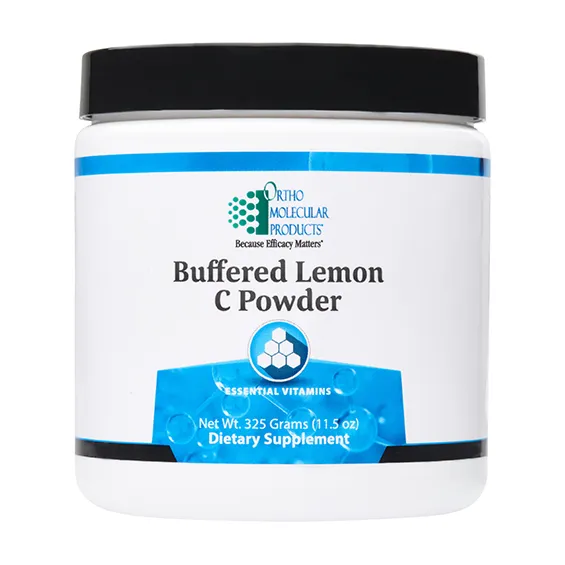
This is where Buffered Lemon C Powder provides a crucial advantage. Buffered Vitamin C is created by combining ascorbic acid with alkaline mineral salts—specifically calcium carbonate, magnesium carbonate, and potassium gluconate. This chemical bonding neutralizes the acid, creating "mineral ascorbates" that are pH-neutral. While clinical studies have demonstrated that intravenous Vitamin C reduces fatigue, oral buffered forms are often chosen to significantly reduce the occurrence of epigastric adverse effects compared to standard ascorbic acid. By utilizing a buffered formula, patients can comfortably tolerate the higher, divided doses necessary to achieve therapeutic blood levels without triggering debilitating gastrointestinal distress.
Absorption Kinetics and Bioavailability
A common question among patients is whether buffering Vitamin C compromises its absorption. The scientific consensus is that the bioavailability of buffered mineral ascorbates is fundamentally equivalent to, and in some cases slightly better than, standard ascorbic acid. Vitamin C is absorbed in the small intestine via specialized, active transporters known as Sodium-Dependent Vitamin C Transporters (SVCT1). This absorption is highly dose-dependent. At moderate oral doses (up to 200 mg), absorption is nearly 100%. However, as the dose increases above 1 gram, the SVCT1 transporters become saturated, and absorption efficiency drops to less than 50%.
Buffering the Vitamin C does not bypass this biological saturation point. However, because it eliminates the stomach irritation associated with high doses, it allows patients to comfortably implement a "divided dosing" strategy. By taking smaller amounts of the Buffered Lemon C Powder multiple times throughout the day, patients can continuously utilize the SVCT1 transporters without overwhelming them, thereby maximizing total daily absorption and maintaining a steady, therapeutic concentration of Vitamin C in the blood plasma. Furthermore, when you consume a mineral ascorbate, your body effectively absorbs both the ascorbic acid and the attached beneficial minerals (calcium, magnesium, and potassium), providing secondary support for bone health, muscle relaxation, and cellular fluid balance.
Dosing Strategies and Potential Interactions
When utilizing Vitamin C for histamine degradation and immune support, functional medicine practitioners often recommend an optimal therapeutic range of 1,000 mg to 3,000 mg per day. The Buffered Lemon C Powder delivers a high-concentration dose of 2,350 mg of Vitamin C per scoop, alongside 350 mg of calcium, 350 mg of magnesium, and 99 mg of potassium. To maximize absorption and maintain steady mast cell stabilization, it is often recommended to mix the powder into a large glass of water and sip it gradually, or divide the scoop into two smaller doses taken morning and afternoon.
While Vitamin C is exceptionally safe and water-soluble (meaning the body excretes what it does not need), there are a few practical considerations. Because the buffered formula contains significant amounts of calcium and potassium, individuals with severe renal insufficiency (kidney disease) or those taking potassium-sparing diuretics should consult their healthcare provider to avoid mineral imbalances. Additionally, extremely high doses of Vitamin C can theoretically increase the absorption of dietary iron; while beneficial for those with anemia, individuals with hemochromatosis (iron overload disease) should use high-dose Vitamin C with caution. Always consult your healthcare provider to determine the optimal dosing strategy for your specific physiological needs.

Follow the Science
Clinical Evidence on Histamine and MCAS
The relationship between Vitamin C and histamine degradation is well-documented in clinical literature, providing a strong scientific basis for its use in MCAS management. A landmark study published in the Journal of the American College of Nutrition evaluated adults with subnormal Vitamin C status. The researchers placed the subjects on a low-Vitamin C diet and then repleted them with graded doses of the vitamin. The study found a strict inverse relationship between blood histamine levels and Vitamin C status; as Vitamin C levels in the blood rose, histamine levels exponentially dropped. This confirmed that Vitamin C is not just an antioxidant, but a critical regulator of histamine metabolism.
Further research has demonstrated the rapid efficacy of this intervention. Studies have shown that oral administration of just 1,000 mg of Vitamin C for three consecutive days is sufficient to produce a measurable, statistically significant reduction in blood histamine levels. Researchers note that before clinical scurvy (severe Vitamin C deficiency) even manifests, histamine accumulation occurs in the tissues. This suggests that the body's biological requirement for Vitamin C to manage histamine and stabilize mast cells is actually much higher than the baseline amount needed merely to synthesize collagen and prevent scurvy, validating the use of high-dose supplementation for MCAS patients.
Research on Post-Viral Fatigue and Energy
The use of high-dose Vitamin C for managing fatigue associated with post-viral syndromes and ME/CFS has been the subject of several clinical investigations. A comprehensive 2021 systematic review published in Nutrients evaluated the feasibility of Vitamin C for Long COVID fatigue by analyzing past trials on post-viral and disease-related fatigue. The review analyzed 9 clinical trials involving over 700 patients. The researchers found that the majority of the controlled trials showed a statistically significant decrease in fatigue scores in the Vitamin C groups compared to the control groups, alongside significant improvements in sleep disturbances, pain, and cognitive dysfunction.
Additionally, a double-blind, randomized controlled trial involving 141 healthy office workers evaluated the effect of high-dose Vitamin C versus a placebo on acute fatigue. The study found that the Vitamin C group experienced significantly decreased fatigue scores at both the 2-hour and 24-hour marks post-intervention. Notably, the anti-fatigue effect was most pronounced in subjects who had lower baseline Vitamin C levels in their blood. While large-scale, condition-specific RCTs for Long COVID are still emerging, these proxy studies strongly support the biological plausibility that correcting persistent post-viral oxidative stress with Vitamin C can help reverse the neuro-inflammation and mitochondrial strain that drive profound fatigue.
Endothelial and Vascular Studies
The impact of Vitamin C on vascular health is particularly relevant for patients with dysautonomia and Long COVID. Clinical research has consistently shown that Vitamin C plays a vital role in preserving endothelial function. During the acute phase of COVID-19, patients experience severe depletion of Vitamin C, leading to elevated inflammatory markers like IL-6 and D-dimer. Meta-analyses of clinical trials demonstrate that replenishing Vitamin C improves oxygenation and reduces these markers of vascular damage. By supporting eNOS activity and neutralizing ROS, Vitamin C helps restore the delicate balance of vascular constriction and dilation, offering a scientifically grounded mechanism for managing the complex vascular symptoms of chronic invisible illnesses.
The Path Forward
A Foundational Piece of the Puzzle
Living with the unpredictable, systemic symptoms of Long COVID, ME/CFS, MCAS, and dysautonomia is an incredibly heavy burden. It is entirely valid to feel overwhelmed by the sheer number of systems in your body that seem to be malfunctioning at once. While there is no single miracle cure that will instantly resolve these complex conditions, healing is often found in strategically layering supportive therapies that address the root mechanisms of dysfunction. Vitamin C is not just a simple immune booster; it is a foundational biochemical tool that your body desperately needs to neutralize oxidative stress, degrade excess histamine, and rebuild damaged tissues.
By choosing a buffered formulation like Buffered Lemon C Powder, you are honoring your body's need for profound cellular support while respecting the sensitivity of your digestive system. It provides the high-concentration antioxidant power required to break the vicious cycle of inflammation, alongside the calming minerals necessary to ensure it is absorbed gently and effectively. When combined with comprehensive management strategies like aggressive rest, pacing, nervous system regulation, and targeted medical care, replenishing your Vitamin C stores can be a powerful step toward restoring your cellular energy and reclaiming your quality of life.
Next Steps in Your Healing Journey
As you navigate your recovery, remember that supplements are most effective when integrated into a holistic, personalized care plan. Because every patient's biochemistry is unique, it is essential to listen to your body and introduce new interventions slowly. Always consult with your healthcare provider before starting any new supplement, especially if you have underlying kidney conditions or are taking prescription medications, to ensure it aligns safely with your overall treatment protocol.