Can Buffered Vitamin C Help Manage Histamine and Oxidative Stress in Long COVID and MCAS?
March 5, 2026
Buffered Vitamin CLong COVIDMCAS
Share:
Disclaimer: The information provided here is for educational purposes only and is not intended as medical advice. It should not be used to diagnose, treat, cure, or prevent any medical condition. Instead, use it as a starting point for discussion with your healthcare provider. Always consult with a qualified healthcare provider before starting any new medication, supplement, device, or making changes to your health regimen.
For individuals navigating the complex, unpredictable landscape of chronic illnesses like Long COVID, myalgic encephalomyelitis/chronic fatigue syndrome (ME/CFS), mast cell activation syndrome (MCAS), and dysautonomia, the search for relief can often feel like an endless maze. You may be dealing with debilitating symptoms such as profound brain fog, severe post-exertional malaise (PEM), unpredictable allergic reactions, and a heart rate that spikes simply from standing up. These invisible symptoms are not just "in your head"—they are rooted in deep physiological disruptions, including systemic inflammation, vascular damage, and immune dysregulation. Finding validating, science-backed strategies to manage these underlying mechanisms is a critical step toward improving your quality of life.
One of the most heavily researched and fundamental nutrients in this battle is vitamin C. However, for patients with sensitive gastrointestinal tracts or hyper-reactive immune systems, standard vitamin C supplements can sometimes cause more harm than good, triggering acid reflux, stomach cramps, or diarrhea. This is where buffered ascorbic acid—a specialized, gentle form of vitamin C—comes into play. By combining ascorbic acid with essential minerals like calcium, magnesium, and potassium, this formulation neutralizes the acidity while delivering the profound antioxidant, mast-cell-stabilizing, and endothelial-repairing benefits of vitamin C. In this comprehensive guide, we will explore the intricate biochemistry of buffered ascorbic acid, how chronic illness depletes your body's natural reserves, and how targeted supplementation can help you regain a sense of physiological balance.
TL;DR
Buffered vitamin C provides antioxidant support without irritating sensitive digestive tracts.
It may help manage oxidative stress and endothelial dysfunction in Long COVID and ME/CFS.
Vitamin C acts as a mast cell stabilizer, supporting histamine degradation in MCAS.
Taking smaller, divided doses throughout the day ensures optimal absorption and tolerability.
What is Buffered Ascorbic Acid?
The Essential Role of Ascorbic Acid in Human Biochemistry
To understand the power of buffered ascorbic acid, we must first look at the profound biological role of vitamin C in a healthy human body. At its core, vitamin C (ascorbic acid) is a potent, water-soluble antioxidant and an essential electron donor. In the complex environment of our cells, normal metabolic processes constantly produce reactive oxygen species (ROS)—highly unstable molecules like superoxide radicals, hydroxyl radicals, and hydrogen peroxide. If left unchecked, these free radicals steal electrons from cellular membranes, proteins, and DNA, causing a destructive process known as oxidative stress. Vitamin C acts as a biological shield; it willingly donates its own electrons to neutralize these free radicals. When it donates an electron, it becomes a relatively stable molecule called an ascorbyl radical, which is then efficiently recycled back into active ascorbate by other cellular antioxidants like glutathione and thioredoxin. This continuous cycle of electron donation and recycling is critical for protecting the structural integrity of every cell in your body.
Beyond its role as a master antioxidant, vitamin C is an absolute requirement for the function of a family of specialized enzymes known as monooxygenases and dioxygenases. Perhaps the most famous of these are prolyl hydroxylase and lysyl hydroxylase, the enzymes responsible for synthesizing collagen. Collagen is the most abundant protein in the human body, acting as the structural scaffolding for your skin, blood vessels, bones, and connective tissues. During collagen production, these enzymes require iron in its reduced, ferrous (Fe2+) state to function. As the enzymes work, the iron naturally oxidizes into its inactive, ferric (Fe3+) state. Vitamin C is the specific molecule responsible for reducing that iron back to its active Fe2+ state. Without adequate vitamin C, the body produces weak, defective collagen, leading to fragile blood vessels, poor wound healing, and weakened connective tissues.
The Science of Mineral Ascorbates and pH Neutralization
While the biochemical benefits of vitamin C are undeniable, the physical properties of standard ascorbic acid can present significant challenges for sensitive individuals. Standard ascorbic acid is highly acidic, typically registering a pH of around 2.0 to 2.5. When taken in the moderate to high doses often required for therapeutic immune support, this intense acidity can severely irritate the mucosal lining of the esophagus and stomach. For patients already dealing with gastrointestinal inflammation, acid reflux, or the gut sensitivities common in MCAS, regular ascorbic acid can trigger heartburn, nausea, abdominal cramping, and osmotic diarrhea. This creates a frustrating paradox: the very nutrient needed to calm systemic inflammation ends up causing localized inflammation in the digestive tract.
Buffered ascorbic acid solves this problem through a simple but elegant chemical process. By reacting pure ascorbic acid with mineral carbonates—specifically calcium carbonate, magnesium carbonate, and potassium carbonate—manufacturers create mineral salts known as mineral ascorbates. This acid-base reaction effectively neutralizes the low pH of the ascorbic acid, resulting in a compound with a neutral pH of around 7.0. When you ingest buffered ascorbic acid, you are consuming calcium ascorbate, magnesium ascorbate, and potassium ascorbate. Because these compounds are pH-neutral, they completely bypass the acidic irritation of the stomach lining. Once they reach the intestines, the mineral and the ascorbate molecules dissociate, allowing the body to absorb the active vitamin C alongside the beneficial minerals, providing a highly tolerable and deeply nourishing therapeutic tool.
Beyond Immunity: Neurotransmitters and Cellular Energy
The influence of vitamin C extends far beyond immune defense and structural support; it is deeply intertwined with the nervous system and cellular energy production. Vitamin C is a mandatory cofactor for the enzyme dopamine beta-hydroxylase, which is responsible for converting the neurotransmitter dopamine into norepinephrine. Norepinephrine is critical for regulating mood, attention, cognitive focus, and the autonomic nervous system's response to stress. When vitamin C levels are depleted by chronic illness, the synthesis of norepinephrine can become impaired, contributing to the profound neurological symptoms and autonomic dysfunction often seen in conditions like dysautonomia and postural orthostatic tachycardia syndrome (POTS).
Furthermore, vitamin C is absolutely essential for the biosynthesis of carnitine, a specialized amino acid derivative. Carnitine acts as a biological shuttle, transporting long-chain fatty acids across the highly impermeable inner mitochondrial membrane and into the mitochondrial matrix. Once inside the mitochondria—the powerhouses of our cells—these fatty acids undergo beta-oxidation to produce adenosine triphosphate (ATP), the primary energy currency of the body. Without sufficient vitamin C, carnitine synthesis drops, fatty acids cannot enter the mitochondria efficiently, and cellular energy production grinds to a halt. This biochemical bottleneck is a crucial factor in understanding the deep, cellular exhaustion and post-exertional malaise experienced by patients with complex chronic illnesses.
How Long COVID and MCAS Impact the Immune and Vascular Systems
The Vicious Cycle of Oxidative Stress and Endothelial Dysfunction
To comprehend why buffered ascorbic acid is so vital for patients with post-viral syndromes, we must examine how conditions like Long COVID and ME/CFS fundamentally alter the body's internal environment. The initial infection with SARS-CoV-2 triggers a massive, systemic inflammatory response. The virus binds to ACE2 receptors on the surface of cells, particularly those lining the blood vessels, leading to the downregulation of ACE2 and the subsequent overactivation of the angiotensin II pathway. This overactivation commands the cells to generate enormous quantities of reactive oxygen species (ROS) via an enzyme called NADPH oxidase. This creates a state of severe, unremitting oxidative stress that rapidly depletes the body's natural antioxidant reserves, including vitamin C. Even long after the acute virus has been cleared, this oxidative fire continues to burn, driving the persistent symptoms of Long COVID.
This relentless oxidative stress wreaks havoc on the endothelium, the delicate inner lining of your blood vessels. Healthy endothelial cells rely on an enzyme called endothelial nitric oxide synthase (eNOS) to produce nitric oxide (NO). Nitric oxide is a crucial signaling molecule that tells blood vessels to relax and dilate, ensuring proper blood flow and oxygen delivery to the brain, muscles, and organs. However, in the highly oxidative environment of Long COVID, superoxide radicals rapidly react with nitric oxide to form peroxynitrite, a highly toxic and damaging molecule. This not only destroys the available nitric oxide—leading to severe vasoconstriction, poor tissue perfusion, and the symptoms of dysautonomia—but it also damages the eNOS enzyme itself. The enzyme becomes "uncoupled," meaning that instead of producing nitric oxide, it begins producing even more superoxide radicals, turning the blood vessels into an engine of their own destruction.
Mast Cell Hyperactivation and Histamine Overload
In parallel with vascular damage, chronic illness profoundly disrupts the immune system, frequently leading to mast cell activation syndrome (MCAS). Mast cells are the sentinels of the immune system, residing in connective tissues throughout the body. They are packed with granules containing potent chemical mediators, most notably histamine. In a healthy body, mast cells only release these mediators in response to genuine threats, like parasites or severe allergens. However, in MCAS, these cells become hyper-reactive and unstable, degranulating inappropriately in response to benign triggers like food, temperature changes, or even physical exertion. If you want to understand more about this condition, you can read our deep dive on managing MCAS and Long COVID.
The link between oxidative stress and MCAS is profound. Mast cells are heavily populated with receptors that are highly sensitive to reactive oxygen species. When systemic oxidative stress is high—as it is in Long COVID and ME/CFS—it significantly lowers the activation threshold of mast cells, making them incredibly trigger-happy. Once they degranulate, they dump massive amounts of histamine into the bloodstream. Normally, histamine is broken down by the enzyme diamine oxidase (DAO) in the gut and bloodstream. However, the sheer volume of histamine released during MCAS flares overwhelms the DAO enzymes, leading to histamine toxicity. This results in widespread allergic-type reactions, flushing, gastrointestinal distress, severe brain fog, and a worsening of autonomic dysfunction, creating a vicious, self-perpetuating cycle of inflammation and reactivity.
Microclots, NETosis, and Cellular Exhaustion
Another devastating consequence of this unchecked oxidative stress and immune dysregulation is the formation of microclots. When the immune system is chronically activated, specific white blood cells called neutrophils undergo a process called NETosis. In a desperate attempt to trap pathogens, dying neutrophils eject their DNA and antimicrobial proteins into the bloodstream, forming web-like structures known as Neutrophil Extracellular Traps (NETs). While useful in acute infections, chronic NETosis in Long COVID creates sticky webs that trap platelets and red blood cells, forming microscopic blood clots (fibrin amyloid microclots) that block tiny capillaries. This severely restricts the delivery of oxygen and nutrients to tissues, exacerbating the deep muscle fatigue and cognitive impairment that patients experience. You can learn more about managing these vascular issues in our guide to A.I. Enzymes and microclots.
Furthermore, recent research has highlighted severe mitochondrial damage and T-cell dysfunction in these patient populations. Studies have shown that both Long COVID and ME/CFS are characterized by significant CD8 T-cell exhaustion and mitochondrial lipid oxidative damage. The mitochondria in the immune cells become swollen, their internal structures (cristae) break down, and they lose the ability to produce adequate ATP. This cellular exhaustion means the immune system cannot properly regulate itself, allowing latent viruses (like Epstein-Barr Virus) to reactivate and further drive the chronic inflammatory state. Understanding what causes Long COVID at this cellular level is essential for finding effective interventions.
Buffered Vitamin C: Supporting Vascular Healing and Mast Cell Stability
Restoring Endothelial Function and Nitric Oxide Bioavailability
Buffered ascorbic acid serves as a powerful, multi-targeted intervention to disrupt the vicious cycles of chronic illness. Its most immediate and profound impact is on the vascular system. By flooding the bloodstream with a highly bioavailable electron donor, vitamin C aggressively scavenges the superoxide radicals that are wreaking havoc on the endothelium. This direct antioxidant action protects existing nitric oxide from being destroyed and converted into toxic peroxynitrite. By preserving nitric oxide bioavailability, vitamin C allows the smooth muscle cells surrounding the blood vessels to relax, restoring proper vasodilation, improving blood flow, and helping to alleviate the orthostatic intolerance and poor tissue perfusion characteristic of dysautonomia.
Furthermore, vitamin C works at a deeper enzymatic level to heal the endothelium. It is responsible for recycling tetrahydrobiopterin (BH4), a critical cofactor required by the eNOS enzyme. When oxidative stress oxidizes BH4 into inactive BH2, the eNOS enzyme becomes uncoupled and produces destructive superoxide instead of healing nitric oxide. Vitamin C chemically reduces BH2 back into active BH4, effectively "recoupling" the eNOS enzyme and restoring its normal, healthy function. Additionally, vitamin C plays a crucial role in regulating the immune system's cleanup crew. It is essential for the function of macrophages, the cells responsible for clearing away spent neutrophils before they can undergo NETosis. By accelerating the clearance of dying neutrophils, adequate vitamin C levels help prevent the formation of the sticky webs that lead to microclots, thereby supporting clear, unobstructed microcirculation.
Enhancing DAO Activity and Histamine Degradation
For patients battling mast cell activation syndrome (MCAS) and histamine intolerance, buffered ascorbic acid is a foundational therapeutic tool. Vitamin C acts as a natural, potent mast cell stabilizer. While the exact intracellular mechanisms are still being mapped, research indicates that vitamin C modulates intracellular cyclic AMP (cAMP) levels within the mast cells, which effectively raises their activation threshold and inhibits the sudden degranulation of preformed mediators like histamine and tryptase. By calming the mast cells at the source, vitamin C helps prevent the systemic inflammatory cascades that trigger MCAS flares.
Equally important is vitamin C's role in histamine degradation. Clinical studies have long established a direct, inverse relationship between blood levels of vitamin C and blood levels of histamine; as vitamin C levels drop, histamine levels rise exponentially. Vitamin C is a crucial cofactor that enhances the activity of diamine oxidase (DAO), the primary enzyme responsible for breaking down extracellular histamine. By supporting DAO function, vitamin C accelerates the clearance of excess histamine from the bloodstream and the gut, providing significant relief from allergic-type reactions, flushing, and histamine-induced brain fog. Because buffered ascorbic acid is gentle on the stomach, MCAS patients can take the necessary therapeutic doses without triggering gastrointestinal mast cell reactions.
Supporting Mitochondrial Function and Energy Production
Addressing the profound, debilitating fatigue and post-exertional malaise (PEM) of Long COVID and ME/CFS requires supporting the mitochondria, and vitamin C is uniquely positioned to help. As previously mentioned, vitamin C is an absolute requirement for the biosynthesis of carnitine. By ensuring adequate carnitine levels, buffered ascorbic acid restores the biological shuttle system that transports long-chain fatty acids into the mitochondria. This directly supports mitochondrial beta-oxidation, allowing the cells to resume the efficient production of ATP. For patients whose cellular energy production has been stalled by viral inflammation, restoring this pathway is a critical step toward regaining physical stamina.
In addition to supporting energy production, vitamin C protects the delicate architecture of the mitochondria themselves. The inner mitochondrial membrane is highly susceptible to lipid peroxidation—a process where free radicals attack and degrade the fats that make up the membrane. By neutralizing these free radicals, vitamin C preserves the integrity of the mitochondrial membrane, ensuring that the electron transport chain can function smoothly without leaking destructive ROS into the cellular environment. This protective effect helps combat the mitochondrial swelling and structural damage frequently observed in ME/CFS patients. If you are exploring how these conditions overlap, you can read our insights on whether Long COVID can trigger ME/CFS.
Promoting Collagen Integrity and Tissue Repair
Finally, the role of buffered ascorbic acid in collagen synthesis cannot be overstated for patients recovering from vascular damage. The chronic inflammation of Long COVID physically damages the structural matrix of the blood vessels and connective tissues. By providing the essential cofactor for prolyl hydroxylase and lysyl hydroxylase, vitamin C ensures that the body can synthesize strong, healthy collagen fibers. This promotes the repair of the endothelial lining, strengthens capillary walls to prevent micro-hemorrhages, and supports the integrity of joints and connective tissues, which are often sources of chronic pain in hypermobile or dysautonomic patients.

Symptoms Buffered Vitamin C May Help Manage
Targeted Symptom Relief for Complex Conditions
Based on its extensive biochemical mechanisms, buffered ascorbic acid may help manage a wide array of symptoms associated with complex chronic illnesses:
Severe Fatigue and Post-Exertional Malaise (PEM): By acting as a mandatory cofactor for carnitine synthesis, vitamin C ensures that fatty acids can enter the mitochondria for ATP production, directly supporting cellular energy levels and helping to mitigate the deep exhaustion that follows physical or cognitive exertion.
Brain Fog and Cognitive Dysfunction: Vitamin C crosses the blood-brain barrier where it neutralizes neuro-inflammation, protects delicate neurons from oxidative damage, and supports the synthesis of crucial neurotransmitters like norepinephrine, improving focus, mental clarity, and autonomic regulation.
Histamine Intolerance and Allergic Reactions: By enhancing the activity of the DAO enzyme and acting as a direct mast cell stabilizer, vitamin C accelerates the breakdown of circulating histamine and prevents further mast cell degranulation, reducing symptoms like flushing, itching, hives, and sudden food reactivities.
Orthostatic Intolerance and POTS Symptoms: By scavenging superoxide radicals and recoupling the eNOS enzyme, vitamin C protects nitric oxide bioavailability, restoring healthy vasodilation and improving blood flow to the brain when standing, which can help reduce dizziness and rapid heart rate.
Joint Pain and Connective Tissue Weakness: As an essential cofactor for the enzymes that synthesize collagen, vitamin C promotes the structural integrity and repair of blood vessels, ligaments, and joints, helping to alleviate the deep connective tissue pain often experienced by patients with systemic inflammation.
Gastrointestinal Distress: Because the buffered form (mineral ascorbates) has a neutral pH, it provides all the systemic benefits of high-dose vitamin C without causing the acid reflux, stomach cramping, or osmotic diarrhea associated with standard ascorbic acid, making it highly suitable for sensitive guts.
Practical Considerations: Forms, Dosing, and Absorption
Why Buffered Vitamin C is Crucial for Sensitive Guts
When incorporating vitamin C into a chronic illness management plan, the specific form of the supplement is just as important as the dosage. As discussed, standard ascorbic acid is highly acidic. For a healthy individual taking a small 100mg dose, this acidity is negligible. However, for patients with Long COVID or MCAS who often require therapeutic doses ranging from 1,000mg to 3,000mg daily to combat severe oxidative stress, standard ascorbic acid can be disastrous. The high acid load can irritate the gastric mucosa, trigger severe acid reflux, and cause osmotic diarrhea by drawing excess water into the bowel. This gastrointestinal distress can trigger a secondary mast cell flare in the gut, worsening systemic symptoms.
Buffered ascorbic acid, formulated as mineral ascorbates (calcium ascorbate, magnesium ascorbate, and potassium ascorbate), elegantly circumvents this issue. Because the chemical reaction with the minerals neutralizes the pH to a gentle 7.0, these supplements do not irritate the stomach lining or cause the same severe osmotic shifts in the bowel. This superior gastric tolerability allows sensitive patients to achieve the higher systemic blood levels of vitamin C required for mast cell stabilization and endothelial repair without sacrificing their digestive comfort.
Bioavailability and Pharmacokinetics
A common question is whether buffered vitamin C is absorbed as effectively as standard ascorbic acid. Extensive pharmacokinetic research confirms that the bioavailability of mineral ascorbates is virtually identical to that of standard ascorbic acid. Both forms are absorbed in the small intestine primarily via specialized proteins known as Sodium-Dependent Vitamin C Transporters (SVCT1 and SVCT2). However, it is crucial to understand that these transporters have a strict absorption limit.
Vitamin C absorption is highly dose-dependent. At oral doses up to 200mg, absorption is nearly 100%. However, as the dose increases, the fractional absorption drops significantly; at a single dose of 1,000mg, absorption falls below 50%, and the excess is excreted in the urine. Therefore, taking one massive dose of vitamin C is highly inefficient. To maintain steady, therapeutic blood plasma levels for continuous antioxidant protection and mast cell stabilization, it is far more effective to take smaller, divided doses throughout the day (e.g., 500mg taken two to four times daily) rather than a single large bolus.
Factoring in the Minerals: Calcium, Magnesium, and Potassium
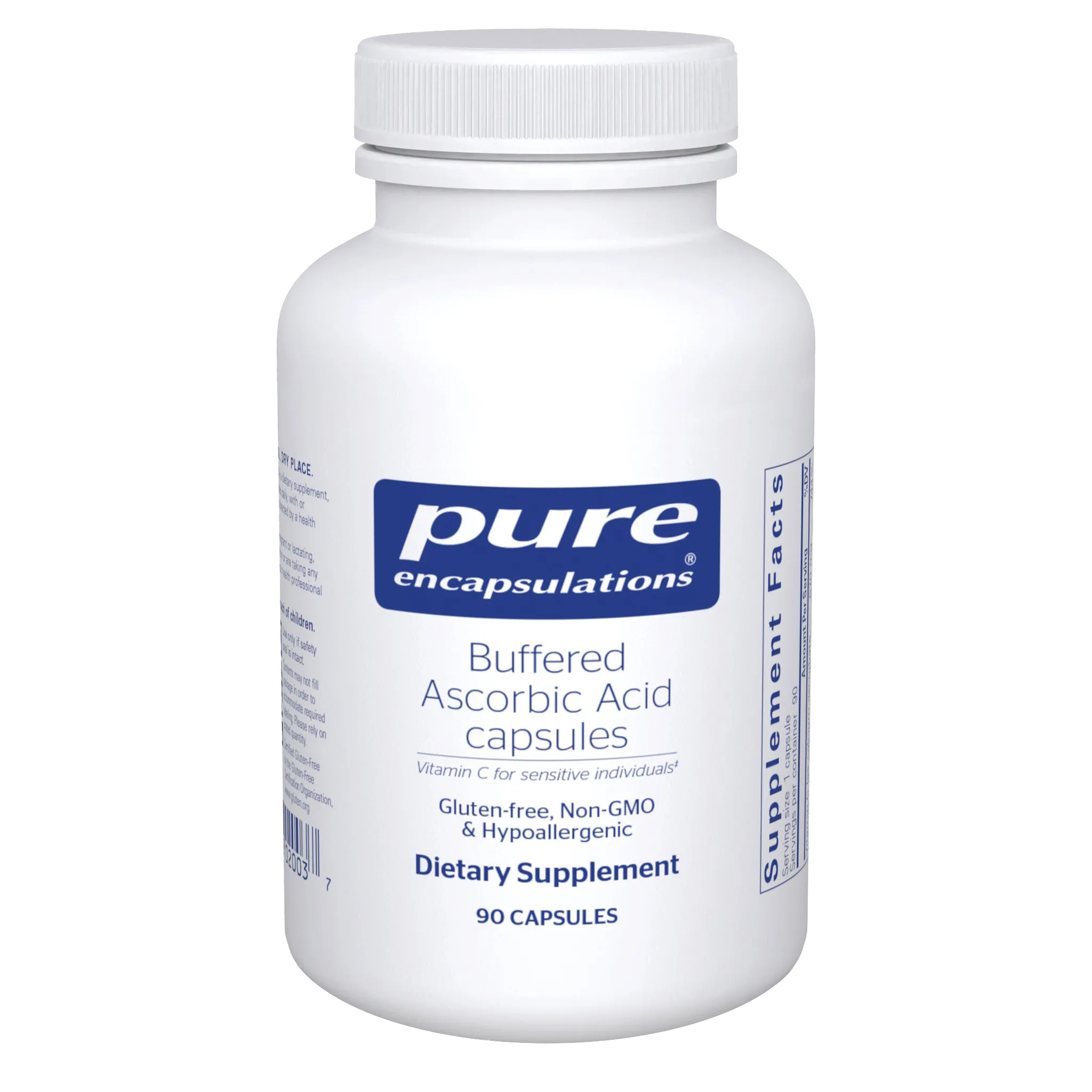
When you take buffered ascorbic acid, your body absorbs the vitamin C alongside the attached minerals. This provides excellent secondary benefits but requires mindful tracking. The pure encapsulations formula provides a balanced blend: 670mg of vitamin C is bound to 20mg of calcium, 37mg of magnesium, and 15mg of potassium per capsule. The magnesium ascorbate provides gentle support for muscle relaxation and neurological calming, which is beneficial for patients experiencing muscle fasciculations or tension. The calcium ascorbate supports bone density, while the potassium ascorbate aids in cellular hydration and nerve signal transmission.
Because the mineral doses in this specific formula are relatively low and well-balanced, the risk of mineral toxicity is minimal when taken at standard suggested doses (1-4 capsules daily). However, patients with specific medical conditions, such as a history of calcium-oxalate kidney stones, severe renal impairment, or hemochromatosis (iron overload disease, as vitamin C significantly enhances iron absorption), must consult their healthcare provider before initiating high-dose vitamin C therapy to ensure it is safe for their unique metabolic profile.

Follow the Science
Clinical Trials on Vitamin C and Long COVID
The therapeutic potential of vitamin C for post-viral syndromes is supported by a growing body of robust clinical evidence. One of the most compelling recent studies is the LINCOLN survey, a nationwide, multicenter trial published in the AHA Journals that evaluated 1,390 patients suffering from Long COVID. The researchers hypothesized that combining L-arginine (the precursor to nitric oxide) with vitamin C (to protect the nitric oxide from oxidative destruction) would restore endothelial function. The results were striking: patients receiving the 30-day oral supplementation of L-arginine and vitamin C showed significantly lower Long COVID symptom scores compared to the control group, with profound reductions in chronic fatigue and vastly improved physical effort tolerance.
Further supporting this, a comprehensive review published in Frontiers in Pharmacology analyzed data from over 1,500 COVID-19 patients. The researchers concluded that high-dose vitamin C therapy is highly clinically plausible for alleviating the persistent fatigue, cognitive disorders, and pain of Long COVID. The review highlighted vitamin C's ability to cross the blood-brain barrier, combat neuro-inflammation, and restore normal neurotransmitter metabolism, directly addressing the neurological roots of brain fog.
Evidence for Vitamin C in Mast Cell Stabilization
In the realm of mast cell activation and histamine intolerance, the scientific foundation for vitamin C is well-established. Research published in the Journal of International Medical Research highlights the inverse relationship between blood histamine and vitamin C status, noting that vitamin C administration can lead to a reduction in histamine levels, demonstrating that vitamin C is continuously required to keep histamine levels in check.
More recently, clinical studies have demonstrated the rapid efficacy of vitamin C in acute allergic states. A 2017 review in Nutrients highlighted that vitamin C administration can reduce serum histamine levels in patients with allergies and infections. A follow-up long-term observational study in 2018 evaluated patients receiving regular vitamin C therapy for breathing and skin allergies; an astounding 97% of patients experienced clinical improvements in primary allergic symptoms, and 93% reported improvements in secondary MCAS symptoms like fatigue, poor sleep, and brain fog, underscoring its role as a systemic mast cell stabilizer.
Oxidative Stress as a Shared Mechanism in ME/CFS
The relevance of vitamin C extends deeply into the pathology of ME/CFS. A landmark 2025 study published in PNAS highlighted that both Long COVID and ME/CFS are fundamentally driven by elevated oxidative stress and mitochondrial damage in immune cells. The researchers documented severe T-cell hyperproliferation and pronounced mitochondrial lipid oxidative damage, concluding that oxidative stress is a shared mechanistic basis for the debilitating fatigue seen in both conditions. By providing a direct, highly bioavailable antioxidant intervention, buffered vitamin C directly targets this shared pathological root, offering a scientifically validated strategy for protecting cellular function and supporting recovery.
The Path Forward
A Comprehensive Approach to Healing
Living with the unpredictable and often invisible symptoms of Long COVID, ME/CFS, MCAS, and dysautonomia is an incredibly heavy burden. The deep cellular exhaustion, the sudden allergic flares, and the cognitive fog are profound physiological challenges, not personal failings. It is entirely valid to feel frustrated by a medical system that often struggles to understand these complex, intersecting conditions. However, the rapidly evolving science surrounding oxidative stress, endothelial dysfunction, and mast cell hyperactivation provides a clear and hopeful roadmap for management.
Buffered ascorbic acid represents a gentle, foundational tool in this journey. By neutralizing reactive oxygen species, supporting the DAO enzyme to clear histamine, and providing the essential cofactors for mitochondrial energy and collagen repair, it addresses the root mechanisms of your symptoms without irritating a sensitive digestive tract. However, it is important to remember that true healing requires a comprehensive, multi-modal approach. Supplements are most effective when combined with rigorous pacing to prevent post-exertional malaise, careful symptom tracking to identify specific mast cell triggers, and the guidance of a medical team that truly understands complex chronic illness.
Next Steps in Your Journey
As you continue to build your personalized management toolkit, consider how targeted, highly tolerable nutritional support can help stabilize your system. Always consult with your healthcare provider before introducing new supplements, especially if you have a history of kidney stones or are managing complex medication regimens. With patience, the right tools, and a compassionate approach to your body's needs, you can begin to calm the fires of inflammation and reclaim your quality of life.
Sources
Pharmacological Research / AHA Journals: LINCOLN Survey on L-Arginine and Vitamin C
Frontiers in Pharmacology: High-dose intravenous vitamin C for Long COVID
Journal of International Medical Research: IV Vitamin C and Allergies (2018)
PNAS (2025): Oxidative stress is a shared characteristic of ME/CFS and Long COVID
Brain, Behavior, and Immunity - Health: CD8 T-cell dysfunction in ME/CFS and Long COVID
Gavin Publishers: Secondary Prevention in High-Risk Cardiovascular Post-COVID Patients