Can High-Dose Vitamin K2 Support Bone and Arterial Health in Long COVID and ME/CFS?
March 5, 2026
Vitamin K2Long COVIDME/CFS
Share:
Disclaimer: The information provided here is for educational purposes only and is not intended as medical advice. It should not be used to diagnose, treat, cure, or prevent any medical condition. Instead, use it as a starting point for discussion with your healthcare provider. Always consult with a qualified healthcare provider before starting any new medication, supplement, device, or making changes to your health regimen.
Months or even years after an acute infection, many individuals living with Long COVID, myalgic encephalomyelitis/chronic fatigue syndrome (ME/CFS), and dysautonomia find themselves battling a complex web of invisible symptoms. While profound fatigue, brain fog, and post-exertional malaise (PEM) often take center stage, there is a silent, underlying physiological struggle occurring within the blood vessels and the skeletal system. Emerging research points to a phenomenon known as the "calcium paradox"—a state where calcium is inappropriately leached from the bones, leaving them weak, and deposited into the arteries, causing them to stiffen. This vascular stiffening directly impairs blood flow, exacerbating the autonomic dysfunction and crushing fatigue that define these complex chronic conditions.
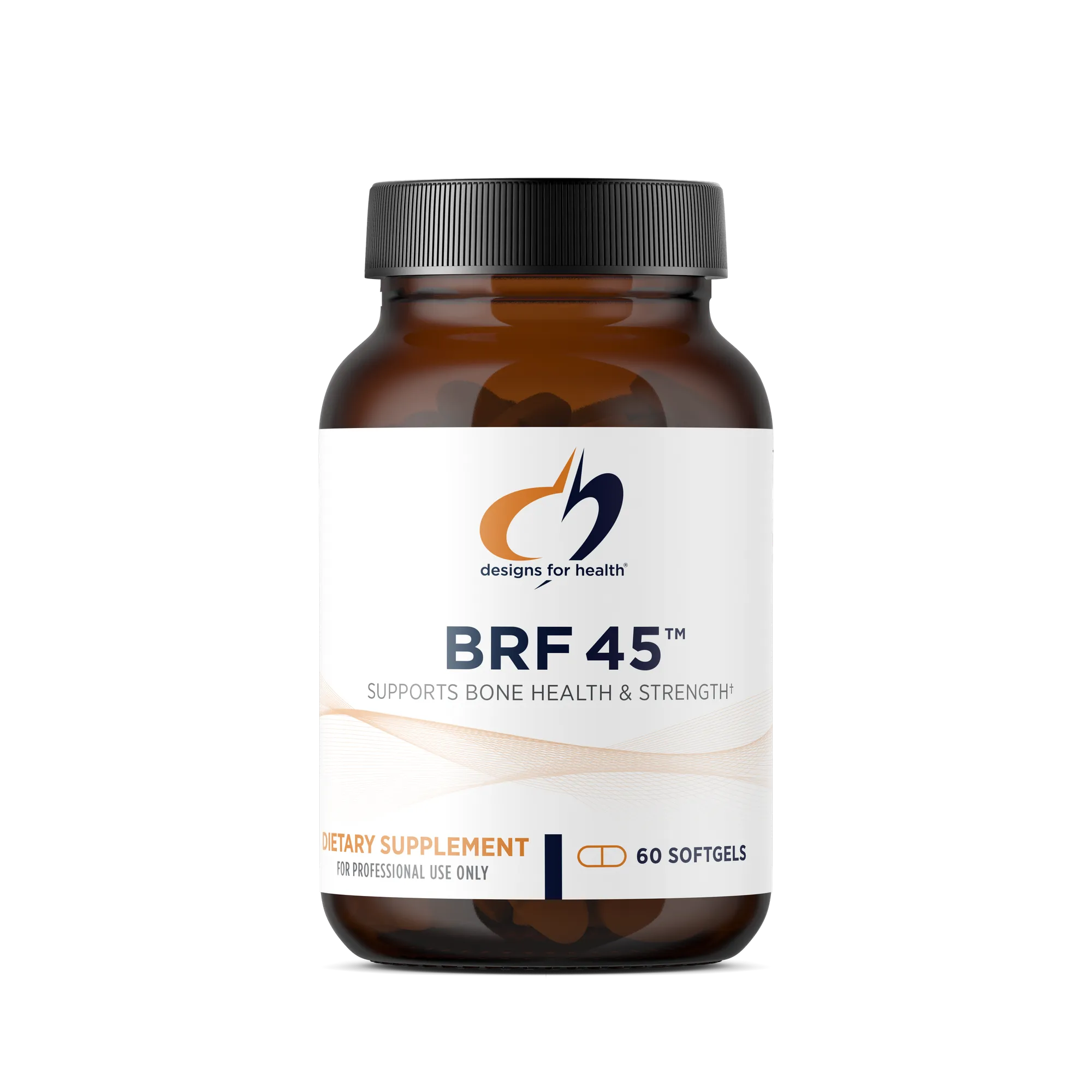
At the heart of this paradox lies a critical, often-overlooked nutrient: Vitamin K2. During severe viral inflammation, the body rapidly depletes its Vitamin K stores, crippling its ability to manage calcium properly. BRF 45™ by Designs for Health is an advanced, high-dose nutritional formulation designed to address this exact mechanism. By combining a clinically studied 45 mg dose of Vitamin K2 (as MK-4) with trans-geranylgeraniol (GG-Gold®), this targeted supplement aims to support the biological pathways that keep calcium in the bones and out of the blood vessels. In this comprehensive guide, we will explore the intricate biochemistry of Vitamin K2, how chronic illness disrupts vascular elasticity, and the clinical science behind high-dose MK-4 supplementation.
TL;DR
Vitamin K2 helps direct calcium into bones and away from arteries, supporting vascular and skeletal health.
Viral infections may deplete Vitamin K, potentially contributing to arterial stiffness and bone mineral loss.
BRF 45™ combines high-dose MK-4 and Geranylgeraniol to support calcium metabolism and vascular elasticity.
Always consult your doctor before starting high-dose supplements, as Vitamin K2 interacts with blood thinners.
What is BRF 45™ and High-Dose Vitamin K2?
The Calcium Paradox and the Role of Vitamin K2
To understand the purpose of BRF 45™, we must first understand the natural function of Vitamin K2 in a healthy body. Vitamin K is a fat-soluble vitamin that exists in two primary forms: Vitamin K1 (phylloquinone), which is abundant in leafy green vegetables and primarily regulates blood clotting in the liver, and Vitamin K2 (menaquinone), which is found in fermented foods and animal products. Vitamin K2 operates primarily in extrahepatic (non-liver) tissues, where it acts as a biological "traffic cop" for calcium. It is the definitive solution to the "calcium paradox," a dangerous physiological state where aging or chronically ill bodies lose calcium from the skeletal structure—leading to osteopenia and osteoporosis—while simultaneously depositing that rogue calcium into the endothelial walls of the arteries, leading to vascular calcification and arterial stiffness.
At the molecular level, Vitamin K2 performs this traffic-directing role by acting as an essential coenzyme for an enzyme called gamma-glutamyl carboxylase. This enzyme is responsible for a process known as "carboxylation," which essentially activates specific calcium-binding proteins. When Vitamin K2 is abundant, it carboxylates these proteins, giving them the structural "claws" necessary to grab onto circulating calcium ions. Without adequate Vitamin K2, these proteins remain in an undercarboxylated (inactive) state, rendering them completely useless. The calcium is left to float freely in the bloodstream, where it eventually precipitates and hardens within the soft tissues and blood vessels, driving systemic cardiovascular and skeletal dysfunction.
BRF 45™ utilizes a highly specific, short-chain form of Vitamin K2 known as Menaquinone-4 (MK-4). Unlike other forms of Vitamin K2 that are produced by bacterial fermentation, MK-4 is the only form that the human body naturally synthesizes internally from dietary Vitamin K1. It is the most abundant form of Vitamin K2 found in the brain, reproductive organs, and breast milk. At a pharmacological dose of 45 mg (45,000 mcg), MK-4 has been extensively studied and utilized in Japanese clinical settings as an approved medical treatment for osteoporosis, demonstrating a profound ability to halt bone breakdown and restore skeletal integrity.
The Endogenous Building Block: Geranylgeraniol (GG)
Beyond high-dose MK-4, BRF 45™ includes 30 mg of trans-geranylgeraniol (GG-Gold®), an endogenous nutrient extracted from the seeds of the tropical annatto plant. Geranylgeraniol (GG) is a foundational lipid molecule synthesized within the body via the mevalonate pathway—the exact same metabolic pathway responsible for producing cholesterol and Coenzyme Q10 (CoQ10). GG plays a mandatory role in cellular biology through a process called protein prenylation. This process attaches a lipid "anchor" to specific proteins (like Rab GTPases), allowing them to bind to cell membranes and facilitate crucial cellular communication, structural maintenance, and survival signals.
Most importantly for bone and arterial health, GG is the literal structural building block required for the body to synthesize its own Vitamin K2. To convert dietary Vitamin K1 into the active MK-4 form, an enzyme called UBIAD1 cleaves the molecular side chain of the K1 precursor and attaches a 20-carbon GG tail in its place. Because GG constitutes the entire functional side chain of the MK-4 molecule, the systemic availability of GG dictates the body's ability to synthesize Vitamin K2 locally in the tissues where it is needed most. By including GG-Gold®, BRF 45™ provides the raw materials necessary to support this endogenous conversion process.
Furthermore, GG is highly vulnerable to pharmaceutical depletion. Common medications like nitrogen-containing bisphosphonates (prescribed for osteoporosis) and statins (prescribed for high cholesterol) work by intentionally inhibiting the mevalonate pathway. While this effectively lowers cholesterol or stops immediate bone resorption, it severely depletes the body's natural pool of GG. This depletion halts protein prenylation in muscle and bone cells, leading to well-documented side effects like statin-induced muscle myopathy and impaired bone healing. Supplying exogenous GG helps bypass this drug-induced blockade, restoring cellular function and protecting the musculoskeletal system.
How Long COVID and ME/CFS Impact Bone and Arterial Health
Viral Inflammation and Vitamin K Depletion
The intersection of complex chronic illnesses—such as Long COVID, ME/CFS, and dysautonomia—and Vitamin K metabolism represents a critical area of emerging medical research. During an acute viral infection, such as SARS-CoV-2, the immune system launches a massive inflammatory response. This cytokine storm generates immense oxidative stress and damages the endothelial cells lining the blood vessels and the elastic fibers within the lungs. To combat this widespread tissue damage and regulate the coagulation cascade, the body rapidly consumes its available stores of Vitamin K.
This rapid consumption leads to a state of severe, systemic Vitamin K deficiency. Early pandemic studies confirmed that patients with the lowest levels of Vitamin K experienced the most severe acute COVID-19 outcomes and were significantly more likely to develop lingering post-viral symptoms. When Vitamin K is depleted, the body loses its ability to carboxylate (activate) the proteins responsible for calcium management. The biological "traffic cop" is removed from the intersection, initiating a vicious cycle of calcium dysregulation that persists long after the acute virus has been cleared, laying the groundwork for the chronic symptoms seen in Long COVID and ME/CFS.
Arterial Stiffness and Autonomic Dysfunction
One of the most profound consequences of this post-viral Vitamin K depletion is the development of arterial stiffness. In a healthy vascular system, blood vessels are highly elastic, capable of dilating and constricting rapidly to manage blood pressure and deliver oxygen-rich blood to the brain and muscles. This elasticity is heavily dependent on a protein called Matrix Gla Protein (MGP). When Vitamin K is deficient, MGP remains inactive (known as dp-ucMGP). Without active MGP to bind and remove calcium, the calcium precipitates directly into the tunica media (the middle layer) of the arterial walls, causing them to calcify and stiffen.
This arterial stiffness is a primary driver of the dysautonomia and postural orthostatic tachycardia syndrome (POTS) frequently observed in Long COVID and ME/CFS patients. The autonomic nervous system relies on responsive, elastic blood vessels to push blood upward against gravity when a person stands. When the arteries are stiff and calcified, they cannot constrict effectively. Blood pools in the lower extremities, microcirculation to the brain drops, and the heart races to compensate, triggering severe dizziness, tachycardia, and brain fog. Furthermore, recent studies have identified sex differences in inflammation and markers of gut integrity in Long COVID, highlighting the complex systemic nature of the condition alongside issues like arterial stiffness, which can impair oxygen delivery to the muscles during exertion and contribute to post-exertional malaise (PEM).
Immobility and the Acceleration of Bone Mineral Loss
Simultaneously, the calcium paradox wreaks havoc on the skeletal system. Because the calcium absorbed from the diet is not being properly directed into the bones by Vitamin K2, patients face a high risk of osteopenia and osteoporosis. This biochemical vulnerability is heavily compounded by the physical realities of living with a severe chronic illness. The profound fatigue, orthostatic intolerance, and PEM associated with ME/CFS and Long COVID often necessitate prolonged periods of bed rest or severe reductions in daily physical activity.
Bones are dynamic, living tissues that require mechanical loading (weight-bearing exercise) to stimulate the osteoblasts (bone-building cells) and maintain density. When a patient is largely bedbound or housebound, this mechanical stimulus is lost. Clinical data shows that just ten days of strict bed rest can cause a significant loss of lean muscle mass in the lower limbs, dramatically increasing calcium excretion and accelerating bone resorption. The inflammatory cytokines circulating in Long COVID further stimulate osteoclasts (cells that break down bone), creating a perfect storm for rapid bone mineral loss. Thus, these patients are caught in a dual crisis: their blood vessels are stiffening from rogue calcium, while their bones are weakening from calcium starvation.
BRF 45™: Supporting Vascular Elasticity and Bone Density
Activating Osteocalcin for Structural Bone Strength
BRF 45™ is specifically formulated to intervene in this destructive cycle by providing a pharmacological dose of Vitamin K2 (as MK-4) alongside its endogenous precursor, Geranylgeraniol. The primary mechanism by which MK-4 supports bone health is through the gamma-carboxylation of osteocalcin. Osteocalcin is a protein secreted by osteoblasts (bone-building cells). In its undercarboxylated state, it cannot bind calcium. When the 45 mg dose of MK-4 is introduced, it acts as a cofactor for the carboxylase enzyme, converting undercarboxylated osteocalcin (ucOC) into active, carboxylated osteocalcin (cOC).
Once activated, osteocalcin binds tightly to circulating calcium ions and integrates them directly into the hydroxyapatite matrix of the bone. This process is essential for maintaining the microarchitecture and structural integrity of the skeleton. Interestingly, research indicates that while high-dose MK-4 consistently helps reduce the risk of bone fractures, it does not always cause a massive spike in Bone Mineral Density (BMD) scores on DEXA scans. Instead, MK-4 primarily improves bone quality—the intricate cross-linking of collagen fibers and the geometric strength of the bone—thereby maintaining structural resilience and helping to prevent breaks even when BMD increases are only modest.
Furthermore, MK-4 possesses a unique mechanism of action not shared by other forms of Vitamin K. It acts as a direct ligand for the steroid and xenobiotic receptor (SXR) and its murine ortholog (PXR) inside the cell nucleus. By binding to these nuclear receptors, MK-4 directly promotes the genetic expression of bone-building markers like matrilin-2 and collagen, while simultaneously suppressing the inflammatory pathways (such as COX-2, Prostaglandin E2, and Interleukin-6) that drive overactive osteoclast formation. This dual action—building new bone while halting the breakdown of old bone—makes MK-4 uniquely suited for addressing the rapid bone loss associated with chronic inflammation and immobility.
Matrix Gla Protein (MGP) and Vascular Elasticity
In the vascular system, the high dose of MK-4 in BRF 45™ targets the stiffening of the arteries by activating Matrix Gla Protein (MGP). MGP is synthesized by the vascular smooth muscle cells and the endothelial cells lining the blood vessels. It is widely recognized by the scientific community as the most potent endogenous inhibitor of vascular calcification. When activated by Vitamin K2, MGP binds to the calcium crystals that have inappropriately precipitated in the arterial walls and sweeps them away, helping to prevent the hardening of the tunica media.
By restoring MGP function, MK-4 helps preserve the elasticity of the blood vessels. This is profoundly important for patients with dysautonomia and POTS. When the arteries regain their plasticity, they can properly constrict and dilate in response to the autonomic nervous system's signals. This improved vascular responsiveness enhances venous return to the heart, stabilizes blood pressure upon standing, and increases microvascular perfusion to the brain and skeletal muscles. By addressing the root cause of arterial stiffness, Vitamin K2 supplementation may help alleviate the orthostatic intolerance and exercise-induced hypoxia that trigger post-exertional malaise.
Geranylgeraniol: Rescuing the Mevalonate Pathway
The inclusion of 30 mg of trans-geranylgeraniol (GG-Gold®) in BRF 45™ provides a synergistic mechanism of action that amplifies the benefits of MK-4. By supplying exogenous GG, the supplement directly fuels the UBIAD1 enzyme, ensuring that the body has the raw materials necessary to continue synthesizing its own MK-4 in extrahepatic tissues. This endogenous production is vital for maintaining steady, localized levels of Vitamin K2 in the bones and blood vessels between supplemental doses.
Moreover, GG directly protects bone cells from the damaging effects of certain medications. For patients taking statins for cardiovascular disease or bisphosphonates for osteoporosis, the mevalonate pathway is heavily suppressed, leading to a severe intracellular shortage of GG. This shortage halts protein prenylation, causing osteoblasts (bone-building cells) to undergo early apoptosis (cell death). In vitro studies demonstrate that supplying exogenous GG rescues these cells from drug-induced toxicity, restoring normal GTPase function and allowing the bone remodeling process to continue uninterrupted. This makes the combination of MK-4 and GG particularly powerful for aging populations or those managing complex medication regimens.

Symptoms BRF 45™ May Help Manage
By targeting the biological pathways that govern calcium metabolism, bone remodeling, and vascular elasticity, the high-dose MK-4 and Geranylgeraniol in BRF 45™ may help manage several downstream symptoms associated with chronic illness and aging:
Orthostatic Intolerance and Dizziness: By activating Matrix Gla Protein (MGP) and reducing arterial stiffness, Vitamin K2 helps restore the elasticity of blood vessels. This improves the vascular system's ability to constrict upon standing, potentially reducing the blood pooling, tachycardia, and dizziness associated with dysautonomia and POTS.
Post-Exertional Malaise (PEM) and Muscle Fatigue: Stiff, calcified arteries severely impair microcirculation, preventing adequate oxygen delivery to the muscles during physical activity. By promoting vascular plasticity, MK-4 helps improve blood flow and oxygenation, which may raise the anaerobic threshold and reduce the severity of exertion-triggered crashes.
Bone Fragility and Fracture Risk: By carboxylating osteocalcin and stimulating the SXR nuclear receptors, high-dose MK-4 actively binds calcium into the hydroxyapatite matrix of the bone. This improves collagen cross-linking and structural bone quality, significantly reducing the risk of fractures in patients experiencing immobility-induced bone loss.
Medication-Induced Muscle Weakness: For patients taking statins or bisphosphonates, the depletion of endogenous geranylgeraniol (GG) can cause severe muscle myopathy and bone cell death. The GG-Gold® in BRF 45™ replenishes this vital cellular building block, rescuing protein prenylation and alleviating drug-induced musculoskeletal fatigue.
Systemic Calcium Dysregulation: By acting as a biological "traffic cop," Vitamin K2 resolves the calcium paradox, ensuring that dietary calcium (often absorbed with the help of Vitamin D3) is directed safely into the skeleton rather than precipitating dangerously into the soft tissues, kidneys, or cardiovascular system.
Practical Considerations: Forms, Dosing, and Absorption
Understanding MK-4 vs. MK-7 Bioavailability
When considering Vitamin K2 supplementation, it is crucial to understand the distinct pharmacokinetic differences between the two primary forms: Menaquinone-4 (MK-4) and Menaquinone-7 (MK-7). The length of the molecular "tail" directly governs how the vitamin behaves in the bloodstream. MK-7, with its longer 7-unit side chain, is highly lipophilic and has a long biological half-life of approximately 72 hours. This allows it to accumulate steadily in the blood at very low daily doses (typically 90 to 200 mcg).
In stark contrast, MK-4 has a short 4-unit side chain and a very rapid biological half-life of only 1 to 2 hours. Because it is cleared from the body so quickly, pharmacokinetic studies show that standard over-the-counter nutritional doses of MK-4 (e.g., 500 mcg) fail to raise measurable circulating levels in the blood. To achieve a therapeutic effect with MK-4, it must be administered in massive, pharmacological doses. This is exactly why BRF 45™ utilizes a 45 mg (45,000 mcg) dose. At this high concentration, the MK-4 can successfully saturate the tissues, activate the nuclear SXR receptors, and drive the carboxylation of osteocalcin before it is cleared by the liver.
The Critical Role of Dietary Fat in Absorption
Because Vitamin K2 is a fat-soluble vitamin, its absorption mechanics rely fundamentally on the presence of dietary fat in the digestive tract. When you consume BRF 45™ with a fat-containing meal, your gallbladder releases bile salts into the small intestine. These bile salts emulsify the dietary fats and the Vitamin K2, forming microscopic lipid droplets called mixed micelles. These micelles act as essential transport vehicles, allowing the lipophilic vitamin to enter the enterocytes (intestinal cells) lining the gut wall.
Once inside the intestinal cells, the Vitamin K2 is packaged into lipid-rich particles called chylomicrons. These chylomicrons bypass the portal vein and directly enter systemic circulation via the lymphatic system, delivering the MK-4 to the bones and blood vessels. Taking BRF 45™ on an empty stomach drastically reduces this micelle formation, leading to poor absorption and wasted nutrients. To maximize bioavailability, the softgels must be consumed alongside healthy fats, such as olive oil, avocados, eggs, or full-fat dairy. Furthermore, because of MK-4's short half-life, the manufacturer recommends dividing the dose (e.g., one softgel with breakfast, one with dinner) to maintain more consistent tissue levels throughout the day.
Contraindications and Blood Thinner Interactions
While Vitamin K2 is generally considered highly safe with no established upper toxicity limit for the general population, there is one critical, life-saving contraindication. Vitamin K plays a mandatory role in the hepatic synthesis of blood clotting factors (Factors II, VII, IX, and X). Therefore, BRF 45™ is strictly contraindicated for anyone taking Vitamin K Antagonists (VKAs), such as Warfarin (Coumadin).
These anticoagulant medications work specifically by inducing a state of Vitamin K deficiency to prevent blood clots. Introducing a massive 45 mg dose of Vitamin K2 (along with the 1,000 mcg of Vitamin K1 included in the formula) will severely override the medication's mechanism of action, rapidly restoring the coagulation cascade and posing a life-threatening risk of thrombosis or stroke. Patients on any form of blood-thinning medication must consult their prescribing cardiologist or hematologist before considering any form of Vitamin K supplementation.

Follow the Science
The Japanese Osteoporosis Trials (45 mg MK-4)
The 45 mg dosage of MK-4 utilized in BRF 45™ is not arbitrary; it is deeply rooted in decades of rigorous clinical research, primarily originating from Japan, where this exact dose has been an approved prescription treatment for osteoporosis since 1995. A foundational prospective clinical trial investigated the effects of 45 mg/day of MK-4 on osteoporotic postmenopausal women. The results demonstrated a massive reduction in fracture risk: over the study period, only 15% of the women in the MK-4 group suffered new bone fractures, compared to a staggering 35% in the control group. The MK-4 supplementation effectively cut the fracture rate by more than half by improving the microarchitectural quality of the bone.
Further research highlights MK-4's ability to protect against medication-induced bone loss. In a prospective study of patients taking bone-depleting glucocorticoid medications (steroids), participants were randomized to receive the steroids alone or steroids combined with 45 mg of MK-4. After 12 months, the steroid-only group suffered significant lumbar spine bone mineral density (BMD) loss and an increase in fractures. In stark contrast, the group receiving the high-dose MK-4 experienced no new fractures and maintained their baseline BMD, proving that pharmacological doses of MK-4 can successfully override severe, drug-induced osteoclast activity.
Recent Breakthroughs in Long COVID and Vascular Health
Recent research continues to uncover the systemic impacts of post-viral syndromes. For example, a 2025 study published in Scientific Reports investigated sex differences in inflammation and markers of gut integrity in Long COVID, emphasizing how the condition disrupts mucosal and endothelial barriers.
These findings highlight that Long COVID drives widespread systemic inflammation and compromises tissue integrity. Understanding these profound inflammatory and structural disruptions provides crucial context for why supporting vascular and mucosal health is so important for patients managing the complex symptom burden of Long COVID.
Geranylgeraniol and Bone Biomarkers
The clinical efficacy of the Geranylgeraniol (GG) included in BRF 45™ is also supported by recent, targeted research. A 12-week randomized, double-blind, placebo-controlled trial assessed the impact of annatto-derived extracts (the source of GG-Gold®) on 87 osteopenic postmenopausal women. The researchers measured the RANKL/OPG ratio, a critical biomarker where a higher ratio indicates greater bone destruction by osteoclasts.
The results showed that the supplemented group experienced a 13–24% decrease in their RANKL/OPG ratio, indicating a significant suppression of bone breakdown. Conversely, the placebo group saw their ratio increase by 21–36%, indicating worsening bone health. Additionally, animal models utilizing UBIAD1-deficient mice (the enzyme that requires GG to synthesize MK-4) demonstrated that without the GG-to-MK-4 pathway, the subjects developed significantly shortened femurs and severely reduced bone mineral density. This confirms that exogenous GG is a vital, active participant in the osteogenesis process.
The Path Forward
A Comprehensive Approach to Vascular and Skeletal Health
Living with conditions like Long COVID, ME/CFS, and dysautonomia often feels like fighting an invisible battle on multiple fronts. The profound exhaustion, the unpredictable heart rate spikes, and the deep muscle fatigue are not merely in your head—they are rooted in complex, systemic physiological disruptions, including the stiffening of your blood vessels and the weakening of your skeletal structure. Understanding the mechanisms behind the "calcium paradox" provides a validating, scientifically grounded explanation for why these symptoms persist, and more importantly, offers a targeted pathway for intervention.
While no single supplement is a cure for complex chronic illness, restoring the body's ability to manage calcium properly is a critical step in addressing the root causes of vascular and autonomic dysfunction. By providing a clinically studied, pharmacological dose of MK-4 alongside its endogenous precursor, Geranylgeraniol, BRF 45™ offers a highly specialized tool for supporting arterial elasticity and bone density. However, it is essential to remember that supplementation is most effective when integrated into a comprehensive management strategy that includes aggressive pacing, symptom tracking, adequate hydration, and proper electrolyte management.
Next Steps and Medical Guidance
Because BRF 45™ contains high doses of fat-soluble vitamins that directly influence coagulation and calcium metabolism, it is imperative to approach supplementation safely. Always consult with your primary care physician, cardiologist, or a specialist familiar with complex chronic conditions before introducing high-dose Vitamin K2 into your regimen, especially if you are taking prescription medications, blood thinners, or have a history of cardiovascular events. Your provider can help you determine if this specific formulation aligns with your unique clinical needs and lab results.