Can Nicotinamide Riboside and Coffee Fruit Extract Clear Brain Fog in Long COVID?
March 6, 2026
Brain FogLong COVIDCognitive Function
Share:
Disclaimer: The information provided here is for educational purposes only and is not intended as medical advice. It should not be used to diagnose, treat, cure, or prevent any medical condition. Instead, use it as a starting point for discussion with your healthcare provider. Always consult with a qualified healthcare provider before starting any new medication, supplement, device, or making changes to your health regimen.
Months or even years after a mild acute viral infection, many patients find themselves sitting in front of a computer screen, unable to recall simple words or process basic information. This profound cognitive dysfunction—often described as "brain fog"—is one of the most debilitating and universally frustrating symptoms of complex chronic illnesses. For individuals living with Long COVID, myalgic encephalomyelitis/chronic fatigue syndrome (ME/CFS), and dysautonomia, this cognitive impairment is not merely psychological; it is a deeply physiological energy crisis occurring at the cellular level. When the brain's metabolic engines stall and neuroinflammation takes hold, standard rest is no longer enough to restore mental clarity, leaving patients searching for answers in a medical system that often misunderstands their condition.
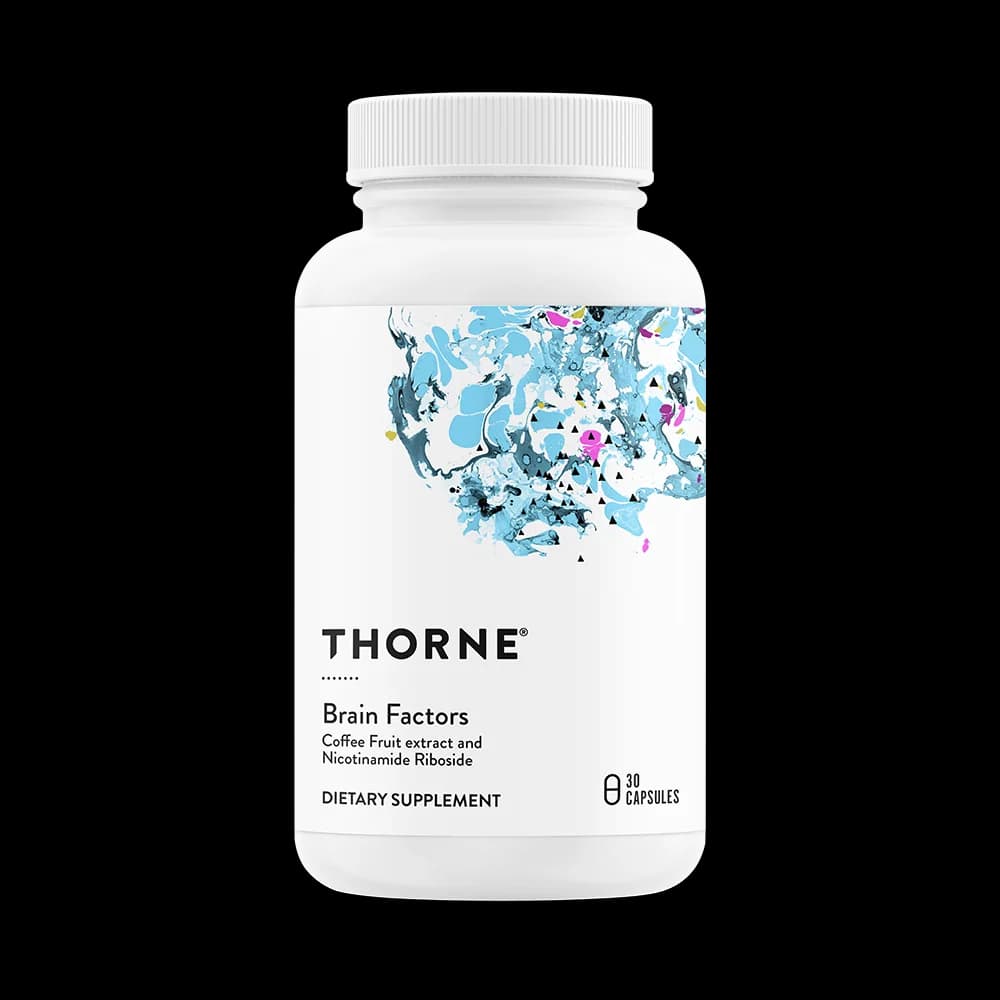
In the search for validating, science-backed management strategies, researchers and clinicians are increasingly focusing on the fundamental biochemical pathways that govern brain energy and neuronal health. This brings us to a compelling formulation known as Brain Factors, designed by Thorne. By combining Nicotinamide Riboside (NR), whole coffee fruit extract, and betaine anhydrous, this supplement aims to target three critical pillars of cognitive function: cellular energy production, neuroplasticity, and neurotransmitter synthesis. In this comprehensive guide, we will explore the intricate molecular mechanisms behind these ingredients, how chronic illness disrupts these vital pathways, and what the latest clinical research reveals about their potential to support cognitive recovery.
TL;DR
Brain Factors combines NR, coffee fruit extract, and betaine to support cognitive function and cellular energy.
Nicotinamide Riboside (NR) helps replenish NAD+ levels, supporting mitochondrial energy production disrupted by chronic illness.
Coffee fruit extract stimulates BDNF production, which may help improve neuroplasticity and memory consolidation.
Betaine supports the methylation cycle, aiding in neurotransmitter synthesis and reducing neurotoxic homocysteine levels.
What is Brain Factors? Understanding the Core Ingredients
Nicotinamide Riboside and the NAD+ Energy Network
Nicotinamide Riboside (NR) is a highly bioavailable, specialized form of Vitamin B3 that serves as a direct precursor to one of the most important molecules in the human body: Nicotinamide Adenine Dinucleotide (NAD+). NAD+ is an essential coenzyme found in every living cell, acting as the central linchpin for cellular metabolism and energy production. Within the mitochondria—the microscopic powerhouses of our cells—NAD+ shuttles electrons through the electron transport chain, a complex series of enzymatic reactions that ultimately generate adenosine triphosphate (ATP), the primary energy currency of the body. Without adequate NAD+, the mitochondria cannot convert the nutrients from the food we eat into the ATP required to power high-demand organs like the brain, which consumes roughly 20% of the body's total energy despite accounting for only 2% of its mass.
Beyond basic energy production, NAD+ is also the primary fuel source for a class of vital longevity and repair enzymes known as sirtuins and PARPs (Poly ADP-ribose polymerases). Sirtuins, particularly SIRT1, rely on a steady, uninterrupted supply of NAD+ to regulate cellular health, suppress systemic inflammation, and maintain the structural integrity of our DNA. When the body is healthy and unstressed, NAD+ levels remain robust, allowing for seamless energy metabolism and rapid cellular repair. However, because NAD+ is continuously consumed and destroyed by these repair enzymes during their normal function, it must be constantly replenished through dietary precursors like NR, making it a critical focal point for maintaining cognitive vitality and preventing age-related or illness-induced metabolic decline.
CognatiQ Coffee Fruit Extract and Brain-Derived Neurotrophic Factor
The second foundational ingredient in Brain Factors is CognatiQ™, a patented extract derived from the whole fruit of the Coffea arabica plant, commonly known as the coffee cherry. Historically, the red fruit surrounding the coffee bean was discarded as agricultural waste during the roasting process, but modern extraction techniques have revealed that this fruit is incredibly rich in a unique profile of polyphenols and phytonutrients. Unlike the roasted bean, which is prized almost exclusively for its stimulant properties, this whole fruit extract contains very low levels of caffeine (typically less than 2%) and operates through an entirely different, non-stimulatory biological pathway. Its primary function is to stimulate the production of Brain-Derived Neurotrophic Factor (BDNF), a crucial neuroprotein that acts essentially as "fertilizer" for the brain.
BDNF is the master regulator of neuroplasticity, which is the brain's remarkable ability to adapt, reorganize, and form new neural connections in response to learning, experience, or injury. At the cellular level, BDNF binds to specific receptors (known as TrkB receptors) on the surface of neurons, triggering a complex cascade of intracellular signals that promote the survival of existing neurons and encourage the growth of new dendrites and synapses. This process is absolutely vital for memory consolidation, executive function, and the overall structural integrity of the hippocampus and cortex. In a healthy, well-functioning nervous system, robust BDNF levels ensure that communication pathways between brain cells remain fast, efficient, and highly resilient against oxidative stress.
Betaine Anhydrous and the Methylation Cycle
The final key component of this formulation is Betaine Anhydrous, also known scientifically as Trimethylglycine (TMG). Betaine is a naturally occurring amino acid derivative that plays a dual role in the body as both an osmolyte (protecting cells from environmental stress and dehydration) and a vital methyl donor. Methylation is a fundamental biochemical process occurring billions of times a second in every cell, involving the transfer of a single carbon atom and three hydrogen atoms (a methyl group) from one molecule to another. This biological process is absolutely essential for DNA repair, gene expression, and the synthesis of crucial neurotransmitters that dictate our mood and cognitive stamina.
In the brain, betaine supports the methylation cycle by donating one of its three methyl groups to convert homocysteine—a potentially neurotoxic amino acid byproduct—back into the highly beneficial amino acid methionine. Methionine is then subsequently converted into S-adenosylmethionine (SAMe), the body's universal methyl donor. SAMe is a strict biological requirement for the biosynthesis of dopamine, serotonin, norepinephrine, and melatonin. By ensuring a steady, reliable pool of methyl groups, betaine directly facilitates the production of the chemical messengers responsible for mood regulation, focus, and executive processing, while simultaneously preventing the accumulation of inflammatory homocysteine that can damage delicate cerebral blood vessels.
How Long COVID and ME/CFS Impact the Brain
The Catastrophic Drain on Cellular NAD+
To understand why cognitive dysfunction is so universally prevalent in post-viral syndromes, we must examine how acute infections fundamentally alter cellular metabolism. Research on mitochondrial dysfunction in Long COVID has increasingly highlighted that the persistent fatigue and brain fog experienced by patients are deeply rooted in an ongoing, systemic energy crisis. When the SARS-CoV-2 virus enters the body, it triggers an intense molecular "arms race" with the host's innate immune system. The immune system immediately deploys PARP enzymes to tag viral proteins and initiate rapid DNA repair, a necessary defense mechanism that unfortunately consumes massive, unsustainable quantities of NAD+. Simultaneously, the virus actively fights back using specific proteins (like NSP3) to strip away these protective tags, forcing the host's PARP enzymes into overdrive.
This futile, hyperactive cycle rapidly drains the cell's NAD+ reserves to dangerously low levels. A recent study on SARS-CoV-2 and NAD+ depletion demonstrates that viral infections can reduce cellular NAD+ pools by up to 80% in a matter of hours. Because NAD+ and ATP are strictly co-dependent, this catastrophic drop in NAD+ causes the mitochondrial electron transport chain to stall completely. The brain, highly sensitive to even minor energy fluctuations, suddenly finds itself starved of the ATP required to maintain normal neural firing and executive function. Furthermore, the depletion of NAD+ severely impairs the anti-inflammatory sirtuin enzymes, removing the "brakes" from the immune system and allowing neuroinflammation to run rampant, a hallmark of both What Causes Long COVID? and ME/CFS.
Neuroinflammation and the Suppression of BDNF
The chronic neuroinflammation triggered by this metabolic collapse has a devastating secondary effect: the severe suppression of Brain-Derived Neurotrophic Factor (BDNF). In complex conditions like ME/CFS and Long COVID, the persistent activation of microglia (the brain's resident immune cells) releases a constant, toxic stream of inflammatory cytokines, such as Interleukin-6 (IL-6) and Tumor Necrosis Factor-alpha (TNF-alpha). These inflammatory markers actively interfere with the delicate signaling pathways that normally stimulate BDNF production. As BDNF levels plummet, the brain loses its primary, essential mechanism for neuroplasticity, structural repair, and cellular adaptation.
Without adequate BDNF, neurons begin to literally lose their dendritic spines—the tiny, branch-like protrusions that allow them to communicate with neighboring cells. This aggressive synaptic pruning manifests clinically as the classic, debilitating symptoms of What Is “Brain Fog” and Cognitive Dysfunction in Long COVID?: extreme difficulty finding words, poor short-term memory, and a profound inability to concentrate or process complex information. The brain essentially becomes structurally rigid and far less capable of adapting to even minor cognitive demands, trapping the patient in a state of chronic mental fatigue that cannot be alleviated by sleep or standard rest alone.
The Homocysteine Trap and Methylation Blockades
The third layer of cognitive impairment in these complex chronic conditions involves the severe disruption of the methylation cycle. Chronic oxidative stress and systemic inflammation can severely impair the specific enzymes responsible for converting homocysteine back into methionine. When this vital pathway stalls, homocysteine begins to accumulate in the bloodstream and the brain at alarming rates. Elevated homocysteine is highly neurotoxic; it induces further oxidative stress, damages the delicate endothelial cells lining cerebral microvessels, and restricts healthy, oxygen-rich blood flow to the brain's primary cognitive centers.
Simultaneously, the failure to efficiently recycle homocysteine means that the production of SAMe plummets to critical lows. Without sufficient SAMe, the brain simply cannot synthesize adequate levels of dopamine, serotonin, or norepinephrine. This severe neurotransmitter drought contributes significantly to the mood disturbances, lack of motivation, and severe executive dysfunction commonly reported by patients. The interconnected nature of these biological failures—NAD+ depletion, BDNF suppression, and methylation blockades—creates a vicious, self-perpetuating cycle of cognitive decline that requires a highly multi-targeted approach to successfully unravel and manage.
Brain Factors: Supporting Cognitive Function and Energy
Restoring the Mitochondrial Engine with Nicotinamide Riboside
Supplementing with Nicotinamide Riboside (NR) offers a direct, highly efficient pathway to bypass the metabolic blockades caused by chronic illness and restore cellular energy production from the ground up. Unlike pure NAD+, which is a massive molecule that struggles to cross cell membranes effectively when taken orally, NR is specifically designed to enter the cell and rapidly convert into NAD+ through the specialized nicotinamide riboside kinase (NRK) pathway. By flooding the cellular environment with this essential precursor, NR provides the raw biochemical materials needed to restart the stalled mitochondrial engines and overcome the viral-induced energy deficit.
Once inside the mitochondria, the newly synthesized NAD+ immediately resumes its critical role as an electron transporter, dramatically increasing the production of ATP. For patients suffering from the profound, debilitating energy deficits of Long COVID or ME/CFS, this restoration of ATP is absolutely critical for alleviating the deep neurological exhaustion that characterizes post-exertional malaise (PEM). Furthermore, replenishing the NAD+ pool reactivates the dormant SIRT1 longevity enzymes. These sirtuins go to work suppressing the chronic neuroinflammation that drives brain fog, effectively turning down the volume on the hyperactive immune responses that damage delicate neural tissue and impair daily functioning.
Stimulating Neuroplasticity with Coffee Fruit Extract
While NR rebuilds the brain's functional energy reserves, the CognatiQ whole coffee fruit extract works synergistically to repair the physical, structural damage caused by prolonged neuroinflammation. The unique, highly concentrated polyphenols found in the whole coffee cherry have been clinically shown to cross the blood-brain barrier and directly stimulate the production of BDNF. By elevating BDNF levels, this specialized extract provides the exact neuro-fertilizer required to reverse the synaptic pruning associated with chronic illness, allowing the brain to rebuild its communication networks.
At the cellular level, the influx of BDNF binds tightly to TrkB receptors, initiating the rapid growth of new dendritic spines and strengthening the synaptic connections between neurons. This enhanced neuroplasticity allows the brain to essentially rewire itself around areas of inflammatory damage, a process known as compensatory neuroplasticity. As communication pathways between brain cells become faster and more efficient, patients often experience noticeable improvements in working memory, processing speed, and the ability to sustain attention on complex tasks. This structural support is a vital component of holistic recovery, ensuring that the brain has the physical architecture necessary to actually utilize the newly restored mitochondrial energy.
Optimizing Neurotransmitter Synthesis via Betaine
To complete this comprehensive cognitive support system, Betaine Anhydrous (TMG) steps in to rapidly repair the fractured methylation cycle. By acting as a potent and readily available methyl donor, betaine forces the conversion of toxic homocysteine back into beneficial methionine, utilizing the secondary hepatic BHMT pathway. This specific action rapidly clears the neurotoxic buildup of homocysteine, protecting the cerebral microvessels from further endothelial damage and ensuring optimal, unrestricted blood flow to the brain's most demanding cognitive centers.
More importantly, the restoration of the methylation cycle leads to a massive surge in the production of SAMe. With abundant SAMe available, the brain can finally resume the optimal, uninterrupted biosynthesis of crucial neurotransmitters. The renewed production of dopamine supports motivation and executive function, while stabilized serotonin levels help regulate mood and sleep patterns. By addressing energy production (NR), structural neuroplasticity (BDNF), and chemical messaging (Betaine), this tri-part mechanism offers a highly logical, biologically sound, and deeply comprehensive approach to combating the multifaceted nature of chronic cognitive dysfunction.
Symptoms Brain Factors May Help Manage
Targeting Cognitive and Physical Fatigue
The synergistic combination of NR, coffee fruit extract, and betaine is meticulously designed to address the specific downstream symptoms that arise when the brain's metabolic and structural pathways are compromised. While it is crucial to understand that supplements are not cures for complex, systemic conditions like Can Long COVID Trigger ME/CFS? Unraveling the Connection, supporting these foundational biological processes may help significantly alleviate several debilitating neurological symptoms and improve overall quality of life.
Key Symptoms Addressed by Brain Factors
Brain Fog and Sluggish Executive Function: By restoring NAD+ levels and boosting ATP production, NR helps power the high-energy demands of the prefrontal cortex, potentially improving the ability to plan, organize, and process information efficiently without immediate exhaustion.
Poor Working Memory and Word Recall: The direct stimulation of BDNF by CognatiQ coffee fruit extract encourages the growth of new neural connections in the hippocampus, directly supporting memory consolidation and the speed at which complex information can be retrieved.
Mental Fatigue and Post-Exertional Exhaustion: Replenishing the cellular energy pool helps raise the neurological threshold for fatigue, potentially allowing patients to engage in cognitive tasks for longer periods before experiencing the severe, debilitating crashes associated with PEM.
Mood Disturbances and Lack of Motivation: Betaine's critical role as a methyl donor ensures the adequate production of SAMe, which is strictly required for the synthesis of dopamine and serotonin, helping to stabilize mood and improve intrinsic motivation during long recoveries.
Difficulty Sustaining Attention: By reducing neuroinflammation through sirtuin activation and clearing neurotoxic homocysteine from the bloodstream, the combined ingredients help quiet the inflammatory "static" in the nervous system, allowing for sharper, more sustained focus.
Practical Considerations: Forms, Dosing, and Absorption
Bioavailability of Nicotinamide Riboside vs. Other Precursors
When considering NAD+ supplementation, bioavailability is a critical factor that dictates clinical success. Historically, pure NAD+ supplements were highly ineffective because the molecule is simply too large to survive the harsh environment of the digestive tract and enter cells intact. This biological hurdle led to the rise of precursors like Nicotinamide Riboside (NR) and Nicotinamide Mononucleotide (NMN). NR is widely considered by researchers to be one of the most efficient and highly bioavailable oral precursors available on the market today. It utilizes a unique, direct pathway (the NRK pathway) to enter the cell and convert to NAD+ without requiring the complex extracellular breakdown that NMN often undergoes. Clinical data indicates that standard oral doses of NR can successfully increase whole-blood NAD+ levels by up to 50% or more within a matter of weeks, making it a highly reliable intervention.
The Unique Properties of Whole Coffee Fruit Extract
It is absolutely vital to distinguish the CognatiQ whole coffee fruit extract used in Brain Factors from standard coffee beverages or generic green coffee bean extracts. The specific polyphenols responsible for spiking BDNF are highly concentrated in the red fruit surrounding the bean, which is typically discarded during standard agricultural processing. Research published in the British Journal of Nutrition demonstrated that while the whole fruit extract significantly elevated BDNF by 143%, green coffee caffeine powder and grape seed extract only produced a modest 31% increase. Furthermore, because the extract is virtually caffeine-free, it provides profound cognitive support without triggering the autonomic nervous system spikes, tachycardia, or jitteriness that patients with dysautonomia or POTS must strictly avoid.
Dosage Timing and Potential Interactions
Brain Factors is typically taken as one capsule daily, or as strictly recommended by a knowledgeable healthcare practitioner. Because NR actively stimulates cellular energy production and mitochondrial metabolism, most clinicians highly recommend taking it in the morning or early afternoon to align with the body's natural circadian rhythms and avoid potential sleep disturbances at night. The inclusion of betaine (TMG) in this specific formula is particularly strategic and forward-thinking; because the body uses methyl groups to process and excrete excess B-vitamins, taking high doses of NAD+ precursors alone can sometimes deplete the body's methyl pool over time. The built-in betaine acts as an essential "insurance policy," ensuring that methylation remains robust even as NAD+ levels rise. As always, individuals with a history of hypersensitivity to any ingredients, or those who are pregnant, should consult their healthcare provider before initiating any new supplementation protocol.
Follow the Science
Clinical Trials on Nicotinamide Riboside and Long COVID
The scientific community is aggressively investigating the role of NAD+ precursors in post-viral syndromes, yielding highly promising data. A highly anticipated 2025 clinical trial from Massachusetts General Hospital rigorously evaluated the effects of high-dose Nicotinamide Riboside on individuals suffering from Long COVID. While the study did not find a statistically significant difference in its primary, broad cognitive endpoints compared to the placebo group, the underlying biological data was undeniable: blood tests confirmed that NR successfully restored cellular energy frameworks, increasing whole-blood NAD+ levels by an impressive 2.6- to 3.1-fold. Furthermore, exploratory within-group analyses revealed that patients who took NR consistently reported highly encouraging, statistically notable improvements in fatigue, sleep quality, mood, and specific executive function tasks. This aligns perfectly with broader Identification of CD8 T-cell dysfunction research showing that targeted metabolic support can profoundly impact immune and cognitive recovery in post-viral patients.
The Evidence Behind CognatiQ and BDNF
The clinical data supporting whole coffee fruit extract is equally compelling and robust. Foundational double-blind, placebo-controlled trials have repeatedly demonstrated its acute efficacy in human subjects. In one landmark study, participants experienced an average 143% increase in blood plasma BDNF levels within just 60 to 120 minutes of ingesting 100 mg of the extract. Subsequent functional MRI studies have shown that this massive BDNF spike directly correlates with increased connectivity in the anterior cingulate cortex—a critical brain region heavily involved in sensory processing, decision making, and attention. While a 2023 study published in Nutrients noted that higher doses (300 mg) did not yield additional benefits and could cause transient fatigue, the standard clinical dose of 100 mg remains strongly associated with rapid improvements in processing speed and significant reductions in omission errors during complex memory testing.
Betaine's Impact on Cognitive Decline
The inclusion of betaine is heavily supported by extensive epidemiological and clinical data regarding methylation and long-term brain health. The Hordaland Health Study, a massive cross-sectional analysis of over 2,000 subjects, found that individuals with low plasma concentrations of betaine had a staggering 2.5 times higher relative risk for poor episodic memory. Further clinical trials involving elderly populations have shown that supplementing with methyl donors significantly decreases total homocysteine concentrations while simultaneously increasing betaine levels, a biochemical shift that directly correlates with measurable increases in memory performance and executive function. Together, these three ingredients provide a scientifically validated, multi-targeted approach to supporting the neurological infrastructure and combating the effects of How Does a Doctor Diagnose Long COVID? cognitive decline.
The Path Forward
A Comprehensive Approach to Cognitive Recovery
Living with the severe cognitive dysfunction of Long COVID, ME/CFS, or dysautonomia is an incredibly frustrating, isolating, and often invisible battle. When your brain no longer processes information the way it used to, it can impact every single facet of your daily life, from maintaining employment to simply holding a conversation with a loved one. It is absolutely vital to remember that these symptoms are not in your head—they are the direct result of measurable, physiological disruptions in cellular energy, neuroplasticity, and neurotransmitter synthesis. While there is no single miracle cure for these complex conditions, utilizing targeted, science-backed nutritional support like Brain Factors can be a powerful, validating tool in your comprehensive management arsenal.
Tracking Your Progress and Consulting Your Team
As with any medical intervention, supplements should be carefully integrated into a broader, comprehensive care plan. Pacing, aggressive rest, nervous system regulation, and meticulous symptom tracking are just as important as the molecules you ingest. When starting a new supplement that targets cellular energy and brain function, keep a detailed daily log of your cognitive stamina, word recall abilities, and post-exertional symptoms. Because it takes significant time to rebuild damaged mitochondrial networks and stimulate new neural pathways, consistency and patience are key. Always work closely with a knowledgeable healthcare provider who truly understands the nuances of post-viral illness to ensure that your approach is safe, highly personalized, and ultimately effective.
Sources
Novel biomarkers of mitochondrial dysfunction in Long COVID patients
Identification of CD8 T-cell dysfunction associated with symptoms in ME/CFS and Long COVID
Modulatory effect of coffee fruit extract on plasma levels of BDNF
Plasma free choline, betaine and cognitive performance: the Hordaland Health Study
Effects of Nicotinamide Riboside on NAD+ Levels, Cognition, and Symptom Recovery in Long-COVID
Betaine attenuates oxidative stress and cognitive dysfunction